Skräddar-Djurberga, Vastmanland Travel Guide
Discover Dalarna's pristine 17th-century fäbod: 20 authentic log cabins amid whispering forests, a serene portal to Sweden's pastoral heritage north of Orsa. (162 characters)
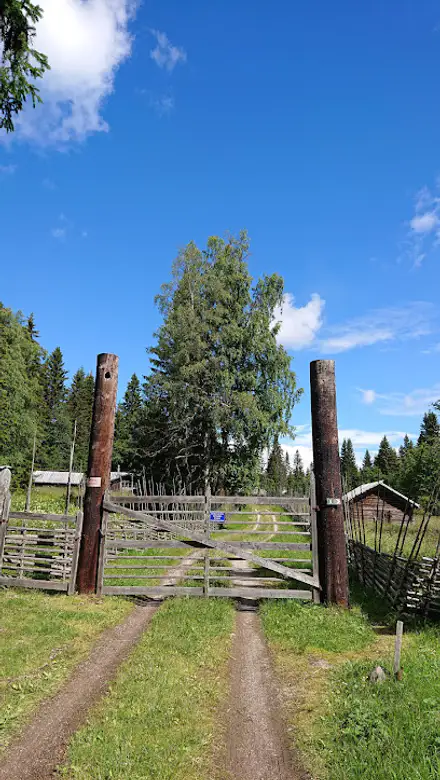
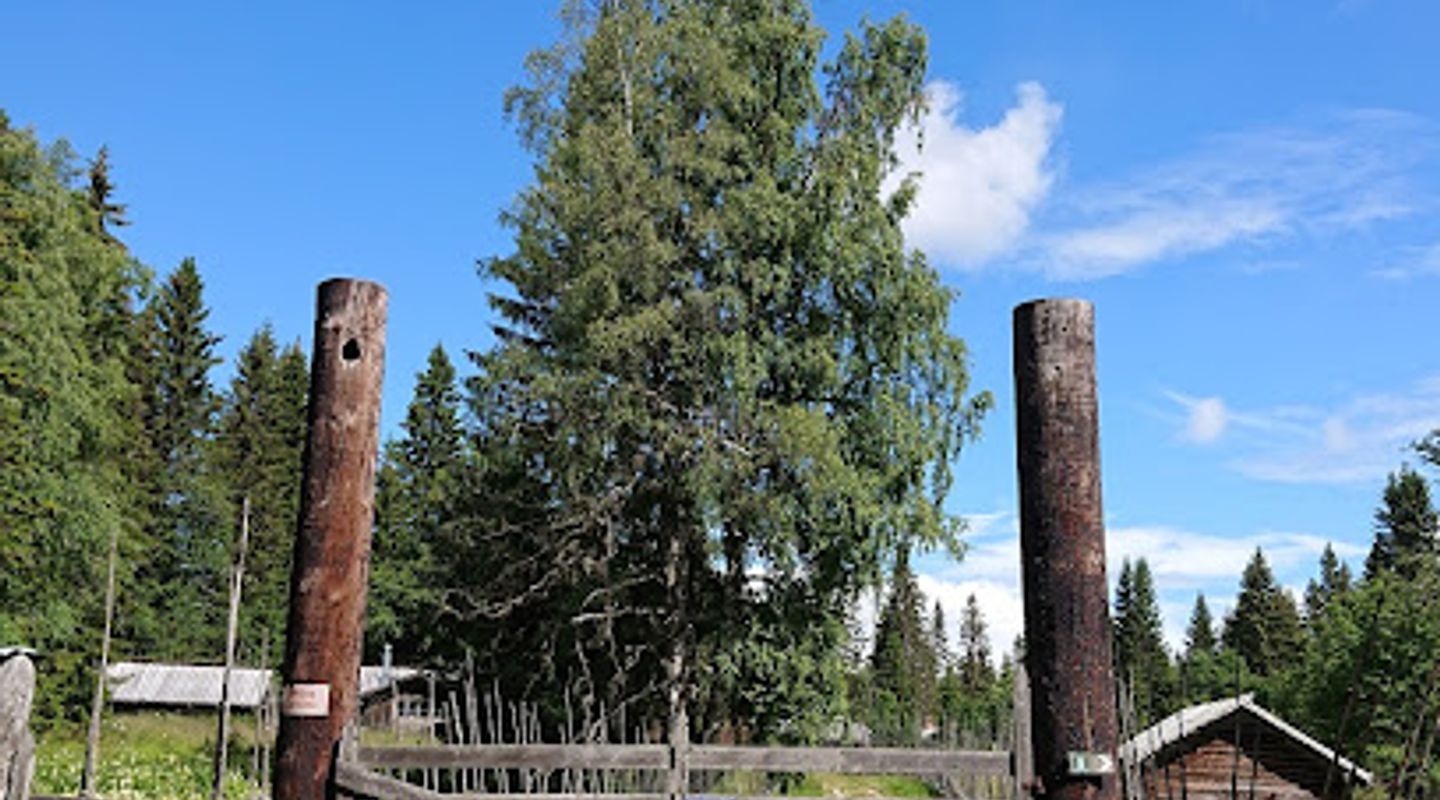
Nestled in the forests north of Orsa in Dalarna, Skräddar-Djurberga is a remarkably preserved 17th-century fäbod, a traditional summer pasture settlement with around 20 rustic log buildings. This living piece of Swedish cultural heritage offers a serene glimpse into historical rural life, where families once herded cattle and produced dairy amid the whispering pines. Though no animals or refreshments are currently available, its authentic structures and tranquil woodland setting make it a compelling excursion for history enthusiasts and nature lovers seeking an unspoiled slice of Dalarna's past. (512 characters)
A brief summary to Skräddar-Djurberga
- Unnamed Road, Orsa, 794 91, SE
- Click to display
- Duration: 0.5 to 2 hours
- Free
-
 Outdoor
- Mobile reception: 3 out of 5

Know before you go
Hi, I'm Eve. Here are a few practical things to know before exploring Skräddar-Djurberga.
- Visit in summer for longest daylight and lush greenery surrounding the cabins.
- Wear sturdy shoes for uneven forest paths weaving through the settlement.
- Bring insect repellent during peak mosquito season in late spring and early summer.
- Observe preserved dairy buildings to imagine traditional cheese-making processes.
Do you manage this location?
Take control to get all the benefits, like improved information, better appearance, and stronger visibility across AI-powered discovery. Learn more about listing your business on Evendo
Activate your presenceOther nearby places you may find interesting
The closest places of the same kind, if this one is not quite what you had in mind.
Explore Skräddar-Djurberga on the Map
A handpicked selection of must-see spots near Skräddar-Djurberga, mapped for you.
Getting There
-
Driving
Drive from Orsa center via Road 70 north toward Skattungbyn, 20-25 minutes, limited gravel parking at site entrance with few spots during peak summer weekends.
-
Bus
Take Dalatrafik bus 258 from Orsa station to Skattungbyn stop, 25-30 minutes, then 3 km walk on forest trail, buses run 4-6 times daily in summer, 50-80 SEK one-way.
-
Biking
Cycle from Orsa along mixed paved and gravel roads via Road 70, 45-60 minutes uphill sections, bike racks unavailable, suitable for hybrid bikes June-September.
-
Walking
Hike from Skattungbyn village trailhead, 40-50 minutes moderate forested path with some elevation, well-marked but uneven terrain, best in dry weather.
For the on-the-go comforts that matter to you
-
 Seating Areas
-
 Trash Bins
-
 Information Boards
-
 Picnic Areas
Discover more about Skräddar-Djurberga
Origins in the 1600s Forest Heartland
Skräddar-Djurberga fäbod emerged in the 17th century as part of Orsa's vital summer grazing tradition, where southern Swedish farmers drove livestock to remote mountain forests during warmer months. Located between Skattungbyn and Orsa, this site exemplifies the fäbod system—simple log cabins clustered for herding cows, goats, and sheep while producing butter, cheese, and mesost from fresh milk. The buildings, constructed from local timber, reflect practical Scandinavian design adapted to harsh Dalarna weather, with low roofs to shed heavy snow and sturdy walls against wind.Well-Preserved Cluster of Traditional Buildings
Today, approximately 20 structures stand in remarkable condition, including stugas for living quarters, bodar for dairy storage, and outbuildings for tools and animals. Notable is the Mjölkboden, relocated from Kväksel in the 1960s and now positioned beside the Aspstugan, preserving architectural details like notched logs and turf roofs. These edifices form a compact village-like hamlet enveloped by dense coniferous woods, evoking the self-sufficient world of fäbod girls—young women who managed the herds, a role documented in Orsa's 17th-century parish records amid efforts to regulate pastoral labor.Daily Rhythms of Fäbod Life
Historical accounts paint vivid scenes of fäbod existence: dawn milking under vast skies, churning butter by hand, and communal meals of flatbread and whey cheese. Women formed the backbone, organized into lag—cooperative groups for herding, fencing, and hauling goods—learning lifelong skills in isolation. In Orsa's dual cultural landscape, southern Swedes with fixed farms complemented northern Finnmark settlers practicing slash-and-burn, but fäbodar like Skräddar-Djurberga unified the region through shared pastoral heritage, sustaining communities through lean winters.Cultural Significance in Dalarna
As one of Dalarna's finest surviving fäbodar, Skräddar-Djurberga embodies Sweden's intangible cultural heritage, recognized for its continuity from medieval times possibly rooted in Iron Age practices. Though modern challenges like predators and economics have reduced active herding, the site's intactness highlights fäbodbruk's evolution—from vital economic pillar to cherished landmark. Local preservation efforts, including hembygdsförening initiatives in the mid-20th century, underscore its role in safeguarding traditions against industrialization.Woodland Ambiance and Natural Surroundings
The fäbod sits amid rolling forested hills, where birch and pine dominate, interspersed with open meadows ideal for grazing. Seasonal wildflowers bloom in summer, while autumn paints the landscape in fiery hues; winters blanket it in deep snow. Birdsong and rustling leaves create a peaceful soundscape, occasionally broken by distant moose calls, immersing visitors in a timeless natural embrace that once sustained generations.Enduring Legacy of Rural Sweden
Skräddar-Djurberga stands as a testament to resilient rural ingenuity, bridging Sweden's agrarian past with contemporary appreciation for sustainable land use. Its story resonates in broader fäbod narratives across Dalarna and Jämtland-Härjedalen, where similar sites foster cultural pride and environmental stewardship today. (2578 characters)












Your all‑in‑one travel companion app
Explore expert travel guides, compare and book tours, experiences, hotels, and more—all from the palm of your hand. Download now for seamless trip planning wherever your wanderlust takes you.


Explore More of Vastmanland
Looking beyond Skräddar-Djurberga? Discover Vastmanland for broader travel guides, local hot-spots, and regional highlights.
Explore Vastmanland