

Free Schaffhausen Travel Guide & Mobile App
Explore Schaffhausen with free travel guides. Discover regional history, expert tips, proposed trips, and audio guides on web or mobile app.


Explore Schaffhausen’s medieval old town, Rhine Falls, vineyard villages, wooded Randen hills and riverside heritage in northern Switzerland.
Read more about Schaffhausen
When is the best time to visit Schaffhausen?
Best: June–August · 21–23°C| Month | High (°C) | Rainfall (mm) |
|---|---|---|
| January | 3 | 55 |
| February | 4 | 48 |
| March | 8 | 60 |
| April | 13 | 65 |
| May | 18 | 85 |
| June (best) | 21 | 95 |
| July (best) | 23 | 95 |
| August (best) | 23 | 95 |
| September | 19 | 75 |
| October | 14 | 70 |
| November | 8 | 65 |
| December | 3 | 60 |
Getting to and around Schaffhausen
How to get there
Transportation
Best attractions in Schaffhausen
Schaffhausen’s attractions range from major natural drama to carefully preserved urban heritage. At Neuhausen am Rheinfall, the Rhine Falls can be viewed from the Swiss side through riverside paths, platforms and boat excursions, although some viewpoints and services are seasonal. In Schaffhausen, the Munot provides the defining city panorama, while the Allerheiligen complex combines a former minster and cloister with archaeological and historical collections. The old town’s elaborate façades and guild houses are an attraction in their own right. Stein am Rhein offers a different historic atmosphere, with painted façades and a riverside setting at the eastern end of the canton. The Roman site and museum at Schleitheim illuminate life in the ancient province, while the Randen and Klettgau provide marked walks, cycling routes and vineyard landscapes. Families can combine the waterfall and river scenery with museums, boat trips and short excursions, while walkers and wine enthusiasts will find more rewarding experiences in the rural districts than in a hurried city tour.
-
Tourist attraction
Rhine Falls
Switzerland’s most famous waterfall stop, with broad river views, spray-soaked platforms, and boat access just outside Schaffhausen.
-
Animal park
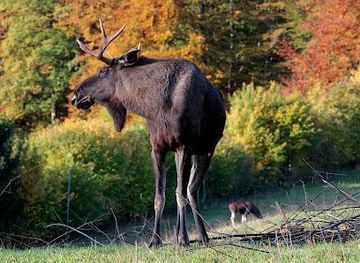
Wildnispark Zürich Langenberg
Explore the Wildnispark Zürich Langenberg, a beautiful animal park where Swiss wildlife thrives in their natural habitats amidst stunning landscapes.
-
Mountain peak
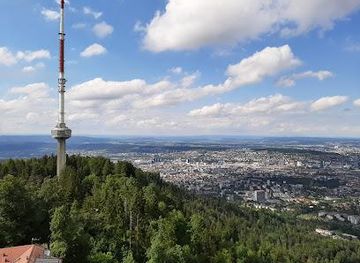
Uetliberg
Discover the breathtaking beauty and outdoor adventures at Uetliberg, Zurich's stunning peak offering panoramic views and serene nature trails.
-
 Restaurant
 Laufen Castle at the Rheinfalls
Historic Schloss Laufen is the main Rhine Falls viewpoint on the Dachsen side, with cliff-edge platforms, a lift, and close-up water views.

Best landmarks in Schaffhausen
The Munot dominates Schaffhausen from its hilltop above the old town. This circular sixteenth-century fortress, with its broad ramparts and distinctive form, is both a defensive monument and a viewpoint over the Rhine and surrounding countryside. Below it, the Allerheiligen complex preserves a medieval minster, cloister and associated buildings, while the Church of St John and the old town’s projecting bay windows express the wealth of the former trading centre. The Rhine Falls is the canton’s great natural landmark: the powerful cascade lies at the boundary between Schaffhausen and Zürich cantons, with the principal Swiss visitor facilities and viewpoints at Neuhausen am Rheinfall in Schaffhausen. In Stein am Rhein, the Rathausplatz is notable for its richly painted façades, including historic civic and merchant buildings. The Roman remains at Schleitheim provide a less monumental but historically important landmark, marking the location of Juliomagus and the canton’s place within the Roman world north of the Alps.
-
Tourist attraction
Rhine Falls
Visit Rhine Falls, Europe's largest waterfall, and immerse yourself in breathtaking natural beauty and thrilling adventures in Switzerland.
-
Restaurant
Restaurant Laufen Castle at the Rheinfalls
Experience exquisite Swiss cuisine and stunning views at Restaurant Laufen Castle, a historical gem near the magnificent Rheinfalls.
-
Fortress
Munot
Discover the historical Munot Fortress in Schaffhausen, where breathtaking views meet rich Swiss heritage and medieval architecture.
-
Fortress
Munot club - guides and information
Explore the Munot Fortress in Schaffhausen - a historical gem with stunning views and rich Swiss heritage.


Explore Schaffhausen on the map
Plan your trip on one map. See where the top cities, national parks and sights are, and book hotels and experiences in a few clicks.
Best hotels in Schaffhausen
Best restaurants in Schaffhausen
Dining in Schaffhausen reflects its northern Swiss position and its proximity to Germany, with traditional restaurants, bakeries, cafés and country inns alongside contemporary kitchens. Menus commonly draw on Swiss staples such as rösti, seasonal vegetables, freshwater fish and regional meat, while the canton’s vineyard districts contribute local wines, particularly Pinot Noir and Müller-Thurgau. Schaffhausen’s old town is the main centre for cafés and restaurants, whereas rural villages and the Klettgau offer a slower setting for inn-based meals and wine tastings. Stein am Rhein adds riverside dining and cafés suited to a day’s sightseeing. Local markets and farm shops are useful for finding bread, fruit, preserves and other products from the surrounding agricultural areas. Seasonal menus are often the best way to encounter the region’s produce, and visitors should distinguish local specialities from dishes that belong to Swiss cuisine more broadly.
-
Pizza Takeout
Santa Lucia Schaffhausen
Experience authentic Italian flavors at Santa Lucia Schaffhausen—where every pizza tells a story of tradition and taste.
-
Restaurant
Güterhof
Discover Güterhof in Schaffhausen: Where Barbecue Meets Elegance in a Lively Restaurant Atmosphere.
-
Italian
Restaurant La Piazza, Schaffhausen
Discover authentic Italian flavors at Restaurant La Piazza in Schaffhausen - where every meal is a journey through Italy's culinary traditions.
-
Swiss
Restaurant Falken
Discover authentic Swiss cuisine at Restaurant Falken in Schaffhausen - where every meal tells a story.


Best bars in Schaffhausen
Evening life in Schaffhausen is concentrated in the canton’s principal town rather than spread across the rural districts. The old town provides traditional pubs, wine bars, cafés and restaurants in historic surroundings, while occasional live music and cultural programming extend the choice beyond drinking venues. Local wine from the Klettgau and Hallau gives the region a more specific evening identity than a generic bar scene, and breweries or speciality drink venues may offer further options depending on the season and current opening arrangements. Stein am Rhein has a quieter selection of restaurants and historic inns, while villages generally wind down early. Nightclubs are limited compared with Zürich, so visitors seeking late-night entertainment should plan around the current programme in Schaffhausen and check transport back to rural accommodation. Evening walks beside the illuminated historic centre can be as characteristic of the region as its nightlife.
-
Bar
Güterhof
Discover the vibrant culinary scene at Güterhof, where exquisite barbecue meets a lively bar atmosphere in Schaffhausen, Switzerland.
-
Swiss
Restaurant Falken
Discover the authentic taste of Switzerland at Restaurant Falken in Schaffhausen, where rich flavors and local ingredients come together in a cozy setting.
-
Restaurant
Restaurant Kronenhof
Discover the exquisite flavors of Swiss and European cuisine at Restaurant Kronenhof, a culinary treasure in Schaffhausen, perfect for food lovers.
-
Bar
Bar Cuba Club
Discover the lively spirit of Bar Cuba Club in Schaffhausen, where cocktails and camaraderie create unforgettable nights.


Best nightclubs in Schaffhausen
Evening life in Schaffhausen is concentrated in the canton’s principal town rather than spread across the rural districts. The old town provides traditional pubs, wine bars, cafés and restaurants in historic surroundings, while occasional live music and cultural programming extend the choice beyond drinking venues. Local wine from the Klettgau and Hallau gives the region a more specific evening identity than a generic bar scene, and breweries or speciality drink venues may offer further options depending on the season and current opening arrangements. Stein am Rhein has a quieter selection of restaurants and historic inns, while villages generally wind down early. Nightclubs are limited compared with Zürich, so visitors seeking late-night entertainment should plan around the current programme in Schaffhausen and check transport back to rural accommodation. Evening walks beside the illuminated historic centre can be as characteristic of the region as its nightlife.
-
Bar
Bar Cuba Club
Experience the vibrant Cuban nightlife at Bar Cuba Club in Schaffhausen, where cocktails, music, and culture come together for an unforgettable evening.
-
Cocktail bar
Esel Schaffhausen
Discover Esel Schaffhausen, a cocktail bar in Switzerland offering exquisite drinks and a cozy atmosphere for a perfect evening out.
-
Bar
NEUSTADT
Discover NEUSTADT, a vibrant bar in Schaffhausen, where every drink tells a story and every moment is a celebration of local culture.
-
Dance restaurant
Orient Schaffhausen
Discover the perfect blend of dining and dancing at Orient Schaffhausen, the city's premier dance restaurant and nightclub.


Best shops in Schaffhausen
Shopping in Schaffhausen centres on the pedestrianised and historic streets of the main town, where independent retailers, bookshops, cafés, galleries and everyday Swiss brands occupy traditional buildings. The old town is better suited to browsing and small purchases than to large-scale retail, while Stein am Rhein offers craft-oriented shops, galleries and souvenirs around its historic centre. Markets and farm shops in the Klettgau and Hallau area are useful for regional wine, fruit, preserves, baked goods and other local produce, though their schedules vary by place and season. Visitors looking for a practical reminder of the canton might choose a bottle from a Schaffhausen vineyard, a locally made food product or an item connected with the region’s watchmaking and industrial heritage. For a broader choice of fashion and high-street shopping, Zürich is the nearest major Swiss retail centre outside the region, while Schaffhausen itself provides a more compact, locally focused experience.
-
Department store
MANOR Schaffhausen
Explore MANOR Schaffhausen, your one-stop destination for fashion, home goods, and local treasures in the heart of Switzerland.
-
Bag shop
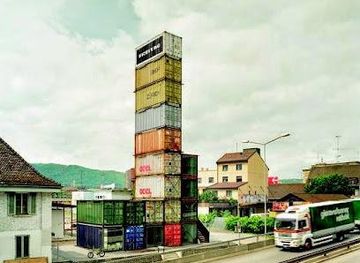
FREITAG Flagship Store Zürich
Explore the FREITAG Flagship Store in Zürich for unique, sustainable bags crafted from recycled materials in a vibrant shopping experience.
-
Grocery store
Sweet Schaffhausen
Explore Sweet Schaffhausen, your gateway to authentic Swiss flavors and unique culinary treasures in the heart of Schaffhausen.
-
Gift shop
Reber Schaffhausen tongues - confectioner and café
Experience the sweet essence of Switzerland at Reber Schaffhausen, a charming café and confectionery offering exquisite chocolates and baked delights.



Get your free copy of our complete guide to Schaffhausen, delivered straight to you.
Everything on this page, from attractions and restaurants to essentials and local phrases, in one PDF you can read offline, print or share.
Already have an account? Sign in
Your Schaffhausen guide is ready.
We'll send it to · Not you? Sign out

Getting your guide ready…
We are putting together a fresh copy of the Schaffhausen guide. This can take up to a minute.
This can take a few moments. If your browser asks, choose Allow so the download can start. You'll find the guide in your Downloads folder.
Nothing happened? Download it again
Sorry, the guide is taking longer than usual. Please try again in a minute, or get it by email instead.
Schaffhausen essentials
Currency and Payment
Safety
Emergency Situations
Do's and Don'ts
Local Tips
From Eve
Local phrases worth knowing
You don't need to get them perfect. A few words go a long way, and locals appreciate the effort.
Basics
| English | Local | Say it |
|---|---|---|
| Hello | Hallo | [Hah-lo] |
| Goodbye | Auf Wiedersehen | [Owf Veed-er-zay-en] |
| Yes | Ja | [Yah] |
| No | Nein | [Nine] |
| Please/You're welcome | Bitte | [Bitt-eh] |
| Thank you | Danke | [Dahn-keh] |
| Excuse me/Sorry | Entschuldigung | [Ent-shool-dee-goong] |
| How are you? | Wie geht's? | [Vee gates?] |
| Fine. And you? | Gut. Und dir? | [Goot. Oond deer?] |
| Do you speak English? | Sprechen Sie Englisch? | [Shpre-chen Zee Eng-lish?] |
| I don't understand | Ich verstehe nicht | [Ish fer-shteh-eh nikht] |
Eating & Drinking
| English | Local | Say it |
|---|---|---|
| I'd like to see the menu, please | Ich hätte gerne die Speisekarte, bitte | [Ish heh-teh gair-neh dee Shpie-zeh-kar-teh, bitt-eh] |
| I don't eat meat | Ich esse kein Fleisch | [Ish ess-eh kine Flysh] |
| Cheers! | Prost! | [Prohst!] |
| I would like to pay, please | Ich möchte bezahlen, bitte | [Ish merkh-teh beh-tsah-len, bitt-eh] |
Emergencies
| English | Local | Say it |
|---|---|---|
| Help! | Hilfe! | [Hil-feh!] |
| Go away! | Geh weg! | [Geh vek!] |
| Call the Police! | Rufen Sie die Polizei! | [Roo-fen Zee dee Poh-lee-tsai!] |
| Call a doctor! | Rufen Sie einen Arzt! | [Roo-fen Zee eye-nen Arts-t!] |
| I'm lost | Ich habe mich verlaufen | [Ish hah-beh mikh fer-lau-fen] |
| I'm ill | Ich bin krank | [Ish bin krank] |
Shopping
| English | Local | Say it |
|---|---|---|
| I'd like to buy... | Ich möchte kaufen... | [Ish merkh-teh kow-fen...] |
| I'm just looking | Ich schaue nur | [Ish shau-eh noor] |
| How much is it? | Wie viel kostet es? | [Vee feel kost-et es?] |
| That's too expensive | Das ist zu teuer | [Das ist tsu toy-er] |
| Can you lower the price? | Könnten Sie den Preis senken? | [Kern-ten Zee den Prys zen-ken?] |
Time & Numbers
| English | Local | Say it |
|---|---|---|
| What time is it? | Wie spät ist es? | [Vee shpayt ist es?] |
| It's one o'clock | Es ist ein Uhr | [Es ist ine Oor] |
| Half past (10) | Halb elf | [Hahlb elf] |
| Morning | Morgen | [Mor-gen] |
| Afternoon | Nachmittag | [Nahch-mit-tahg] |
| Evening | Abend | [Ah-bend] |
| Yesterday | Gestern | [Ges-terrn] |
| Today | Heute | [Hoy-teh] |
| Tomorrow | Morgen | [Mor-gen] |
| 1 | eins | [Eyns] |
| 2 | zwei | [Zvy] |
| 3 | drei | [Dry] |
| 4 | vier | [Fear] |
| 5 | fünf | [Foonf] |
| 6 | sechs | [Zex] |
| 7 | sieben | [Zee-ben] |
| 8 | acht | [Acht] |
| 9 | neun | [Noyn] |
| 10 | zehn | [Tsayn] |
Transport & Directions
| English | Local | Say it |
|---|---|---|
| Where's a/the...? | Wo ist ein/das...? | [Vo ist ine/das...?] |
| What's the address? | Wie lautet die Adresse? | [Vee laut-et dee Ah-dress-eh?] |
| Can you show me (on the map)? | Könnten Sie mir (auf der Karte) zeigen? | [Kern-ten Zee meer (owf der Kar-teh) tsai-gen?] |
| When's the next (bus)? | Wann kommt der nächste (Bus)? | [Vahn komt der nay-sh-teh (Boos)?] |
| A ticket (to ....) | Ein Ticket (nach ....) | [Eyn Tee-ket (nahch ....)] |
History of Schaffhausen
Roman Juliomagus and the Ancient Rhine Frontier
The area around present-day Schleitheim was home to Juliomagus, a Roman settlement and road station established in the northern Swiss borderlands. Archaeological remains, including the foundations of substantial Roman buildings and a bath complex, show that the region was connected to the wider imperial network despite its rural position. The Rhine and nearby routes linked settlements north of the Alps with communities farther south. The site, preserved through the Roman Museum in Schleitheim, provides important evidence of everyday provincial life, trade and Roman administration in what is now the canton of Schaffhausen.
The Medieval Abbey of Allerheiligen
The Benedictine monastery of Allerheiligen was founded in Schaffhausen in the early twelfth century and became a major religious and economic institution in the region. Its church, cloister and associated buildings helped shape the town’s medieval importance, while the monastery controlled land and participated in commerce along the Rhine. Although the religious foundation was dissolved during the Reformation, substantial architectural remains survive. The Allerheiligen complex now forms one of Schaffhausen’s principal historical and cultural sites, illustrating the influence monasteries exerted on settlement, agriculture and learning.
Schaffhausen as a Rhine Trading Town
Medieval and early modern Schaffhausen prospered from its position on the Rhine, particularly where goods had to be transferred around the rapids and falls. Merchants, craftsmen and guilds gave the town an urban identity reflected in its decorated houses, guild halls and market streets. The town also developed political autonomy within the wider Swiss and central European landscape before joining the Swiss Confederation in 1501. Its architecture preserves the memory of this commercial period, when river transport, regional agriculture and long-distance exchange supported a prosperous civic society.
Reformation and the Munot
Schaffhausen adopted the Reformation in the sixteenth century, ending the dominance of its medieval monasteries and reshaping religious and civic life. The Munot, the distinctive circular fortress above the town, was built later in the sixteenth century as part of Schaffhausen’s defensive system. Its design reflects contemporary military thinking, while its elevated position commanded the town and approaches along the Rhine. Today the fortress is the canton’s most recognisable architectural symbol and a reminder of the period when fortified towns guarded their autonomy and trade.
The Rise of Industry and IWC Schaffhausen
Industrialisation transformed Schaffhausen during the nineteenth century. Water power from the Rhine, improved transport and growing connections to German and Swiss markets encouraged manufacturing, engineering and other industries. The International Watch Company, founded in Schaffhausen in 1868, became one of the best-known expressions of the canton’s precision-manufacturing tradition. Industrial development altered the town’s economy and population while preserving its relationship with the river. Museums and surviving industrial structures help visitors see how a historic trading centre became a modern manufacturing location.
Borderland Life in the Twentieth Century
Schaffhausen’s unusual geography became especially significant during the twentieth century because much of the canton lies close to, or is surrounded by, Germany. The border influenced trade, work and daily mobility, while the Second World War brought restrictions and uncertainty to a region immediately adjacent to the German frontier. After the war, improving European relations gradually restored cross-border exchange. Today the canton remains a Swiss region with strong practical links to neighbouring Baden-Württemberg, although customs, transport arrangements and currency differences still matter to visitors.
Schaffhausen in Photos
Browse through our photo collection highlighting the charm and character of the destination.
Neighbouring regions of Schaffhausen
The closest regions to Schaffhausen, if you have time for more than one.
-

-

-

-

-


Swipe for more regions
Explore more

Explore more of Switzerland
Discover Switzerland's majestic landscapes, vibrant cities, and rich culture. From alpine adventures to urban exploration, experience the best of Europe in one destination.
Explore Switzerland