

Eastern Switzerland, Switzerland Travel Guide
Discover Eastern Switzerland: A blend of stunning natural beauty and rich cultural heritage, perfect for outdoor adventures and cultural exploration.
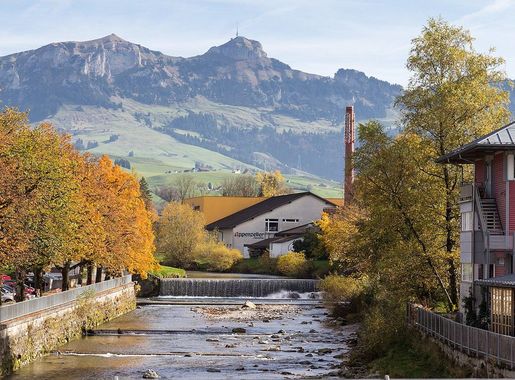
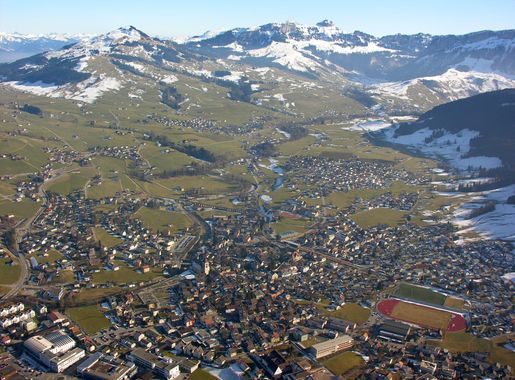
Eastern Switzerland is a region filled with breathtaking landscapes and rich cultural heritage. Nestled between Lake Constance and the towering peaks of the Alps, this area offers a wide range of activities for nature lovers and adventure seekers alike. From hiking and skiing in the Swiss Alps to relaxing by the serene waters of Lake Constance, there is something for everyone to enjoy. The charming towns and villages of Eastern Switzerland are perfect for a leisurely stroll. Discover the medieval architecture of St. Gallen, home to the UNESCO World Heritage-listed Abbey of St. Gall. The region is also famous for its local cuisine, with many restaurants offering traditional Swiss dishes made from fresh, local ingredients. Don't miss the opportunity to sample Appenzeller cheese, a regional specialty. For those interested in history and culture, the region boasts numerous museums and galleries. Visit the Kunstmuseum St. Gallen for a glimpse of contemporary art, or explore the rural traditions at the Appenzell Museum. The scenic train rides through the region are an experience in themselves, offering stunning views of the lush countryside and majestic mountains.

Know before you go
Hi, I'm Eve. Here are a few practical things to know before exploring Eastern Switzerland.
- Visit during the summer for ideal hiking conditions and clear skies.
- Try the local Appenzeller cheese, known for its unique, aromatic taste.
- Take a scenic train ride to enjoy the breathtaking landscapes of the region.
- Explore St. Gallen's Abbey Library, one of the oldest and most beautiful libraries in the world.
- Pack layers, as the weather in the Alps can change quickly.
Top City Travel Guides in Eastern Switzerland
The cities of Eastern Switzerland, and the easiest places to base yourself.


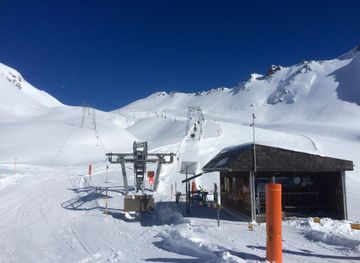

Destinations in Eastern Switzerland
Resorts, valleys and scenic spots worth a trip of their own.


Explore Eastern Switzerland: Things to Do, Places to Eat, Hotels & More
Handpicked recommendations for top attractions, local dining, accommodations, and more

Top Attractions & Sightseeing in Eastern Switzerland
Top-rated picks
Best Attractions

Swissminiatur
Discover the beauty of Switzerland in miniature at Swissminiatur, an enchanting open-air museum showcasing iconic landmarks in a stunning natural setting.

Säntis - Schwebebahn
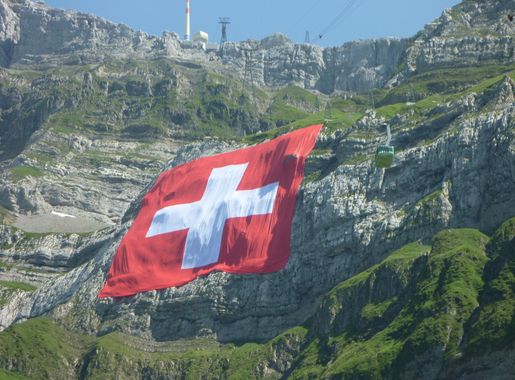
Discover Switzerland's breathtaking landscapes at Säntis - Schwebebahn, where adventure meets stunning alpine views.

Säntispark Bäderwelt
Experience the ultimate water adventure at Säntispark Bäderwelt in Abtwil, Switzerland, featuring thrilling slides, relaxing pools, and wellness facilities for all ages.

Höhematte Park
Experience the natural beauty of Höhematte Park in Interlaken, Switzerland, with stunning mountain views and vibrant gardens perfect for relaxation.


Best restaurants in Eastern Switzerland
Top-rated picks
Best Restaurants

Zeughauskeller
Experience the rich flavors of Switzerland at Zeughauskeller – where history meets culinary delight in the heart of Zürich.

Swiss Chuchi Restaurant
Experience authentic Swiss cuisine at Zurich's beloved Swiss Chuchi Restaurant - fondue and traditional dishes await!

Blinde Kuh
Experience dining like never before at Blinde Kuh in Zürich—where taste reigns supreme in complete darkness.

Anna
Discover culinary excellence at Anna in Zürich - where fine dining meets exceptional hospitality.

Best bars in Eastern Switzerland
Top-rated picks
Best Bars

Rimini Bar
Discover the charm of Rimini Bar in Zürich, where fondue delights and exquisite drinks come together in a cozy atmosphere.

George
Experience exquisite dining at George in Zürich, where contemporary style meets culinary excellence in a vibrant atmosphere.

Jules Verne Panoramabar
Discover the breathtaking views and exquisite cocktails at the Jules Verne Panoramabar, a historical landmark in the heart of Zürich.
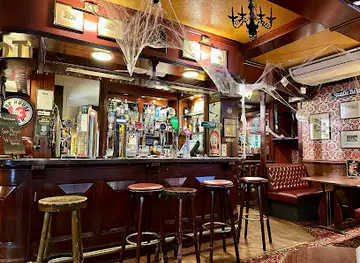
Oliver Twist
Experience the vibrant atmosphere of Oliver Twist, a top pub in Zürich offering classic British and Irish dishes alongside a fantastic selection of beers.

Best nightclubs in Eastern Switzerland
Top-rated picks
Best Nightclubs

Plaza Club
Plaza Club: Zurich's premier nightclub offering vibrant live music and an electrifying atmosphere for an unforgettable night out.

Hive
Experience Zurich's nightlife at Hive, a premier nightclub with electric vibes, pulsating music, and unforgettable dance parties.

Kanzlei Club
Explore the pulsating nightlife of Zürich at Kanzlei Club, a premier destination for music, dance, and unforgettable memories.

Club Privé - Strip Club, Cabaret & Nightclub
Unveil the allure of Zürich’s nightlife at Club Privé, an adult entertainment club renowned for its stunning performances and vibrant atmosphere.

Best shops in Eastern Switzerland
Top-rated picks
Best Shops

Einkaufszentrum Glatt
Discover a shopping haven at Einkaufszentrum Glatt, featuring over 100 stores, diverse dining options, and family-friendly entertainment near Zurich.

FoxTown Factory Stores
Discover unbeatable discounts on designer brands at FoxTown Factory Stores, the ultimate shopping destination in Mendrisio, Switzerland.

Landquart Fashion Outlet
Experience the joy of shopping at Landquart Fashion Outlet, where luxury meets affordability in a beautiful Swiss setting with over 160 designer stores.

Fashion Fish Premium Factory Outlet
Explore unbeatable fashion deals at Fashion Fish Premium Factory Outlet in Schönenwerd, where style meets savings for every shopper.

Explore Eastern Switzerland on the Map
A handpicked selection of must-see spots in Eastern Switzerland, mapped for you.
Eastern Switzerland Essentials
-
Eastern Switzerland is easily accessible by various modes of transportation. The nearest major international airports are Zurich Airport (ZRH) and St. Gallen-Altenrhein Airport (ACH). From Zurich, you can take a direct train to St. Gallen, which serves as a hub for the region, with a journey time of about an hour. Additionally, buses and rental cars are available for those who prefer road travel.
-
Eastern Switzerland boasts an efficient public transportation system. The Swiss Federal Railways (SBB) connects major towns and cities, while regional trains and buses cover smaller destinations. Renting a car is a convenient option for exploring remote areas, but keep in mind that Switzerland has strict traffic regulations. For a more scenic route, consider taking the PostBus, which offers breathtaking views of the Swiss countryside.
-
The official currency is the Swiss Franc (CHF). Credit and debit cards are widely accepted in most establishments, including restaurants, hotels, and shops. ATMs are readily available for cash withdrawals. Mobile payment options like Apple Pay and Google Pay are also becoming increasingly popular.
-
Eastern Switzerland is generally very safe for tourists. However, petty crimes like pickpocketing can occur in crowded areas such as train stations and tourist hotspots. It is advisable to stay vigilant and keep your belongings secure. There are no specific high-crime areas targeting tourists, but standard precautions should always be observed.
-
In case of emergency, dial 117 for police, 118 for fire services, and 144 for medical emergencies. English is commonly spoken by emergency operators. It is advisable to have travel insurance that covers medical emergencies. Most towns have pharmacies where you can get over-the-counter medications and basic first aid supplies.
-
Fashion: Do dress smart-casual; the Swiss tend to dress well, even in casual settings. Avoid overly flashy or revealing clothing. Religion: Do respect local customs, especially when visiting churches. Public Transport: Do be punctual and respect the quiet nature of Swiss trains. Don’t eat or make loud noises on public transport. Greetings: Do greet people with a handshake. In more familiar settings, three kisses on the cheek are customary. Eating & Drinking: Do try local specialties like fondue and raclette. Don’t rush through meals; dining is considered a leisurely activity.
-
To experience Eastern Switzerland like a local, visit farmer's markets where you can buy fresh produce and regional specialties. Take part in local festivals and events to immerse yourself in Swiss culture. Enjoy outdoor activities such as hiking in the Alpstein region or skiing in the Pizol area. Don't miss trying the local chocolate and cheese, which are world-renowned.
When is the best time to visit Eastern Switzerland?
Useful Local Phrases for Eastern Switzerland
You don't need to speak the language perfectly. Even learning a few simple words can make conversations warmer—and locals usually appreciate the effort.
— Eve

Here are the phrases I use most often in Eastern Switzerland. Try a few—you'll be surprised how far they go! 😊
❤️
-
- HelloGrüezi
[GROO-e-tsee] - GoodbyeAde
[AH-day] - YesJa
[YAH] - NoNein
[NINE] - Please/You're welcomeBitte
[BIT-teh] - Thank youDanke
[DAN-keh] - Excuse me/SorryEntschuldigung
[ENT-shool-dee-goong] - How are you?Wie gaht's?
[VEE gahts?] - Fine. And you?Guet. Und dir?
[GOOT. OOND deer?] - Do you speak English?Sprecht ihr Englisch?
[SH-precht eer ENG-lish?] - I don't understandIch verstehe nicht
[IKH fer-SHTAY-eh nikht]
- HelloGrüezi
-
- I'd like to see the menu, pleaseIch möchte die Karte sehen, bitte
[IKH MERK-teh dee KAR-teh ZAY-en, BIT-teh] - I don't eat meatIch esse kein Fleisch
[IKH ES-seh KINE FLYSH] - Cheers!Prost!
[PROHST] - I would like to pay, pleaseIch möchte bezahlen, bitte
[IKH MERK-teh beh-TSAL-en, BIT-teh]
- I'd like to see the menu, pleaseIch möchte die Karte sehen, bitte
-
- Help!Hilfe!
[HIL-feh] - Go away!Geh weg!
[GEH veg!] - Call the Police!Rufen Sie die Polizei!
[ROOF-en zee dee POL-its-eye!] - Call a doctor!Rufen Sie einen Arzt!
[ROOF-en zee EYE-nen ARTZ!] - I'm lostIch bin verloren
[IKH bin fer-LO-ren] - I'm illIch bin krank
[IKH bin KRAHNK]
- Help!Hilfe!
-
- I'd like to buy...Ich möchte kaufen...
[IKH MERK-teh KAU-fen...] - I'm just lookingIch schaue nur
[IKH SHAU-eh noor] - How much is it?Wie viel kostet es?
[VEE feel KOST-et ess?] - That's too expensiveDas ist zu teuer
[DAS ist tsu TOY-er] - Can you lower the price?Könnten Sie den Preis senken?
[KERN-ten zee den PRYSS ZEN-ken?]
- I'd like to buy...Ich möchte kaufen...
-
- What time is it?Wie spät ist es?
[VEE SH-payt ist ess?] - It's one o'clockEs ist ein Uhr
[ESS ist EYE-n OOR] - Half past (10)Halb elf
[HALB ELF] - MorningMorgen
[MOR-gen] - AfternoonNachmittag
[NAHKH-mit-tahg] - EveningAbend
[AH-bent] - YesterdayGestern
[GES-tern] - TodayHeute
[HOY-teh] - TomorrowMorgen
[MOR-gen] - 1Eins
[EINS] - 2Zwei
[ZWEI] - 3Drei
[DRY] - 4Vier
[FEER] - 5Fünf
[FUENF] - 6Sechs
[ZEX] - 7Sieben
[ZEE-ben] - 8Acht
[AHKT] - 9Neun
[NOYN] - 10Zehn
[TSAYN]
- What time is it?Wie spät ist es?
-
- Where's a/the...?Wo ist ein/eine...?
[VO ist EYE-n/EYE-neh...?] - What's the address?Wie lautet die Adresse?
[VEE LOW-tet dee AH-dress-eh?] - Can you show me (on the map)?Könnten Sie mir zeigen (auf der Karte)?
[KERN-ten zee meer TSY-gen (AUF der KAR-te)?] - When's the next (bus)?Wann fährt der nächste (Bus)?
[VAN FEERT der NAYSH-te (BOOS)?] - A ticket (to ....)Ein Ticket (nach ....)
[EYE-n TICK-et (NAKH ....)]
- Where's a/the...?Wo ist ein/eine...?
History of Eastern Switzerland
-
Eastern Switzerland boasts a rich tapestry of ancient settlements dating back to the prehistoric era. The region's strategic location attracted Celtic tribes, and later, the Romans. Archaeological sites in places like Chur, the oldest city in Switzerland, reveal remnants of Roman baths, fortifications, and roads, showcasing the profound influence of Roman engineering and culture on the area.
-
The Abbey of Saint Gall, founded in the 8th century, is a UNESCO World Heritage Site and an iconic symbol of Eastern Switzerland's religious and cultural heritage. Established by Saint Gall, an Irish monk, the abbey became a center of learning, housing one of the most important libraries in Europe. Its manuscripts are invaluable to the study of medieval history, theology, and art.
-
Appenzell is renowned for its unique form of direct democracy, practiced in the Landsgemeinde, an open-air assembly where citizens vote by raising their hands. This tradition, dating back to the 14th century, exemplifies the region's commitment to participatory governance and local autonomy. The canton of Appenzell Innerrhoden continues this practice to this day, highlighting its deep-rooted cultural identity.
-
The Bündner Wirren, or the Grisons Troubles, were a series of conflicts in the 17th century that profoundly impacted Eastern Switzerland. The region of Graubünden became a battleground for religious and political power struggles involving local factions, the Spanish, and the French. These tumultuous events shaped the region's political landscape and underscored its strategic importance in European geopolitics.
-
The story of Heidi, written by Johanna Spyri in the 19th century, is one of the most beloved tales set in Eastern Switzerland. The novel, depicting the life of an orphaned girl in the Swiss Alps, captures the essence of Swiss rural life and the region's stunning natural beauty. Heidi has become an integral part of Swiss cultural heritage, attracting visitors to locations like Maienfeld, where the story is set.
-
Eastern Switzerland played a pivotal role during the industrial revolution, particularly in the textile industry. Cities like St. Gallen became renowned for their high-quality embroidery, which gained international acclaim. The region's industrial heritage is preserved in museums and historic factory buildings, offering a glimpse into the transformative impact of industrialization on local communities.
-
During World War II, Switzerland maintained its policy of neutrality, and Eastern Switzerland was no exception. The region's mountainous terrain and strategic location necessitated extensive fortifications and military preparedness. Historical sites, such as the Sargans Fortress, serve as reminders of the defensive measures taken to protect Swiss sovereignty and the region's role in preserving national neutrality.
-
In contemporary times, Eastern Switzerland has emerged as a hub for innovation and sustainability. The region is home to cutting-edge research institutions, green technology companies, and sustainable tourism initiatives. This modern chapter highlights Eastern Switzerland's ongoing commitment to balancing economic development with environmental stewardship, ensuring a vibrant future for the area.
Neighbouring Regions of Eastern Switzerland
The closest regions to Eastern Switzerland, if you have time for more than one.
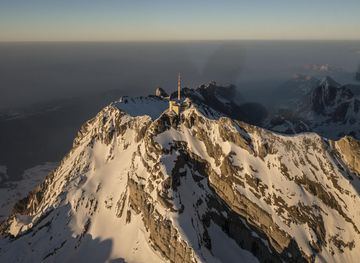


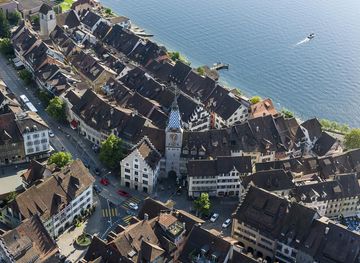


Your all‑in‑one travel companion app
Explore expert travel guides, compare and book tours, experiences, hotels, and more—all from the palm of your hand. Download now for seamless trip planning wherever your wanderlust takes you.


Explore More of Switzerland

Looking beyond Eastern Switzerland? Discover Switzerland for broader travel guides, local hot-spots, and regional highlights.
Explore SwitzerlandEastern Switzerland in Photos
Browse through our photo collection highlighting the charm and character of the destination.




Exploring the Natural and Cultural Wonders of Eastern Switzerland
Eastern Switzerland is a region filled with breathtaking landscapes and rich cultural heritage. Nestled between Lake Constance and the towering peaks of the Alps, this area offers a wide range of activities for nature lovers and adventure seekers alike. From hiking and skiing in the Swiss Alps to relaxing by the serene waters of Lake Constance, there is something for everyone to enjoy. The charming towns and villages of Eastern Switzerland are perfect for a leisurely stroll. Discover the medieval architecture of St. Gallen, home to the UNESCO World Heritage-listed Abbey of St. Gall. The region is also famous for its local cuisine, with many restaurants offering traditional Swiss dishes made from fresh, local ingredients. Don't miss the opportunity to sample Appenzeller cheese, a regional specialty. For those interested in history and culture, the region boasts numerous museums and galleries. Visit the Kunstmuseum St. Gallen for a glimpse of contemporary art, or explore the rural traditions at the Appenzell Museum. The scenic train rides through the region are an experience in themselves, offering stunning views of the lush countryside and majestic mountains.