

Free Northwestern Switzerland Travel Guide & Mobile App
Explore Northwestern Switzerland with free travel guides. Discover regional history, expert tips, proposed trips, and audio guides on web or mobile app.


Northwestern Switzerland combines Basel’s museums and Rhine culture with Roman ruins, castles, Aare valleys and the wooded Jura foothills.
Read more about Northwestern Switzerland
When is the best time to visit Northwestern Switzerland?
Best: June–August · 23–26°C| Month | High (°C) | Rainfall (mm) |
|---|---|---|
| January | 4 | 60 |
| February | 5 | 55 |
| March | 10 | 65 |
| April | 14 | 70 |
| May | 19 | 90 |
| June (best) | 23 | 100 |
| July (best) | 26 | 95 |
| August (best) | 25 | 90 |
| September | 20 | 80 |
| October | 14 | 70 |
| November | 8 | 65 |
| December | 5 | 70 |
Getting to and around Northwestern Switzerland
How to get there
Transportation
Top city travel guides in Northwestern Switzerland
The cities of Northwestern Switzerland, and the easiest places to base yourself.
-
-
-


Swipe for more cities
Best attractions in Northwestern Switzerland
Northwestern Switzerland offers a varied collection of urban, archaeological, architectural and outdoor attractions. Basel is the main cultural centre, with major art museums, the Rhine promenade, historic lanes and contemporary buildings by internationally recognised architects. At Riehen, just outside the city centre but within Basel-Stadt, Fondation Beyeler combines modern and contemporary art with a carefully designed setting. Augusta Raurica near Augst provides the region’s most substantial Roman experience, with an amphitheatre, theatre, museum and archaeological remains. Aargau is particularly rewarding for castle and monastery visits, including Lenzburg Castle, Hallwyl Castle, Wildegg Castle and Königsfelden. Solothurn contributes a compact historic city, riverside walks and access to the Weissenstein Jura ridge. Cycling routes follow the Rhine and Aare, while woodland paths, limestone landscapes and viewpoints spread across the Jura foothills. The attraction landscape is defined less by one single icon than by the ease of combining a major city with Roman history, aristocratic estates, river scenery and rural walking within a relatively compact part of Switzerland.
-
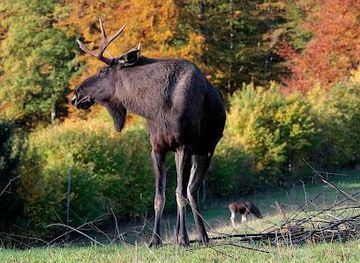
Animal park
Wildnispark Zürich Langenberg
Discover the beauty of Swiss wildlife at Wildnispark Zürich Langenberg, where nature and education meet in a breathtaking natural setting.
-
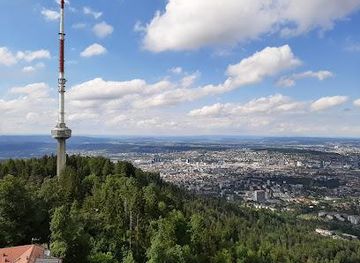
Mountain peak
Uetliberg
Discover the breathtaking views and serene hiking trails of Uetliberg, Zurich's majestic mountain peak, perfect for nature lovers and adventurers alike.
-
Mountain cable car
UBS Polybahn
Discover the enchanting UBS Polybahn, Zurich's iconic mountain cable car offering stunning views and easy access to scenic heights and cultural landmarks.
-
Nightclub
EXIL
Experience the vibrant nightlife of Zürich at EXIL, where eclectic music and diverse crowds create unforgettable nights.

Best landmarks in Northwestern Switzerland
Basel Minster is the region’s most recognisable historic landmark, its red sandstone towers and patterned roof rising above the Rhine and the medieval old town. The city’s Mittlere Brücke, rebuilt in the nineteenth century on an older crossing, remains a defining river view and a reminder of Basel’s role as a commercial gateway. Near Augst, the theatre and amphitheatre of Augusta Raurica mark the scale of Roman settlement in the Rhine hinterland. Aargau’s hilltop Lenzburg Castle and the water-surrounded Hallwyl Castle express different forms of medieval and early modern territorial power, while Habsburg Castle links the region to the dynasty’s ancestral history. Königsfelden Abbey is significant for its medieval stained glass and Habsburg memorial associations. Solothurn’s St Ursus Cathedral, Baroque civic buildings and preserved old-town streets give the Aare city a distinctive architectural identity. Beyond built heritage, the wooded Weissenstein ridge and the Jura escarpments provide the region’s most characteristic natural landmarks, framing views across the Swiss plateau and marking the transition from river lowlands to upland country.
-
Tourist attraction
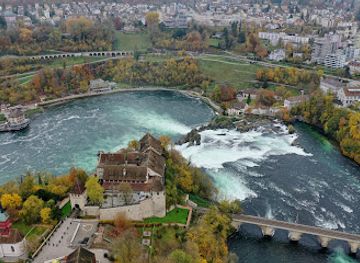
Rhine Falls
Experience the breathtaking beauty of Rhine Falls, Europe's largest waterfall, located near Neuhausen am Rheinfall, Switzerland. A must-see natural wonder!
-
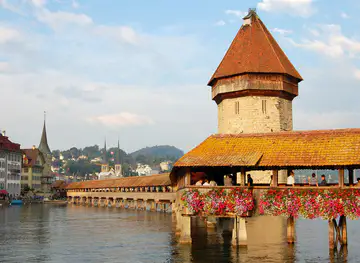
Bridge
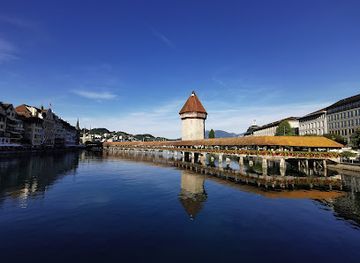
Chapel Bridge
Discover the enchanting Chapel Bridge in Lucerne, Switzerland – a stunning blend of history, beauty, and breathtaking views.
-
Monument
Lion Monument
Discover the profound beauty and history of the Lion Monument in Lucerne, a tribute to valor and artistry in Switzerland's iconic landscape.
-
Historical landmark
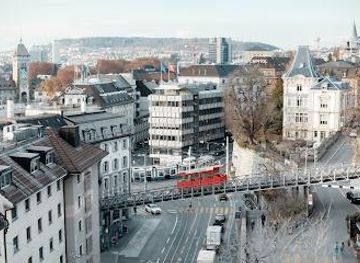
Lindenhof
Discover Lindenhof, a tranquil historical landmark in Zurich, offering stunning views and a peaceful escape in the heart of the city.

Explore Northwestern Switzerland on the map
Plan your trip on one map. See where the top cities, national parks and sights are, and book hotels and experiences in a few clicks.
Best hotels in Northwestern Switzerland
Best restaurants in Northwestern Switzerland
Dining in northwestern Switzerland reflects Basel’s international outlook and the agricultural landscapes of Aargau, Basel-Landschaft and Solothurn. In Basel, visitors will find traditional restaurants, modern Swiss cooking, cafés, bakeries and a broad choice of cuisines shaped by the city’s cross-border connections. Basler Läckerli, a firm spiced biscuit containing nuts and candied peel, is the region’s best-known sweet speciality, while flour soup is strongly associated with Basel’s Fasnacht tradition. Aargau contributes orchard produce and the celebrated Aargauer Rüeblitorte, a carrot cake widely associated with the canton; local markets also feature seasonal fruit, vegetables, cheeses and baked goods. Rural inns and village restaurants are useful places to encounter regional Swiss dishes, including rösti, seasonal game and carefully prepared freshwater or farm produce where available. Wine from the Aargau and Basel region appears in some local cellars, though the area is less internationally associated with wine than western Switzerland. Market halls, weekly markets and bakery counters offer a practical way to sample the region without planning every meal around formal dining.
-
Restaurant
Loft Five
Indulge in exceptional dining at Loft Five in Zürich – where modern cuisine meets vibrant nightlife.
-
Restaurant
Eichberg
Discover the exquisite flavors of Switzerland at Eichberg - where culinary artistry meets warm hospitality in the heart of Seengen.
-
Restaurant
Restaurant Gnadenthal
Discover authentic Swiss cuisine at Restaurant Gnadenthal in Niederwil - where local flavors meet exceptional dining experiences.
-
Fine Dining
Anna
Experience exquisite fine dining at Restaurant Anna in Zürich with innovative dishes and an elegant atmosphere perfect for any occasion.


Best bars in Northwestern Switzerland
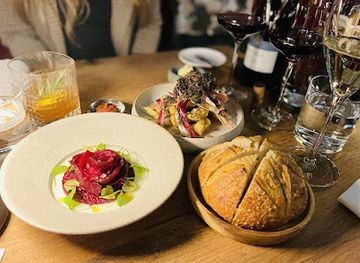
Basel has the region’s broadest evening scene, ranging from traditional beer halls and wine bars to cocktail rooms, live-music venues, independent cafés and clubs. Nightlife is concentrated around the old town, Kleinbasel and districts close to the Rhine, although the character changes by street and by night. The city’s theatres, concert venues and museums also contribute to evening culture beyond drinking and clubbing. In Aarau, Solothurn, Liestal and other larger towns, evenings generally centre on restaurants, historic inns, cafés, bars and occasional cultural events rather than a large-scale club circuit. Rural Aargau, Basel-Landschaft and the Jura foothills are quieter, with village pubs and seasonal gatherings providing the main social venues. Basel’s Fasnacht period brings a distinctive late-night atmosphere, but it is a specific cultural occasion rather than a permanent nightlife style. Check current arrangements for individual venues, especially outside Basel, where opening patterns can be more limited.
-
Bar
Bar Rouge
Experience Basel's nightlife at Bar Rouge, where cocktails meet stunning views and electrifying energy in a chic setting.
-
Bar
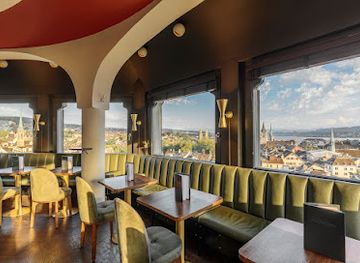
Jules Verne Panoramabar
Discover the exquisite Jules Verne Panoramabar in Zürich, where breathtaking views meet exceptional cocktails and gourmet dining.
-
Bar
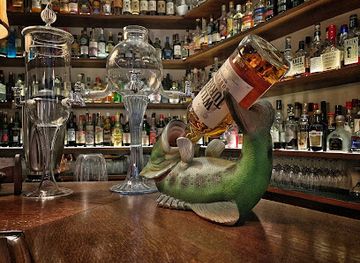
Old Crow
Experience the art of craft cocktails at Old Crow, Zürich's exquisite bar known for its unique drinks and vibrant atmosphere.
-
Bar
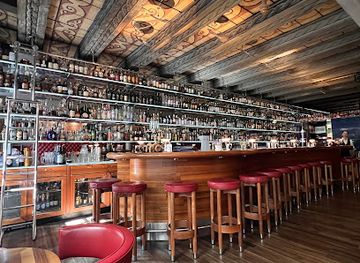
Widder Bar
Discover the charm of Widder Bar, Zürich's luxurious cocktail haven offering an exquisite drink selection in a stunning setting.

Best nightclubs in Northwestern Switzerland
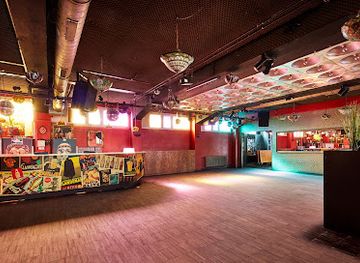
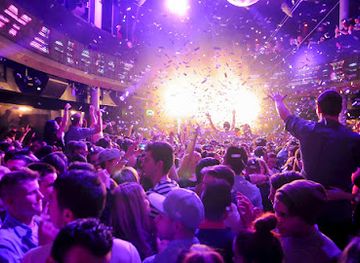
Basel has the region’s broadest evening scene, ranging from traditional beer halls and wine bars to cocktail rooms, live-music venues, independent cafés and clubs. Nightlife is concentrated around the old town, Kleinbasel and districts close to the Rhine, although the character changes by street and by night. The city’s theatres, concert venues and museums also contribute to evening culture beyond drinking and clubbing. In Aarau, Solothurn, Liestal and other larger towns, evenings generally centre on restaurants, historic inns, cafés, bars and occasional cultural events rather than a large-scale club circuit. Rural Aargau, Basel-Landschaft and the Jura foothills are quieter, with village pubs and seasonal gatherings providing the main social venues. Basel’s Fasnacht period brings a distinctive late-night atmosphere, but it is a specific cultural occasion rather than a permanent nightlife style. Check current arrangements for individual venues, especially outside Basel, where opening patterns can be more limited.
-
Nightclub
Hive
Experience the vibrant energy of Hive, Zürich's top nightclub, where unforgettable nights come alive with music, dancing, and an eclectic crowd.
-
Nightclub
Kanzlei Club
Experience the vibrant nightlife at Kanzlei Club, a premier nightclub in Zürich combining pulsating music, exquisite dining, and an electric atmosphere.
-
Disco club
VEGAS Dance Club
Immerse yourself in the electric atmosphere of VEGAS Dance Club in Kriens, where unforgettable nights of dancing and entertainment await.
-
Nightclub
Jade Club
Discover the electrifying nightlife at Jade Club in Zürich, where top DJs and a vibrant atmosphere create unforgettable experiences.


Best shops in Northwestern Switzerland
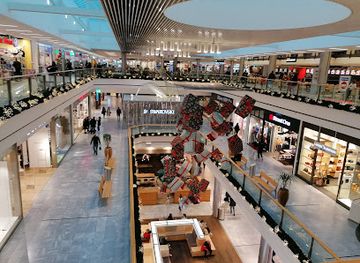
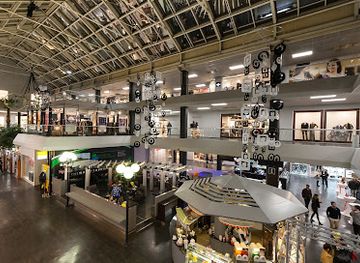
Shopping is strongest in Basel, where pedestrian streets and the old town combine department stores, independent boutiques, bookshops, galleries, design retailers and food specialists. The city’s markets are useful for Swiss cheeses, seasonal produce, bread, confectionery and regional gifts, while Basler Läckerli is an easy-to-carry speciality. Smaller centres such as Liestal, Aarau and Solothurn offer traditional high streets with local shops, cafés, antiques, artisan businesses and practical everyday retail rather than extensive luxury shopping. Around Aargau and the Jura foothills, farm shops and village producers sell apples, juices, preserves, honey, cheese, baked goods and other products connected with the surrounding countryside. Craft and design shopping is particularly appropriate in Basel, whose museums and cultural institutions support a strong interest in contemporary objects and printed material. Opening patterns vary on Sundays and public holidays, and border proximity can make prices and product ranges differ from neighbouring France or Germany, so compare carefully rather than assuming cross-border shopping is always cheaper.
-
Shopping mall
Einkaufszentrum Glatt
Discover the ultimate shopping experience in Switzerland at Einkaufszentrum Glatt, featuring diverse shops, dining, and entertainment options for every traveler.
-
Outlet mall
FoxTown Factory Stores
Experience unbeatable shopping deals at FoxTown Factory Stores, the ultimate outlet mall in Mendrisio for fashion lovers and bargain hunters alike.
-
Outlet mall
Landquart Fashion Outlet
Discover unbeatable deals on luxury brands at Landquart Fashion Outlet, Switzerland's premier shopping destination surrounded by stunning alpine beauty.
-
Shopping mall
Einkaufszentrum Letzipark
Explore Einkaufszentrum Letzipark: Zürich's ultimate shopping destination with diverse stores, dining options, and an inviting atmosphere.
Get your free copy of our complete guide to Northwestern Switzerland, delivered straight to you.
Everything on this page, from attractions and restaurants to essentials and local phrases, in one PDF you can read offline, print or share.
Already have an account? Sign in
Your Northwestern Switzerland guide is ready.
We'll send it to · Not you? Sign out

Getting your guide ready…
We are putting together a fresh copy of the Northwestern Switzerland guide. This can take up to a minute.
This can take a few moments. If your browser asks, choose Allow so the download can start. You'll find the guide in your Downloads folder.
Nothing happened? Download it again
Sorry, the guide is taking longer than usual. Please try again in a minute, or get it by email instead.
Northwestern Switzerland essentials
Currency and Payment
Safety
Emergency Situations
Do's and Don'ts
Local Tips
From Eve
Local phrases worth knowing
You don't need to get them perfect. A few words go a long way, and locals appreciate the effort.
Basics
| English | Local | Say it |
|---|---|---|
| Hello | Howdy | [hau-dee] |
| Goodbye | See ya | [see yah] |
| Yes | Yup | [yuhp] |
| No | Nah | [nah] |
| Please/You're welcome | Sure thing | [shoar thing] |
| Thank you | Thanks | [thanks] |
| Excuse me/Sorry | Pardon me | [par-dun mee] |
| How are you? | How's it going? | [how's it goin'?] |
| Fine. And you? | Good. You? | [good. you?] |
| Do you speak English? | Do ya speak English? | [do yah speak ing-glish?] |
| I don't understand | I don't get it | [I don't get it] |
Eating & Drinking
| English | Local | Say it |
|---|---|---|
| I'd like to see the menu, please | Can I see the menu? | [can I see the meh-new?] |
| I don't eat meat | I'm a vegetarian | [I'm a vege-tarian] |
| Cheers! | Cheers! | [cheers] |
| I would like to pay, please | Can I get the check? | [can I get the chek?] |
Emergencies
| English | Local | Say it |
|---|---|---|
| Help! | Help! | [help] |
| Go away! | Get lost! | [get lost] |
| Call the Police! | Call the cops! | [call the cops] |
| Call a doctor! | Get a doctor! | [get a doctor] |
| I'm lost | I'm turned around | [I'm turned a-round] |
| I'm ill | I'm not feeling well | [I'm not feelin' well] |
Shopping
| English | Local | Say it |
|---|---|---|
| I'd like to buy... | I wanna buy... | [I wanna buy...] |
| I'm just looking | Just browsing | [just browsing] |
| How much is it? | What's the price? | [what's the price?] |
| That's too expensive | That's way too pricey | [that's way too pry-see] |
| Can you lower the price? | Can you cut me a deal? | [can you cut me a deel?] |
Time & Numbers
| English | Local | Say it |
|---|---|---|
| What time is it? | What time is it? | [what time is it?] |
| It's one o'clock | It's one o'clock | [it's one o'clock] |
| Half past (10) | Half past ten | [half past ten] |
| Morning | Morning | [morning] |
| Afternoon | Afternoon | [afternoon] |
| Evening | Evening | [evening] |
| Yesterday | Yesterday | [yesterday] |
| Today | Today | [today] |
| Tomorrow | Tomorrow | [tomorrow] |
| 1 | One | [one] |
| 2 | Two | [two] |
| 3 | Three | [three] |
| 4 | Four | [four] |
| 5 | Five | [five] |
| 6 | Six | [six] |
| 7 | Seven | [seven] |
| 8 | Eight | [eight] |
| 9 | Nine | [nine] |
| 10 | Ten | [ten] |
Transport & Directions
| English | Local | Say it |
|---|---|---|
| Where's a/the...? | Where's the...? | [where's the...?] |
| What's the address? | What's the address? | [what's the address?] |
| Can you show me (on the map)? | Can you point it out? | [can you point it out?] |
| When's the next (bus)? | When's the next bus? | [when's the next bus?] |
| A ticket (to ....) | A ticket to ... | [a ticket to ...] |
History of Northwestern Switzerland
Celtic Settlements and the Roman Frontier
The Rhine crossing and fertile valleys made northwestern Switzerland important before and during Roman rule. Celtic communities occupied strategic sites, while the Romans established Augusta Raurica near present-day Augst around the late first century BC. The settlement developed into a substantial town with a theatre, forum, temples, craft areas and an amphitheatre, linking the Rhine frontier with the wider Roman world. Numerous archaeological remains survive in the surrounding countryside, making the region one of Switzerland’s clearest places to understand Roman urban life and frontier administration.
Medieval Lords, Monasteries and Towns
After the Roman period, political authority became distributed among bishoprics, noble families, monasteries and emerging towns. Basel grew around its cathedral and its position on the Rhine, while castles such as Lenzburg and later Habsburg strongholds controlled routes and territories in the Aare country. Monasteries including Königsfelden became important religious and cultural institutions. Medieval town centres in Basel, Solothurn and smaller Aargau settlements still preserve street plans, churches, defensive traces and civic buildings that reflect this period of competing regional powers.
The Habsburg Legacy and Königsfelden
The Habsburg dynasty had deep roots in the Aargau, with the family’s ancestral castle, Habsburg, standing west of Brugg. In the fourteenth century, Königsfelden Abbey was founded by Habsburg women in memory of members of the dynasty killed at the Battle of Morgarten. Its church received an exceptional cycle of stained glass that remains one of the region’s major medieval artistic legacies. The shifting balance between Habsburg power and the Swiss Confederacy helped shape the political landscape of northwestern Switzerland before parts of the Aargau were incorporated into the Confederation.
Basel’s Humanism, University and Reformation
Basel became a major centre of printing, scholarship and humanism after the University of Basel was founded in 1460. Printers, scholars and artists connected the Rhine city with intellectual networks across Europe. The Reformation reached Basel in the sixteenth century, changing religious institutions and public life; the city ultimately adopted Protestantism, while surrounding territories developed along varied confessional lines. Basel’s university, publishing history and art collections continue to reflect the city’s long role as a bridge between German-, French- and Italian-speaking intellectual worlds.
The Confederation and the Formation of Modern Cantons
Northwestern Switzerland was politically fragmented for centuries. Basel joined the Swiss Confederation in 1501, while Aargau was incorporated after the French invasion of 1798 and the collapse of the old order. Solothurn had entered the Confederation earlier, in 1481. Basel’s division into the cantons of Basel-Stadt and Basel-Landschaft followed the rural uprising and constitutional crisis of 1830–33. These developments explain why a relatively compact area contains distinct cantonal institutions, urban identities and historic rivalries.
Industrialisation, Railways and the Rhine
From the nineteenth century, railways, engineering, textiles, food production and chemicals transformed the regional economy. Basel’s position on the Rhine and its connections to France, Germany and the Swiss plateau encouraged commerce and manufacturing, while Aargau developed important engineering and energy industries along the Aare. Rail links connected market towns and industrial centres with Basel and the rest of Switzerland. The region’s present economic importance in pharmaceuticals, research, logistics and advanced manufacturing is rooted in this earlier combination of transport, trade and industrial expertise.
Basel Fasnacht and Modern Cultural Life
Basel’s Fasnacht developed from older carnival customs into a highly organised civic tradition, with masked groups, lanterns, piccolos and drums shaping the city for several days each year. Its distinctive form reflects local history rather than a generic national festival. Alongside this living tradition, twentieth- and twenty-first-century Basel became known for museums, contemporary art, architecture and international trade. The wider region has likewise adapted historic castles, monasteries, industrial sites and river towns to modern cultural and educational uses.
Northwestern Switzerland in Photos
Browse through our photo collection highlighting the charm and character of the destination.
Neighbouring regions of Northwestern Switzerland
The closest regions to Northwestern Switzerland, if you have time for more than one.
-

-

-

-

-


Swipe for more regions
Explore more

Explore more of Switzerland
Discover Switzerland's majestic landscapes, vibrant cities, and rich culture. From alpine adventures to urban exploration, experience the best of Europe in one destination.
Explore Switzerland