

Free Aargau Travel Guide & Mobile App
Explore Aargau with free travel guides. Discover regional history, expert tips, proposed trips, and audio guides on web or mobile app.


Discover Aargau in northern Switzerland through Roman ruins, medieval castles, river valleys, spa towns, vineyards and accessible Jura landscapes.
Read more about Aargau
When is the best time to visit Aargau?
Best: June–August · 21–24°C| Month | High (°C) | Rainfall (mm) |
|---|---|---|
| January | 4 | 50 |
| February | 6 | 45 |
| March | 10 | 50 |
| April | 14 | 55 |
| May | 18 | 65 |
| June (best) | 21 | 70 |
| July (best) | 24 | 75 |
| August (best) | 23 | 70 |
| September | 19 | 65 |
| October | 14 | 60 |
| November | 8 | 55 |
| December | 5 | 60 |
Getting to and around Aargau
How to get there
Transportation
Top city travel guides in Aargau
The cities of Aargau, and the easiest places to base yourself.
-

-


Swipe for more cities
Destinations in Aargau
Resorts, valleys and scenic spots worth a trip of their own.

Swipe for more destinations
Best attractions in Aargau
Aargau’s attractions are unusually varied for a canton without high Alpine peaks. Roman history is concentrated around Windisch, where Vindonissa’s archaeological remains, museum and reconstructed features explain the life of a legionary base. Medieval heritage dominates elsewhere: Lenzburg Castle rises above the town, Hallwyl Castle occupies a lakeside setting, Habsburg Castle recalls the origin of a major European dynasty, and Königsfelden preserves an important monastic and dynastic legacy. Baden adds spa history, museums and urban culture, while Aarau offers historic streets and civic architecture. Outside the towns, Jurapark Aargau provides marked walks through wooded hills, limestone landscapes, farms and vineyards. The Aare, Reuss, Limmat and Rhine valleys support cycling, birdwatching, riverside walks and seasonal outdoor recreation. Family-oriented museums, local collections and archaeological trails make the canton accessible to younger visitors, while thermal bathing around Bad Zurzach and Baden provides a slower complement to sightseeing. The attraction landscape is best understood as a network of compact cultural sites separated by productive countryside rather than as one concentrated resort.
-
Zoo
Zoo Zürich
Discover the breathtaking wildlife and engaging exhibits at Zoo Zürich, a top-rated animal park and aquarium in Switzerland, perfect for family outings.
-
Museum
Lindt Home of Chocolate
Explore the Lindt Home of Chocolate in Kilchberg for an unforgettable journey through chocolate history, tasting, and creation in Switzerland.
-
Grossmünster
Discover the iconic Grossmünster in Zürich, a historical church with stunning architecture and breathtaking views of the city.
-
Museum
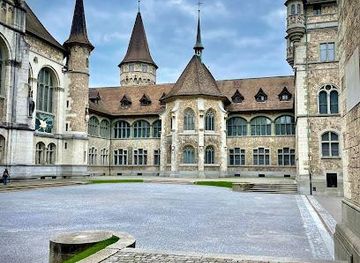
Swiss National Museum
Explore Switzerland's vibrant cultural history at the Swiss National Museum in Zurich, where art, artifacts, and tradition come to life.


Best landmarks in Aargau
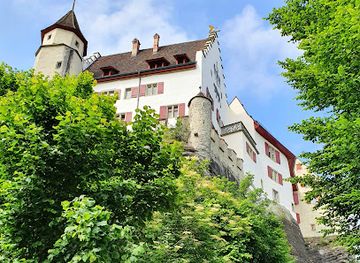
Lenzburg Castle is one of Aargau’s defining landmarks, occupying a prominent hill above an old market town and revealing the strategic importance of medieval strongholds. Hallwyl Castle is notable for its water-surrounded setting and for the way its buildings preserve the story of a major local noble family. Habsburg Castle, though modest in scale compared with the dynasty’s later palaces, has exceptional historical significance as the family’s ancestral seat. In Windisch, the remains of Vindonissa and the nearby Königsfelden monastery mark two very different periods at the same strategic river junction: Roman military power and medieval Habsburg patronage. Aarau’s old town is distinguished by decorated roof undersides, known as Dachhimmel, which give its streets an unusual architectural identity. Baden’s historic centre and thermal springs reflect a long tradition of urban and spa settlement along the Limmat. The fortified old town of Bremgarten, the historic streets of Zofingen and the river landscapes of the Aare and Rhine add further visual and geographical landmarks to a canton whose identity is closely tied to movement, crossings and layered settlement.
-
Tourist attraction
Lindenhof
A compact hilltop park in Zurich’s Old Town, where Roman history, river views, and a quiet public square meet above the Limmat.
-
Protestant church
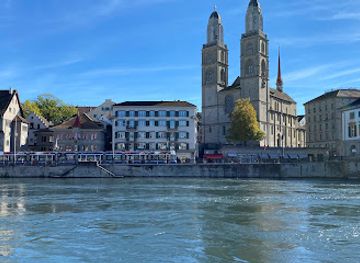
Grossmünster
Zurich’s great Protestant church pairs Romanesque stonework, Reformation history, and a steep tower climb for wide views over the old town and lake.
-
Observation deck
Uetliberg Lookout Tower
Zurich’s local mountain viewpoint, where a short climb opens out to city, lake, and Alpine horizons, with fog inversions adding drama in winter.
-
Castle
Lenzburg Castle
Explore Lenzburg Castle, a historical gem in Switzerland, featuring stunning architecture, captivating exhibits, and breathtaking views for tourists.
Explore Aargau on the map
Plan your trip on one map. See where the top cities, national parks and sights are, and book hotels and experiences in a few clicks.
Best hotels in Aargau
Best restaurants in Aargau
Aargau’s dining scene reflects northern Switzerland’s farmed landscapes, river valleys and proximity to Zürich, Basel and southern Germany. Village inns and traditional restaurants commonly serve seasonal Swiss cooking, including rösti, soups, meat dishes, freshwater fish where available, salads and regional baked goods, while modern restaurants reinterpret local produce with a lighter approach. Farm shops and markets are useful for finding apples, vegetables, dairy products, bread, preserves and other products from the canton’s agricultural districts. The Aare and Rhine areas have vineyards and local wines, particularly in the sunnier northern districts, though the range varies by producer and season. Baden and Aarau offer the broadest choice of cafés, international cooking and contemporary dining, while rural areas place greater emphasis on reservations, daytime service and traditional menus. Visitors should also look for seasonal specialities in autumn and regional pastries in bakeries rather than expecting one single dish to define Aargau’s cuisine.
-
Confectionery store
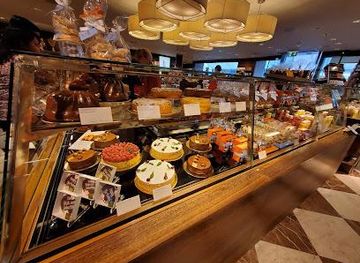
Confiserie Sprüngli
Zurich's legendary chocolate temple on Paradeplatz: Indulge in Luxemburgerli macarons, pralines, and elegant café fare amid Bahnhofstrasse's luxury allure.
-
European
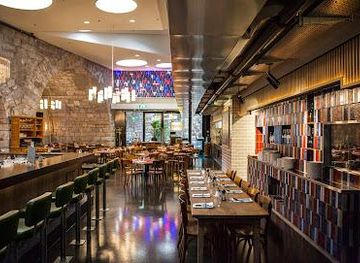
Markthalle
Vibrant viaduct bistro in Zürich's market hall, serving market-fresh Swiss classics from Cordon Bleu to Moules Frites in industrial-chic surrounds with lively local energy.
-
Swiss
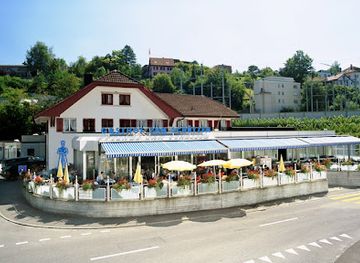
Zum Schützen
Experience authentic Swiss cuisine at Zum Schützen in Aarau - a delightful culinary journey through Switzerland's rich flavors.
-
Café
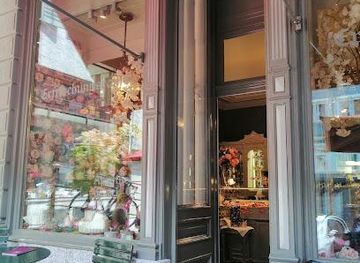
Café & Conditorei 1842
Historic Zurich café since 1842, famed for neobaroque charm, divine patisserie, and legendary hot chocolate in the lively Niederdorf heart.
Best bars in Aargau
Evening life in Aargau is centred on pubs, wine bars, cafés, restaurants and live-music venues rather than a large, concentrated nightclub scene. Baden has the broadest urban choice, with bars and cultural venues linked to its spa-town and industrial history, while Aarau provides a more compact selection around its old town and central streets. Brugg, Zofingen and Rheinfelden have local pubs, restaurants and occasional cultural events, although quieter evenings are normal outside the main centres. Traditional inns remain important in smaller communities, and breweries or wine producers may offer tastings at particular times without operating as permanent nightlife venues. Theatre, concerts and seasonal town events can be more significant than late-night clubs, so visitors should check current local programmes. In rural Aargau, the evening is often built around a good meal, a village inn or a riverside walk rather than an extensive entertainment district.
-
Bar
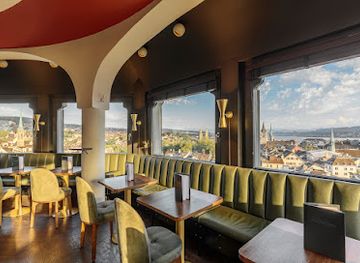
Jules Verne Panoramabar
A rooftop bar above Zurich’s historic observatory, where cocktails, city lights and clear-day Alpine views shape a polished evening stop.
-
Pub
Oliver Twist
British pub food, live sports, and quiz nights in Zürich’s Old Town, with a central Rindermarkt address and a busy, anglophone pub atmosphere.
-
Irish pub
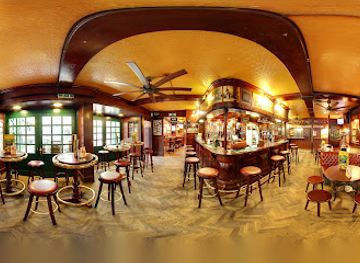
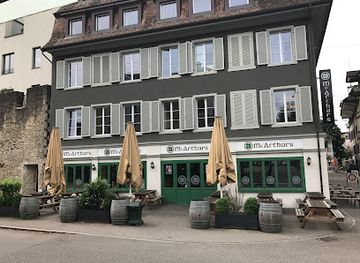
McArthurs Pub Lenzburg
Discover the vibrant atmosphere and authentic Irish cuisine at McArthurs Pub Lenzburg, a must-visit for tourists seeking a unique dining experience.
-
Bar
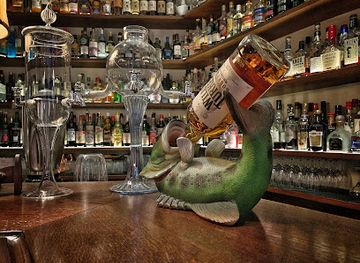
Old Crow
A polished Zürich Old Town cocktail bar with a serious whisky list, intimate seating, and a relaxed, drink-first evening atmosphere.
Best nightclubs in Aargau
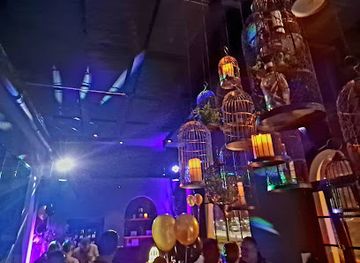
Evening life in Aargau is centred on pubs, wine bars, cafés, restaurants and live-music venues rather than a large, concentrated nightclub scene. Baden has the broadest urban choice, with bars and cultural venues linked to its spa-town and industrial history, while Aarau provides a more compact selection around its old town and central streets. Brugg, Zofingen and Rheinfelden have local pubs, restaurants and occasional cultural events, although quieter evenings are normal outside the main centres. Traditional inns remain important in smaller communities, and breweries or wine producers may offer tastings at particular times without operating as permanent nightlife venues. Theatre, concerts and seasonal town events can be more significant than late-night clubs, so visitors should check current local programmes. In rural Aargau, the evening is often built around a good meal, a village inn or a riverside walk rather than an extensive entertainment district.
-
Nightclub
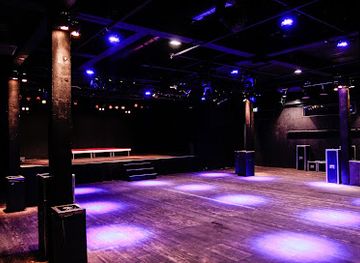
KIFF
Unleash your nightlife spirit at KIFF, Aarau's vibrant nightclub and concert hall, where every night is a celebration of music and culture.
-
Nightclub
Hive
A Zürich electronic club in Kreis 5, where multi-room nights, late sets, and occasional cultural events define the after-dark rhythm.
-
Nightclub
Plaza Club
A late-night Zürich club inside a 1924 former cinema, with multi-floor rooms, live music, DJ sets and a strong weekend party rhythm.
-
Bar
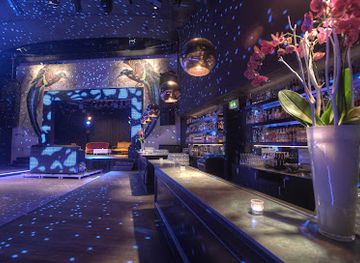
Les Amis Club
Experience the vibrant atmosphere of Les Amis Club in Aarau, where contemporary elegance meets exceptional service in a chic lounge setting.
Best shops in Aargau
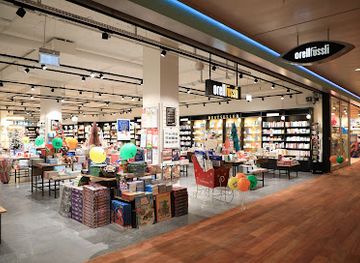
Shopping in Aargau is strongest in its historic towns, where independent retailers, bakeries, cafés, bookshops, galleries and practical high-street businesses occupy compact centres. Aarau offers the most varied central shopping environment, while Baden combines independent shops with a more urban selection shaped by its location near Zürich and the Limmat valley. Zofingen, Bremgarten, Brugg and Rheinfelden are suited to browsing smaller streets, antiques, crafts and locally owned businesses rather than large-scale luxury retail. Farmers’ markets and farm shops are valuable for regional produce such as fruit, vegetables, bread, dairy goods, preserves and wines, with availability changing by season. Museum shops at castles and archaeological sites often provide well-chosen historical books, replicas and locally themed gifts. Visitors seeking meaningful souvenirs should consider regional food, wine, ceramics, textiles or design objects from local makers instead of generic Swiss merchandise. Larger shopping centres and extensive brand selection are generally found in nearby major cities rather than in Aargau’s rural districts.
-
Shopping mall
Shoppi Tivoli
Explore Shoppi Tivoli, Spreitenbach's premier shopping mall, offering diverse stores, delicious dining, and family-friendly fun in a vibrant atmosphere.
-
Shopping mall
Einkaufszentrum Letzipark
A large indoor shopping centre in western Zürich, Letzipark is best for errands, casual meals and weatherproof retail rather than sightseeing.
-
Railway services
ShopVille - Zürich Hauptbahnhof
Discover ShopVille at Zürich Hauptbahnhof: a vibrant shopping hub blending convenience and Swiss culture for every traveler.
-
Chocolate shop
Lindt Factory Outlet Kilchberg
Experience the magic of Swiss chocolate at Lindt Factory Outlet Kilchberg, where every bite is a taste of luxury and craftsmanship.

Get your free copy of our complete guide to Aargau, delivered straight to you.
Everything on this page, from attractions and restaurants to essentials and local phrases, in one PDF you can read offline, print or share.
Already have an account? Sign in
Your Aargau guide is ready.
We'll send it to · Not you? Sign out

Getting your guide ready…
We are putting together a fresh copy of the Aargau guide. This can take up to a minute.
This can take a few moments. If your browser asks, choose Allow so the download can start. You'll find the guide in your Downloads folder.
Nothing happened? Download it again
Sorry, the guide is taking longer than usual. Please try again in a minute, or get it by email instead.
Aargau essentials
Currency and Payment
Safety
Emergency Situations
Do's and Don'ts
Local Tips
From Eve
Local phrases worth knowing
You don't need to get them perfect. A few words go a long way, and locals appreciate the effort.
Basics
| English | Local | Say it |
|---|---|---|
| Hello | Grüezi | [Grew-tsee] |
| Goodbye | Uf Wiederluege | [Oof Vee-der-loo-ge] |
| Yes | Ja | [Ya] |
| No | Nee | [Nay] |
| Please/You're welcome | Bitte | [Bit-te] |
| Thank you | Danke | [Dahn-ke] |
| Excuse me/Sorry | Entschuldigung | [Ent-shool-dee-goong] |
| How are you? | Wie gaht's? | [Vee gahts?] |
| Fine. And you? | Guet. Und dir? | [Goot. Oond deer?] |
| Do you speak English? | Sprichsch Du Englisch? | [Spri-chsh Doo Eng-lish?] |
| I don't understand | Ich verstah's nöd | [Ish fer-shtah's nerd] |
Eating & Drinking
| English | Local | Say it |
|---|---|---|
| I'd like to see the menu, please | Ich möcht das Menü gsehn, bitte | [Ish merkt das Meh-nu gayn, bit-te] |
| I don't eat meat | Ich esse kein Fleisch | [Ish ess-e kyan Fly-sh] |
| Cheers! | Prost! | [Prohst!] |
| I would like to pay, please | Ich möcht zahle, bitte | [Ish merkt tsah-le, bit-te] |
Emergencies
| English | Local | Say it |
|---|---|---|
| Help! | Helft! | [Helft!] |
| Go away! | Geh weg! | [Gay weg!] |
| Call the Police! | Ruf d'Polizei! | [Roof dee Pol-its-eye!] |
| Call a doctor! | Ruf en Dokter! | [Roof en Dok-ter!] |
| I'm lost | Ich bi verlorä | [Ish bee fer-lo-ra] |
| I'm ill | Ich bi krank | [Ish bee krank] |
Shopping
| English | Local | Say it |
|---|---|---|
| I'd like to buy... | Ich möcht kaufen... | [Ish merkt kau-fen...] |
| I'm just looking | Ich lueg nur | [Ish loo-g noor] |
| How much is it? | Wie viel kostet's? | [Vee feel kost-ets?] |
| That's too expensive | Das isch z'uer teuer | [Das ish ts'oo-er toy-er] |
| Can you lower the price? | Chasch den Preis senken? | [Khash den Pryce sen-ken?] |
Time & Numbers
| English | Local | Say it |
|---|---|---|
| What time is it? | Wie viel Uhr isch's? | [Vee feel Oor ish's?] |
| It's one o'clock | Es isch ein Uhr | [Es ish ein Oor] |
| Half past (10) | Halb elf | [Halb elf] |
| Morning | Morge | [Mor-ge] |
| Afternoon | Nachmittag | [Nach-mit-tag] |
| Evening | Abend | [A-bend] |
| Yesterday | Gestern | [Gesh-tern] |
| Today | Hüt | [Hoot] |
| Tomorrow | Morgä | [Mor-ge] |
| 1 | Eins | [Ayns] |
| 2 | Zwei | [Tsvy] |
| 3 | Drei | [Dry] |
| 4 | Vier | [Fear] |
| 5 | Fünf | [Fuenf] |
| 6 | Sechs | [Zex] |
| 7 | Sibe | [See-be] |
| 8 | Acht | [Acht] |
| 9 | Nün | [Nuen] |
| 10 | Zehn | [Tsen] |
Transport & Directions
| English | Local | Say it |
|---|---|---|
| Where's a/the...? | Wo isch es ...? | [Wo ish es ...?] |
| What's the address? | Was isch d'Adresse? | [Vas ish dee A-dresse?] |
| Can you show me (on the map)? | Chasch mir zeigä (uf em Plan)? | [Khash meer tsai-ga (oof em Plan)?] |
| When's the next (bus)? | Wänn chunnt dr nöchschti (Bus)? | [Venn khunnt der nekh-shti (Boos)?] |
| A ticket (to ....) | E Ticket (nach ....) | [E Ticket (nach ....)] |
History of Aargau
Prehistoric Settlement and the Aare Valleys
Aargau’s rivers and fertile terraces attracted settlement long before written history. Archaeological evidence from the Swiss Plateau and the Jura margins records communities of the Neolithic, Bronze Age and Iron Age, working farmland, keeping livestock and using river corridors for movement and exchange. Celtic-period settlement formed part of the wider cultural landscape encountered by Rome. The region’s later importance was not accidental: the Aare, Reuss and Limmat crossings connected the Alpine foreland with routes towards the Rhine, making northern Aargau a strategically valuable zone for successive powers.
Vindonissa and Roman Northern Switzerland
Rome established the legionary camp of Vindonissa at modern Windisch in the first century AD, close to the meeting of the Aare, Reuss and Limmat. It became a major military base and a centre for associated civilian settlement, roads, craft production and administration. The camp’s remains, museum and archaeological trails provide some of Switzerland’s clearest evidence of Roman military life. Vindonissa also demonstrates how the region functioned as a frontier landscape, linking the interior of the empire with the Rhine and the military zones farther north.
The Habsburg Origins and Medieval Lordship
Habsburg Castle, near the modern village of the same name, is associated with the early history of the dynasty that later ruled extensive territories in central Europe. During the medieval period, Aargau was divided among noble families, ecclesiastical institutions and towns, with castles controlling roads, river crossings and agricultural districts. Lenzburg, Hallwyl and other strongholds reflect this fragmented political geography. The foundation of Königsfelden monastery in Windisch in the fourteenth century added an important religious and dynastic centre, connecting local history with the wider Habsburg world.
The Swiss Confederation Takes Aargau, 1415
In 1415, the Confederates conquered the Habsburg territories in Aargau during a period of conflict with the Habsburg dynasty. The territory was divided among several allied cantons rather than becoming an independent political unit. Bern received the western part, later known as the Bernese Aargau, while other districts were administered as shared territories. This arrangement influenced law, religion, administration and settlement patterns for centuries. The division also helps explain the varied historical identities found between western, central and eastern parts of the modern canton.
Reformation and the Bernese Aargau
The Reformation changed Aargau unevenly. Bern introduced Protestant reforms in the areas under its control, while other districts retained Catholic institutions and traditions. Monasteries, parish churches and local authorities became involved in disputes over worship, education and property. The coexistence of Catholic and Reformed communities remains an important part of the canton’s cultural geography. Historic churches, former monastic sites and the differing built character of towns and villages preserve traces of these religious and political divisions.
The Creation of the Canton in 1803
Aargau became a full canton of the Swiss Confederation in 1803 during the political reorganisation associated with the Act of Mediation. The new canton brought together territories that had previously been governed in different ways, including former Bernese, Austrian and shared districts. Establishing common institutions required the negotiation of administrative, religious and economic differences. Aarau became the capital, reinforcing its role as a political centre. The modern canton therefore reflects a relatively recent political union of historically distinct regions.
Industry, Railways and Modernisation
During the nineteenth and twentieth centuries, Aargau’s rivers, railway connections and proximity to Zürich and Basel supported industrial development. Baden became particularly important for electrical engineering through the growth of Brown, Boveri & Cie., later associated with the wider ABB industrial tradition. Manufacturing, energy, engineering and transport reshaped towns while agriculture remained important in rural districts. Railway expansion also made market towns more accessible and encouraged suburban growth. Today, industrial heritage and contemporary technology sit alongside castles, vineyards and historic town centres.
Aargau in Photos
Browse through our photo collection highlighting the charm and character of the destination.
Neighbouring regions of Aargau
The closest regions to Aargau, if you have time for more than one.
-

-

-

-

-


Swipe for more regions
Explore more

Explore more of Switzerland
Discover Switzerland's majestic landscapes, vibrant cities, and rich culture. From alpine adventures to urban exploration, experience the best of Europe in one destination.
Explore Switzerland