

Best Landmarks in Zug
Planning a trip to Zug? Discover the best landmarks in Zug with history, expert tips, and routes. Free on web or the Evendo app.


The best landmarks in Zug
- Top rated
- Closest to the centre
- Price level: low to high
- Time to spend: shortest first
- A–Z
28 landmarks
-
Historical landmark4.7★1,011 reviews
Zug Altstadt
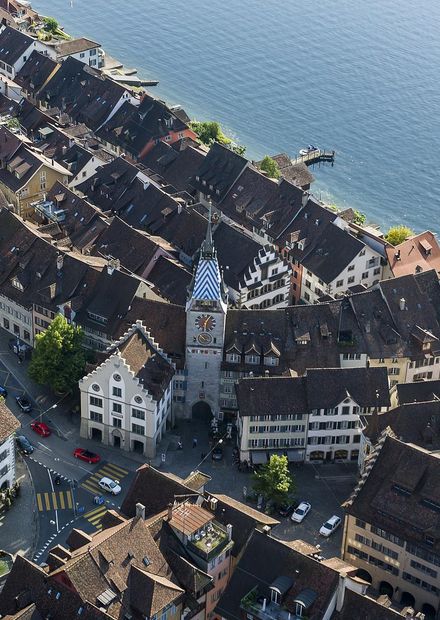
Zug Old Town is the compact historic core of the Swiss lakeside city, where narrow streets, plazas, fountains and the Zytturm create an easy, walkable heritage circuit. The area mixes medieval fabric with cafés, restaurants and everyday city life, so a visit feels polished rather than frozen in time. Most travellers come for a slow stroll, photos and a short stop by the lake.
Open 24 hoursTime to spend 0.8–3 hrs
-
Hotel4.0★538 reviews
ibis Baar Zug
Opposite Baar station, ibis Baar Zug is a straightforward 2-star hotel built for rail arrivals, business overnights, and short stays in the Zug area. Expect modern, compact rooms, breakfast, a bar-snack service, parking, and easy access to trains rather than leisure facilities or scenic grounds.
Price level $$Time to spend 0.5–72 hrs
-
Hotel4.5★417 reviews
Dialoghotel Eckstein
Dialoghotel Eckstein is a 3-star seminar hotel in Baar, geared to meetings, overnight stays, and group dining rather than leisure sightseeing. The mood is calm and orderly, with a quiet-room concept, courtyard, restaurant, and conference spaces under one roof. It suits business travellers, retreat guests, and anyone wanting a practical base near Zug.
Price level $$Time to spend 2–72 hrs
-
Historical landmark4.6★353 reviews
Lucerne Needle Dam
The Lucerne Needle Dam, or Reusswehr, is a compact riverside landmark in the old town, where timber needles still regulate the Reuss. It is less a place to linger than a sharp, urban stop: water surges through the spillway, bridges frame the view, and the historic centre sits within a few minutes' walk. Best for a brief, photogenic pause.
Open 24 hoursTime to spend 0.1–1 hr
-
Tourist attraction4.4★163 reviews
Ruine Wildenburg
Ruine Wildenburg is a compact medieval castle ruin above the Lorzentobel ravine in Baar, reached by a short uphill walk through woodland. Stone walls, a round tower and the remains of a palas frame views over the gorge, making this more a scenic heritage stop than a full castle complex. It is quiet, free to enter and best combined with the nearby waterfall or Höllgrotten area.
Daily 0:00–24:00Time to spend 0.5–2 hrs
-
Mosque4.8★93 reviews
Fatih Camii
Fatih Camii in Baar is an active mosque and community centre rather than a sightseeing monument. Expect a quiet, indoor visit shaped by prayer times, shoes-off etiquette and a respectful, observant atmosphere. Set on a commercial street in the Zug area, it is practical to reach by public transport and best suited to culturally curious visitors or worshippers.
Time to spend 0.2–2 hrs
-
Catholic church4.7★59 reviews
Katholische Kirche St. Jakob
St. Jakob is Cham’s parish church and one of the town’s clearest landmarks, its tower rising above the Kirchbühl near the Lorze outlet from Lake Zug. The late-Baroque church dates to the 1780s, but the parish history reaches back to the Middle Ages. Visitors usually come for a quiet look inside, a service, or the setting rather than a long sightseeing stop.
Daily 0:00–24:00Time to spend 0.2–1.5 hrs
-
Tourist attraction4.8★50 reviews
Zytturm Zug
Zytturm is Zug’s emblematic medieval tower, rising from Kolinplatz in the compact old town. Its astronomical clock, former gatehouse role and occasional interior climb make it a short but rewarding stop. Expect cobbled streets, close-set façades and a quick dose of civic history rather than a long museum visit.
Open 24 hoursTime to spend 0.2–1.5 hrs
-
Catholic church4.7★46 reviews
Kirchgemeinde Zug
St. Oswald’s Church is one of Zug’s defining historic buildings, a late Gothic Catholic parish church in the old town. Built from 1478 onward, it draws visitors for its stone façade, tower, and calm interior rather than for a long visit. Expect a short, self-directed stop that fits neatly into a walk through the compact historic centre.
Time to spend 0.2–1.5 hrs
-
Tourist attraction4.5★51 reviews
Pulverturm Zug
Pulverturm Zug is a 16th-century powder tower in the old town, one of the few surviving pieces of the city’s fortifications. Visits are usually arranged, not casual drop-ins, so the experience feels intimate and deliberate: thick walls, a short history-led tour, and, on some visits, views over the old town. It suits travellers who prefer compact heritage sites to large museums.
Price level $$Time to spend 0.5–2 hrs


St. Michael Church - Zug
St. Michael Church is Zug’s largest church and one of its most recognisable historic landmarks, set above the old town on Kirchenstrasse. Built between 1898 and 1902, it combines a calm parish atmosphere with a strong civic presence and broad town views. Most visitors come for a brief, self-guided stop: to step inside, take in the historicist interior, and continue into the compact old town below.
Mon–Thu 9:00–12:00, 14:00–17:00 · Fri 9:00–12:00Time to spend 0.2–2 hrs

Gubelhof Suites
Gubelhof Suites is a small serviced-apartment property in central Zug, a short walk from the main station and the Metalli shopping area. It suits travellers who want privacy, self-catering convenience, and a quiet, polished base rather than a full-service hotel. Expect apartment-style living, breakfast on request, laundry support, and an easy urban location for business or short stays.
Price level $$Time to spend 1–21 hrs

Good Shepherd / Gut Hirt
Good Shepherd, or Gut Hirt, is an active Catholic parish church on Baarerstrasse in Zug, known for its multilingual worship and community life. This is not a grand sightseeing monument but a working church where visitors come for Mass, prayer, confession, concerts, and parish events. Expect a calm, devotional atmosphere and a brief, respectful visit rather than a long tour.
Daily 7:00–19:00Time to spend 0.2–3 hrs

Liebfrauenkapelle
The Liebfrauenkapelle is a small Catholic chapel in Zug’s old town, first documented in 1266 and tied to the city’s medieval wall. Its plain fortified exterior gives way to a compact interior with late Gothic wall paintings and a Baroque Marian cycle. Visits are brief, quiet, and best folded into a walk through the historic centre.
Time to spend 0.2–1 hr

Kirche St. Michael
Kirche St. Michael is Zug’s largest church and a defining old-town landmark, set on Kirchmattstrasse with a strong, elevated presence over the city. Built in a historicist style between 1898 and 1902, it draws visitors for its exterior, quiet interior, and links to local traditions such as the Chriesisturm. Expect a brief, reflective stop rather than a long visit.
Time to spend 0.2–1 hr

Kolinbrunnen
Kolinbrunnen is a compact 16th-century fountain on Kolinplatz in Zug’s old town, better suited to a brief pause than a long visit. It anchors the square with carved detail, civic history, and a calm, walkable setting among narrow streets and historic façades. Most travellers stop for photos, orientation, and a short look at one of Zug’s oldest ornamental landmarks.
Open 24 hoursTime to spend 6–30 min

Zug Reformed Church
The Reformierte Kirche Zug is the main Reformed Protestant church in central Zug, used for worship, organ music, and brief reflective visits. Its weekday CityOase quiet space adds seating and water, making it a practical stop for travellers who want a calm pause rather than a monument tour. Expect a modest urban church interior and a local, contemplative atmosphere.
Time to spend 0.2–2 hrs

Saint Anna Kloster
Tucked into the outer old town of Zug, St Anna Monastery is a former Capuchin house that still functions as a Catholic place of prayer. The setting is compact and quiet: narrow lanes, plain historic façades, and an interior shaped more by devotion than display. Most visitors come for a brief pause, a service, or a reflective stop on an old-town walk.
Time to spend 0.2–2 hrs

Greth Schell Brunnen
Greth Schell Fountain is a compact historic stop in Zug’s old town, set on Unter Altstadt opposite the Chapel of Our Lady. Visitors usually pause here for a quick look, a photo, and the local legend behind the sculpture, which is tied to Zug’s long-running carnival custom. It is best visited as part of a short walking loop rather than as a standalone attraction.
Time to spend 3–20 min

Islamischer Verein Risch-Rotkreuz
A modest neighbourhood mosque and Islamic association in Rotkreuz, this is a place of prayer, lessons and community life rather than a sightseeing stop. Visits are brief, quiet and shaped by prayer times, with the strongest activity around Friday midday prayer and evening gatherings. The setting is urban and functional, with little scenic appeal but clear cultural interest.
Fri 12:00–13:30, 19:00–24:00 · Sat–Sun 19:00–24:00Time to spend 0.2–2 hrs

Schutzengelkapelle
The Schutzengelkapelle is a compact 17th-century chapel in a residential part of Zug, valued more for its history and quiet presence than for spectacle. Built in 1666 and consecrated in 1667, it sits on Chamerstrasse in the Schutzengel quarter, where it reads as a modest local landmark rather than a standalone attraction. Expect a brief, calm stop, with the main interest in its historic fabric and neighborhood setting.
Time to spend 6–30 min

Kapuzinerturm
Kapuzinerturm is a compact but telling piece of Zug’s old fortifications, marked by its 16th-century origins and the date 1526 on the structure. Set in the old town, it is best visited as part of a slow walking circuit rather than as a standalone stop. Expect a brief exterior view, a quiet streetscape, and a clear sense of the city’s medieval layout.
Time to spend 0.1–1 hr

Drahtschmidlisteg
Drahtschmidlisteg is a slim pedestrian bridge over the Limmat, used more as part of a riverside walk than as a standalone sight. In central Zürich, it links quays and path networks with calm efficiency, while offering short but pleasant views of the river, trees, and dense city edges. Expect a brief stop, not a destination.
Time to spend 0.1–1 hr

Panorama-Sitzbank
Panorama-Sitzbank is a small outdoor viewpoint stop in Zug, set on a hillside edge above the city. There is no formal visitor complex here, just a bench and an open outlook that invites a short pause, a photo, or a quiet break. On clear days, the appeal is the broad sweep over the lake basin and surrounding landscape.
Open 24 hoursTime to spend 6–30 min

Bahnhofpl.
Bahnhofplatz is Lucerne’s principal transport square, set directly outside the railway station and beside the lakefront interchange. It is less a place to linger than a place to orient: trains, buses, ferries, ticket counters, luggage services, and station shops all converge here. The square feels brisk and functional, with steady pedestrian flow and quick access to the old town, the quay, and Lake Lucerne.
Price level $Time to spend 0.1–1 hr

Escher-Wyss-Platz
Escher-Wyss-Platz is a busy public square and tram junction in Zürich-West, shaped more by movement than by sightseeing. It works as a practical arrival point, a meeting place, and a launchpad for the district’s bars, cafés, and converted industrial spaces. The square is flat, open, and hard-surfaced, with little shade and a constant sense of traffic flow.
Time to spend 6–45 min

Hirschen-Platz
Hirschen-Platz is a small public square in Zurich’s Niederdorf quarter, better suited to a pause between old-town streets than a long stop. Its character comes from tight historic facades, pedestrian flow, and its link to the centuries-old Hotel Hirschen. Expect a brief, urban visit: photos, a meeting point, then on foot into the surrounding lanes.
Time to spend 3–30 min

Kapellpl. 1
Kapellplatz 1 is best understood as part of Lucerne’s medieval old town rather than a standalone sight. The address sits on Kapellplatz, a compact square used for pedestrian flow, photos, and seasonal events. Expect historic facades, a hard-surfaced urban setting, and easy access on foot from the city centre, with the square becoming noticeably busier during festivals and holiday periods.
Time to spend 0.1–1.5 hrs
Explore Zug on the map
A handpicked selection of must-see spots in Zug, mapped for you.
More about Zug
Zug travel guide
Explore Zug’s medieval old town, Lake Zug, cherry specialities, forested hills and Ägerital landscapes between Zurich and Lucerne.
Tell me more about ZugMore to explore in Zug

 Best attractions in Zug

 Best shops in Zug

 Best bars in Zug

 Best restaurants in Zug

 Best nightclubs in Zug

 Best experiences in Zug

 Best hotels in Zug
Explore more

Explore more of Switzerland
Discover Switzerland's majestic landscapes, vibrant cities, and rich culture. From alpine adventures to urban exploration, experience the best of Europe in one destination.
Explore Switzerland
Getting your guide ready…
We are putting together a fresh copy of the Zug guide. This can take up to a minute.
This can take a few moments. If your browser asks, choose Allow so the download can start. You'll find the guide in your Downloads folder.
Nothing happened? Download it again
Sorry, the guide is taking longer than usual. Please try again in a minute, or get it by email instead.

