

Free Zarafshan Valley Travel Guide & Mobile App
Explore Zarafshan Valley with free travel guides. Discover regional history, expert tips, proposed trips, and audio guides on web or mobile app.


Explore Tajikistan's Zarafshan Valley for Sogdian ruins, alpine lakes, orchard towns and mountain journeys through the Fann landscapes.
Read more about Zarafshan Valley
When is the best time to visit Zarafshan Valley?
Best: June, August–September · 22–28°C| Month | High (°C) | Rainfall (mm) |
|---|---|---|
| January | 1 | 25 |
| February | 4 | 20 |
| March | 11 | 30 |
| April | 18 | 35 |
| May | 22 | 40 |
| June (best) | 26 | 25 |
| July | 29 | 20 |
| August (best) | 28 | 15 |
| September (best) | 22 | 15 |
| October | 16 | 20 |
| November | 8 | 25 |
| December | 2 | 30 |
Getting to and around Zarafshan Valley
How to get there
Transportation
Top city travel guides in Zarafshan Valley
The cities of Zarafshan Valley, and the easiest places to base yourself.
-

-

-

-

-


Swipe for more cities
Destinations in Zarafshan Valley
Resorts, valleys and scenic spots worth a trip of their own.
-

-

-


Swipe for more destinations
Best attractions in Zarafshan Valley
The Zarafshan Valley's attractions combine major archaeology with mountain scenery and village-based travel. Near Panjakent, Sarazm presents the remains of a prehistoric settlement whose workshops and trading links illuminate the early development of Central Asian urban life, while ancient Panjakent exposes the streets, fortifications and religious buildings of a Sogdian city. Panjakent's museums add context through archaeological finds and the region's literary association with Rudaki. Beyond the main town, the Seven Lakes route climbs through a side valley of the Fann Mountains, offering varied viewpoints, small settlements and lakes reached by a demanding road. Iskanderkul, in the wider mountain basin connected to the Zarafshan system, is valued for its high lake, waterfalls and walking opportunities. The Yaghnob Valley provides a quieter encounter with mountain communities and distinctive cultural traditions. Ayni and the upper valley are best appreciated through scenic road journeys, short walks and visits arranged locally, since facilities become increasingly basic away from the principal settlements.
-
Park
Боғи Тиллоӣ
Discover the serene beauty of Boqi Tilloq Park in Panjakent, Tajikistan – a perfect destination for nature lovers and culture enthusiasts.
-
Tourist attraction
Rudaki Historical Museum
Uncover the legacy of the Persian poet Rudaki at the Rudaki Historical Museum in Panjakent, a cultural gem in Tajikistan.
-
Nature preserve
Shirkent National Park
Explore the breathtaking landscapes and rich biodiversity of Shirkent National Park, a hidden gem in Tajikistan's natural wonders.
-
Mosque
Maschidi Khazrati Shokh
Discover the architectural beauty and spiritual tranquility of Maschidi Khazrati Shokh, a cultural gem in Istaravshan, Tajikistan.
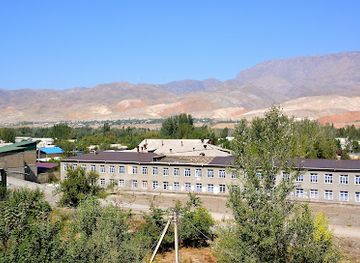
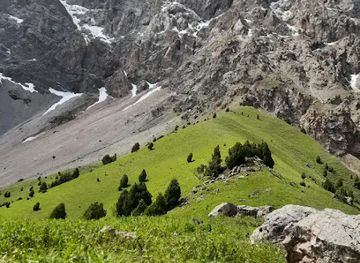

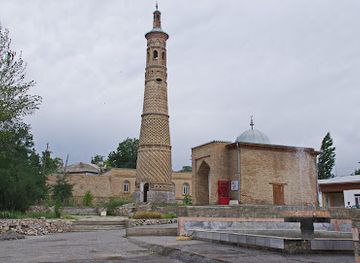
Best landmarks in Zarafshan Valley
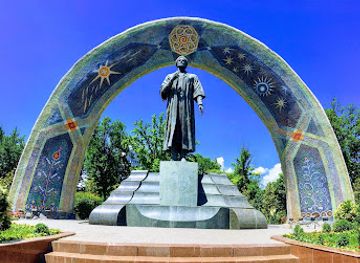
The most significant landmarks of the Zarafshan Valley begin with Sarazm, whose prehistoric settlement near Panjakent marks an early chapter in Central Asian urban history and retains archaeological structures across an open landscape. Ancient Panjakent is the region's defining historic monument: its ruined streets, defensive remains and temple complexes show the scale and artistic sophistication of a Sogdian city. In modern Panjakent, the Rudaki memorial and related cultural institutions express the area's enduring literary association with classical Persian poetry. Ayni is linked to Sadriddin Ayni, one of the major figures of modern Tajik literature, and serves as a recognisable gateway to the upper valley. The valley's natural landmarks are equally important, including the river corridor itself, the high basin of Iskanderkul and the chain of lakes in the Seven Lakes side valley. Their visual character changes sharply with altitude, from cultivated terraces and poplar-lined settlements to barren rock, snow-fed streams and alpine slopes.
-
Park
Rudaki Park
Discover the beauty of Rudaki Park, an urban oasis in Dushanbe featuring stunning landscapes, cultural significance, and a peaceful retreat for all visitors.
-
 Cultural center
Navruz Palace
Experience the vibrant culture of Tajikistan at Navruz Palace, a stunning center for art, history, and community in Dushanbe.
-
Tourist attraction
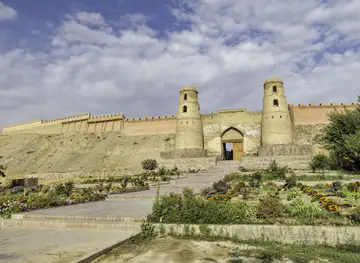
Hisor Fortress
Explore Hisor Fortress in Tajikistan, a stunning historical site with breathtaking views and rich cultural heritage, perfect for history enthusiasts and nature lovers.
-
Tourist attraction
Flagpole
Discover the breathtaking Flagpole in Dushanbe, the tallest in the world, a symbol of Tajikistan's pride and a must-visit for all travelers.
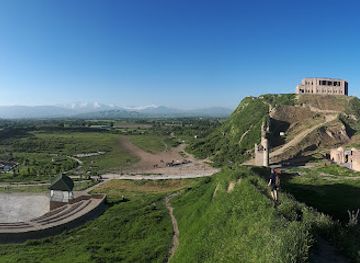
Explore Zarafshan Valley on the map
Plan your trip on one map. See where the top cities, national parks and sights are, and book hotels and experiences in a few clicks.
Best hotels in Zarafshan Valley
Best restaurants in Zarafshan Valley
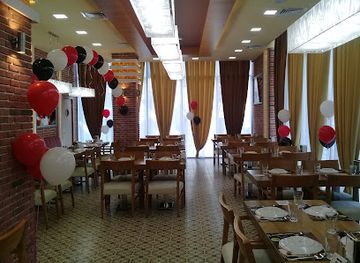
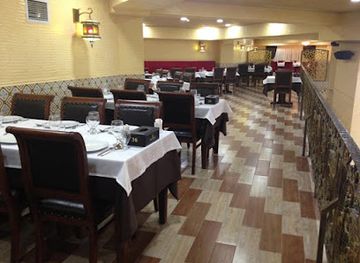
Dining in the Zarafshan Valley is centred on Tajik and wider Central Asian home cooking rather than a formal restaurant circuit. In Panjakent, visitors can find cafés and simple restaurants serving plov, soups, grilled meat, dumplings, lagman, fresh salads and substantial bread, while tea is a routine part of hospitality. Rural guesthouses and family homes may offer meals based on seasonal vegetables, dairy products, orchard fruit, dried fruit and locally available meat. Panjakent's agricultural surroundings are particularly associated with abundant gardens and fruit-growing, although availability changes with the season. Markets are useful for bread, nuts, dried apricots and other provisions before mountain trips. In Ayni and remote valleys, choices are more limited and advance arrangement with a guesthouse is often sensible. Alcohol is available in some urban settings but is not central to local dining culture; visitors should follow the preferences of their hosts when eating in private homes.
-
Turkish
Çıtır Usta
Discover authentic Turkish flavors at Çıtır Usta in Dushanbe – where every dish tells a story.
-
Restaurant
Olim Qurutob
Experience the essence of Tajik cuisine at Olim Qurutob in Dushanbe – home to delicious Qurutob and other traditional delights.
-
Turkish
Iskender
Experience the best of Turkish cuisine at Iskender in Dushanbe—where every bite tells a story of rich flavors and tradition.
-
Restaurant
Rohat Teahouse
Experience authentic Tajik cuisine at Rohat Teahouse—where tradition meets taste in the heart of Dushanbe.


Best bars in Zarafshan Valley
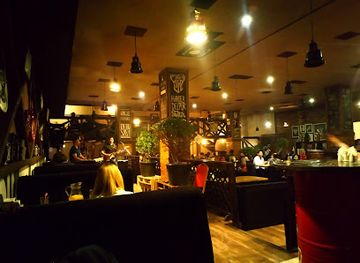
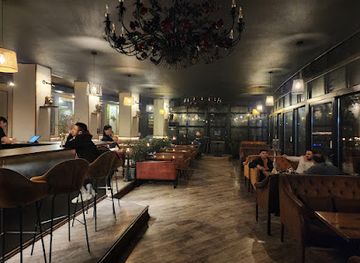
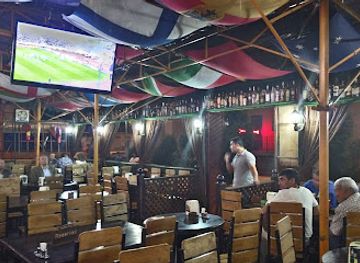
Nightlife in the Zarafshan Valley is modest and concentrated mainly in Panjakent. Evening activity centres on cafés, teahouses, restaurants and informal social spaces rather than a large club scene, with the town's public life generally quieter than that of Dushanbe or Khujand. Traditional tea drinking, conversation and meals are more characteristic than late-night entertainment, while occasional cultural programmes or live music may be arranged through local institutions without a fixed calendar. Ayni and smaller settlements have few dedicated nightlife venues, and mountain guesthouses usually offer calm evenings, shared meals and views rather than bars. Visitors should not rely on late opening hours or extensive transport after dark; arrange a safe return route and check locally for current options. Breweries, cocktail bars and nightclub culture are not defining features of the region.
-
Live music bar
Best Bar City
Discover the vibrant nightlife of Dushanbe at Best Bar City, where live music and a lively atmosphere create unforgettable moments.
-
Pub
Sim Sim Pub
Experience the vibrant atmosphere of Sim Sim Pub in Dushanbe, a perfect blend of local flavors, lively sports, and warm hospitality.
-
Gastropub
28 Monkeys Gastropub
Experience the vibrant fusion of traditional Tajik flavors and modern gastronomy at Dushanbe's 28 Monkeys Gastropub.
-
Bar
Public Pub
Experience the vibrant atmosphere and diverse menu at Public Pub, the perfect spot for tourists in Dushanbe, Tajikistan.
Best nightclubs in Zarafshan Valley
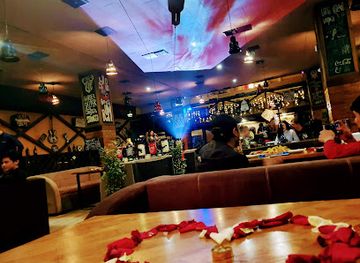
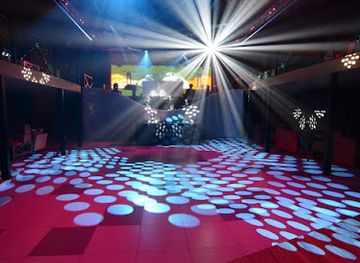
Nightlife in the Zarafshan Valley is modest and concentrated mainly in Panjakent. Evening activity centres on cafés, teahouses, restaurants and informal social spaces rather than a large club scene, with the town's public life generally quieter than that of Dushanbe or Khujand. Traditional tea drinking, conversation and meals are more characteristic than late-night entertainment, while occasional cultural programmes or live music may be arranged through local institutions without a fixed calendar. Ayni and smaller settlements have few dedicated nightlife venues, and mountain guesthouses usually offer calm evenings, shared meals and views rather than bars. Visitors should not rely on late opening hours or extensive transport after dark; arrange a safe return route and check locally for current options. Breweries, cocktail bars and nightclub culture are not defining features of the region.
-
Live music bar
Best Bar City
Experience the heart of Dushanbe's nightlife at the Best Bar City, where live music and a lively atmosphere await every visitor.
-
Night club
LOFT
Discover the vibrant nightlife at LOFT, Dushanbe's top night club, where music, dancing, and unforgettable experiences await.
-
Night club
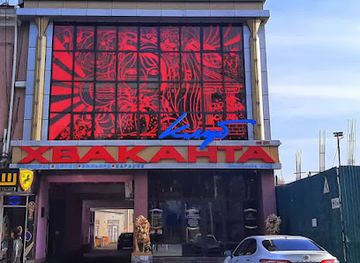
Khvakanta
Experience the vibrant nightlife of Khujand at Khvakanta, where electrifying music and dance create unforgettable memories.
-
Bar
ETNO PUB
Discover the lively atmosphere at ETNO PUB, Dushanbe's favorite bar, where local flavors meet a vibrant nightlife experience.

Best shops in Zarafshan Valley
Shopping in the Zarafshan Valley is practical and locally focused. Panjakent's markets and central shops are the best places to buy bread, seasonal fruit, nuts, dried apricots, dairy products and other provisions for journeys, as well as basic clothing and household goods. Small market towns and village stalls offer a less formal experience, but opening patterns and product ranges vary. Souvenirs connected with the region's identity may include locally made textiles, embroidered items, pottery, carved objects and books or reproductions relating to Sogdian archaeology and Rudaki, although selection is limited compared with Tajikistan's largest cities. Visitors should distinguish genuinely local craft from mass-produced goods and ask permission before photographing market sellers or workshops. In mountain villages, guesthouses may sell homemade preserves, dried fruit or handicrafts directly, providing a useful way to support small-scale producers. Carry cash in somoni, particularly beyond Panjakent, as rural retail outlets rarely guarantee card payment.
-
Market
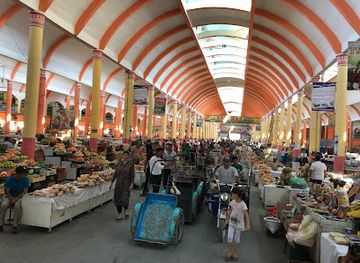
Panjshanbe Bozor
Explore the vibrant Panjshanbe Bozor in Khujand, a market where local culture, delicious food, and unique crafts come together in a lively atmosphere.
-
Shopping mall
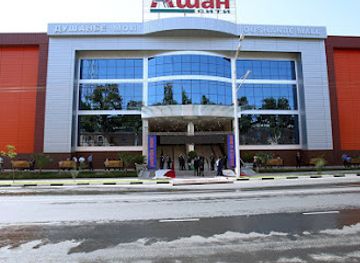
Dushanbe Mall
Discover the vibrant shopping and dining experience at Dushanbe Mall, the ultimate destination in Tajikistan's capital for tourists and locals alike.
-
Shopping mall
Sadbarg Trade Center
Discover the vibrant shopping scene at Sadbarg Trade Center in Dushanbe, featuring diverse retail options and delicious dining experiences.
-
Department store
Central Department Store
Explore a vibrant shopping hub in Dushanbe, where tradition meets modernity at the Central Department Store.

Get your free copy of our complete guide to Zarafshan Valley, delivered straight to you.
Everything on this page, from attractions and restaurants to essentials and local phrases, in one PDF you can read offline, print or share.
Already have an account? Sign in
Your Zarafshan Valley guide is ready.
We'll send it to · Not you? Sign out

Getting your guide ready…
We are putting together a fresh copy of the Zarafshan Valley guide. This can take up to a minute.
This can take a few moments. If your browser asks, choose Allow so the download can start. You'll find the guide in your Downloads folder.
Nothing happened? Download it again
Sorry, the guide is taking longer than usual. Please try again in a minute, or get it by email instead.
Zarafshan Valley essentials
Currency and Payment
Safety
Emergency Situations
Do's and Don'ts
Local Tips
From Eve
Local phrases worth knowing
You don't need to get them perfect. A few words go a long way, and locals appreciate the effort.
Basics
| English | Local | Say it |
|---|---|---|
| Hello | Салом | [Salom] |
| Goodbye | Хайр | [Khair] |
| Yes | Ҳа | [Ha] |
| No | Не | [Ne] |
| Please/You’re welcome | Лутфан | [Lutfan] |
| Thank you | Ташаккур | [Tashakkur] |
| Excuse me/Sorry | Бахшед | [Bakhshid] |
| How are you? | Шумо чӣ хелед? | [Shumo chi kheled?] |
| Fine. And you? | Хуб. Шумо чӣ хелед? | [Khob. Shumo chi kheled?] |
| Do you speak English? | Оё шумо ба англисӣ гуфтугӯ мекунед? | [Oyo shumo ba anglisi guftugu mekuned?] |
| I don't understand | Ман намефаҳмам | [Man namefahmam] |
Eating & Drinking
| English | Local | Say it |
|---|---|---|
| I’d like to see the menu, please | Ман мехоҳам менюро бубинам, лутфан | [Man mekhoham menyuro bubinam, lutfan] |
| I don't eat meat | Ман гов намехӯрам | [Man gov namekhoram] |
| Cheers! | Саломат бошед! | [Salomat boshed!] |
| I would like to pay, please | Ман мехоҳам пардохт кунам, лутфан | [Man mekhoham pardokht kunam, lutfan] |
Emergencies
| English | Local | Say it |
|---|---|---|
| Help! | Кумак! | [Kumak!] |
| Go away! | Беравед! | [Beraved!] |
| Call the Police! | Полисро даъват кунед! | [Polisro davat kuned!] |
| Call a doctor! | Докторро даъват кунед! | [Doktorro davat kuned!] |
| I'm lost | Ман гум шудаам | [Man gum shudam] |
| I'm ill | Ман бемор ҳастам | [Man bemor hastam] |
Shopping
| English | Local | Say it |
|---|---|---|
| I’d like to buy... | Ман мехоҳам ... бихарам | [Man mekhoham ... bikharaam] |
| I’m just looking | Ман фақат намоиш мекунам | [Man faqat namoish mekunam] |
| How much is it? | Ин чанд пул аст? | [In chand pul ast?] |
| That's too expensive | Ин хеле гарон аст | [In kheli garon ast] |
| Can you lower the price? | Шумо метавонед нархро кам кунед? | [Shumo metonid narxro kam kuned?] |
Time & Numbers
| English | Local | Say it |
|---|---|---|
| What time is it? | Саҳар чанд аст? | [Sahar chand ast?] |
| It's one o'clock | Яка соат аст | [Yaka soat ast] |
| Half past (10) | Ним соат (10) | [Nim soat (10)] |
| Morning | Субҳ | [Subh] |
| Afternoon | Баъд аз зуҳр | [Ba'd az zuhr] |
| Evening | Шаб | [Shab] |
| Yesterday | Дирӯз | [Diruz] |
| Today | Имрӯз | [Imruz] |
| Tomorrow | Фардо | [Fardo] |
| 1 | 1 | [1] |
| 2 | 2 | [2] |
| 3 | 3 | [3] |
| 4 | 4 | [4] |
| 5 | 5 | [5] |
| 6 | 6 | [6] |
| 7 | 7 | [7] |
| 8 | 8 | [8] |
| 9 | 9 | [9] |
| 10 | 10 | [10] |
Transport & Directions
| English | Local | Say it |
|---|---|---|
| Where's a/the...? | Куҷо ... аст? | [Kujó ... ast?] |
| What's the address? | Суроға чист? | [Suróga chist?] |
| Can you show me (on the map)? | Шумо метавонед маро нишон диҳед (дар харита)? | [Shumo metonid maro nishon dihed (dar kharita)?] |
| When's the next (bus)? | Ки вақт (бас) меояд? | [Ki vaqt (bas) meoyad?] |
| A ticket (to ....) | Як чипта (ба ....) | [Yak chipta (ba ....)] |
History of Zarafshan Valley
Sarazm and the Early Settlement of the Valley
Sarazm, near modern Panjakent, was established during the fourth millennium BC and became one of the earliest known urban and craft centres in Central Asia. Archaeological evidence shows agriculture, metallurgy, specialised production and long-distance exchange with neighbouring regions, including areas beyond the Oxus basin. Its location near the Zarafshan River helped support settled life while giving communities access to mountain resources and trade routes. The site is among Tajikistan's most important prehistoric legacies and is recognised by UNESCO for its value in illustrating the development of early urban society in Central Asia.
Sogdian Panjakent and the Zarafshan Corridor
From the fifth to the eighth centuries AD, the Zarafshan region formed part of the Sogdian cultural world, whose merchants and city communities played a major role in Central Asian exchange. Ancient Panjakent developed as a fortified urban settlement with temples, residences and finely painted interiors depicting religious and courtly themes. These remains reveal a sophisticated society with its own artistic conventions and political networks. The city was abandoned in the early eighth century during the Arab conquest of Transoxiana, although Sogdian cultural influence continued through language, commerce and local traditions.
The Islamic and Persianate Cultural Landscape
After the Arab conquest, the Zarafshan Valley gradually became part of the Islamic political and cultural sphere, while Persian literary and administrative traditions grew in importance. The valley lay within the wider historical regions shaped successively by powers including the Samanids, Karakhanids and later Central Asian dynasties. Settlements, irrigation and religious institutions developed around the river and its tributaries. Although political boundaries changed repeatedly, the valley remained connected to the wider cultural world of Transoxiana through agriculture, scholarship, commerce and movement across the mountain routes.
Rudaki and the Literary Heritage of Panjakent
The Zarafshan area is traditionally associated with Abu Abdallah Rudaki, the ninth- and tenth-century poet often regarded as a foundational figure in classical Persian literature. Rudaki's exact birthplace has been debated, but Panjakent and its surrounding district preserve a strong connection to his memory through commemorative sites and cultural institutions. His association gives the region a significance that extends beyond archaeology and landscape: it links the valley to the formation of Persian literary culture under the Samanids. Visitors encounter this heritage in Panjakent's museums and public cultural life.
Russian and Soviet Transformations
The nineteenth and twentieth centuries brought the Zarafshan Valley into new administrative and economic systems under Russian imperial and then Soviet rule. Roads, planned settlements, schools and state-managed agriculture altered patterns of movement and production. Irrigation remained central to life in the valley, while mining and other industrial activity affected parts of the wider mountain region. Soviet cultural policies also established museums and institutions that later helped preserve archaeological discoveries. These changes connected remote communities more closely to regional centres, even as traditional village economies and mountain pastoral practices continued.
Tajikistan Since Independence
Following Tajikistan's independence in 1991 and the civil war of the 1990s, the Zarafshan Valley became part of a national effort to improve roads, public services and cultural tourism. Panjakent's archaeological sites and the mountain landscapes around Ayni and the Fann Mountains have gained greater prominence in the country's heritage and trekking sectors. Cross-border geography remains important because the Zeravshan continues westwards into Uzbekistan, although international travel depends on current border arrangements and documentation. Today the valley combines agricultural livelihoods, historic identity and growing interest in mountain-based tourism.
Zarafshan Valley in Photos
Browse through our photo collection highlighting the charm and character of the destination.
Neighbouring regions of Zarafshan Valley
The closest regions to Zarafshan Valley, if you have time for more than one.
-

-
-

-

-


Swipe for more regions
Explore more

Explore more of Tajikistan
Discover Tajikistan: A land of majestic mountains, ancient history, and warm hospitality. Ideal for adventure seekers and culture enthusiasts alike.
Explore Tajikistan