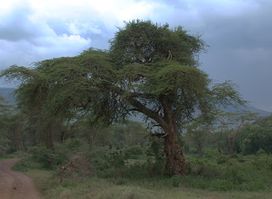
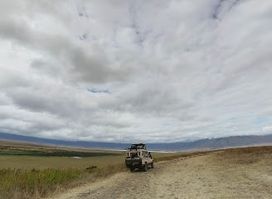
Ngorongoro Crater, Lake Zone Travel Guide
Explore the breathtaking Ngorongoro Crater, a UNESCO World Heritage Site teeming with wildlife and stunning landscapes, a top safari destination in Tanzania.
The Ngorongoro Crater is a UNESCO World Heritage Site and one of the most stunning wildlife parks in Tanzania, offering tourists an unforgettable safari experience surrounded by breathtaking landscapes and diverse wildlife.
A brief summary to Ngorongoro Crater
- Mti Mmoja, TZ
- Click to display
- Click to display
- Monday 8 am-6 pm
- Tuesday 8 am-6 pm
- Wednesday 8 am-6 pm
- Thursday 8 am-6 pm
- Friday 8 am-6 pm
- Saturday 8 am-6:30 pm
- Sunday 8 am-6 pm

Know before you go
Hi, I'm Eve. Here are a few practical things to know before exploring Ngorongoro Crater.
- Book your visit early, especially during peak season, to secure the best safari experiences.
- Consider visiting during the early morning or late afternoon for optimal wildlife viewing opportunities.
- Bring binoculars and a good camera to capture the stunning landscapes and diverse wildlife.
- Respect local customs and wildlife regulations to ensure a safe and enjoyable experience.
Do you manage this location?
Take control to get all the benefits, like improved information, better appearance, and stronger visibility across AI-powered discovery. Learn more about listing your business on Evendo
Activate your presenceOther nearby places you may find interesting
The closest places of the same kind, if this one is not quite what you had in mind.
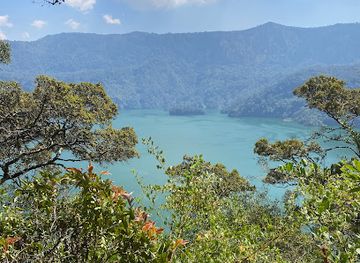
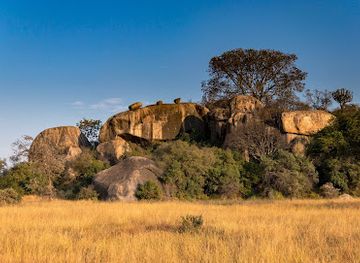
Explore Ngorongoro Crater on the Map
A handpicked selection of must-see spots near Ngorongoro Crater, mapped for you.
Getting There
-
Car (Personal or Rental)
From major towns in the Lake Zone, such as Mwanza or Bukoba, head towards the town of Karatu, which is the nearest town to Ngorongoro Crater. Take the A104 road from Mwanza towards Karatu, approximately a 2-3 hour drive. Once you reach Karatu, follow the signs leading to Ngorongoro Conservation Area. The entrance to the crater is about 20 km from Karatu. Be prepared to pay the Ngorongoro Conservation Area entry fee, which is approximately $70 for foreign adults. Ensure your vehicle is suitable for the dirt roads leading into the crater.
-
Public Transportation (Bus)
From Mwanza or Bukoba, take a bus to Karatu. Buses run frequently and the journey takes about 3-4 hours. Once in Karatu, you can hire a local taxi or join a group tour to the Ngorongoro Crater. The taxi ride to the crater entrance will cost around $25-$40 depending on the number of passengers. Don’t forget to pay the entrance fee of about $70 per person when you arrive at the Ngorongoro Conservation Area.
-
Guided Tour
Consider booking a guided tour from Mwanza or Karatu. Many tour operators offer packages that include transportation, a guide, and entry fees to the Ngorongoro Crater. This option can be more convenient and informative, with costs typically ranging from $200 to $300 per person, depending on the inclusions. Make sure to check the itinerary before booking.
-
Safari Vehicle
If you are part of a safari package, your tour operator will likely provide transportation in a safari vehicle. These vehicles are designed for the rough terrain of the crater. Ensure you confirm the pickup location and time with your operator beforehand. The cost is usually included in the overall safari package.
Discover more about Ngorongoro Crater













Your all‑in‑one travel companion app
Explore expert travel guides, compare and book tours, experiences, hotels, and more—all from the palm of your hand. Download now for seamless trip planning wherever your wanderlust takes you.


Explore More of Lake Zone
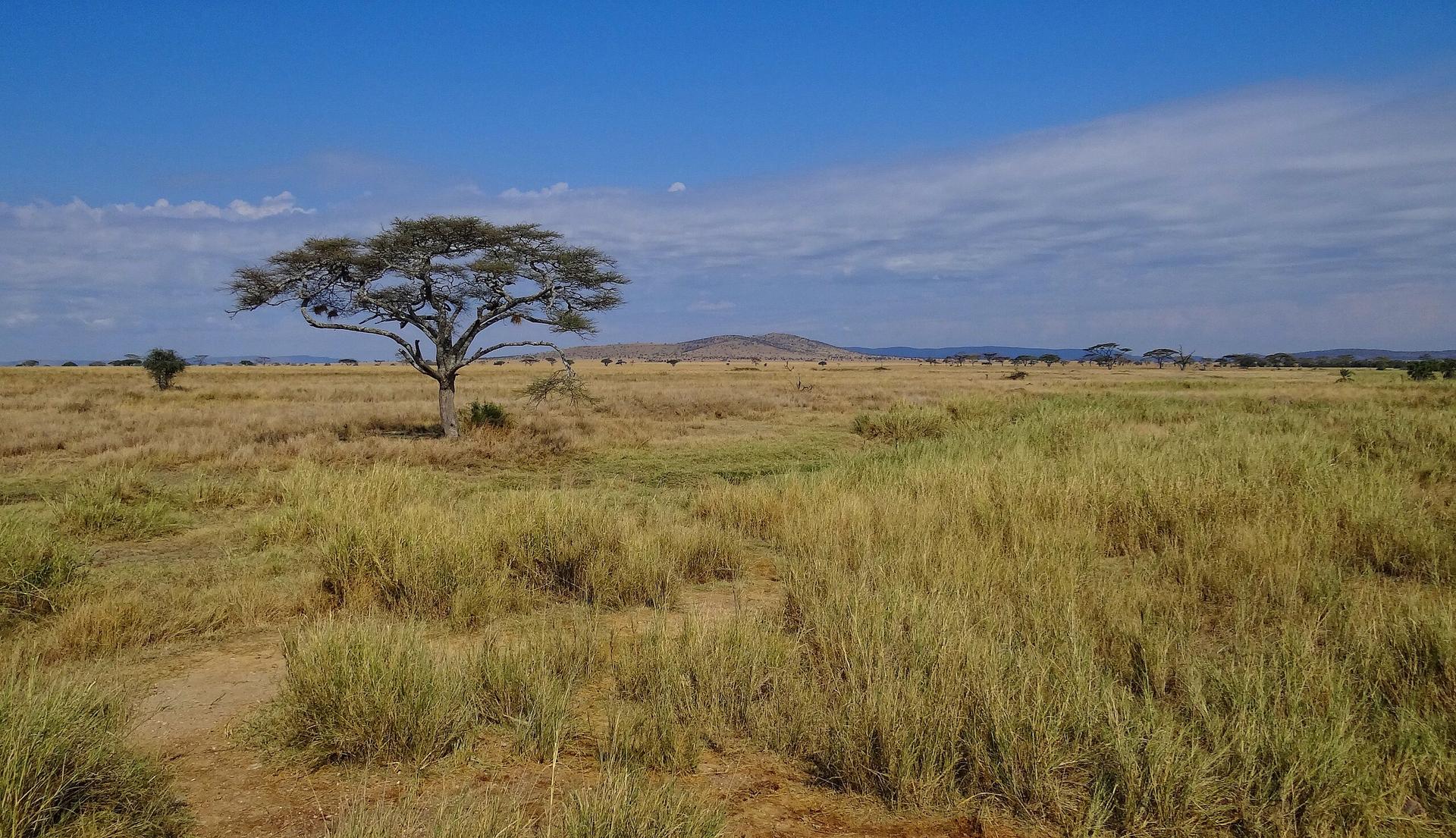
Looking beyond Ngorongoro Crater? Discover Lake Zone for broader travel guides, local hot-spots, and regional highlights.
Explore Lake Zone