

Free Lake Zone Travel Guide & Mobile App
Explore Lake Zone with free travel guides. Discover regional history, expert tips, proposed trips, and audio guides on web or mobile app.


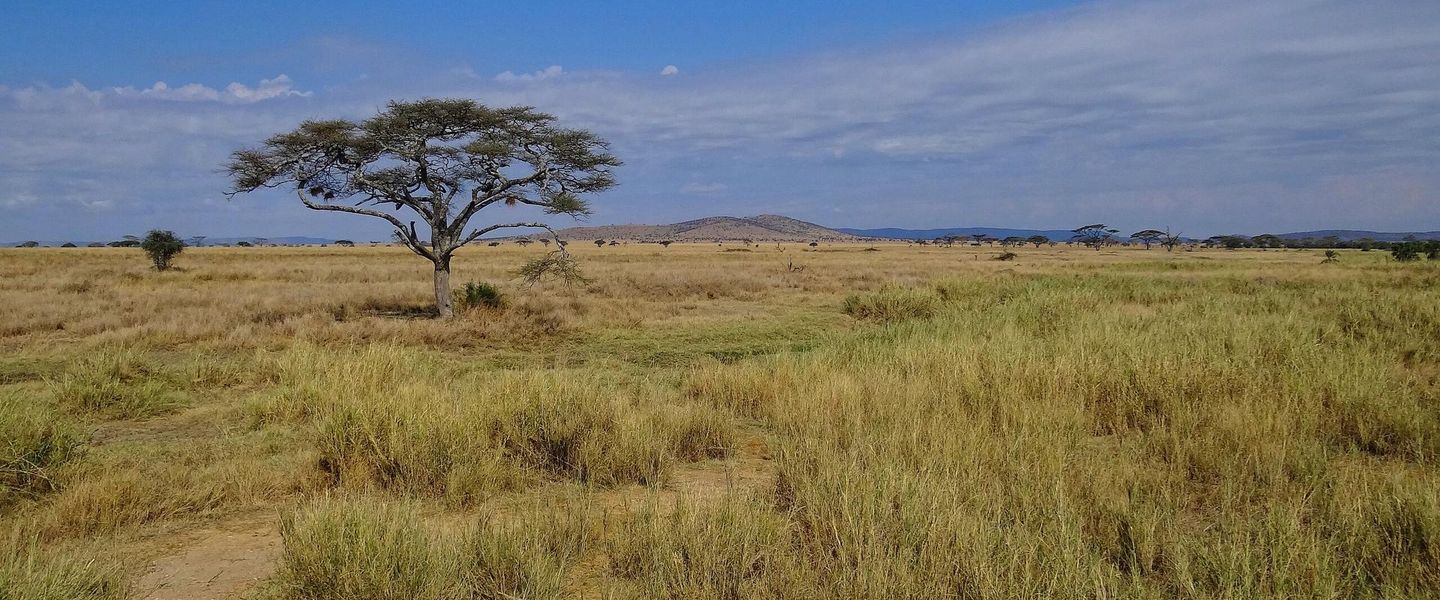


Explore Tanzania’s Lake Zone for Mwanza’s granite shores, Sukuma culture, island journeys, Lake Victoria landscapes and western safari gateways.
Read more about Lake Zone
When is the best time to visit Lake Zone?
Best: June–August · 25°C| Month | High (°C) | Rainfall (mm) |
|---|---|---|
| January | 27 | 100 |
| February | 27 | 90 |
| March | 28 | 130 |
| April | 27 | 140 |
| May | 26 | 110 |
| June (best) | 25 | 80 |
| July (best) | 25 | 70 |
| August (best) | 25 | 80 |
| September | 26 | 100 |
| October | 27 | 120 |
| November | 27 | 130 |
| December | 27 | 110 |
Getting to and around Lake Zone
How to get there
Transportation
Top city travel guides in Lake Zone
The cities of Lake Zone, and the easiest places to base yourself.
-

-

-

-


Swipe for more cities
Destinations in Lake Zone
Resorts, valleys and scenic spots worth a trip of their own.
-

-

-

-


Swipe for more destinations
Best attractions in Lake Zone
The Lake Zone’s attractions combine urban lakeside scenery, living cultural traditions, islands, wildlife and routes through varied rural landscapes. Mwanza is the natural starting point, with rocky viewpoints, lake excursions and Saanane Island National Park close to the city. The Bujora Cultural Centre, south-east of Mwanza, interprets Sukuma history, music, dance and craftsmanship. Ukerewe offers an island journey through farming country, village landscapes and lakeshore communities, while Rubondo Island National Park provides forest, wetland and shoreline habitats reached by boat or air and best explored with organised park arrangements. Around Musoma and Bunda, travellers can connect with the eastern Lake Victoria shore and plan carefully timed excursions towards the Serengeti and Grumeti landscapes; these are substantial journeys rather than casual day trips from Mwanza. Kagera brings greener scenery, coffee-growing country and Great Lakes cultural connections, while Geita and Shinyanga reveal the region’s mining, agricultural and dry-country character. Birdwatching, fishing-community visits, boating, walking, cultural interpretation and safari extensions are the principal experiences, with distances and seasonal road conditions shaping how much can be seen.
-
Tourist attraction
Ngorongoro Entrance Gate
Explore the stunning Ngorongoro Entrance Gate, the gateway to Tanzania's breathtaking Ngorongoro Crater, rich in wildlife and natural beauty.
-
Tourist attraction
Saanane National Park
Experience the natural beauty and wildlife of Saanane National Park, a hidden gem near Mwanza, Tanzania, perfect for nature enthusiasts and adventure seekers.
-
Restaurant
Duluti Forest Club
Discover the tranquility of Duluti Forest Club, where nature meets culinary delight in a stunning lakeside setting.
-
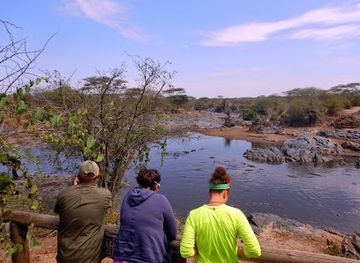
Lake
Retima Hippo Pool
Experience the enchanting Retima Hippo Pool, a serene sanctuary in Tanzania for observing hippos and embracing the beauty of nature.

Best landmarks in Lake Zone
Mwanza’s granite boulders and rocky promontories are the Lake Zone’s most recognisable natural landmarks, giving the city an appearance unlike most other Tanzanian urban centres. The lakeside port and the densely settled hills around it express Mwanza’s long role in regional commerce. Saanane Island, visible from the city and administered as a national park, is an important nearby landmark as well as a protected landscape. Further south, the Bujora Cultural Centre is a significant cultural landmark because it preserves and presents Sukuma traditions within the community’s historical heartland. Ukerewe’s island setting is itself a defining geographical feature, with villages, farmland and open lake horizons creating a distinct sense of place. Rubondo Island’s forested shores form one of the region’s most exceptional natural landmarks, combining a large lake island with protected wildlife habitat. In the north-west, Bukoba’s position on the steep, green shore of Lake Victoria reflects the geography of Kagera and its connections across the Great Lakes. The lake, rather than a single monumental building, is the defining landmark linking these diverse places.
-
National park
Serengeti National Park
Discover the untamed beauty of Serengeti National Park, where the Great Migration and diverse wildlife create a breathtaking safari experience.
-
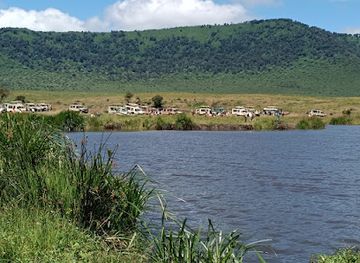
Nature preserve
Ngorongoro Conservation Area
Discover the breathtaking landscapes and rich wildlife of Tanzania's Ngorongoro Conservation Area, a UNESCO World Heritage site and a paradise for nature lovers.
-
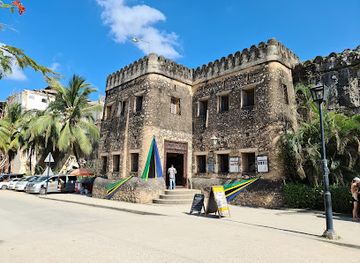
Tourist attraction
Old Fort
Discover the rich history and stunning architecture of Old Fort, a must-visit landmark in the heart of Zanzibar's Stone Town.
-
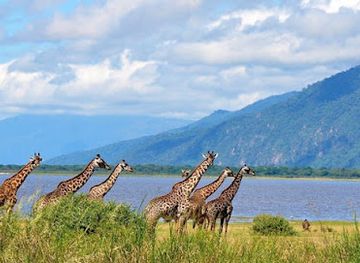
National park
Lake Manyara National Park
Explore the breathtaking landscapes and vibrant wildlife of Lake Manyara National Park, a true gem for nature lovers in Tanzania.
Explore Lake Zone on the map
Plan your trip on one map. See where the top cities, national parks and sights are, and book hotels and experiences in a few clicks.
Best hotels in Lake Zone
Best restaurants in Lake Zone
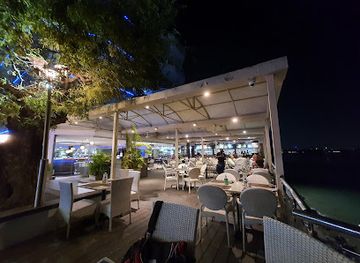
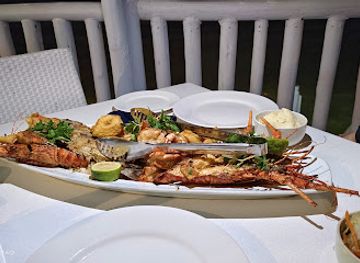
Dining in the Lake Zone is grounded in Tanzanian staples and the produce of the lake basin. Mwanza offers the widest choice, from cafés and hotel restaurants to simple eateries serving rice, beans, chips, grilled meat, plantain and ugali, the firm maize dish eaten across Tanzania. Tilapia and Nile perch are widely associated with Lake Victoria dining, although visitors should choose reputable establishments and recognise that fishing pressure makes sustainable sourcing important. In Kagera, bananas and coffee reflect the greener north-western landscape, while rural markets throughout the zone offer seasonal fruit, vegetables and locally prepared snacks. Small restaurants and food stalls are often the most direct way to encounter everyday regional cooking, but food hygiene standards vary, so busy premises with a high turnover are sensible choices. Mwanza and other larger towns also have Indian, East African and international options, reflecting long-standing commercial links around the lake. Tipping is discretionary, and menus may not always be available in less formal establishments.
-
Seafood
Cape Town Fish Market Dar es Salaam
Savor fresh seafood and sushi at Cape Town Fish Market Dar es Salaam – where ocean flavors meet family-friendly dining.
-
Restaurant
Samaki Samaki restaurant
Discover exquisite East African cuisine at Samaki Samaki Restaurant in Dar es Salaam – a perfect blend of flavor and culture.
-
Restaurant
Karambezi Cafe
Discover culinary delights at Karambezi Cafe in Dar es Salaam—where local flavors meet stunning ocean views.
-
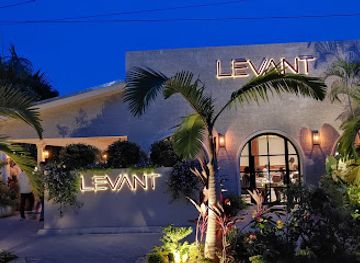
Restaurant
Levant
Experience culinary excellence at Levant in Dar es Salaam—where vibrant flavors meet exceptional service in an elegant setting.
Best bars in Lake Zone
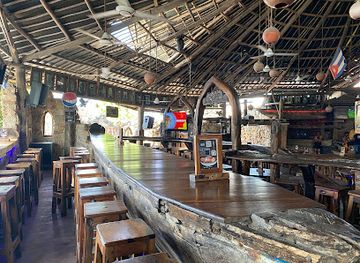
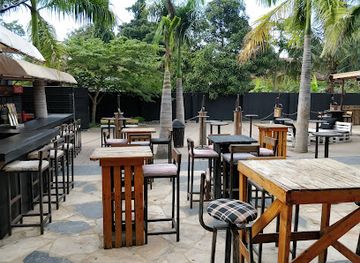
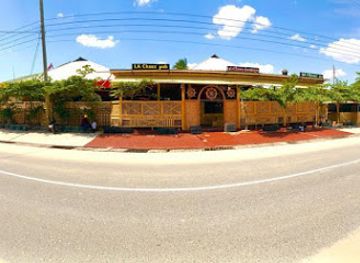
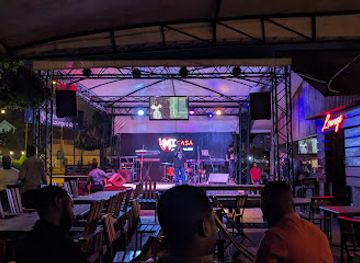
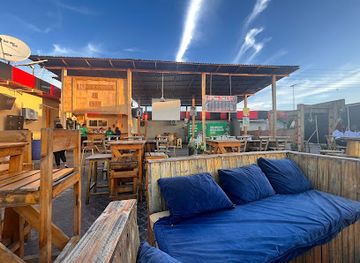
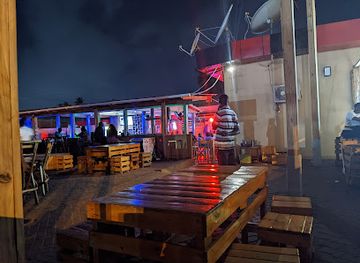
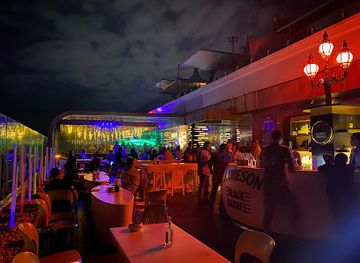
Evening life in the Lake Zone is concentrated in Mwanza and the larger regional towns, where hotel lounges, local bars, restaurants, music venues and a modest selection of clubs provide the main options. Mwanza’s lakeside and central districts have the broadest range, including places serving Tanzanian beers, soft drinks, spirits and occasional live music, while Bukoba and Musoma offer a quieter town-based scene. In smaller communities, social life generally centres on neighbourhood pubs, restaurants, football broadcasts and family or community gatherings rather than late-night clubbing. Some lodges and safari camps near protected areas provide relaxed evening drinks and organised cultural entertainment, but their facilities are designed around early starts. Dress neatly, keep valuables secure, arrange transport after dark and check locally for current opening arrangements rather than relying on old listings.
-
Grill
TIPS Lounge, Mikocheni
Experience Mikocheni's vibrant dining scene at TIPS Lounge, a grill and lounge offering delicious cuisine and a lively atmosphere in Dar es Salaam.
-
Bar
Small Planet Sinza(former La Chaaz)
Discover the vibrant nightlife at Small Planet Sinza, a lively bar in Dar es Salaam, perfect for cocktails, music, and unforgettable memories.
-
Lounge
Mi Casa Lounge
Discover the vibrant nightlife and laid-back atmosphere of Mi Casa Lounge, a premier destination for drinks and entertainment in Dar es Salaam.
-
Grill
Dance Club & Bar
Discover the pulse of Dar es Salaam at the Dance Club & Bar, where vibrant nightlife meets delicious grill cuisine and lively entertainment.
Best nightclubs in Lake Zone
Evening life in the Lake Zone is concentrated in Mwanza and the larger regional towns, where hotel lounges, local bars, restaurants, music venues and a modest selection of clubs provide the main options. Mwanza’s lakeside and central districts have the broadest range, including places serving Tanzanian beers, soft drinks, spirits and occasional live music, while Bukoba and Musoma offer a quieter town-based scene. In smaller communities, social life generally centres on neighbourhood pubs, restaurants, football broadcasts and family or community gatherings rather than late-night clubbing. Some lodges and safari camps near protected areas provide relaxed evening drinks and organised cultural entertainment, but their facilities are designed around early starts. Dress neatly, keep valuables secure, arrange transport after dark and check locally for current opening arrangements rather than relying on old listings.
-
Cocktail bar
Elements
Experience the vibrant nightlife at Elements, where innovative cocktails meet an inviting atmosphere in the heart of Dar es Salaam.
-
Grill
Dance Club & Bar
Experience the pulse of Dar es Salaam's nightlife at the Dance Club & Bar, where great food meets vibrant music.
-
Night club
Havoc Nightspot
Discover the electrifying nightlife at Havoc Nightspot, where unforgettable experiences and vibrant entertainment await in Dar es Salaam.
-
Bar
Ambiance Bar & Night Club
Discover the heart of Dar es Salaam's nightlife at Ambiance Bar & Night Club, where great drinks meet vibrant entertainment.


Best shops in Lake Zone
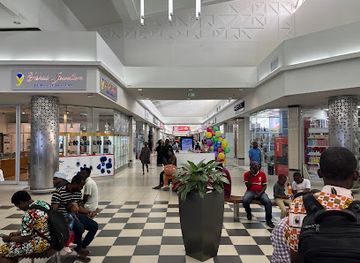
Shopping ranges from Mwanza’s busy markets and commercial streets to modest town centres and village markets across the wider Lake Zone. Mwanza is the best place to compare fabrics, clothing, shoes, household goods, mobile-phone accessories and locally made crafts before travelling onwards. Markets in smaller towns are more useful for everyday produce than for organised souvenirs, with vegetables, fruit, grains, fish and seasonal goods reflecting local agriculture and fishing. Visitors may find baskets, carved objects, beadwork, textiles and paintings, but quality and provenance vary; buy from reputable craft sellers and avoid anything made from protected wildlife or archaeological material. Coffee from Kagera, regional foods and packaged Tanzanian products can make practical gifts when purchased through established shops. Bargaining may be appropriate in open markets, while fixed prices are more usual in supermarkets, pharmacies and formal retailers. Rural shopping opportunities are limited, so stock up on cash, medicines and basic supplies in Mwanza, Bukoba or another substantial town before visiting islands, parks or remote districts.
-
Shopping mall
Mlimani City Shopping Mall
Explore Mlimani City Shopping Mall in Dar es Salaam: A shopping paradise blending local culture and international flair.
-
Shopping mall
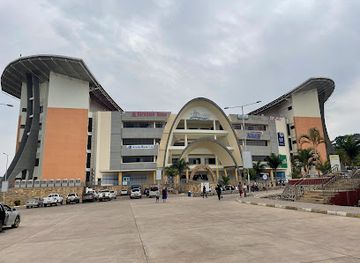
Rock City Mall
Explore Rock City Mall in Mwanza for an unforgettable shopping and dining experience amidst modern architecture and vibrant culture.
-
Spice exporter
Zanzibar Spice Community Shop
Experience the essence of Zanzibar at the Spice Community Shop, where the island's rich flavors and culture come alive through its famous spices.
-
Shopping mall
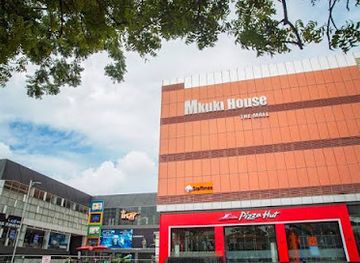
Mkuki House
Experience the vibrant shopping scene at Mkuki House in Dar es Salaam, where local charm meets international flair.
Get your free copy of our complete guide to Lake Zone, delivered straight to you.
Everything on this page, from attractions and restaurants to essentials and local phrases, in one PDF you can read offline, print or share.
Already have an account? Sign in
Your Lake Zone guide is ready.
We'll send it to · Not you? Sign out

Getting your guide ready…
We are putting together a fresh copy of the Lake Zone guide. This can take up to a minute.
This can take a few moments. If your browser asks, choose Allow so the download can start. You'll find the guide in your Downloads folder.
Nothing happened? Download it again
Sorry, the guide is taking longer than usual. Please try again in a minute, or get it by email instead.
Lake Zone essentials
Currency and Payment
Safety
Emergency Situations
Do's and Don'ts
Local Tips
From Eve
Local phrases worth knowing
You don't need to get them perfect. A few words go a long way, and locals appreciate the effort.
Basics
| English | Local | Say it |
|---|---|---|
| Hello | Habari | [Ha-ba-ri] |
| Goodbye | Kwaheri | [Kwa-he-ri] |
| Yes | Ndiyo | [Ndi-yo] |
| No | Hapana | [Ha-pa-na] |
| Please/You're welcome | Tafadhali/Karibu | [Ta-fa-dha-li/Ka-ri-bu] |
| Thank you | Asante | [A-san-te] |
| Excuse me/Sorry | Samahani | [Sa-ma-ha-ni] |
| How are you? | Habari gani? | [Ha-ba-ri ga-ni] |
| Fine. And you? | Nzuri. Na wewe? | [Nzu-ri. Na we-we] |
| Do you speak English? | Unazungumza Kiingereza? | [U-na-zun-gum-za Ki-in-ge-re-za] |
| I don't understand | Sielewi | [Si-e-le-wi] |
Eating & Drinking
| English | Local | Say it |
|---|---|---|
| I'd like to see the menu, please | Ningependa kuona menyu, tafadhali | [Nin-ge-pe-nda ki-o-na me-nyu, ta-fa-dha-li] |
| I don't eat meat | Sili nyama | [Si-li nya-ma] |
| Cheers! | Afya! | [A-fya] |
| I would like to pay, please | Ningependa kulipa, tafadhali | [Nin-ge-pe-nda ku-li-pa, ta-fa-dha-li] |
Emergencies
| English | Local | Say it |
|---|---|---|
| Help! | Msaada! | [M-sa-a-da] |
| Go away! | Ondoka! | [On-do-ka] |
| Call the Police! | Piga simu polisi! | [Pi-ga si-mu po-li-si] |
| Call a doctor! | Piga simu daktari! | [Pi-ga si-mu dak-ta-ri] |
| I'm lost | Nimepotea | [Ni-me-po-te-a] |
| I'm ill | Ninaumwa | [Ni-na-um-wa] |
Shopping
| English | Local | Say it |
|---|---|---|
| I'd like to buy... | Ningependa kununua... | [Nin-ge-pe-nda ku-nu-nua] |
| I'm just looking | Natazama tu | [Na-ta-za-ma tu] |
| How much is it? | Ni bei gani? | [Ni bei ga-ni] |
| That's too expensive | Hiyo ni ghali sana | [Hi-yo ni gha-li sa-na] |
| Can you lower the price? | Unaweza kupunguza bei? | [U-na-we-za ku-pun-gu-za bei] |
Time & Numbers
| English | Local | Say it |
|---|---|---|
| What time is it? | Ni saa ngapi? | [Ni saa ng-a-pi] |
| It's one o'clock | Ni saa moja | [Ni saa mo-ja] |
| Half past (10) | Nusu ya (10) | [Nu-su ya (10)] |
| Morning | Asubuhi | [A-su-bu-hi] |
| Afternoon | Mchana | [M-cha-na] |
| Evening | Jioni | [Ji-o-ni] |
| Yesterday | Jana | [Ja-na] |
| Today | Leo | [Le-o] |
| Tomorrow | Kesho | [Ke-sho] |
| 1 | Moja | [Mo-ja] |
| 2 | Mbili | [M-bi-li] |
| 3 | Tatu | [Ta-tu] |
| 4 | Nne | [N-ne] |
| 5 | Tano | [Ta-no] |
| 6 | Sita | [Si-ta] |
| 7 | Saba | [Sa-ba] |
| 8 | Nane | [Na-ne] |
| 9 | Tisa | [Ti-sa] |
| 10 | Kumi | [Ku-mi] |
Transport & Directions
| English | Local | Say it |
|---|---|---|
| Where's a/the...? | Wapi...? | [Wa-pi] |
| What's the address? | Anwani ni ipi? | [An-wa-ni ni i-pi] |
| Can you show me (on the map)? | Unaweza kunionesha (katika ramani)? | [U-na-we-za ku-ni-o-nes-ha (ka-ti-ka ra-ma-ni)] |
| When's the next (bus)? | Basi inayofuata ni lini? | [Ba-si i-na-yo-fua-ta ni li-ni] |
| A ticket (to ....) | Tiketi (kwenda ....) | [Ti-ke-ti (kwen-da)] |
History of Lake Zone
Early Communities and the Lake Victoria Basin
The shores and islands of Lake Victoria have long supported farming, fishing, cattle keeping and regional exchange. Archaeological evidence from the wider basin records settled communities, ironworking and changing patterns of cultivation over many centuries. In the southern and eastern Lake Zone, Sukuma-speaking communities became especially influential, while Kerewe, Zinza, Haya, Jita, Kurya and other peoples developed their own political and cultural traditions around the lake and its hinterland. Waterways, seasonal grazing routes and market connections linked communities rather than separating them, creating a regional history that extends across present-day administrative borders.
Sukuma Society and Regional Chiefdoms
Before colonial rule, much of the southern Lake Zone was organised through Sukuma chiefdoms and local communities whose authority rested on kinship, land, cattle, agriculture and ritual institutions. Leadership was not identical across the region, and neighbouring peoples maintained their own political structures. Sukuma cultural practices, including music, dance and ceremonial performance, developed within this social world and remain visible at places such as the Bujora Cultural Centre near Mwanza. The region’s present identity reflects both these older institutions and later changes brought by taxation, Christianity, Islam, schools and commercial agriculture.
Nineteenth-Century Trade and European Exploration
During the nineteenth century, Lake Victoria became increasingly connected to long-distance trade and European exploration. Arab and Swahili traders, African merchants and local rulers participated in networks carrying cloth, metal goods, livestock and other commodities, although these exchanges were also entangled with the violent slave trade. European explorers reached and mapped parts of the lake during the same period, often relying on African guides and established local knowledge. The resulting foreign interest helped make the lake basin strategically important to European imperial powers, without diminishing the much older history of its resident societies.
German and British Colonial Rule
The mainland Lake Zone became part of German East Africa in the late nineteenth century. Colonial authorities imposed new administrative systems, taxation and labour demands, while missionaries and commercial interests expanded schools, churches and transport links. After the First World War, Tanganyika was administered by Britain under a League of Nations mandate and later a United Nations trusteeship. Colonial rule reshaped agriculture, trade and political authority, but its reach varied widely between towns, islands and rural districts. Mwanza’s position on the lake and its communications with the interior made it an important administrative and commercial centre.
Railways, Ports and the Growth of Mwanza
The arrival of railway infrastructure at Mwanza in the early twentieth century connected the southern Lake Victoria shore with the interior and strengthened the city’s role as a port and trading centre. Rail, lake transport and road routes enabled the movement of cotton, coffee, livestock and manufactured goods, while also tightening colonial economic control. Mwanza grew as a cosmopolitan commercial town, serving communities on both sides of the lake. Its rocky shoreline, port facilities and later urban expansion still reflect the importance of transport and trade in the region’s development.
Independence and Tanzanian Nation-Building
Tanganyika achieved independence in 1961 and united with Zanzibar in 1964 to form Tanzania. Across the Lake Zone, independence brought the expansion of state education, health services, local administration and transport, alongside policies associated with ujamaa and villagisation during the 1960s and 1970s. These changes affected farming communities, market networks and traditional authority in different ways. Mwanza and other regional towns continued to grow, while lake fishing and agriculture remained central to rural livelihoods. The post-independence period also strengthened a shared Tanzanian national identity across communities with distinct local histories.
Mining, Conservation and Contemporary Change
From the late twentieth century, gold mining became an increasingly important part of the economies of Geita and neighbouring districts, attracting investment, workers and new infrastructure while also raising environmental and social questions. At the same time, conservation expanded around Lake Victoria and the savannah landscapes to its east and south, including Rubondo Island National Park and routes towards the Serengeti. Fishing pressure, water quality, climate variability, urban growth and cross-border trade continue to shape the region. Today the Lake Zone combines established farming and fishing economies with mining, tourism, commerce and a rapidly expanding urban population.
Lake Zone in Photos
Browse through our photo collection highlighting the charm and character of the destination.
Neighbouring regions of Lake Zone
The closest regions to Lake Zone, if you have time for more than one.
-

-

-

-
-


Swipe for more regions
Explore more
Explore more of Tanzania
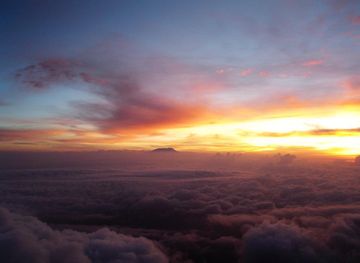
Discover Tanzania: From the majestic Mount Kilimanjaro to the stunning Serengeti and the serene beaches of Zanzibar, experience the best of nature and culture in East Africa.
Explore Tanzania