

Mizingani Seafront (Stone Town) Travel Guide - Free
Explore Mizingani Seafront in Stone Town with Evendo's free guide. Find the best shops, historic streets, restaurants, and gems on web or mobile.


Mizingani Seafront in Stone Town, Zanzibar, pairs Omani-era palaces, Indian Ocean views, Forodhani Gardens, ferry scenes and evening street food.
Palaces Beside the Indian Ocean
Mizingani Seafront forms the ocean-facing edge of Stone Town, where Zanzibar’s historic city meets the harbour and the open waters of the Zanzibar Channel. Along Mizingani Road, grand coral-rag buildings, former palaces and weathered waterfront façades reveal the political and commercial importance of Zanzibar under the Omani sultans. The seafront is not a separate modern district so much as one of Stone Town’s defining public edges, stretching around the ceremonial and harbourfront spaces near Forodhani Gardens and the Old Fort.Read more about Mizingani Seafront
Architecture, History and Street Life
From Daylight Strolls to Evening Food
Best attractions in Mizingani Seafront
Mizingani Seafront’s attractions are concentrated along a short but historically dense waterfront. The House of Wonders dominates the view with its monumental nineteenth-century façade, although access and restoration arrangements should be checked before visiting. Beside it, the Palace Museum occupies the former Sultan’s Palace and introduces the courtly history of Zanzibar. The Old Fort, with its massive walls and inner courtyard, provides a contrasting reminder of the island’s earlier military past. Forodhani Gardens offers the area’s most public setting, with open views across the harbour by day and a popular evening food market after sunset. The seafront is also a useful starting point for exploring Stone Town’s adjoining lanes, where carved wooden doors, coral-stone houses and small commercial passages extend the experience beyond the principal buildings.
-
Tourist attraction
Site of Liverpool Scoreboard (public landmark)
Explore the Liverpool Scoreboard, a historic landmark in Stone Town, Zanzibar, reflecting the region's rich cultural heritage and vibrant sporting history.
4 min walk · 0.3 km from neighbourhood centre
-
Tourist attraction
Stone Town Koi and Goldfish Farm
Discover tranquility at Stone Town Koi and Goldfish Farm in Zanzibar, where colorful koi fish and serene landscapes await every visitor.
5 min walk · 0.4 km from neighbourhood centre
-
Tourist attraction
Rondo Portowe
Discover the vibrant maritime heritage and stunning views at Rondo Portowe in Zanzibar's historic Stone Town.
9 min walk · 0.7 km from neighbourhood centre
-
Tourist attraction
ZENJI FOOD TOUR
Discover the rich culinary heritage of Zanzibar with ZENJI FOOD TOUR, where every bite tells a story of spice and tradition.
7 min walk · 0.6 km from neighbourhood centre


Best landmarks in Mizingani Seafront
Mizingani’s landmarks express Stone Town’s role as a royal capital, trading port and fortified settlement. The House of Wonders, or Beit al-Ajaib, is the best-known waterfront structure, associated with Sultan Barghash and nineteenth-century ceremonial modernity; its monumental scale and verandas make it a defining feature even when restoration limits access. The Palace Museum, formerly the Sultan’s Palace or Beit al-Sahel, preserves the royal association of this stretch of shore. The Old Fort, built by the Omanis in the late seventeenth century on the site of an earlier Portuguese presence, anchors the seafront with thick defensive walls. Forodhani Gardens is a civic landmark rather than a palace or fort, linking the historic buildings to contemporary public life, harbour watching and evening food culture.
-
Fortress
Old Fort
Discover the Old Fort of Zanzibar, a historic fortress blending culture, art, and breathtaking views in the heart of Stone Town.
8 min walk · 0.7 km from neighbourhood centre
-
 Hotel
Mizingani Seafront Hotel
Experience the beauty of Zanzibar at Mizingani Seafront Hotel, where comfort meets cultural richness in the heart of Stone Town.
7 min walk · 0.6 km from neighbourhood centre
-
Historical landmark
Old Dispensary
Explore the Old Dispensary in Zanzibar, a stunning historical landmark showcasing the island's diverse cultural heritage and architectural beauty.
7 min walk · 0.6 km from neighbourhood centre
-
Museum
House of Wonders
Discover the House of Wonders in Zanzibar, a captivating museum showcasing the island's rich cultural heritage and stunning architecture.
8 min walk · 0.6 km from neighbourhood centre


Explore Mizingani Seafront on the map
A handpicked selection of must-see spots in Mizingani Seafront, mapped for you.
Best hotels in Mizingani Seafront
Best restaurants in Mizingani Seafront
Eating around Mizingani is closely tied to Forodhani Gardens, whose evening stalls turn the waterfront into an informal food market rather than a conventional restaurant quarter. Grilled seafood, skewers, Zanzibar pizza, chipsi mayai and fresh juice are among the foods commonly associated with the setting, though individual stalls and offerings change. Visitors can also find cafés and restaurants in the surrounding Stone Town streets, often in converted historic buildings, with menus influenced by Swahili, Indian, Arab and international cooking traditions. Seafood and spices reflect Zanzibar’s maritime connections, while snacks such as urojo, also known as Zanzibar mix, belong to the wider island street-food culture. Food stalls are best approached as casual local dining: inspect preparation areas, confirm the price and portion before ordering, and carry small Tanzanian-shilling notes where practical.
-
Restaurant
Lukmaan Restaurant
Discover authentic Zanzibari cuisine at Lukmaan Restaurant in Stone Town - where every dish tells a story.
4 min walk · 0.4 km from neighbourhood centre
-
Restaurant
Secret Garden
Experience exquisite Zanzibari cuisine amidst lush surroundings at Secret Garden - a hidden culinary gem in Stone Town.
4 min walk · 0.4 km from neighbourhood centre
-
Vegetarian
Krishna Food House
Experience authentic vegetarian cuisine at Krishna Food House in Stone Town, Zanzibar – where local flavors meet culinary excellence.
9 min walk · 0.7 km from neighbourhood centre
-
Ethiopian
Abyssinian Maritim Ethiopian Traditional Restaurant
Discover authentic Ethiopian cuisine at Abyssinian Maritim Restaurant in Zanzibar - A haven for vegetarians with rich flavors and welcoming ambiance.
10 min walk · 0.8 km from neighbourhood centre


Best bars in Mizingani Seafront
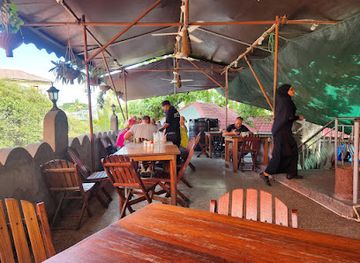
Mizingani is more of an evening promenade and social gathering place than a dedicated nightclub district. After sunset, Forodhani Gardens supplies the main public energy through its food stalls, harbour views and groups meeting outdoors, while nearby Stone Town hotels, restaurants and rooftop venues provide most of the area’s drinks and later-night atmosphere. The Old Fort and surrounding lanes may host cultural performances or events at particular times, but schedules are variable and should be checked locally. Waterfront nightlife is generally conversational and informal rather than dominated by large clubs; music and activity can increase around festivals or organised performances. Visitors should remember that Stone Town is also a residential historic quarter, so noise, public behaviour and movement through narrow lanes should remain considerate, especially away from the gardens.
-
Restaurant
6 Degrees South
Discover the exquisite flavors of Zanzibar at 6 Degrees South, a premier waterfront restaurant offering a unique dining experience.
11 min walk · 0.9 km from neighbourhood centre
-
Restaurant
Mercury's Bar
Discover the lively atmosphere of Mercury's Bar in Zanzibar, where local flavors meet stunning ocean views for an unforgettable dining experience.
7 min walk · 0.6 km from neighbourhood centre
-
Restaurant
The Sunset Bar - Africa House Hotel
Experience the culinary delights and stunning sunsets at The Sunset Bar, a true gem in Zanzibar's Stone Town.
11 min walk · 0.9 km from neighbourhood centre
-
Grill
Vivi Café
Experience the vibrant culinary scene at Vivi Café in Stone Town, Zanzibar, where local flavors and a warm atmosphere await every visitor.
8 min walk · 0.6 km from neighbourhood centre


Best nightclubs in Mizingani Seafront
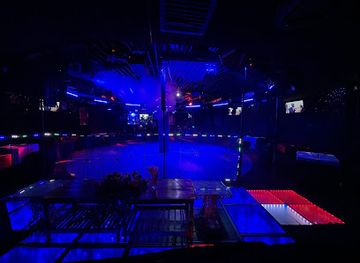
Mizingani is more of an evening promenade and social gathering place than a dedicated nightclub district. After sunset, Forodhani Gardens supplies the main public energy through its food stalls, harbour views and groups meeting outdoors, while nearby Stone Town hotels, restaurants and rooftop venues provide most of the area’s drinks and later-night atmosphere. The Old Fort and surrounding lanes may host cultural performances or events at particular times, but schedules are variable and should be checked locally. Waterfront nightlife is generally conversational and informal rather than dominated by large clubs; music and activity can increase around festivals or organised performances. Visitors should remember that Stone Town is also a residential historic quarter, so noise, public behaviour and movement through narrow lanes should remain considerate, especially away from the gardens.
-
Club
Bwawani Komba Nightclub
Discover the heart of Zanzibar's nightlife at Bwawani Komba Nightclub, where vibrant music and unforgettable moments await.
10 min walk · 0.8 km from neighbourhood centre
-
Bar
Masahani bar
Experience the vibrant atmosphere and stunning ocean views at Masahani Bar, the perfect spot for cocktails and relaxation in Zanzibar.
12 min walk · 1.0 km from neighbourhood centre
-
Bar
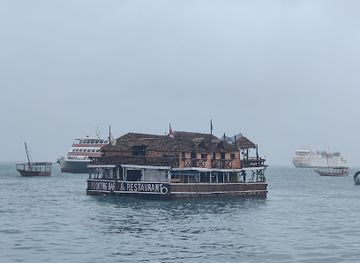
Floating Bar
Discover the unique Floating Bar in Zanzibar, where stunning ocean views meet refreshing drinks in a vibrant atmosphere.
10 min walk · 0.8 km from neighbourhood centre
-
Night club
Dharma lounge
Unwind at Dharma Lounge, Zanzibar's vibrant night club in Stone Town, where music and culture blend for an unforgettable night out.
6 min walk · 0.5 km from neighbourhood centre

Best shops in Mizingani Seafront
Shopping on Mizingani is less concentrated than in Stone Town’s inland bazaar streets, but the waterfront provides an easy starting point for browsing souvenirs, crafts and small independent stalls before continuing into the historic lanes. Visitors may encounter Zanzibar textiles, carved objects, spices, paintings and locally themed gifts, although quality and provenance vary and not every item marketed as traditional is locally made. The strongest retail experience comes from exploring the streets behind Forodhani Gardens, where small shops and market traders operate among residential and historic buildings. Bargaining can be part of informal commerce, but it should remain courteous and prices should be agreed before purchase. The seafront itself is better known for public space, heritage and food than for a large formal shopping centre, so expectations should suit its mixed-use, small-scale character.
-
Gift shop
Zivansh Concept Store
Discover unique fashion and artisanal souvenirs at Zivansh Concept Store in the historic Stone Town, Zanzibar – a boutique experience like no other.
12 min walk · 0.9 km from neighbourhood centre
-
Boutique
CHAKO Shop
Explore unique handcrafted treasures at CHAKO Shop, a boutique in Stone Town showcasing the vibrant culture and artistry of Zanzibar.
6 min walk · 0.5 km from neighbourhood centre
-
Boutique
The Wonders Boutique
Discover unique local crafts at The Wonders Boutique in Stone Town, Zanzibar, where culture meets creativity in every handcrafted piece.
8 min walk · 0.6 km from neighbourhood centre
-
Clothing store
Mago East Africa Boutique
Explore the essence of East African fashion at Mago East Africa Boutique in Stone Town, Zanzibar, and take home a piece of cultural heritage.
8 min walk · 0.7 km from neighbourhood centre


Mizingani Seafront essentials
Getting There
Getting Around
Safety
Emergency Situations
Do's and Don'ts
Local Tips

From Eve
Local phrases worth knowing
You don't need to get them perfect. A few words go a long way, and locals appreciate the effort.
Basics
| English | Local | Say it |
|---|---|---|
| Hello | Jambo | [jahm-boh] |
| Goodbye | Kwaheri | [kwah-heh-ree] |
| Yes | Ndio | [nn-dee-oh] |
| No | Hapana | [hah-pah-nah] |
| Please/You're welcome | Tafadhali | [tah-fah-dhah-lee] |
| Thank you | Asante | [ah-sahn-teh] |
| Excuse me/Sorry | Samahani | [sah-mah-hah-nee] |
| How are you? | Unaendeleaje? | [oo-nah-en-deh-leh-ah-jeh] |
| Fine. And you? | Salama. Na wewe? | [sah-lah-mah. nah weh-weh] |
| Do you speak English? | Unazungumza Kiingereza? | [oo-nah-zoo-ngoom-zah kee-een-geh-reh-zah] |
| I don't understand | Sielewi | [see-eleh-wee] |
Eating & Drinking
| English | Local | Say it |
|---|---|---|
| I'd like to see the menu, please | Ningependa kuona menyu, tafadhali | [nin-geh-pehn-dah kwoh-nah meh-nyoo, tah-fah-dhah-lee] |
| I don't eat meat | Sili nyama | [see-lee nyah-mah] |
| Cheers! | Mambo! | [mahm-boh] |
| I would like to pay, please | Ningependa kulipa, tafadhali | [nin-geh-pehn-dah koo-lee-pah, tah-fah-dhah-lee] |
Emergencies
| English | Local | Say it |
|---|---|---|
| Help! | Msaada! | [msah-ah-dah] |
| Go away! | Nenda zako! | [nen-dah zah-koh] |
| Call the Police! | Piga simu polisi! | [pee-gah see-moo poh-lee-see] |
| Call a doctor! | Piga simu daktari! | [pee-gah see-moo dah-kta-ree] |
| I'm lost | Nimepotea | [nee-meh-poh-teh-ah] |
| I'm ill | Ninaumwa | [nee-nah-oom-wah] |
Shopping
| English | Local | Say it |
|---|---|---|
| I'd like to buy... | Ningependa kununua... | [nin-geh-pehn-dah koo-noo-noo-ah] |
| I'm just looking | Ninaangalia tu | [nee-nah-ahn-gah-lee-ah too] |
| How much is it? | Bei yake ni kiasi gani? | [beh-ee yah-keh nee kyah-see gah-nee] |
| That's too expensive | Hiyo ni ghali sana | [hee-yoh nee gha-lee sah-nah] |
| Can you lower the price? | Unaweza kupunguza bei? | [oo-nah-weh-zah koo-poon-goo-zah beh-ee] |
Time & Numbers
| English | Local | Say it |
|---|---|---|
| What time is it? | Saa ngapi? | [sah-ah ngah-pee] |
| It's one o'clock | Saa moja | [sah-ah moh-jah] |
| Half past (10) | Nusu kumi | [noo-soo koo-mee] |
| Morning | Asubuhi | [ah-soo-boo-hee] |
| Afternoon | Mchana | [m-chah-nah] |
| Evening | Jioni | [joh-nee] |
| Yesterday | Jana | [jah-nah] |
| Today | Leo | [leh-oh] |
| Tomorrow | Kesho | [keh-shoh] |
| 1 | Moja | [moh-jah] |
| 2 | Mbili | [m-bee-lee] |
| 3 | Tatu | [tah-too] |
| 4 | Nne | [nn-neh] |
| 5 | Tano | [tah-noh] |
| 6 | Sita | [see-tah] |
| 7 | Saba | [sah-bah] |
| 8 | Nane | [nah-neh] |
| 9 | Tisa | [tee-sah] |
| 10 | Kumi | [koo-mee] |
Transport & Directions
| English | Local | Say it |
|---|---|---|
| Where's a/the...? | Iko wapi...? | [ee-koh wah-pee] |
| What's the address? | Anuani ni ipi? | [ah-noo-ah-nee nee ee-pee] |
| Can you show me (on the map)? | Unaweza kunionyesha (kwenye ramani)? | [oo-nah-weh-zah koo-nee-oh-nyeh-shah kweh-neh rah-mah-nee] |
| When's the next (bus)? | Basi la mwisho ni saa ngapi? | [bah-see lah mw-hee-shoh nee sah-ah ngah-pee] |
| A ticket (to ....) | Tiketi (kwenda ....) | [tee-keh-tee kwehn-dah] |
History of Mizingani Seafront
A Harbour Edge Before the Palaces
Mizingani developed along Stone Town’s harbourfront, an edge shaped by maritime trade between Zanzibar, the East African coast, Arabia, India and the wider Indian Ocean world. The shoreline supported landing places, warehouses, merchants and craft activity as Stone Town expanded into an important entrepôt. Rather than functioning only as a promenade, the waterfront connected the town’s commercial lanes with ships and smaller harbour craft. Its position explains why major civic and royal buildings later faced the sea: the shore was both an economic gateway and a public statement of Zanzibar’s importance.
The Omani Sultanate’s Waterfront
During the nineteenth century, when Zanzibar became the seat of the Omani sultanate, the seafront acquired the monumental buildings associated with royal power. The Sultan’s Palace, now known as the Palace Museum or Beit al-Sahel, stood beside the House of Wonders and other courtly structures, creating a ceremonial frontage along Mizingani. Their coral-stone construction, verandas and elaborate interiors reflected Zanzibar’s connections with Oman, India, Africa and Europe. The buildings also embodied a political order tied to the sultanate’s commercial wealth, including the plantation and slave-trading systems that shaped Zanzibar’s history.
Fortification and Civic Change
The Old Fort, built by the Omani rulers in the late seventeenth century after the expulsion of the Portuguese from Zanzibar, long occupied a strategic position beside the waterfront. By the nineteenth and twentieth centuries, Stone Town’s seafront was no longer simply a defensive line: it served royal, administrative, commercial and recreational purposes. Fires, changing harbour activity and the gradual transformation of maritime transport altered the relationship between the buildings and the water. The surviving fort and palace façades preserve this layered transition from fortified settlement to capital and port city.
Heritage Conservation and Public Waterfront Life
After the Zanzibar Revolution of 1964, the former royal buildings acquired new civic and cultural uses as the political order changed. Stone Town’s historic core, including the Mizingani waterfront, was later recognised within the UNESCO World Heritage Site inscribed in 2000. Conservation has had to balance fragile coral-rag architecture with the practical demands of a living city, tourism and the harbour. Today the seafront combines heritage buildings with public gathering spaces such as Forodhani Gardens, while nearby residents, food vendors, ferry passengers and visitors continue to use the waterfront in different ways.
Mizingani Seafront in Photos
Browse through our photo collection highlighting the charm and character of the destination.
Neighbourhoods near Mizingani Seafront
The closest neighbourhoods to Mizingani Seafront, if you have time for more than one stop.
-

-

-

-


Swipe for more neighbourhoods
Explore more

Explore more of Stone Town
Stone Town, Tanzania, offers UNESCO-listed Swahili architecture, spice-infused cuisine, historic markets, ocean views and evocative island culture to explore.
Explore Stone Town