

Free Hatchie River Area Travel Guide & Mobile App
Explore Hatchie River Area with free travel guides. Discover regional history, expert tips, proposed trips, and audio guides on web or mobile app.


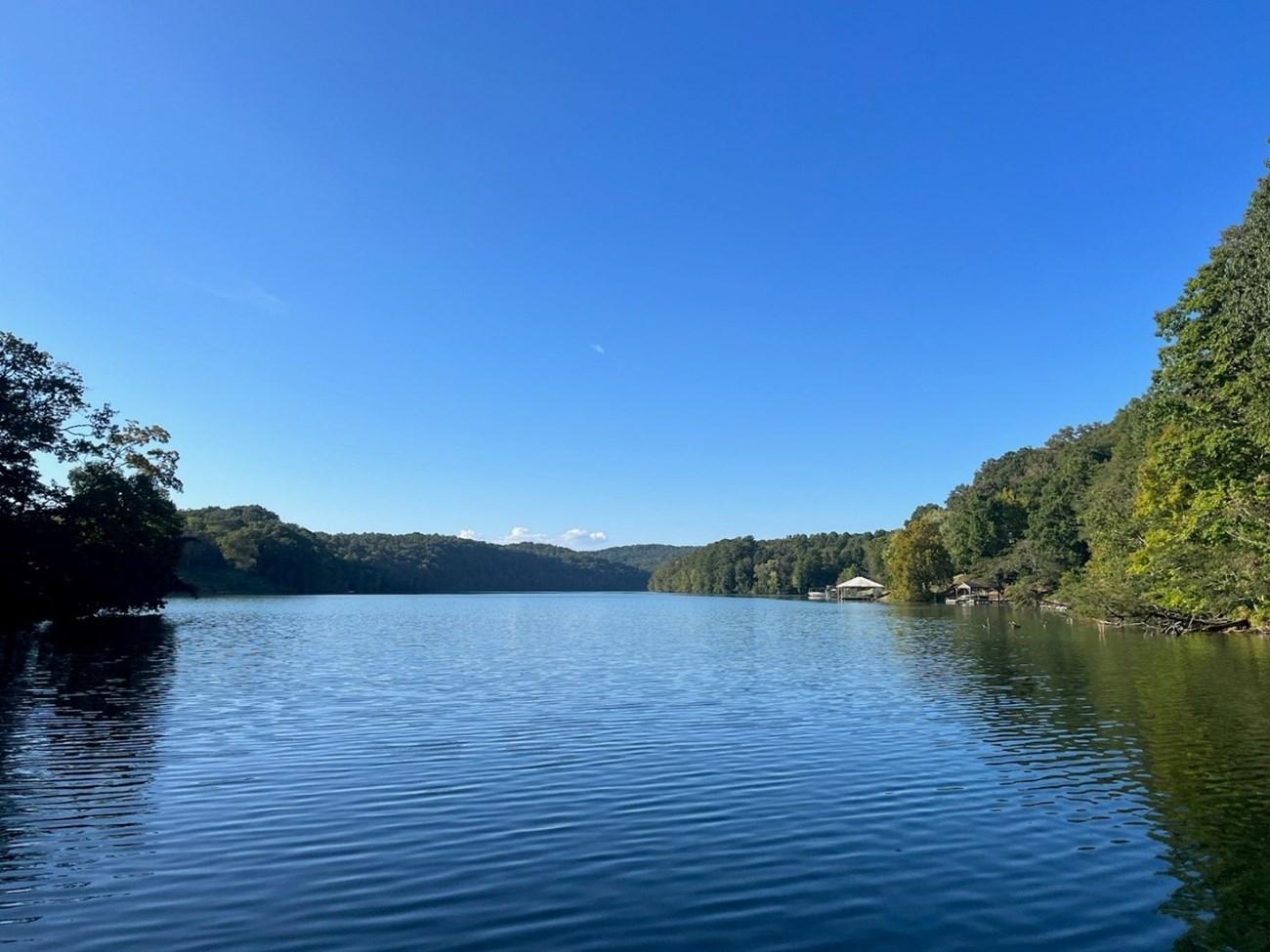


Explore Tennessee’s Hatchie River Area for bottomland forests, wildlife refuge wetlands, West Tennessee history and rural river landscapes.
Read more about Hatchie River Area
Getting to and around Hatchie River Area
How to get there
Transportation
Top city travel guides in Hatchie River Area
The cities of Hatchie River Area, and the easiest places to base yourself.
-

-


Swipe for more cities
Destinations in Hatchie River Area
Resorts, valleys and scenic spots worth a trip of their own.

Swipe for more destinations
Best attractions in Hatchie River Area
The Hatchie River Area’s attractions are centred on nature, rural history and small-town culture rather than a dense chain of ticketed sights. Hatchie National Wildlife Refuge is the principal ecological destination, protecting bottomland hardwoods, wetlands, sloughs and seasonally flooded habitat where birdwatchers and photographers may see changing wildlife activity throughout the year. Access arrangements vary, so visitors should consult current refuge information before travelling. Brownsville provides the area’s most concentrated cultural offering, including local history institutions, historic buildings and the Tina Turner Museum at Flagg Grove School. The surrounding roads reveal a working agricultural landscape of fields, woodland, churches and settled communities. Fishing, wildlife observation, photography and carefully planned paddling are suitable ways to engage with the river, but access is not continuous and much land is private. For a fuller understanding of the region, combine outdoor exploration with museums and community heritage sites rather than treating the river solely as a recreational resource.
-
Tourist attraction
Great Smoky Mountains National Park
Explore the breathtaking beauty and rich biodiversity of Great Smoky Mountains National Park, a UNESCO World Heritage Site perfect for outdoor adventures.
-
Tourist attraction
Graceland
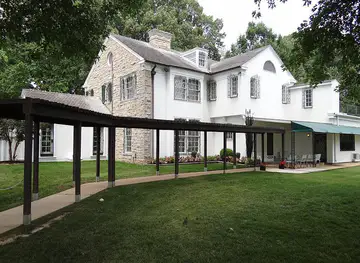
Experience the magic of Graceland, the historic home of Elvis Presley, where rock 'n' roll history comes alive in Memphis, Tennessee.
-
National museum
National Civil Rights Museum
Explore the profound history of the Civil Rights Movement at the National Civil Rights Museum in Memphis, a must-visit destination for all tourists.
-
Tourist attraction
Shelby Farms Park
Discover the beauty and adventure of Shelby Farms Park, a vast urban oasis in Memphis perfect for outdoor activities and family fun.


Best landmarks in Hatchie River Area
The Hatchie River itself is the area’s defining natural landmark: a meandering West Tennessee waterway whose wooded floodplain, sloughs and seasonal inundation preserve a sense of an older river landscape. The broad bottomland forests of Hatchie National Wildlife Refuge are especially significant because they retain habitat and ecological processes that have disappeared from many intensively farmed floodplains. In Brownsville, the historic central streets and civic buildings express the town’s role as a county seat and agricultural service centre. Flagg Grove School, now home to the Tina Turner Museum, is an important cultural landmark because the modest schoolhouse links local African American educational history with the international career of one of the twentieth century’s most influential performers. The region’s churches, cemeteries, farm buildings and cotton-country roads are less monumental but equally revealing, marking the settlement patterns and community histories that developed around the river. These landmarks are best read together: natural floodplain, agricultural town and African American cultural memory form the area’s distinctive visual and historical identity.
-
Tourist attraction
Shelby Farms Park
Discover the expansive beauty and diverse activities of Shelby Farms Park, Memphis' premier outdoor destination for nature lovers and adventure seekers.
-
Tourist attraction
Tennessee Safari Park
Discover the thrill of encountering exotic wildlife up close at Tennessee Safari Park, a premier destination for nature lovers and adventure seekers in Tennessee.
-
Heritage building
Lorraine Motel
Explore the Lorraine Motel, a pivotal site in American history, and reflect on the legacy of the civil rights movement and Dr. Martin Luther King Jr.
-
Tourist attraction
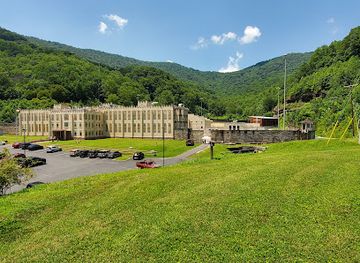
Historic Brushy Mountain State Penitentiary
Discover the chilling history of the Historic Brushy Mountain State Penitentiary, a unique museum and event venue steeped in tales of infamous inmates.


Explore Hatchie River Area on the map
Plan your trip on one map. See where the top cities, national parks and sights are, and book hotels and experiences in a few clicks.
Best hotels in Hatchie River Area
Best restaurants in Hatchie River Area
Dining in the Hatchie River Area is largely centred on Brownsville and other small West Tennessee communities, with menus reflecting the wider food culture of the American South rather than a narrowly defined river cuisine. Visitors may encounter barbecue, fried catfish, chicken, beans, greens, biscuits, cornbread and other familiar Southern dishes, alongside diners, cafés, family restaurants and traditional fast-food outlets. Farm country gives local produce an important seasonal role, although availability varies and not every ingredient is marketed as a formal regional speciality. Breakfast restaurants and informal lunch counters are useful during a road itinerary, while full-service establishments in larger towns provide more choice for evening meals. Groceries and picnic supplies are sensible additions to an outdoor day, particularly when visiting remote refuge areas. Tipping is customary at table-service restaurants in line with United States practice, and visitors should check whether a gratuity or service charge has already been added.
-
Country food restaurant
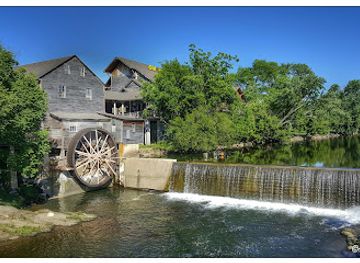
The Old Mill Restaurant
Discover the authentic taste of Southern cuisine at The Old Mill Restaurant in Pigeon Forge – where tradition meets flavor.
-
New American
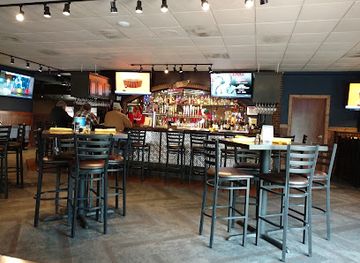
Local Goat - New American Restaurant Pigeon Forge
Discover the taste of modern American cuisine at Local Goat in Pigeon Forge - where fresh ingredients meet innovative cooking.
-
Chicken
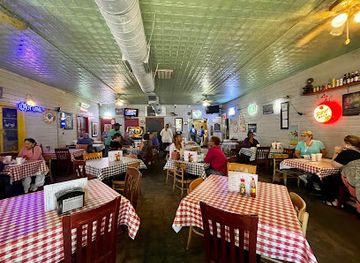
Gus's World Famous Fried Chicken
Experience authentic Southern cuisine at Gus's World Famous Fried Chicken in Downtown Memphis – where every bite tells a story.
-
American
Brooks Shaw's Old Country Store
Discover authentic Southern cuisine and charming local crafts at Brooks Shaw's Old Country Store in Jackson, TN.

Best bars in Hatchie River Area
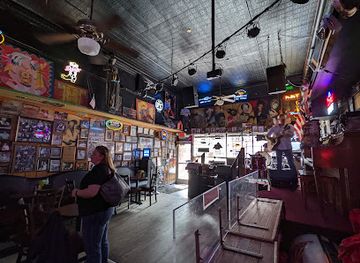
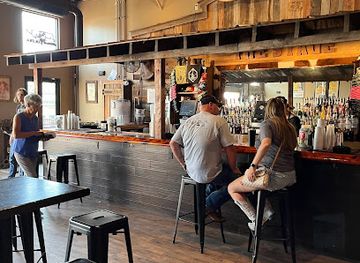
Evening life in the Hatchie River Area is modest and community-oriented. Brownsville offers the greatest concentration of restaurants, casual meeting places and occasional live entertainment, while smaller communities tend to centre their social life on local restaurants, cafés, community events and informal gatherings rather than dedicated nightclub districts. Traditional bars and taverns may be present, but opening arrangements and entertainment change, so current local information is more dependable than planning around a particular venue. Visitors interested in the region’s cultural life will generally find museums, music history and daytime community heritage more central than late-night entertainment. Designated-driver planning is important because rural distances are long, taxi availability is limited and many roads are poorly lit. Breweries, cocktail lounges and large club scenes should not be assumed outside the main towns.
-
Bar
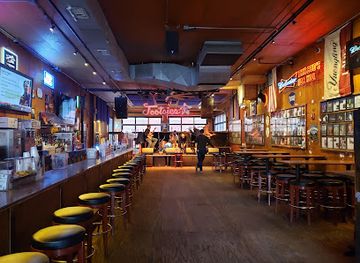
Tootsies Orchid Lounge
Experience the heart of Nashville's music scene at Tootsies Orchid Lounge, where live performances and Southern hospitality come together.
-
Live music bar
Robert's Western World
Dive into the vibrant culture of Nashville with live music, delicious food, and a lively atmosphere at Robert's Western World.
-
Blues club
Bourbon Street Blues and Boogie Bar
Discover the vibrant music scene at Bourbon Street Blues and Boogie Bar, a must-visit blues club in the heart of Nashville.
-
Live music bar
The Stage on Broadway
Experience the vibrant heart of Nashville's music scene at The Stage on Broadway, where live performances and great drinks create unforgettable nights.

Best nightclubs in Hatchie River Area
Evening life in the Hatchie River Area is modest and community-oriented. Brownsville offers the greatest concentration of restaurants, casual meeting places and occasional live entertainment, while smaller communities tend to centre their social life on local restaurants, cafés, community events and informal gatherings rather than dedicated nightclub districts. Traditional bars and taverns may be present, but opening arrangements and entertainment change, so current local information is more dependable than planning around a particular venue. Visitors interested in the region’s cultural life will generally find museums, music history and daytime community heritage more central than late-night entertainment. Designated-driver planning is important because rural distances are long, taxi availability is limited and many roads are poorly lit. Breweries, cocktail lounges and large club scenes should not be assumed outside the main towns.
-
Lounge
Prohibition Lounge
Discover the nightlife of Memphis at Prohibition Lounge, where cocktails, hookah, and vibrant music collide for an unforgettable experience.
-
Bar
Cahoots Dancehall and Honkytonk
Dive into the heart of Tennessee's nightlife at Cahoots Dancehall and Honkytonk, where line dancing and live music bring the Southern spirit to life.
-
Night club
Reagan's Retro Bar
Experience the vibrant nightlife at Reagan's Retro Bar in Chattanooga, where nostalgia meets modern fun in a unique setting.
-
Night club
The Soul Train Lounge Formally Paradise Entertainment Center Continues
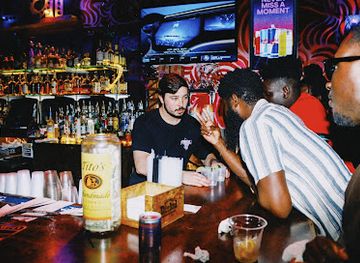
Discover the heart of Memphis nightlife at The Soul Train Lounge, a lively night club with great music, delicious food, and an energetic atmosphere.



Best shops in Hatchie River Area
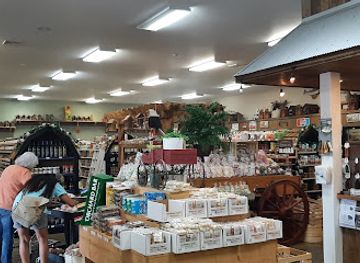
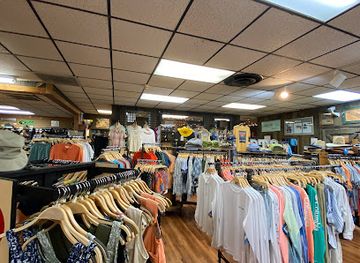
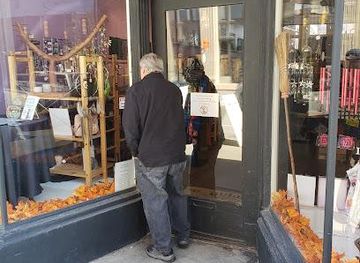
Shopping in the Hatchie River Area is practical and locally focused rather than centred on major retail districts. Brownsville is the principal place to look for everyday supplies, independent businesses, antiques, gifts and locally connected cultural merchandise, while smaller communities offer limited services and seasonal produce. Visitors may find regional foods such as packaged baked goods, preserves, sauces or other Southern pantry products in local shops and markets, although stock varies by season. Farmers’ markets and roadside stands can provide fresh produce when operating, but schedules should be checked locally rather than assumed. Craft, music-related and heritage items associated with West Tennessee make more meaningful souvenirs than generic river merchandise, particularly when purchased from museums or community organisations. Larger shopping centres and national chains are more likely to be found in nearby regional cities outside the immediate Hatchie corridor, so plan substantial retail errands before entering the rural parts of the area.
-
Variety store
A. Schwab
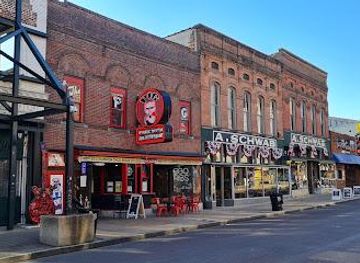
Explore A. Schwab, a historic variety store on Beale Street, where Southern charm meets eclectic shopping in the heart of Memphis.
-
Grocery store
Bäckermann's Country Market
Discover Bäckermann's Country Market: A charming grocery store in Whiteville, TN, offering fresh produce, artisanal cheeses, and delightful local specialties.
-
Outdoor clothing and equipment shop
Little River Trading Company
Discover top-quality outdoor clothing and gear at Little River Trading Company in Maryville, Tennessee, your adventure starts here!
-
Metaphysical supply store
The Broom Closet
Explore The Broom Closet in Memphis for a unique shopping experience filled with crystals, tarot, and spiritual supplies that inspire your journey.
Get your free copy of our complete guide to Hatchie River Area, delivered straight to you.
Everything on this page, from attractions and restaurants to essentials and local phrases, in one PDF you can read offline, print or share.
Already have an account? Sign in
Your Hatchie River Area guide is ready.
We'll send it to · Not you? Sign out

Getting your guide ready…
We are putting together a fresh copy of the Hatchie River Area guide. This can take up to a minute.
This can take a few moments. If your browser asks, choose Allow so the download can start. You'll find the guide in your Downloads folder.
Nothing happened? Download it again
Sorry, the guide is taking longer than usual. Please try again in a minute, or get it by email instead.
Hatchie River Area essentials
Currency and Payment
Safety
Emergency Situations
Do's and Don'ts
Local Tips
From Eve
Local phrases worth knowing
You don't need to get them perfect. A few words go a long way, and locals appreciate the effort.
Basics
| English | Local | Say it |
|---|---|---|
| Hello | Howdy | [Hau-dee] |
| Goodbye | Bye now | [Bye now] |
| Yes | Yup | [Yup] |
| No | Nah | [Nah] |
| Please/You're welcome | Please/No problem | [Please/No prob-lum] |
| Thank you | Thanks a lot | [Thangs a lot] |
| Excuse me/Sorry | Pardon me/Sorry 'bout that | [Pardon me/Sor-ree 'bout that] |
| How are you? | How ya doin'? | [How ya doin'?] |
| Fine. And you? | I'm good. And you? | [I'm good. And you?] |
| Do you speak English? | You speakin' English? | [You speakin' English?] |
| I don't understand | I ain't gettin' it | [I ain't gettin' it] |
Eating & Drinking
| English | Local | Say it |
|---|---|---|
| I'd like to see the menu, please | Can I see the menu, please? | [Can I see the menu, please?] |
| I don't eat meat | I don't do meat | [I don't do meat] |
| Cheers! | Cheers! | [Cheers!] |
| I would like to pay, please | Can I settle up, please? | [Can I settle up, please?] |
Emergencies
| English | Local | Say it |
|---|---|---|
| Help! | Help! | [Help!] |
| Go away! | Leave me be! | [Leave me be!] |
| Call the Police! | Call the cops! | [Call the cops!] |
| Call a doctor! | Get a doctor! | [Get a doctor!] |
| I'm lost | I can't find my way | [I can't find my way] |
| I'm ill | I'm feelin' bad | [I'm feelin' bad] |
Shopping
| English | Local | Say it |
|---|---|---|
| I'd like to buy... | I wanna buy... | [I wanna buy...] |
| I'm just looking | Just browsin' | [Just browsin'] |
| How much is it? | What's the price? | [What's the price?] |
| That's too expensive | That's a bit high | [That's a bit high] |
| Can you lower the price? | Can ya give me a better deal? | [Can ya give me a better deal?] |
Time & Numbers
| English | Local | Say it |
|---|---|---|
| What time is it? | What time ya got? | [What time ya got?] |
| It's one o'clock | It's one o'clock | [It's one o'clock] |
| Half past (10) | Half past ten | [Half past ten] |
| Morning | Mornin' | [Mornin'] |
| Afternoon | Afternoon | [Afternoon] |
| Evening | Evenin' | [Evenin'] |
| Yesterday | Yesterday | [Yesterday] |
| Today | Today | [Today] |
| Tomorrow | Tomorrow | [Tomorrow] |
| 1 | One | [One] |
| 2 | Two | [Two] |
| 3 | Three | [Three] |
| 4 | Four | [Four] |
| 5 | Five | [Five] |
| 6 | Six | [Six] |
| 7 | Seven | [Seven] |
| 8 | Eight | [Eight] |
| 9 | Nine | [Nine] |
| 10 | Ten | [Ten] |
Transport & Directions
| English | Local | Say it |
|---|---|---|
| Where's a/the...? | Where's the...? | [Where's the...?] |
| What's the address? | What's the address? | [What's the address?] |
| Can you show me (on the map)? | Can ya point it out to me? | [Can ya point it out to me?] |
| When's the next (bus)? | When's the next bus? | [When's the next bus?] |
| A ticket (to ....) | A ticket to... | [A ticket to...] |
History of Hatchie River Area
Chickasaw Homelands and Indigenous Landscapes
Before Euro-American settlement, the Hatchie River corridor formed part of the homeland and cultural landscape of the Chickasaw people. The river, hardwood forests, wetlands and fertile bottomlands supported travel, hunting and seasonal use, while higher ground offered routes through a region shaped by flooding. Indigenous history remains essential to understanding West Tennessee, even though later settlement and agriculture transformed much of the visible landscape. The United States’ expansion into the Southeast brought treaties, pressure on Native communities and the eventual forced removal of the Chickasaw to Indian Territory in the 1830s.
Cotton Agriculture and River Bottomlands
During the nineteenth century, cotton became the dominant commercial crop across much of West Tennessee. The Hatchie’s floodplain offered fertile soils, but cultivation depended on labour systems that included the enslavement of African Americans and generated substantial wealth for white landowners and merchants. Small towns such as Brownsville developed as administrative and trading centres for surrounding plantations and farms. The river itself was not transformed into a major navigable commercial route on the scale of the Mississippi, but its floodplain influenced settlement, transport and agricultural decisions throughout the area.
Enslavement, Emancipation and Reconstruction
The communities along the Hatchie were deeply affected by the Civil War, emancipation and Reconstruction. Enslaved people worked the cotton economy, and freedom brought major changes to labour, family life, education and landholding. After the war, African American communities established churches, schools and businesses, while political conflict and racial violence shaped public life across West Tennessee. The region’s historic buildings, cemeteries, oral histories and museums are important not simply as picturesque remnants of the past but as evidence of difficult social transformations whose consequences remain visible.
Railways, Towns and the Cotton Economy
In the late nineteenth and early twentieth centuries, expanding rail connections strengthened Brownsville and other West Tennessee towns as local trading and service centres. Railways offered more reliable links to Memphis and regional markets, reducing dependence on river crossings and rough roads. Cotton gins, warehouses, merchants and agricultural suppliers became part of the economic landscape, while timber extraction also affected the region’s forests. The combination of transport and agriculture encouraged settlement on better-drained ground, leaving much of the wetter floodplain less densely developed.
The Hatchie’s Conservation Legacy
Twentieth-century agricultural expansion, drainage and changes in land use increased pressure on bottomland forests and wetlands. Recognition of the Hatchie corridor’s ecological value led to conservation measures, including the creation of Hatchie National Wildlife Refuge in 1964. The refuge protects a large complex of forest, wetland and open-water habitats in the floodplain and provides feeding and nesting areas for many species. Its management reflects the river’s natural fluctuations: flooding is not merely an inconvenience but a vital ecological process that sustains the wetland system.
African American Cultural Memory and West Tennessee Music
The region’s twentieth-century cultural history includes the continuing influence of African American churches, schools, civic organisations and musical traditions. Brownsville is associated with Tina Turner, who spent part of her early life in the community and whose career became internationally significant. The Tina Turner Museum at Flagg Grove School, housed in the school she attended near Brownsville, connects a global musical story with local educational and community history. This legacy sits alongside broader traditions of gospel, blues and rhythm and blues that developed across the Mississippi Valley and West Tennessee.
Modern Rural Change and Heritage Tourism
Today, the Hatchie River Area reflects the pressures and adaptations of rural West Tennessee. Agriculture remains important, but mechanisation, population change and the concentration of services in larger towns have altered the settlement pattern. Conservation, birdwatching, fishing, hunting and heritage tourism offer additional ways of valuing the landscape without replacing its working rural character. The area’s modern identity therefore rests on an intersection of floodplain ecology, agricultural history, African American cultural memory and small-town institutions rather than on a single historic event or urban centre.
Hatchie River Area in Photos
Browse through our photo collection highlighting the charm and character of the destination.
Neighbouring regions of Hatchie River Area
The closest regions to Hatchie River Area, if you have time for more than one.
-

-
-

-

-


Swipe for more regions
Explore more

Explore more of Tennessee
Discover Tennessee: A melting pot of music, history, and natural beauty, offering visitors an authentic taste of Southern hospitality and unforgettable experiences.
Explore Tennessee