

Free West Tennessee Travel Guide & Mobile App
Explore West Tennessee with free travel guides. Discover regional history, expert tips, proposed trips, and audio guides on web or mobile app.


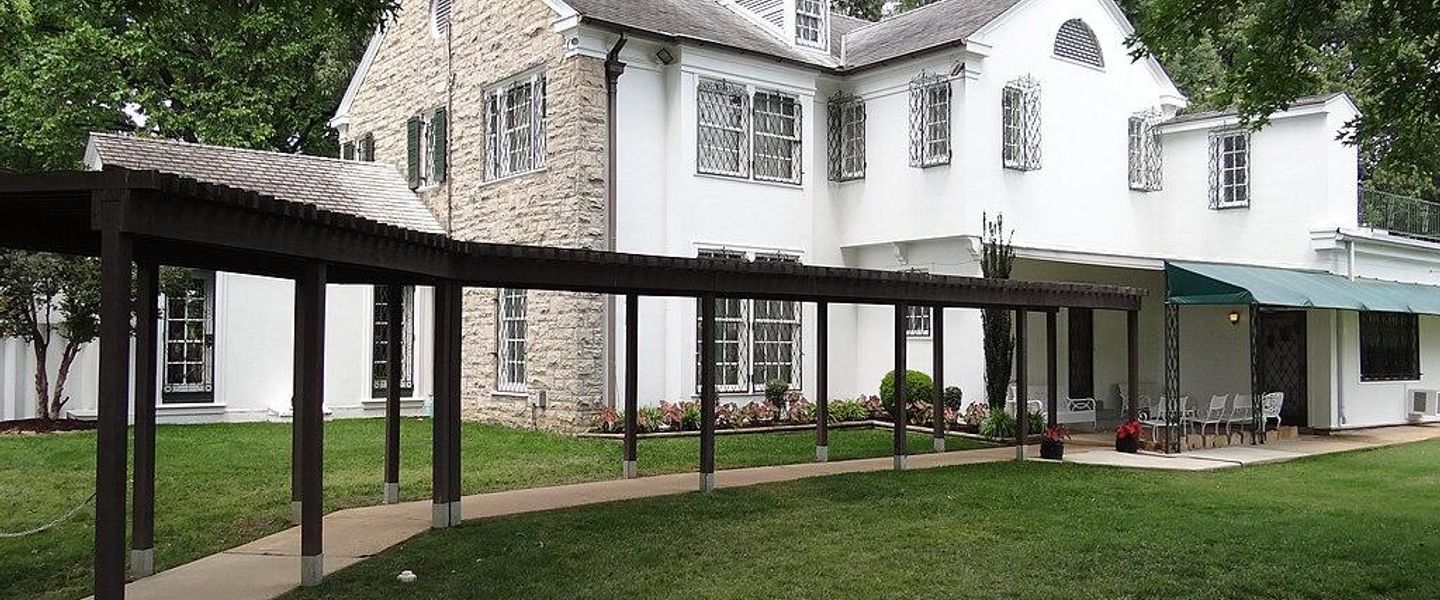


West Tennessee combines Memphis music and civil-rights history with Mississippi River scenery, archaeological sites, wetlands and Delta-influenced food.
Read more about West Tennessee
Getting to and around West Tennessee
How to get there
Transportation
Top city travel guides in West Tennessee
The cities of West Tennessee, and the easiest places to base yourself.
-

-
-

-

-


Swipe for more cities
Destinations in West Tennessee
Resorts, valleys and scenic spots worth a trip of their own.
-

-


Swipe for more destinations
Best attractions in West Tennessee
West Tennessee's attractions range from Memphis's concentrated cultural institutions to wetlands, archaeological sites and state parks scattered across the countryside. In Memphis, the National Civil Rights Museum, Stax Museum of American Soul Music, Memphis Rock 'n' Soul Museum and the riverfront provide different perspectives on the city's political and musical history. Historic music sites such as Sun Studio and the Stax area are especially meaningful when understood within the wider story of African American creativity and the recording industry. Outside the city, Pinson Mounds State Archaeological Park offers trails, interpretation and a major Indigenous earthwork landscape, while Reelfoot Lake State Park is suited to birdwatching, fishing, boating and quiet observation of cypress-filled waters. Chickasaw State Park, near Henderson, adds woodland trails, lakes and outdoor recreation, and Discovery Park of America in Union City combines regional history, science and family-oriented exhibits. Smaller museums, historic homes, county fairs and local cultural centres round out a visitor landscape shaped as much by working communities and memory as by formal monuments.
-
 Amusement park
Dollywood
Explore Dollywood, a premier amusement park in the Smoky Mountains, with thrilling rides, live entertainment, and authentic Southern cuisine for all ages.
-
Botanical garden
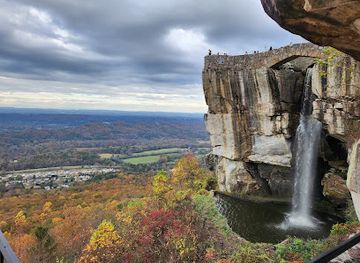
Rock City Gardens
Explore Rock City Gardens: A breathtaking botanical garden and scenic spot atop Lookout Mountain, perfect for nature lovers and adventure seekers.
-
Museum
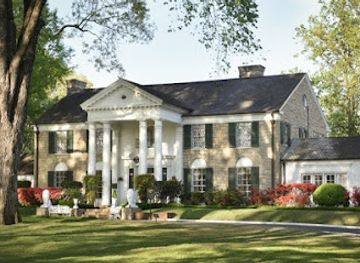
Graceland
Explore Graceland, the iconic home of Elvis Presley, and immerse yourself in the legacy of the King of Rock and Roll in Memphis, Tennessee.
-
Tourist attraction
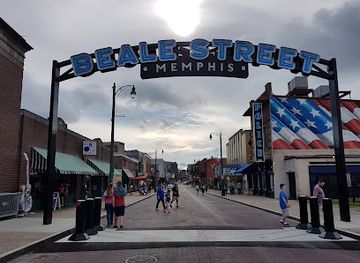
Beale Street Entertainment District
Discover the lively music scene and rich history of Beale Street, the iconic heart of Memphis, where blues and Southern cuisine come alive.
Best landmarks in West Tennessee
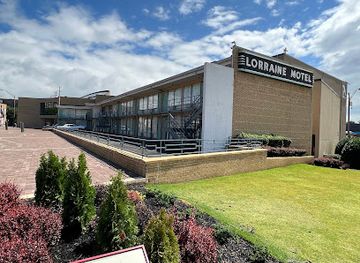
The Mississippi River is West Tennessee's defining natural and commercial landmark, and Memphis's riverfront expresses the city's historic relationship with transport, trade and migration. In the city, the Lorraine Motel and its preserved room form the central landmark of the National Civil Rights Museum, marking the site of Martin Luther King Jr's assassination and the wider struggle represented by the museum. Beale Street is both a historic thoroughfare and a symbol of Memphis's African American musical heritage, while the Orpheum Theatre reflects the city's long-standing performing-arts culture. Further east, Pinson Mounds provides a monumental Indigenous landscape of ceremonial earthworks and wooded ridges. Reelfoot Lake is a landmark of a different kind: its cypress trees and shallow waters were created by the New Madrid earthquakes of 1811–12 and have become one of West Tennessee's most recognisable natural scenes. The region's cotton fields, river levees, historic courthouse squares and surviving commercial buildings add a quieter architectural and agricultural dimension.
-
Museum
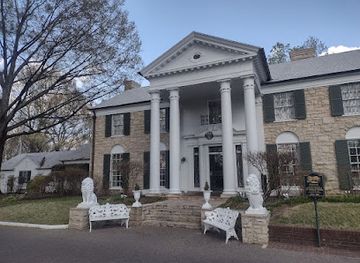
Graceland
Explore Graceland, the iconic estate of Elvis Presley, where music history and legendary charm come together in Memphis, Tennessee.
-
National museum
National Civil Rights Museum
Delve into America’s civil rights history at the National Civil Rights Museum, a profound tribute to justice and equality in the heart of Memphis.
-
Heritage building
Graceland Mansion
Explore Graceland, Elvis Presley's iconic mansion in Memphis, and immerse yourself in the history of rock 'n' roll at this legendary heritage site.
-
Heritage building
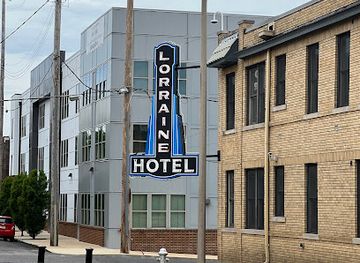
Lorraine Motel
Discover the Lorraine Motel, a pivotal site of the Civil Rights Movement, where history, education, and remembrance converge in Memphis, TN.

Explore West Tennessee on the map
Plan your trip on one map. See where the top cities, national parks and sights are, and book hotels and experiences in a few clicks.
Best hotels in West Tennessee
Best restaurants in West Tennessee
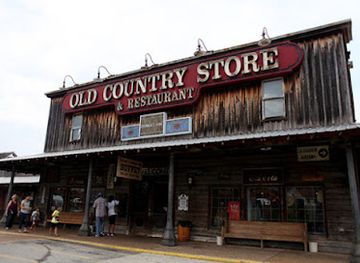
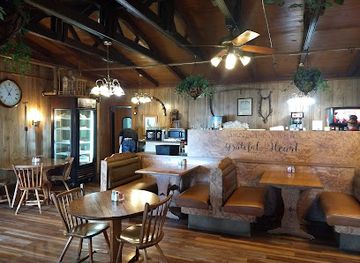
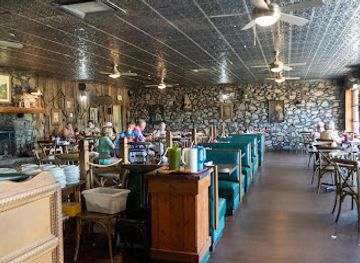
Memphis is West Tennessee's principal dining centre, with barbecue at the heart of its culinary identity. Pork cooked over smoke and commonly seasoned with a dry rub is served in restaurants ranging from long-established barbecue houses to contemporary kitchens, while ribs, pulled pork and barbecue sandwiches are interpreted in varying local styles. The wider region draws on Delta and Southern foodways, including catfish, fried chicken, greens, biscuits, beans, pies and seasonal produce. Hot tamales are strongly associated with the broader Mississippi Delta and can be encountered in West Tennessee, although they are not exclusive to the region. In Memphis, diners will find neighbourhood cafés, bakeries, food halls, chef-led restaurants and international cuisines alongside traditional meat-and-three cooking. Rural towns tend towards family restaurants, cafés, diners and country-style establishments, while farmers' markets provide opportunities to buy local fruit, vegetables, preserves and baked goods when in season.
-
American
Brooks Shaw's Old Country Store
Discover authentic Southern flavors at Brooks Shaw's Old Country Store in Jackson, TN—where every meal feels like home.
-
Southern
Log Cabin Restaurant
Experience authentic Southern dining at Log Cabin Restaurant in Hurricane Mills, TN - where delicious flavors meet rustic charm.
-
Family-friendly
Patty's Restaurant
Discover Southern hospitality at Patty's Restaurant in Wildersville – where family-friendly dining meets delicious breakfast delights.
-
Restaurant
Hagy's Catfish Hotel Restaurant
Experience authentic Southern cuisine at Hagy's Catfish Hotel Restaurant in Shiloh, TN – where every meal feels like home.

Best bars in West Tennessee
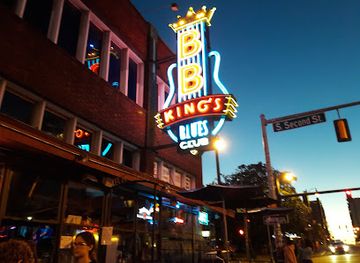
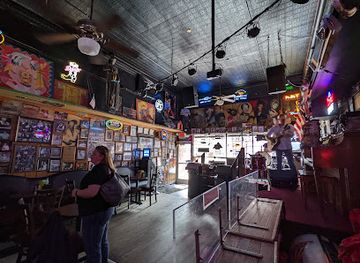
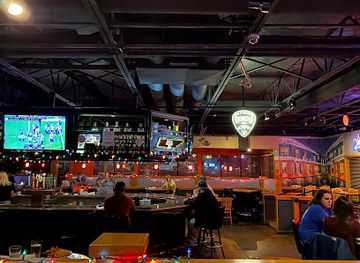
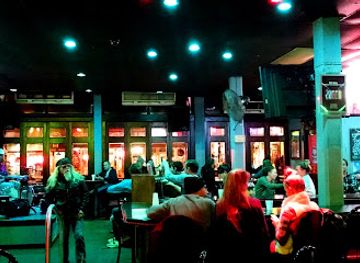
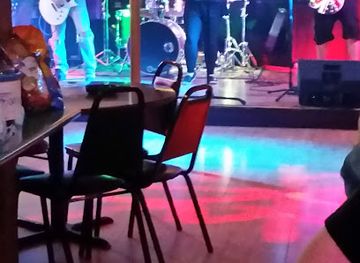
Memphis has West Tennessee's most developed evening culture, centred on live music, historic entertainment streets, breweries, restaurants and bars rather than a single uniform nightlife district. Beale Street is the best-known visitor setting for blues performances and late-night entertainment, while Midtown, Downtown and other neighbourhoods offer different combinations of music venues, cocktail bars and casual drinking spots. The city's musical calendar also includes gospel, soul, rock, hip-hop and contemporary acts, reflecting its broad cultural history. Outside Memphis, nightlife is generally quieter and more local, with pubs, sports bars, restaurants, breweries and occasional live performances serving as the principal evening options in towns such as Jackson and Union City. Rural communities may have limited late-night transport and fewer venues, so visitors should plan their return journey rather than assume that services continue late. Alcohol is not necessary to engage with the region's music and cultural life.
-
Bar
B.B. King's Blues Club
Discover the heart of Memphis at B.B. King's Blues Club, where delicious barbecue meets live blues music in a vibrant atmosphere.
-
Live music bar
Robert's Western World
Discover authentic Nashville vibes with live music and traditional Southern cuisine at Robert's Western World, the heart of Music City.
-
Live music bar
Whiskey Bent Saloon
Discover the vibrant atmosphere of Whiskey Bent Saloon, Nashville's premier live music bar, where great drinks meet unforgettable performances.
-
Cajun
Redbone's Grill & Bar
Experience the vibrant flavors of Cajun cuisine at Redbone's Grill & Bar, Jackson's premier destination for seafood and Southern comfort food.

Best nightclubs in West Tennessee
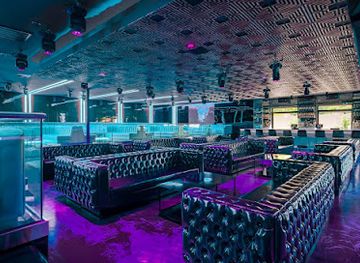
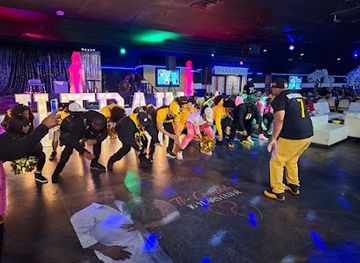
Memphis has West Tennessee's most developed evening culture, centred on live music, historic entertainment streets, breweries, restaurants and bars rather than a single uniform nightlife district. Beale Street is the best-known visitor setting for blues performances and late-night entertainment, while Midtown, Downtown and other neighbourhoods offer different combinations of music venues, cocktail bars and casual drinking spots. The city's musical calendar also includes gospel, soul, rock, hip-hop and contemporary acts, reflecting its broad cultural history. Outside Memphis, nightlife is generally quieter and more local, with pubs, sports bars, restaurants, breweries and occasional live performances serving as the principal evening options in towns such as Jackson and Union City. Rural communities may have limited late-night transport and fewer venues, so visitors should plan their return journey rather than assume that services continue late. Alcohol is not necessary to engage with the region's music and cultural life.
-
Lounge
In Love Memphis
Experience the vibrant nightlife of Memphis at In Love Memphis, a cozy lounge with exquisite cocktails and live music for an unforgettable evening.
-
Night club
The Soul Train Lounge Formally Paradise Entertainment Center Continues
Discover the vibrant nightlife of Memphis at The Soul Train Lounge, where great music and unforgettable moments await.
-
Night club
Club 152
Discover the electric nightlife of Memphis at Club 152, a premier night club where music and dance come alive on Beale Street.
-
Bar
Club Rosser Bar
Discover the lively ambiance of Club Rosser Bar in Huntingdon, TN - a local favorite for drinks, karaoke, and unforgettable nights out.
Best shops in West Tennessee
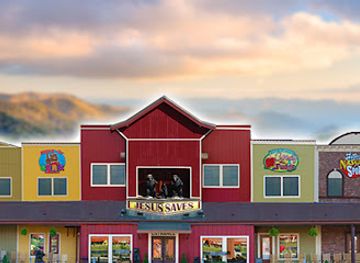
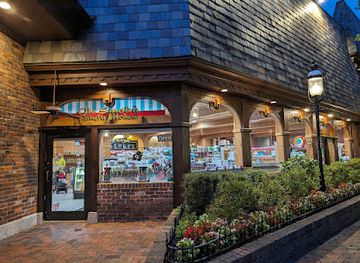
Memphis offers West Tennessee's broadest shopping choice, from independent boutiques, record shops, galleries and bookshops to larger retail areas and food markets. For culturally meaningful purchases, look for locally produced music recordings, visual art, books on regional history, culinary products and crafts rather than generic souvenirs. Farmers' markets in Memphis and smaller communities may offer seasonal fruit, vegetables, preserves, baked goods and locally made items, although schedules vary by season. Historic town centres such as those in Jackson, Dyersburg and other regional communities provide independent shops, antiques, gifts and practical local services rather than extensive luxury retail. Barbecue sauces, dry rubs, hot sauces, pecans, jams and other shelf-stable food products travel well, while arts and crafts can provide a more considered reminder of the region. Discovery Park of America in Union City also has a museum shop suited to educational gifts and regional-themed items.
-
Gift shop
Three Bears General Store
Explore Three Bears General Store in Pigeon Forge, a delightful gift shop offering unique souvenirs, delicious treats, and family-friendly fun in Tennessee.
-
Shopping mall
The Village Shops
Discover unique boutiques and charming eateries at The Village Shops, a delightful shopping destination in Gatlinburg, Tennessee.
-
Gift shop
Willie Nelson and Friends Museum and Nashville Souvenirs
Explore the Willie Nelson and Friends Museum in Nashville for a unique blend of music history and souvenirs that celebrate country music legends.
-
Antique store
McKenzie Antique Mall
Discover unique vintage treasures and collectibles at McKenzie Antique Mall, a must-visit destination for antique enthusiasts in Tennessee.


Get your free copy of our complete guide to West Tennessee, delivered straight to you.
Everything on this page, from attractions and restaurants to essentials and local phrases, in one PDF you can read offline, print or share.
Already have an account? Sign in
Your West Tennessee guide is ready.
We'll send it to · Not you? Sign out

Getting your guide ready…
We are putting together a fresh copy of the West Tennessee guide. This can take up to a minute.
This can take a few moments. If your browser asks, choose Allow so the download can start. You'll find the guide in your Downloads folder.
Nothing happened? Download it again
Sorry, the guide is taking longer than usual. Please try again in a minute, or get it by email instead.
West Tennessee essentials
Currency and Payment
Safety
Emergency Situations
Do's and Don'ts
Local Tips
From Eve
Local phrases worth knowing
You don't need to get them perfect. A few words go a long way, and locals appreciate the effort.
Basics
| English | Local | Say it |
|---|---|---|
| Hello | Howdy | [Ha-dee] |
| Goodbye | See ya later | [See yah lay-ter] |
| Yes | Yep | [Yep] |
| No | Nope | [Nope] |
| Please/You're welcome | Please / No problem | [Pleez / No prob-lum] |
| Thank you | Thank ya | [Thang yah] |
| Excuse me/Sorry | Excuse me / Sorry 'bout that | [Ex-kyoos me / Sor-ree 'bout that] |
| How are you? | How ya doin'? | [How yah doin'?] |
| Fine. And you? | I’m good. How ‘bout you? | [I’m guid. How 'bout you?] |
| Do you speak English? | Do ya speak English? | [Do yah speak Ing-lish?] |
| I don't understand | I don’t get it | [I don’t git it] |
Eating & Drinking
| English | Local | Say it |
|---|---|---|
| I'd like to see the menu, please | Can I see the menu, please? | [Can I see thuh men-yoo, pleez?] |
| I don't eat meat | I ain't eatin' meat | [I ain't eatin' meat] |
| Cheers! | Cheers! | [Cheers!] |
| I would like to pay, please | Can I pay now, please? | [Can I pay now, pleez?] |
Emergencies
| English | Local | Say it |
|---|---|---|
| Help! | Help! | [Help!] |
| Go away! | Get outta here! | [Get outta here!] |
| Call the Police! | Call the cops! | [Call the cops!] |
| Call a doctor! | Get a doctor! | [Get a doctor!] |
| I'm lost | I’m lost | [I’m lost] |
| I'm ill | I ain't feelin' good | [I ain't feelin' good] |
Shopping
| English | Local | Say it |
|---|---|---|
| I'd like to buy... | I wanna buy... | [I wanna buy...] |
| I'm just looking | Just lookin' | [Just lookin'] |
| How much is it? | How much is this? | [How much is this?] |
| That's too expensive | That’s a bit pricey | [That’s a bit pry-see] |
| Can you lower the price? | Can ya bring that down a bit? | [Can yah bring that down a bit?] |
Time & Numbers
| English | Local | Say it |
|---|---|---|
| What time is it? | What time is it? | [What time is it?] |
| It's one o'clock | It's one o'clock | [It's one o'clock] |
| Half past (10) | Half past ten | [Half past ten] |
| Morning | Mornin' | [Mornin'] |
| Afternoon | Afternoon | [Afternoon] |
| Evening | Evenin' | [Evenin'] |
| Yesterday | Yesterday | [Yesterday] |
| Today | Today | [Today] |
| Tomorrow | Tomorrow | [Tomorrow] |
| 1 | One | [One] |
| 2 | Two | [Two] |
| 3 | Three | [Three] |
| 4 | Four | [Four] |
| 5 | Five | [Five] |
| 6 | Six | [Six] |
| 7 | Seven | [Seven] |
| 8 | Eight | [Eight] |
| 9 | Nine | [Nine] |
| 10 | Ten | [Ten] |
Transport & Directions
| English | Local | Say it |
|---|---|---|
| Where's a/the...? | Where's the...? | [Where's thuh...?] |
| What's the address? | What's the address? | [What's thuh address?] |
| Can you show me (on the map)? | Can ya show me on the map? | [Can yah show me on thuh map?] |
| When's the next (bus)? | When's the next bus? | [When's thuh next bus?] |
| A ticket (to ....) | A ticket to ... | [A ticket to ...] |
History of West Tennessee
Indigenous Landscapes and Pinson Mounds
West Tennessee has a long Indigenous history, represented most visibly by Pinson Mounds State Archaeological Park near Jackson. The ceremonial and burial mounds were constructed by Native peoples over many centuries, particularly during the Woodland period, and form one of the largest and most complex prehistoric mound centres in the southeastern United States. The site demonstrates that the region was a place of organised settlement, exchange and ceremony long before European colonisation. Contemporary interpretation also belongs within the broader history of Native nations whose communities and territories were disrupted by later American expansion.
Chickasaw Homelands and Removal
The western part of present-day Tennessee lay within the historic homeland and sphere of influence of the Chickasaw people. European-American settlement intensified after the United States acquired large areas through treaties, including the 1818 Jackson Purchase, which opened much of western Tennessee and adjacent territory to land speculation and cotton agriculture. The Indian Removal era brought coercion, dispossession and the forced migration of Native communities, including the Chickasaw. This history remains essential to understanding the region's place names, land ownership patterns and development, even where the physical traces of earlier communities are not immediately visible.
Cotton, Slavery and River Commerce
During the nineteenth century, fertile soils in the Mississippi Alluvial Plain supported an expanding cotton economy based on enslaved labour. Memphis grew as a river port, market and transport centre, linking plantations and farms with national and international trade. Cotton wealth influenced the region's banks, warehouses, roads and political life, while slavery structured work, family life and social power. The river also connected West Tennessee to New Orleans, St Louis and other commercial centres. After emancipation, cotton remained important but the region experienced profound changes in labour, landholding, migration and racial politics.
The Civil War and Reconstruction
West Tennessee was strategically important during the American Civil War because of the Mississippi River, railways and overland routes. Memphis came under Union control in 1862 after the naval Battle of Memphis, and the city became a base for military operations and a refuge for many formerly enslaved people. The war damaged established political and economic structures but did not end racial violence or inequality. Reconstruction brought constitutional change and new opportunities alongside intimidation, contested citizenship and the reorganisation of agricultural labour, themes that continued to shape West Tennessee long after the conflict.
Yellow Fever and the Transformation of Memphis
Memphis suffered devastating yellow fever epidemics in the nineteenth century, especially in 1873 and 1878. The outbreaks caused extensive deaths and prompted many residents to flee, contributing to a temporary loss of the city's municipal status after the 1878 epidemic. The crisis exposed weaknesses in drainage, sanitation and public health, leading to major improvements in water supply, sewerage and urban administration. Memphis's later growth as a transport and commercial centre was therefore closely connected to the painful public-health lessons of the period, as well as to its continuing position on the Mississippi River.
The Great Migration and African American Cultural Life
From the late nineteenth century through the twentieth century, African Americans in West Tennessee sustained churches, schools, businesses, newspapers and musical communities despite segregation and racial violence. The Great Migration carried many residents from the region to northern and western cities, while those who remained helped shape Memphis's distinctive cultural life. Blues traditions associated with the Mississippi Delta, gospel, rhythm and blues and soul developed through a network of performers, studios, labels and venues. Beale Street, Stax Records and Sun Studio are prominent parts of this larger history of Black creativity, labour and entrepreneurship.
The Civil Rights Movement in Memphis
Memphis was a major setting in the modern civil rights struggle. The sanitation workers' strike of 1968 brought national attention to the dangers, low pay and unequal treatment faced by Black municipal employees; Martin Luther King Jr travelled to Memphis in support of the workers and was assassinated at the Lorraine Motel on 4 April 1968. The motel and the surrounding National Civil Rights Museum now preserve and interpret this history. The movement's local story also includes grassroots organising, student activism, church leadership and the long campaign against segregation and political exclusion.
Modern Agriculture, Logistics and Heritage Tourism
In the late twentieth and early twenty-first centuries, West Tennessee remained an agricultural region while Memphis expanded its role in freight, distribution and international logistics. Mechanisation reduced agricultural employment, encouraging urbanisation and population movement, but cotton, soybeans, corn and other crops continue to shape the landscape. At the same time, music heritage, civil-rights interpretation, archaeological preservation and outdoor recreation have become important parts of the visitor economy. The region's contemporary identity therefore combines working landscapes and transport infrastructure with institutions that preserve its complicated cultural history.
West Tennessee in Photos
Browse through our photo collection highlighting the charm and character of the destination.
Neighbouring regions of West Tennessee
The closest regions to West Tennessee, if you have time for more than one.
-

-

-

-
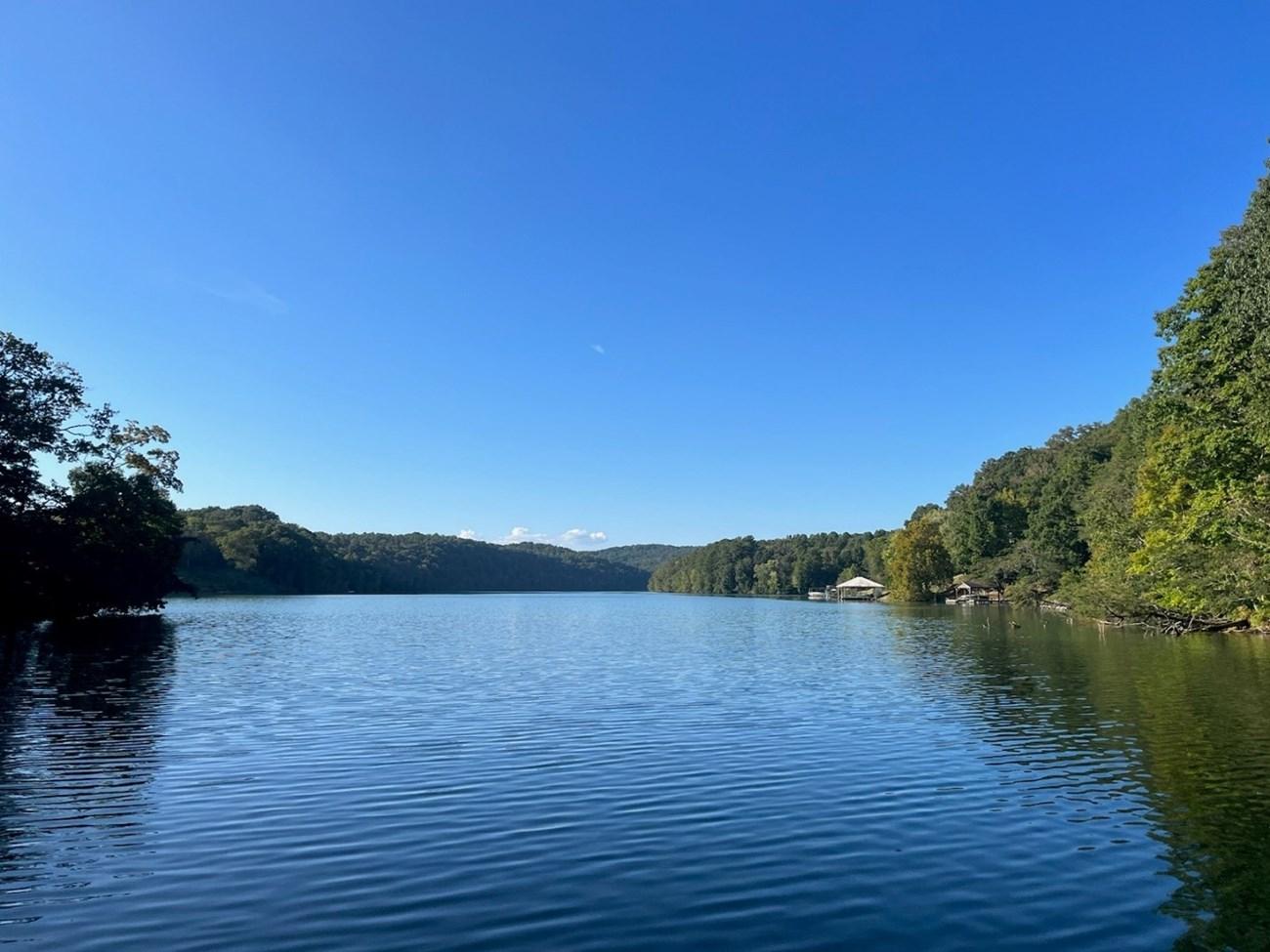 Hatchie River Area
Explore Tennessee’s Hatchie River Area for bottomland forests, wildlife refuge wetlands, West Tennessee history and rural river landscapes.
-


Swipe for more regions
Explore more

Explore more of Tennessee
Discover Tennessee: A melting pot of music, history, and natural beauty, offering visitors an authentic taste of Southern hospitality and unforgettable experiences.
Explore Tennessee