

Free Southwest Tennessee Travel Guide & Mobile App
Explore Southwest Tennessee with free travel guides. Discover regional history, expert tips, proposed trips, and audio guides on web or mobile app.


Southwest Tennessee combines Memphis music and civil rights history with Mississippi River scenery, cotton country, heritage towns and distinctive Southern food.
Read more about Southwest Tennessee
Getting to and around Southwest Tennessee
How to get there
Transportation
Best attractions in Southwest Tennessee
Southwest Tennessee’s attractions range from Memphis museums and music institutions to rural heritage sites and river landscapes. In Memphis, the National Civil Rights Museum at the Lorraine Motel addresses the struggle for racial justice through the preserved motel setting and extensive interpretation, while the Stax Museum of American Soul Music examines the city’s recording history. Graceland presents the home and career of Elvis Presley, and the Memphis Rock ’n’ Soul Museum offers a broader account of the musical traditions that developed in the city and the surrounding region. The Memphis Zoo, Shelby Farms Park and the Mississippi River parks provide alternatives to indoor cultural visits. Outside the city, Fort Pillow State Historic Park combines wooded trails, archaeological remains and Civil War interpretation, and the Alex Haley Museum and Interpretive Center in Henning explores the author’s life and family history. Scenic driving through cotton country, visits to courthouse towns and stops at local museums reveal a quieter side of the region, although rural attractions may require advance planning and a car.
-
Museum
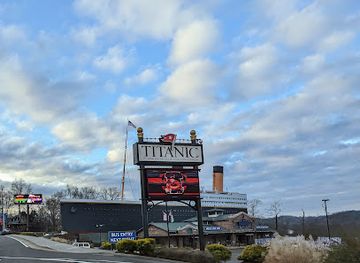
TITANIC Museum Attraction
Explore the Titanic Museum Attraction in Pigeon Forge, TN, where history, artifacts, and the story of the Titanic come to life for an unforgettable experience.
-
 Museum
Country Music Hall of Fame and Museum
Explore the legacy of country music at the Country Music Hall of Fame and Museum, where history, artistry, and storytelling come together.
-
Park
Centennial Park
Explore Centennial Park, Nashville's lush urban oasis featuring the iconic Parthenon replica and vibrant landscapes perfect for relaxation and cultural experiences.
-
Art museum
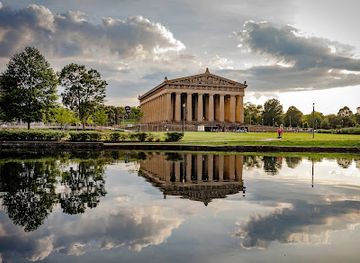
The Parthenon
Explore the stunning replica of The Parthenon in Nashville, a cultural gem featuring classical art and breathtaking architecture amidst beautiful parkland.
Best landmarks in Southwest Tennessee
The Mississippi River and the Chickasaw Bluff form Southwest Tennessee’s defining geographical landmark, explaining why Memphis developed as a river port above the floodplain. Downtown Memphis is marked by the Memphis Pyramid, a large former sports and entertainment building now associated with retail and leisure, and by the historic architecture of Beale Street and South Main. The Lorraine Motel, preserved within the National Civil Rights Museum, is both a recognisable Memphis building and a place of international importance in the history of racial justice. Elmwood Cemetery contains nineteenth-century funerary architecture, mature landscapes and the graves of figures connected with the city’s development. Further north, Fort Pillow’s earthworks and wooded terrain preserve a significant Civil War landscape, while the historic county-seat squares of Brownsville, Covington and Bolivar express the civic architecture of the agricultural interior. These landmarks show the region’s major themes—river commerce, cotton, conflict, civil rights, music and local government—without reducing Southwest Tennessee to Memphis alone.
-
Museum
Country Music Hall of Fame and Museum
Discover the rich legacy of country music at the Country Music Hall of Fame and Museum, a captivating journey through its history and legends.
-
Park
Centennial Park
Discover Centennial Park in Nashville, a beautiful urban oasis featuring the iconic Parthenon, lush gardens, and a vibrant atmosphere for relaxation and exploration.
-
Museum
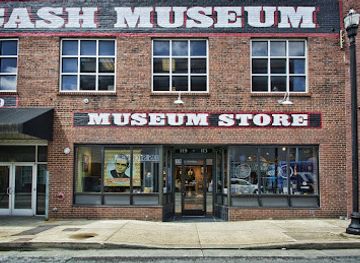
Johnny Cash Museum
Discover the life and legacy of Johnny Cash at the Johnny Cash Museum, a must-visit destination for music lovers in Nashville.
-
History museum
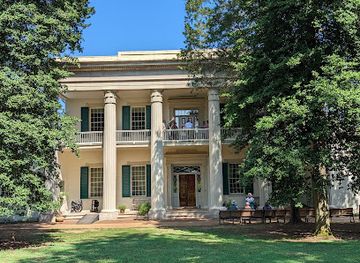
Andrew Jackson’s Hermitage
Explore the rich history of Andrew Jackson at The Hermitage, a beautifully preserved estate and museum in Hermitage, Tennessee, perfect for history lovers.
Explore Southwest Tennessee on the map
Plan your trip on one map. See where the top cities, national parks and sights are, and book hotels and experiences in a few clicks.
Best hotels in Southwest Tennessee
Best restaurants in Southwest Tennessee
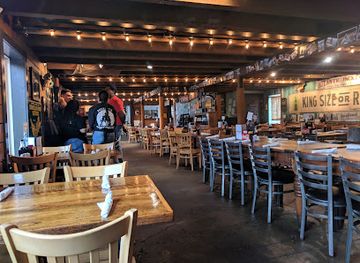
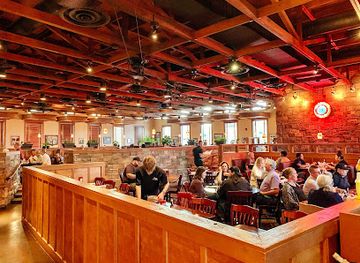
Memphis is the region’s principal dining centre, with barbecue served in styles that vary from dry-rubbed ribs to chopped or pulled pork, often accompanied by slaw, beans and other traditional sides. The city’s food culture also reflects African American culinary traditions, including soul food, fried chicken, greens, cornbread and sweet desserts, alongside catfish, burgers and an expanding range of international restaurants. Neighbourhood cafés, long-established barbecue restaurants, breweries and contemporary dining rooms are concentrated in areas such as Downtown, Midtown and Cooper-Young. Beyond Memphis, rural towns and market communities offer diners, family restaurants, cafés and locally focused cooking rather than a dense restaurant scene. Seasonal produce, farm products and freshwater fish appear in regional markets and menus, while Southern baking traditions remain important. Visitors should distinguish Memphis’s internationally marketed barbecue identity from the broader West Tennessee table, which is shaped by agriculture, family cooking and the foodways of African American, rural and working communities.
-
American
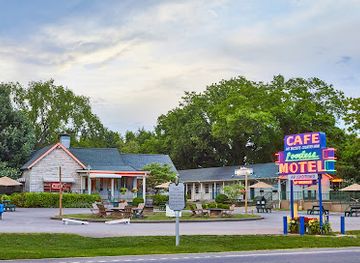
The Loveless Cafe
Discover the heartwarming flavors of Southern cuisine at The Loveless Cafe in Nashville - where every meal feels like home.
-
Restaurant
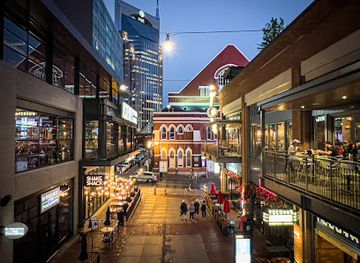
Assembly Food Hall
Discover Nashville's vibrant culinary scene at Assembly Food Hall—where diverse flavors meet live music in an unforgettable atmosphere.
-
American
Puckett's Restaurant - Downtown Franklin
Experience the best of American cuisine at Puckett's Restaurant in Downtown Franklin - where comfort food meets live music.
-
American
Hickory Falls Restaurant
Discover Southern hospitality at Hickory Falls Restaurant in Smyrna, TN – where comfort food meets vibrant atmosphere.
Best bars in Southwest Tennessee
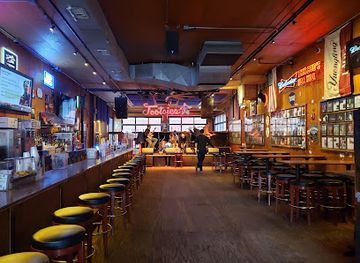
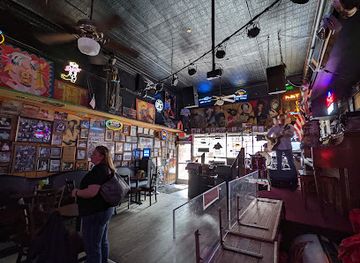
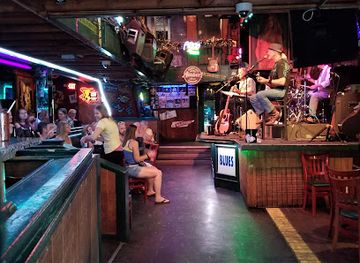
Memphis has Southwest Tennessee’s most substantial evening scene. Beale Street remains the best-known concentration of clubs, blues rooms and live music venues, while South Main, Overton Square and Cooper-Young offer bars, restaurants, small performance spaces and a more neighbourhood-oriented night out. The city’s musical history is experienced through live blues, soul, rock, jazz and gospel-related performances, although venue schedules change and should be checked before travelling. Breweries, cocktail bars and hotel lounges provide quieter alternatives to the main entertainment streets. Outside Memphis, nightlife is generally centred on locally used pubs, restaurants, seasonal events and occasional live music rather than large clubs. In smaller towns, many establishments close earlier than visitors may expect, so evening plans should allow for limited transport and dispersed venues. A designated driver or pre-arranged taxi is particularly important for rural itineraries.
-
Bar
Tootsies Orchid Lounge
Experience the vibrant atmosphere and live music at Tootsies Orchid Lounge, Nashville's iconic bar and cultural landmark.
-
Live music bar
Robert's Western World
Discover the authentic Nashville experience at Robert's Western World, where live music, Southern cuisine, and a vibrant atmosphere await.
-
Blues club
Bourbon Street Blues and Boogie Bar
Immerse yourself in the vibrant heart of Nashville’s nightlife at Bourbon Street Blues and Boogie Bar, featuring live music and delicious Southern cuisine.
-
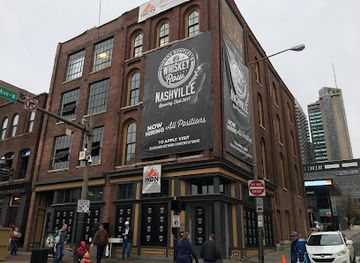
Grill
Dierks Bentley's Whiskey Row - Nashville
Discover the vibrant blend of Southern flavors and live music at Dierks Bentley's Whiskey Row, a premier Nashville destination for food and fun.
Best nightclubs in Southwest Tennessee
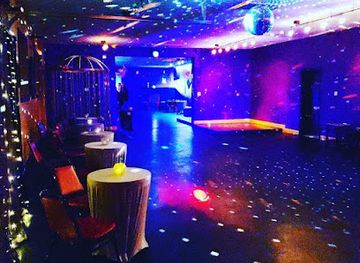
Memphis has Southwest Tennessee’s most substantial evening scene. Beale Street remains the best-known concentration of clubs, blues rooms and live music venues, while South Main, Overton Square and Cooper-Young offer bars, restaurants, small performance spaces and a more neighbourhood-oriented night out. The city’s musical history is experienced through live blues, soul, rock, jazz and gospel-related performances, although venue schedules change and should be checked before travelling. Breweries, cocktail bars and hotel lounges provide quieter alternatives to the main entertainment streets. Outside Memphis, nightlife is generally centred on locally used pubs, restaurants, seasonal events and occasional live music rather than large clubs. In smaller towns, many establishments close earlier than visitors may expect, so evening plans should allow for limited transport and dispersed venues. A designated driver or pre-arranged taxi is particularly important for rural itineraries.
-
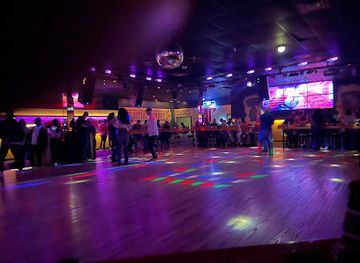
Night club
Electric Cowboy Clarksville
Experience the lively nightlife at Electric Cowboy Clarksville, where line dancing meets unforgettable fun in a vibrant atmosphere.
-
Night club
Ibiza Lounge Nashville
Dive into the heart of Nashville's nightlife at Ibiza Lounge, where every night is a celebration of music, dance, and unforgettable moments.
-
Night club
Eros Knoxville
Experience the vibrant nightlife of Eros Knoxville, where themed events and electrifying music create unforgettable memories in the heart of downtown.
-
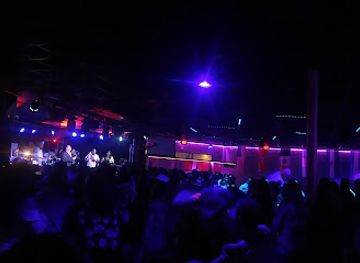
Night club
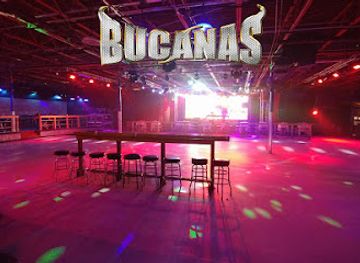
Bucanas Night Club
Experience the pulsating nightlife of Nashville at Bucanas Night Club, where music, dancing, and a lively crowd await.
Get your free copy of our complete guide to Southwest Tennessee, delivered straight to you.
Everything on this page, from attractions and restaurants to essentials and local phrases, in one PDF you can read offline, print or share.
Already have an account? Sign in
Your Southwest Tennessee guide is ready.
We'll send it to · Not you? Sign out

Getting your guide ready…
We are putting together a fresh copy of the Southwest Tennessee guide. This can take up to a minute.
This can take a few moments. If your browser asks, choose Allow so the download can start. You'll find the guide in your Downloads folder.
Nothing happened? Download it again
Sorry, the guide is taking longer than usual. Please try again in a minute, or get it by email instead.
Southwest Tennessee essentials
Currency and Payment
Safety
Emergency Situations
Do's and Don'ts
Local Tips
From Eve
Local phrases worth knowing
You don't need to get them perfect. A few words go a long way, and locals appreciate the effort.
Basics
| English | Local | Say it |
|---|---|---|
| Hello | Howdy | [how-dee] |
| Goodbye | See ya later | [see ya lay-ter] |
| Yes | Yep | [yehp] |
| No | Nah | [nah] |
| Please/You’re welcome | Please / No problem | [pleez / no prob-lum] |
| Thank you | Thanks a lot | [thanks uh lot] |
| Excuse me/Sorry | Excuse me / My bad | [ex-kyoos mee / my bad] |
| How are you? | How ya doin'? | [how ya doin'?] |
| Fine. And you? | I’m good. And you? | [I’m good. An' you?] |
| Do you speak English? | Do ya speak English? | [do ya speek ing-glish?] |
| I don't understand | I don't get it | [I don't get it] |
Eating & Drinking
| English | Local | Say it |
|---|---|---|
| I’d like to see the menu, please | Can I see the menu, please? | [can I see the men-yoo, pleez?] |
| I don't eat meat | I ain't eatin' meat | [I ain't eatin' meat] |
| Cheers! | Cheers! | [cheers!] |
| I would like to pay, please | Can I get the check, please? | [can I get the chek, pleez?] |
Emergencies
| English | Local | Say it |
|---|---|---|
| Help! | Help! | [help!] |
| Go away! | Get outta here! | [get outta here!] |
| Call the Police! | Call the cops! | [call the cops!] |
| Call a doctor! | Get a doctor! | [get a doctor!] |
| I’m lost | I’m lost | [I'm lost] |
| I’m ill | I ain't feelin' good | [I ain't feelin' good] |
Shopping
| English | Local | Say it |
|---|---|---|
| I’d like to buy... | I wanna buy... | [I wanna buy...] |
| I’m just looking | I’m just lookin' | [I’m just lookin'] |
| How much is it? | How much that cost? | [how much that kost?] |
| That’s too expensive | That's way too high | [that's way too high] |
| Can you lower the price? | Can ya knock down the price? | [can ya knock down the price?] |
Time & Numbers
| English | Local | Say it |
|---|---|---|
| What time is it? | What time's it? | [what time's it?] |
| It’s one o’clock | It’s one o'clock | [it’s one o'clock] |
| Half past (10) | Half past ten | [half past ten] |
| Morning | Mornin' | [mornin'] |
| Afternoon | Afternoon | [afternooon] |
| Evening | Evenin' | [evenin'] |
| Yesterday | Yesterday | [yesterday] |
| Today | Today | [today] |
| Tomorrow | Tomorrow | [tomorrow] |
| 1 | One | [one] |
| 2 | Two | [two] |
| 3 | Three | [three] |
| 4 | Four | [four] |
| 5 | Five | [five] |
| 6 | Six | [six] |
| 7 | Seven | [seven] |
| 8 | Eight | [eight] |
| 9 | Nine | [nine] |
| 10 | Ten | [ten] |
Transport & Directions
| English | Local | Say it |
|---|---|---|
| Where's a/the...? | Where's the...? | [where's the...?] |
| What's the address? | What’s the address? | [what’s the address?] |
| Can you show me (on the map)? | Can you show me on the map? | [can you show me on the map?] |
| When's the next (bus)? | When’s the next bus? | [when’s the next bus?] |
| A ticket (to ....) | A ticket to ... | [a tiket to ...] |
History of Southwest Tennessee
Mississippian Communities and Chucalissa
Long before European settlement, Indigenous peoples lived in the rich river and bottomland environments of what is now Southwest Tennessee. The Chucalissa archaeological site, within T. O. Fuller State Park in Memphis, preserves the remains of a Mississippian-period ceremonial and residential settlement built around a platform mound. Its museum and excavated landscape provide evidence of organised communities, agriculture, trade and religious life in the Mississippi Valley. The site is part of a much older Indigenous history that remains essential to understanding the region, even though later Memphis was promoted primarily through its nineteenth-century river economy.
Chickasaw Homelands and Early European Expansion
Before and during American expansion, the wider Mississippi Valley was shaped by Chickasaw communities, whose homeland extended across parts of present-day West Tennessee, northern Mississippi and adjacent areas. European powers, including Spain, France and Britain, competed for influence through exploration, trade and diplomacy, while epidemics, warfare and changing alliances disrupted Indigenous life. The United States later pursued policies that removed Indigenous peoples from the region. Modern Southwest Tennessee therefore reflects layered histories of Native sovereignty, colonial rivalry and forced change rather than beginning with the founding of Memphis.
The Founding of Memphis, 1819
Memphis was founded in 1819 by a group that included future president Andrew Jackson, John Overton and James Winchester, and was named after the ancient Egyptian city on the Nile. Its position on a high Chickasaw Bluff beside the Mississippi River gave it strategic value as a landing, trading centre and transport point. The city grew as steamboat traffic, cotton commerce and westward settlement expanded. The riverfront, warehouse districts and the continuing importance of logistics all derive from this early decision to establish a town at a crucial natural and commercial site.
Cotton, Slavery and the River Economy
During the nineteenth century, Southwest Tennessee became part of the plantation and cotton economy of the lower Mississippi Valley. Enslaved African Americans performed much of the agricultural and domestic labour that generated wealth for white landowners and merchants, while Memphis functioned as a major cotton market and shipping centre. Cotton warehouses, trading offices and river landings connected the region to national and international markets. The economic landscape was transformed by the Civil War and emancipation, but agriculture, racial inequality and the memory of slavery continued to shape communities across the region.
Civil War and Reconstruction
The Mississippi River made Southwest Tennessee strategically important during the Civil War. Union forces captured Memphis in 1862 after a naval engagement on the river, and the city became a military and logistical base. Fort Pillow, north of Memphis in Lauderdale County, was the scene of a fiercely contested battle in 1864 and remains an important site for studying the war, the participation of African American troops and the disputed events surrounding the massacre of surrendering United States Colored Troops. Reconstruction brought emancipation and political change, but white resistance and racial violence profoundly affected the region’s post-war development.
Memphis Music and African American Cultural Influence
In the twentieth century, African American musicians, churches, record companies and neighbourhoods in Memphis helped shape blues, gospel, soul and rock and roll. Beale Street became a major entertainment corridor, while institutions such as Stax Records in South Memphis documented the creative partnership between Black and white musicians during the civil rights era. The migration of rural families to Memphis, the growth of radio and recording technology, and the city’s connections to the Mississippi Delta all contributed to its musical influence. That legacy remains visible in museums, venues, archives and live performance.
Civil Rights, Labour and Urban Change
Southwest Tennessee was central to the modern civil rights story. Memphis was the site of the 1968 sanitation workers’ strike, when Black workers demanded safer conditions, union recognition and better pay. Martin Luther King Jr. came to support the strike and was assassinated at the Lorraine Motel on 4 April 1968; the site is now part of the National Civil Rights Museum. The movement’s local history also includes school desegregation, voter activism, church leadership and continuing debates over housing, labour, public memory and urban regeneration.
Southwest Tennessee in Photos
Browse through our photo collection highlighting the charm and character of the destination.
Neighbouring regions of Southwest Tennessee
The closest regions to Southwest Tennessee, if you have time for more than one.
-
-

-

-
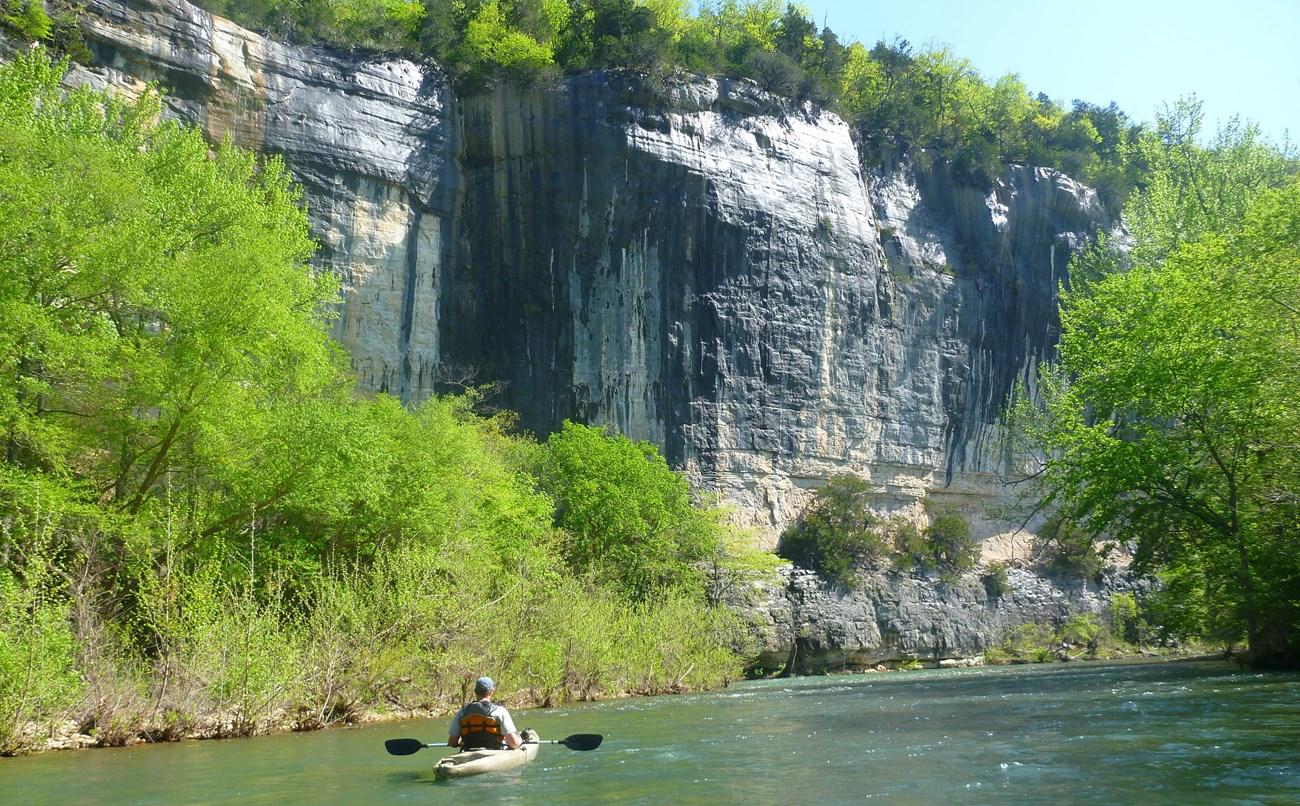 Buffalo River Valley
Explore Tennessee’s Buffalo River Valley for canoeing, wooded hills, small towns, scenic drives and a quiet rural landscape shaped by the river.
-
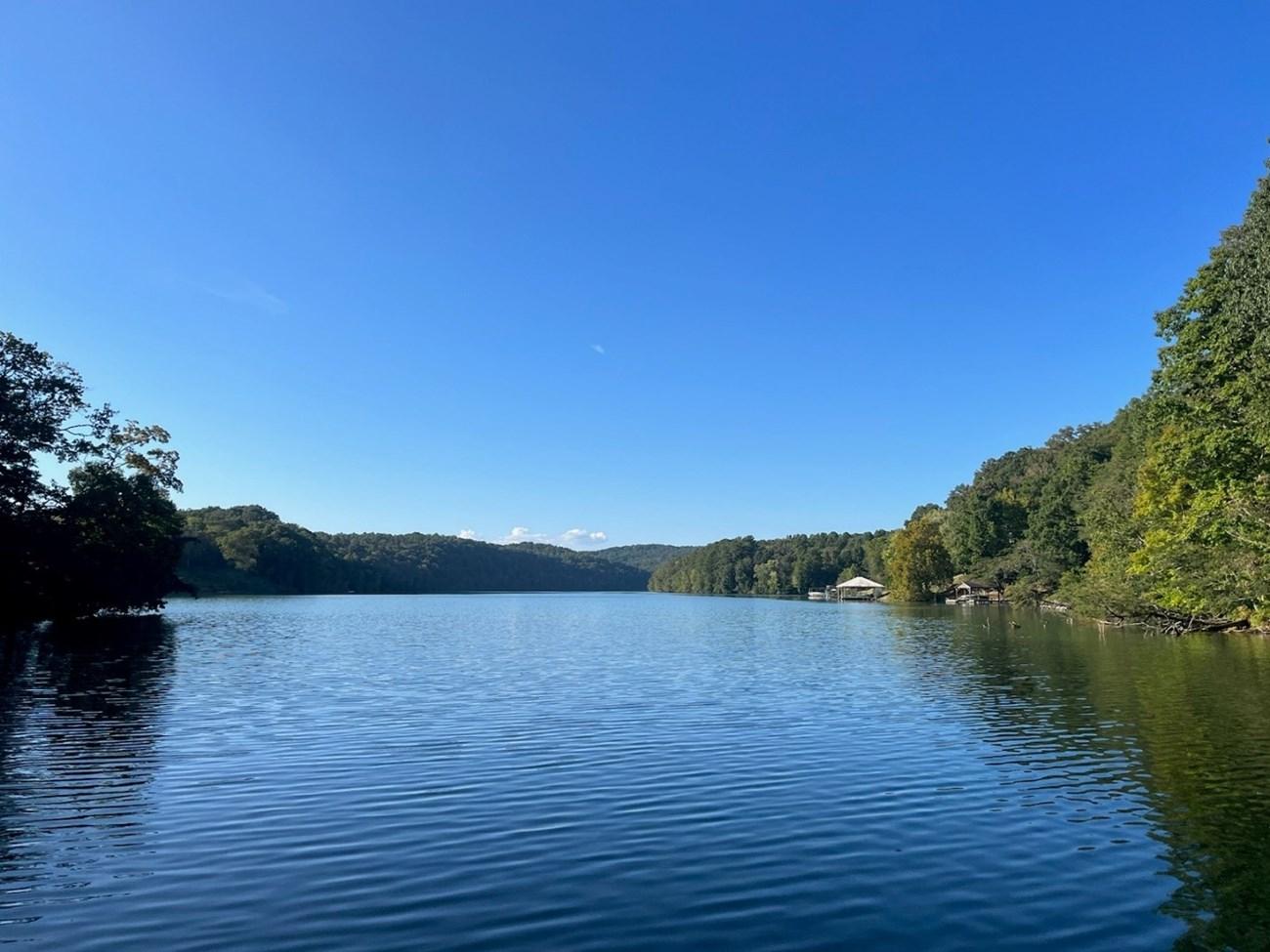 Hatchie River Area
Explore Tennessee’s Hatchie River Area for bottomland forests, wildlife refuge wetlands, West Tennessee history and rural river landscapes.


Swipe for more regions
Explore more

Explore more of Tennessee
Discover Tennessee: A melting pot of music, history, and natural beauty, offering visitors an authentic taste of Southern hospitality and unforgettable experiences.
Explore Tennessee