

Free Mississippi Delta Travel Guide & Mobile App
Explore Mississippi Delta with free travel guides. Discover regional history, expert tips, proposed trips, and audio guides on web or mobile app.


Explore Tennessee's Mississippi Delta through river lowlands, Reelfoot Lake, agricultural history, African American heritage and West Tennessee music.
Read more about Mississippi Delta
Getting to and around Mississippi Delta
How to get there
Transportation
Top city travel guides in Mississippi Delta
The cities of Mississippi Delta, and the easiest places to base yourself.
-

-

-


Swipe for more cities
Destinations in Mississippi Delta
Resorts, valleys and scenic spots worth a trip of their own.

Swipe for more destinations
Best attractions in Mississippi Delta
The Tennessee Mississippi Delta's attractions are dispersed and strongly connected to landscape and memory. Reelfoot Lake State Park is the natural centrepiece, with boating, fishing, birdwatching, cypress forests and interpretive opportunities around the earthquake-created lake. Fort Pillow State Historic Park in Lauderdale County combines walking trails and river-bluff scenery with detailed interpretation of its Civil War fortifications and the 1864 massacre. In Henning, the Alex Haley Museum and Interpretive Center explores the writer's family roots and the African American history of the community. Brownsville's West Tennessee Delta Heritage Center presents music, craft and regional heritage, including connections to blues and gospel traditions. County museums, historic courthouses, agricultural collections and small-town main streets add context rather than spectacle, showing how cotton, railways, churches and local commerce shaped the region. Near the wider north-west Tennessee area, Discovery Park of America in Union City offers a large educational complex on science, history and regional culture. Fishing, wildlife observation, scenic drives and seasonal community events complete an attraction landscape best appreciated slowly and by car.
-
Live Music
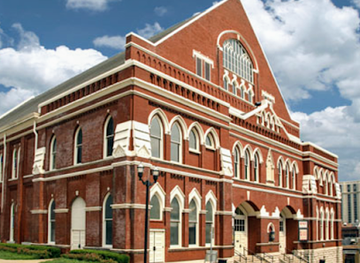
Ryman Auditorium
Experience the magic of live music at Ryman Auditorium, Nashville's historic venue that celebrates the legacy of country music and beyond.
-
Museum
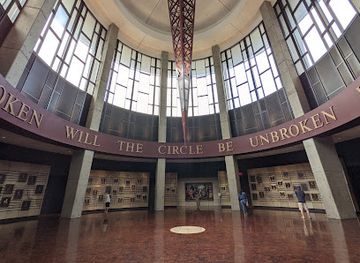
Country Music Hall of Fame and Museum
Explore the rich heritage of country music at Nashville's Country Music Hall of Fame and Museum, where legends come to life through artifacts and exhibits.
-
Park
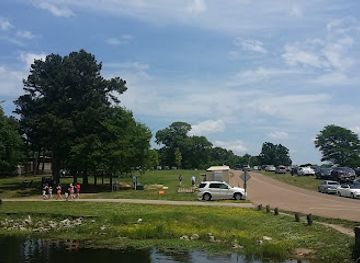
Shelby Farms Park
Discover the expansive Shelby Farms Park in Memphis, where nature and adventure intertwine amidst stunning landscapes and endless recreational activities.
-
Heritage building
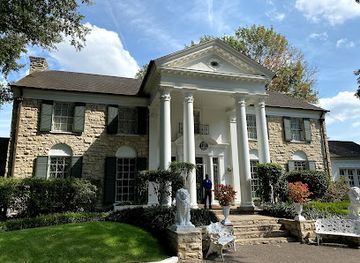
Graceland Mansion
Discover Graceland Mansion, the iconic home of Elvis Presley, where music history comes alive in Memphis, Tennessee.


Best landmarks in Mississippi Delta
Reelfoot Lake is the defining natural landmark of Tennessee's Mississippi Delta. Its flooded cypress stands and shallow, irregular waters record the dramatic New Madrid earthquakes and create a landscape unlike the surrounding cotton plains. Along the Mississippi River, the bluffs and historic ground of Fort Pillow provide a physical setting for one of the region's most important Civil War sites and its continuing memorial significance. Henning's Alex Haley Museum and Interpretive Center is a cultural landmark associated with the author's family history and with African American storytelling in West Tennessee. Brownsville's historic civic core and Delta Heritage Center represent the continuing importance of county-seat institutions, music and local memory. The courthouses, churches and commercial buildings of towns such as Covington, Dyersburg and Tiptonville form a quieter architectural landmark network, expressing the region's nineteenth- and early twentieth-century agricultural history. Cotton fields, drainage channels, river corridors and wooded wetlands are themselves essential landmarks: together they explain the geography that made settlement, farming, transport and cultural exchange possible.
-
Park
Shelby Farms Park
Explore the natural beauty of Shelby Farms Park in Memphis, Tennessee – a vast urban oasis perfect for outdoor adventure and family fun.
-
Heritage building
Graceland Mansion
Explore Graceland Mansion, the iconic home of Elvis Presley, and immerse yourself in the legacy of the King of Rock 'n' Roll in Memphis, Tennessee.
-
History museum
Mississippi Civil Rights Museum
Explore the profound legacy of the civil rights movement at the Mississippi Civil Rights Museum in Jackson, a pivotal cultural and historical landmark.
-
Historical landmark
Biloxi Lighthouse
Discover the historic Biloxi Lighthouse, a symbol of maritime heritage and stunning coastal views in Biloxi, Mississippi.


Explore Mississippi Delta on the map
Plan your trip on one map. See where the top cities, national parks and sights are, and book hotels and experiences in a few clicks.
Best hotels in Mississippi Delta
Best restaurants in Mississippi Delta
Dining in the Tennessee Mississippi Delta reflects rural West Tennessee, African American food traditions, farm production and the influence of the wider Southern table. Barbecue, fried catfish, chicken, beans, greens, cornbread, biscuits and seasonal vegetables appear in local cafés, family restaurants and informal eateries, while country-style breakfasts are important in many small towns. Fish from the region's lakes and rivers is a familiar theme, though menus and availability vary by season. Bakers, farm stands and produce sellers may offer local fruit, preserves or baked goods alongside everyday groceries. Brownsville, Dyersburg, Covington, Ripley and other county seats provide the broadest choice, while Reelfoot Lake communities add fishing-oriented restaurants and casual dining. The region is not primarily a fine-dining destination; its culinary interest lies in recipes, hospitality, agricultural supply chains and the relationship between food and community history. Visitors should expect earlier closing times outside the larger towns and check locally for current service arrangements.
-
Barbecue
Memphis Barbecue Company
Experience authentic Memphis-style barbecue at its best in Horn Lake - where every bite tells a story of Southern tradition.
-
American
Puckett's Restaurant - Downtown Franklin
Experience the best of Southern cuisine and live music at Puckett's Restaurant in Downtown Franklin – a must-visit for all travelers.
-
Chicken
Champy's
Experience the authentic taste of Southern fried chicken at Champy's in Chattanooga – where great food meets vibrant atmosphere.
-
Barbecue
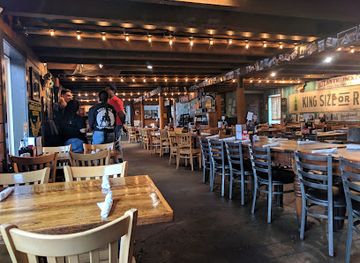
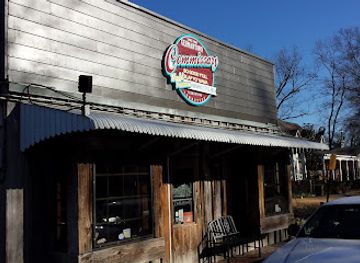
Germantown Commissary
Experience authentic Southern barbecue at Germantown Commissary - where tradition meets flavor in every bite.

Best bars in Mississippi Delta
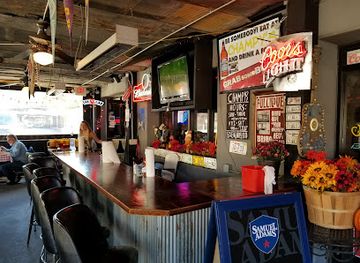
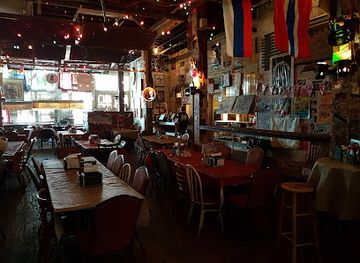
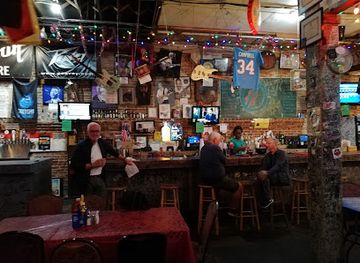
Evening life in the Tennessee Mississippi Delta is centred on locally oriented restaurants, traditional bars, community gatherings, live music and occasional seasonal events rather than a concentrated nightclub scene. Dyersburg, Brownsville, Covington and the larger towns provide the most dependable choice of casual evening venues, while lakeside areas around Reelfoot Lake are quieter and often organised around fishing, dining and outdoor recreation. Music remains important to the region's cultural identity, especially through gospel, blues, country and local performance traditions, although venues and schedules change. Memphis, outside the rural Tennessee Delta and best treated as a separate urban destination, offers the nearest major concentration of clubs and live-music rooms. In smaller communities, closing times can be earlier than international visitors expect, and a car is necessary if travelling between towns after dark. Drinking is only one part of the region's evening culture; local food, conversation, heritage programmes and community events are equally significant.
-
Grill
The Juke Joint
Discover the soul of Ocean Springs at The Juke Joint, where delicious food meets live music in a captivating atmosphere.
-
Bar
Under-the-Hill Saloon
Discover the lively spirit of Natchez at Under-the-Hill Saloon, where local culture meets a unique bar experience.
-
Restaurant
Ground Zero Blues Club
Discover authentic Southern cuisine and live blues performances at Ground Zero Blues Club, a cultural landmark in Clarksdale, Mississippi.
-
Museum
Delta Blues Museum
Discover the rich history of blues music and its cultural impact at the Delta Blues Museum in Clarksdale, Mississippi.

Best nightclubs in Mississippi Delta
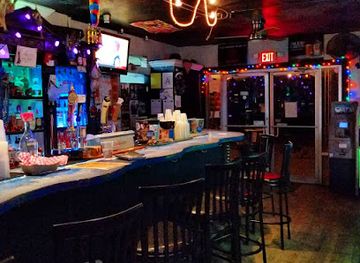
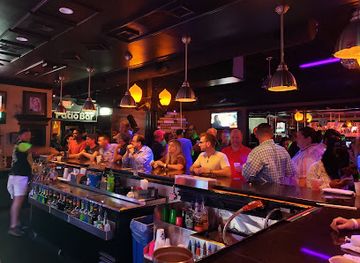
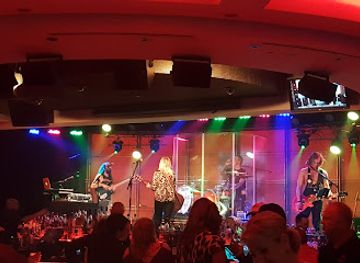
Evening life in the Tennessee Mississippi Delta is centred on locally oriented restaurants, traditional bars, community gatherings, live music and occasional seasonal events rather than a concentrated nightclub scene. Dyersburg, Brownsville, Covington and the larger towns provide the most dependable choice of casual evening venues, while lakeside areas around Reelfoot Lake are quieter and often organised around fishing, dining and outdoor recreation. Music remains important to the region's cultural identity, especially through gospel, blues, country and local performance traditions, although venues and schedules change. Memphis, outside the rural Tennessee Delta and best treated as a separate urban destination, offers the nearest major concentration of clubs and live-music rooms. In smaller communities, closing times can be earlier than international visitors expect, and a car is necessary if travelling between towns after dark. Drinking is only one part of the region's evening culture; local food, conversation, heritage programmes and community events are equally significant.
-
Bar
Sipps Bar Gulfport
Experience Gulfport's vibrant nightlife at Sipps Bar, where dance, karaoke, and inclusivity blend into an unforgettable evening.
-
Bar
Just Us Lounge
Discover the vibrant nightlife at Just Us Lounge in Biloxi, where live music, dancing, and inclusivity create an unforgettable experience.
-
Lounge
Chill Ultra Lounge
Experience the vibrant nightlife at Chill Ultra Lounge in Biloxi, where great drinks, music, and an inviting atmosphere await you.
-
Live Music
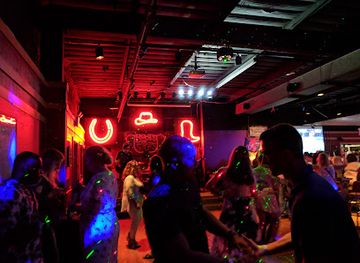
Neon Moon
Experience the vibrant nightlife at Neon Moon in Ocean Springs, where live music and a smoke-free environment create unforgettable nights.

Best shops in Mississippi Delta
Shopping in the Tennessee Mississippi Delta is concentrated in small-town high streets, county-seat commercial areas, supermarkets, farm stands and local events rather than large specialist districts. Brownsville, Dyersburg, Covington, Ripley and Union City provide the broadest selection of everyday goods, independent retailers, antiques and practical supplies. Around Reelfoot Lake, visitors may find fishing equipment, outdoor provisions and locally oriented souvenirs. Farmers' markets and roadside stands offer seasonal produce, preserves, baked goods and other foods when available, while craft fairs and heritage events may feature quilts, woodwork, pottery or handmade gifts. Books and music connected with West Tennessee history, African American heritage and the wider Delta can be more meaningful souvenirs than generic merchandise. Retail hours in rural communities may be limited, particularly on Sundays and later in the evening, so plan purchases during daytime visits. Memphis, outside the rural Delta, is the nearest major shopping centre but should not be mistaken for the region's own small-scale retail character.
-
Souvenir store
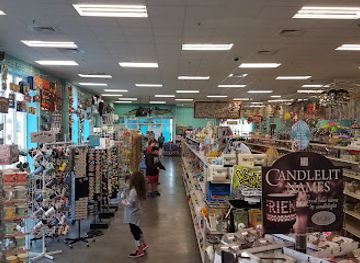
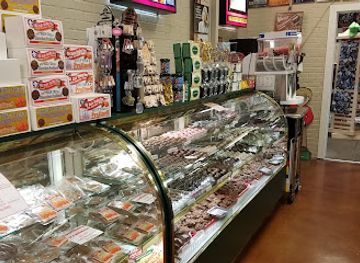
Sharkheads
Discover unique souvenirs, local chocolates, and custom gifts at Sharkheads, Biloxi's favorite destination for travelers seeking memorable keepsakes.
-
Museum
Delta Blues Museum
Explore the rich history of Delta Blues at the Delta Blues Museum in Clarksdale, Mississippi, where music and culture intertwine.
-
General store
Old South Trading Post
Explore the charm of the Old South Trading Post in Natchez, MS, a haven for unique crafts, gourmet foods, and Southern souvenirs.
-
Music store
Cat Head Delta Blues & Folk Art
Explore the vibrant culture of blues music and folk art at Cat Head Delta Blues & Folk Art in Clarksdale, Mississippi.


Get your free copy of our complete guide to Mississippi Delta, delivered straight to you.
Everything on this page, from attractions and restaurants to essentials and local phrases, in one PDF you can read offline, print or share.
Already have an account? Sign in
Your Mississippi Delta guide is ready.
We'll send it to · Not you? Sign out

Getting your guide ready…
We are putting together a fresh copy of the Mississippi Delta guide. This can take up to a minute.
This can take a few moments. If your browser asks, choose Allow so the download can start. You'll find the guide in your Downloads folder.
Nothing happened? Download it again
Sorry, the guide is taking longer than usual. Please try again in a minute, or get it by email instead.
Mississippi Delta essentials
Currency and Payment
Safety
Emergency Situations
Do's and Don'ts
Local Tips
From Eve
Local phrases worth knowing
You don't need to get them perfect. A few words go a long way, and locals appreciate the effort.
Basics
| English | Local | Say it |
|---|---|---|
| Hello | Howdy | [Ha-dee] |
| Goodbye | See ya later | [See ya lay-ta] |
| Yes | Yup | [Yup] |
| No | Nah | [Nah] |
| Please/You're welcome | No problem | [No prob-lum] |
| Thank you | Thanks a bunch | [Thanks a bunch] |
| Excuse me/Sorry | Excuse me | [Ex-kyoos me] |
| How are you? | How ya doin'? | [How ya do-in?] |
| Fine. And you? | I'm doin' good, you? | [I'm doin' good, you?] |
| Do you speak English? | You speakin' English? | [You speak-in English?] |
| I don't understand | I ain't followin' | [I ain't fol-low-in'] |
Eating & Drinking
| English | Local | Say it |
|---|---|---|
| I'd like to see the menu, please | Can I see the menu, please? | [Can I see the men-u, please?] |
| I don't eat meat | I don't eat no meat | [I don't eat no meat] |
| Cheers! | Cheers! | [Cheers!] |
| I would like to pay, please | Can I get the check, please? | [Can I get the check, please?] |
Emergencies
| English | Local | Say it |
|---|---|---|
| Help! | Help! | [Help!] |
| Go away! | Leave me be! | [Leave me be!] |
| Call the Police! | Call the cops! | [Call the cops!] |
| Call a doctor! | Get me a doctor! | [Get me a doc-tor!] |
| I'm lost | I ain't got no idea where I am | [I ain't got no id-e-a where I am] |
| I'm ill | I'm feelin' bad | [I'm feel-in' bad] |
Shopping
| English | Local | Say it |
|---|---|---|
| I'd like to buy... | I wanna buy... | [I wanna buy...] |
| I'm just looking | Just lookin' around | [Just look-in' a-round] |
| How much is it? | How much that cost? | [How much that cost?] |
| That's too expensive | That's too pricey | [That's too price-y] |
| Can you lower the price? | Can you bring down the price? | [Can you bring down the price?] |
Time & Numbers
| English | Local | Say it |
|---|---|---|
| What time is it? | What time it be? | [What time it be?] |
| It's one o'clock | It's one o'clock | [It's one o'clock] |
| Half past (10) | Half past ten | [Half past ten] |
| Morning | Mornin' | [Morn-in'] |
| Afternoon | Afternoon | [Af-ter-noon] |
| Evening | Evenin' | [Even-in'] |
| Yesterday | Yestiddy | [Yes-tid-dy] |
| Today | Today | [To-day] |
| Tomorrow | Tomorrah | [To-mor-rah] |
| 1 | One | [One] |
| 2 | Two | [Two] |
| 3 | Three | [Three] |
| 4 | Four | [Four] |
| 5 | Five | [Five] |
| 6 | Six | [Six] |
| 7 | Seven | [Seven] |
| 8 | Eight | [Eight] |
| 9 | Nine | [Nine] |
| 10 | Ten | [Ten] |
Transport & Directions
| English | Local | Say it |
|---|---|---|
| Where's a/the...? | Where's the...? | [Where's the...?] |
| What's the address? | What the address be? | [What the ad-dress be?] |
| Can you show me (on the map)? | Can you show me on the map? | [Can you show me on the map?] |
| When's the next (bus)? | When the next bus comin'? | [When the next bus com-in'?] |
| A ticket (to ....) | A ticket to... | [A ticket to...] |
History of Mississippi Delta
Indigenous Landscapes and the New Madrid Earthquakes
The Mississippi lowlands were inhabited and used by Indigenous peoples long before European-American settlement, with waterways supporting travel, fishing and seasonal resource gathering. The region's physical appearance changed dramatically during the New Madrid earthquake sequence of 1811–12, one of the strongest recorded seismic events in North American history. Land subsidence and river disturbances helped create Reelfoot Lake in north-west Tennessee, flooding forests and producing the shallow, cypress-fringed lake visible today. The event remains central to local geography and folklore, while the wider river corridor retains evidence of much older Indigenous occupation.
Cotton Settlement and Enslaved Labour
During the nineteenth century, improved transport and the expansion of cotton cultivation tied West Tennessee to the commercial world of the Mississippi River and New Orleans. Plantations and farms developed on fertile alluvial soils, relying heavily on the forced labour of enslaved African Americans. Towns including Brownsville, Covington and Dyersburg grew as trading, administrative and transport centres. The wealth created by cotton coexisted with profound violence and inequality, and many African American communities established churches, schools and family networks that continued after emancipation.
Civil War on the Mississippi Frontier
The strategic importance of the Mississippi River made western Tennessee a contested zone during the American Civil War. Fort Pillow, on the river bluffs in Lauderdale County, was established as a Confederate position and later occupied by Union forces. The Battle of Fort Pillow on 12 April 1864 became especially notorious because many African American Union soldiers were killed after the fort's surrender, an event remembered as the Fort Pillow Massacre. The state historic park preserves the site and interprets its military and human history.
Emancipation, Reconstruction and African American Institution-Building
Emancipation transformed labour, landholding and political life across the Tennessee Delta, although freedom was followed by racial violence, discriminatory laws and economic pressures that restricted African American independence. Black communities built churches, schools, businesses and mutual-aid networks, sometimes purchasing land and establishing farms of their own. The later life of writer Alex Haley, whose family roots were in Henning, reflects the importance of local family memory and migration. Regional museums and heritage centres preserve these stories alongside the better-known plantation and Civil War narratives.
Railways, River Trade and Mechanised Agriculture
Railways and improved roads strengthened connections between inland county seats, river landings and larger commercial centres during the late nineteenth and early twentieth centuries. Cotton remained important, but timber, food crops and livestock also contributed to the regional economy. Mechanisation gradually reduced the need for agricultural labour and changed the appearance of the countryside, while many rural residents moved towards Memphis, other American cities or northern industrial centres. Agricultural museums in West Tennessee document the machinery, drainage, cultivation methods and community life behind the region's modern farm landscape.
The Great Migration and West Tennessee Music
From the early twentieth century, large numbers of African Americans left the rural South during the Great Migration, seeking greater economic opportunity and escaping the restrictions and violence of segregation. They carried West Tennessee's musical traditions with them, helping shape blues, gospel, rhythm and blues and later forms of popular music. The Delta's cultural history is therefore connected both to local churches, dance halls and community gatherings and to recording and performance centres outside the rural region, especially Memphis. Music remains an important interpretive lens for understanding movement, labour and identity.
Civil Rights and the Modern Delta
The Tennessee Delta participated in the wider struggle for civil rights through local organising, school desegregation campaigns, voter-registration efforts and challenges to racial exclusion. Change was uneven, and the effects of earlier segregation remain visible in settlement patterns, memorial landscapes and debates about economic opportunity. Contemporary West Tennessee combines large-scale agriculture with small manufacturing, conservation, heritage tourism and community institutions. Its historical interpretation increasingly places African American experiences, Indigenous presence, environmental change and rural working life alongside military and plantation history.
Mississippi Delta in Photos
Browse through our photo collection highlighting the charm and character of the destination.
Neighbouring regions of Mississippi Delta
The closest regions to Mississippi Delta, if you have time for more than one.
-
-
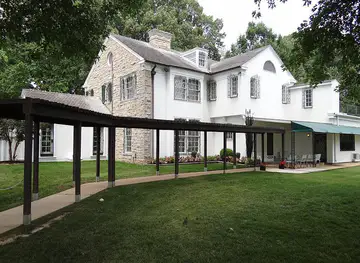
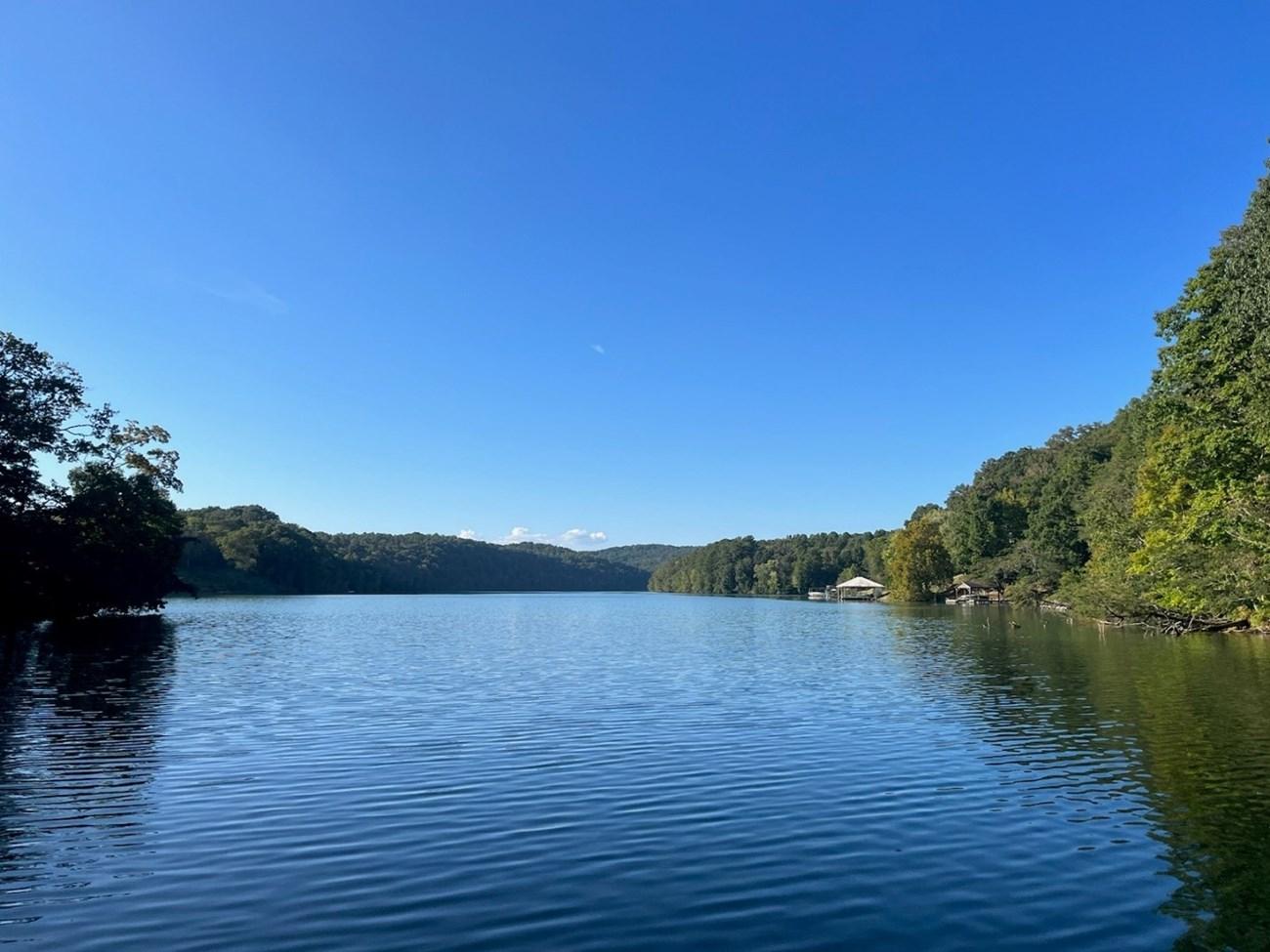 Hatchie River Area
Explore Tennessee’s Hatchie River Area for bottomland forests, wildlife refuge wetlands, West Tennessee history and rural river landscapes.
-

-

-



Swipe for more regions
Explore more

Explore more of Tennessee
Discover Tennessee: A melting pot of music, history, and natural beauty, offering visitors an authentic taste of Southern hospitality and unforgettable experiences.
Explore Tennessee