

Free Waco Travel Guide & Mobile App
Plan your Waco trip with Evendo. Get free guides to top attractions, restaurants, hotels, and bars. Web access or download the mobile app.


Waco, Texas combines Baylor heritage, Dr Pepper history, Magnolia Market, museums and outdoor attractions along the Brazos River for curious travellers.
River City and Cultural Crossroads
Waco stands on a broad bend of the Brazos River in central Texas, roughly midway between Dallas–Fort Worth and Austin. Its identity is shaped by the river, Baylor University, a resilient historic core and a modern visitor culture that has grown around Magnolia Market at the Silos. The city combines the scale of a regional centre with easy access to open landscapes, making it possible to move from museums and restored buildings to riverside trails and wooded parkland within a short journey.Read more about Waco
History in the Built Landscape
Contemporary Waco
When is the best time to visit Waco?
Best: March–April, October · 22–27°C| Month | High (°C) | Rainfall (mm) |
|---|---|---|
| January | 16 | 46 |
| February | 17 | 46 |
| March (best) | 22 | 64 |
| April (best) | 26 | 72 |
| May | 31 | 97 |
| June | 34 | 67 |
| July | 35 | 41 |
| August | 35 | 46 |
| September | 32 | 82 |
| October (best) | 27 | 89 |
| November | 20 | 67 |
| December | 15 | 54 |
Getting to and around Waco
How to get there
Transportation
Best attractions in Waco
Waco’s attractions span local history, design, science and outdoor discovery. Magnolia Market at the Silos has become the city’s most recognisable contemporary visitor district, combining retail, gardens and food spaces in a former industrial setting. Downtown, the Dr Pepper Museum explores the soft drink’s Waco origins through historic equipment, advertising and interpretation, while the Texas Ranger Hall of Fame and Museum examines the long and complicated history of the famous law-enforcement institution. At Waco Mammoth National Monument, guided interpretation centres on a nursery herd of Columbian mammoths preserved in situ. Cameron Park Zoo brings native and global wildlife into a wooded setting beside the Brazos, and Cameron Park itself offers trails, limestone bluffs and viewpoints. Baylor University adds museums, performances and campus architecture, while the Waco Suspension Bridge and riverside paths provide an outdoor connection between the city’s historic and recreational sides.
-
Tourist attraction
Dr Pepper Museum
Discover the rich history of Dr Pepper at the Dr Pepper Museum in Waco, Texas, where fun meets fascinating tales of this iconic soft drink.
5 min drive · 1.7 km from city centre
-
Tourist attraction
Dr Pepper Museum
Experience the rich history of Dr Pepper at the historic museum in Waco, Texas, where nostalgia meets interactive fun for all ages.
5 min drive · 1.7 km from city centre
-
Tourist attraction
Cameron Park Zoo
Explore Cameron Park Zoo in Waco, Texas, where diverse wildlife meets conservation education in a beautiful natural setting.
7 min drive · 2.3 km from city centre
-
Tourist attraction
Cameron Park
Explore the lush landscapes and breathtaking views of Cameron Park, Waco’s urban oasis perfect for outdoor adventures and relaxation.
12 min drive · 3.9 km from city centre


Best landmarks in Waco
The Waco Suspension Bridge is the city’s defining historic landmark, its nineteenth-century cables and stone towers recalling the cattle routes and river commerce that helped Waco grow. The ALICO Building, completed in 1910, remains a dominant downtown presence and a symbol of the city’s early twentieth-century commercial ambitions. Baylor University’s campus contributes imposing academic buildings, landscaped quadrangles and a long institutional connection to Waco. The Dr Pepper Museum occupies the former Artesian Manufacturing and Bottling Company building, linking industrial heritage with the history of a drink developed locally. The McLennan County Courthouse adds civic scale to the centre, while nearby historic houses and churches reveal the domestic and religious architecture of earlier Waco. Together, these places show a city shaped by the Brazos crossing, education, commerce, manufacturing and repeated rebuilding rather than by a single architectural period.
-
Market
Magnolia Market
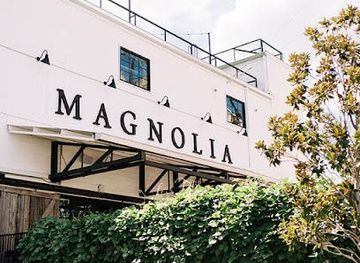
Discover Magnolia Market in Waco, Texas - a unique blend of shopping, food, and Southern charm that brings the heart of home to life.
5 min drive · 1.7 km from city centre
-
Museum
Dr Pepper Museum
Explore the captivating history of Dr Pepper at the Dr Pepper Museum, a delightful journey through soda's most beloved brand in Waco, Texas.
5 min drive · 1.7 km from city centre
-
Zoo
Cameron Park Zoo
Explore Cameron Park Zoo in Waco, Texas—home to diverse wildlife, beautiful landscapes, and a commitment to conservation and education.
7 min drive · 2.3 km from city centre
-
Science museum
Waco Mammoth National Monument
Discover the wonders of the prehistoric world at Waco Mammoth National Monument, where ancient giants tell their stories in Texas.
21 min drive · 7.0 km from city centre


Explore Waco on the map
Plan your Waco trip on one map. See where the top attractions, landmarks, restaurants, bars and hotels are, find what's near where you're staying, and book hotels and experiences in a few clicks.
Best hotels in Waco
Best restaurants in Waco
Waco’s dining scene reflects central Texas cooking while expanding beyond the traditional barbecue template. Smokehouse menus commonly feature brisket, ribs, sausage and familiar sides, while Tex-Mex restaurants serve tacos, enchiladas, fajitas and other dishes shaped by the culinary exchange between Texas and Mexico. Downtown and the Magnolia district contain cafés, bakeries, casual restaurants and food-focused visitor spaces, with locally owned businesses adding variety to the national brands found along major roads. Southern comfort food, burgers, breakfast cooking and craft beverages are also well represented. The city’s proximity to farms and ranching country supports an ingredient-conscious style in some newer kitchens, though dining remains generally relaxed and informal. Farmers’ markets and seasonal food events provide opportunities to encounter regional produce and small-scale producers rather than relying solely on restaurant dining.
-
American
Magnolia Table
Experience delicious American cuisine at Magnolia Table in Waco, Texas – your go-to spot for brunch with fresh local flavors.
9 min drive · 3.1 km from city centre
-
American
George’s Restaurant Bar & Catering
Experience authentic American cuisine at George's Restaurant Bar & Catering in Waco - where great food meets Texan hospitality.
7 min drive · 2.2 km from city centre
-
Steak
Texas Roadhouse
Experience authentic American flavors at Texas Roadhouse in Waco – where every meal is an unforgettable celebration of taste.
10 min drive · 3.2 km from city centre
-
Hamburger
Twisted Root Burger Co.
Experience the ultimate burger bliss at Twisted Root Burger Co., where flavor meets fun in Waco's vibrant dining scene.
7 min drive · 2.3 km from city centre


Best bars in Waco
Waco’s evening scene is modest and social rather than dominated by large nightclubs. Downtown and the Austin Avenue area provide the main concentration of bars, pubs and casual venues, with evenings often built around conversation, live music, televised sport and locally produced beer or spirits. Restaurants and cafés around the central districts may remain active after dark, while Baylor’s calendar brings concerts, theatre, lectures and sporting events that broaden the city’s cultural nightlife. Craft breweries and distillery-related experiences reflect the growth of Waco’s contemporary food-and-drink culture, although the atmosphere is generally more relaxed than that of Dallas or Austin. Visitors should expect activity to vary by weekday, university term and event schedule, and should plan transport carefully when moving between spread-out districts.
-
Grill
The Backyard Bar Stage and Grill
Discover the perfect blend of delicious food, refreshing drinks, and live music at The Backyard Bar Stage and Grill in Waco, Texas.
5 min drive · 1.6 km from city centre
-
Bar
J.S. Barnett's Whiskey House & Restaurant
Discover the vibrant atmosphere of J.S. Barnett's Whiskey House & Restaurant in Downtown Waco, where whiskey and live music create unforgettable experiences.
5 min drive · 1.7 km from city centre
-
Grill
Salty Dog Sports Bar And Grill
Discover an exciting blend of American cuisine and sports at Salty Dog Sports Bar And Grill, Waco's favorite dining hub for food and fun.
17 min drive · 5.7 km from city centre
-
Bar
Truelove Bar
Discover the lively Truelove Bar in Waco, Texas—your go-to destination for karaoke, live music, and delicious food in a vibrant atmosphere.
5 min drive · 1.7 km from city centre


Best nightclubs in Waco
Waco’s evening scene is modest and social rather than dominated by large nightclubs. Downtown and the Austin Avenue area provide the main concentration of bars, pubs and casual venues, with evenings often built around conversation, live music, televised sport and locally produced beer or spirits. Restaurants and cafés around the central districts may remain active after dark, while Baylor’s calendar brings concerts, theatre, lectures and sporting events that broaden the city’s cultural nightlife. Craft breweries and distillery-related experiences reflect the growth of Waco’s contemporary food-and-drink culture, although the atmosphere is generally more relaxed than that of Dallas or Austin. Visitors should expect activity to vary by weekday, university term and event schedule, and should plan transport carefully when moving between spread-out districts.
-
Bar
Truelove Bar
Experience Waco's vibrant nightlife at Truelove Bar, where live music and karaoke create unforgettable moments in a lively atmosphere.
5 min drive · 1.7 km from city centre
-
Bar
Crying Shame Bar
Experience the vibrant nightlife of Waco at Crying Shame Bar, where great drinks and a friendly atmosphere await.
19 min drive · 6.3 km from city centre
-
Bar
Smiley's Night Club
Discover the vibrant nightlife at Smiley's Night Club in Waco, Texas, where music, dancing, and great drinks create unforgettable memories.
10 min drive · 3.2 km from city centre
-
Night club
5IVE Night Club
Dance the night away at 5IVE Night Club, Waco's vibrant hub for nightlife, music, and unforgettable parties.
5 min drive · 1.6 km from city centre


Best shops in Waco
Shopping in Waco is strongly associated with the Magnolia Market district, where design-led homeware, garden products, clothing, books and food-related goods occupy a former industrial landscape around the silos. Downtown offers independent boutiques, gift shops, speciality retailers and antique-oriented businesses, while larger commercial areas outside the centre provide conventional national stores and services. Visitors interested in local flavour can look for Texas foods, coffee, sauces, candles, textiles, art and home décor, although provenance varies and not every souvenir is locally made. Farmers’ markets and seasonal markets may provide regional produce and handmade goods, with schedules changing throughout the year. The city’s retail character therefore combines television-linked design tourism with the broader shopping habits of a central Texas university and regional service centre.
-
Market
Magnolia Market
Explore Magnolia Market in Waco for unique home decor, delightful dining, and a taste of Southern hospitality.
5 min drive · 1.7 km from city centre
-
Shopping mall
Central Texas Marketplace
Explore the vibrant Central Texas Marketplace for a unique shopping experience with diverse stores and delightful dining options in Waco, Texas.
18 min drive · 5.8 km from city centre
-
Gift shop
Spice Village
Explore the eclectic shops of Spice Village in Waco, TX, offering unique gifts, clothing, and home goods in a charming atmosphere.
6 min drive · 2.0 km from city centre
-
Home goods store
Harp Design Co.
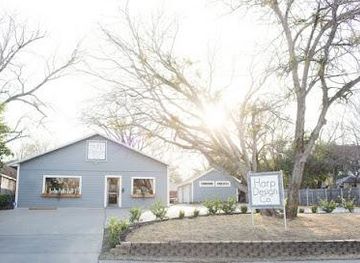
Discover unique handcrafted furniture and home goods at Harp Design Co. in Waco, Texas - where artistry meets functionality.
7 min walk · 0.6 km from city centre


Get your free copy of our complete guide to Waco, delivered straight to you.
Everything on this page, from attractions and restaurants to essentials and local phrases, in one PDF you can read offline, print or share.
Already have an account? Sign in
Your Waco guide is ready.
We'll send it to · Not you? Sign out

Getting your guide ready…
We are putting together a fresh copy of the Waco guide. This can take up to a minute.
This can take a few moments. If your browser asks, choose Allow so the download can start. You'll find the guide in your Downloads folder.
Nothing happened? Download it again
Sorry, the guide is taking longer than usual. Please try again in a minute, or get it by email instead.
Waco essentials
Currency and Payment
Safety
Emergency Situations
Do's and Don'ts
Local Tips
From Eve
Local phrases worth knowing
You don't need to get them perfect. A few words go a long way, and locals appreciate the effort.
Basics
| English | Local | Say it |
|---|---|---|
| Hello | Howdy | [haw-dee] |
| Goodbye | See ya | [see yuh] |
| Yes | Yep | [yep] |
| No | Nope | [nohp] |
| Please/You're welcome | Please | [pleez] |
| Thank you | Thank ya | [thank yuh] |
| Excuse me/Sorry | Pardon me | [par-dn mee] |
| How are you? | Howdy | [haw-dee] |
| Fine. And you? | Fine. And you? | [fine. and yuh?] |
| Do you speak English? | Ya speak English? | [ya speek ing-glish?] |
| I don't understand | I don't get it | [I don't get it] |
Eating & Drinking
| English | Local | Say it |
|---|---|---|
| I'd like to see the menu, please | Can I see the menu? | [kan eye see the men-yoo?] |
| I don't eat meat | I don't eat meat | [I don't eat meet] |
| Cheers! | Cheers! | [cheers] |
| I would like to pay, please | Can I pay, please | [kan eye pay, please] |
Emergencies
| English | Local | Say it |
|---|---|---|
| Help! | Help! | [help!] |
| Go away! | Get outta here! | [get out-ta here!] |
| Call the Police! | Call the cops! | [call the cops!] |
| Call a doctor! | Get a doc! | [get a doc!] |
| I'm lost | I'm lost | [I'm lost] |
| I'm ill | I'm sick | [I'm sick] |
Shopping
| English | Local | Say it |
|---|---|---|
| I'd like to buy... | I wanna buy... | [eye wanna buy...] |
| I'm just looking | Just lookin' | [just look-in'] |
| How much is it? | How much? | [how much?] |
| That's too expensive | That's pricey | [that's pry-see] |
| Can you lower the price? | Can ya lower it? | [can ya lower it?] |
Time & Numbers
| English | Local | Say it |
|---|---|---|
| What time is it? | What time is it? | [what time is it?] |
| It's one o'clock | It's one | [it's one] |
| Half past (10) | Half past ten | [half past ten] |
| Morning | Morning | [mor-ning] |
| Afternoon | Afternoon | [af-ter-noon] |
| Evening | Evening | [ee-ven-ing] |
| Yesterday | Yesterday | [yes-ter-day] |
| Today | Today | [to-day] |
| Tomorrow | Tomorrow | [to-mor-row] |
| 1 | One | [wun] |
| 2 | Two | [too] |
| 3 | Three | [three] |
| 4 | Four | [fore] |
| 5 | Five | [fahyv] |
| 6 | Six | [siks] |
| 7 | Seven | [sev-en] |
| 8 | Eight | [ayt] |
| 9 | Nine | [nine] |
| 10 | Ten | [ten] |
Transport & Directions
| English | Local | Say it |
|---|---|---|
| Where's a/the...? | Where's the...? | [where's the...?] |
| What's the address? | What's the address? | [what's the address?] |
| Can you show me (on the map)? | Can you show me (on the map)? | [can you show me (on the map)?] |
| When's the next (bus)? | When's the next (bus)? | [when's the next (bus)?] |
| A ticket (to ....) | A ticket to ... | [a ticket to ...] |
History of Waco
Waco Peoples and the Brazos
The Waco area takes its name from the Huaco, or Waco, people, an Indigenous group associated with the southern Plains and the Brazos Valley. The river supported movement, hunting and exchange long before American settlement, while the wider region was also connected to other Indigenous communities, including the Wichita and Tonkawa. During the nineteenth century, expanding Anglo-American settlement and conflict transformed the area. The establishment of Fort Waco in 1849 marked a new phase of military and commercial presence, and a settlement grew around the river crossing. The city’s modern history therefore rests on a landscape with a much older human geography than its later streets and institutions suggest.
Settlement and Incorporation
Waco was incorporated as a town in 1856, as central Texas developed through farming, trade and cattle movement. Its position on the Brazos made river crossings and roads commercially important, while the arrival of the Civil War brought disruption and divided loyalties across Texas. After the war, Waco expanded as a regional market centre. Courthouses, commercial buildings and churches began to give the growing town a more permanent civic form, and the arrival of rail connections strengthened its links with other Texas communities. The downtown grid and the river crossing remain reminders of this period, when Waco shifted from a frontier settlement into an established inland city.
The Suspension Bridge Era
The Waco Suspension Bridge opened in 1870, replacing a ferry and creating a dependable crossing for people, wagons and cattle. Built by the Waco Bridge Company with components associated with John Augustus Roebling’s engineering works, it became a major link on the Chisholm Trail and helped Waco profit from northward cattle movement. The bridge encouraged commerce on both sides of the Brazos and contributed to the city’s emergence as a transport and trading centre. Although vehicles now use other crossings, the bridge survives as one of Waco’s defining historic structures, with its towers and cables linking the present riverfront to the city’s late nineteenth-century expansion.
Baylor and Industrial Growth
Baylor University, founded in 1845 in the Republic of Texas, moved to Waco in 1886 and became one of the institutions most closely associated with the city. Its presence brought students, educators, religious life and cultural activity, while Waco continued to develop through cotton, manufacturing, retail and regional finance. The ALICO Building, completed in 1910, expressed the confidence of this commercial period and remained a powerful feature of the skyline. Waco’s growth also carried the social inequalities and racial divisions common to the era, making its history more complex than the achievements of business and education alone suggest.
Disaster and Reconstruction
Waco endured major natural disasters in the twentieth century, including the 1953 tornado that struck the city centre. The storm killed 114 people and destroyed or damaged a substantial part of downtown, prompting reconstruction and changes to the urban landscape. Later decades brought shifts in manufacturing, retail and population patterns, as well as efforts to preserve important buildings and revive central Waco. The city’s surviving landmarks, museums and restored districts reflect both continuity and rebuilding: the historic core is not an untouched remnant, but a place repeatedly altered by catastrophe, economic change and civic renewal.
Waco in National Memory
Waco became the focus of intense national attention in 1993 during the federal siege of the Branch Davidian compound near the city. The 51-day standoff ended on 19 April with a fire and the deaths of many people inside the compound, and its causes and consequences remain subjects of debate and study. The site lies outside central Waco and should be understood within the wider history of American religious movements, federal law enforcement and media coverage. In the decades since, the city has also developed a strong heritage and tourism economy centred on Baylor, historic buildings, museums, the Brazos River and Magnolia’s design-led visitor district.
Waco in Photos
Browse through our photo collection highlighting the charm and character of the destination.
Cities near Waco
The closest cities to Waco, if you have time for more than one stop.
-

-

-

-

-


Swipe for more cities
Explore more
Explore more of Texas
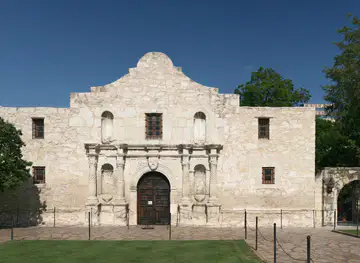
Discover the diverse landscapes, rich history, vibrant cities, and culinary delights of Texas, the Lone Star State, where adventure and culture await at every turn.
Explore Texas