

Golden Triangle, Texas Travel Guide
Discover the Golden Triangle in Texas: A blend of rich history, vibrant culture, and stunning natural beauty in Beaumont, Port Arthur, and Orange.
The Golden Triangle in Texas is a unique region that blends the charms of Southern hospitality with the energy of industrial growth. Nestled in the southeastern part of the state, this area comprises three major cities: Beaumont, Port Arthur, and Orange. Each of these cities offers its own distinct flavor, making the Golden Triangle a diverse and intriguing destination for tourists. Beaumont is the heart of the Golden Triangle and is known for its rich history and cultural heritage. Here, you can visit the Spindletop-Gladys City Boomtown Museum to learn about the oil boom that transformed Texas. Beaumont also boasts the stunning St. Anthony Cathedral Basilica and the enchanting Beaumont Botanical Gardens. Port Arthur, another gem in the Golden Triangle, is famous for its maritime heritage and beautiful waterfront. The Museum of the Gulf Coast is a must-visit, offering insights into the region's musical legends and historical events. Port Arthur's Sea Rim State Park provides a perfect getaway for nature lovers with its scenic beaches and wildlife. Orange, the third city in the Golden Triangle, is known for its vibrant arts scene and charming historic district. The Stark Museum of Art and the W.H. Stark House are key attractions, showcasing fine art and historical artifacts. Orange is also home to the Shangri La Botanical Gardens and Nature Center, a serene oasis that offers a peaceful retreat. Whether you're a history buff, a nature enthusiast, or an art lover, the Golden Triangle in Texas has something to offer. Its blend of culture, history, and natural beauty makes it an ideal destination for a memorable trip.

Know before you go
Hi, I'm Eve. Here are a few practical things to know before exploring Golden Triangle.
- Visit during the spring or fall for the best weather and to avoid the summer heat.
- Check local event calendars for festivals and cultural events happening in each of the three cities.
- Pack comfortable walking shoes to explore the botanical gardens and historic districts.
- Try local seafood dishes, especially in Port Arthur, known for its fresh Gulf Coast cuisine.
- Consider renting a car to easily travel between the three cities and explore the surrounding areas.
Explore Golden Triangle: Things to Do, Places to Eat, Hotels & More
Handpicked recommendations for top attractions, local dining, accommodations, and more

Top Attractions & Sightseeing in Golden Triangle
Top-rated picks
Best Attractions

Sea Rim State Park
Explore the stunning landscapes and diverse wildlife of Sea Rim State Park, a true gem along the Texas Gulf Coast perfect for outdoor adventures.

Big Thicket National Preserve
Discover the breathtaking landscapes and rich biodiversity at Big Thicket National Preserve, Texas's hidden gem for nature lovers and adventure seekers.

Tyrrell Park
Explore the serene landscapes of Tyrrell Park in Beaumont, TX, a beautiful city park perfect for relaxation, picnics, and nature walks.

Jumping World
Experience the ultimate fun at Jumping World in Beaumont, Texas - the exciting amusement center with trampolines, dodgeball, and family-friendly activities.

Best landmarks in Golden Triangle
Top-rated picks
Best Landmarks

The Alamo
Discover the rich history of The Alamo, a symbol of Texas independence and a must-see landmark for all visitors to San Antonio.

San Jacinto Battleground State Historic Site
Explore the San Jacinto Battleground State Historic Site and discover the rich history of Texas' fight for independence in this iconic landmark.

San Jacinto Museum
Discover Texas history at the San Jacinto Museum, home to the iconic San Jacinto Monument and engaging exhibits about the Battle of San Jacinto.

Port Isabel Lighthouse State Historic Site
Explore the historic Port Isabel Lighthouse, a key maritime landmark in Texas offering stunning views and a rich heritage narrative.

Best restaurants in Golden Triangle
Top-rated picks
Best Restaurants

Golden Corral Buffet & Grill
Discover endless choices at Golden Corral Buffet & Grill in Beaumont - where every meal feels like a celebration with family and friends!

McAdoo's Seafood Company
Experience the best of fresh seafood and Cajun cuisine at McAdoo's Seafood Company in New Braunfels, Texas.

The Magic Time Machine
Discover a whimsical dining adventure at The Magic Time Machine in Dallas – where fantasy meets family-friendly fun!

Barley & Board
Discover the vibrant flavors of New American cuisine at Barley & Board in Denton—where great food meets an inviting atmosphere.

Best bars in Golden Triangle
Top-rated picks
Best Bars
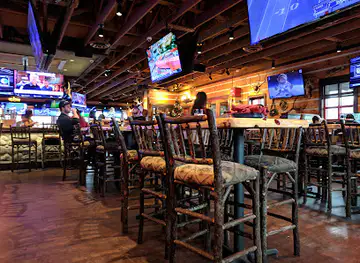
Twin Peaks
Experience the thrill of sports and savor delicious American cuisine at Twin Peaks, Beaumont's top sports bar destination.

JWilson's
Discover JWilson's in Beaumont, Texas - an American restaurant and bar offering delicious food, local craft beers, and a vibrant atmosphere for all.

Eddie's Tavern Beaumont
Discover the vibrant atmosphere of Eddie's Tavern in Beaumont, the ultimate destination for pool enthusiasts and sports fans seeking good food and great fun.

The Logon Cafe & Pub
Experience the heart of Beaumont at The Logon Cafe & Pub, where great food and live entertainment come together in a friendly atmosphere.

Best nightclubs in Golden Triangle
Top-rated picks
Best Nightclubs

Thirsty's
Discover Beaumont's vibrant nightlife at Thirsty's, a lively night club and cocktail bar offering delicious drinks and a welcoming atmosphere.

Temptations Cabaret
Dive into the vibrant nightlife of Beaumont at Temptations Cabaret, where thrilling performances and exceptional drinks await you.

SkyBar Lounge
Experience vibrant nightlife at SkyBar Lounge in Nederland, TX, with great drinks, live music, and stunning views.

Texas Rose Saloon
Discover the authentic charm of Texas nightlife at Texas Rose Saloon, where great drinks and live music create unforgettable memories.

Explore Golden Triangle on the Map
A handpicked selection of must-see spots in Golden Triangle, mapped for you.
Golden Triangle Essentials
-
The Golden Triangle in Texas is located in the southeastern part of the state, encompassing the cities of Beaumont, Port Arthur, and Orange. The nearest major airport is George Bush Intercontinental Airport (IAH) in Houston, approximately 90 miles west of Beaumont. From Houston, you can rent a car, take a bus, or hire a taxi to reach the Golden Triangle. There are also regional airports in Beaumont (Beaumont Municipal Airport) and Port Arthur (Jack Brooks Regional Airport) that offer limited commercial flights.
-
Within the Golden Triangle, you can get around using a variety of transportation options. Rental cars are readily available and provide the most convenience for exploring the region. Taxis and ride-sharing services such as Uber and Lyft operate in the area. Beaumont, Port Arthur, and Orange also have local bus services that connect key points of interest. For those who prefer cycling, there are bike rental services and dedicated bike lanes in some parts of the cities.
-
The official currency in the United States is the US Dollar (USD). Credit and debit cards are widely accepted in hotels, restaurants, and shops. ATMs are plentiful throughout the Golden Triangle, making it easy to withdraw cash if needed. It’s advisable to carry some cash for small purchases or in case you encounter establishments that do not accept cards.
-
The Golden Triangle is generally safe for tourists, but it's always wise to take standard precautions. Areas with higher crime rates include certain neighborhoods in Beaumont, such as the South End and Pear Orchard. Avoid walking alone at night in these areas and keep your belongings secure. Petty crimes like pickpocketing can occur, so stay vigilant in crowded places.
-
In case of an emergency, dial 911 for immediate assistance. The region has several hospitals, including Baptist Hospital in Beaumont and The Medical Center of Southeast Texas in Port Arthur. Pharmacies are available throughout the Golden Triangle for minor health issues. It's advisable to have travel insurance that covers medical emergencies.
-
Fashion: Do dress comfortably and according to the weather. Casual attire is generally acceptable. Religion: Do respect places of worship and dress modestly if visiting churches. Public Transport: Do have exact change for bus fares if not using a transit card. Don't be loud or disruptive on public transport. Greetings: Do greet people with a smile and a handshake. It's customary to say 'hello' or 'hi.' Eating & Drinking: Do try local cuisines, especially seafood. Don't forget to tip servers, typically 15-20% of the bill.
-
To experience the Golden Triangle like a local, visit the weekly farmers' markets for fresh produce and homemade goods. Engage with locals at community events and festivals, which often feature live music and regional cuisine. Don't miss out on the area's natural beauty; explore the Big Thicket National Preserve for hiking and birdwatching. For a unique dining experience, try the local seafood restaurants in Port Arthur.
When is the best time to visit Golden Triangle?
Useful Local Phrases for Golden Triangle
You don't need to speak the language perfectly. Even learning a few simple words can make conversations warmer—and locals usually appreciate the effort.
— Eve

Here are the phrases I use most often in Golden Triangle. Try a few—you'll be surprised how far they go! 😊
❤️
-
- HelloHowdy
[how-dee] - GoodbyeSee ya
[see ya] - YesYep
[yehp] - NoNope
[nohp] - Please/You're welcomePlease/No problem
[pleez/no prob-lum] - Thank youThanks
[thangs] - Excuse me/SorryExcuse me/Sorry
[ex-kyoos mee/saw-ree] - How are you?How ya doin'?
[how ya doin'] - Fine. And you?I'm good. How 'bout you?
[I'm good. how bout you?] - Do you speak English?Can ya speak English?
[can ya speak ing-glish?] - I don't understandI don’t get it
[I don't get it]
- HelloHowdy
-
- I'd like to see the menu, pleaseCan I see the menu, please?
[can I see the men-yoo, pleez?] - I don't eat meatI ain't eatin' meat
[I ain't eatin' meat] - Cheers!Cheers!
[cheers] - I would like to pay, pleaseCan I get the check, please?
[can I get the chek, pleez?]
- I'd like to see the menu, pleaseCan I see the menu, please?
-
- Help!Help!
[help] - Go away!Get lost!
[get lost] - Call the Police!Call the cops!
[call the cops] - Call a doctor!Get a doctor!
[get a doctor] - I'm lostI'm lost
[I'm lost] - I'm illI'm feeling sick
[I'm feelin' sick]
- Help!Help!
-
- I'd like to buy...I wanna buy...
[I wanna buy...] - I'm just lookingJust lookin'
[just lookin'] - How much is it?How much is this?
[how much is this?] - That's too expensiveThat's too pricey
[that's too pry-see] - Can you lower the price?Can ya drop the price?
[can ya drop the pryce?]
- I'd like to buy...I wanna buy...
-
- What time is it?What time is it?
[what time is it?] - It's one o'clockIt's one o'clock
[it's one o'clock] - Half past (10)Half past ten
[half past ten] - MorningMornin'
[mornin'] - AfternoonAfternoon
[afternoon] - EveningEvenin'
[evenin'] - YesterdayYesterday
[yesturday] - TodayToday
[today] - TomorrowTomorrow
[tomorrow] - 1One
[one] - 2Two
[two] - 3Three
[three] - 4Four
[four] - 5Five
[five] - 6Six
[six] - 7Seven
[seven] - 8Eight
[eight] - 9Nine
[nine] - 10Ten
[ten]
- What time is it?What time is it?
-
- Where's a/the...?Where's the...?
[where's the...?] - What's the address?What's the address?
[what's the ad-dress?] - Can you show me (on the map)?Can ya show me on the map?
[can ya show me on the map?] - When's the next (bus)?When's the next bus?
[when's the next bus?] - A ticket (to ....)A ticket to ...
[a tik-it to ...]
- Where's a/the...?Where's the...?
History of Golden Triangle
-
Long before European settlers arrived, the area now known as the Golden Triangle was inhabited by various Indigenous tribes, including the Atakapa-Ishak people. These tribes thrived on the rich natural resources of the region, engaging in hunting, fishing, and trading. Their presence laid the foundation for the complex cultural tapestry that would develop in the area.
-
In the 16th and 17th centuries, Spanish and French explorers ventured into the region, seeking new territories and trade routes. Notable explorers such as Álvar Núñez Cabeza de Vaca and René-Robert Cavelier, Sieur de La Salle, made significant contributions to the mapping and understanding of the Gulf Coast, including the Golden Triangle area. Their expeditions opened the region to European influence and subsequent settlement.
-
Beaumont, one of the key cities in the Golden Triangle, was founded in 1835 by Henry Millard, Joseph Pulsifer, and Thomas Byers Huling. Initially a small trading post, Beaumont's strategic location along the Neches River facilitated its growth into a bustling port town. The discovery of lumber and the establishment of sawmills further fueled its development, attracting settlers and entrepreneurs.
-
The Golden Triangle's most transformative event occurred on January 10, 1901, with the discovery of oil at Spindletop Hill near Beaumont. The Lucas Gusher erupted, producing an unprecedented flow of oil and marking the beginning of the Texas Oil Boom. This event not only revolutionized the local economy but also had far-reaching effects on the global oil industry, propelling Texas into a new era of prosperity.
-
During World War II, the Golden Triangle became a hub of industrial activity, with shipyards and refineries playing crucial roles in the war effort. The region's strategic importance and industrial capacity attracted workers from across the country, leading to a population boom and significant urban development. The post-war period saw continued growth in petrochemical industries, cementing the Golden Triangle's status as an industrial powerhouse.
-
The Golden Triangle, like many parts of the United States, experienced significant social and political change during the Civil Rights Movement. Activists and community leaders in cities like Beaumont, Port Arthur, and Orange worked tirelessly to address racial segregation and inequality. Notable events, such as the 1943 Beaumont race riot, highlighted the area's struggles and progress in the fight for civil rights.
-
The Golden Triangle has developed into a vibrant cultural melting pot, influenced by its diverse population and rich history. The area's cuisine, music, and festivals reflect a blend of Southern, Creole, and other cultural traditions. Notably, Port Arthur is the birthplace of Janis Joplin, a rock music icon whose legacy continues to draw visitors. The region's cultural diversity is celebrated through various local events and institutions, contributing to its unique identity.
Neighbouring Regions of Golden Triangle
The closest regions to Golden Triangle, if you have time for more than one.




Your all‑in‑one travel companion app
Explore expert travel guides, compare and book tours, experiences, hotels, and more—all from the palm of your hand. Download now for seamless trip planning wherever your wanderlust takes you.


Explore More of Texas
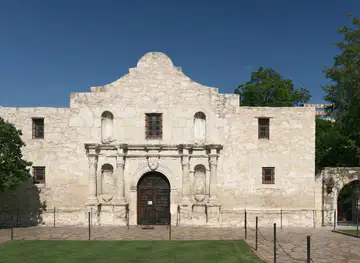
Looking beyond Golden Triangle? Discover Texas for broader travel guides, local hot-spots, and regional highlights.
Explore TexasGolden Triangle in Photos
Browse through our photo collection highlighting the charm and character of the destination.

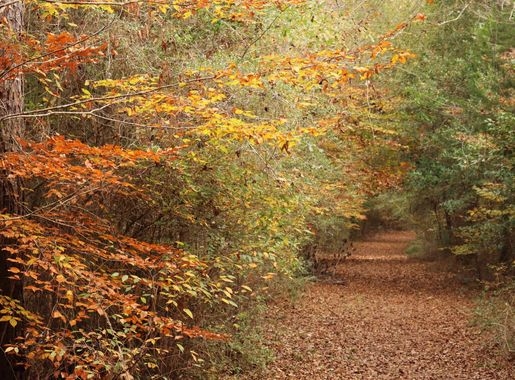





Exploring the Golden Triangle of Texas
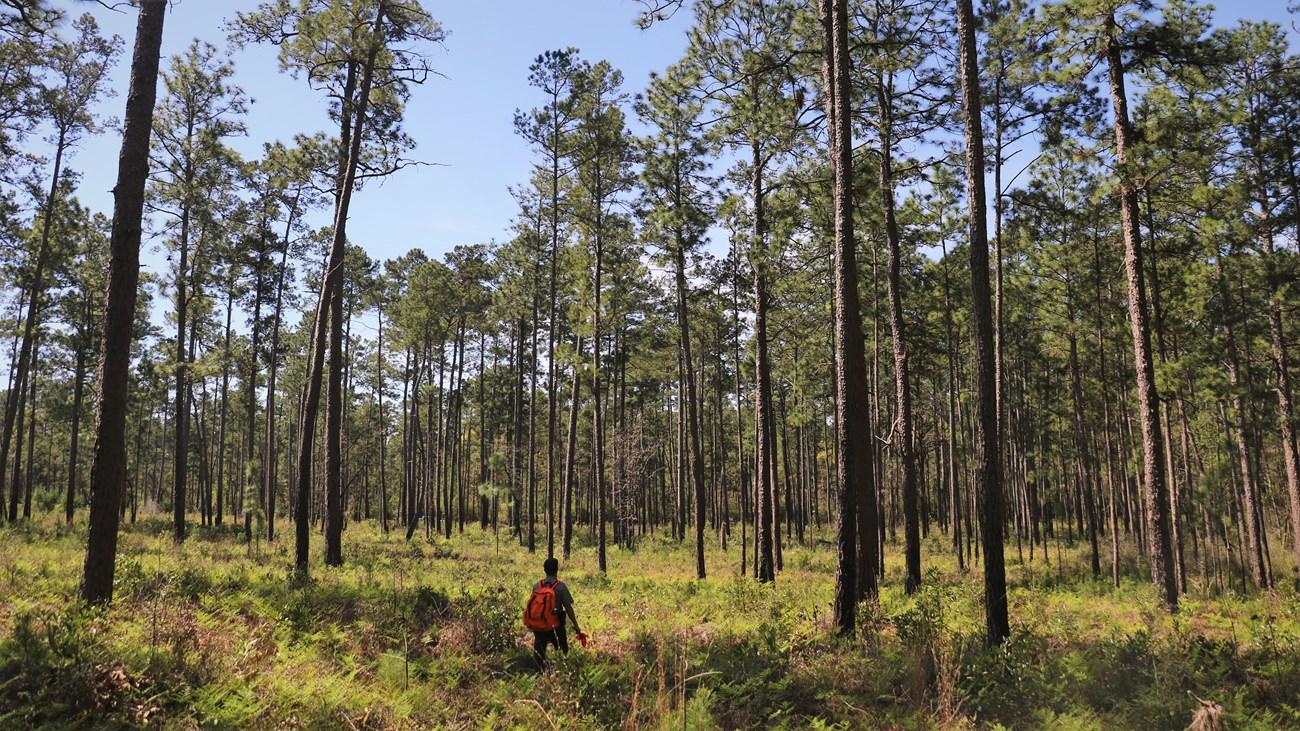
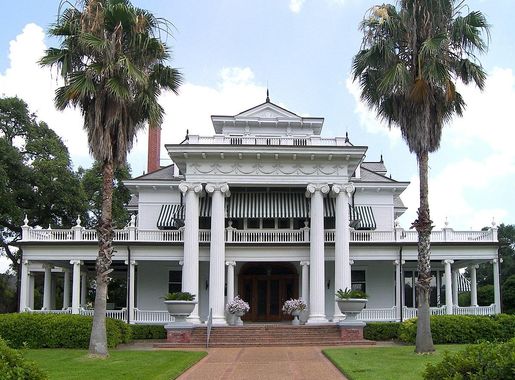
The Golden Triangle in Texas is a unique region that blends the charms of Southern hospitality with the energy of industrial growth. Nestled in the southeastern part of the state, this area comprises three major cities: Beaumont, Port Arthur, and Orange. Each of these cities offers its own distinct flavor, making the Golden Triangle a diverse and intriguing destination for tourists. Beaumont is the heart of the Golden Triangle and is known for its rich history and cultural heritage. Here, you can visit the Spindletop-Gladys City Boomtown Museum to learn about the oil boom that transformed Texas. Beaumont also boasts the stunning St. Anthony Cathedral Basilica and the enchanting Beaumont Botanical Gardens. Port Arthur, another gem in the Golden Triangle, is famous for its maritime heritage and beautiful waterfront. The Museum of the Gulf Coast is a must-visit, offering insights into the region's musical legends and historical events. Port Arthur's Sea Rim State Park provides a perfect getaway for nature lovers with its scenic beaches and wildlife. Orange, the third city in the Golden Triangle, is known for its vibrant arts scene and charming historic district. The Stark Museum of Art and the W.H. Stark House are key attractions, showcasing fine art and historical artifacts. Orange is also home to the Shangri La Botanical Gardens and Nature Center, a serene oasis that offers a peaceful retreat. Whether you're a history buff, a nature enthusiast, or an art lover, the Golden Triangle in Texas has something to offer. Its blend of culture, history, and natural beauty makes it an ideal destination for a memorable trip.