

Gulf Coast, Texas Travel Guide
Discover the Gulf Coast of Texas: a blend of stunning beaches, rich culture, and outdoor adventures along the beautiful coastline from Galveston to South Padre Island.
The Gulf Coast in Texas is a diverse and vibrant destination, offering visitors a mix of natural beauty, cultural richness, and recreational activities. Stretching from the Louisiana border to the Rio Grande, this coastline is home to beautiful beaches, charming towns, and bustling cities. Beach lovers will find plenty to enjoy along the Gulf Coast. Popular spots like Galveston Island and South Padre Island offer miles of sandy shores, perfect for sunbathing, swimming, and water sports. Nature enthusiasts can explore the coastal wetlands and wildlife refuges, where birdwatching and fishing are popular pastimes. The Gulf Coast is also rich in history and culture. In cities like Houston and Corpus Christi, visitors can explore museums, historic sites, and vibrant arts scenes. The area is known for its delicious seafood, with many restaurants serving fresh catches from the Gulf. Additionally, festivals and events throughout the year celebrate the unique heritage and traditions of the region. Whether you're looking for a relaxing beach getaway, an adventure in nature, or a cultural experience, the Gulf Coast of Texas has something to offer every traveler.

Know before you go
Hi, I'm Eve. Here are a few practical things to know before exploring Gulf Coast.
- Visit during the shoulder seasons (spring and fall) to avoid crowds and enjoy milder weather.
- Pack plenty of sunscreen and insect repellent for beach and outdoor activities.
- Explore local seafood markets for fresh catches and unique culinary experiences.
- Check out the ferry services for a scenic and convenient way to travel between coastal towns.
- Don't miss the annual festivals, such as the Texas SandFest in Port Aransas and the Shrimporee in Aransas Pass.
Top City Travel Guides in Gulf Coast
The cities of Gulf Coast, and the easiest places to base yourself.


Destinations in Gulf Coast
Resorts, valleys and scenic spots worth a trip of their own.

Explore Gulf Coast: Things to Do, Places to Eat, Hotels & More
Handpicked recommendations for top attractions, local dining, accommodations, and more

Top Attractions & Sightseeing in Gulf Coast
Top-rated picks
Best Attractions

Space Center Houston
Discover the universe at Space Center Houston, where science, history, and adventure come together for an unforgettable experience.

Houston Zoo
Immerse yourself in the vibrant wildlife at Houston Zoo, where adventure and education come alive for visitors of all ages.

Kemah Boardwalk
Kemah Boardwalk: Thrilling amusement rides, waterfront dining, and family-friendly fun await you at this vibrant Texas attraction.

Houston Museum of Natural Science
Explore the Houston Museum of Natural Science for an unforgettable journey through nature, history, and science in the heart of Texas.

Best landmarks in Gulf Coast
Top-rated picks
Best Landmarks

The Alamo
Discover the Alamo, a historic landmark in San Antonio, Texas, symbolizing the fight for independence and rich American heritage.

Space Center Houston
Discover the universe at Space Center Houston, where science and exploration come alive with interactive exhibits and inspiring astronaut encounters.

Fort Worth Stockyards
Explore the historic Fort Worth Stockyards, a lively cultural landmark showcasing Texas cowboy heritage, dining, shopping, and entertainment.

Selena Memorial Statue
Discover the Selena Memorial Statue in Corpus Christi - a heartfelt tribute to the Queen of Tejano Music surrounded by the beauty of the Gulf Coast.

Best restaurants in Gulf Coast
Top-rated picks
Best Restaurants
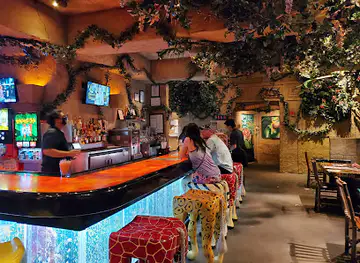
Rainforest Cafe
Experience dining like never before at Rainforest Cafe in Galveston - where American cuisine meets an enchanting jungle atmosphere.

Miller's Seawall Grill
Discover Miller's Seawall Grill in Galveston - where fresh seafood meets breathtaking Gulf views in a casual coastal setting.
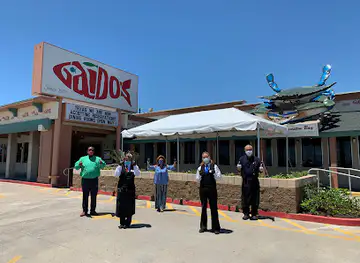
Gaido's
Experience exquisite seafood dining at Gaido's in Galveston - where every dish celebrates the flavors of the Gulf Coast.

Monument Inn
Experience the finest seafood and steak at Monument Inn in La Porte, Texas – where every dish is crafted with love and served with stunning waterfront views.

Best bars in Gulf Coast
Top-rated picks
Best Bars

The Spot
Discover The Spot in Galveston, where American flavors meet coastal charm and a delightful ice cream shop awaits!

Clayton's Beach Bar & Event Venue
Discover the ultimate beachside experience at Clayton's Beach Bar & Event Venue, where great food, drinks, and ocean views come together.

Tookie's Seafood
Experience the fresh flavors of the sea at Tookie's Seafood, where every meal is a celebration of coastal cuisine in Seabrook, Texas.

Topwater Grill
Experience the best seafood at Topwater Grill in San Leon, Texas, where stunning views and fresh catches create an unforgettable dining experience.

Best nightclubs in Gulf Coast
Top-rated picks
Best Nightclubs

Cabo Clear Lake
Discover Cabo Clear Lake: A Grill, Nightclub, and Event Venue Offering Scenic Views and Unforgettable Experiences in Seabrook, Texas.

Island Pier Club
Experience vibrant nightlife at Island Pier Club, a premier pub in Galveston, Texas, known for its cocktails, atmosphere, and entertainment.

Club Tropicana
Dive into the vibrant nightlife of Houston at Club Tropicana, where great music, refreshing cocktails, and unforgettable moments await.

South Beach Houston
Dive into the exhilarating nightlife at South Beach Houston, where dancing, great music, and vibrant energy create unforgettable nights.

Best shops in Gulf Coast
Top-rated picks
Best Shops

The Galleria
Explore The Galleria in Houston, a luxurious shopping destination with over 400 stores, fine dining, and stunning architecture.

River Oaks District
Experience luxury shopping, exquisite dining, and vibrant entertainment at the River Oaks District in Houston, Texas.

Bayou Place
Discover the vibrant shopping, dining, and entertainment experience at Bayou Place, Houston's cultural hub in the Theater District.

Ocean Treasures
Explore Ocean Treasures for unique souvenirs and local art that capture the spirit of Padre Island and your beachside getaway.

Explore Gulf Coast on the Map
A handpicked selection of must-see spots in Gulf Coast, mapped for you.
Gulf Coast Essentials
-
The Gulf Coast in Texas is accessible via several major airports, including George Bush Intercontinental Airport (IAH) in Houston, William P. Hobby Airport (HOU) in Houston, and Corpus Christi International Airport (CRP). From these airports, travelers can rent a car, take a taxi, or use ride-sharing services to reach their destinations along the Gulf Coast. Additionally, there are bus services such as Greyhound and Megabus that connect major cities in the region.
-
Transportation options along the Gulf Coast are abundant. Renting a car is the most convenient way to explore the area, as it provides flexibility to visit various attractions. Public transportation, including buses and light rail systems, is available in larger cities like Houston and Corpus Christi. Taxis and ride-sharing services like Uber and Lyft are also widely available. For shorter distances, biking and walking can be enjoyable ways to explore local neighborhoods and coastal areas.
-
The official currency of the United States is the US Dollar (USD). Credit and debit cards are widely accepted across the Gulf Coast, including in hotels, restaurants, and shops. ATMs are plentiful, and cash can be easily withdrawn. It is advisable to carry some cash for small purchases, especially in rural areas or at local markets where card payments may not be accepted.
-
The Gulf Coast in Texas is generally safe for tourists, but it is important to stay aware of your surroundings and take standard safety precautions. In larger cities like Houston, some neighborhoods have higher crime rates, such as certain areas in the Third Ward and parts of Southwest Houston. It is best to avoid these areas, especially at night. Always keep an eye on your belongings in crowded places and avoid displaying large amounts of cash or expensive items.
-
In case of emergency, dial 911 for immediate assistance. Emergency services, including police, fire, and medical services, are widely available throughout the Gulf Coast. It is recommended to have travel insurance that covers medical emergencies. For minor health issues, there are numerous pharmacies and urgent care centers where you can obtain over-the-counter medications and basic medical care.
-
Fashion: Do wear comfortable, weather-appropriate clothing. The Gulf Coast can be hot and humid, so lightweight, breathable fabrics are recommended. Avoid overly revealing clothing in conservative areas. Religion: Do respect local customs and traditions. When visiting religious sites, dress modestly and follow any specific guidelines provided. Public Transport: Do be courteous and respectful to fellow passengers. Avoid loud conversations and keep personal items close. Greetings: Do greet people with a friendly smile or a handshake. In more casual settings, a simple 'hello' or 'hi' is sufficient. Eating & Drinking: Do try local seafood and Tex-Mex cuisine, which are regional specialties. Don't forget to tip your servers, typically 15-20% of the bill.
-
To experience the Gulf Coast like a local, visit the numerous seafood shacks and local eateries along the coast. Engage with locals, who are often friendly and eager to share recommendations for hidden gems. Explore the natural beauty of the region by visiting state parks, wildlife refuges, and beaches. Don’t miss the chance to attend local festivals and events, which showcase the rich cultural heritage and vibrant community spirit of the area. Additionally, consider taking a boat tour or fishing trip to fully appreciate the coastal lifestyle.
When is the best time to visit Gulf Coast?
Useful Local Phrases for Gulf Coast
You don't need to speak the language perfectly. Even learning a few simple words can make conversations warmer—and locals usually appreciate the effort.
— Eve

Here are the phrases I use most often in Gulf Coast. Try a few—you'll be surprised how far they go! 😊
❤️
-
- HelloHowdy
[Hau-dee] - GoodbyeSee ya later
[See ya lay-ter] - YesYep
[Yep] - NoNope
[Nope] - Please/You're welcomePlease/No problem
[Please/No prob-lem] - Thank youThanks a lot
[Thanks a lot] - Excuse me/SorryExcuse me/Sorry 'bout that
[Ex-cuze me/Sorry 'bout that] - How are you?How ya doin'?
[How ya doin'?] - Fine. And you?I'm good. And you?
[I'm good. An' you?] - Do you speak English?You speak English?
[You speak English?] - I don't understandI don't get it
[I don't get it]
- HelloHowdy
-
- I'd like to see the menu, pleaseCan I see the menu, please?
[Can I see the menu, please?] - I don't eat meatI don’t eat meat
[I don’t eat meat] - Cheers!Cheers!
[Cheers!] - I would like to pay, pleaseCan I get the check, please?
[Can I get the check, please?]
- I'd like to see the menu, pleaseCan I see the menu, please?
-
- Help!Help!
[Help!] - Go away!Leave me alone!
[Leave me alone!] - Call the Police!Call the cops!
[Call the cops!] - Call a doctor!Get a doctor!
[Get a doctor!] - I'm lostI'm lost
[I'm lost] - I'm illI'm not feeling well
[I'm not feelin' well]
- Help!Help!
-
- I'd like to buy...I wanna buy...
[I wanna buy...] - I'm just lookingJust lookin'
[Just lookin'] - How much is it?How much is this?
[How much is this?] - That's too expensiveThat's a bit pricey
[That's a bit pricey] - Can you lower the price?Can you bring the price down?
[Can you bring the price down?]
- I'd like to buy...I wanna buy...
-
- What time is it?What time is it?
[What time is it?] - It's one o'clockIt's one o'clock
[It's one o'clock] - Half past (10)Half past ten
[Half past ten] - MorningMornin'
[Mornin'] - AfternoonAfternoon
[Afternoon] - EveningEvenin'
[Evenin'] - YesterdayYesterday
[Yesterday] - TodayToday
[Today] - TomorrowTomorrow
[Tomorrow] - 1One
[One] - 2Two
[Two] - 3Three
[Three] - 4Four
[Four] - 5Five
[Five] - 6Six
[Six] - 7Seven
[Seven] - 8Eight
[Eight] - 9Nine
[Nine] - 10Ten
[Ten]
- What time is it?What time is it?
-
- Where's a/the...?Where’s the...?
[Where’s the...?] - What's the address?What’s the address?
[What’s the address?] - Can you show me (on the map)?Can you show me on the map?
[Can you show me on the map?] - When's the next (bus)?When’s the next bus?
[When’s the next bus?] - A ticket (to ....)A ticket to...
[A ticket to...]
- Where's a/the...?Where’s the...?
History of Gulf Coast
-
Long before European settlers arrived, the Gulf Coast of Texas was inhabited by various Native American tribes, including the Karankawa, Coahuiltecan, and Atakapa. These tribes thrived on the abundant resources offered by the coastal environment, practicing fishing, hunting, and gathering. Archaeological evidence reveals their sophisticated use of tools and their extensive trade networks.
-
In the early 16th century, Spanish explorers such as Alonso Álvarez de Pineda and Álvar Núñez Cabeza de Vaca began mapping and exploring the Gulf Coast. Their expeditions led to the establishment of several Spanish missions and settlements, including La Bahía (present-day Goliad) and Espíritu Santo. These missions aimed to convert Native Americans to Christianity and integrate them into colonial society.
-
During the American Civil War, the Gulf Coast was a strategic location for both the Union and Confederate forces. One of the most significant events was the Battle of Galveston on January 1, 1863. Confederate forces, led by Major General John B. Magruder, successfully recaptured Galveston from Union troops in a daring assault. This victory ensured Confederate control of the crucial port for the remainder of the war.
-
The deadliest natural disaster in U.S. history struck the Gulf Coast on September 8, 1900. The city of Galveston was devastated by a massive hurricane, known as the Great Storm of 1900, which claimed the lives of an estimated 6,000 to 12,000 people. The destruction led to significant changes in engineering and disaster preparedness, including the construction of the Galveston Seawall to protect against future storms.
-
On April 16, 1947, a catastrophic industrial accident occurred in Texas City, one of the deadliest in American history. A French cargo ship carrying ammonium nitrate exploded, causing a chain reaction of fires and explosions that decimated the port and surrounding areas. The disaster resulted in nearly 600 deaths and thousands of injuries, leading to widespread changes in industrial safety practices and regulations.
-
The discovery of oil at Spindletop in 1901, near Beaumont, marked a turning point for the Gulf Coast and the entire state of Texas. Spindletop's gusher signaled the start of the Texas oil boom, transforming the region into a major center of the petroleum industry. Cities like Houston and Corpus Christi grew rapidly as refineries, pipelines, and shipping facilities were constructed to support the burgeoning oil economy.
-
The Gulf Coast's rich cultural tapestry is the result of centuries of diverse influences. Spanish, Mexican, African American, and European immigrants have all left their mark on the region's cuisine, music, and traditions. Festivals like Galveston's Mardi Gras and Houston's International Festival celebrate this multicultural heritage, showcasing the vibrant and dynamic spirit of the Gulf Coast.
Neighbouring Regions of Gulf Coast
The closest regions to Gulf Coast, if you have time for more than one.




Your all‑in‑one travel companion app
Explore expert travel guides, compare and book tours, experiences, hotels, and more—all from the palm of your hand. Download now for seamless trip planning wherever your wanderlust takes you.


Explore More of Texas
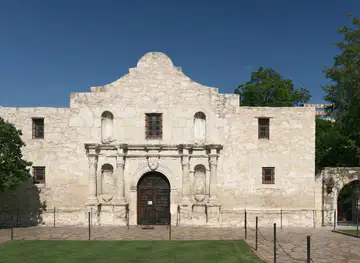
Looking beyond Gulf Coast? Discover Texas for broader travel guides, local hot-spots, and regional highlights.
Explore TexasGulf Coast in Photos
Browse through our photo collection highlighting the charm and character of the destination.


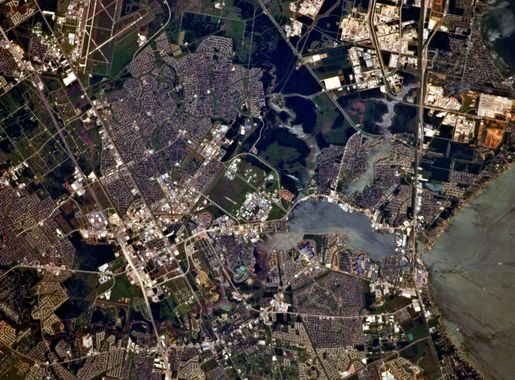


Exploring the Gulf Coast: Texas' Coastal Gem
The Gulf Coast in Texas is a diverse and vibrant destination, offering visitors a mix of natural beauty, cultural richness, and recreational activities. Stretching from the Louisiana border to the Rio Grande, this coastline is home to beautiful beaches, charming towns, and bustling cities. Beach lovers will find plenty to enjoy along the Gulf Coast. Popular spots like Galveston Island and South Padre Island offer miles of sandy shores, perfect for sunbathing, swimming, and water sports. Nature enthusiasts can explore the coastal wetlands and wildlife refuges, where birdwatching and fishing are popular pastimes. The Gulf Coast is also rich in history and culture. In cities like Houston and Corpus Christi, visitors can explore museums, historic sites, and vibrant arts scenes. The area is known for its delicious seafood, with many restaurants serving fresh catches from the Gulf. Additionally, festivals and events throughout the year celebrate the unique heritage and traditions of the region. Whether you're looking for a relaxing beach getaway, an adventure in nature, or a cultural experience, the Gulf Coast of Texas has something to offer every traveler.