

Free East Texas Travel Guide & Mobile App
Explore East Texas with free travel guides. Discover regional history, expert tips, proposed trips, and audio guides on web or mobile app.


Explore East Texas for pine forests, historic towns, cypress wetlands, lakes, rail heritage and welcoming Southern-influenced food traditions.
Read more about East Texas
Getting to and around East Texas
How to get there
Transportation
Top city travel guides in East Texas
The cities of East Texas, and the easiest places to base yourself.
-

-
-

-

-

-


Swipe for more cities
Best attractions in East Texas
East Texas offers a varied attraction landscape shaped by forest, water and layered settlement. Caddo Lake, near the Louisiana border, is the region's defining wetland attraction, with cypress-lined waterways suited to guided canoe or kayak trips and wildlife observation. Big Thicket National Preserve in the southeast protects an unusual meeting of several ecological zones, while Tyler State Park, Daingerfield State Park, Mission Tejas State Park and Martin Creek Lake State Park provide hiking, camping, swimming and woodland scenery. Large reservoirs, including Sam Rayburn and Toledo Bend, are important for fishing and boating. In the towns, visitors can explore Nacogdoches history, Jefferson's riverport heritage, Palestine's Victorian streets and Kilgore's oil story. The Texas State Railroad connects Palestine and Rusk on a heritage railway journey through wooded countryside, subject to its operating calendar. Museums, arboretums, gardens, small zoos and local cultural centres add variety, particularly around Tyler, Longview, Lufkin and Nacogdoches. The region's appeal lies less in a single flagship monument than in the contrast between working towns, quiet forests, historic roads, wetlands and broad inland waters.
-
Tourist attraction
Kemah Boardwalk
Discover the excitement of Kemah Boardwalk, a vibrant destination with thrilling rides, waterfront dining, and year-round entertainment on the Texas coast.
-
Art museum
Kimbell Art Museum
Explore the Kimbell Art Museum, a premier art destination in Fort Worth, showcasing timeless masterpieces and exquisite architecture in a tranquil setting.
-
State park
Tyler State Park
Experience the natural beauty and outdoor adventures at Tyler State Park in East Texas, a perfect retreat for nature lovers and adventure seekers.
-
Wildlife and safari park
Fossil Rim Wildlife Center
Discover the beauty of wildlife at Fossil Rim Wildlife Center, a conservation-focused safari park in Glen Rose, Texas, perfect for families and nature enthusiasts alike.


Best landmarks in East Texas
Caddo Lake's bald-cypress wetlands are East Texas's most recognisable natural landmark, creating a distinctive landscape of dark water, tangled roots and Spanish moss near the Louisiana border. In Nacogdoches, the Old Stone Fort site and historic streets recall the town's strategic position on early routes through the region, while Mission Tejas State Park preserves the setting associated with one of Spain's earliest East Texas missions. The courthouse squares and Victorian commercial buildings of Marshall, Jefferson and Palestine express the importance of nineteenth-century trade, railways and civic government. Kilgore's preserved derrick, known as the World's Richest Acre, symbolises the 1930 East Texas oil boom and the concentration of wells that transformed the town. The forests and waterways of Big Thicket National Preserve form a landmark on a regional scale, emphasising the ecological diversity of southeastern East Texas. Large reservoirs such as Sam Rayburn and Toledo Bend are also defining geographical features, their wooded shores and open water shaping recreation, settlement and local livelihoods.
-
Historical landmark
Fort Worth Stockyards
Discover the vibrant cowboy culture and rich history at the Fort Worth Stockyards, a premier destination for authentic Texas experiences.
-
Historical place
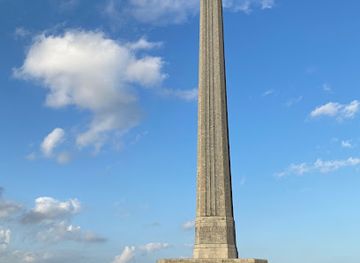
San Jacinto Battleground State Historic Site
Discover the rich history of Texas at the San Jacinto Battleground State Historic Site, home to the iconic monument and the site of a decisive battle for independence.
-
Historical landmark
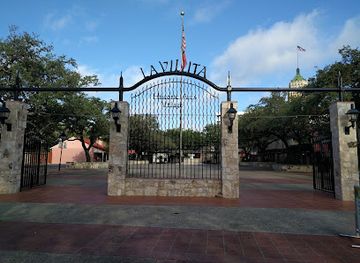
La Villita Historic Village
Discover the rich history and vibrant culture at La Villita Historic Village, San Antonio's charming cultural hub filled with art, dining, and beautiful architecture.
-
Historical landmark
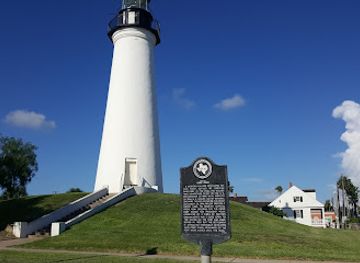
Port Isabel Lighthouse State Historic Site
Discover the historical charm and stunning vistas at the Port Isabel Lighthouse, a captivating landmark on Texas' Gulf Coast.

Explore East Texas on the map
Plan your trip on one map. See where the top cities, national parks and sights are, and book hotels and experiences in a few clicks.
Best hotels in East Texas
Best restaurants in East Texas
East Texas dining reflects the region's Southern, agricultural and working-town traditions. Barbecue, particularly smoked beef and pork, is a major part of the food culture, while fried catfish, chicken-fried steak, tamales, biscuits, pies and seasonal vegetables appear in many local restaurants and cafés. The region's lakes and rivers support freshwater fishing traditions, although menus vary by season and establishment. Tyler's surrounding agricultural identity is associated with roses, peaches and other produce, while farmers' markets across the region offer fruit, vegetables, preserves, baked goods and locally made specialities when in season. Nacogdoches, Longview, Lufkin, Palestine and Tyler provide the broadest choice of diners, independent cafés, barbecue restaurants and contemporary dining, while rural roads lead to family-run eateries and traditional country cooking. In smaller communities, opening days and hours can be limited, so checking ahead is sensible. Local breweries, coffee shops and bakeries increasingly complement the older restaurant traditions without displacing the region's emphasis on generous, informal meals.
-
Barbecue
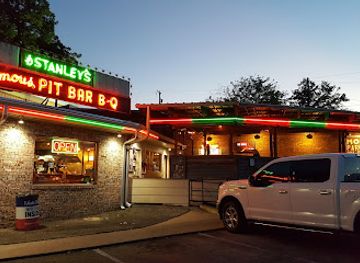
Stanley's Famous Pit Barbecue
Experience authentic Texas barbecue at Stanley's Famous Pit Barbecue with mouthwatering smoked meats and live music in Tyler.
-
Restaurant
Cured
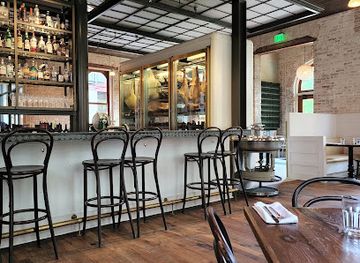
Discover the exquisite taste of artisanal charcuterie at Cured in San Antonio's historic Pearl Brewery.
-
Steak
Lytle Land & Cattle Company
Discover the authentic taste of Texas at Lytle Land & Cattle Company - where every steak tells a story.
-
Steak
Perini Ranch Steakhouse
Discover authentic Texan flavors at Perini Ranch Steakhouse – where every bite tells a story amidst scenic beauty.

Best bars in East Texas
East Texas nightlife is generally relaxed and town-centred rather than dominated by large club districts. Tyler, Longview, Lufkin and Nacogdoches have the widest selection of pubs, bars, breweries, live-music venues and late-opening restaurants, with Nacogdoches gaining additional evening activity from its university population. Historic downtowns in places such as Jefferson, Palestine and Marshall are better suited to laid-back evenings in restaurants, traditional bars or restored inns than to intensive nightlife. Local music may include country, blues, rock and regional performers, with schedules varying by venue and season. Around the lakes, evening life is often connected to waterfront dining, fishing communities and seasonal events rather than nightclubs. Visitors should not assume that rural venues operate late or every night, and designated drivers are particularly important where accommodation and entertainment are separated by long stretches of road.
-
Bar
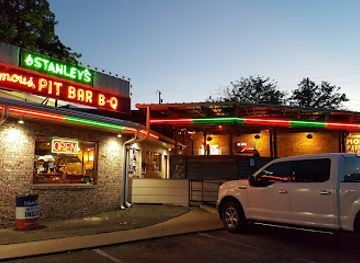
Stanley's Famous Pit Barbecue
Experience mouthwatering barbecue and vibrant live music at Stanley's Famous Pit Barbecue in Tyler, Texas—perfect for food and music lovers!
-
Bar
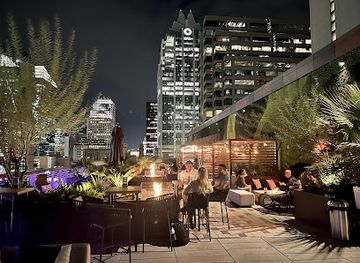
Edge Rooftop
Discover Edge Rooftop: Austin's premier bar and lounge offering stunning skyline views and exquisite cocktails in a vibrant atmosphere.
-
Restaurant
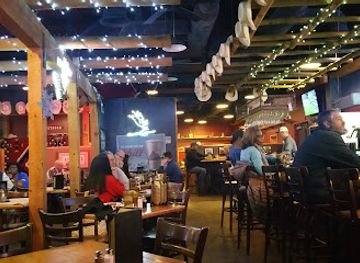
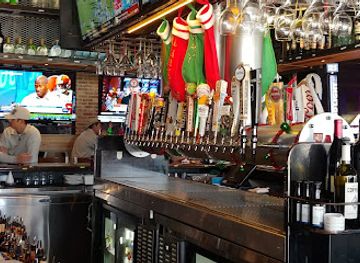
Walk-On's Sports Bistreaux - Tyler Restaurant
Discover the ultimate dining and sports experience at Walk-On's Sports Bistreaux in Tyler, where great food meets your favorite games.
-
Steak
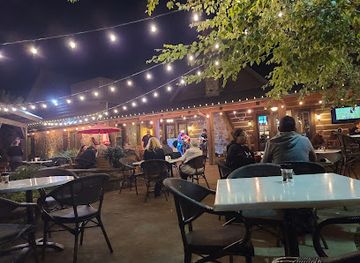
Texas Music City Grill & Smokehouse Tyler
Discover the flavors of Texas at Texas Music City Grill & Smokehouse, where exceptional steaks and barbecue meet a welcoming atmosphere.
Best nightclubs in East Texas
East Texas nightlife is generally relaxed and town-centred rather than dominated by large club districts. Tyler, Longview, Lufkin and Nacogdoches have the widest selection of pubs, bars, breweries, live-music venues and late-opening restaurants, with Nacogdoches gaining additional evening activity from its university population. Historic downtowns in places such as Jefferson, Palestine and Marshall are better suited to laid-back evenings in restaurants, traditional bars or restored inns than to intensive nightlife. Local music may include country, blues, rock and regional performers, with schedules varying by venue and season. Around the lakes, evening life is often connected to waterfront dining, fishing communities and seasonal events rather than nightclubs. Visitors should not assume that rural venues operate late or every night, and designated drivers are particularly important where accommodation and entertainment are separated by long stretches of road.
-
Adult entertainment club
ViSiONS Gentlemen's Club & Inverted Art Gallery
Experience the vibrant nightlife at ViSiONS Gentlemen's Club & Inverted Art Gallery, where adult entertainment meets artistic expression in Tyler, Texas.
-
Bar
The Brass Star Club
Discover the vibrant nightlife of Tyler, TX, at The Brass Star Club, where great drinks, live music, and a welcoming atmosphere await.
-
Bar
Club 155
Discover the ultimate nightlife experience at Club 155, Flint's premier bar and nightclub, perfect for unforgettable nights out in Texas.
-
Bar
Country River Club
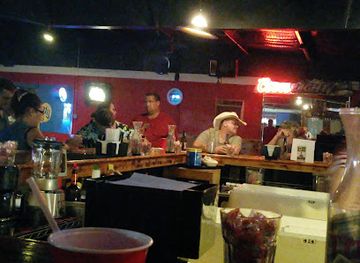
Discover the lively Country River Club in Tyler, TX, a perfect fusion of great music, delicious tacos, and vibrant nightlife.



Best shops in East Texas
Shopping in East Texas is centred on historic downtowns, regional retail hubs, farmers' markets and practical small-town high streets rather than a single major shopping district. Tyler and Longview provide the broadest range of national retailers, independent boutiques, antiques and everyday services, while Nacogdoches, Palestine, Jefferson and Marshall are better known for walkable older commercial areas, books, gifts, galleries, furniture and antiques. Local markets offer seasonal produce, preserves, baked goods, honey, handmade crafts and other regional products, although market days and locations vary. Visitors may find pottery, woodwork, paintings, quilts and Texas-themed goods in independent shops and galleries, with the selection reflecting the area's rural landscapes and timber heritage. Food makes a useful souvenir: locally produced jams, sauces, honey, coffee and packaged barbecue seasonings travel more easily than fresh produce. Rural stores can close early or operate only on selected days, so combining shopping with a planned town visit is more reliable than expecting continuous retail along country roads.
-
Shopping mall
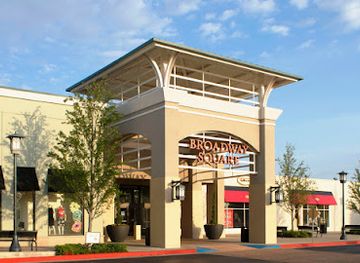
Broadway Square
Experience the best of shopping and dining at Broadway Square in Tyler, Texas, where variety meets vibrancy.
-
Shopping mall
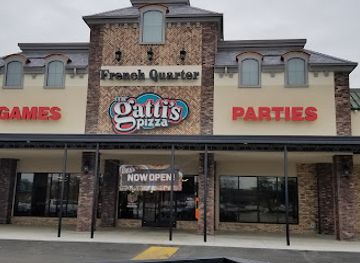
French Quarter Shopping Center
Discover unique shops and delightful dining at the French Quarter Shopping Center in Tyler, Texas, a perfect stop for every traveler.
-
Shopping mall
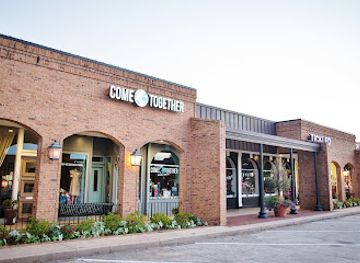
Bergfeld Center
Experience the best shopping in Tyler, Texas at Bergfeld Center, featuring unique boutiques, dining options, and seasonal events in a charming setting.
-
Shopping mall
Highland Village
Discover Highland Village in Tyler, Texas: a shopping mall bursting with stores, eateries, and vibrant experiences for every traveler.
Get your free copy of our complete guide to East Texas, delivered straight to you.
Everything on this page, from attractions and restaurants to essentials and local phrases, in one PDF you can read offline, print or share.
Already have an account? Sign in
Your East Texas guide is ready.
We'll send it to · Not you? Sign out

Getting your guide ready…
We are putting together a fresh copy of the East Texas guide. This can take up to a minute.
This can take a few moments. If your browser asks, choose Allow so the download can start. You'll find the guide in your Downloads folder.
Nothing happened? Download it again
Sorry, the guide is taking longer than usual. Please try again in a minute, or get it by email instead.
East Texas essentials
Currency and Payment
Safety
Emergency Situations
Do's and Don'ts
Local Tips
From Eve
Local phrases worth knowing
You don't need to get them perfect. A few words go a long way, and locals appreciate the effort.
Basics
| English | Local | Say it |
|---|---|---|
| Hello | Howdy | [haʊdi] |
| Goodbye | See ya later | [si jə ˈleɪtər] |
| Yes | Yep | [jɛp] |
| No | Nah | [nɑ] |
| Please/You're welcome | No problem | [noʊ ˈprɑbləm] |
| Thank you | Thanks a bunch | [θæŋks ə bʌntʃ] |
| Excuse me/Sorry | Pardon me | [ˈpɑrdən mi] |
| How are you? | How ya doin'? | [haʊ jə ˈduɪn] |
| Fine. And you? | I’m doin’ good. And you? | [aɪm ˈduɪn ɡʊd. ənd jə] |
| Do you speak English? | You speakin' English? | [jʊ ˈspiːkɪn ˈɪŋɡlɪʃ] |
| I don't understand | I ain't followin’ | [aɪ eɪnt ˈfɑloʊɪn] |
Eating & Drinking
| English | Local | Say it |
|---|---|---|
| I'd like to see the menu, please | Can I see the menu, please? | [kæn aɪ si ðə ˈmɛnju ˈpliz] |
| I don't eat meat | I don’t eat no meat | [aɪ doʊnt iːt noʊ miːt] |
| Cheers! | Cheers! | [ʧɪrz] |
| I would like to pay, please | I wanna pay, please | [aɪ ˈwɑnə peɪ ˈpliz] |
Emergencies
| English | Local | Say it |
|---|---|---|
| Help! | Help! | [hɛlp] |
| Go away! | Get outta here! | [ɡɛt ˈɔtə hɪr] |
| Call the Police! | Call the cops! | [kɔl ðə kɑps] |
| Call a doctor! | Call a doc! | [kɔl ə dɑk] |
| I'm lost | I’m lost | [aɪm lɔst] |
| I'm ill | I’m feelin’ bad | [aɪm ˈfiːlɪn bæd] |
Shopping
| English | Local | Say it |
|---|---|---|
| I'd like to buy... | I wanna buy... | [aɪ ˈwɑnə baɪ] |
| I'm just looking | Just lookin’ | [dʒʌst ˈlʊkɪn] |
| How much is it? | How much that cost? | [haʊ mʌʧ ðæt kɔst] |
| That's too expensive | That's way too high | [ðæts weɪ tu haɪ] |
| Can you lower the price? | Can ya bring the price down? | [kæn jə brɪŋ ðə praɪs daʊn] |
Time & Numbers
| English | Local | Say it |
|---|---|---|
| What time is it? | What time is it? | [wʌt taɪm ɪt] |
| It's one o'clock | It's one o'clock | [ɪts wʌn əˈklɑk] |
| Half past (10) | Half past ten | [hæf pæst tɛn] |
| Morning | Mornin’ | [ˈmɔrnɪn] |
| Afternoon | Afternoon | [ˌæftərˈnun] |
| Evening | Evenin’ | [ˈivnɪn] |
| Yesterday | Yesterday | [ˈjɛstərdeɪ] |
| Today | Today | [təˈdeɪ] |
| Tomorrow | Tomorrow | [təˈmɔroʊ] |
| 1 | One | [wʌn] |
| 2 | Two | [tu] |
| 3 | Three | [θri] |
| 4 | Four | [fɔr] |
| 5 | Five | [faɪv] |
| 6 | Six | [sɪks] |
| 7 | Seven | [ˈsɛvən] |
| 8 | Eight | [eɪt] |
| 9 | Nine | [naɪn] |
| 10 | Ten | [tɛn] |
Transport & Directions
| English | Local | Say it |
|---|---|---|
| Where's a/the...? | Where's the...? | [wɛrz ðə] |
| What's the address? | What's the address? | [wʌts ði əˈdrɛs] |
| Can you show me (on the map)? | Can ya show me (on the map)? | [kæn jə ʃoʊ mi (ɑn ðə mæp)] |
| When's the next (bus)? | When's the next (bus)? | [wɛnʔs ðə nɛkst (bʌs)] |
| A ticket (to ....) | A ticket (to ....) | [ə ˈtɪkɪt (tu ....)] |
History of East Texas
Caddo Peoples and the Early Landscape
The Caddo peoples developed complex communities across parts of present-day East Texas and the wider Red River and Piney Woods region long before European colonisation. Agriculture, hunting, trade and ceremonial life were organised around settlements connected by established routes. Caddo archaeological sites, including mound and village remains elsewhere in the broader Caddo homeland, demonstrate the sophistication of these societies. Their descendants remain an important part of the cultural history of Texas, Louisiana, Arkansas and Oklahoma. Understanding East Texas begins with this Indigenous history rather than with later Spanish, Anglo-American or commercial development.
Spanish Missions and Nacogdoches
During the eighteenth century, Spain established missions and military outposts in East Texas to strengthen its claim against French influence and to engage with Indigenous communities. The mission San Francisco de los Tejas, established in 1690 near present-day Mission Tejas State Park, was one of the earliest Spanish missions in the province. Later settlements around Nacogdoches became especially important because of their position near routes linking Texas with Louisiana. Although the missions were not permanently successful, Spanish mapping, diplomacy and settlement left a lasting mark on the region's place names and historic narratives.
The Republic of Texas and the Old San Antonio Road
East Texas occupied a strategic position during the transition from Mexican rule to the Republic of Texas in the 1830s. Nacogdoches and other communities lay along the Old San Antonio Road, an important east-west route connecting the settled areas of Texas with Louisiana. The route supported movement, trade and migration, while the region's forests and waterways shaped the location of farms and settlements. During the Republic and early statehood periods, communities developed around land grants, river crossings, county government and commercial exchange, creating many of the town patterns still visible today.
Cotton, River Trade and the Railways
In the nineteenth century, cotton agriculture and enslaved labour shaped East Texas society and the regional economy, particularly in areas with more open farmland. Rivers and local roads supported movement before railways became dominant. The arrival of rail connections transformed towns such as Palestine, Longview and Marshall into important points for shipping timber, cotton and agricultural goods. Railways also encouraged migration and urban growth, linked East Texas to national markets and helped establish the region's enduring relationship with freight and passenger rail heritage.
Timber and the Piney Woods Economy
Commercial logging expanded rapidly from the late nineteenth century into the twentieth century as railways made the Piney Woods more accessible and sawmills could supply distant markets. Vast stands of pine were harvested for lumber, paper and other products, bringing employment but also heavy environmental pressure. Forest management, replanting and the development of modern timber industries later changed the appearance and economy of the region. The continuing presence of sawmills, forest roads, working woodlands and forestry research reflects an industry that remains central to East Texas identity.
The East Texas Oil Field, 1930
The discovery of the East Texas Oil Field near Kilgore in 1930 triggered one of the largest oil booms in United States history. Drilling spread across several counties, bringing workers, investment and rapid population growth during the difficult years of the Great Depression. Towns such as Kilgore and Longview were reshaped by the arrival of oil money, industrial infrastructure and new social pressures. The boom also led to conservation measures, including state regulation of production. Oil derricks, museums and preserved wells remain visible reminders of this defining transformation.
Civil Rights, Education and Modern East Texas
East Texas communities took part in the wider twentieth-century struggles over segregation, voting rights and equal access to education. Institutions such as Stephen F. Austin State University in Nacogdoches and Historically Black colleges and universities elsewhere in the region contributed to changing educational and civic life. Desegregation unfolded unevenly, and local histories include both resistance and grassroots activism. Since the later twentieth century, East Texas has balanced its traditional forestry, agriculture and oil economies with healthcare, education, logistics, tourism and outdoor recreation.
East Texas in Photos
Browse through our photo collection highlighting the charm and character of the destination.
Neighbouring regions of East Texas
The closest regions to East Texas, if you have time for more than one.
-

-
-

-

-


Swipe for more regions
Explore more
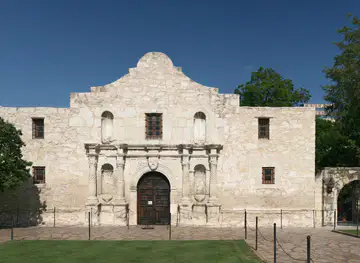
Explore more of Texas
Discover the diverse landscapes, rich history, vibrant cities, and culinary delights of Texas, the Lone Star State, where adventure and culture await at every turn.
Explore Texas