

Free Piney Woods Travel Guide & Mobile App
Explore Piney Woods with free travel guides. Discover regional history, expert tips, proposed trips, and audio guides on web or mobile app.


Explore Texas's Piney Woods for cypress wetlands, forest trails, historic towns, lakes, barbecue and East Texas heritage across a spacious landscape.
Read more about Piney Woods
Getting to and around Piney Woods
How to get there
Transportation
Top city travel guides in Piney Woods
The cities of Piney Woods, and the easiest places to base yourself.
-

-

-

-

-

-


Swipe for more cities
Best attractions in Piney Woods
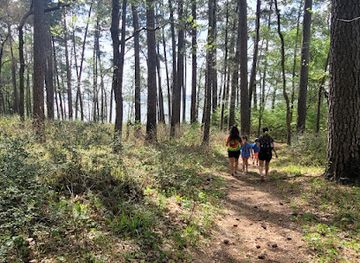
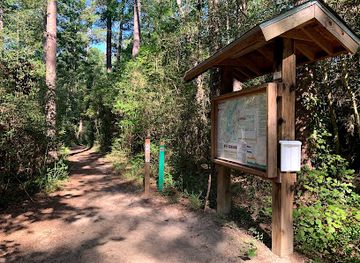
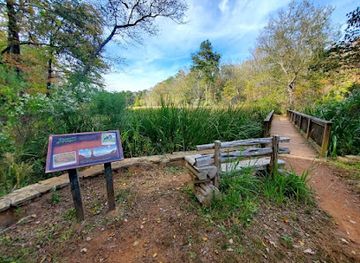
The Piney Woods offer a varied attraction landscape built around forests, water and East Texas history. Caddo Lake State Park is the region's most distinctive natural setting, with cypress wetlands, paddling routes and wildlife-rich waterways, while Angelina, Sabine and Davy Crockett national forests provide hiking, camping, fishing and quiet roads through managed woodland. Tyler State Park, Daingerfield State Park and Martin Creek Lake State Park add accessible lake recreation, trails and picnic areas. History is prominent in Nacogdoches, Jefferson and San Augustine, where museums, historic houses and preserved town centres explain the region's Indigenous, Spanish, frontier, commercial and railway past. The Caddo Mounds State Historic Site presents important archaeological heritage, and Nacogdoches's Old Stone Fort State Historic Site interprets an early trading-post landscape. Tyler's public gardens and rose-related heritage provide a cultivated contrast to the wilder forest, while Kilgore's oil history and the Texas Country Music Hall of Fame in Carthage reflect the region's industrial and cultural life. Across the area, the most rewarding experiences often involve combining a small-town visit with a lake, woodland trail, scenic drive or locally interpreted historic site.
-
State park
Caddo Lake State Park
Experience the serene beauty of Caddo Lake State Park, a hidden gem in East Texas known for its enchanting cypress swamps and abundant outdoor activities.
-
Jefferson General Store
Experience the charm of Jefferson General Store, a quaint shop in Texas offering vintage goods and delicious ice cream in a welcoming atmosphere.
-
Tourist attraction
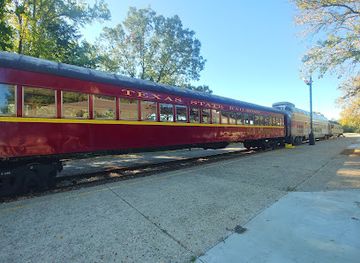
Texas State Railroad Palestine Depot
Discover the rich heritage of Texas railroading at the Texas State Railroad Palestine Depot, where history comes alive through scenic train rides and engaging exhibits.
-
Nature preserve
Big Thicket National Preserve
Explore the stunning biodiversity and serene landscapes of Big Thicket National Preserve, a must-visit nature destination in Texas.
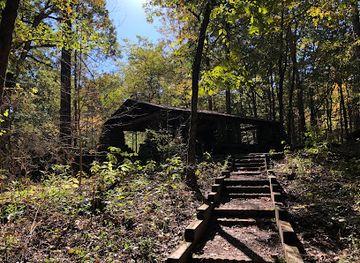
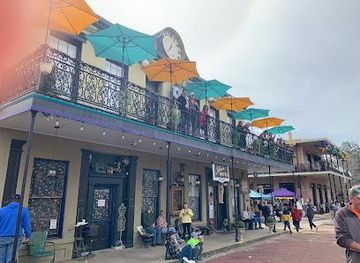
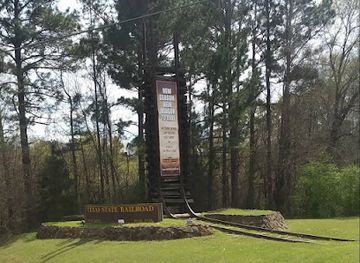
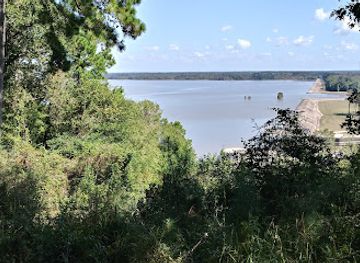
Best landmarks in Piney Woods
Caddo Lake is the Piney Woods' most recognisable natural landmark, its bald cypress trees and interconnected waterways creating a landscape strongly associated with north-eastern Texas. The Old Stone Fort at Nacogdoches, reconstructed on the site of an early trading post, represents the town's importance as a frontier crossroads, while the Sterne-Hoya House Museum offers a more intimate view of nineteenth-century Nacogdoches. In Jefferson, the historic commercial streets and houses recall the era when Big Cypress Bayou connected the town to regional river trade. Caddo Mounds near Alto marks a much older ceremonial and settlement landscape created by Caddo peoples. Mission Tejas State Park near Weches preserves the setting associated with one of the earliest Spanish missions in the area and reflects the borderland history of East Texas. Around Tyler, the Azalea District and rose-growing landscape provide a civic and horticultural landmark rather than a single monument. Further west, Kilgore's oil derrick displays and preserved downtown fabric evoke the East Texas Oil Field, whose 1930 discovery changed the region's economy and appearance.
-
National forest
Sam Houston National Forest
Discover the lush landscapes and outdoor adventures waiting for you at Sam Houston National Forest, a true gem in East Texas for nature lovers and outdoor enthusiasts.
-
State park
Huntsville State Park
Explore Huntsville State Park, a serene oasis in Texas featuring lush landscapes, tranquil lakes, and endless outdoor adventures for nature lovers.
-
State park
Tyler State Park
Discover the stunning landscapes and recreational activities at Tyler State Park, a picturesque escape in East Texas for nature lovers and adventure seekers.
-
State park
Lake Livingston State Park
Explore Lake Livingston State Park, a stunning Texas retreat with endless outdoor activities, beautiful landscapes, and family-friendly amenities for all.
Explore Piney Woods on the map
Plan your trip on one map. See where the top cities, national parks and sights are, and book hotels and experiences in a few clicks.
Best hotels in Piney Woods
Best restaurants in Piney Woods
Piney Woods dining is firmly rooted in East Texas foodways, with smokehouse barbecue, catfish, chicken-fried dishes, burgers, biscuits, pies and seasonal vegetables common in cafés, family restaurants and rural eateries. Beef and pork barbecue are especially associated with the region's small-town food culture, while freshwater fish and fried catfish appear frequently on menus near lakes and river country. Peaches and other orchard produce are important in parts of East Texas, and farmers' markets provide seasonal fruit, vegetables, honey, baked goods and preserves when operating. Tyler, Longview, Nacogdoches, Lufkin, Marshall and Texarkana offer the widest choice, including Mexican, southern American and contemporary dining alongside traditional restaurants. Historic Jefferson and Nacogdoches add cafés and restaurants in older buildings, while roadside stops can be useful between forest destinations. Portions, service customs and tipping follow wider US practice; menus and opening arrangements are more varied in rural areas, so planning meals around larger towns is sensible.
-
Barbecue
Woodshed Smokehouse
Experience mouthwatering barbecue and live music at Woodshed Smokehouse in Fort Worth, Texas - where flavor meets fun!
-
Seafood
Pier 6
Discover Pier 6: A premier seafood destination in San Leon offering fresh flavors and stunning waterfront views.
-
Seafood
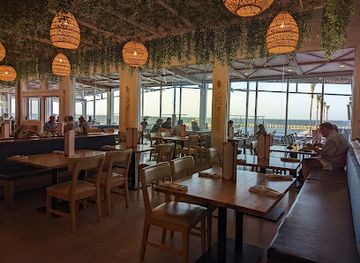
Sea Ranch Restaurant
Experience exquisite seafood dining with breathtaking Gulf views at Sea Ranch Restaurant on South Padre Island.
-
New American
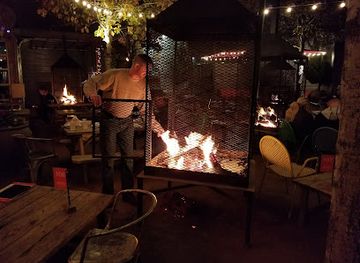
Fielding’s Wood Grill
Experience the best of New American cuisine at Fielding’s Wood Grill in Shenandoah – where flavor meets comfort in every bite.

Best bars in Piney Woods
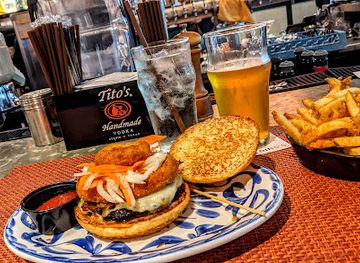
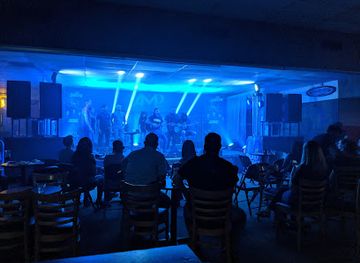
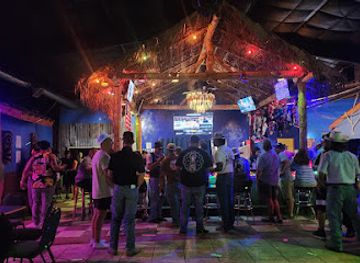
Evening life in the Piney Woods is concentrated in larger towns rather than spread through the forests. Tyler, Longview, Nacogdoches, Lufkin and Texarkana provide the broadest selection of bars, breweries, restaurants with evening service, live-music rooms and occasional dance venues, with Nacogdoches also reflecting its university population. In smaller communities such as Jefferson, Marshall and Carthage, the evening scene is more likely to centre on traditional pubs, restaurants, historic inns, community events and local music than on dedicated nightclubs. Country, blues, gospel and regional live music form part of the wider East Texas cultural landscape, although specific venues and programmes change. Lakeside and rural areas become quiet after dark, and seasonal festivals may provide more evening activity than a normal weekday. Visitors should check current arrangements, arrange a sober driver for rural journeys and avoid treating alcohol as the main measure of local nightlife.
-
Grill
Ironwood Grill
Experience the best of Texarkana dining at Ironwood Grill, where delicious grilled dishes and a welcoming atmosphere await.
-
Grill
Auntie Skinner's Riverboat Club
Discover the vibrant atmosphere and delicious grill offerings at Auntie Skinner's Riverboat Club in Jefferson, Texas, a must-visit dining destination.
-
American
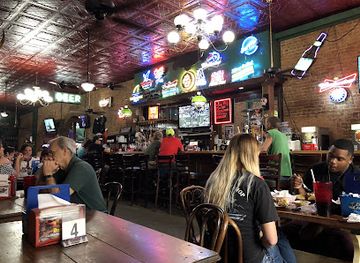
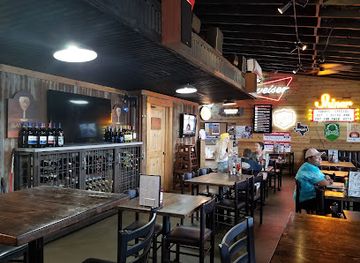
Maklemore's Ale-House & Bistro
Discover the flavors of America at Maklemore's Ale-House & Bistro, where craft beer meets culinary excellence in a lively atmosphere.
-
Seafood
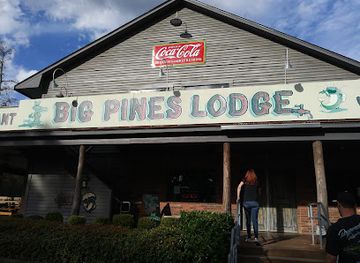
Big Pines Lodge
Experience the best seafood dining at Big Pines Lodge in Karnack, Texas, where taste meets tranquility in every bite.
Best nightclubs in Piney Woods
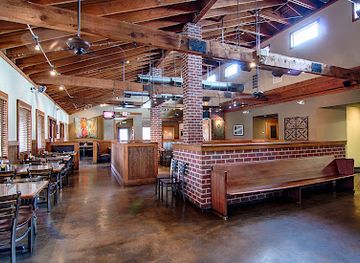
Evening life in the Piney Woods is concentrated in larger towns rather than spread through the forests. Tyler, Longview, Nacogdoches, Lufkin and Texarkana provide the broadest selection of bars, breweries, restaurants with evening service, live-music rooms and occasional dance venues, with Nacogdoches also reflecting its university population. In smaller communities such as Jefferson, Marshall and Carthage, the evening scene is more likely to centre on traditional pubs, restaurants, historic inns, community events and local music than on dedicated nightclubs. Country, blues, gospel and regional live music form part of the wider East Texas cultural landscape, although specific venues and programmes change. Lakeside and rural areas become quiet after dark, and seasonal festivals may provide more evening activity than a normal weekday. Visitors should check current arrangements, arrange a sober driver for rural journeys and avoid treating alcohol as the main measure of local nightlife.
-
Night club
It'll Do Club
Discover the electrifying atmosphere of It'll Do Club, Dallas's top nightlife destination for unforgettable nights filled with music, dancing, and fun.
-
Night club
Tequilas Night Club
Discover the vibrant nightlife at Tequilas Night Club in Abilene, Texas - where music, dance, and cocktails create unforgettable memories.
-
Bar
Texas Beach Club
Discover the vibrant nightlife at Texas Beach Club, a must-visit bar and restaurant in Greenville, TX, known for its lively atmosphere and delicious drinks.
-
Night club
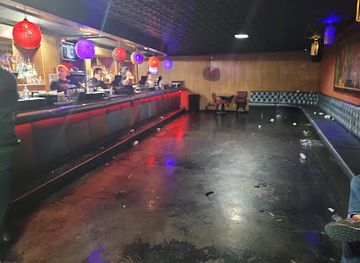
Outlaw Country
Discover the vibrant nightlife at Outlaw Country, Palestine's premier night club and bar offering great music and a lively atmosphere.

Best shops in Piney Woods
Shopping in the Piney Woods is centred on the main streets, retail districts and markets of Tyler, Longview, Nacogdoches, Lufkin, Marshall, Jefferson and Texarkana. Tyler has the region's broadest urban retail choice and is a useful place to find gifts connected with roses, gardens and East Texas produce. Nacogdoches and Jefferson are better suited to browsing independent shops, antiques, books, galleries and small craft retailers in historic settings, while smaller market towns offer practical local shopping rather than extensive destination retail. Farmers' markets and seasonal stands may provide peaches, preserves, honey, baked goods, vegetables and other products from East Texas growers, although schedules vary by town and season. Visitors looking for souvenirs can consider locally made pottery, woodwork, artwork, regional cookbooks and music-related items, as well as packaged barbecue or orchard products where available. Rural roadside outlets are intermittent, so buy fuel and basic provisions in larger communities before heading into national forests or lake country.
-
General store
Jefferson General Store
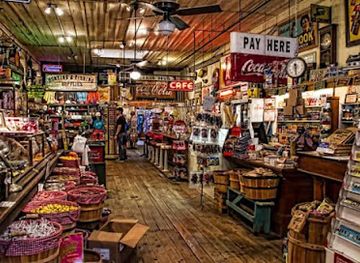
Explore the Jefferson General Store - a charming general store and ice cream shop in the heart of historic Jefferson, Texas.
-
State park
Daingerfield State Park
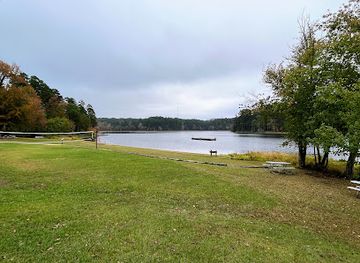
Explore Daingerfield State Park: A Natural Retreat in East Texas with Scenic Trails, Fishing, and Family Fun.
-
Tourist attraction
Texas State Railroad Palestine Depot
Explore the historic Texas State Railroad Palestine Depot, where the charm of vintage rail travel meets Texas history in a scenic and interactive setting.
-
Train depot
Texas State Railroad - Rusk Depot
Experience the charm of the Texas State Railroad - Rusk Depot, where history meets adventure in the scenic Piney Woods of East Texas.
Get your free copy of our complete guide to Piney Woods, delivered straight to you.
Everything on this page, from attractions and restaurants to essentials and local phrases, in one PDF you can read offline, print or share.
Already have an account? Sign in
Your Piney Woods guide is ready.
We'll send it to · Not you? Sign out

Getting your guide ready…
We are putting together a fresh copy of the Piney Woods guide. This can take up to a minute.
This can take a few moments. If your browser asks, choose Allow so the download can start. You'll find the guide in your Downloads folder.
Nothing happened? Download it again
Sorry, the guide is taking longer than usual. Please try again in a minute, or get it by email instead.
Piney Woods essentials
Currency and Payment
Safety
Emergency Situations
Do's and Don'ts
Local Tips
From Eve
Local phrases worth knowing
You don't need to get them perfect. A few words go a long way, and locals appreciate the effort.
Basics
| English | Local | Say it |
|---|---|---|
| Hello | Howdy | [Hao-dee] |
| Goodbye | See y’all later | [See yawl lay-ter] |
| Yes | Yep | [Yep] |
| No | Nah | [Nah] |
| Please/You're welcome | Please / No problem | [Pleez / No prob-lum] |
| Thank you | Thank ya | [Thang ya] |
| Excuse me/Sorry | Excuse me / My bad | [Ex-cuse me / My bad] |
| How are you? | How ya doin’? | [How ya doin'?] |
| Fine. And you? | I’m good. And you? | [I'm good. An' you?] |
| Do you speak English? | Do ya speak English? | [Do ya speak English?] |
| I don't understand | I don’t get it | [I don’t get it] |
Eating & Drinking
| English | Local | Say it |
|---|---|---|
| I'd like to see the menu, please | Can I see the menu, please? | [Can I see the men-you, pleez?] |
| I don't eat meat | I ain't eatin' meat | [I ain't eatin' meet] |
| Cheers! | Cheers! | [Cheers!] |
| I would like to pay, please | I’d like to settle up, please | [I’d like to set-tle up, pleez] |
Emergencies
| English | Local | Say it |
|---|---|---|
| Help! | Help! | [Help!] |
| Go away! | Get outta here! | [Get outta here!] |
| Call the Police! | Call the cops! | [Call the cops!] |
| Call a doctor! | Call a doc! | [Call a doc!] |
| I'm lost | I’m lost | [I’m lost] |
| I'm ill | I ain't feelin' good | [I ain't feelin' good] |
Shopping
| English | Local | Say it |
|---|---|---|
| I'd like to buy... | I wanna buy... | [I wanna buy...] |
| I'm just looking | I’m just lookin’ | [I'm just lookin'] |
| How much is it? | How much is this? | [How much is this?] |
| That's too expensive | That’s way too high | [That’s way too high] |
| Can you lower the price? | Can ya bring down the price? | [Can ya bring down the price?] |
Time & Numbers
| English | Local | Say it |
|---|---|---|
| What time is it? | What time is it? | [What time is it?] |
| It's one o'clock | It's one o'clock | [It's one o'clock] |
| Half past (10) | Half past ten | [Half past ten] |
| Morning | Mornin’ | [Mornin'] |
| Afternoon | Afternoon | [Afternoon] |
| Evening | Evenin’ | [Evenin'] |
| Yesterday | Yesterday | [Yesterday] |
| Today | Today | [Today] |
| Tomorrow | Tomorrow | [Tomorrow] |
| 1 | One | [One] |
| 2 | Two | [Two] |
| 3 | Three | [Three] |
| 4 | Four | [Four] |
| 5 | Five | [Five] |
| 6 | Six | [Six] |
| 7 | Seven | [Seven] |
| 8 | Eight | [Eight] |
| 9 | Nine | [Nine] |
| 10 | Ten | [Ten] |
Transport & Directions
| English | Local | Say it |
|---|---|---|
| Where's a/the...? | Where's a...? | [Where's a...?] |
| What's the address? | What's the address? | [What's the address?] |
| Can you show me (on the map)? | Can ya show me on the map? | [Can ya show me on the map?] |
| When's the next (bus)? | When's the next bus? | [When's the next bus?] |
| A ticket (to ....) | A ticket to... | [A ticket to...] |
History of Piney Woods
Caddo Civilisations Before European Settlement
The Piney Woods formed part of the homeland of Caddo peoples, whose communities developed settled agricultural societies, traded across the Red River and its tributaries, and built large ceremonial and residential centres. Caddo Mounds, south of Alto, preserves the remains of an important site with earthen mounds, a village area and a ceremonial centre. Its archaeological evidence provides a perspective on the region that predates Spanish exploration and later American settlement by many centuries. Visitors should understand these places as cultural landscapes connected to living Caddo heritage, not simply as abandoned ruins.
Spanish Missions and Nacogdoches, Eighteenth Century
Spanish authorities sought to strengthen their position in eastern Texas through missions and settlements near established Indigenous trade routes. The short-lived Mission Nuestra Señora de los Dolores de los Ais, near present-day San Augustine, reflected these efforts, while Nacogdoches became a significant Spanish settlement and later a frontier community. Its position near the Louisiana boundary made it a meeting point for Spanish, French, Anglo-American and Indigenous interests. The town's historic buildings and street plan still express the layered borderland history of the Piney Woods.
Frontier Independence and Early Settlement
During the early nineteenth century, East Texas became a contested frontier as Spanish rule gave way to Mexican authority, the Texas Revolution and the formation of the Republic of Texas. Nacogdoches was closely involved in the political and military uncertainty of the period, while settlers, traders and Indigenous nations negotiated rapidly changing power structures. The region's forests and rivers made movement possible but also created a dispersed settlement pattern. Historic homes, public squares and surviving road corridors help explain how frontier towns developed after Texas joined the United States in 1845.
River Ports, Cotton and Railways
Before rail connections transformed transport, the Big Cypress Bayou linked Jefferson with Caddo Lake and the Red River system, allowing the town to become an important inland port during the nineteenth century. Cotton, agricultural produce and manufactured goods moved through the community, whose prosperity is reflected in its historic commercial buildings and houses. Railways later redirected trade and reduced the importance of river navigation, but they connected many Piney Woods towns to wider Texan and national markets. The contrast between Jefferson's port heritage and later railway towns remains visible across the region.
Timber, Sawmills and Industrial East Texas
From the late nineteenth century into the twentieth, commercial timber harvesting and sawmilling reshaped the Piney Woods. Railways enabled lumber companies to reach increasingly remote forests, and sawmill towns expanded around mills, depots and company infrastructure. The industry provided employment and helped establish the modern economies of several East Texas communities, while intensive cutting altered the original forest. Reforestation, public forest management and changing industries later modified the landscape again. National forests, local museums and surviving industrial traces offer context for this major economic transformation.
The East Texas Oil Boom
The discovery of the giant East Texas Oil Field in 1930, centred around Kilgore, Henderson, Joinerville and nearby communities, brought one of the most dramatic economic changes in the region's history. Drilling, roughnecks, pipelines, roads and new businesses rapidly altered towns already shaped by timber and agriculture. The boom also contributed to the growth of Longview and other nearby centres, although oil-field boundaries do not correspond exactly with the whole Piney Woods. Museums, historic oil derricks and preserved downtown districts commemorate the period and its lasting influence on East Texas identity.
Conservation and the Modern Piney Woods
Twentieth-century conservation efforts created a more managed relationship with the region's forests, rivers and wetlands. Angelina, Sabine and Davy Crockett national forests, together with state parks and protected areas around Caddo Lake, preserve habitats while supporting recreation, forestry and wildlife management. Modern Piney Woods communities also maintain historic districts, museums, gardens and cultural institutions alongside timber, education, healthcare and manufacturing. The contemporary region therefore combines working forests and farms with outdoor tourism, heritage preservation and growing appreciation of its distinctive ecological character.
Piney Woods in Photos
Browse through our photo collection highlighting the charm and character of the destination.
Neighbouring regions of Piney Woods
The closest regions to Piney Woods, if you have time for more than one.
-

-

-

-

-


Swipe for more regions
Explore more
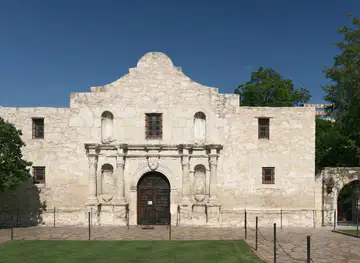
Explore more of Texas
Discover the diverse landscapes, rich history, vibrant cities, and culinary delights of Texas, the Lone Star State, where adventure and culture await at every turn.
Explore Texas