

Blackland Prairie, Texas Travel Guide
Discover the serene landscapes and rich history of Blackland Prairie, a unique Texas grassland teeming with native flora and fauna.
The Blackland Prairie in Texas is a vast expanse of rolling grasslands that stretches across the eastern part of the state. This unique ecosystem is a haven for native plants and wildlife, offering a serene escape from the bustle of city life. Visitors can explore the prairie through various hiking trails that meander through the landscape, providing stunning views of wildflowers and tall grasses swaying in the gentle breeze. The Blackland Prairie is also rich in history. It was once home to Native American tribes and later became a key agricultural area for early settlers. Today, it stands as a testament to Texas' natural heritage, with conservation efforts in place to preserve its beauty for future generations. Birdwatchers will find this destination particularly appealing, as it hosts a variety of bird species throughout the year. For those interested in more than just sightseeing, the prairie offers educational programs and guided tours that delve into its ecological significance and historical background. Whether you're a nature enthusiast, a history buff, or simply looking for a peaceful retreat, the Blackland Prairie provides a unique experience that captures the essence of Texas' natural landscapes.

Know before you go
Hi, I'm Eve. Here are a few practical things to know before exploring Blackland Prairie.
- Visit during spring or fall for the best weather and vibrant wildflowers.
- Wear sturdy hiking shoes and bring plenty of water for exploring the trails.
- Check for guided tours to gain deeper insights into the prairie’s ecology and history.
- Birdwatchers should bring binoculars for spotting a variety of bird species.
- Respect the natural environment by staying on designated trails and not disturbing wildlife.
Top City Travel Guides in Blackland Prairie
The cities of Blackland Prairie, and the easiest places to base yourself.


Destinations in Blackland Prairie
Resorts, valleys and scenic spots worth a trip of their own.


Explore Blackland Prairie: Things to Do, Places to Eat, Hotels & More
Handpicked recommendations for top attractions, local dining, accommodations, and more

Top Attractions & Sightseeing in Blackland Prairie
Top-rated picks
Best Attractions

Enchanted Rock State Natural Area
Experience the breathtaking beauty and outdoor adventures of Enchanted Rock State Natural Area, a top destination for nature lovers in Texas.

Longhorn Cavern State Park
Experience the breathtaking beauty of Longhorn Cavern State Park, a unique blend of stunning geological formations and outdoor adventure in Texas.

Dinosaur Valley State Park
Explore Dinosaur Valley State Park in Glen Rose, Texas, where ancient dinosaur tracks and stunning landscapes await outdoor enthusiasts and history lovers.

Cherokee Trace Drive-Thru Safari
Experience the thrill of wildlife encounters at Cherokee Trace Drive-Thru Safari, where adventure meets education in a stunning natural setting.

Best landmarks in Blackland Prairie
Top-rated picks
Best Landmarks

Washington-on-the-Brazos State Historic Site
Explore the birthplace of Texas independence at Washington-on-the-Brazos State Historic Site, where history comes alive amidst stunning natural beauty.

Charles and Mary Ann Goodnight Ranch State Historic Site
Uncover the fascinating history of Texas ranching at the Charles and Mary Ann Goodnight Ranch State Historic Site, where the legacy of the West comes alive.

Blackland Ranch
Explore the enchanting Blackland Ranch: A unique blend of event venue, farmstay, and serene nature escape in Commerce, Texas.

Blackland Prairie Park
Explore the natural beauty and serenity of Blackland Prairie Park, a must-visit urban oasis in Arlington, Texas, perfect for families and nature lovers.

Best restaurants in Blackland Prairie
Top-rated picks
Best Restaurants

Ida Claire
Discover Ida Claire: A unique Southern restaurant in Dallas serving creative comfort food and delightful drinks in a charming atmosphere.

The Ranch at Las Colinas
Experience the authentic taste of Southwestern American cuisine at The Ranch at Las Colinas in Irving, Texas.

Whiskey Cake Kitchen & Bar
Discover the flavors of New American cuisine at Whiskey Cake Kitchen & Bar in Oak Ridge North - where farm-fresh meets artisanal craft.

Jupiter
Experience innovative American cuisine at Jupiter in Sugar Land - where creative dishes meet a welcoming atmosphere.

Best bars in Blackland Prairie
Top-rated picks
Best Bars

Twin Peaks
Discover the ultimate sports bar experience at Twin Peaks, where American cuisine meets a lively atmosphere, perfect for sports fans and foodies alike.
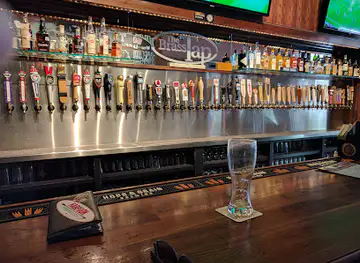
The Brass Tap
Experience the best of craft beers and delicious bites at The Brass Tap, Round Rock's premier bar destination.

Crazee Crab
Discover the vibrant flavors of Louisiana at Crazee Crab, Grand Prairie's premier seafood restaurant featuring delicious crab dishes and a lively bar atmosphere.

Cork & Barrel Craft Kitchen + Microbrewery
Discover Cork & Barrel Craft Kitchen + Microbrewery, where culinary creativity meets craft brewing in Round Rock, Texas.

Best nightclubs in Blackland Prairie
Top-rated picks
Best Nightclubs

Whiskey River West
Experience the vibrant nightlife at Whiskey River West, a premier night club and bar in Richmond, Texas, where music and fun await all night long.

Club Fuego
Experience vibrant nightlife at Club Fuego in Harker Heights, Texas - the ultimate bar and night club destination for unforgettable evenings.

Eden Club DFW Night Club
Discover the electrifying nightlife of Eden Club DFW, a top-rated night club in Euless, Texas, offering music, dance, and unforgettable entertainment.

Pardners Nightclub Largest Dancehall
Experience the vibrant nightlife at Pardners Nightclub, the largest dancehall in Buchanan Dam, Texas, where live music and dancing await!


Explore Blackland Prairie on the Map
A handpicked selection of must-see spots in Blackland Prairie, mapped for you.
Blackland Prairie Essentials
-
Blackland Prairie is an expansive region in Texas, stretching from the Red River in the north to San Antonio in the south. The nearest major airports are Dallas/Fort Worth International Airport (DFW) and Austin-Bergstrom International Airport (AUS). From these airports, you can rent a car or use intercity bus services to reach various towns within the Blackland Prairie region.
-
Public transportation options within the Blackland Prairie region are limited, so renting a car is highly recommended for exploring. Major highways such as I-35 and US-75 provide convenient routes through the area. Local taxi services and ride-sharing apps like Uber and Lyft are available in larger towns. For a more scenic experience, consider cycling or hiking along designated trails.
-
The official currency is the US Dollar (USD). Credit and debit cards are widely accepted in most establishments. ATMs are available in larger towns, but it is advisable to carry some cash for use in smaller towns and rural areas where card payments may not be accepted. Traveler's checks are generally not recommended.
-
The Blackland Prairie region is generally safe for tourists. However, it is always advisable to take standard precautions. Avoid walking alone at night in unfamiliar areas and keep an eye on your belongings, especially in crowded places. There are no specific high-crime areas targeting tourists, but always stay vigilant and aware of your surroundings.
-
In case of emergency, dial 911 for immediate assistance. There are local police stations and medical facilities in larger towns throughout the Blackland Prairie region. It is recommended to have travel insurance that covers medical emergencies. Pharmacies are available in most towns for over-the-counter medications.
-
Fashion: Do dress comfortably and appropriately for outdoor activities. Lightweight, breathable clothing is recommended in summer. Avoid overly revealing clothing. Religion: Do respect local customs and traditions. Many communities are religious, so be mindful when discussing sensitive topics. Public Transport: Do be courteous to drivers and other passengers. Don't expect extensive public transport options; plan for car travel. Greetings: Do greet people with a friendly 'hello' or 'howdy.' Handshakes are common. Eating & Drinking: Do try local cuisine, such as barbecue and Tex-Mex. Don't forget to tip service staff, typically 15-20% of the bill.
-
To experience Blackland Prairie like a local, visit farmers' markets and local diners where you can enjoy regional dishes and produce. Engage with locals, who are often friendly and willing to share stories about the area's history and culture. Don't miss the opportunity to explore natural reserves and parks, such as the Fort Worth Nature Center and Refuge. For a unique experience, attend local festivals and rodeos, which offer a glimpse into the region's cultural heritage.
When is the best time to visit Blackland Prairie?
Useful Local Phrases for Blackland Prairie
You don't need to speak the language perfectly. Even learning a few simple words can make conversations warmer—and locals usually appreciate the effort.
— Eve

Here are the phrases I use most often in Blackland Prairie. Try a few—you'll be surprised how far they go! 😊
❤️
-
- HelloHowdy
[hau-dee] - GoodbyeSee ya later
[see yah lay-ter] - YesYep
[yep] - NoNah
[nah] - Please/You're welcomePlease / No problem
[pleez / noh prob-lem] - Thank youThanks a lot
[thanks uh lot] - Excuse me/SorryExcuse me / My bad
[eks-kyoos mee / my bad] - How are you?How ya doin'?
[how yah doin'?] - Fine. And you?I’m good. How ‘bout you?
[I'm good. how bowt you?] - Do you speak English?Ya speakin' English?
[yah speekin' ing-glish?] - I don't understandI ain't followin'
[I ain't fol-lin']
- HelloHowdy
-
- I'd like to see the menu, pleaseCan I see the menu, please?
[can I see the men-yoo, pleez?] - I don't eat meatI don’t eat meat
[I don't eet meet] - Cheers!Cheers!
[cheers] - I would like to pay, pleaseCan I get the check, please?
[can I get the chek, pleez?]
- I'd like to see the menu, pleaseCan I see the menu, please?
-
- Help!Help!
[help] - Go away!Get outta here!
[get outta heer!] - Call the Police!Call the cops!
[call the cops] - Call a doctor!Get a doc!
[get a dok] - I'm lostI’m lost
[I'm lost] - I'm illI ain't feelin' well
[I ain't feelin' wel]
- Help!Help!
-
- I'd like to buy...I wanna buy...
[I wanna bye...] - I'm just lookingJust browsing
[just brow-sing] - How much is it?What's the price?
[whats the prys?] - That's too expensiveThat's way too high
[thats way too hi] - Can you lower the price?Can ya bring it down?
[can yah bring it down?]
- I'd like to buy...I wanna buy...
-
- What time is it?What time ya got?
[what time yah got?] - It's one o'clockIt's one o'clock
[its wun uh-clock] - Half past (10)Half past ten
[haf past ten] - MorningMornin'
[mornin'] - AfternoonAfternoon
[af-ter-noon] - EveningEvenin'
[evenin'] - YesterdayYestiddy
[yes-ti-dee] - TodayToday
[to-day] - TomorrowTomorra
[to-mor-rah] - 1One
[wun] - 2Two
[too] - 3Three
[three] - 4Four
[for] - 5Five
[five] - 6Six
[six] - 7Seven
[sev-en] - 8Eight
[ate] - 9Nine
[nine] - 10Ten
[ten]
- What time is it?What time ya got?
-
- Where's a/the...?Where's the nearest...?
[wheres the neer-est...?] - What's the address?What's the address?
[whats the ad-dress?] - Can you show me (on the map)?Can ya point it out?
[can yah point it out?] - When's the next (bus)?When's the next bus?
[whens the next bus?] - A ticket (to ....)A ticket to...
[a tik-it to...]
- Where's a/the...?Where's the nearest...?
History of Blackland Prairie
-
Before European settlers arrived, Blackland Prairie was home to various indigenous tribes, including the Caddo, Comanche, and Tonkawa. These tribes utilized the rich soil and abundant resources for agriculture, hunting, and trading. The Caddo, in particular, were known for their sophisticated mound-building and extensive trade networks.
-
In the 16th century, Spanish explorers, such as Francisco Vázquez de Coronado, traversed the Blackland Prairie in search of mythical cities of gold. Though they did not find the treasures they sought, their expeditions marked the beginning of European influence in the region and opened the door for future settlement and exploration.
-
During the early 19th century, the Blackland Prairie became a focal point for expansion as settlers moved westward. After Texas declared its independence from Mexico in 1836, the prairie saw an influx of settlers drawn by the promise of fertile land. These pioneers established farms and communities, contributing to the area's agricultural development.
-
By the mid-19th century, the Blackland Prairie had become a significant center for cotton production. The region's rich, dark soil was ideal for growing cotton, and plantations spread across the landscape. This agricultural boom led to economic growth but also brought about significant social and environmental changes, including the displacement of indigenous peoples and the introduction of slavery.
-
The arrival of the railroad in the late 19th century transformed the Blackland Prairie. Railroads facilitated the transportation of cotton and other agricultural products to markets, spurring economic growth and leading to the development of towns and cities. This period saw the rise of key urban centers such as Dallas and Waco, which became commercial hubs for the region.
-
In the early 20th century, the Blackland Prairie faced a devastating threat from the boll weevil, an insect that decimated cotton crops. This agricultural crisis forced farmers to diversify their crops and adopt new farming techniques. The crisis also spurred scientific research and the development of pest control methods that had long-lasting impacts on agricultural practices.
-
Throughout the 20th and 21st centuries, efforts have been made to conserve and restore the Blackland Prairie's unique ecosystem. Organizations and government agencies have worked to protect remaining prairie lands, promote sustainable agriculture, and restore native plant species. These efforts aim to balance the region's agricultural heritage with the preservation of its natural landscapes.
-
Today, the Blackland Prairie is a blend of historical legacy and modern development. The region's rich cultural heritage is celebrated through museums, festivals, and historic sites, while its cities continue to grow and evolve. The balance between honoring the past and embracing the future is a defining characteristic of the Blackland Prairie.
Neighbouring Regions of Blackland Prairie
The closest regions to Blackland Prairie, if you have time for more than one.
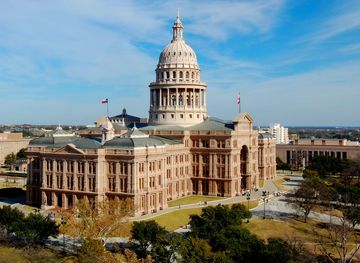
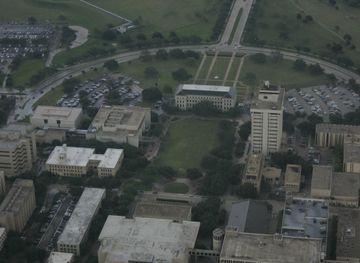
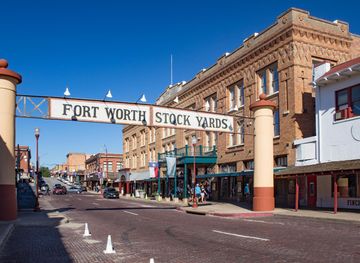


Your all‑in‑one travel companion app
Explore expert travel guides, compare and book tours, experiences, hotels, and more—all from the palm of your hand. Download now for seamless trip planning wherever your wanderlust takes you.


Explore More of Texas
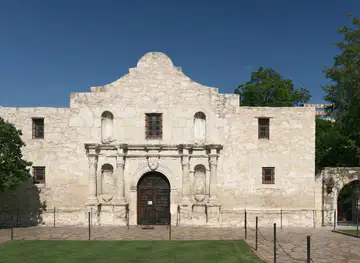
Looking beyond Blackland Prairie? Discover Texas for broader travel guides, local hot-spots, and regional highlights.
Explore TexasBlackland Prairie in Photos
Browse through our photo collection highlighting the charm and character of the destination.

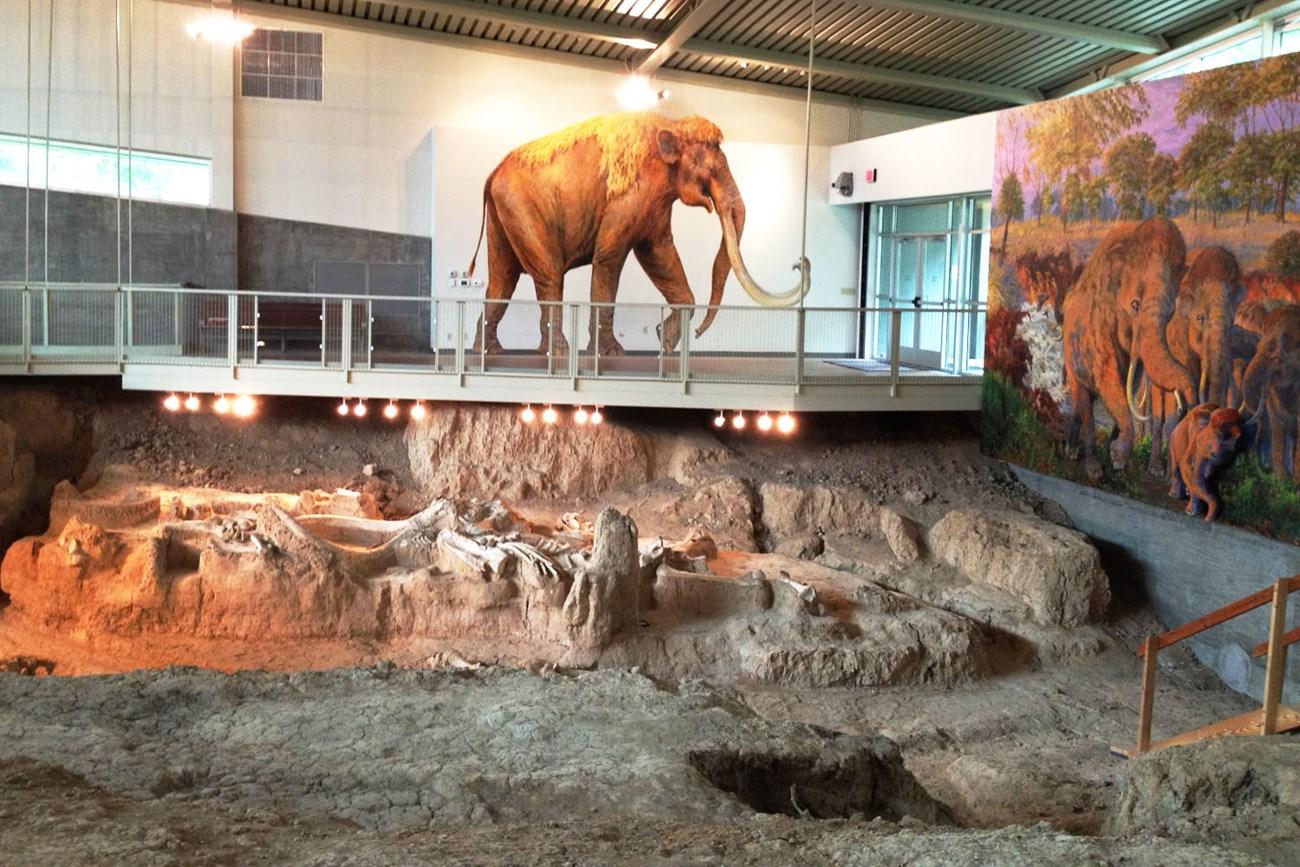
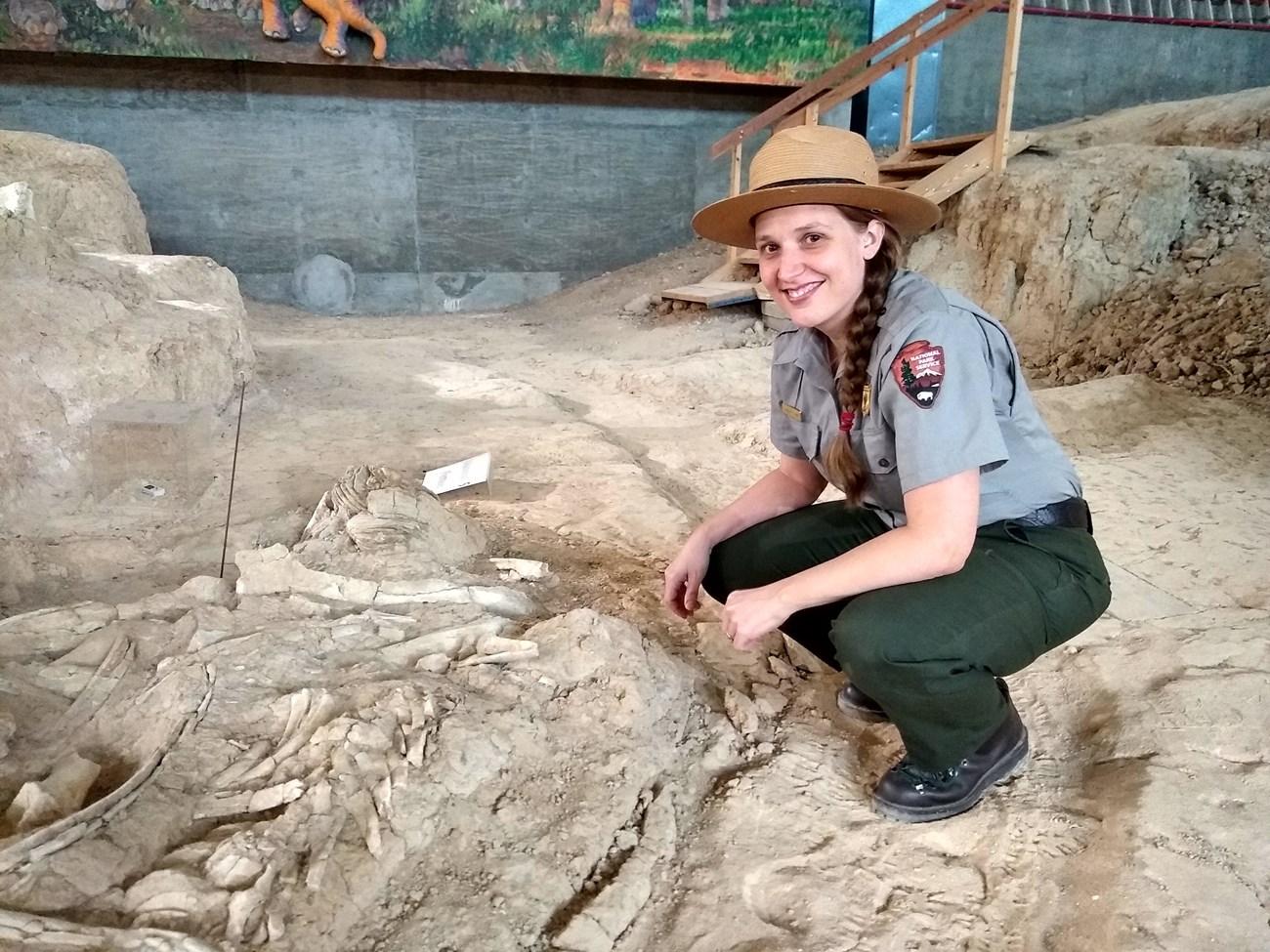
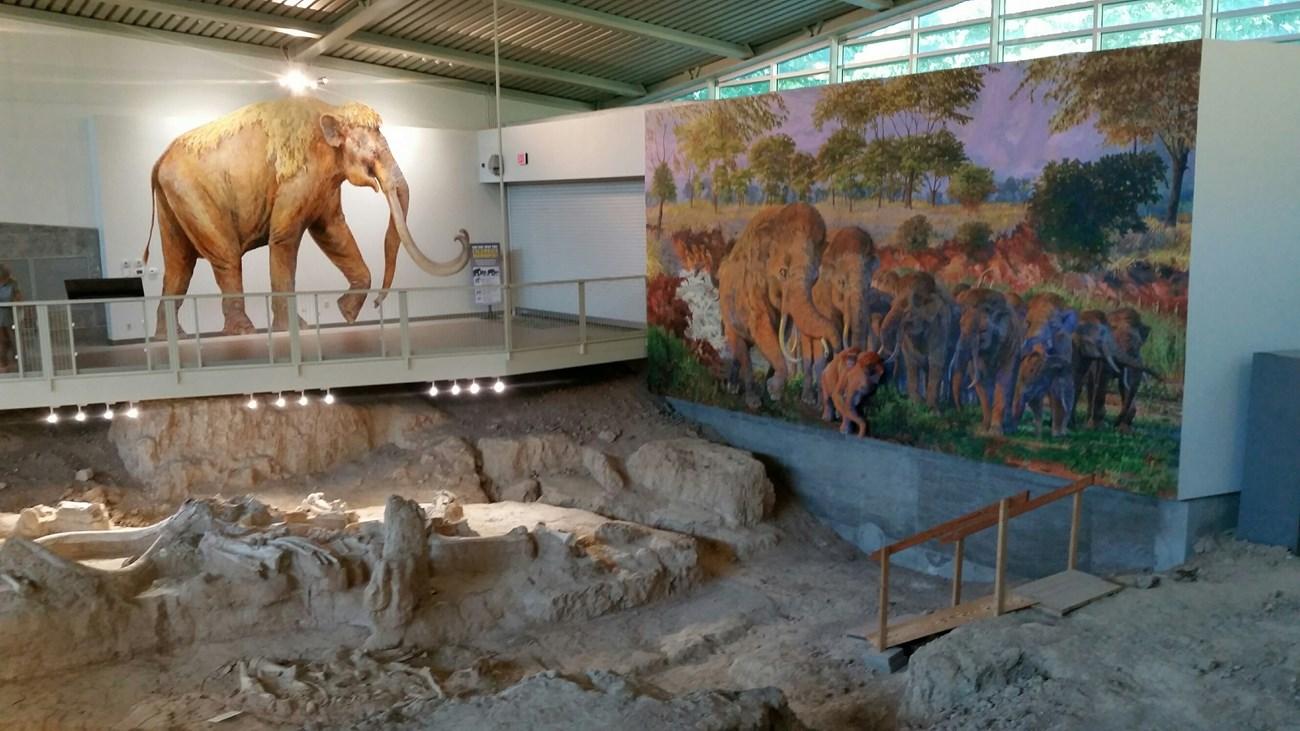


The Tranquil Beauty of Blackland Prairie
The Blackland Prairie in Texas is a vast expanse of rolling grasslands that stretches across the eastern part of the state. This unique ecosystem is a haven for native plants and wildlife, offering a serene escape from the bustle of city life. Visitors can explore the prairie through various hiking trails that meander through the landscape, providing stunning views of wildflowers and tall grasses swaying in the gentle breeze. The Blackland Prairie is also rich in history. It was once home to Native American tribes and later became a key agricultural area for early settlers. Today, it stands as a testament to Texas' natural heritage, with conservation efforts in place to preserve its beauty for future generations. Birdwatchers will find this destination particularly appealing, as it hosts a variety of bird species throughout the year. For those interested in more than just sightseeing, the prairie offers educational programs and guided tours that delve into its ecological significance and historical background. Whether you're a nature enthusiast, a history buff, or simply looking for a peaceful retreat, the Blackland Prairie provides a unique experience that captures the essence of Texas' natural landscapes.