

Free Killeen Travel Guide & Mobile App
Plan your Killeen trip with Evendo. Get free guides to top attractions, restaurants, hotels, and bars. Web access or download the mobile app.


Killeen, Texas combines Central Texas landscapes, Fort Hood heritage, local arts, family attractions and easy access to Hill Country adventures.
A Central Texas City
Killeen lies in Bell County, between Austin and Waco on the limestone plains and gently rolling countryside of Central Texas. Its identity is closely connected with Fort Hood, the large United States Army installation immediately west of the city, while its everyday character is shaped by a diverse population, practical suburban districts and the wider landscapes of the Brazos Valley and Texas Hill Country. Visitors will find a city that differs from the polished tourism centres of nearby Austin: Killeen is a working community, a military town and a useful base for exploring the region.Read more about Killeen
Military Heritage and Community Life
Parks and Regional Landscapes
When is the best time to visit Killeen?
Best: February–April · 19–27°C| Month | High (°C) | Rainfall (mm) |
|---|---|---|
| January | 17 | 50 |
| February (best) | 19 | 51 |
| March (best) | 23 | 69 |
| April (best) | 27 | 71 |
| May | 31 | 91 |
| June | 35 | 92 |
| July | 36 | 64 |
| August | 35 | 64 |
| September | 33 | 83 |
| October | 27 | 92 |
| November | 20 | 65 |
| December | 15 | 58 |
Getting to and around Killeen
How to get there
Transportation
Best attractions in Killeen
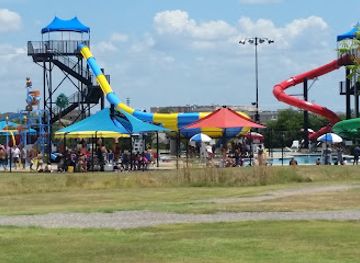
Killeen's attractions reflect its role as a Central Texas community and military town. The 1st Cavalry Division Museum, located on the Fort Hood installation, presents the history, equipment and traditions of the Army's famous armoured division, although public access is subject to current base regulations. In the city, Vive Les Arts Theatre provides a setting for community theatre, musicals and other performances, while the Killeen Civic and Conference Center hosts events, exhibitions and public gatherings. Families and science enthusiasts can look to the planetarium and educational facilities at Central Texas College, subject to programme schedules. Lions Club Park offers open space, sports facilities and everyday recreation, and the Killeen Farmers Market provides a seasonal window onto local produce and community life. Beyond the urban boundary, Stillhouse Hollow Lake and Belton Lake add boating, fishing, shoreline walks and birdwatching to the area's sightseeing possibilities.
-
Tourist attraction
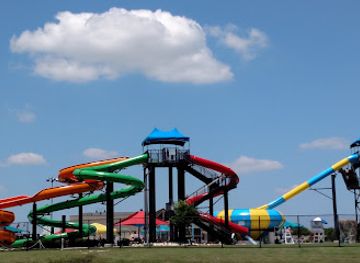
Lions Club Park
Explore Lions Club Park, a vibrant urban oasis in Killeen, Texas, perfect for relaxation and outdoor activities with family and friends.
16 min drive · 5.3 km from city centre
-
Tourist attraction
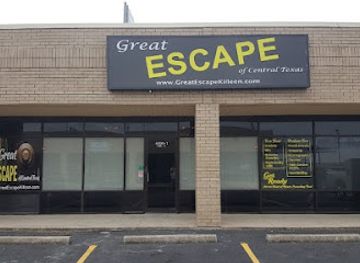
Great Escape of Central Texas
Experience the thrill of puzzle-solving at Great Escape of Central Texas, where adventure meets teamwork in immersive escape rooms in Killeen.
15 min drive · 5.0 km from city centre
-
Tourist attraction
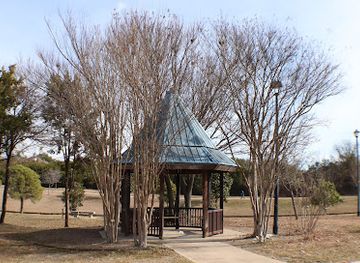
Carl Levin Park
Experience the natural beauty and tranquility of Carl Levin Park in Harker Heights, Texas - a perfect escape for outdoor enthusiasts and families.
25 min drive · 8.2 km from city centre
-
Tourist attraction
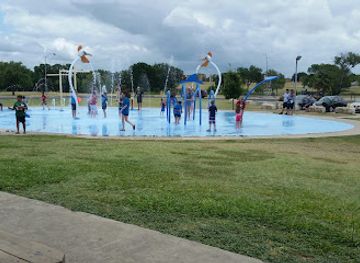
Long Branch Park
Discover the serene beauty of Long Branch Park in Killeen, Texas—a perfect blend of nature, recreation, and relaxation for every traveler.
11 min drive · 3.7 km from city centre
Best landmarks in Killeen
Killeen's most significant landmarks are connected to its railway origins, civic development and military history. Fort Hood, now subject to changing official naming and access policies, is the dominant physical presence west of the city and has shaped Killeen's growth since the 1940s. Within the installation, the 1st Cavalry Division Museum interprets the history of a major US Army formation through vehicles, objects and commemorative displays, with entry controlled by military security requirements. Killeen's older civic fabric reflects its beginnings as a Gulf, Colorado and Santa Fe Railway settlement, while the Killeen Civic and Conference Center represents the modern city's role as a venue for public life. The Central Texas College campus, including its educational and science facilities, marks the importance of post-secondary education in the community. Nearby Belton's historic courthouse square and Salado's preserved nineteenth-century buildings provide architectural context for the wider area, but they are separate communities rather than Killeen landmarks.
-
Shopping mall
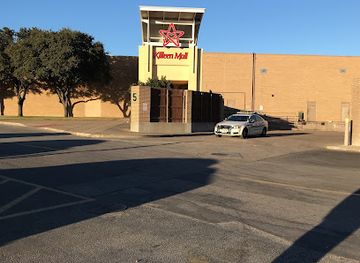
Killeen Mall
Explore Killeen Mall in Texas, where shopping meets entertainment. Enjoy diverse stores, delicious dining, and family-friendly activities.
9 min drive · 2.9 km from city centre
-
City park
Lions Club Park
Discover Lions Club Park in Killeen, Texas – a perfect blend of nature, recreation, and community events for a memorable outdoor experience.
16 min drive · 5.3 km from city centre
-
Park
Carl Levin Park
Explore the beauty of Carl Levin Park in Harker Heights, Texas, a perfect blend of nature, recreation, and relaxation for all visitors.
25 min drive · 8.2 km from city centre
-
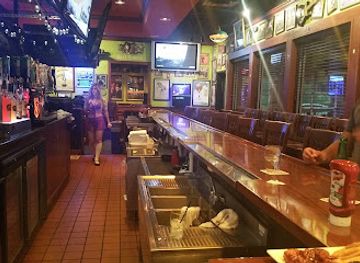
Sports bar
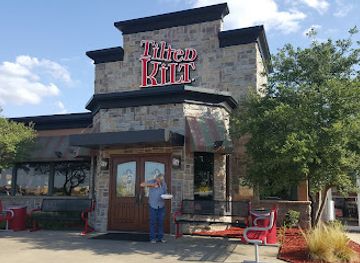
Tilted Kilt Pub and Eatery Killeen, TX
Experience the lively atmosphere and delicious cuisine of Tilted Kilt Pub and Eatery, a premier sports bar in Killeen, Texas, combining American and Irish flavors.
11 min drive · 3.5 km from city centre

Explore Killeen on the map
Plan your Killeen trip on one map. See where the top attractions, landmarks, restaurants, bars and hotels are, find what's near where you're staying, and book hotels and experiences in a few clicks.
Best hotels in Killeen
Best restaurants in Killeen
Killeen's dining scene reflects Central Texas geography and its unusually mobile, international population. Texas staples such as smoked brisket, sausage, ribs, burgers and Tex-Mex are widely represented, while Mexican cooking brings tacos, enchiladas, tamales and regional salsas to casual restaurants and family-run eateries. The presence of military personnel and families has also encouraged a broad selection of Asian, Mediterranean, Caribbean and other international cuisines, making the city more varied than its suburban appearance might suggest. Breakfast cafés, bakeries, fast-casual restaurants and independent takeaways are important parts of everyday dining, while farmers' market events can provide seasonal produce and prepared foods when operating. Nearby Belton and Temple add further choices, but Killeen's restaurants are best understood as practical, multicultural and closely tied to the community rather than concentrated in a single culinary quarter.
-
Steak
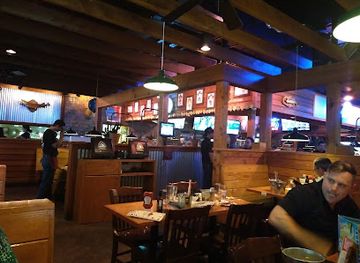
Texas Roadhouse
Experience authentic Texan cuisine at Texas Roadhouse in Killeen - where great food meets warm hospitality.
14 min drive · 4.5 km from city centre
-
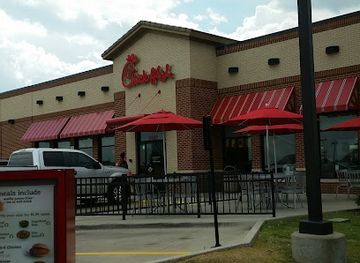
Fast Food
Chick-fil-A
Experience the best of fast food with mouthwatering chicken sandwiches and a welcoming family atmosphere at Chick-fil-A in Killeen.
8 min drive · 2.7 km from city centre
-
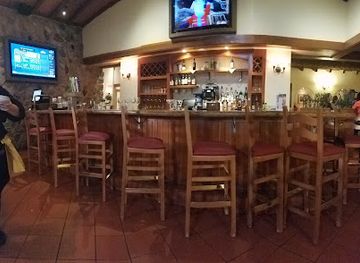
Italian
Olive Garden Italian Restaurant
Experience authentic Italian dining at Olive Garden in Killeen, TX – where family meals meet culinary excellence.
11 min drive · 3.8 km from city centre
-
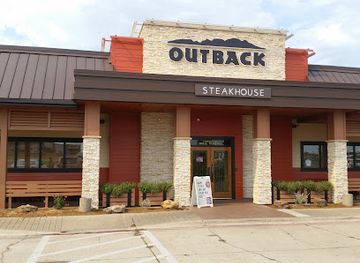
Steak
Outback Steakhouse
Discover authentic Australian flavors at Outback Steakhouse in Killeen – where every bite takes you on a delicious adventure.
11 min drive · 3.7 km from city centre
Best bars in Killeen
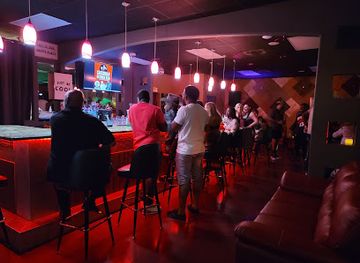
Killeen's evening scene is modest and dispersed rather than organised around one dominant entertainment district. Local bars, sports-oriented venues, casual lounges and live-music nights provide relaxed ways to spend an evening, with activity often concentrated around commercial roads and areas serving the large military community. Some restaurants extend into the evening with patios, drinks and informal socialising, while community performances and touring productions at Vive Les Arts Theatre offer an alcohol-free cultural alternative. The city's diverse population also supports varied music and social events, though particular venues and programmes change over time. Visitors should arrange a safe journey back to their accommodation, especially when travelling between separated districts, and should remember that US drinking laws apply: alcohol is restricted to those aged 21 or over and driving after drinking is illegal.
-
Bar
Jokers IceHouse Bar & Grill
Discover the lively Jokers IceHouse Bar & Grill in Killeen, where delicious food meets vibrant nightlife and live entertainment.
30 min drive · 10 km from city centre
-
Sports bar
Tilted Kilt Pub and Eatery Killeen, TX
Experience the ultimate sports bar atmosphere at Tilted Kilt in Killeen, TX, where great food and live sports come together.
11 min drive · 3.5 km from city centre
-
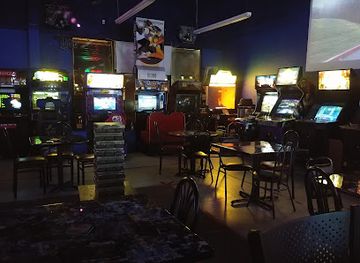
Bar
BITBAR
Discover BITBAR in Killeen: A lively bar with free arcade games, great drinks, and a nostalgic atmosphere perfect for everyone.
13 min drive · 4.2 km from city centre
-
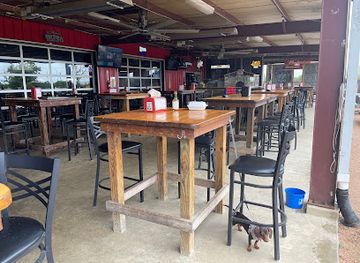
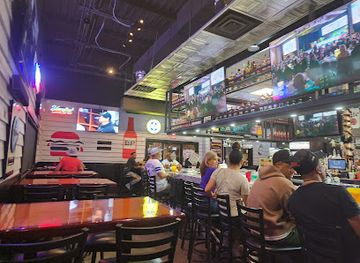
Grill
Backporch Drafthouse
Experience the flavors of Texas at Backporch Drafthouse, a lively grill and American restaurant in Killeen with great food and a warm atmosphere.
11 min drive · 3.7 km from city centre
Best nightclubs in Killeen
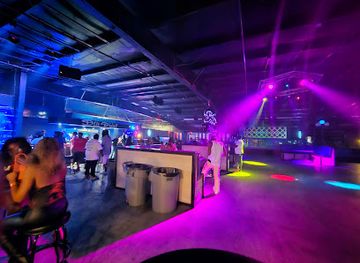
Killeen's evening scene is modest and dispersed rather than organised around one dominant entertainment district. Local bars, sports-oriented venues, casual lounges and live-music nights provide relaxed ways to spend an evening, with activity often concentrated around commercial roads and areas serving the large military community. Some restaurants extend into the evening with patios, drinks and informal socialising, while community performances and touring productions at Vive Les Arts Theatre offer an alcohol-free cultural alternative. The city's diverse population also supports varied music and social events, though particular venues and programmes change over time. Visitors should arrange a safe journey back to their accommodation, especially when travelling between separated districts, and should remember that US drinking laws apply: alcohol is restricted to those aged 21 or over and driving after drinking is illegal.
-
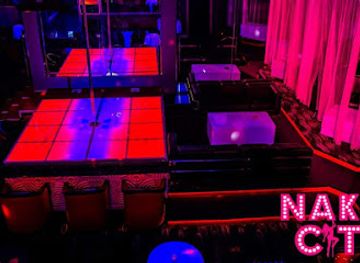
Night club
Naked City
Discover the electrifying nightlife at Naked City, Killeen's premier night club featuring top 40 music and stunning entertainment.
14 min drive · 4.7 km from city centre
-
Lounge
Ol Girls Lounge
Discover the vibrant nightlife at Ol Girls Lounge, Killeen's premier destination for cocktails, music, and an unforgettable atmosphere.
15 min drive · 5.0 km from city centre
-
Night club
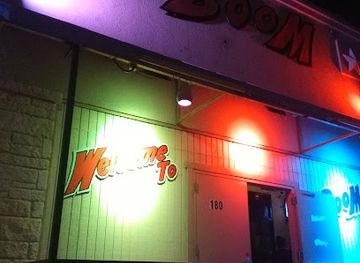
La Boom
Explore Harker Heights' nightlife at La Boom, a dynamic night club and bar with electrifying music, vibrant crowds, and unforgettable evenings.
18 min drive · 6.0 km from city centre
-
Night club
Blu Print Lounge
Discover the electrifying nightlife at Blu Print Lounge, Killeen's premier destination for dancing, drinks, and unforgettable experiences.
12 min drive · 3.9 km from city centre
Best shops in Killeen
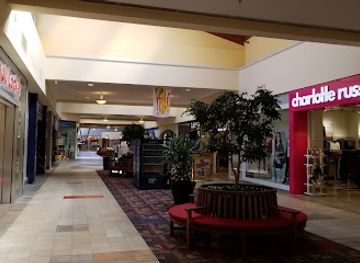
Shopping in Killeen is centred on practical retail corridors, independent businesses and large commercial areas rather than a traditional pedestrian shopping quarter. Visitors will find everyday stores, specialist retailers, restaurants and services along major roads, while Killeen Mall provides an enclosed shopping setting with national retailers and dining. The Killeen Farmers Market and temporary community markets can offer local produce, baked goods, prepared food and small-scale crafts, although schedules and locations should be confirmed locally. Military connections are reflected in the availability of practical outdoor, uniform-adjacent and service-community goods, while the city's international population supports shops selling imported foods and culturally specific products. For distinctive gifts, look for Texas-made foods, regional sauces, local artwork and handcrafted items rather than assuming that mass-produced Western souvenirs represent the area. Belton and Salado offer additional independent shops and antiques within a short regional drive.
-
Shopping mall
Killeen Mall
Discover Killeen Mall, Texas' vibrant shopping hub with diverse stores, dining, and entertainment for an unforgettable experience.
9 min drive · 2.9 km from city centre
-
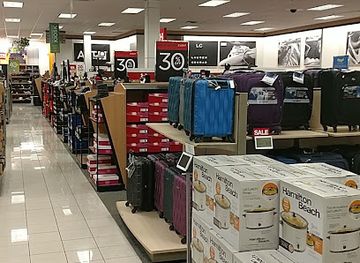
Department store
Kohl's
Explore an extensive range of fashion and home goods at Kohl's in Killeen, Texas, where quality meets affordability.
9 min drive · 3.1 km from city centre
-
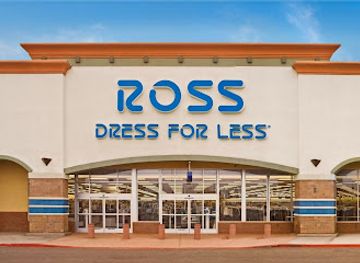
Clothing store
Ross Dress for Less
Shop smart at Ross Dress for Less, where great style meets unbeatable prices for the entire family.
11 min drive · 3.8 km from city centre
-
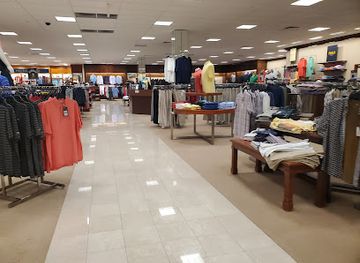
Department store
Dillard's
Explore the chic offerings of Dillard's in Killeen, Texas, where fashion meets affordability in a vibrant shopping atmosphere.
8 min drive · 2.7 km from city centre
Get your free copy of our complete guide to Killeen, delivered straight to you.
Everything on this page, from attractions and restaurants to essentials and local phrases, in one PDF you can read offline, print or share.
Already have an account? Sign in
Your Killeen guide is ready.
We'll send it to · Not you? Sign out

Getting your guide ready…
We are putting together a fresh copy of the Killeen guide. This can take up to a minute.
This can take a few moments. If your browser asks, choose Allow so the download can start. You'll find the guide in your Downloads folder.
Nothing happened? Download it again
Sorry, the guide is taking longer than usual. Please try again in a minute, or get it by email instead.
Killeen essentials
Currency and Payment
Safety
Emergency Situations
Do's and Don'ts
Local Tips
From Eve
Local phrases worth knowing
You don't need to get them perfect. A few words go a long way, and locals appreciate the effort.
Basics
| English | Local | Say it |
|---|---|---|
| Hello | Howdy | [haw-dee] |
| Goodbye | See ya | [see yuh] |
| Yes | Yep | [yep] |
| No | Nah | [nah] |
| Please/You're welcome | Please | [pleez] |
| Thank you | Thanks | [thanks] |
| Excuse me/Sorry | Pardon | [par-dn] |
| How are you? | Howdy | [haw-dee] |
| Fine. And you? | Good. You? | [good. yuh] |
| Do you speak English? | Ya speak English? | [ya speak ing-glish] |
| I don't understand | I ain't get it | [I aint get it] |
Eating & Drinking
| English | Local | Say it |
|---|---|---|
| I'd like to see the menu, please | Can I see the menu? | [kan eye see the menu?] |
| I don't eat meat | I don't do meat | [I dont do meat] |
| Cheers! | Cheers! | [cheers!] |
| I would like to pay, please | I need to pay | [I need to pay] |
Emergencies
| English | Local | Say it |
|---|---|---|
| Help! | Help! | [help!] |
| Go away! | Get lost! | [get lost!] |
| Call the Police! | Call the cops! | [call the cops!] |
| Call a doctor! | Get a doc! | [get a doc!] |
| I'm lost | I'm lost | [I'm lost] |
| I'm ill | I'm sick | [I'm sick] |
Shopping
| English | Local | Say it |
|---|---|---|
| I'd like to buy... | I wanna buy... | [I wanna buy...] |
| I'm just looking | Just browsing | [just browsing] |
| How much is it? | How much? | [how much?] |
| That's too expensive | Too much | [too much] |
| Can you lower the price? | Can you do better? | [can you do better?] |
Time & Numbers
| English | Local | Say it |
|---|---|---|
| What time is it? | What's the time? | [whats the time?] |
| It's one o'clock | It's one | [its one] |
| Half past (10) | Ten-thirty | [ten-thur-tee] |
| Morning | Morning | [mor-ning] |
| Afternoon | Afternoon | [after-noon] |
| Evening | Evening | [even-ing] |
| Yesterday | Yesterday | [yes-ter-day] |
| Today | Today | [to-day] |
| Tomorrow | Tomorrow | [to-mor-row] |
| 1 | One | [wun] |
| 2 | Two | [too] |
| 3 | Three | [three] |
| 4 | Four | [four] |
| 5 | Five | [five] |
| 6 | Six | [six] |
| 7 | Seven | [seven] |
| 8 | Eight | [ate] |
| 9 | Nine | [nine] |
| 10 | Ten | [ten] |
Transport & Directions
| English | Local | Say it |
|---|---|---|
| Where's a/the...? | Where's the...? | [wheres the...?] |
| What's the address? | The address? | [the address?] |
| Can you show me (on the map)? | Show me | [show me] |
| When's the next (bus)? | Next one? | [next one?] |
| A ticket (to ....) | A ticket | [a ticket] |
History of Killeen
Railway Foundations in Bell County
Killeen emerged in the late nineteenth century as a railway settlement in Bell County. The Gulf, Colorado and Santa Fe Railway extended its line through the area, and the town was named for Frank Killeen, a railway official. The station connected local farmers and merchants with larger Texas markets, encouraging the development of stores, homes and civic institutions around the rail corridor. Agriculture, particularly cotton and cattle, shaped the surrounding economy, while the railway gave the young community a degree of commercial importance beyond its modest size. Killeen was incorporated in 1882, establishing the municipal framework from which the present city developed.
A Farming and Trading Community
During the early twentieth century, Killeen remained a small agricultural and trading centre surrounded by rural Bell County. Cotton production, livestock and related commerce supported local businesses, and the railway continued to influence the movement of people and goods. Like many Texas communities, Killeen experienced periods of economic uncertainty as agricultural prices shifted and mechanisation reduced the need for farm labour. Its civic life nevertheless expanded through schools, churches, local government and commercial buildings. The town's growth during this period created the community infrastructure that later allowed it to absorb a far larger population after the arrival of the United States Army.
Camp Hood and Wartime Transformation
The decisive change in Killeen's history came during the Second World War, when the United States established Camp Hood in 1942 as an armoured training centre. The installation occupied a vast area west of the town and brought soldiers, civilian workers, construction contracts and new demand for housing and services. Named for Confederate General John Bell Hood, the camp became a permanent military post after the war and was redesignated Fort Hood in 1950. Killeen's population and built environment expanded alongside it, transforming the town from a rural railway community into a major military-associated city. The installation's presence also linked local life to national defence and international deployments.
Urban Growth and Cultural Diversity
From the middle of the twentieth century onwards, Killeen grew rapidly as Fort Hood developed into one of the United States Army's principal installations. New residential areas, schools, retail districts and public facilities spread beyond the original town centre, and the city became home to military families and veterans from across the United States as well as residents with international backgrounds. This mobility produced a culturally diverse community, reflected in local places of worship, restaurants, festivals and small businesses. Killeen's history since the war has therefore been less about a single traditional urban core than about continual population change and the relationship between a civilian city and a nearby military institution.
The City in Contemporary Central Texas
Killeen entered the twenty-first century as part of a growing Central Texas region shaped by military service, commuting, education and expanding links with Belton, Temple and Waco. Fort Hood was renamed Fort Cavazos in 2023 to honour General Richard E. Cavazos, the first Hispanic four-star general in the United States Army; subsequent national policy discussions and military renaming decisions have made the installation's name a changing subject, so visitors should check current official usage. Today, Killeen's public identity includes military heritage, multicultural community life, regional recreation and access to the lakes and towns of Central Texas. Its past remains visible in the army installation and railway-era civic foundations, even as modern development continues outward.
Killeen in Photos
Browse through our photo collection highlighting the charm and character of the destination.
Cities near Killeen
The closest cities to Killeen, if you have time for more than one stop.
-

-

-

-

-


Swipe for more cities
Explore more
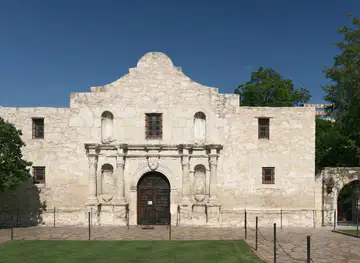
Explore more of Texas
Discover the diverse landscapes, rich history, vibrant cities, and culinary delights of Texas, the Lone Star State, where adventure and culture await at every turn.
Explore Texas