

Free Fort Worth Travel Guide & Mobile App
Plan your Fort Worth trip with Evendo. Get free guides to top attractions, restaurants, hotels, and bars. Web access or download the mobile app.


Fort Worth blends Old West heritage, world-class art museums, historic districts, Texas cuisine and lively cultural attractions near Dallas today.
Texas History in the Landscape
Fort Worth occupies a distinctive place in north Texas, combining the scale of a modern American city with the visual language of the cattle frontier. Its story is rooted in the military post established beside the Trinity River in 1849 and in the cattle drives that later passed through the city on the way to rail connections farther north. That legacy remains especially visible in the Fort Worth Stockyards, where brick commercial buildings, livestock history and Western performance traditions give the district a character unlike the polished business core.Read more about Fort Worth
Museums, Architecture and Culture
Neighbourhoods and Open Space
When is the best time to visit Fort Worth?
Best: March–April, October · 20–25°C| Month | High (°C) | Rainfall (mm) |
|---|---|---|
| January | 13 | 45 |
| February | 16 | 51 |
| March (best) | 20 | 66 |
| April (best) | 24 | 80 |
| May | 28 | 94 |
| June | 33 | 87 |
| July | 35 | 53 |
| August | 35 | 54 |
| September | 30 | 70 |
| October (best) | 25 | 89 |
| November | 18 | 56 |
| December | 14 | 49 |
Getting to and around Fort Worth
How to get there
Transportation
Best attractions in Fort Worth
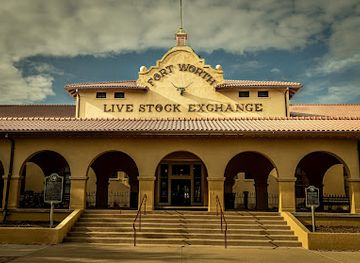
Fort Worth's principal attractions range from the restored Western streets of the Fort Worth Stockyards to the concentrated museum landscape of the Cultural District. At the Stockyards, visitors can explore the Texas Cowboy Hall of Fame, the National Cowgirl Museum and Hall of Fame, and the historic Livestock Exchange Building, while the district's heritage streets evoke the city's cattle-trading past. The Kimbell Art Museum presents a distinguished collection in Louis Kahn's celebrated building, and the nearby Modern Art Museum of Fort Worth offers a striking contemporary counterpoint. The Amon Carter Museum of American Art traces national artistic traditions, while Fort Worth Botanic Garden provides a spacious horticultural retreat. Downtown attractions include Sundance Square, Bass Performance Hall and the Fort Worth Water Gardens, and the Fort Worth Zoo adds a major family-oriented institution south of the centre.
-
Stadium
AT&T Stadium
Experience the grandeur of AT&T Stadium, home of the Dallas Cowboys, and enjoy unforgettable events in Arlington, Texas.
42 min drive · 22 km from city centre
-
Theme park
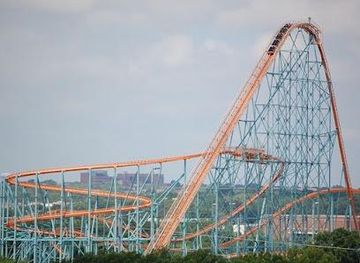
Six Flags Over Texas
Explore the thrills of Six Flags Over Texas, where adventure meets excitement with world-class coasters, water rides, and unforgettable entertainment.
44 min drive · 24 km from city centre
-
Tourist attraction
Fort Worth Stockyards
Experience the Wild West at Fort Worth Stockyards, Texas' premier historical landmark, where cowboy culture and modern attractions blend seamlessly.
12 min drive · 4.1 km from city centre
-
Tourist attraction
Fort Worth Stockyards
Discover the heart of Texas at the Fort Worth Stockyards, a vibrant historical district filled with cowboy culture, shopping, and delicious dining options.
12 min drive · 4.1 km from city centre


Best landmarks in Fort Worth
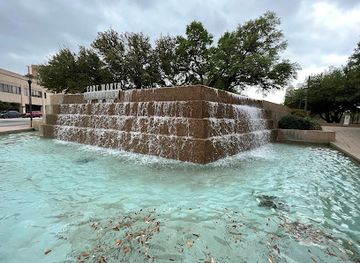
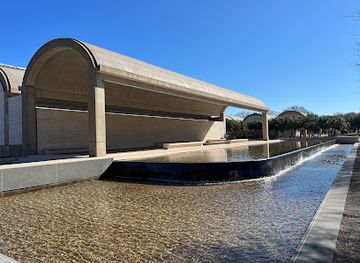
Fort Worth's landmarks express both its frontier origins and its later cultural ambition. The Tarrant County Courthouse, built in the late nineteenth century in a substantial Renaissance Revival style, gives the central civic district a formal architectural presence. In the Stockyards, the Livestock Exchange Building and the historic commercial streets preserve the visual setting of the city's cattle-market era. Bass Performance Hall is a more recent landmark, distinguished by its richly ornamented classical exterior and prominent sculptures, while the Fort Worth Water Gardens provide a striking modernist civic landscape downtown. The Kimbell Art Museum is internationally recognised for Louis Kahn's carefully controlled light and geometric spaces, and the Amon Carter Museum of American Art adds an important cultural presence nearby. Together these buildings and public spaces chart Fort Worth's passage from military outpost and cattle centre to a major Texas arts city.
-
Tourist attraction
Fort Worth Water Gardens
Discover the serene beauty of Fort Worth Water Gardens, a stunning urban park featuring captivating water features and lush landscapes.
12 min walk · 0.9 km from city centre
-
 Botanical garden
Fort Worth Botanic Garden
Discover the serene landscapes and diverse plant collections at Fort Worth Botanic Garden, a tranquil oasis in the heart of Texas.
11 min drive · 3.5 km from city centre
-
Art museum
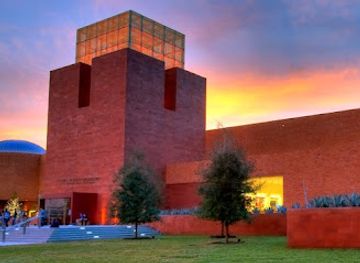
Kimbell Art Museum
Explore the Kimbell Art Museum, a cultural gem in Fort Worth featuring masterpieces, stunning architecture, and a vibrant arts scene.
10 min drive · 3.3 km from city centre
-
Science museum
Fort Worth Museum of Science and History
Discover the Fort Worth Museum of Science and History, where interactive exhibits and captivating planetarium shows blend education with excitement for all ages.
11 min drive · 3.8 km from city centre
Explore Fort Worth on the map
Plan your Fort Worth trip on one map. See where the top attractions, landmarks, restaurants, bars and hotels are, find what's near where you're staying, and book hotels and experiences in a few clicks.
Neighbourhoods in Fort Worth
-

-


Swipe for more neighbourhoods
Best hotels in Fort Worth
Best restaurants in Fort Worth
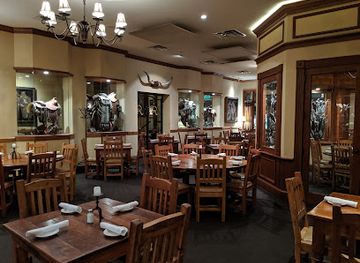
Fort Worth's dining identity draws on north Texas ranching culture, Tex-Mex, barbecue and the broader culinary traditions of the American South. Barbecue smokehouses, steak restaurants and casual Tex-Mex establishments sit alongside contemporary kitchens, international eateries and independent cafés. The Stockyards is associated with Western food, live entertainment and historic dining rooms, while Near Southside and Magnolia Avenue have a more modern restaurant and bar culture. Downtown offers dining around Sundance Square, and the city's food halls, bakeries and neighbourhood markets reflect its expanding diversity. Brisket, smoked sausage, enchiladas, tacos and chicken-fried steak are familiar regional choices, while local chefs increasingly use seasonal produce and influences from across Texas and the United States. Portions and service customs follow American conventions, with tax and gratuity generally handled separately from listed menu prices.
-
Seafood
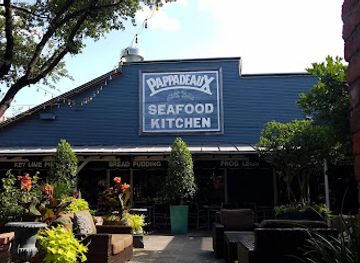
Pappadeaux Seafood Kitchen
Discover fresh seafood delights at Pappadeaux Seafood Kitchen in Fort Worth - where coastal flavors meet Southern hospitality.
11 min drive · 3.5 km from city centre
-
Hamburger
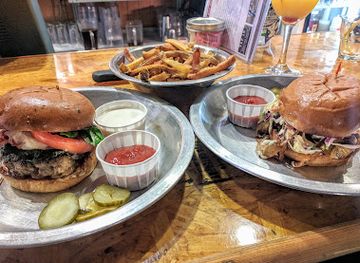
Rodeo Goat
Savor mouthwatering gourmet burgers and local craft beers at Rodeo Goat in Fort Worth's Cultural District.
8 min drive · 2.7 km from city centre
-
Steak
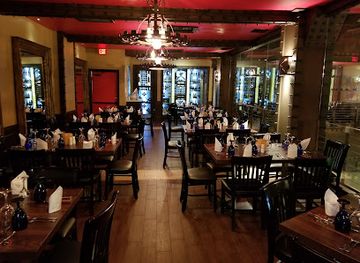
Texas de Brazil - Fort Worth
Experience the unique flavors of Brazilian cuisine at Texas de Brazil - Fort Worth's premier steakhouse offering endless meat selections and vibrant ambiance.
4 min walk · 0.3 km from city centre
-
Southwestern American
Reata Restaurant
Experience the rich flavors of Southwestern cuisine at Reata Restaurant in Fort Worth's Sundance Square—where tradition meets taste.
2 min walk · 0.2 km from city centre
Best bars in Fort Worth
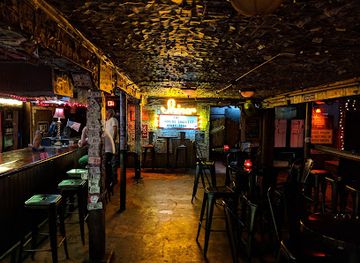
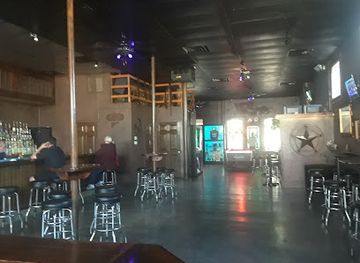
Fort Worth's evenings divide between Western entertainment, downtown performance and neighbourhood nightlife. The Stockyards remains the most recognisable setting, with honky-tonk music, country dancing, rodeo associations and venues that draw on the area's cattle-era identity. Sundance Square and the surrounding central district offer cocktail bars, live music and restaurants, while Near Southside and Magnolia Avenue are known for independent bars, breweries and late-evening social spaces. West 7th provides another concentration of bars and entertainment close to the Cultural District. Bass Performance Hall and other arts venues add theatre, concerts and touring productions for those seeking a cultural evening rather than a club night. The atmosphere varies considerably by district and event, so visitors should expect a mix of relaxed patios, live bands, contemporary bars and energetic weekend venues rather than one single nightlife centre.
-
Bar
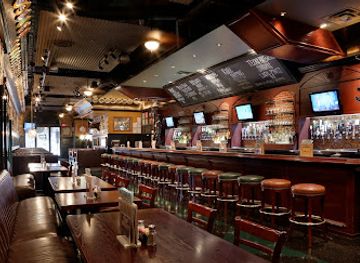
Flying Saucer Draught Emporium
Discover the lively Flying Saucer Draught Emporium in Fort Worth – a haven for beer lovers with great food, live music, and a vibrant atmosphere.
1 min walk · 0.1 km from city centre
-
Bar
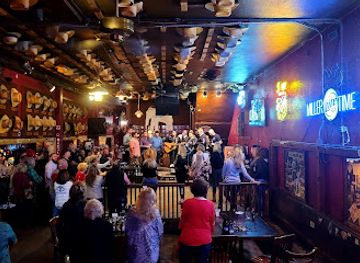
White Elephant Saloon
Discover the lively ambiance of White Elephant Saloon, a premier bar and live music venue in Fort Worth, TX, perfect for an unforgettable night out.
12 min drive · 4.1 km from city centre
-
Restaurant
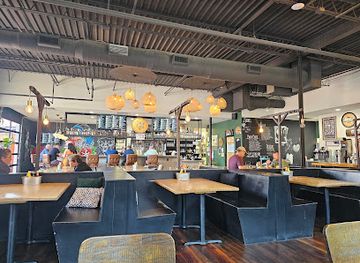
The Bearded Lady
Discover the unique flavors and lively atmosphere at The Bearded Lady, Fort Worth's premier gastropub and beer garden.
5 min drive · 1.6 km from city centre
-
Bar
The Basement Bar
Discover The Basement Bar in Fort Worth - a lively nightlife hub offering great drinks, dancing, and an unforgettable experience in Texas.
12 min drive · 4.1 km from city centre
Best nightclubs in Fort Worth
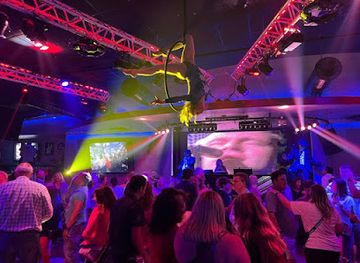
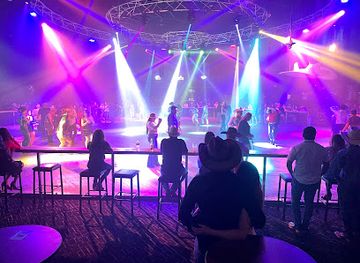
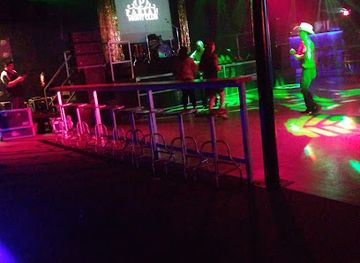
Fort Worth's evenings divide between Western entertainment, downtown performance and neighbourhood nightlife. The Stockyards remains the most recognisable setting, with honky-tonk music, country dancing, rodeo associations and venues that draw on the area's cattle-era identity. Sundance Square and the surrounding central district offer cocktail bars, live music and restaurants, while Near Southside and Magnolia Avenue are known for independent bars, breweries and late-evening social spaces. West 7th provides another concentration of bars and entertainment close to the Cultural District. Bass Performance Hall and other arts venues add theatre, concerts and touring productions for those seeking a cultural evening rather than a club night. The atmosphere varies considerably by district and event, so visitors should expect a mix of relaxed patios, live bands, contemporary bars and energetic weekend venues rather than one single nightlife centre.
-
Night club
Studio Eighty
Discover Fort Worth's nightlife at Studio Eighty, a vibrant night club featuring live music, dancing, and an electric atmosphere in Sundance Square.
5 min walk · 0.4 km from city centre
-
Night club
Escapade 2001 Fort Worth
Discover the electrifying nightlife at Escapade 2001 in Fort Worth, where music, dance, and unforgettable moments come alive.
31 min drive · 11 km from city centre
-
Night club
Club Reflection
Experience the vibrant nightlife at Club Reflection, Fort Worth's premier destination for dancing, karaoke, and unforgettable entertainment.
6 min drive · 1.9 km from city centre
-
Night club
El Parian Night Club
Discover the electrifying nightlife of El Parian Night Club in Fort Worth, where vibrant music and a lively atmosphere await you.
17 min drive · 5.6 km from city centre
Best shops in Fort Worth
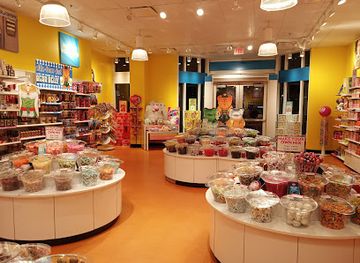
Shopping in Fort Worth ranges from Western wear and ranch-inspired goods in the Stockyards to independent boutiques and contemporary retailers in districts such as West 7th, Near Southside and Magnolia Avenue. The Stockyards is the primary place to browse cowboy boots, hats, leather goods, silver jewellery and other items connected with north Texas ranching culture, although visitors should distinguish handmade merchandise from mass-produced souvenirs. Downtown and Sundance Square combine shops, restaurants and public spaces, while larger retail centres and conventional shopping areas lie beyond the historic core. Galleries and museum shops in the Cultural District offer art books, design objects and regional gifts, and local food products provide more compact souvenirs. The city does not have one single traditional bazaar; its retail character is instead divided between heritage-focused specialist shops, independent neighbourhood businesses and modern commercial centres.
-
Shopping mall
Fort Worth Stockyards Station
Discover the essence of the American West at Fort Worth Stockyards Station, a vibrant hub of history, shopping, and entertainment in Texas.
12 min drive · 3.9 km from city centre
-
Shopping mall
Sundance Square
Experience the lively atmosphere of Sundance Square, Fort Worth’s premier shopping and entertainment destination, blending history with modern charm.
1 min walk · 0.1 km from city centre
-
Shopping mall
Montgomery Plaza
Discover Montgomery Plaza: A vibrant shopping mall in Fort Worth, TX, blending history, style, and culinary delights for an unforgettable experience.
6 min drive · 2.1 km from city centre
-
Shopping mall
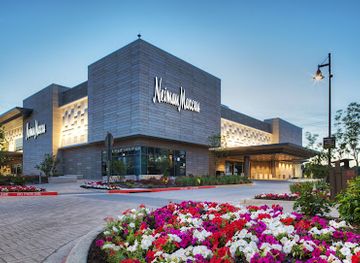
The Shops at Clearfork
Explore luxury shopping, exquisite dining, and vibrant cultural events at The Shops at Clearfork in Fort Worth, Texas.
25 min drive · 8.2 km from city centre


Get your free copy of our complete guide to Fort Worth, delivered straight to you.
Everything on this page, from attractions and restaurants to essentials and local phrases, in one PDF you can read offline, print or share.
Already have an account? Sign in
Your Fort Worth guide is ready.
We'll send it to · Not you? Sign out

Getting your guide ready…
We are putting together a fresh copy of the Fort Worth guide. This can take up to a minute.
This can take a few moments. If your browser asks, choose Allow so the download can start. You'll find the guide in your Downloads folder.
Nothing happened? Download it again
Sorry, the guide is taking longer than usual. Please try again in a minute, or get it by email instead.
Fort Worth essentials
Currency and Payment
Safety
Emergency Situations
Do's and Don'ts
Local Tips
From Eve
Local phrases worth knowing
You don't need to get them perfect. A few words go a long way, and locals appreciate the effort.
Basics
| English | Local | Say it |
|---|---|---|
| Hello | Howdy | [haw-dee] |
| Goodbye | See ya | [see yuh] |
| Yes | Yep | [yep] |
| No | Nope | [nohp] |
| Please/You're welcome | Please/You're welcome | [please/yur welcome] |
| Thank you | Thank ya | [thank yuh] |
| Excuse me/Sorry | Pardon me/Sorry | [par-d'n me/sore-ee] |
| How are you? | Howdy | [haw-dee] |
| Fine. And you? | Fine. How 'bout you? | [fine. how 'bout yuh] |
| Do you speak English? | Ya speak English? | [yah speak ing-glish] |
| I don't understand | I ain't gettin' ya | [I aint get-tin yuh] |
Eating & Drinking
| English | Local | Say it |
|---|---|---|
| I'd like to see the menu, please | Can I see the menu, please | [can I see the menu, please] |
| I don't eat meat | I don't eat meat | [I don't eat meat] |
| Cheers! | Cheers! | [Cheers!] |
| I would like to pay, please | I'd like the check, please | [I'd like the check, please] |
Emergencies
| English | Local | Say it |
|---|---|---|
| Help! | Help! | [Help!] |
| Go away! | Git! | [Git!] |
| Call the Police! | Call the Cops! | [Call the Cops!] |
| Call a doctor! | Call a doc! | [Call a doc!] |
| I'm lost | I'm lost | [I'm lost] |
| I'm ill | I'm sick | [I'm sick] |
Shopping
| English | Local | Say it |
|---|---|---|
| I'd like to buy... | I wanna buy... | [I wanna buy...] |
| I'm just looking | I'm just lookin' | [I'm just lookin'] |
| How much is it? | How much does it cost? | [How much does it cost?] |
| That's too expensive | That's too pricey | [That's too pricey] |
| Can you lower the price? | Can ya cut the price? | [Can yuh cut the price?] |
Time & Numbers
| English | Local | Say it |
|---|---|---|
| What time is it? | What time is it? | [What time is it?] |
| It's one o'clock | It's one o'clock | [It's one o'clock] |
| Half past (10) | Half past (10) | [Half past (10)] |
| Morning | Morning | [Morning] |
| Afternoon | Afternoon | [Afternoon] |
| Evening | Evening | [Evening] |
| Yesterday | Yesterday | [Yesterday] |
| Today | Today | [Today] |
| Tomorrow | Tomorrow | [Tomorrow] |
| 1 | 1 | [1] |
| 2 | 2 | [2] |
| 3 | 3 | [3] |
| 4 | 4 | [4] |
| 5 | 5 | [5] |
| 6 | 6 | [6] |
| 7 | 7 | [7] |
| 8 | 8 | [8] |
| 9 | 9 | [9] |
| 10 | 10 | [10] |
Transport & Directions
| English | Local | Say it |
|---|---|---|
| Where's a/the...? | Where's the...? | [Where's the...?] |
| What's the address? | What's the address? | [What's the address?] |
| Can you show me (on the map)? | Can ya show me (on the map)? | [Can yuh show me (on the map)?] |
| When's the next (bus)? | When's the next (bus)? | [When's the next (bus)?] |
| A ticket (to ....) | A ticket (to ....) | [A ticket (to ....)] |
History of Fort Worth
A Frontier Military Post
Fort Worth began as an army outpost established in 1849 on the Trinity River and named for General William Jenkins Worth, a commander associated with the Mexican-American War. The post was one of a chain of frontier forts intended to provide security and maintain a United States presence in north Texas. Although the military installation was abandoned in 1853, the settlement that had grown around it endured. Its position near river crossings and overland routes gave the young community a practical foundation, while the surrounding grasslands supported farming, ranching and the cattle economy that would soon shape its public image.
Railways and Cattle Drives
The arrival of the Texas and Pacific Railway in 1876 transformed Fort Worth from a small frontier settlement into a significant transport and trading centre. Cattle from the open range moved through the city towards rail shipment, and Fort Worth became known as Cowtown. After the 1880s, stockyards and packing businesses developed north of the central area, eventually forming the district now called the Fort Worth Stockyards. Rail connections encouraged migration, commerce and construction, while the cattle trade created the economic conditions for banks, hotels, warehouses and civic institutions.
The Stockyards Take Shape
The Fort Worth Stockyards expanded in the late nineteenth and early twentieth centuries as livestock markets, packing plants, feed businesses and railway facilities concentrated around the northern rail corridor. The Livestock Exchange Building, completed in 1902, became a centre for trading and administration, and the district acquired the brick streets and commercial buildings that still define much of its historic character. Changes in meat-packing technology and the decline of long-distance cattle drives later altered the area's economic role, but its associations with ranching, rodeo and Western commerce remained central to Fort Worth's identity.
Growth, Industry and Civic Ambition
During the twentieth century, Fort Worth diversified beyond livestock into aviation, manufacturing, energy and finance. The city's connection with aircraft production became particularly important during the Second World War and after, while the growth of nearby Dallas and the wider metropolitan area brought new suburbs, roads and commercial development. Fort Worth invested in civic buildings and cultural institutions as it expanded, including the museums and performance venues that would eventually make the Cultural District a major public asset. Urban growth also reshaped the Trinity River corridor and strengthened links with surrounding communities.
Preserving the Western City
The survival and later restoration of buildings in the Stockyards reflected a growing recognition that Fort Worth's cattle-trade history was a cultural resource rather than merely a vanished industry. Heritage conservation helped preserve the district's architectural fabric and supported its transformation into a setting for museums, shops, restaurants, live entertainment and Western events. At the same time, downtown redevelopment and the creation of Sundance Square renewed the central business area. These projects produced a city whose historic image is actively interpreted alongside modern commerce and the arts.
A Contemporary Cultural Centre
In recent decades, Fort Worth has strengthened its reputation as a cultural destination through museum expansion, public art, performance, culinary development and investment in walkable districts. The Kimbell Art Museum, Amon Carter Museum of American Art, Modern Art Museum of Fort Worth and Bass Performance Hall form part of an institutional landscape that reaches beyond the city's frontier mythology. Neighbourhoods including Near Southside and the area around Magnolia Avenue have added independent businesses and nightlife, while the Stockyards continues to stage and reinterpret ranching traditions for a contemporary audience.
Fort Worth in Photos
Browse through our photo collection highlighting the charm and character of the destination.
Cities near Fort Worth
The closest cities to Fort Worth, if you have time for more than one stop.
-

-

-

-

-


Swipe for more cities
Explore more
Explore more of Texas
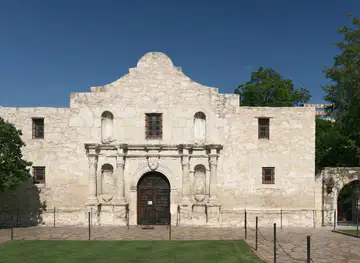
Discover the diverse landscapes, rich history, vibrant cities, and culinary delights of Texas, the Lone Star State, where adventure and culture await at every turn.
Explore Texas