

Free Port Aransas Travel Guide & Mobile App
Plan your Port Aransas trip with Evendo. Get free guides to top attractions, restaurants, hotels, and bars. Web access or download the mobile app.


Discover Port Aransas, Texas: A coastal haven with pristine beaches, thrilling water sports, rich birdlife, and vibrant local culture, perfect for your next getaway.
Read more about Port Aransas
When is the best time to visit Port Aransas?
Best: March–April, November · 23–27°C| Month | High (°C) | Rainfall (mm) |
|---|---|---|
| January | 19 | 45 |
| February | 20 | 39 |
| March (best) | 23 | 42 |
| April (best) | 27 | 51 |
| May | 31 | 75 |
| June | 33 | 127 |
| July | 34 | 102 |
| August | 34 | 109 |
| September | 32 | 165 |
| October | 28 | 132 |
| November (best) | 24 | 66 |
| December | 20 | 56 |
Getting to and around Port Aransas
How to get there
Transportation
Best attractions in Port Aransas
Port Aransas offers visitors pristine beaches perfect for sunbathing and water activities, a vibrant art scene with galleries and local artists showcasing their work, delicious seafood restaurants serving up fresh catches of the day, thrilling deep-sea fishing excursions, and unique shopping experiences in charming boutiques and souvenir shops. Nature lovers can explore the nearby Mustang Island State Park for hiking and birdwatching opportunities, while history buffs can visit the historic Lydia Ann Lighthouse and Port Aransas Museum to learn about the area's rich maritime past. Whether seeking relaxation on the sandy shores or adventure on the open waters, Port Aransas has something for every type of traveler to enjoy.
-
Tourist attraction
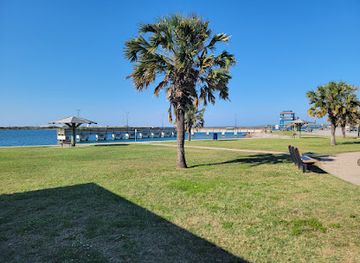
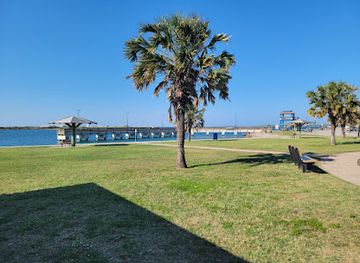
Roberts Point Park
Discover stunning views, vibrant wildlife, and outdoor activities at Roberts Point Park in Port Aransas, Texas—a perfect coastal retreat for all.
11 min walk · 0.9 km from city centre
-
Park
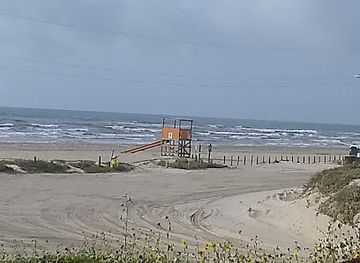
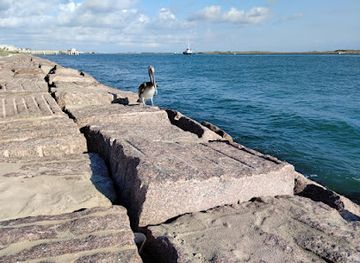
I. B. Magee Beach Park
Experience the beauty of I. B. Magee Beach Park in Port Aransas, Texas, where the sun, sand, and surf await your arrival.
12 min walk · 1.0 km from city centre
-
Tourist attraction
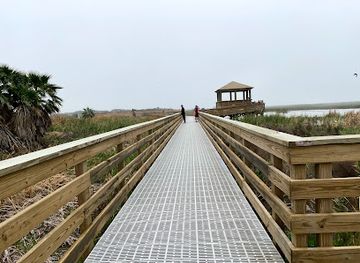
Leonabelle Turnbull Birding Center
Discover the stunning biodiversity and peaceful trails at the Leonabelle Turnbull Birding Center in Port Aransas, Texas.
6 min drive · 1.9 km from city centre
-
Tourist attraction
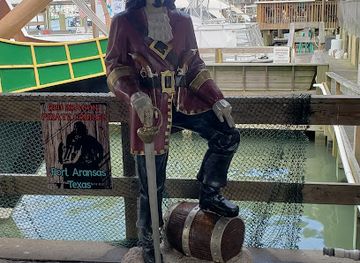
Red Dragon Pirate Cruises
Dive into pirate adventures on Red Dragon Pirate Cruises in Port Aransas, Texas, where fun and coastal beauty await every visitor.
10 min walk · 0.8 km from city centre
Best landmarks in Port Aransas
Port Aransas offers visitors a charming blend of history, nature, and relaxation. Explore the historic Tarpon Inn, a favorite haunt of famous anglers, or visit the iconic Port Aransas Lighthouse for stunning views of the Gulf Coast. Nature lovers can enjoy the pristine beaches, bird watching at the Leonabelle Turnbull Birding Center, or kayaking through the scenic canals. For a taste of local culture, check out the vibrant art galleries and shops in Old Town or sample fresh seafood at the many waterfront restaurants. With its laid-back vibe and endless recreational opportunities, Port Aransas is a must-visit destination for all types of travelers.
-
City park
Roberts Point Park
Explore the beauty of Roberts Point Park in Port Aransas, Texas – a coastal gem with stunning views, outdoor fun, and abundant wildlife.
11 min walk · 0.9 km from city centre
-
Park
I. B. Magee Beach Park
Discover the beauty of I. B. Magee Beach Park in Port Aransas, Texas—your ultimate destination for sun, sand, and adventure.
12 min walk · 1.0 km from city centre
-
Ice Cream
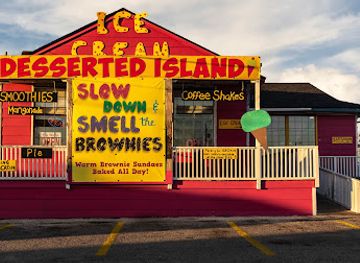
Desserted Island Ice Cream
Indulge in a dreamy array of flavors at Desserted Island Ice Cream, the ultimate coastal treat in Port Aransas, Texas, perfect for beachgoers and tourists.
4 min walk · 0.3 km from city centre
-
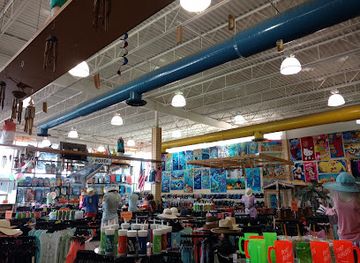
Store
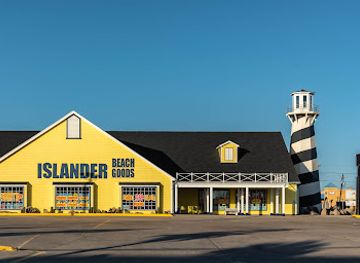
Islander Souvenirs
Discover unique coastal treasures and souvenirs at Islander Souvenirs in Port Aransas, Texas, perfect for capturing memories of your beach getaway.
10 min walk · 0.8 km from city centre
Explore Port Aransas on the map
Plan your Port Aransas trip on one map. See where the top attractions, landmarks, restaurants, bars and hotels are, find what's near where you're staying, and book hotels and experiences in a few clicks.
Best hotels in Port Aransas
Best restaurants in Port Aransas
Port Aransas boasts a diverse and vibrant dining scene that caters to every palate, from fresh seafood shacks serving up the catch of the day to cozy cafes offering gourmet sandwiches and salads. Visitors can indulge in mouthwatering barbecue joints, lively beachfront bars serving up tropical cocktails, and upscale restaurants with panoramic views of the Gulf of Mexico. With a mix of casual eateries and fine dining establishments, Port Aransas is a culinary paradise waiting to be explored by food enthusiasts and travelers alike.
-
Seafood
FINS Grill & Icehouse
Experience fresh Gulf Coast seafood at FINS Grill & Icehouse in Port Aransas - where every meal feels like a seaside getaway.
10 min walk · 0.8 km from city centre
-
Mexican
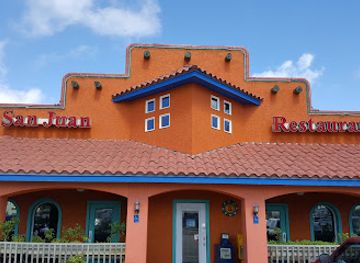
Restaurant San Juan
Experience authentic Mexican cuisine at Restaurant San Juan in Port Aransas - where every meal is a fiesta of flavors.
13 min walk · 1.0 km from city centre
-
Grill
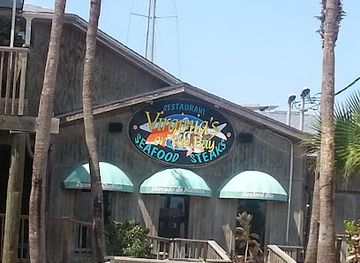
Virginia's On the Bay
Experience delectable seafood and grill dishes with stunning bay views at Virginia's On the Bay in Port Aransas.
8 min walk · 0.6 km from city centre
-
Pizza
Port A Pizzeria
Experience delicious pizza at Port A Pizzeria in Port Aransas - where fresh ingredients meet coastal charm!
11 min walk · 0.9 km from city centre

Best bars in Port Aransas
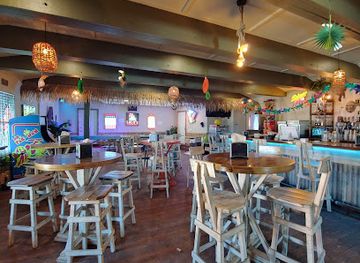
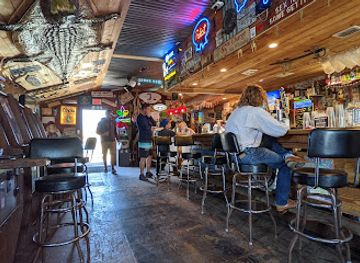
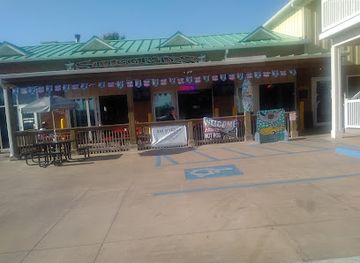
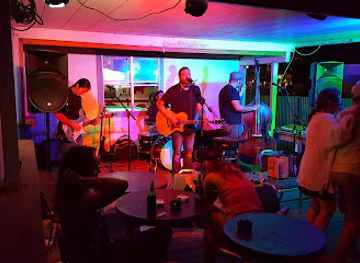
Port Aransas has a vibrant nightlife scene that offers something for every visitor. From beachfront bars with live music and stunning ocean views to lively nightclubs where you can dance the night away, there is no shortage of entertainment options. Whether you're looking for a laid-back evening sipping cocktails by the water or a high-energy night out with friends, Port Aransas has it all. Don't miss out on the chance to experience the unique and lively nightlife of this coastal city.
-
Grill
Trout Street Bar & Grill
Experience the best of coastal dining at Trout Street Bar & Grill in Port Aransas, where fresh seafood meets unforgettable flavors.
7 min walk · 0.5 km from city centre
-
Grill
Lelo's Island Bar
Experience the vibrant island atmosphere at Lelo's Island Bar in Port Aransas, where delicious grilled dishes and refreshing cocktails await.
1 min walk · 0.1 km from city centre
-
Pizza
The Gaff
Experience the best pizza in Port Aransas at The Gaff, where beach vibes and great food come together in a lively atmosphere.
3 min walk · 0.2 km from city centre
-
Restaurant
Stingrays Taphouse and Grill
Experience flavorful American cuisine with a coastal twist at Stingrays Taphouse and Grill, your go-to destination in Port Aransas.
3 min walk · 0.2 km from city centre
Best nightclubs in Port Aransas
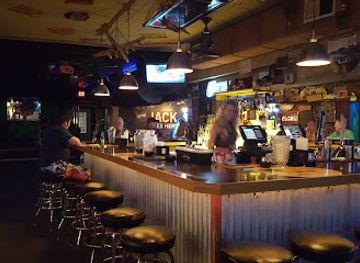
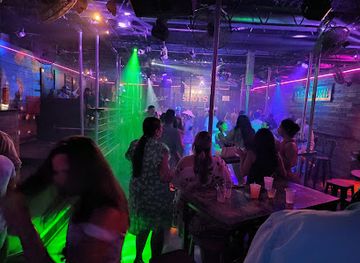
Port Aransas has a vibrant nightlife scene that offers something for every visitor. From beachfront bars with live music and stunning ocean views to lively nightclubs where you can dance the night away, there is no shortage of entertainment options. Whether you're looking for a laid-back evening sipping cocktails by the water or a high-energy night out with friends, Port Aransas has it all. Don't miss out on the chance to experience the unique and lively nightlife of this coastal city.
-
Bar
Bernie's Beach House
Discover the vibrant coastal atmosphere at Bernie's Beach House, a must-visit bar in Port Aransas, Texas, offering refreshing drinks and delicious food.
7 min walk · 0.6 km from city centre
-
Bar
Shorty's Place
Experience the vibrant coastal bar scene at Shorty's Place in Port Aransas, offering refreshing drinks, live music, and a laid-back atmosphere.
1 min walk · 0.1 km from city centre
-
Bar
361 Bar
Discover the vibrant nightlife of Port Aransas at 361 Bar, featuring karaoke, live music, and a lively piano bar ambiance for unforgettable evenings.
16 min walk · 1.3 km from city centre
-
Bar
Treasure Island
Experience the lively nightlife at Treasure Island, a premier bar and live music venue in Port Aransas, Texas, perfect for tourists seeking fun and entertainment.
1 min walk · 0.1 km from city centre

Best shops in Port Aransas
The shopping scene in Port Aransas offers a unique coastal flair that is sure to delight visitors. From charming boutiques and art galleries to beachwear stores and souvenir shops, there is something for everyone. Stroll along the streets lined with colorful shops, where you can find handcrafted jewelry, local artwork, and trendy fashion items. Don't miss the chance to pick up some beach essentials like sun hats, sunglasses, and flip flops. With a laid-back atmosphere and friendly locals, shopping in Port Aransas is not just about finding the perfect souvenir, but also about enjoying the experience of exploring this vibrant coastal town.
-
Gift shop
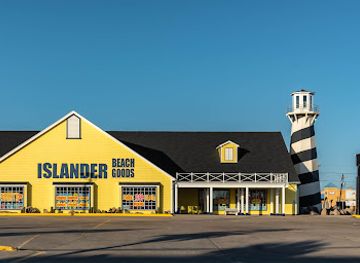
Islander Souvenirs
Discover unique treasures and local crafts at Islander Souvenirs in Port Aransas, the perfect stop for memorable gifts and keepsakes.
10 min walk · 0.8 km from city centre
-
Candy store
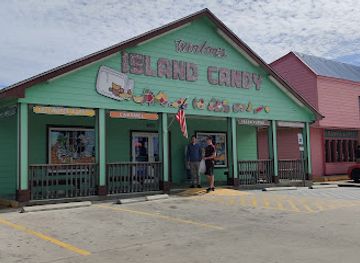
Winton's Island Candy
Discover a paradise of sweets at Winton's Island Candy in Port Aransas, where every treat is a taste of happiness.
10 min walk · 0.8 km from city centre
-
Beach entertainment shop
Destination Beach & Surf
Discover the ultimate beach shop in Port Aransas, offering everything from stylish beachwear to essential surf gear for your seaside adventure.
9 min walk · 0.7 km from city centre
-
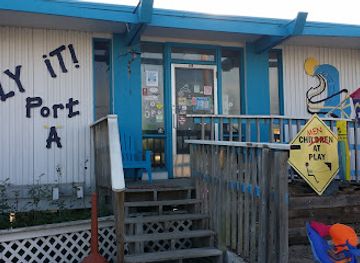
Gift shop
Fly It Port A
Discover Fly It Port A, the ultimate gift shop for kites, toys, and fun in Port Aransas, Texas—perfect for families and beach lovers alike.
12 min walk · 1.0 km from city centre
Get your free copy of our complete guide to Port Aransas, delivered straight to you.
Everything on this page, from attractions and restaurants to essentials and local phrases, in one PDF you can read offline, print or share.
Already have an account? Sign in
Your Port Aransas guide is ready.
We'll send it to · Not you? Sign out

Getting your guide ready…
We are putting together a fresh copy of the Port Aransas guide. This can take up to a minute.
This can take a few moments. If your browser asks, choose Allow so the download can start. You'll find the guide in your Downloads folder.
Nothing happened? Download it again
Sorry, the guide is taking longer than usual. Please try again in a minute, or get it by email instead.
Port Aransas essentials
Currency and Payment
Safety
Emergency Situations
Do's and Don'ts
Local Tips
From Eve
Local phrases worth knowing
You don't need to get them perfect. A few words go a long way, and locals appreciate the effort.
Basics
| English | Local | Say it |
|---|---|---|
| Hello | Howdy | [haw-dee] |
| Goodbye | See ya later | [see ya lay-ter] |
| Yes | Yep | [yep] |
| No | Nah | [nah] |
| Please/You're welcome | Please/No worries | [pleez/no wor-ees] |
| Thank you | Thanks | [thanks] |
| Excuse me/Sorry | Pardon me/My bad | [par-dun me/my bad] |
| How are you? | Howdy, y'all? | [haw-dee y'all] |
| Fine. And you? | Just dandy. You? | [just dan-dee. yoo] |
| Do you speak English? | Y'all speak English? | [y'all speak in-glish] |
| I don't understand | I ain't catchin' on | [I aint ketch-in on] |
Eating & Drinking
| English | Local | Say it |
|---|---|---|
| I'd like to see the menu, please | I reckon I'll take a gander at the menu, please | [I reck-in I'll take a gan-der at the menu, please] |
| I don't eat meat | I ain't a meat eater | [I aint a meet eat-er] |
| Cheers! | Bottoms up! | [bot-ums up] |
| I would like to pay, please | I'll settle up, if you don't mind | [I'll set-tle up, if yoo dont mind] |
Emergencies
| English | Local | Say it |
|---|---|---|
| Help! | SOS! | [SOS] |
| Go away! | Git! | [git] |
| Call the Police! | Ring up the Sheriff! | [ring up the sher-iff] |
| Call a doctor! | Get a doc on the line! | [get a doc on the line] |
| I'm lost | I'm turned around | [I'm turned around] |
| I'm ill | I'm feelin' poorly | [I'm feel-in poorly] |
Shopping
| English | Local | Say it |
|---|---|---|
| I'd like to buy... | I'm fixin' to purchase... | [I'm fix-in to pur-chase] |
| I'm just looking | I'm just browsin' | [I'm just brow-sin] |
| How much is it? | What's the damage? | [whats the dam-age] |
| That's too expensive | That's a bit steep | [thats a bit steep] |
| Can you lower the price? | Can ya do me a solid and drop the price? | [Can ya do me a sol-id and drop the price] |
Time & Numbers
| English | Local | Say it |
|---|---|---|
| What time is it? | What's the hour? | [whats the our] |
| It's one o'clock | It's one of the clock | [Its one of the clock] |
| Half past (10) | Half past ten | [Half past ten] |
| Morning | Mornin' | [mornin] |
| Afternoon | Afternoon | [after-noon] |
| Evening | Evenin' | [evenin] |
| Yesterday | Yest'day | [yest-day] |
| Today | Today | [today] |
| Tomorrow | Tomorra | [tom-orra] |
| 1 | One | [one] |
| 2 | Two | [two] |
| 3 | Three | [three] |
| 4 | Four | [four] |
| 5 | Five | [five] |
| 6 | Six | [six] |
| 7 | Seven | [seven] |
| 8 | Eight | [eight] |
| 9 | Nine | [nine] |
| 10 | Ten | [ten] |
Transport & Directions
| English | Local | Say it |
|---|---|---|
| Where's a/the...? | Where's the... | [wheres the] |
| What's the address? | What's the addy? | [whats the addy] |
| Can you show me (on the map)? | Can ya point it out (on the map)? | [Can ya point it out (on the map)] |
| When's the next (bus)? | When's the next one? | [whens the next one] |
| A ticket (to ....) | A pass (to ...) | [A pass (to ...)] |
History of Port Aransas
Early Settlement and Indigenous Cultures
Long before the arrival of European settlers, the area now known as Port Aransas was inhabited by the Karankawa Indians. These nomadic tribes were known for their fishing and hunting skills, and their canoes were a common sight in the waters surrounding Mustang Island. The Karankawas thrived in this region due to its abundant resources, including fish, shellfish, and game.
Spanish Exploration
In the early 16th century, Spanish explorers made their way to the Texas coast. Notably, Alonso Álvarez de Pineda mapped the area in 1519, marking one of the earliest European contacts with the region. The Spanish influence began to shape the cultural and historical landscape, as explorers and missionaries attempted to exert influence over the indigenous populations.
Pirate Legends
Port Aransas has a storied history involving pirates in the 18th and 19th centuries. Legends abound of the infamous pirate Jean Lafitte using the channels and coves around Mustang Island as hiding spots for his treasure and a base for his operations. While much of this remains folklore, the tales add a sense of mystique and adventure to the area's history.
Civil War Era
During the American Civil War, the strategic significance of Port Aransas and its waterways became clear. The Union forces blockaded the Texas coast, including Mustang Island, to cut off supplies to the Confederacy. In 1863, Union forces captured Mustang Island, establishing a foothold that disrupted Confederate supply lines and naval operations.
Development of the Lighthouse
The Aransas Pass Lighthouse, constructed in 1857, stands as a testament to the maritime history of Port Aransas. It served as a crucial navigational aid for ships navigating the treacherous waters of the Gulf of Mexico. The lighthouse has been restored and remains a historical landmark, symbolizing the town's connection to its maritime roots.
Fishing Industry Boom
In the early 20th century, Port Aransas transformed into a thriving fishing hub. The construction of the jetties in the 1910s facilitated safer navigation, attracting commercial and recreational fishermen. The town became known for its abundant marine life, including prized catches like tarpon, which drew anglers from across the country.
World War II Impact
World War II brought significant changes to Port Aransas. The U.S. Navy established a base on Mustang Island, utilizing the area for training and defense purposes. The presence of the military spurred infrastructure development and brought a wave of economic activity to the town, leaving a lasting impact on its growth and modernization.
Modern-Day Tourism
Today, Port Aransas is a vibrant tourist destination known for its beautiful beaches, rich history, and diverse wildlife. The town hosts numerous festivals and events, celebrating its maritime heritage and cultural diversity. Tourism has become a cornerstone of the local economy, drawing visitors from around the world to experience its unique charm and history.
Port Aransas in Photos
Browse through our photo collection highlighting the charm and character of the destination.
Cities near Port Aransas
The closest cities to Port Aransas, if you have time for more than one stop.
-

-
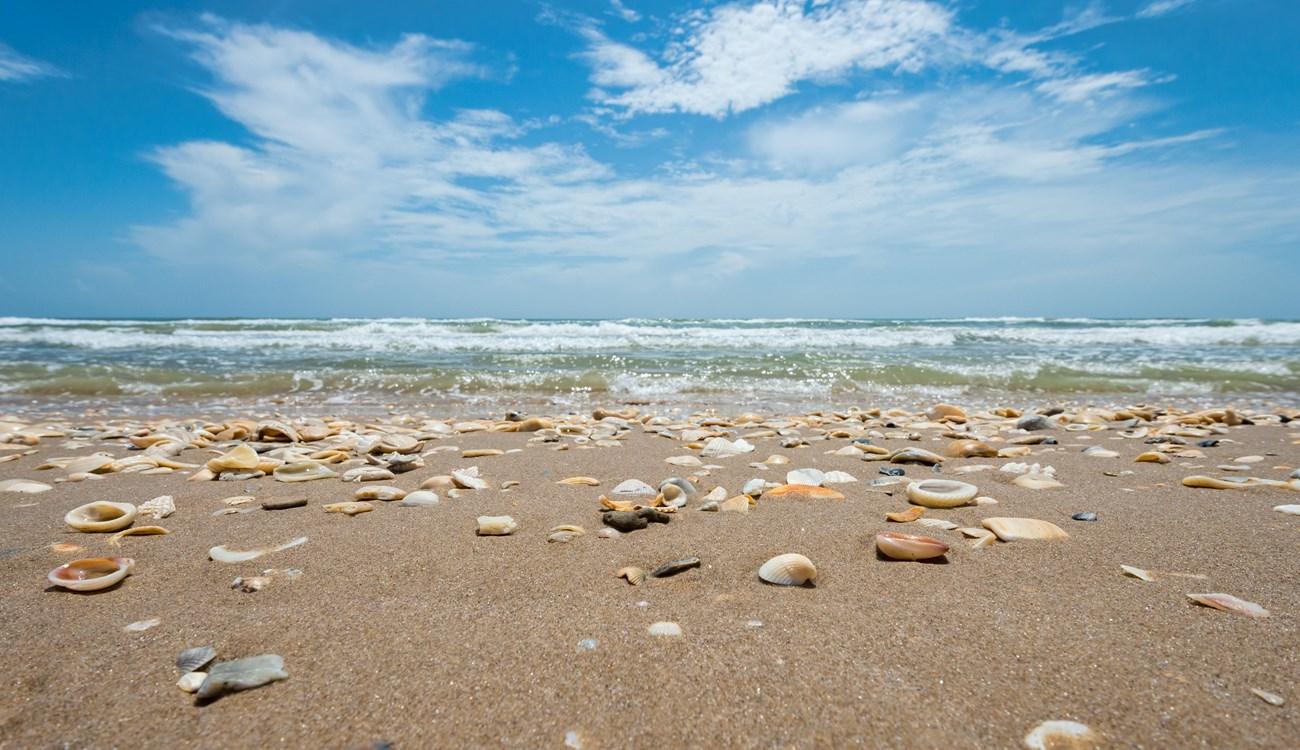 South Padre Island
Discover South Padre Island, Texas: Pristine beaches, thrilling water sports, and vibrant nightlife make it a premier destination for adventure and relaxation.
3 h 32 min drive · 192 km from city centre
South Padre Island
Discover South Padre Island, Texas: Pristine beaches, thrilling water sports, and vibrant nightlife make it a premier destination for adventure and relaxation.
3 h 32 min drive · 192 km from city centre
-

-

-


Swipe for more cities
Explore more
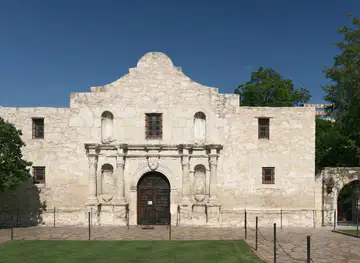
Explore more of Texas
Discover the diverse landscapes, rich history, vibrant cities, and culinary delights of Texas, the Lone Star State, where adventure and culture await at every turn.
Explore Texas