

Free McAllen Travel Guide & Mobile App
Plan your McAllen trip with Evendo. Get free guides to top attractions, restaurants, hotels, and bars. Web access or download the mobile app.


McAllen, Texas blends Rio Grande Valley history, borderland culture, subtropical nature, art, shopping and warm-weather sightseeing near Mexico.
A South Texas Border City
McAllen occupies a distinctive position in the Lower Rio Grande Valley of South Texas, close to the Mexican city of Reynosa and surrounded by a landscape shaped by irrigation, citrus groves and subtropical vegetation. Its warm climate, broad streets and low-rise development give it a relaxed, spacious character, while the international border brings a strong blend of Mexican, Texan and wider Latin American influences to everyday life. Spanish is widely heard, and local food, festivals, music and commerce reflect the region’s cross-border connections.Read more about McAllen
Arts, Nature and Public Life
Shopping and Borderland Flavours
When is the best time to visit McAllen?
Best: February–March, November · 24–26°C| Month | High (°C) | Rainfall (mm) |
|---|---|---|
| January | 21 | 22 |
| February (best) | 24 | 20 |
| March (best) | 26 | 18 |
| April | 30 | 20 |
| May | 32 | 26 |
| June | 34 | 30 |
| July | 35 | 31 |
| August | 35 | 29 |
| September | 33 | 27 |
| October | 30 | 23 |
| November (best) | 25 | 22 |
| December | 20 | 20 |
Getting to and around McAllen
How to get there
Transportation
Best attractions in McAllen
McAllen’s attractions reflect the Rio Grande Valley’s combination of culture, science and subtropical habitat. The International Museum of Art & Science, known locally as IMAS, brings together art displays, scientific interpretation and family-oriented learning in a modern setting. At Quinta Mazatlán, visitors can explore a Spanish Revival house and wooded grounds that function as a centre for environmental education and birding. The McAllen Nature Center offers trails through native South Texas vegetation, while the McAllen Performing Arts Center presents music, theatre and touring entertainment. Downtown rewards slower exploration through galleries, public art, cafés and civic spaces, and the 17th Street Entertainment District adds restaurants, bars and evening activity. Shoppers may prefer La Plaza Mall or the commercial areas around South Padre Island Drive, while seasonal birdlife provides an especially distinctive reason to spend time outdoors.
-
Tourist attraction
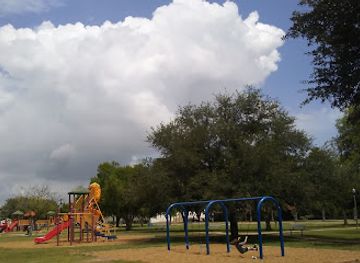
Bill Schupp Park
Explore the lush landscapes and vibrant recreational activities at Bill Schupp Park in McAllen, Texas, a perfect urban oasis for all nature lovers.
11 min drive · 3.6 km from city centre
-
Tourist attraction
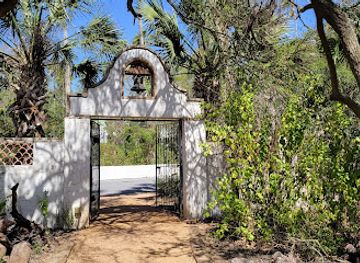
Quinta Mazatlan
Explore the lush gardens and historic charm of Quinta Mazatlan, a tranquil retreat in McAllen, Texas, perfect for nature lovers and history enthusiasts.
17 min drive · 5.6 km from city centre
-
Tourist attraction
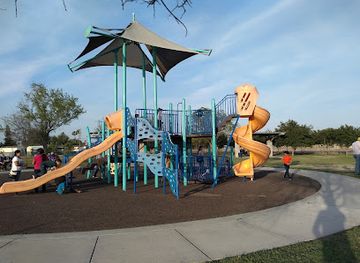
Firemen's Park
Explore Firemen's Park in McAllen, Texas: A Family-Friendly Oasis with Scenic Paths and Community Events.
11 min drive · 3.7 km from city centre
-
Tourist attraction
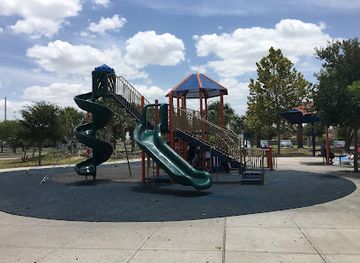
Zinnia Park
Discover tranquility at Zinnia Park, a stunning oasis in McAllen, Texas, perfect for families, fitness lovers, and nature enthusiasts.
9 min drive · 3.1 km from city centre
Best landmarks in McAllen
McAllen’s principal landmarks express its twentieth-century growth, civic ambitions and borderland setting. Quinta Mazatlán is a Spanish Revival-style residence whose architecture and landscaped grounds are now associated with environmental education and the preservation of native habitat. The McAllen Performing Arts Center is a prominent contemporary civic building and a focal point for concerts and public performances. Downtown’s historic commercial buildings and civic spaces recall the city’s development as a railway, agricultural and trading centre, while the International Museum of Art & Science represents its modern cultural investment. Archer Park, one of the city’s established public spaces, provides a small green landmark within the urban centre. Together, these places show how McAllen’s identity has developed through agriculture, public institutions, arts programming and its continuing relationship with the Rio Grande border region.
-
Mexican
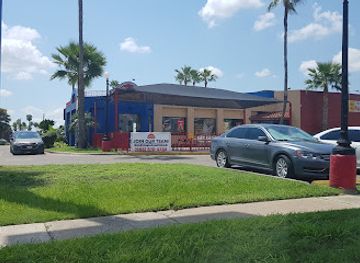
Taco Palenque
Experience the authentic taste of Mexico at Taco Palenque in McAllen, TX, where vibrant flavors and family-friendly dining meet.
11 min drive · 3.8 km from city centre
-
City park
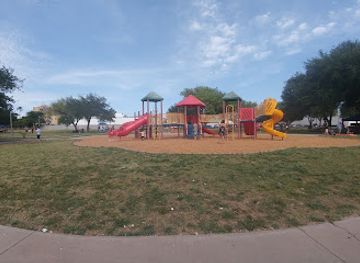
Bill Schupp Park
Explore the natural beauty and recreational delights of Bill Schupp Park, a tranquil urban oasis in McAllen, Texas.
11 min drive · 3.6 km from city centre
-
Historical place
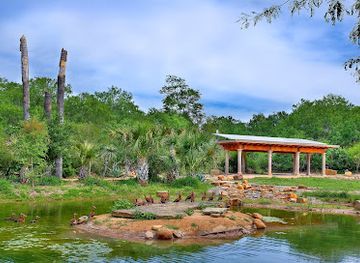
Quinta Mazatlan
Explore the beauty and history of Quinta Mazatlan, a stunning eco-tourism site showcasing McAllen's rich cultural heritage and natural landscapes.
17 min drive · 5.6 km from city centre
-
Park
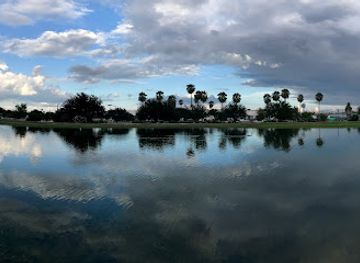
Firemen's Park
Explore the serene landscapes and vibrant community events at Firemen's Park, a top destination for relaxation and recreation in McAllen, Texas.
11 min drive · 3.7 km from city centre
Explore McAllen on the map
Plan your McAllen trip on one map. See where the top attractions, landmarks, restaurants, bars and hotels are, find what's near where you're staying, and book hotels and experiences in a few clicks.
Best hotels in McAllen
Best restaurants in McAllen
McAllen’s food culture is shaped by its location in the Lower Rio Grande Valley, where Mexican culinary traditions, South Texas cooking and contemporary influences meet. Tacos, enchiladas, tamales, carne asada, breakfast plates and pan dulce are everyday parts of the local food landscape, while Tex-Mex restaurants sit alongside businesses specialising in regional Mexican cooking. Rio Grande Valley produce, citrus and locally familiar ingredients appear in seasonal dishes, aguas frescas and bakery goods. Downtown and the 17th Street Entertainment District provide a concentration of restaurants, cafés and bars, while larger commercial corridors offer everything from casual family dining to national chains. Food trucks, taquerias and small bakeries are often as revealing of local tastes as formal restaurants, and cross-border connections give the city’s dining scene a distinctly bilingual, transnational character.
-
American
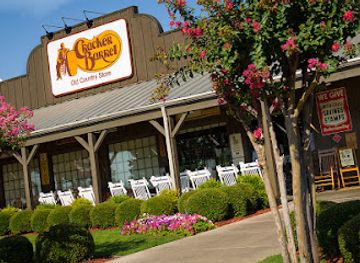
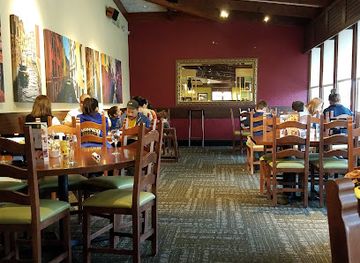
Cracker Barrel Old Country Store
Experience authentic Southern comfort food at Cracker Barrel Old Country Store in McAllen, Texas - where every meal feels like home.
12 min drive · 3.9 km from city centre
-
Italian
Olive Garden Italian Restaurant
Experience authentic Italian cuisine with family-friendly service at Olive Garden in McAllen – where every meal feels like a celebration.
13 min drive · 4.5 km from city centre
-
Traditional American
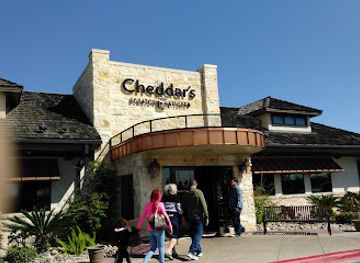
Cheddar's Scratch Kitchen
Experience mouthwatering traditional American dishes at Cheddar's Scratch Kitchen in McAllen - where every meal is made from scratch with love.
11 min drive · 3.5 km from city centre
-
Chinese
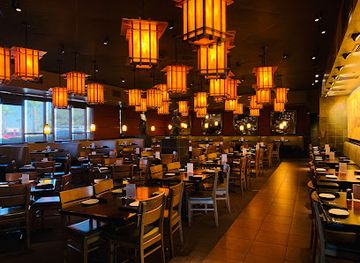
P.F. Chang's
Experience authentic Asian cuisine with a modern twist at P.F. Chang's in McAllen - perfect for food lovers seeking flavor and elegance.
11 min drive · 3.6 km from city centre
Best bars in McAllen
McAllen’s evening life is concentrated chiefly downtown and along 17th Street, where bars, restaurants and entertainment venues create the city’s most active late-day areas. Options range from relaxed lounges and cocktail-led bars to venues with live music, DJs and dancing, while the McAllen Performing Arts Center provides a more formal setting for concerts and touring productions. The atmosphere is generally social and casual, with strong Mexican-American and wider South Texas influences in music, food and conversation. Nightlife is more developed than the city’s size might suggest, but it remains distributed across commercial districts rather than forming one continuous club quarter. Visitors should arrange transport for longer journeys, check venue policies before setting out and remember that US drinking laws and identity requirements apply.
-
Bar
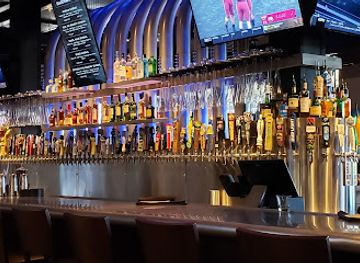
Yard House
Discover the vibrant flavors of Yard House in McAllen, where New American cuisine meets an extensive selection of craft beers in a lively atmosphere.
13 min drive · 4.2 km from city centre
-
Sports bar
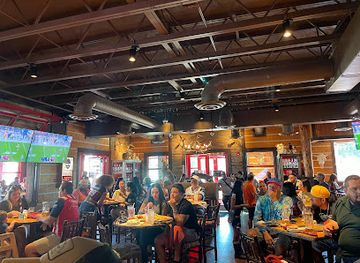
Twin Peaks
Experience a thrilling sports atmosphere with delicious American food and drinks at Twin Peaks in McAllen, where every game is a celebration.
13 min drive · 4.3 km from city centre
-
Grill
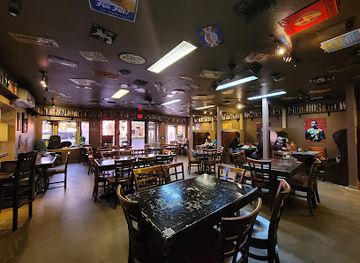
Roosevelt's at 7
Experience the vibrant flavors of McAllen at Roosevelt's at 7, where delicious grill specialties meet a lively atmosphere.
6 min drive · 2.0 km from city centre
-
Grill
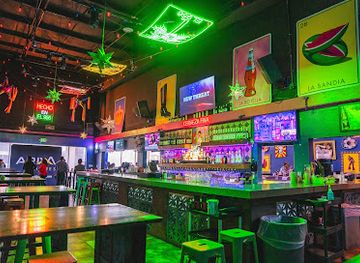
Suerte Bar & Grill Uptown
Experience the vibrant flavors of McAllen at Suerte Bar & Grill Uptown, where every meal is a celebration of Texan cuisine and lively atmosphere.
10 min drive · 3.3 km from city centre
Best nightclubs in McAllen
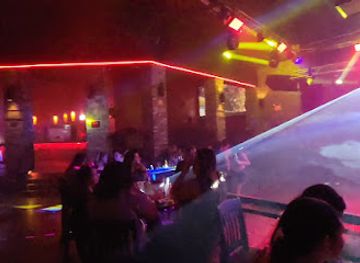
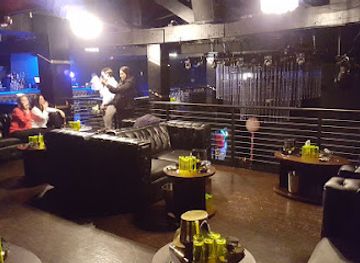
McAllen’s evening life is concentrated chiefly downtown and along 17th Street, where bars, restaurants and entertainment venues create the city’s most active late-day areas. Options range from relaxed lounges and cocktail-led bars to venues with live music, DJs and dancing, while the McAllen Performing Arts Center provides a more formal setting for concerts and touring productions. The atmosphere is generally social and casual, with strong Mexican-American and wider South Texas influences in music, food and conversation. Nightlife is more developed than the city’s size might suggest, but it remains distributed across commercial districts rather than forming one continuous club quarter. Visitors should arrange transport for longer journeys, check venue policies before setting out and remember that US drinking laws and identity requirements apply.
-
Night club
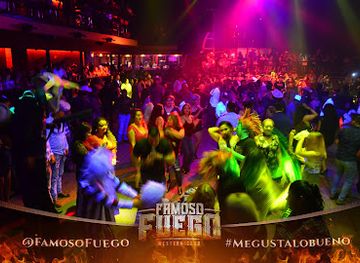
Famoso Fuego
Experience the vibrant nightlife of McAllen at Famoso Fuego, where music, dance, and unforgettable moments await you.
28 min drive · 9.2 km from city centre
-
Night club
MK'z Nightclub
Discover the ultimate nightlife experience at MK'z Nightclub in McAllen, Texas - where music, dancing, and a vibrant crowd come together.
7 min drive · 2.2 km from city centre
-
Night club
NOXX Nightclub
Dive into the energetic nightlife at NOXX Nightclub in McAllen, Texas, where unforgettable music and vibrant crowds await every weekend.
8 min drive · 2.6 km from city centre
-
Night club
El Toro Club
Unleash your night at El Toro Club, McAllen's ultimate destination for vibrant nightlife, dancing, and signature cocktails.
10 min drive · 3.2 km from city centre

Best shops in McAllen
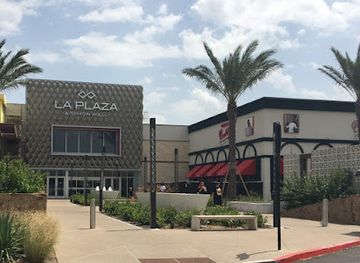
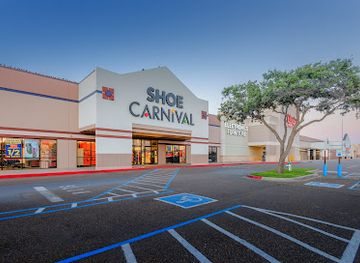
Shopping is one of McAllen’s most prominent visitor activities, with La Plaza Mall serving as the city’s major enclosed retail centre and offering a broad range of national brands, dining and everyday services. Palms Crossing and the commercial corridors around South Padre Island Drive provide further concentrated retail, restaurants and specialist businesses. Downtown offers a smaller-scale contrast through independent shops, galleries and locally oriented enterprises, although retail patterns can change over time. Visitors interested in the region’s cultural character can look for Mexican-inspired textiles, ceramics, leather goods, woven products, jewellery and packaged foods, while pan dulce and regional sweets make practical edible gifts. Because McAllen is a cross-border shopping centre, prices and product selection attract visitors from both sides of the Rio Grande, but shoppers should understand customs rules before carrying goods internationally.
-
Shopping mall
La Plaza Mall
Explore La Plaza Mall in McAllen, Texas, a vibrant shopping haven with diverse stores, delightful dining, and exciting entertainment options for all visitors.
14 min drive · 4.6 km from city centre
-
Shopping mall
Las Tiendas S.C.
Discover shopping, dining, and entertainment at Las Tiendas S.C. in McAllen, Texas – a vibrant mall for the whole family.
17 min drive · 5.6 km from city centre
-
Gift shop
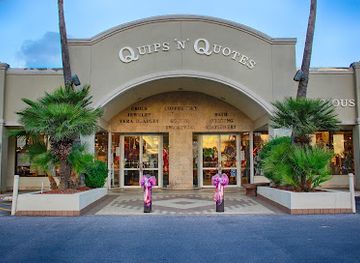
Quips 'N' Quotes
Explore Quips 'N' Quotes, McAllen's charming gift shop where unique greeting cards and novelty items await your discovery.
11 min drive · 3.5 km from city centre
-
Costume store
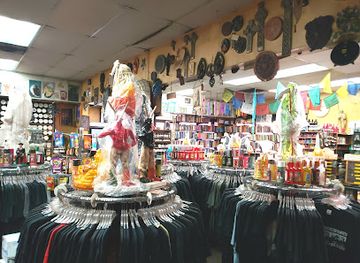
The Gallery
Explore The Gallery in McAllen, a costume store and eclectic shop offering unique candles, jewelry, novelty items, and more for every occasion.
8 min drive · 2.6 km from city centre
Get your free copy of our complete guide to McAllen, delivered straight to you.
Everything on this page, from attractions and restaurants to essentials and local phrases, in one PDF you can read offline, print or share.
Already have an account? Sign in
Your McAllen guide is ready.
We'll send it to · Not you? Sign out

Getting your guide ready…
We are putting together a fresh copy of the McAllen guide. This can take up to a minute.
This can take a few moments. If your browser asks, choose Allow so the download can start. You'll find the guide in your Downloads folder.
Nothing happened? Download it again
Sorry, the guide is taking longer than usual. Please try again in a minute, or get it by email instead.
McAllen essentials
Currency and Payment
Safety
Emergency Situations
Do's and Don'ts
Local Tips
From Eve
Local phrases worth knowing
You don't need to get them perfect. A few words go a long way, and locals appreciate the effort.
Basics
| English | Local | Say it |
|---|---|---|
| Hello | Howdy | [hah-dee] |
| Goodbye | Adios | [ah-dee-ohs] |
| Yes | Si | [see] |
| No | No | [noh] |
| Please/You're welcome | Por favor/De nada | [por fah-vor/de nah-dah] |
| Thank you | Gracias | [grah-see-ahs] |
| Excuse me/Sorry | Disculpe/Lo siento | [dee-skool-peh/loh see-en-toh] |
| How are you? | ¿Cómo estás? | [koh-moh ehs-tahs] |
| Fine. And you? | Bien. ¿Y tú? | [bee-ehn. ee too] |
| Do you speak English? | ¿Hablas inglés? | [ah-blahs een-glehs] |
| I don't understand | No entiendo | [noh ehn-tee-ehn-doh] |
Eating & Drinking
| English | Local | Say it |
|---|---|---|
| I'd like to see the menu, please | Me gustaría ver el menú, por favor | [meh goo-stah-ree-ah vehr ehl meh-noo, por fah-vor] |
| I don't eat meat | No como carne | [noh koh-moh kahr-neh] |
| Cheers! | ¡Salud! | [sah-loohd] |
| I would like to pay, please | Me gustaría pagar, por favor | [meh goo-stah-ree-ah pah-gahr, por fah-vor] |
Emergencies
| English | Local | Say it |
|---|---|---|
| Help! | ¡Ayuda! | [ah-yoo-dah] |
| Go away! | ¡Vete! | [veh-teh] |
| Call the Police! | ¡Llama a la policía! | [yah-mah ah lah poh-lee-see-ah] |
| Call a doctor! | ¡Llama a un médico! | [yah-mah ah oon meh-dee-koh] |
| I'm lost | Estoy perdido/a | [ehs-toy pehr-dee-doh/ah] |
| I'm ill | Estoy enfermo/a | [ehs-toy ehn-fehr-moh/ah] |
Shopping
| English | Local | Say it |
|---|---|---|
| I'd like to buy... | Me gustaría comprar... | [meh goo-stah-ree-ah kohm-prahr] |
| I'm just looking | Sólo estoy mirando | [soh-loh ehs-toy mee-rahn-doh] |
| How much is it? | ¿Cuánto cuesta? | [kwan-toh kwehs-tah] |
| That's too expensive | Eso es demasiado caro | [eh-soh ehs deh-mah-see-ah-doh kah-roh] |
| Can you lower the price? | ¿Puede bajar el precio? | [pweh-deh bah-hahr ehl pree-see-oh] |
Time & Numbers
| English | Local | Say it |
|---|---|---|
| What time is it? | ¿Qué hora es? | [keh oh-rah ehs] |
| It's one o'clock | Es la una en punto | [ehs lah oo-nah ehn poon-toh] |
| Half past (10) | Media (10) | [meh-dee-ah (deh-eez)] |
| Morning | Mañana | [mah-nyah-nah] |
| Afternoon | Tarde | [tahr-deh] |
| Evening | Noche | [noh-cheh] |
| Yesterday | Ayer | [ah-yehr] |
| Today | Hoy | [oy] |
| Tomorrow | Mañana | [mah-nyah-nah] |
| 1 | Uno | [oo-noh] |
| 2 | Dos | [dohs] |
| 3 | Tres | [trehs] |
| 4 | Cuatro | [kwah-troh] |
| 5 | Cinco | [seen-koh] |
| 6 | Seis | [say-eess] |
| 7 | Siete | [see-eh-teh] |
| 8 | Ocho | [oh-choh] |
| 9 | Nueve | [nweh-veh] |
| 10 | Diez | [dyehs] |
Transport & Directions
| English | Local | Say it |
|---|---|---|
| Where's a/the...? | ¿Dónde está...? | [dohn-deh ehs-tah] |
| What's the address? | ¿Cuál es la dirección? | [kwal ehs lah dee-rehk-syon] |
| Can you show me (on the map)? | ¿Puede mostrarme (en el mapa)? | [pweh-deh mohs-trahr-meh (ehn ehl mah-pah)] |
| When's the next (bus)? | ¿Cuándo es el próximo (autobús)? | [kwan-doh ehs ehl proh-see-moh (ow-toh-boos)] |
| A ticket (to ....) | Un boleto (a ....) | [oon boh-leh-toh (ah)] |
History of McAllen
Indigenous Valley Communities
Long before McAllen was established, the Lower Rio Grande Valley was inhabited by Indigenous peoples who adapted to a riverine environment of wetlands, thornscrub and seasonal waterways. Groups associated with the Coahuiltecan cultural world lived through hunting, gathering, fishing and small-scale cultivation, while later Indigenous communities and settlers moved through the valley along routes connecting the Gulf Coast, northern Mexico and the interior of Texas. The Rio Grande was both a source of life and a corridor of exchange. Although urban development has transformed much of the original landscape, surviving native vegetation and archaeological evidence provide important context for understanding the region before Anglo-American settlement.
Spanish and Mexican Borderlands
Spanish exploration and mission activity reached the broader Rio Grande Valley during the colonial era, linking the region to settlements on both sides of the river. After Mexican independence in 1821, the valley remained part of northern Mexico until the political changes that followed the Texas Revolution and the Treaty of Guadalupe Hidalgo in 1848. The new international boundary divided communities whose commercial and family relationships continued across the river. McAllen’s later history therefore developed within a borderland already shaped by Spanish language, Mexican landholding, Catholic traditions and long-established movement between the two banks.
Founding of McAllen
McAllen emerged in the early twentieth century during a period of railroad expansion, land development and agricultural investment in the Lower Rio Grande Valley. The community was named for John McAllen, a landowner associated with the area, and was incorporated in 1911 after the arrival of the railway helped connect local farms with markets beyond South Texas. Irrigation made intensive agriculture more dependable, encouraging settlement and commercial growth. Citrus orchards, cotton and other crops became central to the local economy, while the town’s position near the border strengthened its role as a regional trading centre.
Irrigation, Citrus and Urban Growth
During the twentieth century, irrigation transformed the Rio Grande Valley from a largely dry landscape into an important agricultural region. McAllen expanded as a service, distribution and retail centre for surrounding farms, and citrus cultivation became one of the area’s most recognisable industries. Improved roads and the growth of air travel widened the city’s connections with the rest of Texas. Population growth brought new neighbourhoods, schools, public institutions and businesses, while Mexican-American communities remained central to the city’s social and cultural life. The resulting urban character combined agricultural foundations with increasingly diverse commercial and civic activity.
A Contemporary Cross-Border Centre
In recent decades, McAllen has developed as a regional centre for healthcare, education, retail, the arts and international commerce. Its proximity to Reynosa has encouraged sustained cross-border economic and family connections, although the border has also brought complex debates about migration, security and humanitarian responsibility. Public institutions such as the International Museum of Art & Science, the McAllen Performing Arts Center and local nature preserves reflect an effort to broaden the city’s cultural and environmental profile. Today, McAllen’s identity rests on the interaction of a growing South Texas city, a productive valley landscape and a border shared by communities with deep historical ties.
McAllen in Photos
Browse through our photo collection highlighting the charm and character of the destination.
Cities near McAllen
The closest cities to McAllen, if you have time for more than one stop.
-

-
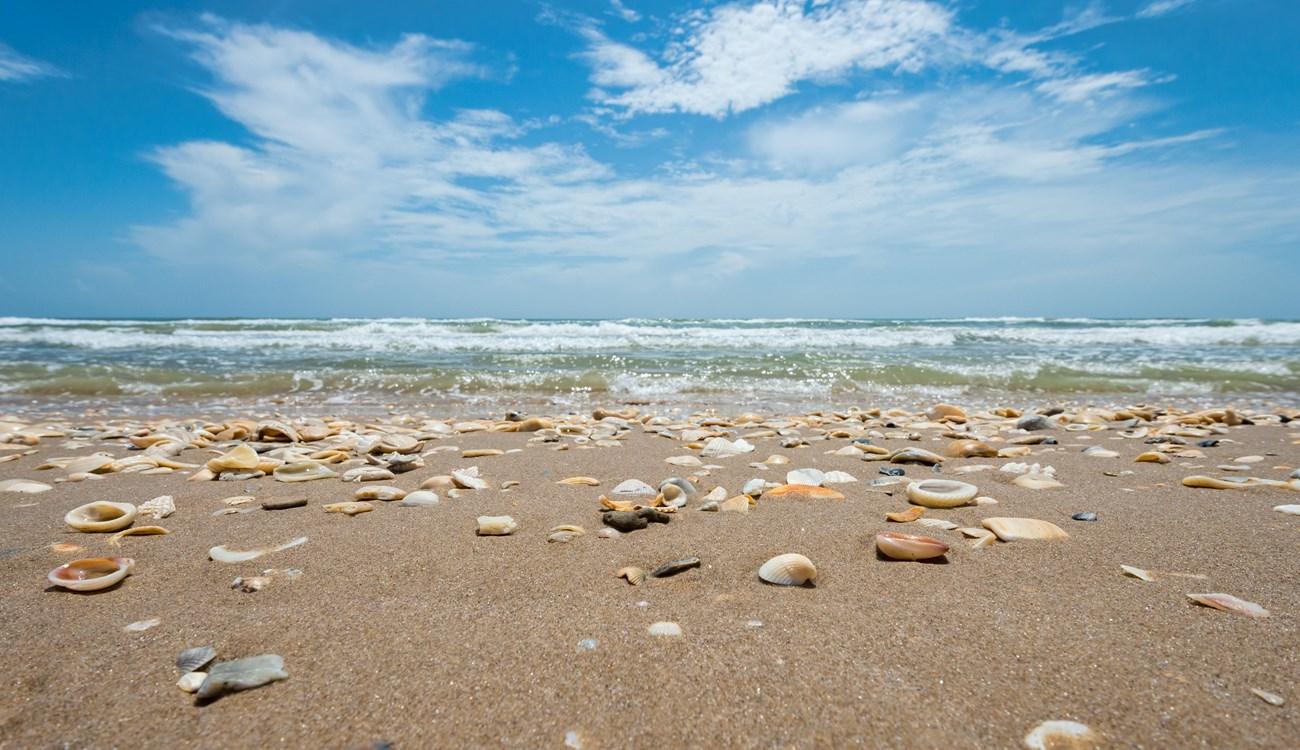 South Padre Island
Discover South Padre Island, Texas: Pristine beaches, thrilling water sports, and vibrant nightlife make it a premier destination for adventure and relaxation.
2 h 8 min drive · 108 km from city centre
South Padre Island
Discover South Padre Island, Texas: Pristine beaches, thrilling water sports, and vibrant nightlife make it a premier destination for adventure and relaxation.
2 h 8 min drive · 108 km from city centre
-

-

-


Swipe for more cities
Explore more
Explore more of Texas
Discover the diverse landscapes, rich history, vibrant cities, and culinary delights of Texas, the Lone Star State, where adventure and culture await at every turn.
Explore Texas