

Free South Padre Island Travel Guide & Mobile App
Plan your South Padre Island trip with Evendo. Get free guides to top attractions, restaurants, hotels, and bars. Web access or download the mobile app.


Discover South Padre Island, Texas: Pristine beaches, thrilling water sports, and vibrant nightlife make it a premier destination for adventure and relaxation.
Read more about South Padre Island
When is the best time to visit South Padre Island?
Best: February–March, November · 21–24°C| Month | High (°C) | Rainfall (mm) |
|---|---|---|
| January | 20 | 40 |
| February (best) | 21 | 40 |
| March (best) | 24 | 50 |
| April | 28 | 60 |
| May | 31 | 70 |
| June | 33 | 80 |
| July | 34 | 80 |
| August | 34 | 80 |
| September | 33 | 100 |
| October | 29 | 90 |
| November (best) | 24 | 70 |
| December | 21 | 50 |
Getting to and around South Padre Island
How to get there
Transportation
Best attractions in South Padre Island
South Padre Island offers a perfect blend of stunning beaches, water sports, and vibrant nightlife, making it a popular vacation destination for all. Visitors can enjoy activities such as parasailing, jet skiing, and dolphin watching tours, as well as relaxing on the beautiful sandy shores. The island also boasts a range of restaurants serving fresh seafood and local cuisine, as well as lively bars and clubs for those looking to dance the night away. Nature enthusiasts can explore the South Padre Island Birding and Nature Center, home to a variety of bird species and wildlife. Overall, South Padre Island promises an unforgettable experience for travelers seeking sun, fun, and relaxation.
-
Animal protection organization
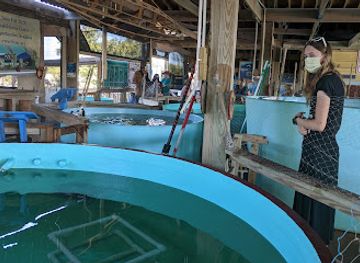
Sea Turtle, Inc.
Explore sea turtle conservation at Sea Turtle, Inc. on South Padre Island, a unique blend of education and animal rescue!
6 min drive · 1.8 km from city centre
-
Non-profit organization
South Padre Island Birding And Nature Center
Discover the rich biodiversity and stunning landscapes at South Padre Island Birding And Nature Center, a must-visit for nature lovers and bird watchers.
6 min drive · 1.9 km from city centre
-
Water sports equipment rental service
SPI Excursions
Experience thrilling water sports and breathtaking views at SPI Excursions on South Padre Island, Texas.
8 min drive · 2.6 km from city centre
-
Tourist attraction
Gravity Park
Experience the thrills of Gravity Park in South Padre Island, where adventure meets fun for the whole family under the Texas sun.
6 min drive · 2.1 km from city centre

Best landmarks in South Padre Island
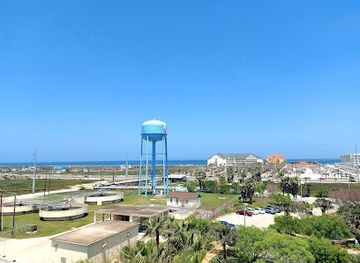
South Padre Island boasts a variety of attractions for visitors to explore, from the iconic Queen Isabella Causeway offering stunning views of the Gulf of Mexico to the historic Port Isabel Lighthouse showcasing the area's maritime past. Nature lovers can marvel at the diverse wildlife at the South Padre Island Birding and Nature Center, while thrill-seekers can enjoy water sports and activities along the pristine beaches. The vibrant nightlife scene, with numerous beachfront bars and restaurants, offers a lively atmosphere for visitors to unwind and enjoy the island's unique charm.
-
Non-profit organization
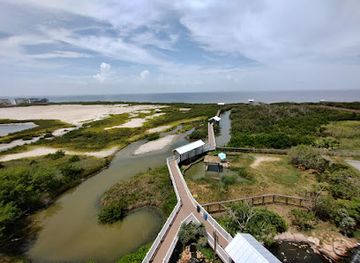
South Padre Island Birding And Nature Center
Explore the vibrant ecosystems of South Padre Island at the Birding And Nature Center, a haven for wildlife enthusiasts and nature lovers.
6 min drive · 1.9 km from city centre
-
Amusement park
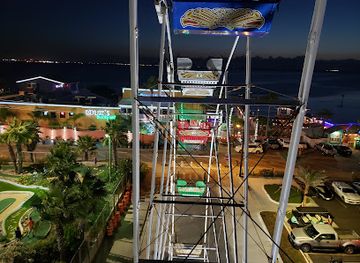
Gravity Park
Experience the thrill of Gravity Park in South Padre Island, Texas, where adventure meets excitement for all ages under the stars.
6 min drive · 2.1 km from city centre
-
Park
Andy Bowie County Park
Explore the serene beaches and vibrant wildlife at Andy Bowie County Park, a must-visit destination on South Padre Island for nature lovers and beachgoers.
7 min drive · 2.3 km from city centre
-
Public beach
Beach Access #16 - Neptune Circle
Experience the beauty and adventure at Beach Access #16 - Neptune Circle, South Padre Island's premier public beach destination for sun, fun, and relaxation.
7 min walk · 0.5 km from city centre
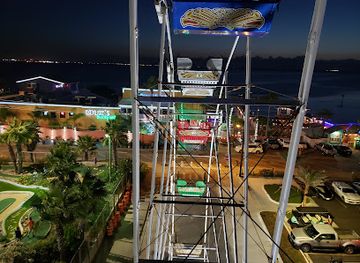
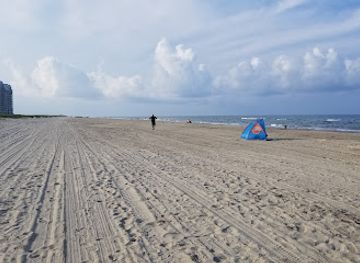
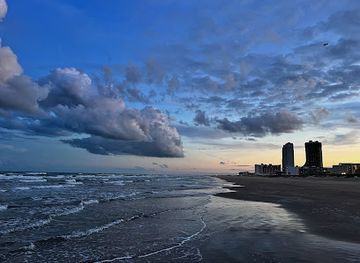
Explore South Padre Island on the map
Plan your South Padre Island trip on one map. See where the top attractions, landmarks, restaurants, bars and hotels are, find what's near where you're staying, and book hotels and experiences in a few clicks.
Best hotels in South Padre Island
Best restaurants in South Padre Island
South Padre Island boasts a diverse dining scene that caters to every palate, from fresh seafood shacks serving up the catch of the day to upscale waterfront restaurants offering gourmet cuisine with a view. Visitors can feast on mouth-watering Tex-Mex dishes, savor authentic Mexican flavors, or indulge in fusion cuisine that combines local ingredients with international influences. Whether you're in the mood for a casual beachfront meal or a fine dining experience, South Padre Island has a restaurant to suit every taste and budget.
-
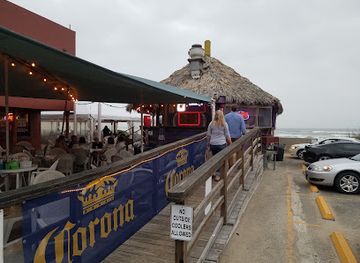
Bar
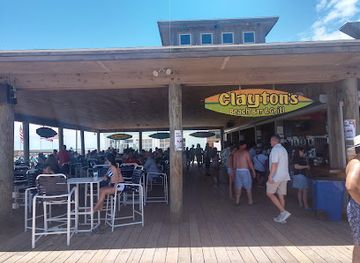
Clayton's Beach Bar & Event Venue
Discover Clayton's Beach Bar & Event Venue - where vibrant nightlife meets delectable American cuisine on South Padre Island.
6 min drive · 1.9 km from city centre
-
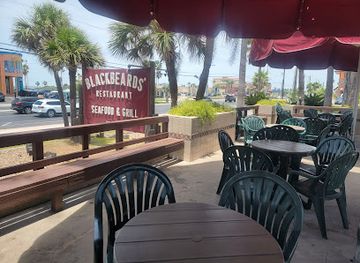
Seafood
Blackbeards'
Experience delightful seafood dining at Blackbeards', where fresh flavors meet vibrant island vibes on South Padre Island.
5 min walk · 0.4 km from city centre
-
Restaurant
Louie's Backyard
Discover Louie's Backyard - where fresh seafood meets live music and stunning waterfront views on South Padre Island.
6 min drive · 2.1 km from city centre
-
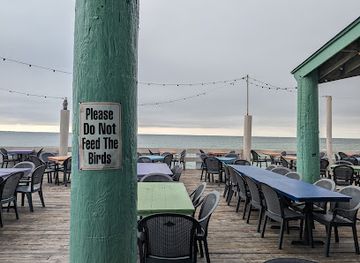
Grill
Wanna Wanna Inn Beach Bar & Grill
Discover beachside bliss at Wanna Wanna Inn Beach Bar & Grill on South Padre Island – where great food meets stunning ocean views!
6 min walk · 0.5 km from city centre
Best bars in South Padre Island
South Padre Island's nightlife scene is a vibrant mix of beachfront bars, live music venues, and dance clubs that cater to every taste. From laid-back beachside hangouts where you can sip cocktails while watching the sunset, to high-energy clubs where you can dance the night away, there is something for everyone. Enjoy live music performances, DJ sets, and themed parties that keep the party going until the early hours of the morning. Whether you're looking for a relaxed evening or a wild night out, South Padre Island offers a diverse and exciting nightlife experience that will leave you wanting more.
-
Bar
Clayton's Beach Bar & Event Venue
Discover Clayton's Beach Bar & Event Venue on South Padre Island, where delicious cuisine meets stunning beach views and vibrant entertainment.
6 min drive · 1.9 km from city centre
-
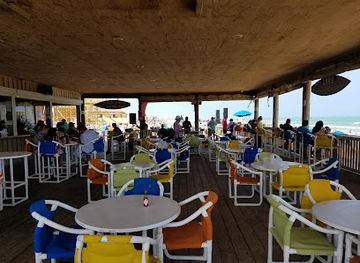
Grill
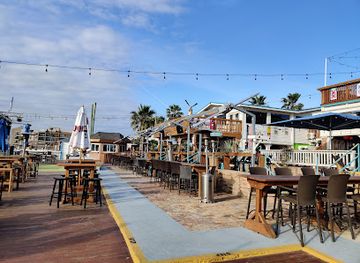
Wanna Wanna Inn Beach Bar & Grill
Discover the vibrant flavors and stunning views at Wanna Wanna Inn Beach Bar & Grill, the perfect beachfront escape on South Padre Island.
6 min walk · 0.5 km from city centre
-
Bar
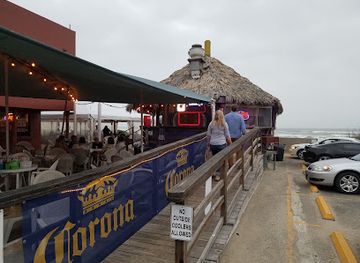
LongBoard Bar and Grill
Experience the best of South Padre Island at LongBoard Bar and Grill, where great food meets live entertainment in a family-friendly atmosphere.
8 min drive · 2.6 km from city centre
-
Grill
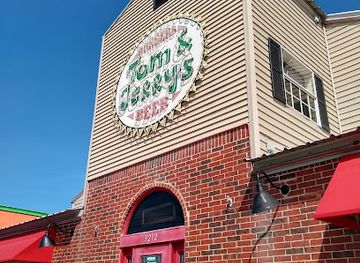
Tom and Jerry's
Savor the flavors of coastal cuisine at Tom and Jerry's, a family-friendly grill offering American, Tex-Mex, and seafood delights on South Padre Island.
18 min walk · 1.4 km from city centre
Best nightclubs in South Padre Island
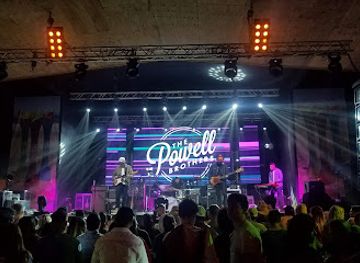
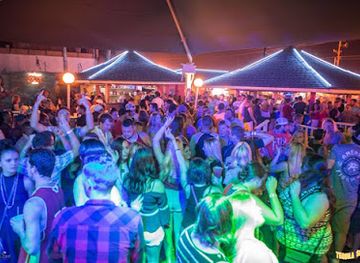
South Padre Island's nightlife scene is a vibrant mix of beachfront bars, live music venues, and dance clubs that cater to every taste. From laid-back beachside hangouts where you can sip cocktails while watching the sunset, to high-energy clubs where you can dance the night away, there is something for everyone. Enjoy live music performances, DJ sets, and themed parties that keep the party going until the early hours of the morning. Whether you're looking for a relaxed evening or a wild night out, South Padre Island offers a diverse and exciting nightlife experience that will leave you wanting more.
-
Bar
Clayton's Beach Bar & Event Venue
Discover Clayton's Beach Bar & Event Venue: Where American cuisine meets vibrant beachside entertainment on South Padre Island.
6 min drive · 1.9 km from city centre
-
Night club
Louie's Backyard
Experience the lively ambiance and delicious seafood at Louie's Backyard, South Padre Island's premier night club and restaurant.
6 min drive · 2.1 km from city centre
-
Grill
Wanna Wanna Inn Beach Bar & Grill
Experience the vibrant atmosphere of Wanna Wanna Inn Beach Bar & Grill, where delicious food meets stunning beach views on South Padre Island.
6 min walk · 0.5 km from city centre
-
Grill
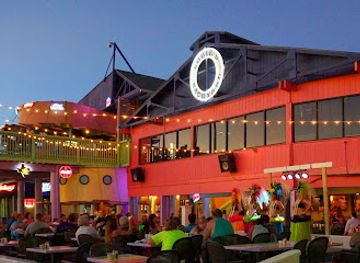
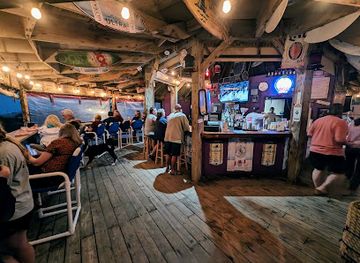
Tequila Sunset Bar & Grill
Discover Tequila Sunset Bar & Grill, a vibrant BBQ and live music venue in South Padre Island, Texas, perfect for dining and entertainment.
6 min drive · 2.0 km from city centre
Best shops in South Padre Island
South Padre Island offers a unique shopping experience for visitors, with a variety of beach-themed boutiques, souvenir shops, and local art galleries lining the streets. From trendy swimwear and surf gear to handcrafted jewelry and coastal decor, there is something for everyone to take home as a reminder of their island getaway. Visitors can also explore the bustling farmers market for fresh produce and unique artisan goods, or browse the specialty shops for one-of-a-kind treasures. Whether you're looking for a fun souvenir or a special gift, South Padre Island's shopping scene has it all.
-
Beach clothing store
Jaws Beachworld
Explore Jaws Beachworld in South Padre Island for stylish beachwear and accessories, perfect for your sun-soaked adventures.
10 min drive · 3.4 km from city centre
-
Souvenir store
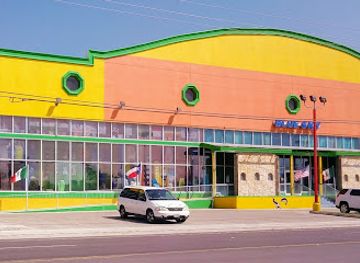
Blue Skies
Explore the best souvenirs and local treasures at Blue Skies Souvenir Store in South Padre Island, Texas.
17 min walk · 1.3 km from city centre
-
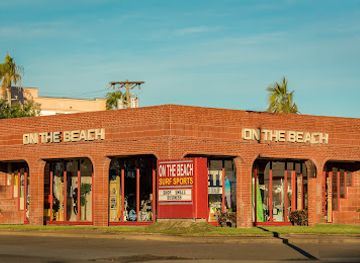
Surf shop
On The Beach
Discover the ultimate surf shop experience at On The Beach in South Padre Island, offering quality gear and unique beachwear for all surf lovers.
7 min drive · 2.3 km from city centre
-
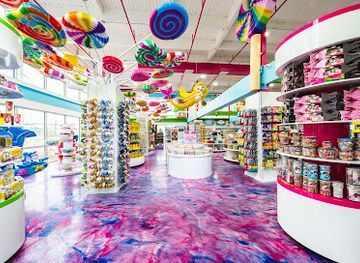
Candy store
Sugar Kingdom
Discover a world of sweetness at Sugar Kingdom, the ultimate candy store in South Padre Island, Texas, where every visit is a delightful adventure.
8 min drive · 2.7 km from city centre

Get your free copy of our complete guide to South Padre Island, delivered straight to you.
Everything on this page, from attractions and restaurants to essentials and local phrases, in one PDF you can read offline, print or share.
Already have an account? Sign in
Your South Padre Island guide is ready.
We'll send it to · Not you? Sign out

Getting your guide ready…
We are putting together a fresh copy of the South Padre Island guide. This can take up to a minute.
This can take a few moments. If your browser asks, choose Allow so the download can start. You'll find the guide in your Downloads folder.
Nothing happened? Download it again
Sorry, the guide is taking longer than usual. Please try again in a minute, or get it by email instead.
South Padre Island essentials
Currency and Payment
Safety
Emergency Situations
Do's and Don'ts
Local Tips
From Eve
Local phrases worth knowing
You don't need to get them perfect. A few words go a long way, and locals appreciate the effort.
Basics
| English | Local | Say it |
|---|---|---|
| Hello | Howdy | [haʊdi] |
| Goodbye | Adios | [ɑˈdi.oʊs] |
| Yes | Yeah | [jɛ] |
| No | Nah | [nɑ] |
| Please/You're welcome | Please/You're welcome | [pliːz/jʊr ˈwɛlkəm] |
| Thank you | Thank you | [θæŋk juː] |
| Excuse me/Sorry | Excuse me/Sorry | [ɪkˈskjuz mi/ˈsɔri] |
| How are you? | Howdy | [haʊdi] |
| Fine. And you? | Fine. And you? | [faɪn. ænd juː] |
| Do you speak English? | Ya speak English? | [jə spiːk ˈɪŋɡlɪʃ] |
| I don't understand | I don't get it | [aɪ doʊnt ˌəndərˈstænd] |
Eating & Drinking
| English | Local | Say it |
|---|---|---|
| I'd like to see the menu, please | Can I see the menu, please | [kæn aɪ siː ðə ˈmɛnjuː pliːz] |
| I don't eat meat | I don't eat meat | [aɪ doʊnt it mit] |
| Cheers! | Cheers! | [ʧɪrz] |
| I would like to pay, please | I wanna pay, please | [aɪ ˈwɑnə peɪ pliːz] |
Emergencies
| English | Local | Say it |
|---|---|---|
| Help! | Help! | [hɛlp] |
| Go away! | Git! | [ɡɪt] |
| Call the Police! | Call the Cops! | [kɔl ðə kɑps] |
| Call a doctor! | Call a doc! | [kɔl ə ˈdɑk] |
| I'm lost | I'm lost | [aɪm lɔst] |
| I'm ill | I'm sick | [aɪm sɪk] |
Shopping
| English | Local | Say it |
|---|---|---|
| I'd like to buy... | I wanna buy... | [aɪ ˈwɑnə baɪ] |
| I'm just looking | I'm just lookin' | [aɪm ʤəst ˈlʊkɪn] |
| How much is it? | How much for it? | [haʊ ˈmʌtʃ fɔr ɪt] |
| That's too expensive | That's too pricey | [ðæts tuː ˈpraɪsi] |
| Can you lower the price? | Can ya drop the price? | [kæn jə droʊp ðə praɪs] |
Time & Numbers
| English | Local | Say it |
|---|---|---|
| What time is it? | What time is it? | [wʌt taɪm ɪz ɪt] |
| It's one o'clock | It's one o'clock | [ɪts wʌn əˈklɑk] |
| Half past (10) | Half past (10) | [hæf pæst (10)] |
| Morning | Morning | [ˈmɔrnɪŋ] |
| Afternoon | Afternoon | [ˌæftərˈnun] |
| Evening | Evening | [ˈivnɪŋ] |
| Yesterday | Yesterday | [ˈjɛstərˌdeɪ] |
| Today | Today | [təˈdeɪ] |
| Tomorrow | Tomorrow | [təˈmɔroʊ] |
| 1 | 1 | [wʌn] |
| 2 | 2 | [tuː] |
| 3 | 3 | [θriː] |
| 4 | 4 | [fɔr] |
| 5 | 5 | [faɪv] |
| 6 | 6 | [sɪks] |
| 7 | 7 | [ˈsɛvən] |
| 8 | 8 | [ˈeɪt] |
| 9 | 9 | [naɪn] |
| 10 | 10 | [tɛn] |
Transport & Directions
| English | Local | Say it |
|---|---|---|
| Where's a/the...? | Where's a/the...? | [wɛrz ə ðə] |
| What's the address? | What's the address? | [wʌts ðə əˈdrɛs] |
| Can you show me (on the map)? | Can ya show me (on the map)? | [kæn jə ʃoʊ mi (ɒn ðə mæp)] |
| When's the next (bus)? | When's the next (bus)? | [wɛnz ðə nɛkst (bʌs)] |
| A ticket (to ....) | A ticket (to ....) | [ə ˈtɪkɪt (tu ....)] |
History of South Padre Island
Early Native Inhabitants
Long before European settlers arrived, South Padre Island was inhabited by the Coahuiltecan people. These Native American tribes lived off the land, fishing, hunting, and gathering in the rich coastal environment. They had a deep spiritual connection to the land and sea, which influenced their cultural practices and daily life.
European Exploration
In the early 16th century, Spanish explorers, including Álvar Núñez Cabeza de Vaca, arrived on the Gulf Coast. They mapped the area and interacted with the native tribes. This period marked the beginning of European influence on the island, leading to eventual claims by Spain over the region.
Pirate Legends
During the 18th century, legends of pirates such as Jean Lafitte and his crew spread across South Padre Island. These pirates are said to have used the island as a hideout, taking advantage of its isolated location to stash their treasures. Although much of this remains folklore, it adds a layer of mystery and intrigue to the island's history.
Mexican-American War
South Padre Island played a strategic role during the Mexican-American War (1846-1848). The nearby Battle of Palo Alto and the Battle of Resaca de la Palma were significant conflicts in the war. The island served as a critical staging ground for U.S. troops, and its location was vital for controlling access to the Rio Grande.
Civil War and the Battle of Palmito Ranch
The last battle of the American Civil War, the Battle of Palmito Ranch, took place near South Padre Island on May 12-13, 1865. Despite the Confederacy's surrender weeks earlier, this battle occurred due to delayed communication. The island and surrounding areas were significant for their strategic military value during the conflict.
Development as a Tourist Destination
In the mid-20th century, South Padre Island began to develop as a tourist destination. The construction of the Queen Isabella Causeway in 1954 connected the island to the mainland, making it accessible to visitors. This infrastructure development led to a boom in tourism, with hotels, restaurants, and recreational facilities sprouting up along the island.
Environmental Conservation Efforts
In recent decades, efforts have been made to preserve the natural beauty and ecological significance of South Padre Island. The establishment of the South Padre Island Birding and Nature Center, as well as the protection of sea turtle nesting grounds through organizations like Sea Turtle, Inc., highlight the community's commitment to environmental conservation.
Hurricane Impact and Resilience
South Padre Island has faced numerous hurricanes over the years, including Hurricane Beulah in 1967 and Hurricane Dolly in 2008. These storms caused significant damage but also showcased the resilience and determination of the local community to rebuild and continue thriving. The island's response to natural disasters has become an integral part of its history.
South Padre Island in Photos
Browse through our photo collection highlighting the charm and character of the destination.
Cities near South Padre Island
The closest cities to South Padre Island, if you have time for more than one stop.
-

-

-

-

-


Swipe for more cities
Explore more
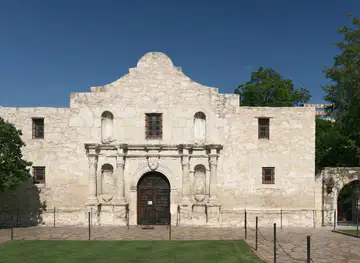
Explore more of Texas
Discover the diverse landscapes, rich history, vibrant cities, and culinary delights of Texas, the Lone Star State, where adventure and culture await at every turn.
Explore Texas