

Cardamom Mountains, Thailand Travel Guide
Discover the Cardamom Mountains in Thailand, a serene retreat filled with lush rainforests, exotic wildlife, and rich cultural heritage, perfect for eco-tourists and adventurers.
Nestled in the southwestern region of Thailand, the Cardamom Mountains offer a captivating retreat into nature's untouched beauty. This mountain range, known for its rich biodiversity and pristine landscapes, is a haven for eco-tourists and adventure seekers alike. The lush rainforests, teeming with exotic wildlife, provide a stunning backdrop for hiking, bird-watching, and exploring hidden waterfalls. The Cardamom Mountains are also steeped in cultural history. The indigenous communities that inhabit this region have preserved their traditional ways of life, offering visitors a unique glimpse into Thailand's rural heritage. Local guides often share fascinating stories and legends, enriching the travel experience with a deep sense of connection to the land. For those looking to escape the hustle and bustle of city life, the Cardamom Mountains are an ideal destination. The serene environment, combined with the opportunity for outdoor adventures, makes it a perfect spot for relaxation and rejuvenation. Whether you're trekking through dense forests, kayaking along the rivers, or simply soaking in the natural beauty, the Cardamom Mountains promise an unforgettable journey.

Know before you go
Hi, I'm Eve. Here are a few practical things to know before exploring Cardamom Mountains.
- Best time to visit is during the dry season from November to February.
- Hire a local guide for an authentic experience and to navigate the trails safely.
- Pack insect repellent and light, breathable clothing.
- Respect local customs and traditions, especially when visiting indigenous villages.
- Carry cash as ATMs and card payment options are limited in remote areas.
Explore Cardamom Mountains: Things to Do, Places to Eat, Hotels & More
Handpicked recommendations for top attractions, local dining, accommodations, and more

Top Attractions & Sightseeing in Cardamom Mountains
Top-rated picks
Best Attractions

Pang Ung
Discover Pang Ung, the serene lake in Mae Hong Son, Thailand, surrounded by lush mountains and vibrant flower gardens, perfect for nature lovers.

Doi Samer Dao
Explore the breathtaking views and rich nature of Doi Samer Dao, Thailand's hidden gem for adventurous tourists and nature lovers.

Red Lotus Lake Kumphawapi
Discover the enchanting beauty of Red Lotus Lake Kumphawapi, a breathtaking natural spectacle adorned with vibrant pink lotus blooms.
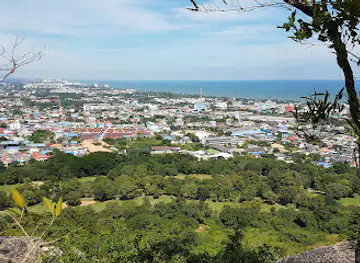
Khao Hin Lek Fai
Discover the breathtaking views and serene beauty of Khao Hin Lek Fai in Hua Hin, Thailand—an essential stop for nature lovers and photographers alike.

Best landmarks in Cardamom Mountains
Top-rated picks
Best Landmarks

The Grand Palace
Discover the majestic Grand Palace in Bangkok, a cultural and historical gem that showcases the beauty of Thai architecture and royal heritage.

The Temple of the Emerald Buddha
Explore the stunning Temple of the Emerald Buddha in Bangkok, a masterpiece of Thai architecture and spirituality, housing the revered Emerald Buddha statue.

Wat Rong Khun - White Temple
Experience the breathtaking beauty of Wat Rong Khun, a stunning modern Buddhist temple in Chiang Rai, Thailand, where art and spirituality converge.

Damnoen Saduak Floating Market
Discover the bustling atmosphere of Damnoen Saduak Floating Market and immerse yourself in the vibrant heart of Thai culture and cuisine.

Best restaurants in Cardamom Mountains
Top-rated picks
Best Restaurants

The Good View Bar & Restaurant
Discover authentic Thai flavors at The Good View Bar & Restaurant in Chiang Mai with stunning riverside views and vibrant atmosphere.

Khaomao-Khaofang Imaginary Jungle
Discover Khaomao-Khaofang Imaginary Jungle: where authentic Thai cuisine meets enchanting jungle ambiance in Chiang Mai.

The Giant Chiangmai Thailand
Discover tranquility at The Giant Chiangmai, where delicious coffee meets stunning mountain views in Northern Thailand.

The Riverside Bar & Restaurant
Experience authentic Thai flavors and stunning riverside views at The Riverside Bar & Restaurant in Chiang Mai.

Best bars in Cardamom Mountains
Top-rated picks
Best Bars

Sky Bar
Experience the breathtaking views and luxurious ambiance at Bangkok's Sky Bar, a premier destination for cocktail enthusiasts and sunset seekers.

Coco Tam’s
Experience the vibrant nightlife at Coco Tam’s, a premier bar and restaurant in Ko Samui with stunning views, delicious cocktails, and exciting fire shows.

Zoe in Yellow
Discover the unforgettable nightlife of Zoe in Yellow, a premier night club and bar in Chiang Mai, offering vibrant music, lively ambiance, and delicious drinks.

Red Sky
Experience exquisite dining at Red Sky, a rooftop restaurant in Bangkok offering panoramic views and a delightful fusion of flavors.

Best nightclubs in Cardamom Mountains
Top-rated picks
Best Nightclubs

Illuzion Phuket
Discover the electrifying nightlife at Illuzion Phuket, where world-class DJs and an unforgettable atmosphere await you.

Zoe in Yellow
Experience the vibrant nightlife at Zoe in Yellow, Chiang Mai's top night club and bar, where great music and friendly vibes await you.

RAAS CLUB PATTAYA
Experience the pulsating nightlife of Pattaya at RAAS Club, where vibrant music and a lively atmosphere meet on the iconic Walking Street.

Ram Bar Chiangmai
Discover the electrifying atmosphere of Ram Bar Chiangmai, a vibrant gay night club offering unforgettable performances and a welcoming environment in the heart of Chiang Mai.

Best shops in Cardamom Mountains
Top-rated picks
Best Shops

The Platinum Fashion Mall
Discover the ultimate shopping experience at The Platinum Fashion Mall, Bangkok's premier destination for fashion and unique finds.

Chiang Mai Night Bazaar
Experience the vibrant culture, delicious street food, and unique shopping at Chiang Mai Night Bazaar, a must-visit destination for every traveler.

Siam Discovery
Explore Siam Discovery: Bangkok's innovative shopping mall blending art, culture, and unique local brands for an unforgettable experience.

MAYA Lifestyle Shopping Center Chiangmai
Explore a shopping haven at MAYA Lifestyle Shopping Center, where modern retail meets Chiang Mai's vibrant culture.

Explore Cardamom Mountains on the Map
A handpicked selection of must-see spots in Cardamom Mountains, mapped for you.
Cardamom Mountains Essentials
-
The Cardamom Mountains are located in the southwestern part of Thailand, near the border with Cambodia. The nearest major city is Trat, which has a small airport (Trat Airport) with daily flights from Bangkok. From Trat, you can take a bus or taxi to the Cardamom Mountains. Alternatively, you can travel by road from Bangkok, which is approximately a 5-6 hour drive. For those coming from Cambodia, the nearest border crossing is at Koh Kong, and from there, you can hire a taxi or take a local bus.
-
Within the Cardamom Mountains, transportation options are limited due to the rugged terrain. Renting a 4x4 vehicle is highly recommended for exploring the area. Local buses and songthaews (shared taxis) are available but may not reach all destinations. For more remote areas, hiring a local guide with transportation is advisable. Bicycles and motorbikes can also be rented in nearby towns for those looking for an adventurous way to explore.
-
The official currency in Thailand is the Thai Baht (THB). Credit cards are accepted in major hotels and some restaurants, but it's advisable to carry cash, especially in remote areas. ATMs are available in larger towns, but may be scarce in rural areas, so ensure you have enough cash before heading into the mountains. Currency exchange services are available in major cities and airports.
-
The Cardamom Mountains are generally safe for tourists, but it is important to take standard precautions. Avoid traveling alone at night and keep an eye on your belongings in crowded areas. Be aware of your surroundings and avoid displaying valuable items. Some remote areas may have limited mobile phone signal and emergency services, so plan accordingly. There are no specific high-crime areas targeting tourists, but always stay vigilant.
-
In case of emergency, dial 191 for police assistance or 1669 for medical emergencies in Thailand. The nearest medical facilities are in Trat or larger towns near the mountains. It is highly recommended to have travel insurance that covers medical emergencies and evacuation. For minor health issues, there are pharmacies in the towns where you can purchase over-the-counter medications. Always carry a basic first-aid kit, especially if trekking or exploring remote areas.
-
Fashion: Do wear lightweight, breathable clothing suitable for a tropical climate. Avoid wearing revealing clothing, especially in villages and religious sites. Religion: Do respect local customs and traditions. Remove your shoes before entering temples and dress modestly. Public Transport: Do be respectful and give up your seat to elderly passengers. Don't eat or drink on public transport. Greetings: Do greet people with a wai (pressing your palms together in a prayer-like gesture) and a slight bow. Eating & Drinking: Do try local delicacies and accept food offerings graciously. Don't refuse hospitality, as it is considered impolite.
-
To experience the Cardamom Mountains like a local, visit the local markets where you can buy fresh produce and traditional Thai goods. Engage with locals, as they are often friendly and willing to share stories about the area's history and culture. Don't miss visiting the waterfalls and natural hot springs scattered throughout the mountains. For a unique experience, take a guided trek through the jungle to learn about the local flora and fauna.
When is the best time to visit Cardamom Mountains?
Useful Local Phrases for Cardamom Mountains
You don't need to speak the language perfectly. Even learning a few simple words can make conversations warmer—and locals usually appreciate the effort.
— Eve

Here are the phrases I use most often in Cardamom Mountains. Try a few—you'll be surprised how far they go! 😊
❤️
-
- Helloสวัสดี
[sawasdee] - Goodbyeลาก่อน
[laa korn] - Yesใช่
[chai] - Noไม่
[mai] - Please/You're welcomeกรุณา/ยินดี
[karuna/yindi] - Thank youขอบคุณ
[khob khun] - Excuse me/Sorryขอโทษ
[kho thot] - How are you?คุณเป็นอย่างไรบ้าง?
[khun bpen yang rai bang?] - Fine. And you?สบายดี แล้วคุณล่ะ?
[sabai dee laeo khun la?] - Do you speak English?คุณพูดภาษาอังกฤษได้ไหม?
[khun phut phasa angkrit dai mai?] - I don't understandฉันไม่เข้าใจ
[chan mai khao jai]
- Helloสวัสดี
-
- I'd like to see the menu, pleaseขอดูเมนูหน่อยได้ไหม?
[kho du menu noi dai mai?] - I don't eat meatฉันไม่กินเนื้อ
[chan mai kin nuea] - Cheers!ชนแก้ว!
[chon kaew] - I would like to pay, pleaseขอชำระเงินหน่อย
[kho chamra ngern noi]
- I'd like to see the menu, pleaseขอดูเมนูหน่อยได้ไหม?
-
- Help!ช่วยด้วย!
[chuai duay!] - Go away!ไปให้พ้น!
[pai hai phon!] - Call the Police!เรียกตำรวจ!
[riak tamruat!] - Call a doctor!เรียกหมอ!
[riak mor!] - I'm lostฉันหลงทาง
[chan long thang] - I'm illฉันป่วย
[chan puai]
- Help!ช่วยด้วย!
-
- I'd like to buy...ฉันอยากซื้อ...
[chan yak sue...] - I'm just lookingฉันแค่ดู
[chan khae du] - How much is it?ราคาเท่าไหร่?
[rakha thao rai?] - That's too expensiveแพงเกินไป
[phaeng koen pai] - Can you lower the price?ลดราคาได้ไหม?
[lot rakha dai mai?]
- I'd like to buy...ฉันอยากซื้อ...
-
- What time is it?ตอนนี้กี่โมง?
[ton ni ki mong?] - It's one o'clockตอนนี้หนึ่งโมง
[ton ni neung mong] - Half past (10)สิบโมงครึ่ง
[sip mong khrung] - Morningเช้า
[chao] - Afternoonบ่าย
[bai] - Eveningเย็น
[yen] - Yesterdayเมื่อวาน
[meu wan] - Todayวันนี้
[wan ni] - Tomorrowพรุ่งนี้
[prung ni] - 1หนึ่ง
[neung] - 2สอง
[song] - 3สาม
[sam] - 4สี่
[si] - 5ห้า
[ha] - 6หก
[hok] - 7เจ็ด
[jet] - 8แปด
[paet] - 9เก้า
[kao] - 10สิบ
[sip]
- What time is it?ตอนนี้กี่โมง?
-
- Where's a/the...?ที่ไหนมี...?
[thi nai mi...?] - What's the address?ที่อยู่คืออะไร?
[thi yu khue arai?] - Can you show me (on the map)?ช่วยชี้ให้ดูหน่อยได้ไหม?
[chuai chi hai du noi dai mai?] - When's the next (bus)?รถเมล์คันถัดไปเมื่อไร?
[rot mae khan that pai meu rai?] - A ticket (to ....)ตั๋วไป...
[tua pai...]
- Where's a/the...?ที่ไหนมี...?
History of Cardamom Mountains
-
The Cardamom Mountains, known for their rugged beauty and rich biodiversity, were formed millions of years ago through tectonic activity. The area has been inhabited for thousands of years, with archaeological evidence pointing to the presence of early hunter-gatherer societies. These ancient inhabitants left behind tools and artifacts that provide a glimpse into their way of life.
-
During the height of the Khmer Empire from the 9th to the 15th centuries, the Cardamom Mountains were an important region for the collection of valuable natural resources. The Khmer people utilized the mountains for timber, precious stones, and the cardamom spice that gave the range its name. Remnants of ancient Khmer roads and temples can still be found in the region, suggesting its significance in trade and culture.
-
In the 19th century, the Cardamom Mountains became part of the colonial interests of France and Thailand. The region saw various expeditions and mapping efforts as European powers sought to exploit its natural resources. The tension between colonial powers and local populations often led to skirmishes and resistance movements, leaving a complex legacy of struggle and adaptation.
-
During World War II, the Cardamom Mountains were occupied by Japanese forces as part of their campaign in Southeast Asia. The rugged terrain served as a strategic location for military operations and hideouts. The local population faced hardships, including forced labor and resource extraction, which left lasting scars on the community.
-
In the aftermath of World War II, the Cardamom Mountains became a hotspot during the Cold War. The region saw conflict between communist insurgents and government forces, with the dense jungles providing cover for guerrilla warfare. This period of unrest led to significant displacement of local communities and a militarized landscape.
-
In recent decades, the Cardamom Mountains have become a focus of conservation efforts due to their unique biodiversity and ecological importance. Various international and local organizations have worked to establish protected areas to preserve the region’s flora and fauna. These efforts aim to balance the needs of local communities with the preservation of natural habitats, ensuring the mountains remain a vital ecological treasure.
-
The Cardamom Mountains are home to several indigenous communities, each with their own rich cultural heritage and traditions. These communities have maintained a symbiotic relationship with the natural environment for generations, relying on traditional knowledge for agriculture, medicine, and spiritual practices. Festivals, oral histories, and artisanal crafts continue to play a vital role in preserving their cultural identity amidst modern changes.
Neighbouring Regions of Cardamom Mountains
The closest regions to Cardamom Mountains, if you have time for more than one.


Your all‑in‑one travel companion app
Explore expert travel guides, compare and book tours, experiences, hotels, and more—all from the palm of your hand. Download now for seamless trip planning wherever your wanderlust takes you.


Explore More of Thailand
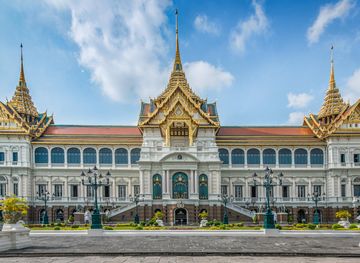
Looking beyond Cardamom Mountains? Discover Thailand for broader travel guides, local hot-spots, and regional highlights.
Explore ThailandCardamom Mountains in Photos
Browse through our photo collection highlighting the charm and character of the destination.




The Enchanting Cardamom Mountains of Thailand
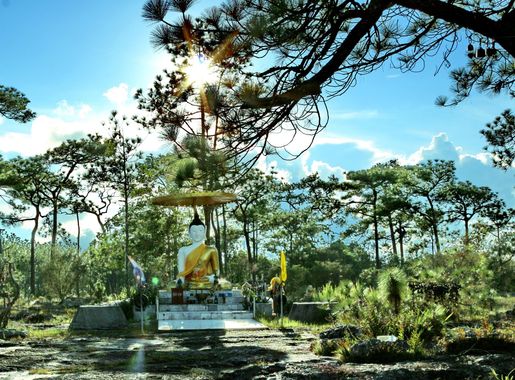
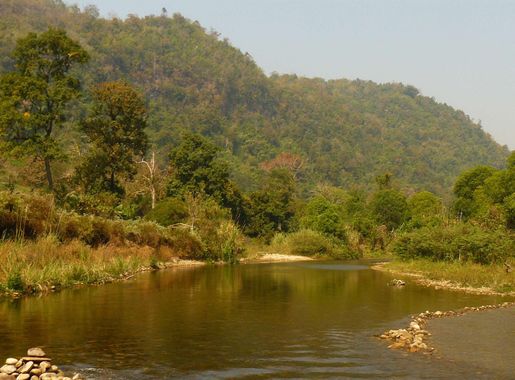
Nestled in the southwestern region of Thailand, the Cardamom Mountains offer a captivating retreat into nature's untouched beauty. This mountain range, known for its rich biodiversity and pristine landscapes, is a haven for eco-tourists and adventure seekers alike. The lush rainforests, teeming with exotic wildlife, provide a stunning backdrop for hiking, bird-watching, and exploring hidden waterfalls. The Cardamom Mountains are also steeped in cultural history. The indigenous communities that inhabit this region have preserved their traditional ways of life, offering visitors a unique glimpse into Thailand's rural heritage. Local guides often share fascinating stories and legends, enriching the travel experience with a deep sense of connection to the land. For those looking to escape the hustle and bustle of city life, the Cardamom Mountains are an ideal destination. The serene environment, combined with the opportunity for outdoor adventures, makes it a perfect spot for relaxation and rejuvenation. Whether you're trekking through dense forests, kayaking along the rivers, or simply soaking in the natural beauty, the Cardamom Mountains promise an unforgettable journey.