

Chao Phraya River Basin, Thailand Travel Guide
Discover the Chao Phraya River Basin, where Thailand's cultural heritage and natural beauty converge along the 'River of Kings,' offering unforgettable experiences for every traveler.
The Chao Phraya River Basin is a mesmerizing destination in Thailand, offering a unique blend of cultural heritage and natural beauty. This sprawling area is home to the majestic Chao Phraya River, often referred to as the 'River of Kings.' The river flows through the heart of Thailand, passing through bustling cities, serene countryside, and ancient temples. Visitors can embark on a river cruise to experience the vibrant life along the riverbanks. From traditional wooden houses and floating markets to splendid temples like Wat Arun and the Grand Palace, the river offers a glimpse into Thailand's rich history and culture. The Chao Phraya River Basin is also a gateway to some of the country's most important historical sites, including Ayutthaya, the ancient capital of Siam. Nature lovers will appreciate the lush greenery and diverse wildlife that thrive in the river basin. The area is a haven for birdwatchers and those who enjoy the tranquility of nature. Whether you are exploring the lively city of Bangkok or the peaceful rural areas, the Chao Phraya River Basin provides an unforgettable experience for every traveler.

Know before you go
Hi, I'm Eve. Here are a few practical things to know before exploring Chao Phraya River Basin.
- Take a river cruise to see the highlights along the Chao Phraya River, including iconic temples and floating markets.
- Visit the ancient city of Ayutthaya by boat for a historical day trip from Bangkok.
- Explore the river at sunrise or sunset for the most picturesque views and best photo opportunities.
- Stay hydrated and wear comfortable clothing, as the weather can be hot and humid.
- Try local street food from vendors along the riverbanks for an authentic Thai culinary experience.
Top City Travel Guides in Chao Phraya River Basin
The cities of Chao Phraya River Basin, and the easiest places to base yourself.


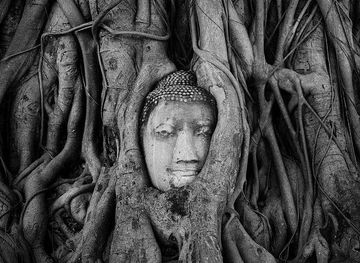


Destinations in Chao Phraya River Basin
Resorts, valleys and scenic spots worth a trip of their own.


Explore Chao Phraya River Basin: Things to Do, Places to Eat, Hotels & More
Handpicked recommendations for top attractions, local dining, accommodations, and more

Top Attractions & Sightseeing in Chao Phraya River Basin
Top-rated picks
Best Attractions

Safari World Bangkok
Explore Safari World Bangkok, an enchanting wildlife park featuring diverse animals, thrilling shows, and unforgettable family experiences in the heart of Thailand.

The One Ratchada
Experience the vibrant energy of The One Ratchada, Bangkok's night market offering delicious food, unique shopping, and lively entertainment.

Suan Luang Rama IX
Discover the beauty of Suan Luang Rama IX, Bangkok’s largest park, where tranquility meets vibrant nature and cultural heritage.

Dream World
Experience Thrills and Magic at Dream World, Thailand's Premier Amusement Park Featuring Rides, Shows, and Family Fun.

Best landmarks in Chao Phraya River Basin
Top-rated picks
Best Landmarks

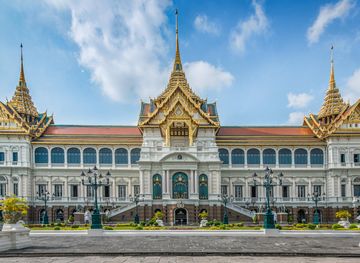
The Grand Palace
Explore the Grand Palace in Bangkok, a stunning cultural and historical landmark showcasing Thailand's rich heritage and architectural splendor, a must-visit for tourists.

Asiatique The Riverfront
Explore Bangkok's Asiatique The Riverfront, a bustling night market with shopping, dining, and entertainment by the scenic Chao Phraya River for an unforgettable experience.

The Temple of the Emerald Buddha
Explore the Temple of the Emerald Buddha, a stunning Buddhist temple in Bangkok, housing the revered Emerald Buddha and showcasing Thailand's rich cultural heritage.
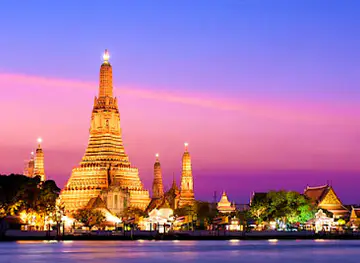
Wat Arun Ratchawararam Ratchawaramahawihan
Explore the breathtaking beauty and spiritual serenity of Wat Arun, Bangkok’s iconic Temple of Dawn, renowned for its stunning architecture and rich history.

Best restaurants in Chao Phraya River Basin
Top-rated picks
Best Restaurants

Swissôtel Bangkok Ratchada
Luxury meets Bangkok's pulse at Swissôtel Ratchada: five-star elegance, gourmet dining, spa serenity, and MRT access to the city's best, just two minutes away.

RONGROS
Discover authentic Thai cuisine at Rongros in Bangkok – where tradition meets flavor in every dish.

Chao Phraya Princess
Savor exquisite dining while cruising along Bangkok's historic Chao Phraya River aboard the elegant Chao Phraya Princess.

Kin Lom Chom Saphan
Experience authentic Thai cuisine with stunning riverside views at Kin Lom Chom Saphan in Bangkok.

Best bars in Chao Phraya River Basin
Top-rated picks
Best Bars

Sky Bar
Experience breathtaking views and exquisite cocktails at Sky Bar, Bangkok's premier rooftop destination with stunning skyline panoramas.

Red Sky
Experience breathtaking views and exquisite dining at Bangkok's iconic rooftop restaurant, Red Sky, where every meal is a celebration of flavors and sights.
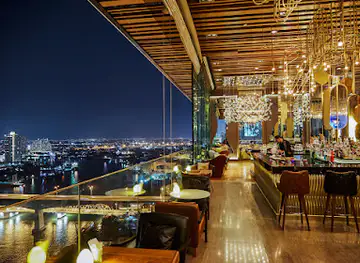
SEEN Restaurant & Bar Bangkok
Experience Bangkok's skyline from SEEN Restaurant & Bar, a rooftop haven for cocktail lovers and food enthusiasts alike.

The Bamboo Bar
Experience the elegance of The Bamboo Bar, a luxurious lounge in Bangkok with exquisite cocktails and live jazz overlooking the Chao Phraya River.

Best nightclubs in Chao Phraya River Basin
Top-rated picks
Best Nightclubs

The Club
Discover the electrifying nightlife at The Club, a premier night club on Khaosan Road, where the music never stops and the energy is contagious.

The Bamboo Bar
Experience the elegance of The Bamboo Bar in Bangkok, a sophisticated lounge offering exquisite cocktails and captivating live music along the Chao Phraya River.

Levels Club
Discover the electrifying nightlife of Bangkok at Levels Club, where vibrant music, stunning views, and unforgettable experiences await.

Sing Sing Theater
Experience the unique nightlife of Sing Sing Theater, where captivating performances and innovative cocktails come together in the heart of Bangkok.

Best shops in Chao Phraya River Basin
Top-rated picks
Best Shops

centralwOrld
Discover shopping, dining, and entertainment at CentralWorld, Bangkok's premier shopping mall, where every visitor finds something special.

Asiatique The Riverfront
Discover the vibrant Asiatique The Riverfront, Bangkok's premier night market for shopping, dining, and entertainment along the Chao Phraya River.

ICONSIAM
Experience the ultimate shopping destination at ICONSIAM, where luxury meets Thai culture along the Chao Phraya River.

Chatuchak Weekend Market
Discover the vibrant Chatuchak Weekend Market in Bangkok, a shopper's paradise filled with local crafts, mouth-watering street food, and unique souvenirs.

Explore Chao Phraya River Basin on the Map
A handpicked selection of must-see spots in Chao Phraya River Basin, mapped for you.
Chao Phraya River Basin Essentials
-
The Chao Phraya River Basin is easily accessible from Bangkok, the capital of Thailand. Suvarnabhumi Airport (BKK) and Don Mueang International Airport (DMK) in Bangkok are the main entry points for international travelers. From Bangkok, you can reach the Chao Phraya River Basin by taking a taxi, bus, or train. The river itself can be accessed via various piers along its length, with ferry services and river cruises available for a scenic journey.
-
Transportation options within the Chao Phraya River Basin are diverse. Public ferries and private boats are common for traveling along the river. For land travel, taxis, tuk-tuks, and motorbike taxis are readily available. The BTS Skytrain and MRT Subway in Bangkok provide easy access to many points along the river. Buses and trains also connect the river basin to other parts of Thailand. For a more comfortable and scenic experience, consider taking a river cruise.
-
The official currency in Thailand is the Thai Baht (THB). Credit cards are widely accepted in hotels, restaurants, and shops in major tourist areas, but it is advisable to carry cash for smaller establishments and markets. ATMs are plentiful, especially in urban areas like Bangkok. Currency exchange services are available at airports, banks, and authorized exchange booths throughout the region.
-
The Chao Phraya River Basin is generally safe for tourists, but it is important to take standard precautions. Be cautious in crowded areas, as petty theft and pickpocketing can occur. Avoid walking alone at night in unfamiliar neighborhoods. Some areas of Bangkok, such as Patpong and Khao San Road, are known for higher crime rates targeting tourists. Always be aware of your surroundings and keep your belongings secure.
-
In case of an emergency, dial 191 for police assistance and 1669 for medical emergencies. Major hospitals in Bangkok, such as Bumrungrad International Hospital and Bangkok Hospital, offer high-quality medical care. It is recommended to have travel insurance that covers medical emergencies. Pharmacies are widely available for minor health issues. Keep a copy of important documents and emergency contact numbers with you at all times.
-
Fashion: Do dress modestly, especially when visiting temples and religious sites. Avoid wearing revealing clothing. Religion: Do show respect for Buddhism, the predominant religion. Always remove your shoes before entering a temple and avoid touching sacred objects. Public Transport: Do be respectful and give up your seat to elderly passengers. Don't eat or drink on public transport. Greetings: Do greet people with a traditional Thai 'wai,' a slight bow with hands pressed together. Eating & Drinking: Do try local Thai cuisine and be open to street food. Don't refuse food or drink offerings, as it is considered impolite.
-
To experience the Chao Phraya River Basin like a local, consider taking a long-tail boat ride for a unique perspective of the river. Visit local markets such as the Pak Khlong Talat flower market and sample fresh produce and street food. Engage with locals, who are often friendly and willing to share their culture. Don't miss visiting iconic sites such as the Grand Palace, Wat Arun, and Wat Phra Kaew. For a peaceful retreat, explore the lesser-known temples and neighborhoods along the river.
When is the best time to visit Chao Phraya River Basin?
Useful Local Phrases for Chao Phraya River Basin
You don't need to speak the language perfectly. Even learning a few simple words can make conversations warmer—and locals usually appreciate the effort.
— Eve

Here are the phrases I use most often in Chao Phraya River Basin. Try a few—you'll be surprised how far they go! 😊
❤️
-
- Helloสวัสดี
[sawasdee] - Goodbyeลาก่อน
[laa korn] - Yesใช่
[chai] - Noไม่
[mai] - Please/You're welcomeกรุณา/ยินดี
[karuna/yindi] - Thank youขอบคุณ
[khob khun] - Excuse me/Sorryขอโทษ
[kho thot] - How are you?สบายดีไหม?
[sabai dee mai?] - Fine. And you?สบายดี ขอบคุณ แล้วคุณล่ะ?
[sabai dee khob khun laeo khun la?] - Do you speak English?คุณพูดภาษาอังกฤษได้ไหม?
[khun pood phasa angkrit dai mai?] - I don't understandฉันไม่เข้าใจ
[chan mai khao jai]
- Helloสวัสดี
-
- I'd like to see the menu, pleaseขอดูเมนูหน่อยได้ไหม?
[kho du menu noi dai mai?] - I don't eat meatฉันไม่กินเนื้อ
[chan mai gin nuea] - Cheers!ชนแก้ว!
[chon kaew] - I would like to pay, pleaseขอชำระเงินด้วย
[kho chamra ngern duay]
- I'd like to see the menu, pleaseขอดูเมนูหน่อยได้ไหม?
-
- Help!ช่วยด้วย!
[chuai duay!] - Go away!ไปให้พ้น!
[pai hai phon!] - Call the Police!เรียกตำรวจ!
[riak tamruat!] - Call a doctor!เรียกหมอ!
[riak mor!] - I'm lostฉันหลงทาง
[chan long thang] - I'm illฉันป่วย
[chan puai]
- Help!ช่วยด้วย!
-
- I'd like to buy...ฉันอยากซื้อ...
[chan yak seu...] - I'm just lookingกำลังดูอยู่
[kamlang du yu] - How much is it?ราคาเท่าไหร่?
[rakha thao rai?] - That's too expensiveแพงเกินไป
[paeng koen pai] - Can you lower the price?ช่วยลดราคาได้ไหม?
[chuai lot rakha dai mai?]
- I'd like to buy...ฉันอยากซื้อ...
-
- What time is it?กี่โมง?
[ki mong?] - It's one o'clockมันเป็นเวลา 1 โมง
[man bpen wela nueng mong] - Half past (10)สิบโมงครึ่ง
[sip mong khrung] - Morningตอนเช้า
[ton chao] - Afternoonตอนบ่าย
[ton bai] - Eveningตอนเย็น
[ton yen] - Yesterdayเมื่อวาน
[meu wan] - Todayวันนี้
[wan ni] - Tomorrowวันพรุ่งนี้
[wan phrung ni] - 1หนึ่ง
[neung] - 2สอง
[song] - 3สาม
[sam] - 4สี่
[si] - 5ห้า
[ha] - 6หก
[hok] - 7เจ็ด
[jet] - 8แปด
[paet] - 9เก้า
[kao] - 10สิบ
[sip]
- What time is it?กี่โมง?
-
- Where's a/the...?ที่ไหนมี...?
[thi nai mee...?] - What's the address?ที่อยู่คืออะไร?
[thi yu khue arai?] - Can you show me (on the map)?ช่วยชี้ให้ดูหน่อยได้ไหม?
[chuai chee hai du noi dai mai?] - When's the next (bus)?รถบัสคันถัดไปเมื่อไหร่?
[rot bas khan that pai meu rai?] - A ticket (to ....)ตั๋ว (ไป....)
[tua (pai....)]
- Where's a/the...?ที่ไหนมี...?
History of Chao Phraya River Basin
-
The Chao Phraya River Basin has been a cradle of civilization for thousands of years. Archaeological findings suggest that early settlements date back to prehistoric times. The fertile plains of the basin provided ample resources for agriculture, leading to the establishment of early communities and the rise of complex societies.
-
From the 6th to the 11th century, the Chao Phraya River Basin was part of the Dvaravati culture, which was heavily influenced by Indian civilization. This period saw the proliferation of Buddhism, and numerous artifacts, including Buddha statues and inscriptions, have been discovered in the region. The Dvaravati people established several city-states along the river, which played a crucial role in regional trade and cultural exchange.
-
Founded in 1350, the city of Ayutthaya became the capital of the Siamese Kingdom and a major power in Southeast Asia. Located strategically along the Chao Phraya River, Ayutthaya flourished as a center of commerce, attracting traders from China, Japan, India, Persia, and Europe. The kingdom's prosperity was closely tied to the river, which served as a vital artery for transportation and communication.
-
In 1767, the Burmese army captured and sacked Ayutthaya, leading to the downfall of the kingdom. The event marked a significant turning point in the history of the Chao Phraya River Basin. Following the destruction of Ayutthaya, the survivors moved south and established a new capital at Thonburi, on the west bank of the Chao Phraya River.
-
In 1782, King Rama I founded the city of Bangkok on the east bank of the Chao Phraya River. Bangkok quickly grew into a bustling metropolis and became the new capital of Siam. The river continued to play a crucial role in the city's development, serving as a major transportation route and supporting the growth of trade and commerce. Today, Bangkok's vibrant culture and historical landmarks draw millions of visitors from around the world.
-
Throughout the 19th and 20th centuries, the Chao Phraya River Basin underwent significant modernization. Infrastructure improvements, such as the construction of bridges, canals, and dams, transformed the region. The river remains a lifeline for agriculture, industry, and daily life, and it continues to be a focal point of Thai culture and identity.
-
The Chao Phraya River is deeply intertwined with Thai culture and spirituality. It is often referred to as the 'River of Kings' due to its historical association with the Thai monarchy. The river is central to numerous festivals and traditions, such as the annual Loy Krathong festival, where people float decorated baskets on the water to pay respects to the river goddess and seek blessings for the future.
Neighbouring Regions of Chao Phraya River Basin
The closest regions to Chao Phraya River Basin, if you have time for more than one.

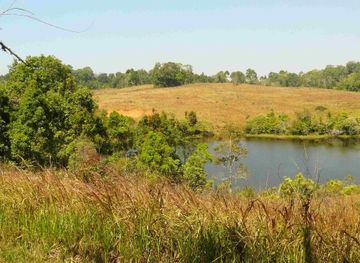


Your all‑in‑one travel companion app
Explore expert travel guides, compare and book tours, experiences, hotels, and more—all from the palm of your hand. Download now for seamless trip planning wherever your wanderlust takes you.


Explore More of Thailand
Looking beyond Chao Phraya River Basin? Discover Thailand for broader travel guides, local hot-spots, and regional highlights.
Explore ThailandChao Phraya River Basin in Photos
Browse through our photo collection highlighting the charm and character of the destination.


Exploring the Serene Chao Phraya River Basin
The Chao Phraya River Basin is a mesmerizing destination in Thailand, offering a unique blend of cultural heritage and natural beauty. This sprawling area is home to the majestic Chao Phraya River, often referred to as the 'River of Kings.' The river flows through the heart of Thailand, passing through bustling cities, serene countryside, and ancient temples. Visitors can embark on a river cruise to experience the vibrant life along the riverbanks. From traditional wooden houses and floating markets to splendid temples like Wat Arun and the Grand Palace, the river offers a glimpse into Thailand's rich history and culture. The Chao Phraya River Basin is also a gateway to some of the country's most important historical sites, including Ayutthaya, the ancient capital of Siam. Nature lovers will appreciate the lush greenery and diverse wildlife that thrive in the river basin. The area is a haven for birdwatchers and those who enjoy the tranquility of nature. Whether you are exploring the lively city of Bangkok or the peaceful rural areas, the Chao Phraya River Basin provides an unforgettable experience for every traveler.