

Free Khao Yai Travel Guide & Mobile App
Explore Khao Yai with free travel guides. Discover regional history, expert tips, proposed trips, and audio guides on web or mobile app.


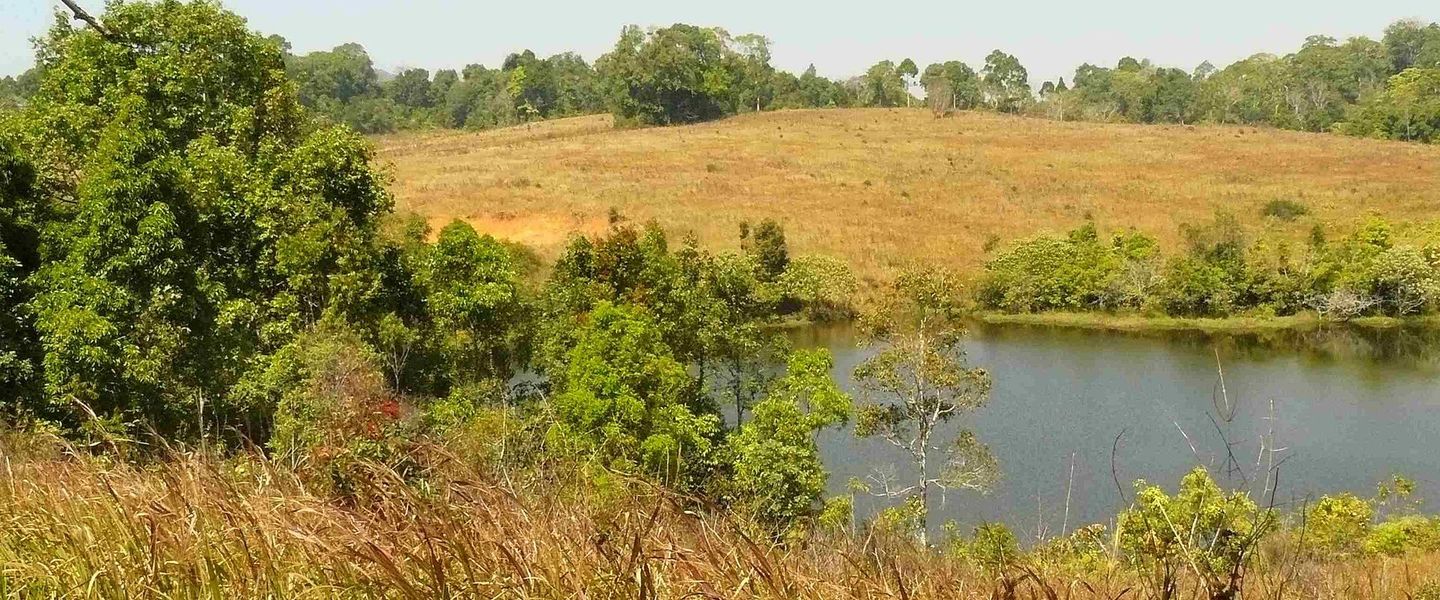


Khao Yai combines Thailand’s oldest national park with waterfalls, wildlife, vineyards and cooler highland scenery within reach of Bangkok.
Read more about Khao Yai
When is the best time to visit Khao Yai?
Best: November–January · 28–29°C| Month | High (°C) | Rainfall (mm) |
|---|---|---|
| January (best) | 29 | 5 |
| February | 31 | 10 |
| March | 33 | 20 |
| April | 34 | 45 |
| May | 33 | 100 |
| June | 32 | 110 |
| July | 31 | 120 |
| August | 31 | 120 |
| September | 31 | 130 |
| October | 30 | 100 |
| November (best) | 29 | 30 |
| December (best) | 28 | 10 |
Getting to and around Khao Yai
How to get there
Transportation
Destinations in Khao Yai
Resorts, valleys and scenic spots worth a trip of their own.

Swipe for more destinations
Best attractions in Khao Yai
Khao Yai’s attractions fall into two connected but distinct groups: the protected landscapes of Khao Yai National Park and the farms, vineyards and leisure businesses of the surrounding Pak Chong countryside. Inside the park, forest roads lead to viewpoints, nature trails, streams and waterfalls including Haew Suwat and Haew Narok. Short walks suit casual visitors, while longer trails generally require more preparation and, in some cases, a local guide or ranger arrangement. Wildlife watching is a central appeal, with possibilities including gibbons, hornbills, deer and elephants, though the forest should be approached as a natural habitat rather than an open-air zoo. Around Pak Chong, vineyards, agricultural estates, horse-riding centres, cafés and food producers offer a more managed rural experience. The Nakhon Nayok and Prachin Buri sides provide alternative approaches to the park and can suit visitors seeking quieter roads or different forest scenery. Seasonal rainfall strengthens waterfalls and greens the landscape, whereas the cooler dry season is often more comfortable for walking and sightseeing.
-
National park
Khao Yai National Park
Discover Khao Yai National Park, a UNESCO World Heritage site, with breathtaking landscapes, diverse wildlife, and adventure-filled hiking trails in Thailand.
-
Tourist attraction
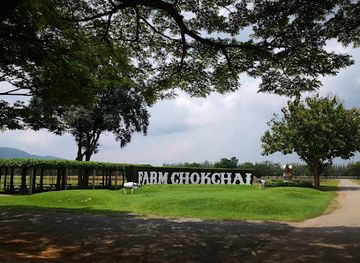
Farm Chokchai
Discover the charm of rural Thailand at Farm Chokchai, a unique dairy farm and tourist attraction offering interactive experiences and delicious dairy treats.
-
Tourist attraction
Suwan Corn Farm
Discover the lush beauty and delicious flavors of Suwan Corn Farm, a top tourist attraction in Nakhon Ratchasima, Thailand.
-
Tourist attraction
Khao Yai Thieng Windmill
Discover the serene beauty and vibrant windmills of Khao Yai Thieng Windmill, a must-visit attraction in Nakhon Ratchasima, Thailand.
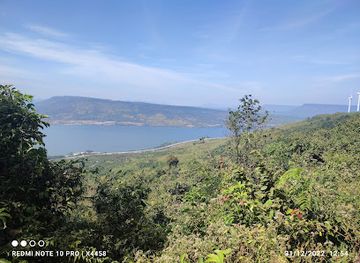
Best landmarks in Khao Yai
Khao Yai National Park is the defining landmark of the region: a vast protected forest whose ridges, waterfalls and wildlife habitats have shaped the area’s identity since its establishment in 1962. Haew Suwat Waterfall is one of its most recognisable sites, dropping into a forested setting made familiar to many visitors through its appearance in popular cinema, while Haew Narok is a larger and more forceful cascade reached from the park’s main road network. Elevated viewpoints such as Pha Diao Dai provide expansive views across forested hills, subject to weather and access conditions. The park’s gates and winding mountain roads are themselves important markers of the transition from cultivated Pak Chong land into protected upland forest. Outside the park, vineyard landscapes, open farms and wooded foothills form the visual character of the wider Khao Yai area rather than a single monumental centre. Together these places express the region’s central contrast: a formally protected forest beside a modern agricultural and leisure landscape.
-
National park
Khao Yai National Park
Explore the stunning landscapes and rich biodiversity of Khao Yai National Park, a UNESCO World Heritage Site perfect for adventure and tranquility.
-
Tourist attraction
Farm Chokchai
Explore Farm Chokchai, a captivating dairy farm in Thailand offering interactive tours, fresh dairy delights, and stunning natural beauty.
-
Tourist attraction
Khao Yai Thieng Windmill
Explore the stunning landscapes of Khao Yai Thieng Windmill, a picturesque park in Nakhon Ratchasima, perfect for nature lovers and photographers alike.
-
Tourist attraction
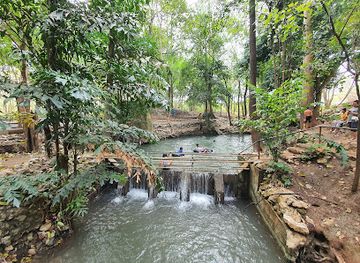
Ban Tha Chang Spring
Discover tranquility and natural beauty at Ban Tha Chang Spring, a hidden oasis in Pak Chong District that captivates every visitor.
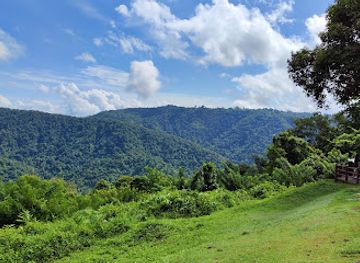
Explore Khao Yai on the map
Plan your trip on one map. See where the top cities, national parks and sights are, and book hotels and experiences in a few clicks.
Best hotels in Khao Yai
Best restaurants in Khao Yai
Dining around Khao Yai reflects the region’s position between Bangkok’s weekend economy, north-eastern Thai food culture and a productive agricultural hinterland. Pak Chong has casual restaurants, noodle shops, cafés and markets, while rural roads are lined with family-run eateries and larger countryside venues. Menus commonly include central Thai favourites alongside northeastern dishes such as som tam, grilled chicken and larb, with spice levels varying by restaurant. Farms and vineyards have helped popularise meals based on locally grown vegetables, fruit, dairy and other produce, although not every ingredient is exclusive to Khao Yai. Visitors can also find bakeries, coffee shops, pizzerias and contemporary restaurants aimed at weekend travellers. Food markets and roadside stalls are useful for snacks and seasonal fruit, while country inns and resort restaurants provide more leisurely meals. Wine produced in the surrounding vineyards is a regional feature, but it sits alongside Thailand’s wider drinks culture rather than replacing it.
-
Restaurant
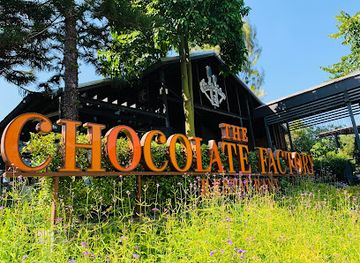
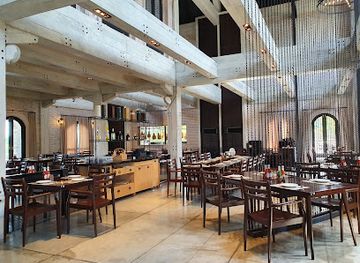
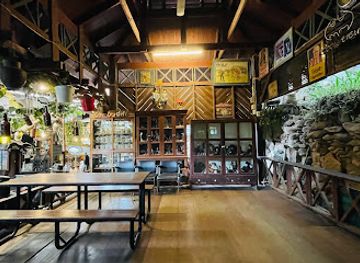
The Chocolate Factory Khao Yai
Discover a heavenly retreat at The Chocolate Factory Khao Yai – where exquisite chocolates meet stunning landscapes for an unforgettable dining experience.
-
Restaurant
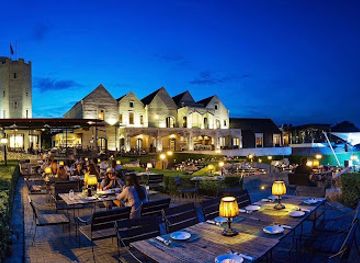
Midwinter Khaoyai
Discover the enchanting blend of exquisite cuisine and stunning scenery at Midwinter Khaoyai – where every meal is a celebration of nature and flavor.
-
Restaurant
Banmai Chaynam
Experience authentic Thai cuisine at Banmai Chaynam in Pakchong; where delicious food meets serene surroundings.
-
Thai
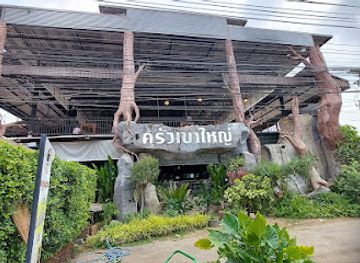
Krua Khao Yai Restaurant
Experience authentic Thai cuisine at Krua Khao Yai Restaurant near Khao Yai National Park - a must-visit for food enthusiasts!
Best bars in Khao Yai
Khao Yai is not primarily a nightclub destination. Evening life centres on restaurants, resort lounges, relaxed cafés, breweries and traditional Thai-style restaurants around Pak Chong and the main countryside roads. Some larger accommodation complexes offer live music or outdoor dining, particularly during busy weekends and holiday periods, while vineyard estates may provide tastings or meals during their operating seasons. Local bars tend to be informal rather than concentrated in a single entertainment district, and rural venues may be widely separated, making a planned driver or taxi arrangement important. Pak Chong has the broadest choice of evening food and drinks, but visitors staying near the park should expect quieter nights, dark roads and an emphasis on conversation, scenery and early starts. Alcohol is not necessary to enjoy the region, and national rules, venue policies and responsible-drinking expectations apply.
-
Restaurant
Midwinter Khaoyai
Experience the perfect blend of nature and gourmet dining at Midwinter Khaoyai, where every meal is a feast for the senses.
-
Restaurant
PB Valley Khaoyai Winery
Explore PB Valley Khaoyai Winery: A captivating destination for wine enthusiasts and food lovers in Thailand's picturesque countryside.
-
Restaurant
Prime 19 Khao Yai
Discover culinary excellence at Prime 19 Khao Yai, where exquisite dishes meet stunning natural beauty in Thailand's breathtaking landscapes.
-
Bar
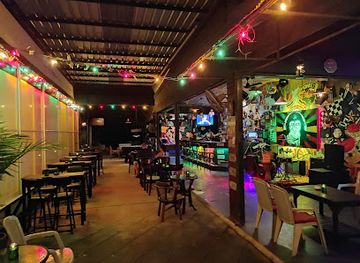
Monkey Bar khao lak
Discover Monkey Bar Khao Lak - a vibrant bar with live music, refreshing drinks, and a lively atmosphere in the heart of Thailand's stunning Khao Lak.
Best nightclubs in Khao Yai
Khao Yai is not primarily a nightclub destination. Evening life centres on restaurants, resort lounges, relaxed cafés, breweries and traditional Thai-style restaurants around Pak Chong and the main countryside roads. Some larger accommodation complexes offer live music or outdoor dining, particularly during busy weekends and holiday periods, while vineyard estates may provide tastings or meals during their operating seasons. Local bars tend to be informal rather than concentrated in a single entertainment district, and rural venues may be widely separated, making a planned driver or taxi arrangement important. Pak Chong has the broadest choice of evening food and drinks, but visitors staying near the park should expect quieter nights, dark roads and an emphasis on conversation, scenery and early starts. Alcohol is not necessary to enjoy the region, and national rules, venue policies and responsible-drinking expectations apply.
-
Hotel
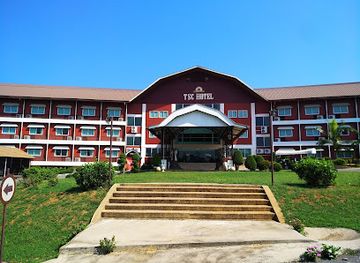
Thongsomboon Club
Discover adventure and relaxation at Thongsomboon Club in Pak Chong – a perfect getaway surrounded by Khao Yai's stunning landscapes.
-
Night club
The Club
Experience the electrifying nightlife at The Club, the ultimate destination in Khao San Road for unforgettable parties and vibrant atmosphere.
-
Bar
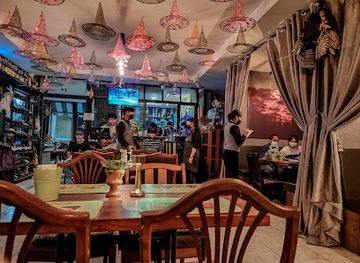
The Witches Brew Restaurant Khao Yai
Discover the charm of The Witches Brew Restaurant Khao Yai, where delightful cuisine meets enchanting live music in a whimsical atmosphere.
-
Restaurant
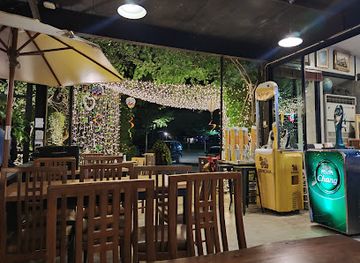
Blue Moon Bar & Restaurant
Discover the flavors of Thailand at Blue Moon Bar & Restaurant in Pak Chong, where every meal is a celebration of local cuisine and culture.

Best shops in Khao Yai
Shopping in Khao Yai is shaped more by local food and countryside produce than by large urban retail districts. Pak Chong offers everyday high-street shops, markets, convenience stores and places to buy snacks for park trips. Around the rural roads, visitors may find farm shops and small outlets selling fruit, vegetables, dairy products, baked goods, coffee, preserves and other packaged produce, although stock and opening arrangements vary. Vineyards and agricultural estates often sell their own wines or food products, while cafés and specialty food shops cater to weekend visitors from Bangkok. Markets are useful for sampling local ingredients and inexpensive Thai snacks, but they are generally practical community markets rather than permanent craft bazaars. Souvenirs may include regional food products, locally made decorative goods and outdoor clothing, with the greatest variety in Pak Chong and established countryside attractions. Bring reusable bags where possible and check transport arrangements before buying bulky bottles or farm products.
-
Hypermarket
Lotus’s Pak Chong-Khaoyai
Explore the diverse offerings at Lotus's Pak Chong-Khaoyai, your ultimate shopping destination in the beautiful Nakhon Ratchasima region.
-
Garden
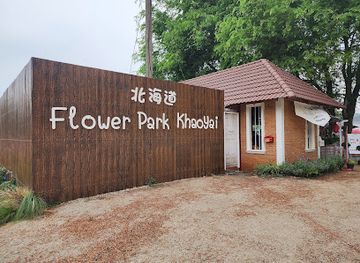
Hokkaido Flower Park Khaoyai
Explore the vibrant blooms of Hokkaido Flower Park Khaoyai – a floral paradise in Nakhon Ratchasima, Thailand, perfect for families and nature lovers.
-
Outlet mall
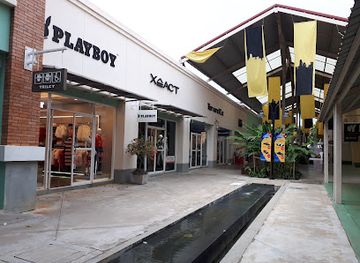
Premium Outlet Khaoyai at Pak Chong
Explore Premium Outlet Khaoyai for a unique shopping experience in Thailand, featuring top brands at discounted prices amidst stunning natural beauty.
-
Shopping mall
Outlet Village
Experience unbeatable shopping deals at Outlet Village in Pak Chong, where every visit is a blend of style, savings, and vibrant atmosphere.

Get your free copy of our complete guide to Khao Yai, delivered straight to you.
Everything on this page, from attractions and restaurants to essentials and local phrases, in one PDF you can read offline, print or share.
Already have an account? Sign in
Your Khao Yai guide is ready.
We'll send it to · Not you? Sign out

Getting your guide ready…
We are putting together a fresh copy of the Khao Yai guide. This can take up to a minute.
This can take a few moments. If your browser asks, choose Allow so the download can start. You'll find the guide in your Downloads folder.
Nothing happened? Download it again
Sorry, the guide is taking longer than usual. Please try again in a minute, or get it by email instead.
Khao Yai essentials
Currency and Payment
Safety
Emergency Situations
Do's and Don'ts
Local Tips
From Eve
Local phrases worth knowing
You don't need to get them perfect. A few words go a long way, and locals appreciate the effort.
Basics
| English | Local | Say it |
|---|---|---|
| Hello | สวัสดี | [sawasdee] |
| Goodbye | ลาก่อน | [laa gorn] |
| Yes | ใช่ | [chai] |
| No | ไม่ใช่ | [mai chai] |
| Please/You're welcome | กรุณา/ยินดีต้อนรับ | [karuna/yindi ton rap] |
| Thank you | ขอบคุณ | [khob khun] |
| Excuse me/Sorry | ขอโทษ | [kho thot] |
| How are you? | คุณสบายดีไหม? | [khun sabai dee mai?] |
| Fine. And you? | สบายดี แล้วคุณล่ะ? | [sabai dee laeo khun la?] |
| Do you speak English? | คุณพูดภาษาอังกฤษได้ไหม? | [khun phut phasa angkrit dai mai?] |
| I don't understand | ฉันไม่เข้าใจ | [chan mai khao jai] |
Eating & Drinking
| English | Local | Say it |
|---|---|---|
| I'd like to see the menu, please | ขอเมนูหน่อยได้ไหม? | [kho menu noi dai mai?] |
| I don't eat meat | ฉันไม่กินเนื้อ | [chan mai kin nua] |
| Cheers! | ชนแก้ว! | [chon keaw!] |
| I would like to pay, please | ฉันขอชำระเงินได้ไหม? | [chan kho chamra ngern dai mai?] |
Emergencies
| English | Local | Say it |
|---|---|---|
| Help! | ช่วยด้วย! | [chuai duay!] |
| Go away! | ไปให้พ้น! | [pai hai phon!] |
| Call the Police! | เรียกตำรวจ! | [riak tamruat!] |
| Call a doctor! | เรียกหมอ! | [riak mor!] |
| I'm lost | ฉันหลงทาง | [chan long thang] |
| I'm ill | ฉันไม่สบาย | [chan mai sabai] |
Shopping
| English | Local | Say it |
|---|---|---|
| I'd like to buy... | ฉันอยากซื้อ... | [chan yak seu...] |
| I'm just looking | ฉันแค่ดู | [chan khae du] |
| How much is it? | ราคาเท่าไหร่? | [rakha thao rai?] |
| That's too expensive | แพงเกินไป | [paeng koen pai] |
| Can you lower the price? | ช่วยลดราคาได้ไหม? | [chuai lot rakha dai mai?] |
Time & Numbers
| English | Local | Say it |
|---|---|---|
| What time is it? | ตอนนี้กี่โมง? | [ton ni kii mong?] |
| It's one o'clock | ตอนนี้หนึ่งโมง | [ton ni neung mong] |
| Half past (10) | สิบเอ็ดโมงครึ่ง | [sip et mong khrueng] |
| Morning | เช้า | [chao] |
| Afternoon | บ่าย | [bai] |
| Evening | เย็น | [yen] |
| Yesterday | เมื่อวาน | [meu wan] |
| Today | วันนี้ | [wan ni] |
| Tomorrow | วันพรุ่งนี้ | [wan phrung ni] |
| 1 | หนึ่ง | [neung] |
| 2 | สอง | [song] |
| 3 | สาม | [sam] |
| 4 | สี่ | [si] |
| 5 | ห้า | [ha] |
| 6 | หก | [hok] |
| 7 | เจ็ด | [jet] |
| 8 | แปด | [paet] |
| 9 | เก้า | [kao] |
| 10 | สิบ | [sip] |
Transport & Directions
| English | Local | Say it |
|---|---|---|
| Where's a/the...? | ที่ไหนมี...? | [thi nai mee...?] |
| What's the address? | ที่อยู่คืออะไร? | [thi yuu khue arai?] |
| Can you show me (on the map)? | ช่วยชี้ให้ดู (ในแผนที่)? | [chuai chee hai du (nai phaen thi)?] |
| When's the next (bus)? | รถบัสคันถัดไปเมื่อไหร่? | [rot bas khan that pai meu rai?] |
| A ticket (to ....) | ตั๋ว (ไป ....) | [tua (pai ....)] |
History of Khao Yai
Early Forest Landscapes and Settlement
The highlands around Khao Yai formed part of a broad forested zone linking central Thailand with the Khorat Plateau. Communities in the surrounding valleys cultivated land and used forest resources long before modern tourism developed, while routes over the uplands connected settlements on either side of the range. Archaeological evidence in the wider region points to long patterns of human occupation, agriculture and exchange, although the park itself remained comparatively lightly settled in many areas because of its rugged terrain and dense vegetation.
The Historic Frontier Between Central Thailand and Isan
Khao Yai lies near the geographical transition between the central plains and north-eastern Thailand, historically known as Isan. Routes through the surrounding uplands helped connect the Chao Phraya basin with communities on the Khorat Plateau. This position influenced the cultural and economic development of Pak Chong and neighbouring districts, where central Thai and north-eastern traditions meet in food, farming and patterns of settlement. The landscape’s remoteness also helped preserve extensive forest after more accessible lowland areas were increasingly cultivated.
Forest Clearance and Agricultural Expansion
During the nineteenth and twentieth centuries, expanding settlement and agriculture reduced forest cover in many parts of Thailand. Roads and railways improved access to the Khorat Plateau, encouraging cultivation and commerce around Pak Chong and the western approaches to the hills. Forest products were extracted from the wider region, while farms gradually occupied valleys and accessible slopes. These changes made the remaining upland forests more vulnerable and helped create the case for formal protection of Khao Yai’s watershed and wildlife habitats.
Khao Yai National Park, Established in 1962
Khao Yai became Thailand’s first national park in 1962, marking an important step in the country’s modern conservation system. Protection covered a large forested mountain area across four provinces and sought to safeguard headwaters, wildlife and habitats threatened by clearance and hunting. Roads and visitor facilities later made selected areas accessible, but much of the park remains forested and managed for conservation. The designation also established Khao Yai as a destination for domestic visitors seeking waterfalls, forest walks and cooler upland conditions.
Modern Conservation and World Heritage Recognition
Khao Yai forms the western part of the Dong Phayayen–Khao Yai Forest Complex, which was inscribed on the UNESCO World Heritage List in 2005. The wider complex links several protected areas and provides important habitat corridors for species including Asian elephants, hornbills and other forest wildlife. Recognition emphasised the ecological importance of conserving connected forests rather than treating each park as an isolated island. It also increased international awareness of Khao Yai, while reinforcing the need to manage tourism carefully.
The Rise of Countryside Tourism
From the late twentieth century onwards, improved roads from Bangkok, growing domestic leisure travel and investment in rural accommodation transformed parts of the Pak Chong area. Vineyards, farms, restaurants, recreational estates and resort developments appeared alongside traditional agriculture. This tourism economy has given visitors more ways to experience the landscape beyond the national park, but it has also made the region more varied in character. The contemporary Khao Yai experience therefore combines protected forest with an increasingly sophisticated rural food, hospitality and leisure sector.
Khao Yai in Photos
Browse through our photo collection highlighting the charm and character of the destination.
Neighbouring regions of Khao Yai
The closest regions to Khao Yai, if you have time for more than one.
-

-

-

-

-


Swipe for more regions
Explore more
Explore more of Thailand
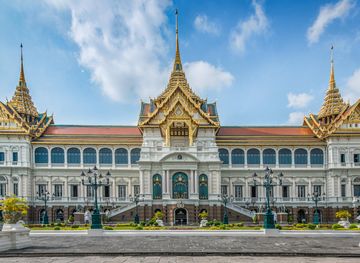
Discover Thailand: A land of diverse landscapes, rich culture, and warm hospitality, where ancient traditions blend seamlessly with modern attractions.
Explore Thailand