

Rattanakosin, Thailand Travel Guide
Discover Rattanakosin, the historic heart of Bangkok, where majestic temples, royal palaces, and vibrant local life come together to tell the story of Thailand's rich heritage.
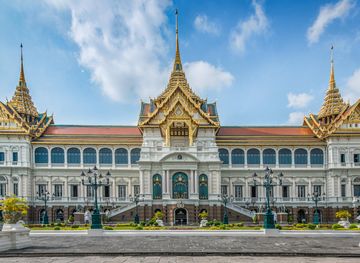
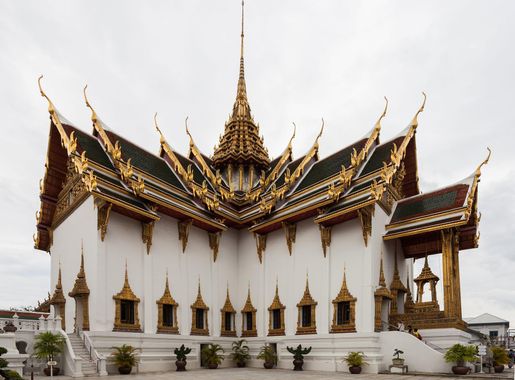
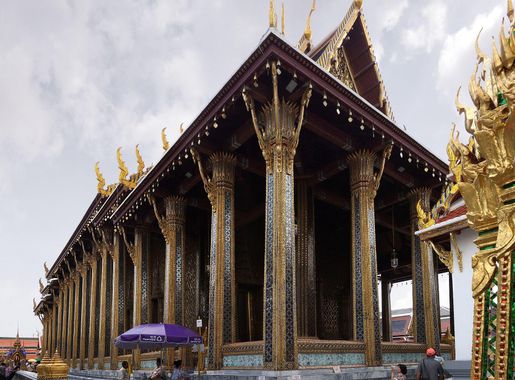
Rattanakosin, often referred to as the Old City, is the historical heart of Bangkok, Thailand. This area is steeped in rich cultural history and is home to some of Thailand's most iconic landmarks. As you walk through its streets, you will be transported back in time, experiencing the grandeur and beauty of traditional Thai architecture. The Grand Palace, a must-visit, stands as a testament to the opulence of Thai royalty. Within its walls lies the Wat Phra Kaew, the Temple of the Emerald Buddha, which is considered the most sacred Buddhist temple in Thailand. Another notable temple in the area is Wat Pho, known for its giant reclining Buddha and as the birthplace of traditional Thai massage. Rattanakosin is not just about grand buildings; it also offers a glimpse into everyday Thai life. The bustling markets, street food stalls, and local shops provide a vibrant atmosphere where you can taste delicious Thai cuisine and buy unique souvenirs. A stroll along the Chao Phraya River offers scenic views and a peaceful respite from the city's hustle and bustle. Exploring Rattanakosin is like stepping into a living museum. From its majestic palaces and temples to its lively streets and markets, this district offers a comprehensive look into Thailand's rich heritage and culture.

Know before you go
Hi, I'm Eve. Here are a few practical things to know before exploring Rattanakosin.
- Dress modestly when visiting temples and the Grand Palace. Shoulders and knees should be covered.
- Visit early in the morning to avoid crowds and the midday heat.
- Carry cash, as many local shops and food stalls do not accept credit cards.
- Wear comfortable walking shoes as there is a lot to explore on foot.
- Stay hydrated and take breaks in shaded areas, especially during the hot months.
Top City Travel Guides in Rattanakosin
The cities of Rattanakosin, and the easiest places to base yourself.

Explore Rattanakosin: Things to Do, Places to Eat, Hotels & More
Handpicked recommendations for top attractions, local dining, accommodations, and more

Top Attractions & Sightseeing in Rattanakosin
Top-rated picks
Best Attractions

The Grand Palace
Explore the Grand Palace in Bangkok, a historical marvel showcasing Thailand's rich cultural heritage and breathtaking architecture.

The Temple of the Emerald Buddha
Discover the grandeur of the Temple of the Emerald Buddha, a spiritual oasis and architectural marvel in the heart of Bangkok, Thailand.

Wat Phra Chetuphon Wimon Mangkhalaram Rajwaramahawihan
Experience the spiritual heart of Bangkok at Wat Phra Chetuphon, home to the magnificent reclining Buddha and centuries of Thai heritage.

Sanam Luang
Discover Sanam Luang, a serene park in the heart of Bangkok, blending culture, history, and natural beauty into one unforgettable experience.

Best landmarks in Rattanakosin
Top-rated picks
Best Landmarks

The Grand Palace
Explore the grandeur of The Grand Palace in Bangkok, an iconic cultural and historical landmark that showcases Thailand's royal heritage.

Wat Arun Ratchawararam Ratchawaramahawihan
Discover the enchanting beauty of Wat Arun, Bangkok's iconic Temple of Dawn, a masterpiece of architecture and spirituality along the Chao Phraya River.

The Temple of the Emerald Buddha
Discover the spiritual heart of Thailand at the Temple of the Emerald Buddha, a stunning Buddhist temple filled with rich history and exquisite architecture.

Wat Phra Chetuphon Wimon Mangkhalaram Rajwaramahawihan
Experience the serene beauty of Wat Phra Chetuphon, a historic Buddhist temple in Bangkok featuring a stunning reclining Buddha and rich Thai culture.

Best restaurants in Rattanakosin
Top-rated picks
Best Restaurants

Thipsamai
Experience authentic Thai cuisine at Thipsamai, home of Bangkok's legendary Pad Thai and vibrant local culture.

Krua Apsorn @Dinso
Experience authentic Thai flavors at Krua Apsorn @Dinso, where traditional recipes meet modern hospitality in the heart of Bangkok.

Methavalai Sorndaeng
Experience the vibrant taste of Thailand at Methavalai Sorndaeng – where tradition meets flavor in every dish.

Pad Thai Kratong Thong
Experience authentic flavors at Pad Thai Kratong Thong in Bangkok – where every dish tells a story of Thailand's rich culinary heritage.

Best bars in Rattanakosin
Top-rated picks
Best Bars

Red Sky
Discover Red Sky in Bangkok - an exquisite rooftop restaurant offering stunning views, vibrant atmosphere, and a delightful culinary experience.

Brick Bar
Discover the heart of Bangkok's nightlife at Brick Bar, where live music and a vibrant atmosphere await you.

TEP BAR - Cultural Bar of Thailand
Experience the rich Thai culture through innovative cocktails and culinary delights at TEP BAR, Bangkok's premier cultural cocktail destination.

Eagle Nest Bar
Experience the vibrant nightlife of Bangkok at Eagle Nest Bar, where stunning views and delicious drinks await every visitor.

Best nightclubs in Rattanakosin
Top-rated picks
Best Nightclubs

Route66
Discover the vibrant nightlife of Bangkok at Route 66, a lively night club offering unforgettable music, drinks, and entertainment in a stylish setting.

The Club
Experience the thrill of Bangkok's nightlife at The Club, where music and energy come alive on Khaosan Road.

Venti Nightclub
Experience the vibrant nightlife of Bangkok at Venti Nightclub, where electrifying music and unforgettable moments await every night.

Levels Club
Unleash your nightlife spirit at Levels Club, Bangkok's premier destination for music, dancing, and unforgettable memories.

Best shops in Rattanakosin
Top-rated picks
Best Shops

Sampheng Market
Discover the heart of Bangkok at Sampheng Market, where vibrant stalls showcase the essence of Thai culture and delicious street food awaits.

Klong Thom Center
Explore Klong Thom Center, Bangkok's bustling electronics marketplace, where tech enthusiasts find unbeatable deals and local culture thrives.

The Old Siam Plaza
Explore The Old Siam Plaza - a vibrant shopping destination blending tradition and modernity in the heart of Bangkok.

Tha Maharaj (Shopping mall)
Explore Tha Maharaj, Bangkok's dynamic shopping mall offering unique boutiques, delicious dining, and breathtaking riverside views.

Explore Rattanakosin on the Map
A handpicked selection of must-see spots in Rattanakosin, mapped for you.
Rattanakosin Essentials
-
Rattanakosin is located in the heart of Bangkok, Thailand. The nearest international airport is Suvarnabhumi Airport (BKK), approximately 30 kilometers away. From the airport, you can take a taxi directly to Rattanakosin, which typically takes around 45 minutes to an hour depending on traffic. Alternatively, you can use the Airport Rail Link to Phaya Thai Station and then transfer to a taxi or local bus. Another option is Don Mueang International Airport (DMK), which is about 25 kilometers away. From there, you can also take a taxi or use public transport to reach Rattanakosin.
-
Rattanakosin is well-connected by various modes of transportation. Local buses, tuk-tuks, and taxis are readily available. The Chao Phraya Express Boat is a convenient and scenic way to travel along the Chao Phraya River, stopping at several key attractions. For a more local experience, consider renting a bicycle or walking, as many points of interest are within close proximity. The Bangkok Mass Transit System (BTS Skytrain) and the Metropolitan Rapid Transit (MRT) do not directly serve Rattanakosin, but nearby stations can be used in conjunction with buses or taxis.
-
The official currency in Thailand is the Thai Baht (THB). Credit and debit cards are widely accepted in most hotels, restaurants, and larger shops, but it is advisable to carry cash for smaller establishments, street vendors, and local markets. ATMs are plentiful throughout Rattanakosin, and currency exchange services are available at banks and exchange booths.
-
Rattanakosin is generally a safe area for tourists, but standard precautions should be taken. Avoid walking alone at night in poorly lit areas and be cautious of pickpockets in crowded places. Areas like Khao San Road, while popular with tourists, can be hotspots for petty crime and scams. Always keep an eye on your belongings and be aware of your surroundings.
-
In case of emergency, dial 191 for police assistance or 1669 for medical emergencies. Major hospitals in Bangkok, such as Siriraj Hospital and Chulalongkorn Hospital, offer high-quality medical care. It is advisable to have travel insurance that covers medical emergencies. For minor health issues, numerous pharmacies are available throughout the area.
-
Fashion: Do dress modestly, especially when visiting temples. Avoid wearing shorts, sleeveless tops, or revealing clothing. Religion: Do show respect at religious sites. Remove your shoes before entering temples and avoid pointing your feet at Buddha images. Public Transport: Do be respectful on public transport. Offer seats to elderly passengers and avoid loud conversations. Greetings: Do greet people with a 'wai,' a traditional Thai greeting involving a slight bow with hands pressed together. Eating & Drinking: Do try local street food and eat at local eateries. Avoid wasting food, as it is considered disrespectful.
-
To experience Rattanakosin like a local, visit the early morning markets such as Pak Khlong Talat (the Flower Market) for a vibrant display of local life. Take a leisurely boat ride along the Chao Phraya River. Engage with locals; they are often friendly and willing to share insights about the area. Don't miss the opportunity to explore less touristy temples like Wat Ratchabophit to avoid the crowds and enjoy a more peaceful experience.
When is the best time to visit Rattanakosin?
Useful Local Phrases for Rattanakosin
You don't need to speak the language perfectly. Even learning a few simple words can make conversations warmer—and locals usually appreciate the effort.
— Eve

Here are the phrases I use most often in Rattanakosin. Try a few—you'll be surprised how far they go! 😊
❤️
-
- Helloสวัสดี
[sawasdee] - Goodbyeลาก่อน
[laa-gorn] - Yesใช่
[chai] - Noไม่
[mai] - Please/You're welcomeกรุณา/ยินดี
[karuna/yindi] - Thank youขอบคุณ
[khob khun] - Excuse me/Sorryขอโทษ
[kho thot] - How are you?สบายดีไหม
[sabai dee mai] - Fine. And you?สบายดี ขอบคุณ
[sabai dee, khob khun] - Do you speak English?คุณพูดภาษาอังกฤษได้ไหม
[khun phut phasa angkrit dai mai] - I don't understandฉันไม่เข้าใจ
[chan mai khao jai]
- Helloสวัสดี
-
- I'd like to see the menu, pleaseขอดูเมนูหน่อยได้ไหม
[kho du menu noi dai mai] - I don't eat meatฉันไม่กินเนื้อ
[chan mai kin neua] - Cheers!ชนแก้ว!
[chon kaew!] - I would like to pay, pleaseขอชำระเงินหน่อย
[kho chamra ngoen noi]
- I'd like to see the menu, pleaseขอดูเมนูหน่อยได้ไหม
-
- Help!ช่วยด้วย!
[chuai duay!] - Go away!ไปให้พ้น!
[pai hai phon!] - Call the Police!เรียกตำรวจ!
[riak tamruat!] - Call a doctor!เรียกหมอ!
[riak mor!] - I'm lostฉันหลงทาง
[chan long thang] - I'm illฉันป่วย
[chan puai]
- Help!ช่วยด้วย!
-
- I'd like to buy...ฉันอยากซื้อ...
[chan yak seu...] - I'm just lookingฉันแค่ดู
[chan khae du] - How much is it?ราคาเท่าไหร่
[rakha thao rai] - That's too expensiveแพงเกินไป
[paeng koen pai] - Can you lower the price?คุณลดราคาได้ไหม
[khun lot rakha dai mai]
- I'd like to buy...ฉันอยากซื้อ...
-
- What time is it?ตอนนี้กี่โมง
[ton ni ki mong] - It's one o'clockตอนนี้หนึ่งโมง
[ton ni neung mong] - Half past (10)สิบโมงครึ่ง
[sip mong khrung] - Morningเช้า
[chao] - Afternoonบ่าย
[bai] - Eveningเย็น
[yen] - Yesterdayเมื่อวาน
[muea wan] - Todayวันนี้
[wan ni] - Tomorrowวันพรุ่งนี้
[wan phrung ni] - 1หนึ่ง
[neung] - 2สอง
[song] - 3สาม
[sam] - 4สี่
[si] - 5ห้า
[ha] - 6หก
[hok] - 7เจ็ด
[jet] - 8แปด
[paet] - 9เก้า
[kao] - 10สิบ
[sip]
- What time is it?ตอนนี้กี่โมง
-
- Where's a/the...?ที่ไหนมี...?
[thi nai mi...?] - What's the address?ที่อยู่คืออะไร?
[thi yu khue arai?] - Can you show me (on the map)?ช่วยชี้ให้ฉันดูได้ไหม?
[chuai chi hai chan du dai mai?] - When's the next (bus)?รถเมล์คันถัดไปเมื่อไหร่?
[rot mae khan that pai muea rai?] - A ticket (to ....)ตั๋วไป...
[tua pai...]
- Where's a/the...?ที่ไหนมี...?
History of Rattanakosin
-
Rattanakosin, also known as the Rattanakosin Island, was founded in 1782 by King Rama I, the first monarch of the Chakri Dynasty. The city was established as the new capital of the Kingdom of Siam, following the fall of Ayutthaya to Burmese forces. The king aimed to create a fortified city that could withstand future invasions, and thus Rattanakosin was strategically located along the eastern banks of the Chao Phraya River.
-
One of the first major constructions in Rattanakosin was the Grand Palace, which began in 1782 under the orders of King Rama I. The palace served as the royal residence and the administrative seat of the kingdom. It is an architectural masterpiece that combines traditional Thai, European, and Chinese styles. The complex includes the Wat Phra Kaew, home to the revered Emerald Buddha, which plays a significant role in Thai religious and cultural life.
-
The Bowring Treaty was signed in 1855 between King Mongkut (Rama IV) of Siam and Sir John Bowring, the British envoy. This treaty marked a significant turning point for Rattanakosin, as it opened Siam to international trade and led to modernization efforts. The treaty abolished royal monopolies and lowered import duties, allowing for an influx of Western goods and ideas, which influenced the development of the city.
-
King Chulalongkorn, also known as Rama V, ruled from 1868 to 1910 and is credited with modernizing Siam in various aspects. During his reign, Rattanakosin saw significant infrastructural developments, including the establishment of public schools, hospitals, and a rail system. The king also implemented administrative reforms and abolished slavery, which transformed the social and economic landscape of the city.
-
The 1932 Siamese Revolution was a pivotal event in the history of Rattanakosin. This bloodless coup d'état led by the People's Party ended the absolute monarchy and resulted in the establishment of a constitutional monarchy. The revolution brought significant political changes to Rattanakosin, including the drafting of the country's first constitution and the establishment of a parliamentary system.
-
During World War II, Rattanakosin and the rest of Thailand were occupied by Japanese forces from 1941 to 1945. The city became a strategic point for the Japanese military, and several parts of Rattanakosin were used for military operations. Despite the occupation, the local Thai government maintained a level of autonomy and later aligned with the Allies towards the end of the war.
-
Today, Rattanakosin is a vibrant district that serves as a focal point of Thai culture and history. It is home to numerous historical landmarks, including temples, museums, and palaces. The district is also a hub for cultural festivals and traditional ceremonies, making it a must-visit destination for those interested in experiencing the rich heritage of Thailand.
Neighbouring Regions of Rattanakosin
The closest regions to Rattanakosin, if you have time for more than one.


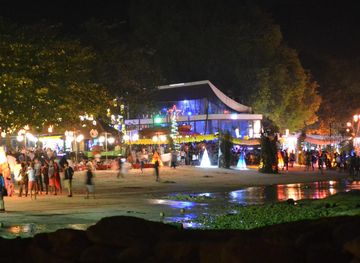


Your all‑in‑one travel companion app
Explore expert travel guides, compare and book tours, experiences, hotels, and more—all from the palm of your hand. Download now for seamless trip planning wherever your wanderlust takes you.


Explore More of Thailand
Looking beyond Rattanakosin? Discover Thailand for broader travel guides, local hot-spots, and regional highlights.
Explore ThailandRattanakosin in Photos
Browse through our photo collection highlighting the charm and character of the destination.




Rattanakosin: The Heart of Thai Heritage
Rattanakosin, often referred to as the Old City, is the historical heart of Bangkok, Thailand. This area is steeped in rich cultural history and is home to some of Thailand's most iconic landmarks. As you walk through its streets, you will be transported back in time, experiencing the grandeur and beauty of traditional Thai architecture. The Grand Palace, a must-visit, stands as a testament to the opulence of Thai royalty. Within its walls lies the Wat Phra Kaew, the Temple of the Emerald Buddha, which is considered the most sacred Buddhist temple in Thailand. Another notable temple in the area is Wat Pho, known for its giant reclining Buddha and as the birthplace of traditional Thai massage. Rattanakosin is not just about grand buildings; it also offers a glimpse into everyday Thai life. The bustling markets, street food stalls, and local shops provide a vibrant atmosphere where you can taste delicious Thai cuisine and buy unique souvenirs. A stroll along the Chao Phraya River offers scenic views and a peaceful respite from the city's hustle and bustle. Exploring Rattanakosin is like stepping into a living museum. From its majestic palaces and temples to its lively streets and markets, this district offers a comprehensive look into Thailand's rich heritage and culture.