
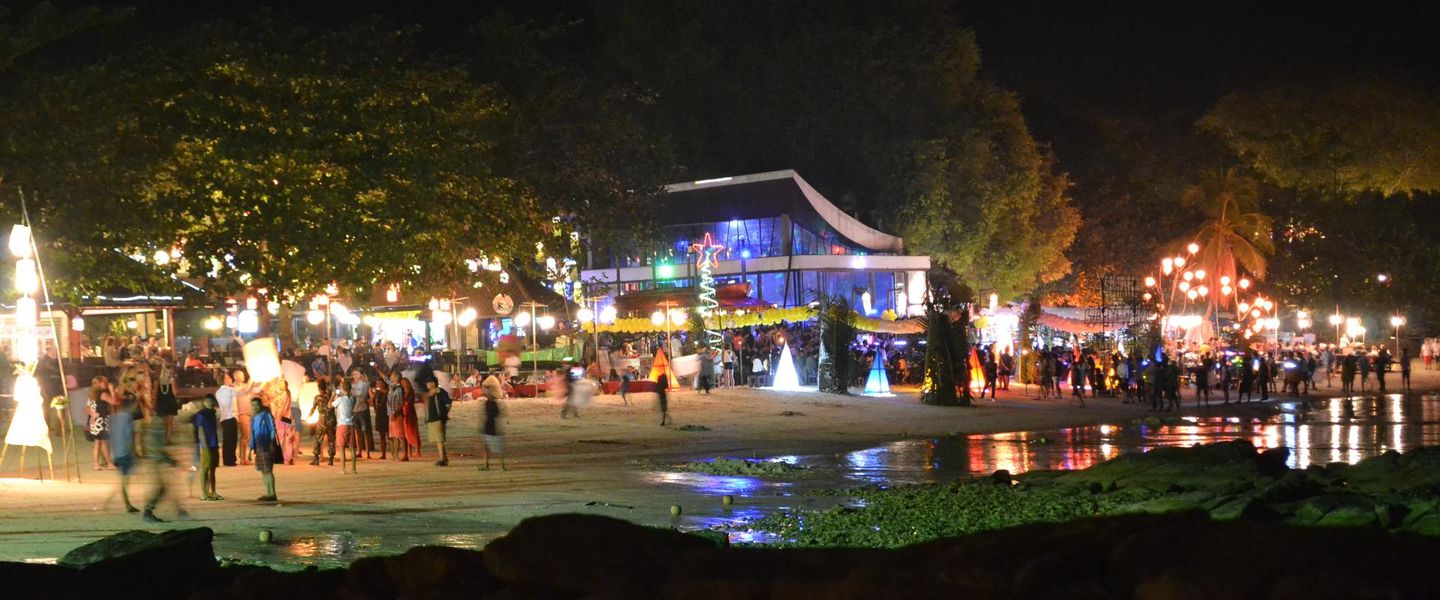
Eastern Thailand, Thailand Travel Guide
Discover Eastern Thailand: A region of vibrant cities, serene islands, lush national parks, and rich cultural heritage, perfect for adventure and relaxation.
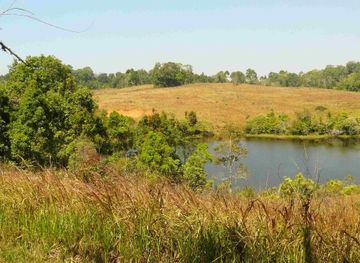
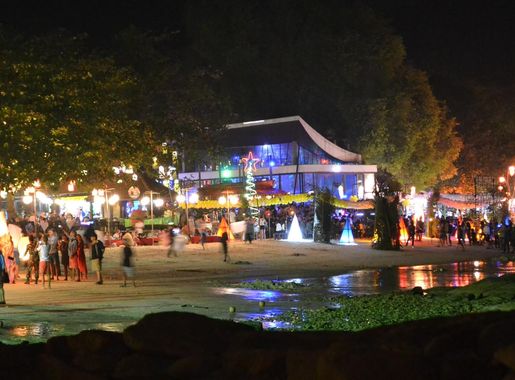
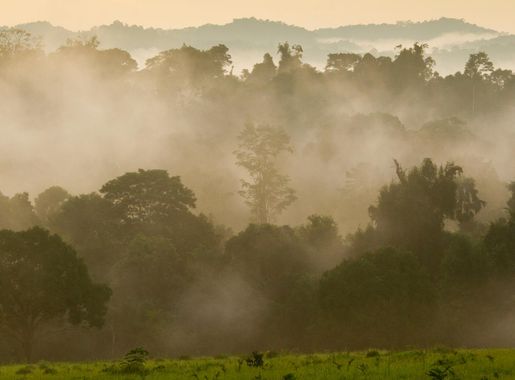
Eastern Thailand is a treasure trove of cultural richness and natural beauty. This region is known for its stunning beaches, lush national parks, and vibrant cities. The coastal town of Pattaya is famed for its lively nightlife and beautiful beaches, making it a popular destination for tourists seeking both relaxation and entertainment. Meanwhile, the serene islands of Koh Samet and Koh Chang offer pristine beaches and crystal-clear waters, perfect for snorkeling, diving, and unwinding in a tranquil setting. The region is also home to Rayong, a quieter coastal city with beautiful beaches and a strong fishing culture. Visitors can enjoy fresh seafood and explore local markets that offer a glimpse into the daily lives of the locals. For nature enthusiasts, the Khao Chamao-Khao Wong National Park provides opportunities for hiking, bird watching, and experiencing the beauty of Thailand's tropical rainforest. Inland, the city of Chanthaburi is renowned for its historical architecture and gemstone markets. The Cathedral of the Immaculate Conception is a highlight, showcasing stunning Gothic architecture. The region's fruit orchards, particularly those producing durians and mangosteens, are a delight for food lovers. Eastern Thailand's blend of natural wonders, cultural sites, and local flavors makes it a must-visit for any traveler seeking an authentic Thai experience.

Know before you go
Hi, I'm Eve. Here are a few practical things to know before exploring Eastern Thailand.
- Visit Koh Samet and Koh Chang during the weekdays to avoid the crowds and enjoy a more peaceful experience.
- Try the fresh seafood in Rayong; the local markets are a great place to taste authentic Thai dishes.
- Wear comfortable shoes if you plan to explore Khao Chamao-Khao Wong National Park, as the trails can be challenging.
- Visit the gemstone markets in Chanthaburi early in the morning for the best selection and prices.
- Respect local customs and dress modestly when visiting temples and historical sites.
Top City Travel Guides in Eastern Thailand
The cities of Eastern Thailand, and the easiest places to base yourself.


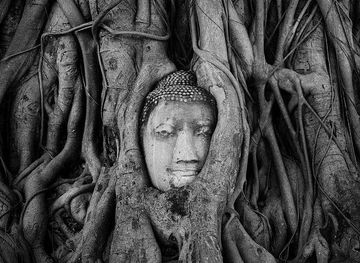


Destinations in Eastern Thailand
Resorts, valleys and scenic spots worth a trip of their own.


Explore Eastern Thailand: Things to Do, Places to Eat, Hotels & More
Handpicked recommendations for top attractions, local dining, accommodations, and more

Top Attractions & Sightseeing in Eastern Thailand
Top-rated picks
Best Attractions

Suvarnabhumi Airport
Discover the vibrant spirit of Thailand at Suvarnabhumi Airport, your gateway to the Land of Smiles with modern facilities and cultural experiences.

Nong Nooch Botanical Garden
Explore the stunning beauty of Nong Nooch Botanical Garden, a lush paradise in Sattahip, featuring vibrant flora and captivating cultural performances.

SEA LIFE Bangkok Ocean World
Discover the enchanting underwater world at SEA LIFE Bangkok Ocean World, where thousands of aquatic species await in an unforgettable experience.

Pattaya Floating Market
Discover the vibrant cultural tapestry of Thailand at Pattaya Floating Market, where delicious street food and handcrafted treasures await.

Best landmarks in Eastern Thailand
Top-rated picks
Best Landmarks

Nong Nooch Botanical Garden
Discover the vibrant beauty of Nong Nooch Botanical Garden, a tropical paradise in Chon Buri, Thailand, featuring stunning gardens and rich cultural experiences.

The Ancient City
Discover Thailand's rich heritage at The Ancient City, an open-air museum featuring stunning replicas of iconic landmarks throughout the nation.

Rayong Aquarium
Explore the vibrant marine life at Rayong Aquarium, an enchanting aquatic experience that showcases the beauty of Thailand's underwater world.

Khao Laem Ya–Mu Ko Samet National Park
Discover the breathtaking landscapes and rich biodiversity of Khao Laem Ya–Mu Ko Samet National Park, a must-visit destination in Thailand's eastern coast.

Best restaurants in Eastern Thailand
Top-rated picks
Best Restaurants

Rabiang Thale Restaurant
Experience exquisite seafood dining at Rabiang Thale Restaurant in Samut Prakan – where fresh catches meet stunning ocean views.

Moken
Discover Moken in Samut Prakan - A Seafood Haven Where Freshness Meets Authentic Thai Flavors!
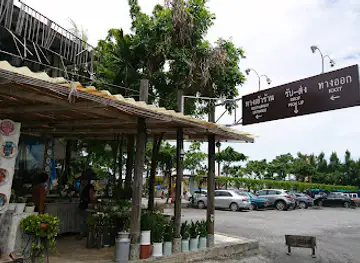
Sailom Bang Pu
Discover the best seafood dining experience at Sailom Bang Pu in Samut Prakan, where authentic Thai flavors meet stunning coastal views.

King Kaew Seafood
Experience the ultimate seafood buffet at King Kaew Seafood in Bang Phli – where freshness meets flavor in every bite.

Best bars in Eastern Thailand
Top-rated picks
Best Bars

Vertigo & Moon Bar Rooftop
Experience breathtaking views and exquisite cocktails at Vertigo & Moon Bar Rooftop, the ultimate cocktail destination in Bangkok.

Red Sky
Discover the breathtaking skyline views and exquisite cuisine at Red Sky, Bangkok's premier rooftop bar and restaurant.
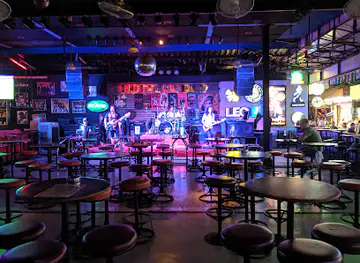
Hot Tuna Bar
Dive into the nightlife at Hot Tuna Bar, Pattaya's ultimate live music destination with delicious food and vibrant energy.

TEP BAR - Cultural Bar of Thailand
Experience the essence of Thailand at TEP BAR, where traditional culture meets innovative cocktail artistry in the heart of Bangkok.

Best nightclubs in Eastern Thailand
Top-rated picks
Best Nightclubs

Club Insomnia
Experience the vibrant nightlife of Pattaya at Club Insomnia, where electrifying beats and dazzling light shows create unforgettable nights.

RAAS CLUB PATTAYA
Unleash your nightlife experience at RAAS Club Pattaya, where electrifying beats and vibrant energy collide in a premier disco destination.

Tony’s by Nashaa Club
Experience the vibrant nightlife of Pattaya at Tony’s by Nashaa Club, a premier disco club on Walking Street known for its electrifying atmosphere and music.

Leela club pattaya
Discover the dynamic nightlife of Pattaya at Leela Club, where electrifying beats and vibrant crowds create unforgettable experiences.

Best shops in Eastern Thailand
Top-rated picks
Best Shops

centralwOrld
Experience the ultimate shopping, dining, and entertainment at centralwOrld, Bangkok's leading shopping mall that captures the essence of modern Thai culture.

Siam Paragon
Discover the ultimate shopping and dining experience at Siam Paragon, Bangkok's luxurious shopping mall with global brands and exquisite Thai cuisine.

ICONSIAM
Explore ICONSIAM, Bangkok's premier shopping destination, blending luxury retail, cultural experiences, and vibrant dining along the Chao Phraya River.

Chatuchak Weekend Market
Explore the vast and vibrant Chatuchak Weekend Market in Bangkok, a treasure trove of local crafts, tastes, and cultural experiences.

Explore Eastern Thailand on the Map
A handpicked selection of must-see spots in Eastern Thailand, mapped for you.
Eastern Thailand Essentials
-
Eastern Thailand is accessible via multiple transportation options. The main gateway is Suvarnabhumi Airport (BKK) in Bangkok, which connects to various international and domestic flights. From Bangkok, you can take a domestic flight to U-Tapao International Airport (UTP) in Rayong or Trat Airport (TDX) in Trat for closer access to Eastern Thailand destinations. Alternatively, long-distance buses and trains from Bangkok's Eastern Bus Terminal (Ekkamai) and Hua Lamphong Railway Station offer routes to cities such as Pattaya, Rayong, and Chanthaburi.
-
Transportation within Eastern Thailand is convenient and varied. Public buses and minibuses (songthaews) are common and inexpensive for short distances. For more comfort, taxis and ride-hailing services like Grab are widely available in urban areas. Renting a car or motorbike offers flexibility and is particularly useful for exploring rural attractions. Note that driving is on the left side of the road. Ferries and speedboats are available for island trips, especially to Koh Samet and Koh Chang.
-
The official currency in Thailand is the Thai Baht (THB). Credit and debit cards are widely accepted in hotels, restaurants, and larger shops, but it's advisable to carry cash for smaller establishments and markets. ATMs are readily available, and currency exchange services can be found in airports, banks, and tourist areas. Inform your bank of your travel plans to avoid card issues.
-
Eastern Thailand is generally safe for tourists, but standard precautions should be taken. Avoid isolated areas at night and keep an eye on personal belongings. Pattaya has higher crime rates, especially in nightlife areas, so remain vigilant. Tourist scams, particularly involving jet ski rentals and gem shops, can occur. Always use reputable services and thoroughly check rental equipment.
-
In case of emergency, dial 191 for police assistance and 1669 for medical emergencies. Major hospitals with English-speaking staff are located in larger cities such as Pattaya and Rayong. It's advisable to have travel insurance that covers medical emergencies. Pharmacies are widespread and can provide over-the-counter medications for minor ailments.
-
Fashion: Do dress modestly, especially when visiting temples and religious sites. Avoid revealing clothing in these areas. Religion: Do show respect in temples; remove shoes and cover your shoulders and knees. Public Transport: Do be patient and polite. Don't raise your voice or display frustration. Greetings: Do use the traditional Thai greeting, the 'wai,' by pressing your palms together and bowing slightly. Eating & Drinking: Do try local dishes and street food. Don't use your left hand to pass food or objects, as it is considered impolite.
-
To experience Eastern Thailand like a local, visit local markets such as the Chanthaburi Gems Market or the Ban Phe Market in Rayong. Engage with locals and learn about their crafts and produce. Explore less-touristy beaches and national parks for a serene experience. Renting a bicycle or motorbike can provide a closer look at rural life and hidden gems.
When is the best time to visit Eastern Thailand?
Useful Local Phrases for Eastern Thailand
You don't need to speak the language perfectly. Even learning a few simple words can make conversations warmer—and locals usually appreciate the effort.
— Eve

Here are the phrases I use most often in Eastern Thailand. Try a few—you'll be surprised how far they go! 😊
❤️
-
- Helloสวัสดี
[sawasdee] - Goodbyeลาก่อน
[laa-gorn] - Yesใช่
[chai] - Noไม่
[mai] - Please/You're welcomeโปรด/ยินดีต้อนรับ
[bproht/yindi ton rap] - Thank youขอบคุณ
[khob khun] - Excuse me/Sorryขอโทษ
[kho thot] - How are you?สบายดีไหม
[sabai dee mai] - Fine. And you?สบายดี แล้วคุณล่ะ
[sabai dee laeo khun la] - Do you speak English?คุณพูดภาษาอังกฤษได้ไหม
[khun pood phasa angkrit dai mai] - I don't understandฉันไม่เข้าใจ
[chan mai khao jai]
- Helloสวัสดี
-
- I'd like to see the menu, pleaseขอดูเมนูหน่อย
[kho du menu noi] - I don't eat meatฉันไม่กินเนื้อ
[chan mai gin nuea] - Cheers!ชนแก้ว!
[chon kaew] - I would like to pay, pleaseฉันขอจ่ายเงิน
[chan kho jai ngern]
- I'd like to see the menu, pleaseขอดูเมนูหน่อย
-
- Help!ช่วยด้วย!
[chuai duay] - Go away!ไปให้พ้น!
[bpai hai pon] - Call the Police!เรียกตำรวจ!
[riak tamruat] - Call a doctor!เรียกหมอ!
[riak mor] - I'm lostฉันหลงทาง
[chan long thang] - I'm illฉันป่วย
[chan puai]
- Help!ช่วยด้วย!
-
- I'd like to buy...ฉันอยากซื้อ...
[chan yak seu] - I'm just lookingแค่ดูอยู่
[khae du yuu] - How much is it?ราคาเท่าไหร่
[rakha thao rai] - That's too expensiveแพงเกินไป
[phaeng gern bpai] - Can you lower the price?ลดราคาได้ไหม
[lot rakha dai mai]
- I'd like to buy...ฉันอยากซื้อ...
-
- What time is it?ตอนนี้กี่โมง?
[ton ni kii mong] - It's one o'clockตอนนี้หนึ่งโมง
[ton ni neung mong] - Half past (10)สิบโมงครึ่ง
[sip mong krueng] - Morningเช้า
[chao] - Afternoonบ่าย
[bai] - Eveningเย็น
[yen] - Yesterdayเมื่อวาน
[meu wan] - Todayวันนี้
[wan ni] - Tomorrowพรุ่งนี้
[prung ni] - 1หนึ่ง
[neung] - 2สอง
[song] - 3สาม
[sam] - 4สี่
[si] - 5ห้า
[ha] - 6หก
[hok] - 7เจ็ด
[jet] - 8แปด
[paet] - 9เก้า
[kao] - 10สิบ
[sip]
- What time is it?ตอนนี้กี่โมง?
-
- Where's a/the...?ที่ไหนมี...?
[thi nai mii] - What's the address?ที่อยู่คืออะไร?
[thi yuu kheu arai] - Can you show me (on the map)?ช่วยแสดงให้ดูได้ไหม?
[chuai sa-daeng hai du dai mai] - When's the next (bus)?รถบัสคันถัดไปเมื่อไหร่?
[rot bas khan that bpai meu rai] - A ticket (to ....)ตั๋ว (ไป ....)
[tua (bpai)]
- Where's a/the...?ที่ไหนมี...?
History of Eastern Thailand
-
Eastern Thailand is home to significant archaeological sites that date back to prehistoric times. The region has yielded numerous artifacts, including pottery and tools, that offer insights into the lives of its early inhabitants. Excavations in areas such as Ban Chiang have uncovered evidence of one of the world's oldest bronze-age civilizations, indicating that Eastern Thailand was a cradle of early human settlement and technological advancement.
-
The Dvaravati period, which spanned from the 6th to the 11th century, saw the rise of Mon civilizations in Eastern Thailand. This era is marked by the spread of Theravada Buddhism, as evidenced by the numerous religious artifacts and architectural remnants found in the region. Important sites such as the ancient city of Khao Noi and the Wat Phra That Phanom temple highlight the cultural and religious significance of this period.
-
During the 9th to the 13th century, Eastern Thailand fell under the influence of the Khmer Empire. This period is characterized by the construction of monumental structures, including the iconic Prasat Phanom Rung and Prasat Muang Tam. These temples, built in the distinctive Khmer architectural style, served as both religious and administrative centers, reflecting the region's integration into the broader Khmer cultural and political sphere.
-
The 14th to the 18th century marked the era of the Ayutthaya Kingdom, during which Eastern Thailand became a strategic frontier region. The kingdom's efforts to expand its territory led to the establishment of fortified cities and trade routes. Significant historical events, such as the battles against the Khmer and later confrontations with the Burmese, shaped the region's development. Remnants of fortifications and ancient cities like Nakhon Ratchasima bear testimony to this dynamic period.
-
With the establishment of the Rattanakosin Kingdom in the late 18th century, Eastern Thailand experienced a period of consolidation and modernization. The region saw the construction of new infrastructure, including roads and railways, which facilitated trade and communication. This era also witnessed the introduction of modern administrative systems and the integration of Eastern Thailand into the burgeoning Thai nation-state. Landmarks such as the Ubon Ratchathani National Museum provide glimpses into the region's transformation during this period.
-
In the 20th and 21st centuries, Eastern Thailand has continued to evolve, balancing tradition and modernity. The region has seen significant economic development, particularly in agriculture and tourism. Cultural festivals such as the Candle Festival in Ubon Ratchathani and the Phimai Festival celebrate the region's rich heritage while attracting visitors from around the world. Contemporary Eastern Thailand remains a vibrant tapestry of historical influences and cultural practices, making it a fascinating destination for travelers.
Neighbouring Regions of Eastern Thailand
The closest regions to Eastern Thailand, if you have time for more than one.



Your all‑in‑one travel companion app
Explore expert travel guides, compare and book tours, experiences, hotels, and more—all from the palm of your hand. Download now for seamless trip planning wherever your wanderlust takes you.


Explore More of Thailand
Looking beyond Eastern Thailand? Discover Thailand for broader travel guides, local hot-spots, and regional highlights.
Explore ThailandEastern Thailand in Photos
Browse through our photo collection highlighting the charm and character of the destination.




Eastern Thailand: A Gem of Culture and Natural Beauty
Eastern Thailand is a treasure trove of cultural richness and natural beauty. This region is known for its stunning beaches, lush national parks, and vibrant cities. The coastal town of Pattaya is famed for its lively nightlife and beautiful beaches, making it a popular destination for tourists seeking both relaxation and entertainment. Meanwhile, the serene islands of Koh Samet and Koh Chang offer pristine beaches and crystal-clear waters, perfect for snorkeling, diving, and unwinding in a tranquil setting. The region is also home to Rayong, a quieter coastal city with beautiful beaches and a strong fishing culture. Visitors can enjoy fresh seafood and explore local markets that offer a glimpse into the daily lives of the locals. For nature enthusiasts, the Khao Chamao-Khao Wong National Park provides opportunities for hiking, bird watching, and experiencing the beauty of Thailand's tropical rainforest. Inland, the city of Chanthaburi is renowned for its historical architecture and gemstone markets. The Cathedral of the Immaculate Conception is a highlight, showcasing stunning Gothic architecture. The region's fruit orchards, particularly those producing durians and mangosteens, are a delight for food lovers. Eastern Thailand's blend of natural wonders, cultural sites, and local flavors makes it a must-visit for any traveler seeking an authentic Thai experience.