

Khao Sok National Park Travel Guide - Free Web & App
Your ultimate guide to Khao Sok National Park. Discover top landmarks, proposed trips, and local tips. Free on the web or via the Evendo companion app.


Discover Khao Sok National Park in Thailand, an ancient rainforest teeming with wildlife, breathtaking landscapes, and unique adventures for nature lovers.
Read more about Khao Sok National Park
When is the best time to visit Khao Sok National Park?
Best: January–March · 34°C| Month | High (°C) | Rainfall (mm) |
|---|---|---|
| January (best) | 34 | 127 |
| February (best) | 34 | 111 |
| March (best) | 34 | 139 |
| April | 35 | 206 |
| May | 35 | 397 |
| June | 35 | 569 |
| July | 34 | 598 |
| August | 34 | 588 |
| September | 34 | 537 |
| October | 34 | 390 |
| November | 34 | 217 |
| December | 34 | 152 |
Getting to and around Khao Sok National Park
How to get there
Transportation
Best attractions in Khao Sok National Park
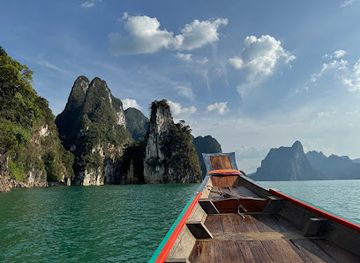
Khao Sok National Park in Thailand offers visitors a breathtaking experience of lush rainforests, towering limestone cliffs, and crystal-clear rivers and lakes. Explore the ancient caves, go on a boat safari to spot wildlife like elephants and monkeys, or trek through the jungle to discover hidden waterfalls and stunning viewpoints. Stay in a floating bungalow on the picturesque Cheow Lan Lake, surrounded by the peaceful serenity of nature. Whether you're a nature lover, adventure seeker, or simply looking for a tranquil retreat, Khao Sok National Park has something for everyone.
-
Tourist attraction
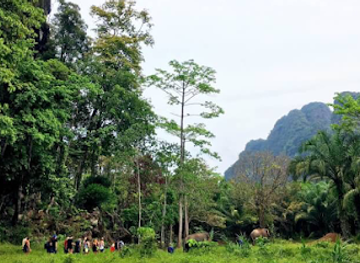
Khao Sok Elephant Sanctuary
Explore Khao Sok Elephant Sanctuary for unforgettable encounters with rescued elephants in a lush, sustainable environment in Thailand.
-
Tourist attraction
Khao Sok Elephant Sanctuary
Experience the magic of Khao Sok Elephant Sanctuary, where compassion for elephants meets the beauty of Thailand's wilderness in a sustainable environment.
-
Beach
Bang Sak Beach
Experience the tranquil beauty of Bang Sak Beach in Phang Nga, where golden sands meet crystal-clear waters for the ultimate relaxation.
-
Tourist attraction
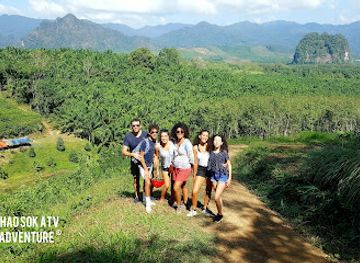
KHAO SOK ATV ADVENTURE
Experience the thrill of Khao Sok ATV Adventure, where adrenaline meets stunning natural beauty in Thailand's oldest rainforest.


Best landmarks in Khao Sok National Park
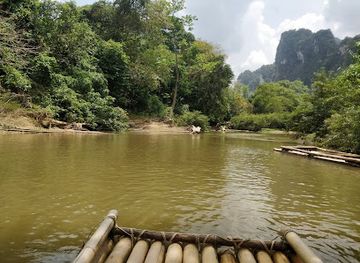
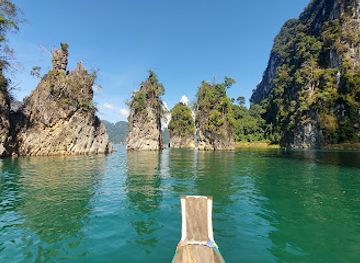
Khao Sok National Park offers visitors a mesmerizing experience with its striking limestone cliffs, lush rainforests, and crystal-clear lakes. Explore the ancient caves, trek through the jungle to discover hidden waterfalls, and encounter diverse wildlife such as elephants, gibbons, and hornbills. Take a boat ride on the emerald waters of Cheow Lan Lake and marvel at the floating raft houses nestled amidst towering karst formations. Whether you choose to go on a guided tour or venture out on your own, Khao Sok National Park promises a truly unforgettable adventure for nature lovers and outdoor enthusiasts alike.
-
National park
Department of National Park, Wildlife and Plant Conservation
Discover the ancient rainforests, stunning landscapes, and rich wildlife of Khao Sok National Park, a paradise for nature lovers and adventurers in Thailand.
-
Tourist attraction
Khao Sam Kloe
Discover the serene beauty of Khao Sam Kloe, a nature preserve in Surat Thani, where stunning landscapes and rich biodiversity await.
-
Tourist attraction
Khao Sok Elephant Sanctuary
Discover the heartwarming world of rescued elephants at Khao Sok Elephant Sanctuary, where conservation and nature unite in breathtaking Khao Sok National Park.
-
National park
Khao Sok National Park HQ
Explore the breathtaking landscapes and vibrant wildlife of Khao Sok National Park HQ, a premier destination for nature lovers and adventure seekers in Thailand.
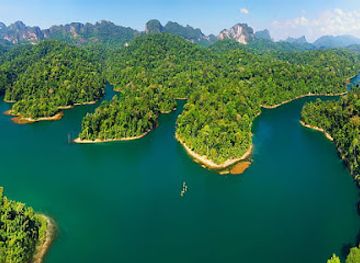
Explore Khao Sok National Park on the map
Plan your trip on one map. See where the top attractions, landmarks, restaurants and hotels are, and book hotels and experiences in a few clicks.
Best hotels in Khao Sok National Park
Best restaurants in Khao Sok National Park
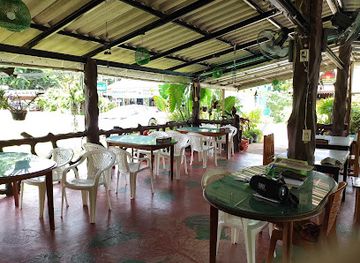
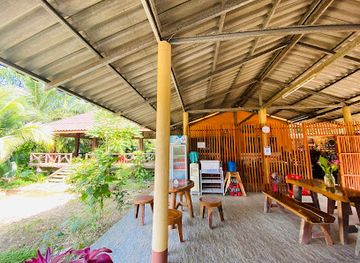
The dining scene in Khao Sok National Park offers a unique experience for visitors, with a variety of options to suit every taste. From traditional Thai street food stalls serving up spicy and flavorful dishes, to cozy cafes offering freshly brewed coffee and homemade baked goods, to upscale restaurants with panoramic views of the surrounding jungle, there is something for everyone. Don't miss the chance to try local delicacies like green curry, pad Thai, and mango sticky rice, all made with fresh ingredients sourced from the lush forests and rivers of the park. Whether you're looking for a quick bite between activities or a leisurely meal with a view, Khao Sok has plenty to offer hungry travelers.
-
Restaurant
Pawn's Resturant
Experience authentic Thai cuisine at Pawn's Restaurant in Khlong Sok – where flavors meet hospitality in Surat Thani.
-
Thai
Nongsaw Thai Food
Discover authentic Thai flavors at Nongsaw Thai Food in Khlong Sok – where fresh ingredients meet traditional recipes amidst stunning natural beauty.
-
Restaurant
Chao Italian Ristorante Pizzeria and Thaifood
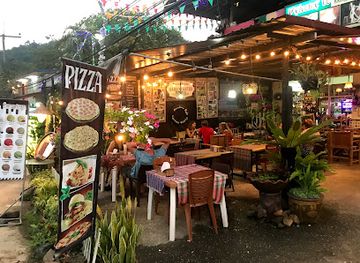
Experience exquisite Italian and Thai cuisine at Chao Italian Ristorante Pizzeria and Thaifood in Khao Sok – where flavors come alive.
-
Restaurant
Thai Herb Restaurant
Experience authentic Thai cuisine at Thai Herb Restaurant in Khlong Sok - where fresh ingredients meet traditional flavors amidst serene surroundings.
Best bars in Khao Sok National Park
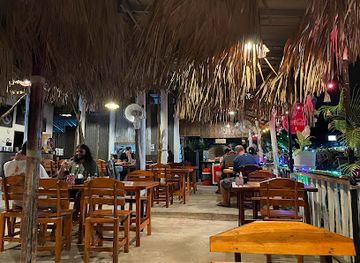
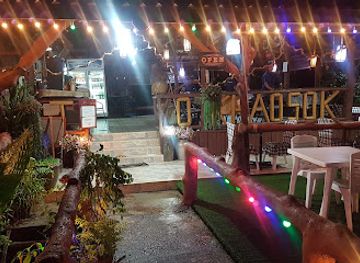
While Khao Sok National Park is known for its natural beauty and outdoor activities, the nightlife scene offers a unique and laid-back experience for visitors. From charming riverside bars where you can enjoy a cold beer while listening to the sounds of the jungle, to cozy local pubs serving up traditional Thai cocktails, there is something for everyone. You can also join night safaris to spot nocturnal wildlife or take part in traditional Thai dance performances under the stars. The nightlife in Khao Sok is a perfect blend of relaxation and adventure, making it a must-visit destination for those looking to unwind after a day of exploring the park.
-
Bar
Memories Beach Bar
Experience the ultimate beachfront relaxation at Memories Beach Bar in Khao Lak, where delicious cocktails and stunning sunsets await.
-
Restaurant
Bamboo Bistro khaosok
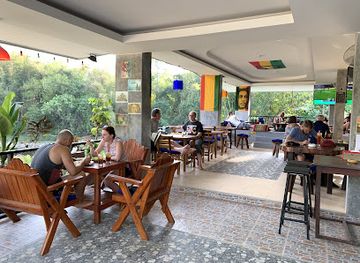
Discover the flavors of Thailand at Bamboo Bistro Khaosok, where culinary delights meet the stunning beauty of nature.
-
Restaurant
Khao Sok Rasta Thailand
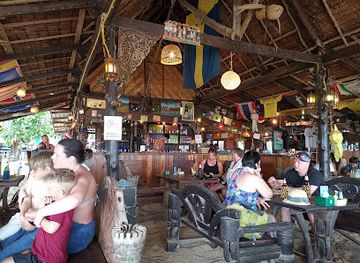
Discover Khao Sok Rasta, a vibrant restaurant in Khao Sok National Park, serving delicious Thai and international cuisine amidst breathtaking natural beauty.
-
Bar
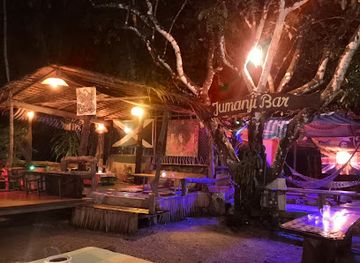
Jumanji Bar
Experience the vibrant nightlife at Jumanji Bar in Khlong Sok, Surat Thani, where cocktails and camaraderie blend perfectly under the stars.
Best nightclubs in Khao Sok National Park
While Khao Sok National Park is known for its natural beauty and outdoor activities, the nightlife scene offers a unique and laid-back experience for visitors. From charming riverside bars where you can enjoy a cold beer while listening to the sounds of the jungle, to cozy local pubs serving up traditional Thai cocktails, there is something for everyone. You can also join night safaris to spot nocturnal wildlife or take part in traditional Thai dance performances under the stars. The nightlife in Khao Sok is a perfect blend of relaxation and adventure, making it a must-visit destination for those looking to unwind after a day of exploring the park.
-
National park
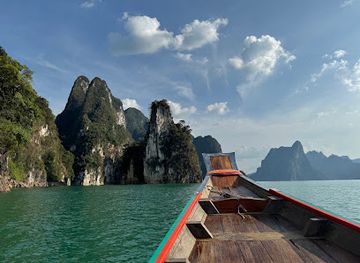
Khao Sok National Park
Explore Khao Sok National Park: A breathtaking haven of biodiversity, stunning landscapes, and unforgettable adventures in Thailand.
-
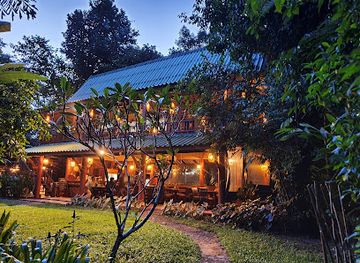
Resort hotel
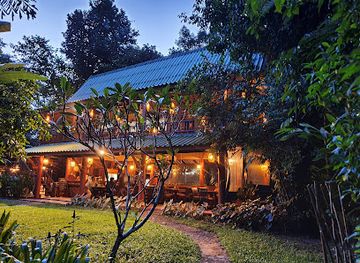
Our Jungle House
Experience the tranquility of nature at Our Jungle House, your gateway to adventure in Khao Sok National Park, Thailand.
-
Hotel
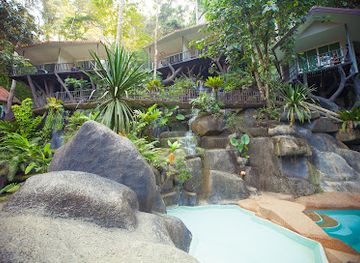
Rock & Treehouse Resort Khao Sok
Discover the perfect blend of luxury and nature at Rock & Treehouse Resort Khao Sok, your eco-friendly escape in Thailand's stunning rainforest.
-
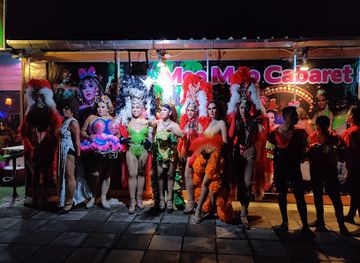
Bar
Moo Moo Cabaret Show & Bar
Discover the vibrant nightlife at Moo Moo Cabaret Show & Bar in Phang-nga, where dazzling performances and delightful drinks await.
Best shops in Khao Sok National Park
The shopping scene in Khao Sok National Park offers a unique and authentic experience for visitors. From local markets selling handmade crafts and souvenirs to small shops offering traditional Thai products, there is something for everyone to take home as a memory of their trip. Visitors can browse through a variety of items such as handwoven textiles, wooden carvings, and local artwork, all reflecting the rich culture and heritage of the area. The bustling atmosphere and friendly vendors add to the charm of shopping in Khao Sok, making it a must-visit destination for those looking to bring a piece of Thailand back with them.
-
National park
Khao Sok National Park
Experience the stunning beauty and diverse wildlife of Khao Sok National Park, Thailand's premier destination for nature lovers and adventure seekers alike.
-
Resort hotel
Our Jungle House
Discover the enchanting beauty of Khlong Sok at Our Jungle House, where adventure meets comfort in the heart of nature.
-
 Resort hotel
Our Jungle Camp - Eco Resort
Discover the beauty of Khlong Sok National Park at Our Jungle Camp - Eco Resort, a perfect blend of adventure and relaxation in nature's embrace.
-
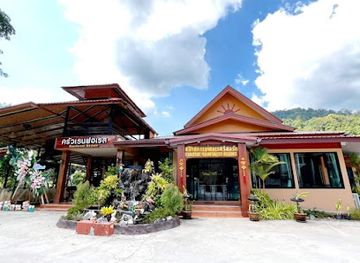
Hotel
Khaosok Rainforest Resort (เขาสก เรนฟอเรส รีสอร์ท)
Immerse yourself in the beauty of Khaosok at this enchanting rainforest resort, offering adventure and tranquility in Thailand's natural paradise.
Get your free copy of our complete guide to Khao Sok National Park, delivered straight to you.
Everything on this page, from attractions and restaurants to essentials and local phrases, in one PDF you can read offline, print or share.
Already have an account? Sign in
Your Khao Sok National Park guide is ready.
We'll send it to · Not you? Sign out

Getting your guide ready…
We are putting together a fresh copy of the Khao Sok National Park guide. This can take up to a minute.
This can take a few moments. If your browser asks, choose Allow so the download can start. You'll find the guide in your Downloads folder.
Nothing happened? Download it again
Sorry, the guide is taking longer than usual. Please try again in a minute, or get it by email instead.
Khao Sok National Park essentials
Currency and Payment
Safety
Emergency Situations
Do's and Don'ts
Local Tips
From Eve
Local phrases worth knowing
You don't need to get them perfect. A few words go a long way, and locals appreciate the effort.
Basics
| English | Local | Say it |
|---|---|---|
| Hello | สวัสดี | [sawasdee] |
| Goodbye | ลาก่อน | [la kon] |
| Yes | ใช่ | [chai] |
| No | ไม่ | [mai] |
| Please/You're welcome | โปรด | [proht] |
| Thank you | ขอบคุณ | [khob khun] |
| Excuse me/Sorry | ขอโทษ | [khaw toht] |
| How are you? | สบายดีมั้ย | [sabai dee mai] |
| Fine. And you? | สบายดีครับ คุณล่ะ | [sabai dee krub khun la] |
| Do you speak English? | พูดภาษาอังกฤษได้ไหม | [poot pah saa ang grit dai mai] |
| I don't understand | ฉันไม่เข้าใจ | [chan mai khao jai] |
Eating & Drinking
| English | Local | Say it |
|---|---|---|
| I'd like to see the menu, please | ขอดูเมนูหน่อย | [khaw doo menu noi] |
| I don't eat meat | ฉันไม่กินเนื้อ | [chan mai gin neuua] |
| Cheers! | ชนสิครับ | [chon si krub] |
| I would like to pay, please | ขอจ่ายเงินหน่อย | [khaw jai ngen noi] |
Emergencies
| English | Local | Say it |
|---|---|---|
| Help! | ช่วยด้วย | [chuai duay] |
| Go away! | ไปค่ะ | [pai ka] |
| Call the Police! | โทรตำรวจ | [tor tamruat] |
| Call a doctor! | โทรหมอ | [tor mor] |
| I'm lost | ฉันหลงทาง | [chan long tang] |
| I'm ill | ฉันไม่สบาย | [chan mai sabai] |
Shopping
| English | Local | Say it |
|---|---|---|
| I'd like to buy... | ฉันอยากซื้อ... | [chan yak seuu...] |
| I'm just looking | ฉันแค่ดูอย่างเดียว | [chan kae du yang diao] |
| How much is it? | ราคาเท่าไหร่ | [ra ka thao rai] |
| That's too expensive | แพงไป | [paeng pai] |
| Can you lower the price? | ลดราคาได้ไหม | [lot ra ka dai mai] |
Time & Numbers
| English | Local | Say it |
|---|---|---|
| What time is it? | กี่โมงแล้ว | [gee mong laew] |
| It's one o'clock | เป็นโมง | [pen mong] |
| Half past (10) | ครึ่ง | [kreung] |
| Morning | เช้า | [chao] |
| Afternoon | บ่าย | [bai] |
| Evening | เย็น | [yen] |
| Yesterday | เมื่อวาน | [meua wan] |
| Today | วันนี้ | [wan nee] |
| Tomorrow | พรุ่งนี้ | [proong nee] |
| 1 | หนึ่ง | [neung] |
| 2 | สอง | [song] |
| 3 | สาม | [sam] |
| 4 | สี่ | [see] |
| 5 | ห้า | [ha] |
| 6 | หก | [hok] |
| 7 | เจ็ด | [jet] |
| 8 | แปด | [paet] |
| 9 | เก้า | [kao] |
| 10 | สิบ | [sip] |
Transport & Directions
| English | Local | Say it |
|---|---|---|
| Where's a/the...? | ...อยู่ที่ไหน | [...yoo tee nai] |
| What's the address? | ที่อยู่คืออะไร | [tee yoo keu a rai] |
| Can you show me (on the map)? | แสดงให้ดูหน่อยได้ไหม | [sa deng hai doo noi dai mai] |
| When's the next (bus)? | รถเมล์หน้าเวลาไหน | [rot mel naa welaa nai] |
| A ticket (to ....) | บัตรโดยสารไป... | [bat doy saan pai...] |
History of Khao Sok National Park
Geological Origins
Khao Sok National Park is part of the oldest evergreen rainforest in the world, dating back 160 million years. The region's unique karst formations were shaped over millennia by natural processes, creating a landscape of limestone cliffs, caves, and valleys that has remained largely unchanged.
Ancient Human Settlement
Archaeological evidence suggests that the area now known as Khao Sok National Park was inhabited by indigenous groups over 30,000 years ago. These early settlers lived in harmony with the dense jungle, utilizing its resources for food, shelter, and tools.
The Legend of Nang Prai
Local folklore tells the tragic tale of Nang Prai, a beautiful princess who lived in the area. After being betrayed by her lover, she died of a broken heart. It is said that her spirit still lingers in the park, protecting it from harm and bringing luck to those who respect nature.
Colonial Era and Logging
During the 19th and early 20th centuries, Khao Sok's rich teak forests attracted British and Thai logging companies. The exploitation of these resources led to significant deforestation and disruption of local wildlife. However, the remoteness of the area helped preserve parts of the forest from complete destruction.
Establishment of Khao Sok National Park
In 1980, the Thai government recognized the ecological importance of the region and established Khao Sok National Park. This move aimed to protect the area's biodiversity, including rare species such as the Malayan tapir, Asian elephant, and the world's largest flower, Rafflesia kerrii.
The Construction of Ratchaprapha Dam
Completed in 1987, the Ratchaprapha Dam created the 165 square kilometer Cheow Lan Lake, dramatically transforming the landscape. This artificial lake now serves as a major tourist attraction, offering stunning views of the surrounding limestone cliffs and a habitat for numerous aquatic species.
Modern-Day Conservation Efforts
Today, Khao Sok National Park is a beacon of conservation efforts in Thailand. Various initiatives focus on protecting endangered species, restoring damaged ecosystems, and promoting sustainable tourism. The park continues to be a living laboratory for scientists and a sanctuary for nature enthusiasts.
Khao Sok National Park in Photos
Browse through our photo collection highlighting the charm and character of the destination.
Neighbouring destination travel guides
The closest destinations to Khao Sok National Park, if you have time for more than one.
-

-

-

-
-


Swipe for more destinations
Explore more

Explore more of Andaman Coast
Discover the Andaman Coast in Thailand: An idyllic paradise with stunning beaches, crystal-clear waters, and rich cultural heritage, perfect for every traveler.
Explore Andaman Coast
Explore more of Thailand
Discover Thailand: A land of diverse landscapes, rich culture, and warm hospitality, where ancient traditions blend seamlessly with modern attractions.
Explore Thailand