

Koh Tao, Thailand Travel Guide
Discover Koh Tao, Thailand's Turtle Island, a tropical paradise known for its stunning beaches, vibrant marine life, and world-class diving spots.
Koh Tao, also known as Turtle Island, is a small gem nestled in the Gulf of Thailand. Its name is fitting, as the island is renowned for its vibrant marine life, including numerous sea turtles. This tropical paradise boasts crystal-clear waters, pristine beaches, and lush green hills, making it a haven for nature lovers and adventure seekers alike. The island's underwater world is a major draw, with some of the best diving and snorkeling spots in the region. From novice divers to seasoned experts, everyone can explore the colorful coral reefs and diverse marine species. Sairee Beach, the island's longest stretch of sand, is perfect for sunbathing, swimming, and enjoying stunning sunsets. Beyond its natural beauty, Koh Tao offers a laid-back atmosphere with a variety of accommodations, from budget-friendly hostels to luxurious resorts. The island is dotted with charming beach bars and restaurants where you can savor delicious Thai cuisine and fresh seafood. Whether you're looking for relaxation or adventure, Koh Tao has something for everyone.

Know before you go
Hi, I'm Eve. Here are a few practical things to know before exploring Koh Tao.
- Visit between February and April for the best weather and diving conditions.
- Rent a scooter to explore the island's hidden beaches and viewpoints.
- Book diving courses in advance, as spots can fill up quickly during peak season.
- Try the local seafood at the night markets for an authentic culinary experience.
- Respect marine life by not touching coral reefs or disturbing sea creatures.
Explore Koh Tao: Things to Do, Places to Eat, Hotels & More
Handpicked recommendations for top attractions, local dining, accommodations, and more

Best attractions in Koh Tao
Top-rated picks
Best Attractions

Master Divers
Experience the thrill of scuba diving in Koh Tao with Master Divers, where adventure meets the beauty of Thailand's underwater world.

WEST COAST VIEWPOINT
Experience the stunning vistas of West Coast Viewpoint in Ko Tao, a breathtaking tourist attraction showcasing nature's beauty and perfect for sunset lovers.

Koh Tao Leisure Park
Discover adventure and relaxation at Koh Tao Leisure Park, a premier tourist attraction nestled in Thailand's stunning landscapes.

Small View Point
Discover the stunning vistas at Small View Point on Ko Tao, where breathtaking views and nature's tranquility await every traveler.

Best landmarks in Koh Tao
Top-rated picks
Best Landmarks

Assava Diving Koh Tao | PADI Scuba Diving Centre & Hotel Beach Resort, Thailand
Experience the underwater wonders of Koh Tao with Assava Diving, your premier PADI scuba diving center and beach resort in Thailand.

Black Turtle Dive Koh Tao
Experience the underwater wonders of Koh Tao with Black Turtle Dive, offering exceptional diving courses and unforgettable marine adventures.

The French Market - Koh tao
Discover the unique blend of Thai and French cuisine at The French Market, Koh Tao, where every meal is a culinary adventure.

VegetaBowl
Discover the best vegan dining experience in Koh Tao at VegetaBowl, where fresh ingredients and creative dishes come together.

Best restaurants in Koh Tao
Top-rated picks
Best Restaurants

995 Roasted Duck
Discover delicious Thai cuisine at 995 Roasted Duck in Ko Tao—famous for its succulent roasted duck and vibrant local atmosphere.

Tukta Thai Food Ko Tao
Experience authentic Thai cuisine at Tukta Thai Food in Ko Tao – where every dish tells a story.

Blue Water cafe & restaurant
Discover culinary delights at Blue Water Cafe & Restaurant in Ko Tao—where stunning ocean views meet exquisite Thai flavors.

VegetaBowl
Experience the vibrant flavors of plant-based cuisine at VegetaBowl in Koh Tao - a true paradise for health enthusiasts.

Best bars in Koh Tao
Top-rated picks
Best Bars

Fishbowl Beach Bar
Chill by the beach at Fishbowl Beach Bar, where stunning sunsets and refreshing cocktails await in Koh Tao's vibrant nightlife scene.

High Bar
Experience breathtaking views, delicious cuisine, and vibrant nightlife at High Bar in Koh Tao, your tropical escape for relaxation and fun.

FIZZ beachlounge
Experience the perfect blend of relaxation and vibrant nightlife at FIZZ Beachlounge on Ko Tao's stunning shores.

Chopper's Sports Bar | Live Music Sports Burgers Koh Tao
Experience the best of Koh Tao at Chopper's Sports Bar, where live music, sports, and delicious burgers come together in a vibrant atmosphere.

Best nightclubs in Koh Tao
Top-rated picks
Best Nightclubs

Fishbowl Beach Bar
Experience the vibrant nightlife of Koh Tao at Fishbowl Beach Bar, where stunning ocean views meet delicious cocktails and lively entertainment.

Maya Beach Club Koh Tao
Experience the vibrant atmosphere of Maya Beach Club Koh Tao, a stunning beachside bar known for its breathtaking sunsets and refreshing cocktails.

Queen's Cabaret
Discover the dazzling performances and vibrant atmosphere of Queen's Cabaret, a must-visit nightlife destination in Ko Tao, Thailand.

Escobar Koh Tao
Discover the vibrant nightlife of Escobar Koh Tao, a premier night club in Thailand's tropical paradise, where unforgettable memories are made.

Best shops in Koh Tao
Top-rated picks
Best Shops

The Farmers
Discover the essence of Koh Tao at The Farmers, your go-to herb shop for organic ingredients and unique culinary experiences.

Green Island Local Sairee
Experience the vibrant cannabis culture of Koh Tao at Green Island Local Sairee, your friendly local shop for high-quality products and expert advice.

May and Co.
Explore May and Co. in Koh Tao for organic delights, unique souvenirs, and a warm café atmosphere in Thailand's tropical paradise.

Pranodkohtao
Explore the exquisite craftsmanship of jewelry and unique souvenirs at Pranodkohtao in the enchanting Ko Tao, Thailand.

Explore Koh Tao on the Map
A handpicked selection of must-see spots in Koh Tao, mapped for you.
Koh Tao Essentials
-
Koh Tao is accessible via several routes. Most travelers fly into Bangkok's Suvarnabhumi Airport (BKK) or Don Mueang Airport (DMK). From Bangkok, you can take an overnight bus or train to Chumphon, followed by a ferry to Koh Tao. Alternatively, you can fly from Bangkok to Koh Samui or Surat Thani, and then take a ferry to Koh Tao. Ferry services are provided by multiple operators, including Lomprayah, Seatran, and Songserm.
-
On Koh Tao, the most common modes of transportation are motorbikes and scooters, which can be rented from various shops across the island. Taxis and taxi boats are also available, but they can be more expensive. Bicycles are another option for getting around, particularly for short distances. Remember to drive carefully, as the roads can be steep and uneven in some areas.
-
The official currency in Thailand is the Thai Baht (THB). While credit cards are accepted at larger hotels, restaurants, and dive shops, it is advisable to carry cash for smaller establishments and street vendors. ATMs are plentiful on Koh Tao, but they usually charge a fee for withdrawals. It’s a good idea to have some cash on hand before arriving on the island.
-
Koh Tao is generally safe for tourists, but it is important to take standard precautions. Petty theft can occur, so keep your belongings secure and avoid leaving valuables unattended. Be cautious when riding scooters, as accidents are common. While most areas are safe, avoid remote beaches and poorly lit areas at night. Always use reputable dive schools and equipment when engaging in water activities.
-
In case of an emergency, dial 191 for police assistance and 1669 for medical emergencies. Koh Tao has a small hospital and several clinics that can handle minor injuries and illnesses. For serious conditions, evacuation to a larger hospital in Koh Samui or Bangkok may be necessary. It is highly recommended to have travel insurance that covers medical emergencies, including diving accidents.
-
Fashion: Do wear lightweight, breathable clothing, but avoid overly revealing attire in public places. When visiting temples, cover your shoulders and knees. Religion: Do show respect at religious sites; remove your shoes and speak softly. Public Transport: Do negotiate fares with taxi drivers before starting your journey. Don't expect public transport to run on a strict schedule. Greetings: Do greet locals with a 'wai' (a slight bow with hands pressed together). Eating & Drinking: Do try local seafood and Thai dishes. Don't drink tap water; stick to bottled water.
-
To experience Koh Tao like a local, visit the local markets and try street food for an authentic taste of Thai cuisine. Engage with locals and expats, who are often happy to share insider tips about the best dive sites and hidden beaches. Consider volunteering for a beach cleanup to give back to the community and help preserve Koh Tao's natural beauty. Finally, take a hike up to the John-Suwan Viewpoint for breathtaking views of the island.
When is the best time to visit Koh Tao?
Useful Local Phrases for Koh Tao
You don't need to speak the language perfectly. Even learning a few simple words can make conversations warmer—and locals usually appreciate the effort.
— Eve

Here are the phrases I use most often in Koh Tao. Try a few—you'll be surprised how far they go! 😊
❤️
-
- Helloสวัสดี
[sawasdee] - Goodbyeลาก่อน
[la kon] - Yesใช่
[chai] - Noไม่
[mai] - Please/You're welcomeโปรด/ยินดี
[prode/yindee] - Thank youขอบคุณ
[kop khun] - Excuse me/Sorryขอโทษ
[kor toht] - How are you?สบายดีไหม
[sabai dee mai] - Fine. And you?สบายดี คุณละ
[sabai dee kun la] - Do you speak English?คุณพูดภาษาอังกฤษได้ไหม
[kun poot paa saa angkrit dai mai] - I don't understandฉันไม่เข้าใจ
[chan mai khao jai]
- Helloสวัสดี
-
- I'd like to see the menu, pleaseฉันอยากดูเมนู โปรด
[chan yak du menu prode] - I don't eat meatฉันไม่กินเนื้อ
[chan mai gin nuea] - Cheers!ชน
[chon] - I would like to pay, pleaseฉันอยากจ่ายเงิน โปรด
[chan yak jai ngern prode]
- I'd like to see the menu, pleaseฉันอยากดูเมนู โปรด
-
- Help!ช่วย!
[chuay!] - Go away!ไปห่างๆ!
[pai hang hang!] - Call the Police!โทรตำรวจ!
[tor tamruat!] - Call a doctor!โทรหมอ!
[tor mor!] - I'm lostฉันสูญหาย
[chan soon hai] - I'm illฉันไม่สบาย
[chan mai sabai]
- Help!ช่วย!
-
- I'd like to buy...ฉันอยากซื้อ...
[chan yak sue...] - I'm just lookingฉันแค่ดูอย่างเดียว
[chan kae du yang diao] - How much is it?ราคาเท่าไหร่
[ra ka thao rai] - That's too expensiveแพงเกินไป
[paeng kuen pai] - Can you lower the price?ลดราคาได้ไหม
[lot ra ka dai mai]
- I'd like to buy...ฉันอยากซื้อ...
-
- What time is it?กี่โมงแล้ว
[gee mong laew] - It's one o'clockเป็นโมงแล้ว
[pen mong laew] - Half past (10)สามสิบครึ่ง
[sam sip khrung] - Morningเช้า
[chao] - Afternoonบ่าย
[bai] - Eveningเย็น
[yen] - Yesterdayเมื่อวาน
[meua wan] - Todayวันนี้
[wan nee] - Tomorrowพรุ่งนี้
[proong nee] - 1หนึ่ง
[neung] - 2สอง
[song] - 3สาม
[sam] - 4สี่
[si] - 5ห้า
[ha] - 6หก
[hok] - 7เจ็ด
[jet] - 8แปด
[paet] - 9เก้า
[gao] - 10สิบ
[sip]
- What time is it?กี่โมงแล้ว
-
- Where's a/the...?...อยู่ที่ไหน
[...yoo tee nai] - What's the address?ที่อยู่คืออะไร
[tee yoo keu a rai] - Can you show me (on the map)?คุณช่วยแสดงให้ฉันได้ไหม
[kun chuay sa dang hai chan dai mai] - When's the next (bus)?รถเมล์ต่อไปเวลาเท่าไหร่
[roh mel tor pai welaa thao rai] - A ticket (to ....)ตั๋ว (ไป...)
[dtua (pai...)]
- Where's a/the...?...อยู่ที่ไหน
History of Koh Tao
-
Koh Tao, meaning 'Turtle Island,' is believed to have gotten its name due to the island's shape resembling a turtle and the presence of sea turtles in its surrounding waters. Historical records indicate that the island was first inhabited around the early 19th century by local fishermen who used it as a temporary shelter.
-
During World War II, Koh Tao was occupied by Japanese forces. The island's strategic location made it an ideal spot for monitoring naval activities in the Gulf of Thailand. Relics and remnants from this period, such as abandoned bunkers and old military equipment, can still be found scattered around the island.
-
In 1933, Koh Tao was designated as a political prison by the Thai government. The rugged and isolated terrain made it an ideal location for detaining political prisoners. The prison operated until 1947, when it was closed and the prisoners were transferred to the mainland. The remains of the prison structures are a stark reminder of this dark chapter in the island's history.
-
In the late 20th century, Koh Tao began to transform from a sleepy fishing island into a popular tourist destination. The island's crystal-clear waters, vibrant coral reefs, and abundant marine life attracted diving enthusiasts from around the world. The establishment of dive schools and resorts in the 1980s and 1990s marked the beginning of Koh Tao's tourism boom.
-
With the rise in tourism came concerns about environmental impact. Over the years, local and international organizations have initiated various marine conservation projects to protect Koh Tao's delicate ecosystems. Efforts include coral reef restoration, sea turtle conservation programs, and sustainable tourism practices aimed at preserving the island's natural beauty for future generations.
-
Koh Tao celebrates several cultural festivals that reflect its rich heritage. Songkran, the Thai New Year, is marked with water fights and traditional ceremonies. Loy Krathong, the festival of lights, sees locals and tourists alike floating decorated baskets into the sea as an offering to the water spirits. These festivals offer a glimpse into the island's cultural fabric and provide a unique experience for visitors.
Neighbouring destination travel guides
Browse our curated selection of top destinations, scenic points, and must-visit spots in the area.


Your all‑in‑one travel companion app
Explore expert travel guides, compare and book tours, experiences, hotels, and more—all from the palm of your hand. Download now for seamless trip planning wherever your wanderlust takes you.


Explore More of Gulf of Thailand

Looking beyond Koh Tao? Discover Gulf of Thailand for broader travel guides, local hot-spots, and regional highlights.
Explore Gulf of ThailandExplore More of Thailand
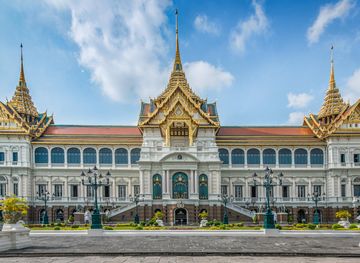
Looking beyond Koh Tao? Discover Thailand for broader travel guides, local hot-spots, and regional highlights.
Explore ThailandKoh Tao in Photos
Browse through our photo collection highlighting the charm and character of the destination.


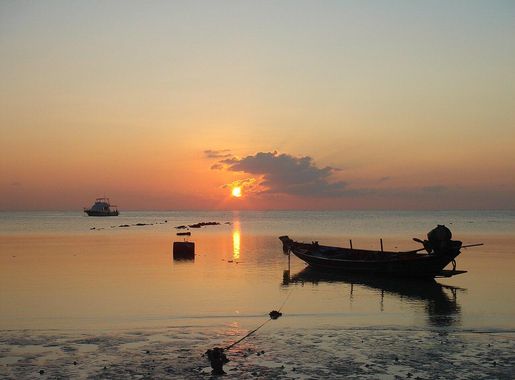


The Enchanting Island of Koh Tao
Koh Tao, also known as Turtle Island, is a small gem nestled in the Gulf of Thailand. Its name is fitting, as the island is renowned for its vibrant marine life, including numerous sea turtles. This tropical paradise boasts crystal-clear waters, pristine beaches, and lush green hills, making it a haven for nature lovers and adventure seekers alike. The island's underwater world is a major draw, with some of the best diving and snorkeling spots in the region. From novice divers to seasoned experts, everyone can explore the colorful coral reefs and diverse marine species. Sairee Beach, the island's longest stretch of sand, is perfect for sunbathing, swimming, and enjoying stunning sunsets. Beyond its natural beauty, Koh Tao offers a laid-back atmosphere with a variety of accommodations, from budget-friendly hostels to luxurious resorts. The island is dotted with charming beach bars and restaurants where you can savor delicious Thai cuisine and fresh seafood. Whether you're looking for relaxation or adventure, Koh Tao has something for everyone.