

Free Trang Archipelago Travel Guide & Mobile App
Explore Trang Archipelago with free travel guides. Discover regional history, expert tips, proposed trips, and audio guides on web or mobile app.


Explore Thailand’s Trang Archipelago for coral reefs, island villages, dugongs, limestone caves and quieter Andaman beaches.
Read more about Trang Archipelago
When is the best time to visit Trang Archipelago?
Best: December–February · 31–33°C| Month | High (°C) | Rainfall (mm) |
|---|---|---|
| January (best) | 33 | 20 |
| February (best) | 33 | 20 |
| March | 34 | 30 |
| April | 35 | 60 |
| May | 34 | 80 |
| June | 33 | 120 |
| July | 33 | 130 |
| August | 33 | 130 |
| September | 32 | 140 |
| October | 32 | 130 |
| November | 31 | 70 |
| December (best) | 31 | 30 |
Getting to and around Trang Archipelago
How to get there
Transportation
Best attractions in Trang Archipelago
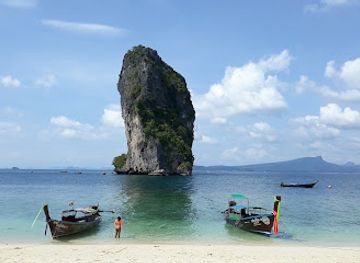
The Trang Archipelago’s attractions are primarily marine and ecological, supported by distinctive island communities. Ko Muk’s Emerald Cave is the best-known natural excursion, reached through a sea tunnel whose accessibility depends on tide, weather and conservation controls. Ko Kradan combines a broad sandy beach with shallow-water swimming and snorkelling, while Ko Ngai offers forested slopes, clear coastal water and a more concentrated resort infrastructure. Ko Libong provides a different experience: mangroves, mudflats, seagrass and village landscapes create opportunities for responsible wildlife observation, especially where dugongs are known to feed. Ko Sukon is suited to visitors interested in agriculture, fishing and quiet coastal scenery rather than a conventional beach resort. Around the islands, guided boat trips can reach reefs and smaller coastal sites, but conditions vary seasonally and marine life should be observed without touching or feeding it. On the mainland, Hat Chao Mai National Park adds beaches, limestone scenery, mangrove environments and protected coastal habitats to the regional picture. The strongest itineraries balance time on the sand with an understanding of the working villages and conservation areas that make these islands more than a chain of swimming stops.
-
Tourist attraction
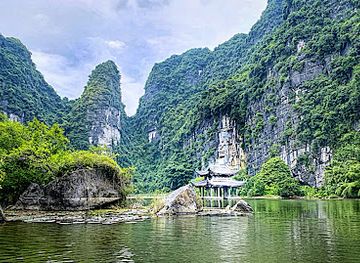
Di sản Tràng An
Discover the enchanting beauty of Trang An, Vietnam's UNESCO World Heritage site, with stunning landscapes, serene boat rides, and rich cultural heritage.
-
Tourist attraction
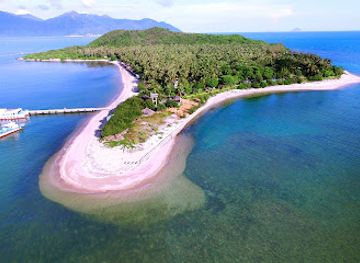
Monkey Island tourist resort
Explore Monkey Island, a tropical paradise in Nha Trang, Vietnam, filled with playful monkeys, stunning landscapes, and unforgettable adventures.
-
Tourist attraction
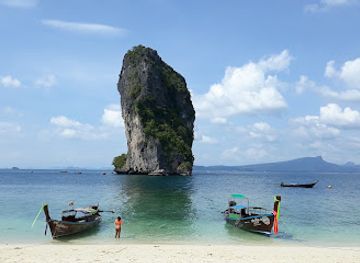
Tham Le Khao Kob
Explore the breathtaking limestone caves and scenic beauty of Tham Le Khao Kob, a must-visit destination in Trang, Thailand for nature lovers and adventure seekers alike.
-
National park
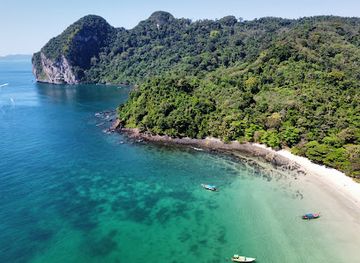
Hat Chao Mai National Park
Explore the untouched beauty of Hat Chao Mai National Park, where adventure meets tranquility amidst stunning natural landscapes.
Best landmarks in Trang Archipelago
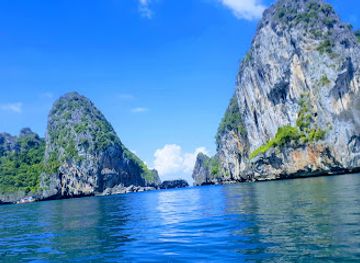
The Emerald Cave on Ko Muk is the archipelago’s most recognisable natural landmark. Its narrow sea entrance leads into a concealed lagoon enclosed by steep vegetation-covered walls, making the site both a geological feature and a carefully managed visitor attraction. Ko Kradan’s long pale shoreline and offshore karst views form another defining image of the Trang islands, though its appearance changes with tides, weather and seasonal use. Ko Libong’s distinctive landmark is less monumental: the broad coastal wetland around its seagrass habitats represents one of the region’s important marine landscapes and gives the island a character unlike the more polished beach resorts. The forested hills and limestone surroundings of Ko Ngai contribute to its visual identity, while the villages, piers and fishing boats of Ko Muk and Ko Sukon express the archipelago’s continuing working life. Along the mainland coast, the protected beaches and limestone formations associated with Hat Chao Mai National Park provide the geographical setting for the islands. These places matter not only for scenery but also because they show how tourism, coastal settlement and conservation overlap in Trang’s island environment.
-
Tourist attraction
Monkey Island tourist resort
Experience the vibrant wildlife and stunning scenery at Monkey Island, a perfect getaway in Nha Trang, Vietnam for nature lovers and adventure seekers.
-
Tourist attraction
Tham Le Khao Kob
Discover the natural beauty and serene waterways of Tham Le Khao Kob, a stunning cave system in Trang, Thailand, perfect for adventure seekers and nature lovers.
-
Night market
Cinta Trang Market
Experience the charm of Cinta Trang Market, a lively night market in Trang, Thailand, where local flavors and culture come alive every evening.
-
National park
Hat Chao Mai National Park
Explore pristine beaches, lush mangroves, and rich biodiversity at Hat Chao Mai National Park, a natural paradise on Thailand's Andaman coast.
Explore Trang Archipelago on the map
Plan your trip on one map. See where the top cities, national parks and sights are, and book hotels and experiences in a few clicks.
Best hotels in Trang Archipelago
Best restaurants in Trang Archipelago
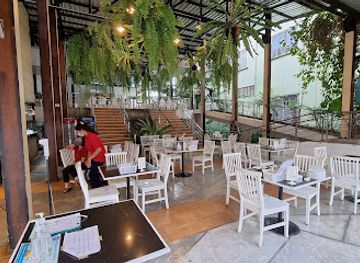
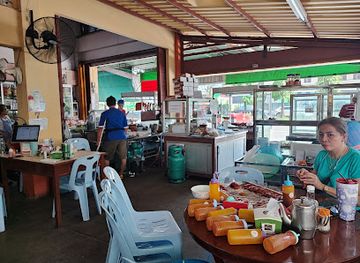
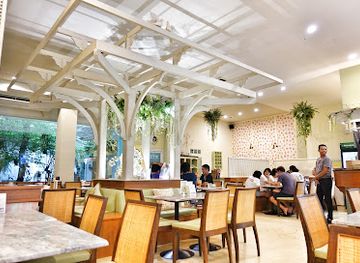
Dining in the Trang Archipelago centres on fresh seafood, southern Thai cooking and straightforward meals prepared for island residents as well as visitors. Grilled fish, prawns, squid, crab and spicy curries are common, while mainland Trang is particularly useful for broader choice, food markets and the region’s well-known roast pork tradition. On Ko Muk, Ko Libong and Ko Sukon, small family-run restaurants and guesthouse kitchens often serve rice dishes, stir-fries, curries and seafood according to the day’s supply. Ko Kradan and Ko Ngai have more resort-oriented dining, but menus may be narrower and prices higher because ingredients arrive by boat. Southern Thai flavours can be hot and aromatic, with turmeric, chilli, coconut and seafood used prominently. Fresh fruit, iced drinks and simple breakfasts are widely available, while vegetarian and halal-friendly choices should be discussed clearly when ordering. Carrying snacks from the mainland is sensible for boat journeys and remote beaches, and visitors should avoid expecting late-night restaurant service on quieter islands.
-
Dim Sum
Ruean Thai Dim Sum
Experience authentic dim sum delights at Ruean Thai Dim Sum in Trang, Thailand - A must-visit breakfast spot for every foodie!
-
Thai
Laytrang 2 restaurants
Experience authentic Thai cuisine and delightful dim sum at Laytrang 2 in Trang - a culinary gem offering rich flavors and warm hospitality.
-
Restaurant
Trang Moo Yang
Experience authentic grilled pork at Trang Moo Yang in Thailand - A must-visit restaurant for food lovers seeking local flavors.
-
Restaurant
ริชชี่ ตรัง (Richy Trang)
Experience authentic southern Thai cuisine at Richy Trang – a beloved restaurant known for its flavorful dishes and warm hospitality.

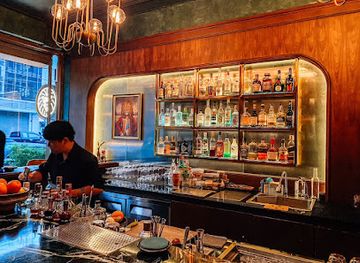
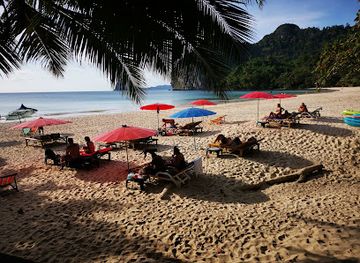
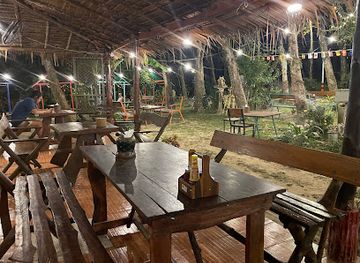
Best bars in Trang Archipelago
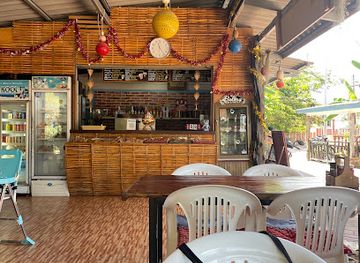
Nightlife in the Trang Archipelago is low-key and closely tied to the sea, with most evenings spent at small restaurants, guesthouse terraces or beach bars rather than in dedicated nightclub districts. Ko Muk and Ko Ngai have the broadest choice of casual places for a drink, while Ko Kradan’s evening scene is concentrated around its accommodation and beach dining. Ko Libong and Ko Sukon are quieter, and local restaurants or community venues provide a more typical evening setting than bars aimed at late-night tourism. Resort areas may offer cocktails, beer, music and occasional informal gatherings, but opening arrangements are seasonal and weather-dependent. There is little reason to plan the islands around a major club scene; the attraction is the darkness, sea air and slower pace after the boats depart. Drink responsibly, keep noise low near villages and accommodation, and remember that isolated beaches, rough seas and limited transport make late-night movement impractical.
-
Coffee shop
Miss Island Bakery kohmook& Restaurant
Discover the flavors of Thailand at Miss Island Bakery Koh Muk & Restaurant, where fresh coffee and handmade snacks await in a serene island setting.
-
Restaurant
Lion’s Tale Trang
Experience the perfect blend of Thai and Italian cuisine at Lion’s Tale Trang, where every meal is a culinary adventure.
-
Bar
Mong Bar Koh Mook
Discover the vibrant nightlife and stunning views at Mong Bar Koh Mook, a must-visit bar on Thailand's enchanting island.
-
Restaurant
Hilltop Restaurant
Experience authentic Thai cuisine with stunning views at Hilltop Restaurant on Ko Mook Island, a must-visit for all food lovers.
Best nightclubs in Trang Archipelago
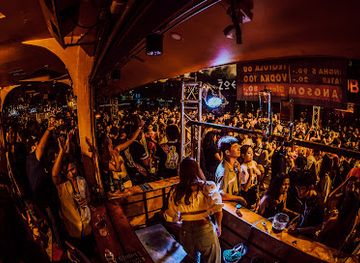
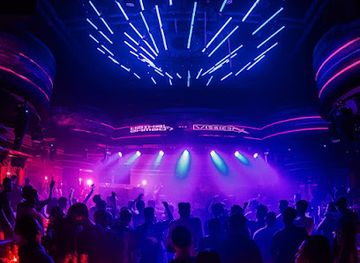
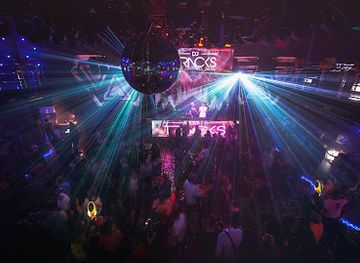
Nightlife in the Trang Archipelago is low-key and closely tied to the sea, with most evenings spent at small restaurants, guesthouse terraces or beach bars rather than in dedicated nightclub districts. Ko Muk and Ko Ngai have the broadest choice of casual places for a drink, while Ko Kradan’s evening scene is concentrated around its accommodation and beach dining. Ko Libong and Ko Sukon are quieter, and local restaurants or community venues provide a more typical evening setting than bars aimed at late-night tourism. Resort areas may offer cocktails, beer, music and occasional informal gatherings, but opening arrangements are seasonal and weather-dependent. There is little reason to plan the islands around a major club scene; the attraction is the darkness, sea air and slower pace after the boats depart. Drink responsibly, keep noise low near villages and accommodation, and remember that isolated beaches, rough seas and limited transport make late-night movement impractical.
-
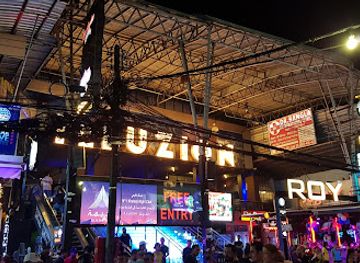
Night club
Illuzion Phuket
Discover the electrifying nightlife of Phuket at Illuzion, a premier nightclub offering world-class DJs and unforgettable experiences.
-
Night club
Zoe in Yellow
Discover Zoe in Yellow, the vibrant nightclub in Chiang Mai, offering an electrifying atmosphere, great music, and unforgettable nights.
-
Night club
Venti Nightclub
Experience the vibrant nightlife at Venti Nightclub, Bangkok's premier destination for dancing, music, and unforgettable memories.
-
Night club
Republic Club Pattaya
Discover the electrifying nightlife of Pattaya at Republic Club, where music, dancing, and unforgettable moments await.
Best shops in Trang Archipelago
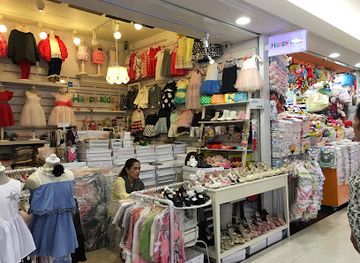
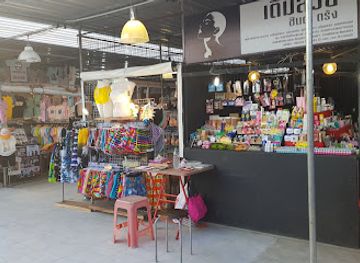
Shopping in the Trang Archipelago is modest and practical rather than centred on large retail areas. Small island shops sell drinks, snacks, beach necessities, clothing and basic travel supplies, while mainland Trang offers the widest choice of markets, supermarkets, pharmacies and locally made food products. Visitors can look for southern Thai curry pastes, dried seafood, fruit, coffee, sweets and Trang’s roast pork as edible souvenirs, provided they are packed appropriately for travel. On Ko Muk, Ko Libong and Ko Sukon, purchases from small family businesses directly support island communities, although stock and opening arrangements are limited. Handicrafts and locally produced items may appear through guesthouses, community initiatives or seasonal markets rather than permanent craft centres. Avoid buying shells, coral or products made from protected wildlife. For a wider range of clothing, luggage and household goods, complete shopping in Trang town before heading offshore, and carry enough cash for small purchases on the islands.
-
Shopping mall
The Platinum Fashion Mall
Explore Bangkok's vibrant shopping scene at The Platinum Fashion Mall, where fashion meets affordability in a unique retail experience.
-
Night market
Cinta Garden
Discover the heart of Trang at Cinta Garden Night Market, where local flavors and vibrant culture come together in a magical evening experience.
-
 Resort hotel
Koh Mook Sivalai Beach Resort
Discover the tropical beauty of Koh Mook Sivalai Beach Resort, a serene escape with stunning views, delicious cuisine, and unforgettable experiences.
-
Night market
Trang Railway Station Walking Street
Experience the flavors and craftsmanship of Thailand at the vibrant Trang Railway Station Walking Street, a must-visit night market for all travelers.

Get your free copy of our complete guide to Trang Archipelago, delivered straight to you.
Everything on this page, from attractions and restaurants to essentials and local phrases, in one PDF you can read offline, print or share.
Already have an account? Sign in
Your Trang Archipelago guide is ready.
We'll send it to · Not you? Sign out

Getting your guide ready…
We are putting together a fresh copy of the Trang Archipelago guide. This can take up to a minute.
This can take a few moments. If your browser asks, choose Allow so the download can start. You'll find the guide in your Downloads folder.
Nothing happened? Download it again
Sorry, the guide is taking longer than usual. Please try again in a minute, or get it by email instead.
Trang Archipelago essentials
Currency and Payment
Safety
Emergency Situations
Do's and Don'ts
Local Tips
From Eve
Local phrases worth knowing
You don't need to get them perfect. A few words go a long way, and locals appreciate the effort.
Basics
| English | Local | Say it |
|---|---|---|
| Hello | สวัสดี | [sawasdee] |
| Goodbye | ลาก่อน | [laa-gon] |
| Yes | ใช่ | [chai] |
| No | ไม่ | [mai] |
| Please/You're welcome | โปรด | [bproht] |
| Thank you | ขอบคุณ | [khob-khun] |
| Excuse me/Sorry | ขอโทษ | [khor-thot] |
| How are you? | คุณสบายดีไหม? | [khun sa-baai dii mai?] |
| Fine. And you? | สบายดี แล้วคุณล่ะ? | [sa-baai dii laeo khun la?] |
| Do you speak English? | คุณพูดภาษาอังกฤษได้ไหม? | [khun phuut phaa-saa ang-grit dai mai?] |
| I don't understand | ฉันไม่เข้าใจ | [chan mai khao-jai] |
Eating & Drinking
| English | Local | Say it |
|---|---|---|
| I'd like to see the menu, please | ขอดูเมนูหน่อยได้ไหม? | [khor duu menu noi dai mai?] |
| I don't eat meat | ฉันไม่กินเนื้อ | [chan mai gin neua] |
| Cheers! | ชนแก้ว! | [chon kaew!] |
| I would like to pay, please | ฉันอยากจ่ายเงิน | [chan yaak jaai ngern] |
Emergencies
| English | Local | Say it |
|---|---|---|
| Help! | ช่วยด้วย! | [chuay duay!] |
| Go away! | ไปให้พ้น! | [bpai hai pon!] |
| Call the Police! | เรียกตำรวจ! | [riak tam-ruat!] |
| Call a doctor! | เรียกหมอ! | [riak maw!] |
| I'm lost | ฉันหลงทาง | [chan long thaang] |
| I'm ill | ฉันป่วย | [chan bpuay] |
Shopping
| English | Local | Say it |
|---|---|---|
| I'd like to buy... | ฉันอยากซื้อ... | [chan yaak seu...] |
| I'm just looking | ฉันแค่ดู | [chan khae duu] |
| How much is it? | ราคาเท่าไหร่? | [raa-khaa thao-rai?] |
| That's too expensive | แพงเกินไป | [phaeng gern bpai] |
| Can you lower the price? | ลดราคาได้ไหม? | [lot raa-khaa dai mai?] |
Time & Numbers
| English | Local | Say it |
|---|---|---|
| What time is it? | ตอนนี้กี่โมง? | [ton nii gee mong?] |
| It's one o'clock | ตอนนี้หนึ่งโมง | [ton nii neung mong] |
| Half past (10) | สิบโมงครึ่ง | [sip mong krueng] |
| Morning | เช้า | [chao] |
| Afternoon | บ่าย | [baai] |
| Evening | เย็น | [yen] |
| Yesterday | เมื่อวาน | [muea waan] |
| Today | วันนี้ | [wan nii] |
| Tomorrow | พรุ่งนี้ | [prung nii] |
| 1 | หนึ่ง | [neung] |
| 2 | สอง | [song] |
| 3 | สาม | [sarm] |
| 4 | สี่ | [si] |
| 5 | ห้า | [haa] |
| 6 | หก | [hok] |
| 7 | เจ็ด | [jet] |
| 8 | แปด | [bpaaet] |
| 9 | เก้า | [gao] |
| 10 | สิบ | [sip] |
Transport & Directions
| English | Local | Say it |
|---|---|---|
| Where's a/the...? | ที่ไหนมี...? | [tii nai mee...?] |
| What's the address? | ที่อยู่คืออะไร? | [tii yuu kheu arai?] |
| Can you show me (on the map)? | ช่วยชี้ให้ดู (บนแผนที่) ได้ไหม? | [chuay chee hai duu (bon phaaen tii) dai mai?] |
| When's the next (bus)? | รถบัสคันถัดไปเมื่อไหร่? | [rot bat khan that bpai muea rai?] |
| A ticket (to ....) | ตั๋ว (ไป....) | [tua (bpai....)] |
History of Trang Archipelago
Maritime Settlement and Andaman Exchange
The Trang coast has long been part of the maritime world linking the Andaman Sea with the Malay Peninsula. Sheltered bays, estuaries and island passages supported fishing, coastal movement and exchange between communities, although the islands themselves did not develop large urban centres. Their history is best understood as part of a wider seaborne network rather than through monumental ruins. Marine resources, seasonal winds and access to mainland markets shaped settlement patterns, while cultural influences travelled along the coast with traders, boat crews and migrants.
Malay and Sea-Oriented Island Communities
The islands and coastal mainland have historically been connected to Malay-speaking and other southern Thai maritime communities. Fishing, small-scale farming and boat travel remained central to everyday life, particularly on islands such as Ko Libong and Ko Sukon. Communities associated with the region’s sea-oriented culture developed practical knowledge of reefs, tides and seasonal weather. Contemporary island society is diverse, and visitors should avoid treating all coastal residents as part of a single ethnic or cultural group; local identities reflect long interaction between mainland Thai, Malay and other communities.
Trang’s Port and Trading Economy
Trang developed as an important southern trading area, with links to the Andaman coast, the Malay Peninsula and wider commercial routes. The mainland port and coastal settlements connected island producers with markets for fish, agricultural goods and forest products. Chinese migration and commercial activity also influenced Trang’s urban culture and food traditions. The islands were not isolated resorts: they formed part of a working coastal economy in which boats carried people, provisions and produce between villages, piers and mainland markets.
Rubber and Agricultural Change
The expansion of rubber cultivation in southern Thailand transformed the economic landscape around Trang during the modern period. Mainland plantations and island smallholdings supplemented fishing and created stronger links with roads, markets and regional towns. On islands such as Ko Sukon and Ko Libong, agriculture remains visible alongside marine livelihoods, though tourism has become increasingly important. Rubber, coconuts, fruit and fishing continue to provide context for understanding why these islands have villages and working landscapes rather than functioning solely as beach destinations.
National Parks and Marine Conservation
The creation and development of protected areas along the Trang coast brought the archipelago’s reefs, mangroves, beaches and marine habitats into a national conservation framework. Hat Chao Mai National Park and associated protected waters help safeguard seagrass areas, coral environments and coastal forests. Conservation has also shaped visitor access, seasonal closures and restrictions around wildlife. These measures are particularly important around Ko Libong, where seagrass habitat supports dugongs, and around fragile reef and cave environments visited by boat excursions.
Tourism and the Island Network
Tourism grew gradually through mainland beach gateways and boat connections rather than through a single large resort centre. Ko Muk, Ko Kradan and Ko Ngai became established stops for snorkelling and beach itineraries, while Ko Libong and Ko Sukon retained stronger local and agricultural identities. The region’s tourism economy remains seasonal and vulnerable to rough monsoon seas, environmental pressures and changing transport arrangements. Its modern character therefore combines hospitality with fishing, conservation and the continuing practical importance of the mainland-island supply chain.
Trang Archipelago in Photos
Browse through our photo collection highlighting the charm and character of the destination.
Neighbouring regions of Trang Archipelago
The closest regions to Trang Archipelago, if you have time for more than one.
-

-

-

-

-


Swipe for more regions
Explore more
Explore more of Thailand
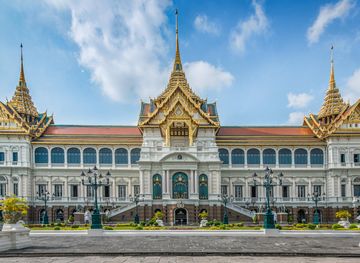
Discover Thailand: A land of diverse landscapes, rich culture, and warm hospitality, where ancient traditions blend seamlessly with modern attractions.
Explore Thailand