

Free Southern Thailand Travel Guide & Mobile App
Explore Southern Thailand with free travel guides. Discover regional history, expert tips, proposed trips, and audio guides on web or mobile app.


Southern Thailand combines Andaman beaches, Gulf islands, rainforest parks, historic towns and Malay-influenced food across a diverse tropical peninsula.
Read more about Southern Thailand
When is the best time to visit Southern Thailand?
Best: January–March · 32–33°C| Month | High (°C) | Rainfall (mm) |
|---|---|---|
| January (best) | 32 | 50 |
| February (best) | 32 | 40 |
| March (best) | 33 | 60 |
| April | 33 | 100 |
| May | 33 | 150 |
| June | 32 | 180 |
| July | 31 | 160 |
| August | 31 | 160 |
| September | 31 | 200 |
| October | 31 | 250 |
| November | 30 | 300 |
| December | 30 | 250 |
Getting to and around Southern Thailand
How to get there
Transportation
Top city travel guides in Southern Thailand
The cities of Southern Thailand, and the easiest places to base yourself.
-

-

-

-

-

-


Swipe for more cities
Destinations in Southern Thailand
Resorts, valleys and scenic spots worth a trip of their own.
-

-

-
-

-

-


Swipe for more destinations
Best attractions in Southern Thailand
Southern Thailand's attractions span two coasts, a forested interior and a chain of islands with very different levels of development. Phuket and Krabi offer established beach facilities, viewpoints, sea-kayaking excursions and access to limestone scenery, while Phang Nga is known for its enclosed bays, mangroves and dramatic karst formations. The islands of Ko Lanta, the Trang group and Satun's Tarutao National Park appeal to visitors seeking reefs, beaches and marine landscapes within protected settings. On the Gulf side, Ko Samui, Ko Phangan and Ko Tao combine beaches with diving, hiking and a substantial visitor infrastructure. Inland, Khao Sok National Park provides rainforest trails, wildlife habitats and boat journeys on Cheow Lan Lake, while Thale Noi in Phatthalung offers a quieter wetland environment and birdwatching. Historic and cultural attractions include Nakhon Si Thammarat's Buddhist heritage, Songkhla's old town and lake landscapes, and Phuket's Chinese-influenced urban architecture. The region's attraction landscape is therefore not simply a collection of resorts: it includes working ports, plantations, wetlands, religious centres, national parks and living communities alongside its famous islands.
-
Tourist attraction
Krom Luang Chumphon Khet Udomsak Shrine
Explore the spiritual beauty of Krom Luang Chumphon Khet Udomsak Shrine, a captivating monument blending culture and coastal charm in Chumphon, Thailand.
-
Tourist attraction
Khao Rang
Discover the breathtaking views of Khao Rang in Phuket, where nature meets tranquility and stunning landscapes await your exploration.
-
National park
Mu Ko Ang Thong National Marine Park
Explore the breathtaking Mu Ko Ang Thong National Marine Park, where adventure meets tranquility amidst stunning islands and vibrant marine life.
-
Tourist attraction
Khao Matsee View Point
Discover the stunning beauty of Khao Matsee View Point in Chumphon, Thailand, where breathtaking views of mountains, beaches, and rivers await.



Best landmarks in Southern Thailand
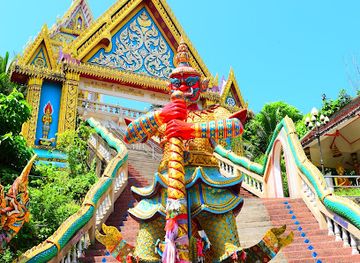
Southern Thailand's most recognisable landmarks are shaped by both geology and history. The limestone karsts of Phang Nga Bay and Krabi form a dramatic natural signature, rising vertically from shallow seas and mangrove-fringed channels. Khao Sok's forested mountains and Cheow Lan Lake create a contrasting inland landscape, while the long beaches and distinctive headlands of the Andaman and Gulf coasts mark the peninsula's two maritime faces. Wat Phra Mahathat Woramahawihan in Nakhon Si Thammarat is one of the region's most important Buddhist monuments, with a long association with the city's religious history. Phuket Old Town is distinguished by rows of Sino-Portuguese shophouses whose façades reflect the wealth generated by trade and tin mining. Songkhla's historic old town and lakefront preserve another layer of port-city history, influenced by Thai, Chinese and Malay connections. In Satun, the islands and former penal-settlement landscape of Tarutao National Park carry both environmental and historical significance. These places are landmarks because they express the region's geology, trading past, religious life and cultural diversity rather than merely serving as scenic backdrops.
-
Castle
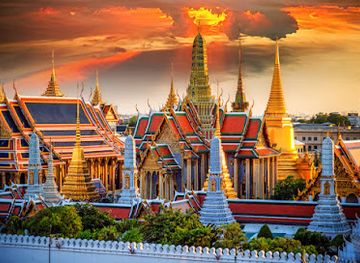
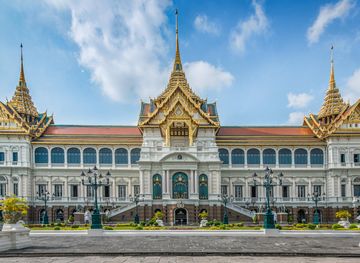
The Grand Palace
Discover the majestic Grand Palace in Bangkok, a historical and cultural gem showcasing Thailand's royal heritage and stunning architecture.
-
Buddhist temple
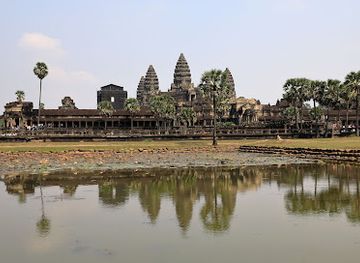
Angkor Wat
Discover the breathtaking beauty and rich history of Angkor Wat, the largest religious monument in the world, and a symbol of Cambodia's cultural heritage.
-
Buddhist temple
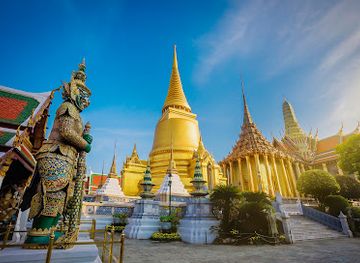
The Temple of the Emerald Buddha
Discover the spiritual heart of Thailand at The Temple of the Emerald Buddha, a breathtaking blend of art, culture, and devotion in Bangkok.
-
Buddhist temple
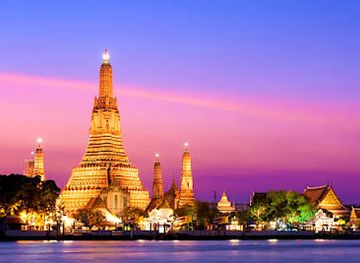
Wat Arun Ratchawararam Ratchawaramahawihan
Discover the breathtaking beauty of Wat Arun, Bangkok's iconic Temple of Dawn, showcasing exquisite architecture and cultural heritage along the Chao Phraya River.
Explore Southern Thailand on the map
Plan your trip on one map. See where the top cities, national parks and sights are, and book hotels and experiences in a few clicks.
Best hotels in Southern Thailand
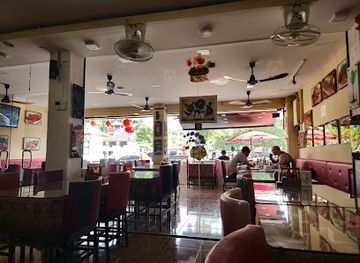
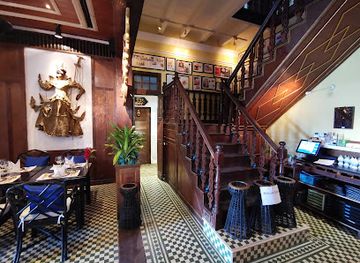
Best restaurants in Southern Thailand
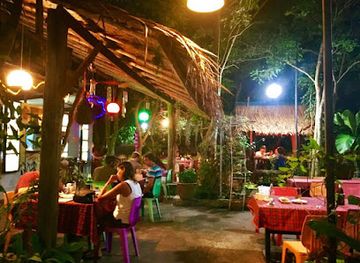
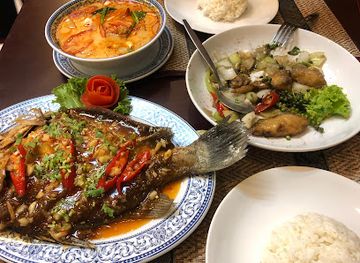
Southern Thai food is recognised for assertive seasoning, fresh herbs, turmeric, seafood and curries that can be hotter than dishes in central Thailand. Local specialities vary by province: Phuket has a well-established Peranakan-influenced food culture, Nakhon Si Thammarat is associated with intensely spiced curries and market cooking, and coastal communities make extensive use of fish, prawns, squid and fermented seafood. Hat Yai and other towns have strong Thai-Chinese and Malay influences, visible in dim sum, roast meats, rice dishes, roti and richly flavoured snacks. Ko Samui and other islands offer abundant seafood alongside regional Thai cooking, while rural markets sell tropical fruit, coconut products, palm sugar and southern sweets. Look for curry shops, noodle stalls, Muslim eateries, Chinese-style cafés, seafood restaurants, family-run rice shops and local markets rather than relying only on resort dining rooms. Ask about chilli levels, particularly with kaeng som, khua kling and other southern dishes, and distinguish genuinely local produce from menus designed mainly for international visitors.
-
Restaurant
Kodam Kitchen
Experience authentic Thai cuisine at Kodam Kitchen in Ao Nang, Krabi - a must-visit destination for food lovers.
-
Restaurant
Tu Kab Khao Restaurant Phuket
Discover authentic Thai flavors at Tu Kab Khao Restaurant in Phuket - where culinary traditions meet vibrant atmosphere.
-
Restaurant
Siam Thai Restaurant
Experience authentic Thai flavors at Siam Thai Restaurant in Pa Tong – a culinary gem in Phuket’s vibrant dining scene.
-
Thai
Blue Elephant Phuket Cooking School & Restaurant
Discover authentic Thai flavors through hands-on cooking classes and exquisite dining at Blue Elephant Phuket Cooking School & Restaurant.
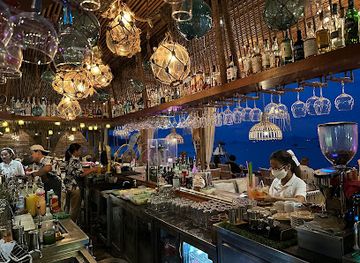
Best bars in Southern Thailand
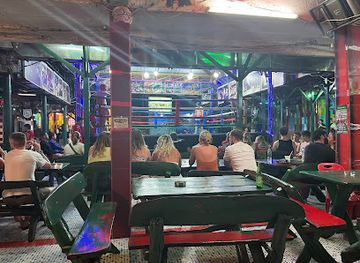
Nightlife in Southern Thailand ranges from large resort entertainment scenes to quiet evenings in fishing towns and national-park communities. Phuket has the region's broadest choice of bars, live music, late-night venues and seafront entertainment, while Krabi and Ko Samui provide concentrated nightlife around their principal resort areas. Ko Phangan is associated with large beach parties, but the island also has small bars, restaurants and quieter evening venues away from event periods. Ko Tao caters strongly to divers and younger travellers, with casual bars and music-oriented venues. In Nakhon Si Thammarat, Songkhla, Hat Yai and other mainland towns, evening life is more likely to centre on restaurants, cafés, night markets, karaoke, local music and drinking establishments than international-style clubs. Smaller islands and rural provinces generally close earlier, and seasonal weather can affect outdoor venues. Enjoy nightlife responsibly, use licensed transport and respect residents in communities where tourism is not the main focus.
-
Bar
Coco Tam’s
Discover the vibrant ambiance, delicious cocktails, and stunning sunset views at Coco Tam’s, a must-visit beachfront bar in Ko Samui.
-
Bar
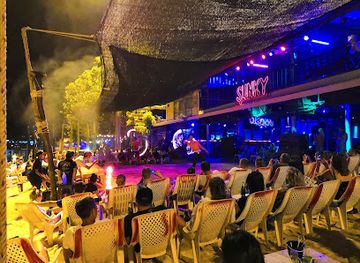
Slinky Bar
Experience the vibrant nightlife and stunning views at Slinky Bar, Ao Nang’s premier beachside destination for relaxation and fun.
-
Bar
Reggae Bar
Experience the vibrant nightlife at Reggae Bar in Ao Nang, Krabi, where reggae rhythms and tropical vibes create unforgettable evenings.
-
Bar
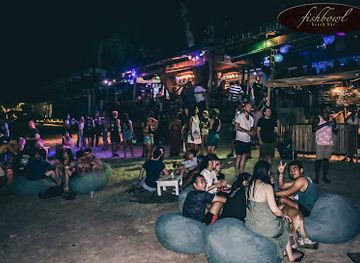
Fishbowl Beach Bar
Experience the vibrant nightlife and stunning sunsets at Fishbowl Beach Bar in Koh Tao, where relaxation meets excitement by the beach.
Best nightclubs in Southern Thailand
Nightlife in Southern Thailand ranges from large resort entertainment scenes to quiet evenings in fishing towns and national-park communities. Phuket has the region's broadest choice of bars, live music, late-night venues and seafront entertainment, while Krabi and Ko Samui provide concentrated nightlife around their principal resort areas. Ko Phangan is associated with large beach parties, but the island also has small bars, restaurants and quieter evening venues away from event periods. Ko Tao caters strongly to divers and younger travellers, with casual bars and music-oriented venues. In Nakhon Si Thammarat, Songkhla, Hat Yai and other mainland towns, evening life is more likely to centre on restaurants, cafés, night markets, karaoke, local music and drinking establishments than international-style clubs. Smaller islands and rural provinces generally close earlier, and seasonal weather can affect outdoor venues. Enjoy nightlife responsibly, use licensed transport and respect residents in communities where tourism is not the main focus.
-
Night club
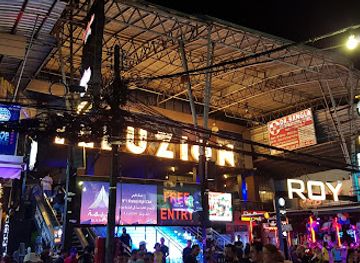
Illuzion Phuket
Explore Phuket's premier nightlife destination at Illuzion Phuket, featuring world-class DJs, mesmerizing shows, and an electrifying atmosphere.
-
Disco club
The Green Mango
Discover the vibrant nightlife of The Green Mango in Ko Samui, where unforgettable dance parties and tropical vibes await every night.
-
Night club
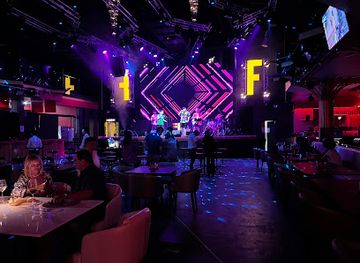
Flame Phuket Town - Restaurant & Nightclub
Discover Flame Phuket Town, a premier restaurant and nightclub in Phuket offering vibrant nightlife and exquisite dining experiences.
-
Bar
Leo Beach Bar
Discover the lively vibes at Leo Beach Bar on Ko Tao, where the music, cocktails, and beach atmosphere come together for an unforgettable experience.


Best shops in Southern Thailand
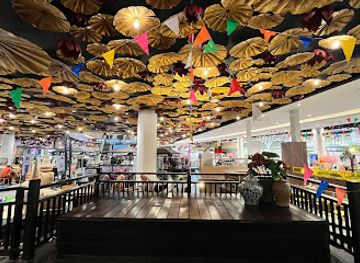
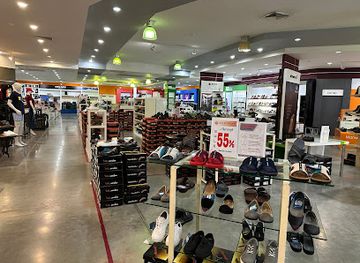
Shopping in Southern Thailand ranges from large urban centres to small island markets and provincial high streets. Phuket Old Town combines food stalls, cafés, galleries, local products and historic shophouses, while Hat Yai is a major commercial centre with department stores, markets and strong cross-border trading connections. Krabi, Ko Samui and other resort areas offer beachwear, crafts, souvenirs and convenience shopping, but independent stalls should be approached with normal care over quality and provenance. Traditional markets are useful for buying dried seafood, curry pastes, tropical fruit, coconut products, snacks and southern sweets; packaging and transport restrictions should be considered before buying food to take home. Look for batik and woven textiles in Muslim-majority parts of the peninsula, ceramics and locally designed goods in urban craft shops, and products made from rubber, palm or coconut where their origins are clearly identified. Bargaining may be accepted in some markets and tourist stalls but is not appropriate everywhere, particularly in fixed-price shops.
-
Shopping mall
Central Phuket Floresta
Explore the vibrant Central Phuket Floresta, where shopping, dining, and entertainment come together in a modern hub of culture and leisure.
-
Store
Outlet Village Krabi
Discover unbeatable deals at Outlet Village Krabi, your ultimate shopping destination in the heart of Thailand's stunning Krabi region.
-
Cannabis store
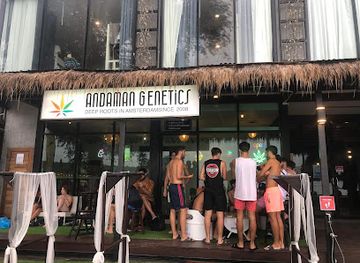
ANDAMAN GENETICS PHI PHI
Experience the vibrant cannabis culture in the heart of Phi Phi Islands at Andaman Genetics, where quality meets natural beauty.
-
Cannabis store
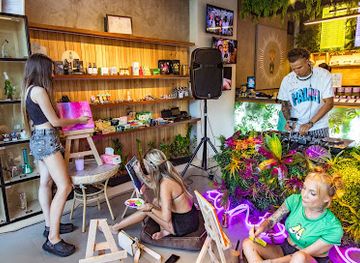
WeedeN Chaweng Noi
Discover WeedeN Chaweng Noi, your premier destination for quality cannabis products in the heart of Ko Samui's Bo Put district.
Get your free copy of our complete guide to Southern Thailand, delivered straight to you.
Everything on this page, from attractions and restaurants to essentials and local phrases, in one PDF you can read offline, print or share.
Already have an account? Sign in
Your Southern Thailand guide is ready.
We'll send it to · Not you? Sign out

Getting your guide ready…
We are putting together a fresh copy of the Southern Thailand guide. This can take up to a minute.
This can take a few moments. If your browser asks, choose Allow so the download can start. You'll find the guide in your Downloads folder.
Nothing happened? Download it again
Sorry, the guide is taking longer than usual. Please try again in a minute, or get it by email instead.
Southern Thailand essentials
Currency and Payment
Safety
Emergency Situations
Do's and Don'ts
Local Tips
From Eve
Local phrases worth knowing
You don't need to get them perfect. A few words go a long way, and locals appreciate the effort.
Basics
| English | Local | Say it |
|---|---|---|
| Hello | สวัสดี | [sawasdee] |
| Goodbye | ลาก่อน | [laa-gawn] |
| Yes | ใช่ | [chai] |
| No | ไม่ | [mai] |
| Please/You're welcome | กรุณา/ยินดีต้อนรับ | [ka-ru-naa/yindi ton rap] |
| Thank you | ขอบคุณ | [khob khun] |
| Excuse me/Sorry | ขอโทษ | [khor thot] |
| How are you? | สบายดีไหม | [sabai dee mai] |
| Fine. And you? | สบายดี แล้วคุณล่ะ | [sabai dee laew khun la] |
| Do you speak English? | คุณพูดภาษาอังกฤษได้ไหม | [khun phut phasa angkrit dai mai] |
| I don't understand | ฉันไม่เข้าใจ | [chan mai khao jai] |
Eating & Drinking
| English | Local | Say it |
|---|---|---|
| I'd like to see the menu, please | ขอดูเมนูหน่อย | [khor du menu noi] |
| I don't eat meat | ฉันไม่กินเนื้อ | [chan mai gin neua] |
| Cheers! | ชนแก้ว! | [chon giaw] |
| I would like to pay, please | ขอชำระเงินหน่อย | [khor chamra nguen noi] |
Emergencies
| English | Local | Say it |
|---|---|---|
| Help! | ช่วยด้วย! | [chuay duay!] |
| Go away! | ไปให้พ้น! | [pai hai phon!] |
| Call the Police! | เรียกตำรวจ! | [riak tamruat!] |
| Call a doctor! | เรียกหมอ! | [riak mor!] |
| I'm lost | ฉันหลงทาง | [chan long thang] |
| I'm ill | ฉันป่วย | [chan puai] |
Shopping
| English | Local | Say it |
|---|---|---|
| I'd like to buy... | ฉันอยากซื้อ... | [chan yak seu...] |
| I'm just looking | ฉันแค่ดู | [chan kae du] |
| How much is it? | ราคาเท่าไหร่? | [rakha thao rai?] |
| That's too expensive | แพงเกินไป | [phaeng koen pai] |
| Can you lower the price? | ลดราคาได้ไหม? | [lot rakha dai mai?] |
Time & Numbers
| English | Local | Say it |
|---|---|---|
| What time is it? | ตอนนี้กี่โมง? | [ton ni gee mong?] |
| It's one o'clock | ตอนนี้หนึ่งโมง | [ton ni neung mong] |
| Half past (10) | สิบโมงครึ่ง | [sip mong khrung] |
| Morning | เช้า | [chao] |
| Afternoon | บ่าย | [baai] |
| Evening | เย็น | [yen] |
| Yesterday | เมื่อวาน | [meua waan] |
| Today | วันนี้ | [wan ni] |
| Tomorrow | พรุ่งนี้ | [prung ni] |
| 1 | หนึ่ง | [neung] |
| 2 | สอง | [song] |
| 3 | สาม | [sarm] |
| 4 | สี่ | [si] |
| 5 | ห้า | [haa] |
| 6 | หก | [hok] |
| 7 | เจ็ด | [jet] |
| 8 | แปด | [paet] |
| 9 | เก้า | [kao] |
| 10 | สิบ | [sip] |
Transport & Directions
| English | Local | Say it |
|---|---|---|
| Where's a/the...? | ที่ไหนมี...? | [thi nai mee...?] |
| What's the address? | ที่อยู่คืออะไร? | [thi yuu khue arai?] |
| Can you show me (on the map)? | ช่วยชี้ให้ดู (บนแผนที่) ได้ไหม? | [chuay chee hai du (bon phaen thi) dai mai?] |
| When's the next (bus)? | รถบัสคันถัดไปเมื่อไร? | [rot bas khan that pai meua rai?] |
| A ticket (to ....) | ตั๋วไป...หน่อย | [tua pai...noi] |
History of Southern Thailand
Prehistoric Communities and Maritime Exchange
Caves, shell middens and archaeological sites across the peninsula show that southern Thailand has supported human communities for thousands of years. Coastal and inland groups used marine resources, forests and river valleys, while the peninsula's position between the Indian Ocean and the South China Sea encouraged movement of people and goods. Archaeological evidence from places including Krabi, Phang Nga and the lower peninsula points to long-standing connections between coastal settlements rather than an isolated regional culture. The sea routes that later carried merchants, religious ideas and luxury goods built upon this earlier geography of travel and exchange.
Indian Ocean Trade and Early Kingdoms
From the first millennium CE, ports and settlements on the Malay Peninsula became linked to commercial networks extending towards India, Sri Lanka, the Malay Archipelago and China. Southern polities adopted and adapted Hindu and Buddhist ideas, while local rulers benefited from controlling routes across or around the peninsula. The historical influence of Srivijaya is particularly associated with parts of the southern maritime world, although political control varied over time and should not be treated as uniform across the region. Religious art, trading traditions and the location of historic settlements all reflect this period of international contact.
Tambralinga and Nakhon Si Thammarat
Nakhon Si Thammarat, historically known as Tambralinga and later Ligor, became one of southern Thailand's most important political and religious centres. Its rulers participated in maritime trade and maintained connections with wider mainland and island Southeast Asia. The city also became a major centre of Theravada Buddhism, with Wat Phra Mahathat Woramahawihan preserving an important religious legacy. Nakhon Si Thammarat's arts, shadow-puppet traditions and architecture retain traces of its role as a meeting point between peninsular trade routes and the developing Thai kingdoms to the north.
Siamese Influence and the Patani World
For centuries, the southern peninsula contained overlapping political spheres rather than a single unified state. Siamese influence expanded southwards, while the sultanate of Patani, centred in the region around present-day Pattani, maintained its own Malay-Muslim court culture and connections across the peninsula. Treaties and administrative changes in the late nineteenth and early twentieth centuries formalised the boundary between Siam and British-controlled Malaya. The cultural landscape of Pattani, Yala and Narathiwat still reflects Malay language, Islam, local scholarship and historical ties that extend beyond Thailand's modern border.
Tin Mining, Ports and Chinese Migration
From the nineteenth century into the twentieth, tin mining transformed parts of the western peninsula, especially Phuket and nearby areas. Chinese migrants and their descendants played major roles in mining, commerce and urban development, while port towns grew around the movement of ore, rice, provisions and people. Phuket's Sino-Portuguese shophouses and distinctive food culture are visible legacies of this period. Mining also altered landscapes and local economies, linking southern Thailand more closely to global markets at a time when colonial powers dominated much of the surrounding region.
Rubber, Railways and Agricultural Change
Rubber cultivation expanded across southern Thailand during the late nineteenth and twentieth centuries, becoming one of the region's major economic foundations alongside palm oil, coconut and fishing. Railways connected Bangkok with southern provinces and ultimately with the Malaysian peninsula, improving the movement of passengers and agricultural goods while strengthening the state's administrative reach. Towns such as Hat Yai grew as railway and commercial centres. Plantations remain a defining feature of the southern landscape, although changing commodity prices, environmental pressures and tourism have reshaped the regional economy.
Modern Tourism and Environmental Conservation
International tourism expanded rapidly from the late twentieth century, first in places such as Phuket and later across Krabi, the Gulf islands and other coastal destinations. Resorts, airports, ferries and marine excursions brought substantial investment but also created pressure on reefs, beaches, freshwater supplies and waste systems. National parks and marine protected areas, including Khao Sok, Tarutao and the Similan and Surin island groups, represent efforts to conserve forests, wildlife and coastal habitats. Contemporary southern Thailand therefore balances a large visitor economy with the protection of landscapes that attract travellers in the first place.
Southern Thailand in Photos
Browse through our photo collection highlighting the charm and character of the destination.
Neighbouring regions of Southern Thailand
The closest regions to Southern Thailand, if you have time for more than one.
-

-

-

-

-


Swipe for more regions
Explore more
Explore more of Thailand
Discover Thailand: A land of diverse landscapes, rich culture, and warm hospitality, where ancient traditions blend seamlessly with modern attractions.
Explore Thailand