

Free Samui Archipelago Travel Guide & Mobile App
Explore Samui Archipelago with free travel guides. Discover regional history, expert tips, proposed trips, and audio guides on web or mobile app.


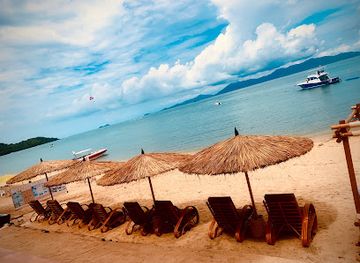
Explore Thailand's Samui Archipelago for Gulf beaches, forested islands, coral reefs, diving, local seafood and sea journeys between Ko Samui, Phangan and Tao.
Read more about Samui Archipelago
When is the best time to visit Samui Archipelago?
Best: January–March · 30–32°C| Month | High (°C) | Rainfall (mm) |
|---|---|---|
| January (best) | 30 | 70 |
| February (best) | 31 | 40 |
| March (best) | 32 | 40 |
| April | 33 | 60 |
| May | 33 | 130 |
| June | 32 | 110 |
| July | 32 | 110 |
| August | 32 | 110 |
| September | 32 | 120 |
| October | 31 | 220 |
| November | 31 | 320 |
| December | 30 | 210 |
Getting to and around Samui Archipelago
How to get there
Transportation
Top city travel guides in Samui Archipelago
The cities of Samui Archipelago, and the easiest places to base yourself.

Swipe for more cities
Best attractions in Samui Archipelago
The Samui Archipelago offers a broad range of island experiences, from developed beaches and family facilities on Ko Samui to forested trails, waterfalls and secluded bays on Ko Phangan. Samui's attractions include beach recreation, viewpoints, temples, markets, cooking experiences and inland routes through coconut-growing areas. Phangan rewards visitors who look beyond Haad Rin, with beaches, hill landscapes, local villages and boat-accessible coves. Ko Tao is particularly strong for scuba-diving courses, introductory dives, snorkelling and marine excursions, although visibility and conditions vary by season and site. Mu Ko Ang Thong National Marine Park provides a contrasting protected landscape of limestone islands, mangroves, lagoons, viewpoints and kayaking areas, normally visited by organised boat trip. The region also contains cultural attractions such as Buddhist temples, Chinese-influenced historic shopfronts and community markets. Activities should be chosen with environmental care: reefs are vulnerable to contact and careless anchoring, while beaches and park sites can become crowded in peak periods. The attraction landscape is therefore less about a long list of monuments than about moving between distinct marine, rural and cultural settings.
-
Tourist attraction
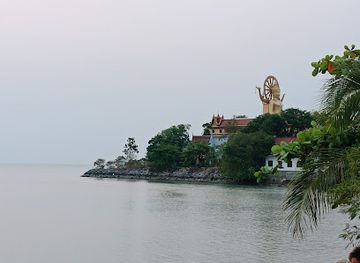
Big Buddha Temple (Wat Phra Yai)
Discover the serene beauty and cultural significance of Big Buddha Temple (Wat Phra Yai) in Ko Samui, a must-visit spiritual landmark.
-
Tourist attraction
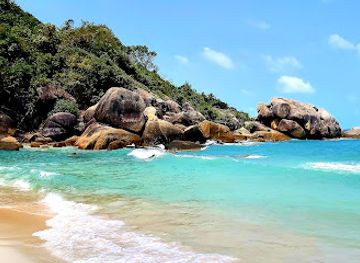
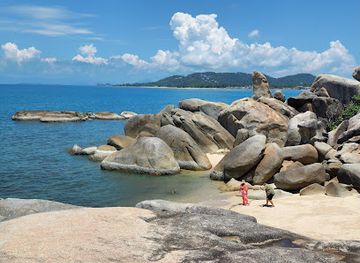
Grandfather and Grandmother Rocks (Hin Ta Hin Yai)
Unveil the mystery of Hin Ta Hin Yai, the iconic Grandfather and Grandmother Rocks in Ko Samui, where nature and folklore collide.
-
Tourist attraction
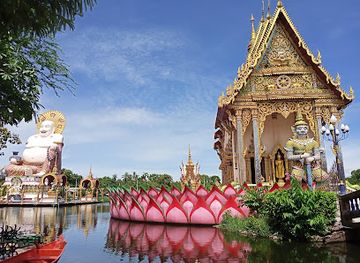
Wat Plai Laem
Discover the enchanting beauty and spiritual tranquility of Wat Plai Laem, a must-visit Buddhist temple on the picturesque island of Ko Samui, Thailand.
-
Tourist attraction
Tarnim Magic Garden
Explore the enchanting Tarnim Magic Garden in Ko Samui, Thailand – a vibrant oasis of art, nature, and tranquility that captivates every visitor.

Best landmarks in Samui Archipelago
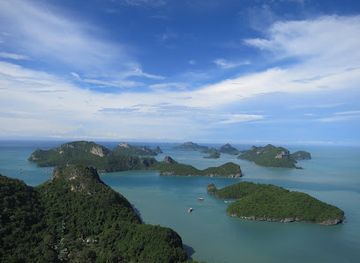
The archipelago's most recognisable landmarks are often natural or maritime rather than monumental. Mu Ko Ang Thong National Marine Park is distinguished by its cluster of steep limestone islands, forested slopes, sheltered waters and the viewpoint over the emerald waters of Talay Nai, an enclosed lagoon reached by a demanding path. On Ko Samui, Wat Phra Yai is marked by its large seated Buddha and elevated setting on a small island joined to the main island by a causeway; nearby temple grounds require respectful behaviour. Wat Plai Laem is notable for its colourful Buddhist imagery and broad lake setting. Ko Samui's Hin Ta and Hin Yai rock formations are familiar coastal features shaped by weathering and local folklore. Ko Tao is defined visually by its rocky coves, wooded hills and offshore pinnacles, while Ko Nang Yuan is recognised for its narrow sandbars linking small islands, subject to access and conservation controls. These places are significant because they express the archipelago's religious life, geology and seascape rather than because it has a dense concentration of historic architecture.
-
Buddhist temple
Big Buddha Temple (Wat Phra Yai)
Discover the captivating beauty and spiritual essence of the Big Buddha Temple in Koh Samui, Thailand, a must-visit destination for every traveler.
-
Tourist attraction
Grandfather and Grandmother Rocks (Hin Ta Hin Yai)
Explore the iconic Grandfather and Grandmother Rocks in Koh Samui, a unique natural attraction blending culture, beauty, and unforgettable coastal views.
-
Buddhist temple
Wat Plai Laem
Experience the breathtaking beauty and spiritual essence of Wat Plai Laem, a must-see Buddhist temple on the enchanting island of Ko Samui.
-
Restaurant
Jungle Club
Experience the breathtaking views and vibrant atmosphere of Jungle Club in Koh Samui, where delicious food meets serene tropical bliss.
Explore Samui Archipelago on the map
Plan your trip on one map. See where the top cities, national parks and sights are, and book hotels and experiences in a few clicks.
Best hotels in Samui Archipelago
Best restaurants in Samui Archipelago
Dining across the archipelago ranges from southern Thai cooking and market food to international restaurants serving the large resident and visitor communities. Coconut, fresh fish, squid, crab, prawns, turmeric, chilli and herbs are prominent in local meals, with curries, stir-fries, soups and grilled seafood widely available. Ko Samui has the broadest selection, including seafood restaurants, cafés, hotel dining and busy food markets; Bophut and other established settlements combine visitor-oriented venues with more everyday local food. Phangan and Tao offer roadside stalls, small family-run restaurants and casual places near ferry ports and beaches, alongside international menus shaped by tourism. Look for regional dishes from southern Thailand rather than assuming that every coconut-based meal is island-specific. Markets are useful for fruit, snacks and prepared dishes, while fresh seafood is common but not necessarily locally caught. Prices, portion sizes and formality vary considerably between beach resorts, village eateries and modern dining rooms, so menus should be checked before ordering.
-
Italian
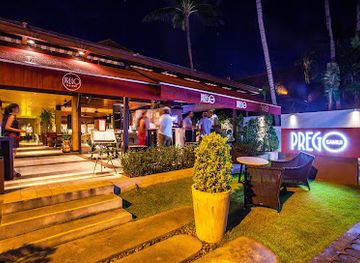
Prego Samui
Discover authentic Italian cuisine at Prego Samui on Chaweng Beach - where Italy meets paradise.
-
Restaurant
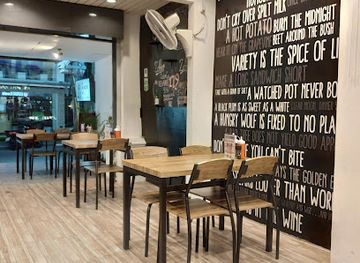
The Hungry Wolf
Discover delectable burgers, artisan pizzas, and vibrant vegan dishes at The Hungry Wolf in Koh Samui – where flavor meets friendly service.
-
Thai
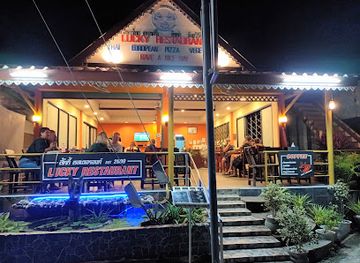
Lucky Restaurant
Discover the best of Thai and European cuisine at Lucky Restaurant in Koh Samui – a delightful dining experience awaits you.
-
Organic
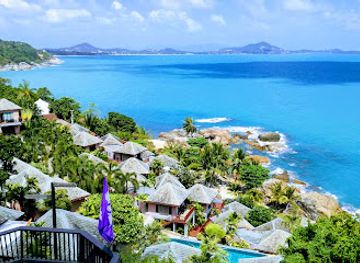
Vikasa Life Cafe
Experience organic culinary delights at Vikasa Life Cafe in Koh Samui - a haven for health-conscious travelers seeking delicious vegan and vegetarian options.
Best bars in Samui Archipelago
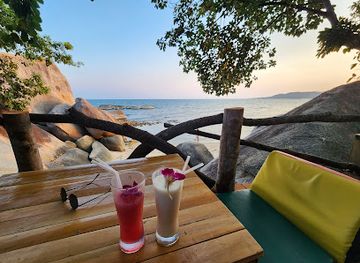
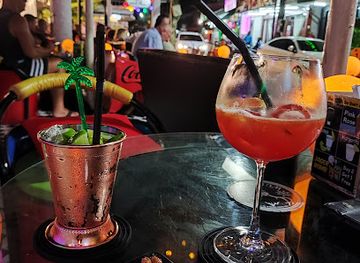
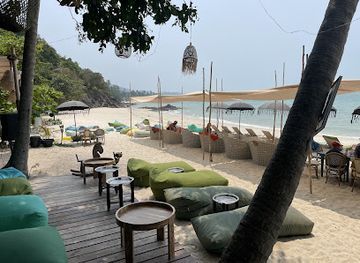
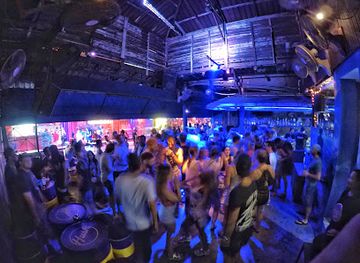
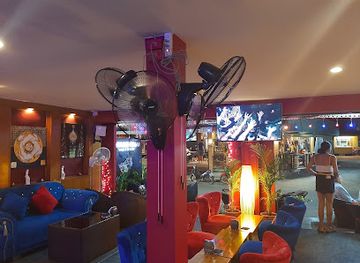
Evening life is concentrated in a few settlements rather than spread evenly across the islands. Ko Samui has the widest choice, from beach bars, hotel lounges and cocktail venues to live music, casual pubs and late-night entertainment around Chaweng and other developed coastal areas. Ko Phangan is internationally associated with the Full Moon Party at Haad Rin, but its broader nightlife also includes smaller beach gatherings, bars, restaurants, music events and quieter evenings in other parts of the island; party dates and arrangements can change. Ko Tao's social scene centres largely on Sairee and the main village areas, with dive-community gatherings, relaxed bars, live music and occasional larger events. Rural and less developed districts generally close earlier and rely on restaurants or local pubs. Visitors should protect belongings in crowded areas, drink responsibly, use licensed or trusted transport and avoid entering the sea after drinking.
-
Pub
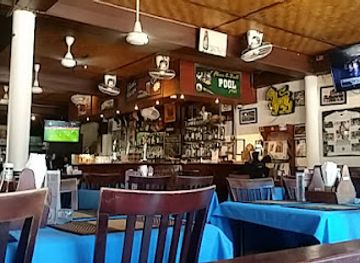
The Islander
Experience the vibrant atmosphere and delicious cuisine at The Islander, a top pub and sports bar in Ko Samui.
-
Bar
Rock Bar
Experience the vibrant nightlife and stunning seaside views at Rock Bar, your ideal destination for relaxation in Ko Samui.
-
Cocktail bar
Cocktails By Pik
Experience the vibrant atmosphere of Cocktails By Pik, the must-visit cocktail bar in Ko Samui, Thailand, where creativity meets flavor.
-
Restaurant
Cape Away Beach Bar
Discover the ultimate beachside retreat at Cape Away Beach Bar in Ko Samui, where delicious cuisine meets breathtaking ocean views.
Best nightclubs in Samui Archipelago
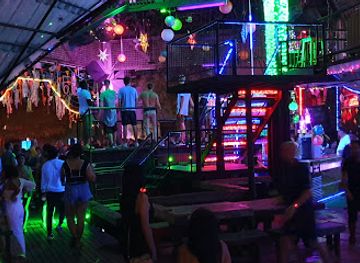
Evening life is concentrated in a few settlements rather than spread evenly across the islands. Ko Samui has the widest choice, from beach bars, hotel lounges and cocktail venues to live music, casual pubs and late-night entertainment around Chaweng and other developed coastal areas. Ko Phangan is internationally associated with the Full Moon Party at Haad Rin, but its broader nightlife also includes smaller beach gatherings, bars, restaurants, music events and quieter evenings in other parts of the island; party dates and arrangements can change. Ko Tao's social scene centres largely on Sairee and the main village areas, with dive-community gatherings, relaxed bars, live music and occasional larger events. Rural and less developed districts generally close earlier and rely on restaurants or local pubs. Visitors should protect belongings in crowded areas, drink responsibly, use licensed or trusted transport and avoid entering the sea after drinking.
-
Disco club
The Green Mango
Experience the vibrant nightlife at The Green Mango, Ko Samui's premier disco club with electrifying music and a fabulous atmosphere.
-
Bar
Rock Bar
Experience the vibrant atmosphere of Rock Bar in Ko Samui, where delicious food and refreshing drinks meet stunning beachfront views.
-
Disco club
Hush Bar
Experience the vibrant nightlife of Ko Samui at Hush Bar, where electrifying music and a lively atmosphere await you.
-
Cocktail bar
Samui Mojito Lab
Discover a vibrant cocktail paradise at Samui Mojito Lab, where creative drinks and lively nightlife meet in beautiful Koh Samui.

Best shops in Samui Archipelago
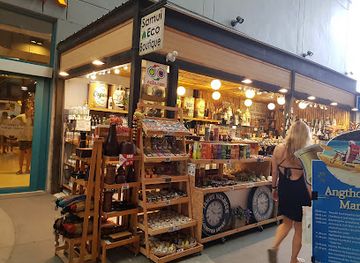
Shopping is practical and informal in much of the archipelago, with the greatest range on Ko Samui. Established areas offer supermarkets, pharmacies, clothing and beachwear, while market streets and evening food markets sell snacks, fruit, spices, handmade goods, souvenirs and inexpensive clothing. Bophut's historic Fisherman's Village area has a more visitor-oriented collection of boutiques, cafés and craft-style shops, although its retail character changes over time. Phangan and Tao are better suited to small independent shops, surf and dive equipment, casual clothing, wellness products, jewellery and locally made gifts than to extensive department-store shopping. Coconut-based products, Thai snacks, dried seafood, woven items and small artworks can make more meaningful souvenirs than generic beach merchandise. Markets are usually the best setting for browsing and bargaining politely, but fixed prices are common in established shops. Pack carefully and check airline or ferry restrictions before buying shells, coral, wildlife products or large food items; protected natural materials should never be removed from beaches or marine parks.
-
Shopping mall
Central Samui
Explore Central Samui, a vibrant shopping mall offering diverse retail, dining, and entertainment experiences in the heart of Ko Samui.
-
Night market
Fisherman's Village Night Market
Discover the vibrant culture and flavors of Thailand at Fisherman's Village Night Market in Ko Samui, a must-visit destination for every traveler.
-
Store
Maria food halal samui
Experience the vibrant flavors of Thailand at Maria Food Halal Samui, a bustling night market offering a wide range of delicious halal dishes.
-
Tailor
Ash Tailor Samui
Experience the art of custom tailoring at Ash Tailor Samui, where every stitch is crafted to perfection amidst the beauty of Ko Samui.

Get your free copy of our complete guide to Samui Archipelago, delivered straight to you.
Everything on this page, from attractions and restaurants to essentials and local phrases, in one PDF you can read offline, print or share.
Already have an account? Sign in
Your Samui Archipelago guide is ready.
We'll send it to · Not you? Sign out

Getting your guide ready…
We are putting together a fresh copy of the Samui Archipelago guide. This can take up to a minute.
This can take a few moments. If your browser asks, choose Allow so the download can start. You'll find the guide in your Downloads folder.
Nothing happened? Download it again
Sorry, the guide is taking longer than usual. Please try again in a minute, or get it by email instead.
Samui Archipelago essentials
Currency and Payment
Safety
Emergency Situations
Do's and Don'ts
Local Tips
From Eve
Local phrases worth knowing
You don't need to get them perfect. A few words go a long way, and locals appreciate the effort.
Basics
| English | Local | Say it |
|---|---|---|
| Hello | สวัสดี | [sawasdee] |
| Goodbye | ลาก่อน | [laa gon] |
| Yes | ใช่ | [chai] |
| No | ไม่ | [mai] |
| Please/You're welcome | กรุณา/ยินดี | [karuna/yindi] |
| Thank you | ขอบคุณ | [khob khun] |
| Excuse me/Sorry | ขอโทษ | [kho thot] |
| How are you? | คุณสบายดีไหม? | [khun sabai dee mai?] |
| Fine. And you? | สบายดี ขอบคุณ แล้วคุณล่ะ? | [sabai dee khob khun laeo khun la?] |
| Do you speak English? | คุณพูดภาษาอังกฤษได้ไหม? | [khun pood phasa angkrit dai mai?] |
| I don't understand | ฉันไม่เข้าใจ | [chan mai khao jai] |
Eating & Drinking
| English | Local | Say it |
|---|---|---|
| I'd like to see the menu, please | ขอดูเมนูหน่อยได้ไหม? | [kho du menu noi dai mai?] |
| I don't eat meat | ฉันไม่กินเนื้อ | [chan mai kin nua] |
| Cheers! | ชนแก้ว! | [chon keaw!] |
| I would like to pay, please | ขอชำระเงินหน่อย | [kho chamra ngeun noi] |
Emergencies
| English | Local | Say it |
|---|---|---|
| Help! | ช่วยด้วย! | [chuay duay!] |
| Go away! | ไปให้พ้น! | [bpai hai pon!] |
| Call the Police! | เรียกตำรวจ! | [riak tamruat!] |
| Call a doctor! | เรียกหมอ! | [riak mor!] |
| I'm lost | ฉันหลงทาง | [chan long thang] |
| I'm ill | ฉันป่วย | [chan puai] |
Shopping
| English | Local | Say it |
|---|---|---|
| I'd like to buy... | ฉันอยากซื้อ... | [chan yak seu...] |
| I'm just looking | ฉันแค่ดู | [chan khae du] |
| How much is it? | ราคาเท่าไหร่? | [rakha thao rai?] |
| That's too expensive | แพงเกินไป | [paeng koen bpai] |
| Can you lower the price? | ลดราคาได้ไหม? | [lot rakha dai mai?] |
Time & Numbers
| English | Local | Say it |
|---|---|---|
| What time is it? | ตอนนี้กี่โมง? | [ton ni gee mong?] |
| It's one o'clock | ตอนนี้หนึ่งโมง | [ton ni neung mong] |
| Half past (10) | สิบโมงครึ่ง | [sip mong krueng] |
| Morning | เช้า | [chao] |
| Afternoon | บ่าย | [baai] |
| Evening | เย็น | [yen] |
| Yesterday | เมื่อวาน | [meu wan] |
| Today | วันนี้ | [wan ni] |
| Tomorrow | วันพรุ่งนี้ | [wan phrung ni] |
| 1 | หนึ่ง | [neung] |
| 2 | สอง | [song] |
| 3 | สาม | [sam] |
| 4 | สี่ | [si] |
| 5 | ห้า | [ha] |
| 6 | หก | [hok] |
| 7 | เจ็ด | [jet] |
| 8 | แปด | [paet] |
| 9 | เก้า | [kao] |
| 10 | สิบ | [sip] |
Transport & Directions
| English | Local | Say it |
|---|---|---|
| Where's a/the...? | ที่ไหนมี...? | [tii nai mee...?] |
| What's the address? | ที่อยู่ไหน? | [tii yuu nai?] |
| Can you show me (on the map)? | ช่วยชี้ให้ดูหน่อยได้ไหม? | [chuay chee hai du noi dai mai?] |
| When's the next (bus)? | รถบัสคันถัดไปเมื่อไหร่? | [rot bas khan that bpai meu rai?] |
| A ticket (to ....) | ตั๋ว (ไป....) | [tua (bpai....)] |
History of Samui Archipelago
Early Maritime Settlement and Trade
The islands of the Samui Archipelago were shaped by their position on maritime routes across the Gulf of Thailand. Early communities relied on fishing, small-scale cultivation and movement by boat, while nearby mainland settlements connected the islands to wider trading networks. Archaeological evidence and historical references are more fragmentary here than in Thailand's great mainland cities, but the region's geography made coastal exchange central to its development. Coconut cultivation later became particularly important on Ko Samui, while sheltered bays and freshwater sources supported permanent communities on Phangan and Tao.
Buddhist and Muslim Island Communities
Over centuries, people from the Thai mainland and the Malay Peninsula contributed to the islands' social and cultural development. Buddhist temples became important local institutions, while Muslim communities, especially those connected with fishing and maritime trade, formed part of the diverse population of the Gulf coast and islands. Village life traditionally centred on family networks, religious observance, fishing and agriculture. The resulting cultural landscape is visible in temples, mosques, local cemeteries, food traditions and the mixture of mainland and maritime influences found across the archipelago.
Coconut Agriculture on Ko Samui
For much of the modern period, Ko Samui was known primarily for coconut cultivation rather than international tourism. Coconut palms covered substantial areas of the island, and local economies combined the sale of copra and coconuts with fishing and small-scale farming. The crop influenced land use, household work and the island's visual identity. Although resorts, roads and other development have transformed much of the coast, coconut groves and inland agricultural landscapes remain reminders of the economy that preceded mass tourism.
The Growth of Maritime Connections
Improved ferry services, roads and air connections gradually reduced the archipelago's isolation during the twentieth century. Ko Samui became the main administrative and commercial gateway, while Phangan and Tao were reached through longer sea journeys from Samui or the mainland. Better transport enabled building materials, consumer goods and visitors to arrive more regularly, changing settlement patterns and employment. Sea travel remains fundamental today: ferries are not merely tourist excursions but part of the practical infrastructure that links the islands with Surat Thani Province and one another.
From Backpacking Routes to International Tourism
From the late twentieth century, travellers began including the islands in wider journeys through southern Thailand. Simple beachfront accommodation and informal travel networks helped establish Ko Samui, Phangan and Tao as international destinations. Development accelerated on Ko Samui first, then spread along selected coasts of Phangan and Tao. Tourism brought employment, improved services and global connections, but also pressure on land, water, waste systems, reefs and beaches. The contrast between long-established villages and rapidly developed coastal areas is now a defining feature of the archipelago.
Marine Conservation and Mu Ko Ang Thong
Mu Ko Ang Thong became a protected national park in 1980, safeguarding a group of limestone islands, forest, mangroves, beaches and surrounding marine habitats west of Ko Samui and Ko Phangan. Its protection reflects a broader recognition that the Gulf's scenery and biodiversity require management as tourism grows. Access, anchoring, waste disposal and visitor activities are regulated or adjusted according to conservation and weather conditions. The park has become one of the region's best-known natural landscapes while remaining distinct from the settled islands.
The Contemporary Island Economy
Today the archipelago combines tourism with fishing, construction, retail, transport, agriculture and other services. Ko Samui has the most extensive airport, road and hospitality infrastructure; Phangan has a more varied balance between event tourism, wellness travel, local communities and forested terrain; and Tao has built a strong identity around diving education and marine recreation. This transformation has connected the islands to the world while creating continuing questions about freshwater supply, coastal development, coral protection, waste management and the preservation of island communities.
Samui Archipelago in Photos
Browse through our photo collection highlighting the charm and character of the destination.
Neighbouring regions of Samui Archipelago
The closest regions to Samui Archipelago, if you have time for more than one.
-

-

-

-

-


Swipe for more regions
Explore more
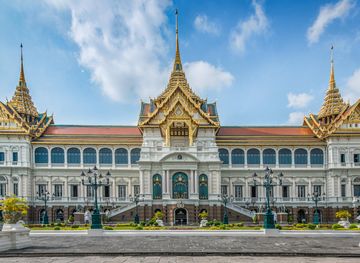
Explore more of Thailand
Discover Thailand: A land of diverse landscapes, rich culture, and warm hospitality, where ancient traditions blend seamlessly with modern attractions.
Explore Thailand