

Tenasserim Hills, Thailand Travel Guide
Discover the serene Tenasserim Hills in Thailand, a haven of lush forests, diverse wildlife, and rich cultural heritage, perfect for nature and history enthusiasts.
The Tenasserim Hills, nestled in the heart of Thailand, offer a breathtaking escape into nature's embrace. Stretching from the Isthmus of Kra up to the border with Myanmar, these hills are a treasure trove of lush forests, diverse wildlife, and serene landscapes. The hills provide a perfect backdrop for trekking enthusiasts, nature lovers, and those seeking a tranquil retreat away from bustling city life. The region is renowned for its rich biodiversity. As you explore the hills, you might encounter exotic birds, rare mammals, and vibrant flora. The Khao Sok National Park, located within the Tenasserim range, is a must-visit spot, boasting some of the oldest evergreen rainforests in the world. Here, the towering limestone cliffs, hidden waterfalls, and the tranquil Cheow Lan Lake make for a picturesque experience. Cultural enthusiasts will find the Tenasserim Hills equally captivating. The area is steeped in history and local traditions. You can visit small villages where time seems to stand still, engage with the local communities, and learn about their age-old customs. The hills are also dotted with ancient temples and historical sites that tell tales from a bygone era. Whether you're seeking adventure or solace, the Tenasserim Hills in Thailand promise an unforgettable journey into the heart of nature and culture.

Know before you go
Hi, I'm Eve. Here are a few practical things to know before exploring Tenasserim Hills.
- Best Time to Visit: November to February offers the most pleasant weather.
- Local Guides: Hiring a local guide can enhance your trekking experience and ensure you don't miss hidden gems.
- Stay Hydrated: Carry enough water and snacks, as amenities can be sparse in remote areas.
- Respect Wildlife: Maintain a safe distance from animals and avoid feeding them.
- Cultural Etiquette: Dress modestly when visiting villages and temples to show respect for local traditions.
Top City Travel Guides in Tenasserim Hills
The cities of Tenasserim Hills, and the easiest places to base yourself.


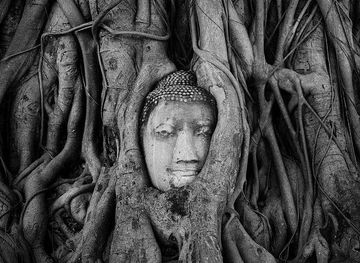


Destinations in Tenasserim Hills
Resorts, valleys and scenic spots worth a trip of their own.


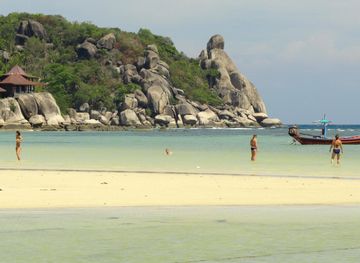

Explore Tenasserim Hills: Things to Do, Places to Eat, Hotels & More
Handpicked recommendations for top attractions, local dining, accommodations, and more

Top Attractions & Sightseeing in Tenasserim Hills
Top-rated picks
Best Attractions

Pran Buri Forest Park
Discover the serene beauty and biodiversity of Pran Buri Forest Park, a tranquil escape in Thailand's stunning Prachuap Khiri Khan region.

Khao Sam Roi Yot National Park
Explore the stunning landscapes and rich biodiversity of Khao Sam Roi Yot National Park, a natural gem in Thailand's Prachuap Khiri Khan province.

Taman Negara
Discover Taman Negara, Malaysia's oldest national park, where adventure meets breathtaking natural beauty and rich biodiversity.

Phraya Nakhon Cave
Explore the stunning Phraya Nakhon Cave in Thailand's Sam Roi Yot National Park, where nature meets history in a breathtaking limestone setting.

Best landmarks in Tenasserim Hills
Top-rated picks
Best Landmarks

The Grand Palace
Discover the grandeur of The Grand Palace in Bangkok, Thailand—a cultural and historical landmark showcasing exquisite architecture and royal heritage.

The Temple of the Emerald Buddha
Explore the Temple of the Emerald Buddha, Bangkok's most sacred site, renowned for its stunning architecture and the revered Emerald Buddha statue.

Wat Arun Ratchawararam Ratchawaramahawihan
Explore the breathtaking beauty of Wat Arun, the Temple of Dawn, a symbol of Thailand's rich cultural heritage and spiritual essence.

Wat Phra Chetuphon Wimon Mangkhalaram Rajwaramahawihan
Explore the serene beauty of Wat Phra Chetuphon, home to the majestic Reclining Buddha and a hub of Thai culture and spirituality.

Best restaurants in Tenasserim Hills
Top-rated picks
Best Restaurants

Thipsamai
Experience authentic Thai flavors at Thipsamai, Bangkok's iconic restaurant famous for its legendary Pad Thai.
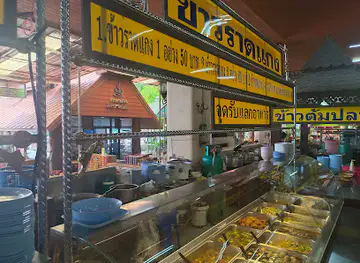
Khun Sarai Restaurant
Experience authentic Thai flavors at Khun Sarai Restaurant in Chumphon – where every dish tells a story.

The Peninsula Bangkok
Experience unmatched luxury at The Peninsula Bangkok with stunning riverside views, exquisite dining options, and world-class amenities for your perfect getaway.

RONGROS
Experience authentic Thai cuisine at RONGROS in Bangkok - where traditional flavors meet modern dining.

Best bars in Tenasserim Hills
Top-rated picks
Best Bars

Red Sky
Dine amidst breathtaking views at Red Sky, a premier rooftop restaurant in Bangkok offering exquisite cuisine and an unforgettable atmosphere.

Brick Bar
Discover the lively Brick Bar in Bangkok, where local music, vibrant atmosphere, and unforgettable nights await you.

Brewski
Discover Brewski, Bangkok's premier rooftop bar, offering stunning views, craft drinks, and a vibrant atmosphere for an unforgettable experience.

Bangkok Heightz Rooftop (Restaurant & Bar 39th floor)
Experience the essence of Thai cuisine with breathtaking skyline views at Bangkok Heightz Rooftop, a culinary gem in the heart of Bangkok.

Best nightclubs in Tenasserim Hills
Top-rated picks
Best Nightclubs

Illuzion Phuket
Dive into the nightlife at Illuzion Phuket, a vibrant nightclub offering electrifying music, stunning performances, and unforgettable experiences.

Venti Nightclub
Experience the vibrant nightlife of Bangkok at Venti Nightclub, where music, dance, and unforgettable memories come together.

Sing Sing Theater
Discover the enchanting nightlife of Bangkok at Sing Sing Theater, where stunning decor meets electrifying performances and exquisite cocktails.

Hush Bar
Discover the electrifying nightlife of Hush Bar in Ko Samui, where vibrant music, lively dancing, and refreshing cocktails await every visitor.

Best shops in Tenasserim Hills
Top-rated picks
Best Shops

centralwOrld
Explore centralwOrld, Bangkok's vibrant shopping mall with luxury brands, local boutiques, and diverse dining options in the heart of the city.

Siam Paragon
Discover luxury shopping, exquisite dining, and cultural attractions at Siam Paragon, the ultimate shopping destination in Bangkok.

ICONSIAM
Discover the perfect blend of luxury shopping and Thai culture at ICONSIAM, Bangkok's premier destination on the Chao Phraya River.

Chatuchak Weekend Market
Discover the vibrant Chatuchak Weekend Market in Bangkok, a must-visit destination for unique crafts, delicious street food, and an authentic local experience.

Explore Tenasserim Hills on the Map
A handpicked selection of must-see spots in Tenasserim Hills, mapped for you.
Tenasserim Hills Essentials
-
Tenasserim Hills in Thailand can be accessed via several routes. The nearest major airport is Suvarnabhumi Airport (BKK) in Bangkok. From Bangkok, you can take a domestic flight to Ranong Airport (UNN) or Surat Thani Airport (URT). From these airports, you can hire a taxi or take a bus to your destination in the Tenasserim Hills. Alternatively, you can take a long-distance bus from Bangkok's Southern Bus Terminal (Sai Tai Mai) to towns like Chumphon or Ranong, which serve as gateways to the region.
-
Once in the Tenasserim Hills, transportation options include local buses, songthaews (converted pickup trucks), and motorbike rentals. Taxis and ride-sharing services are less common in this rural area. Renting a car or motorbike is a convenient way to explore the region at your own pace, but ensure you have an International Driving Permit and are comfortable with local driving conditions.
-
The official currency in Thailand is the Thai Baht (THB). Credit cards are accepted in some hotels, restaurants, and shops in larger towns, but it is advisable to carry cash, especially when traveling to more remote areas. ATMs are available in towns like Ranong and Chumphon, but it is wise to withdraw sufficient cash before heading into the hills.
-
The Tenasserim Hills are generally safe for tourists, but it is always best to take standard precautions. Avoid walking alone at night in unfamiliar areas and keep an eye on your belongings in crowded places. There are no specific high-crime areas targeting tourists, but staying vigilant and aware of your surroundings is advisable.
-
In case of emergency, dial 191 for police assistance and 1669 for medical emergencies. Medical facilities are available in larger towns like Ranong and Chumphon. It is highly recommended to have travel insurance that covers medical emergencies and evacuation. For minor health issues, there are pharmacies in the towns where you can purchase over-the-counter medications.
-
Fashion: Do dress modestly, especially when visiting religious sites. Avoid wearing revealing clothing. Religion: Do respect local customs and traditions. Always remove your shoes before entering temples and be mindful of dress codes. Public Transport: Do be respectful and give up your seat to elderly passengers. Don't eat or drink on public transport. Greetings: Do greet people with a 'wai' (a slight bow with hands pressed together). Eating & Drinking: Do try local delicacies and accept food offerings graciously. Don't refuse hospitality, as it is considered impolite.
-
To experience Tenasserim Hills like a local, visit local markets where you can buy fresh produce and traditional Thai goods. Engage with locals, as they are often friendly and willing to share stories about the region's history and culture. Don't miss visiting natural attractions like the Kra Isthmus, hot springs, and waterfalls. For a unique experience, take a hike through Khao Sok National Park, which offers stunning scenery and diverse wildlife.
When is the best time to visit Tenasserim Hills?
Useful Local Phrases for Tenasserim Hills
You don't need to speak the language perfectly. Even learning a few simple words can make conversations warmer—and locals usually appreciate the effort.
— Eve

Here are the phrases I use most often in Tenasserim Hills. Try a few—you'll be surprised how far they go! 😊
❤️
-
- Helloสวัสดี
[sawasdee] - Goodbyeลาก่อน
[laa-gorn] - Yesใช่
[chai] - Noไม่
[mai] - Please/You're welcomeกรุณา/ยินดี
[karuna/yindi] - Thank youขอบคุณ
[khob khun] - Excuse me/Sorryขอโทษ
[kho thot] - How are you?คุณเป็นอย่างไร?
[khun bpen yang rai?] - Fine. And you?ดีมาก แล้วคุณล่ะ?
[dee mak laew khun la?] - Do you speak English?คุณพูดภาษาอังกฤษได้ไหม?
[khun phuut phasa angkrit dai mai?] - I don't understandฉันไม่เข้าใจ
[chan mai khao jai]
- Helloสวัสดี
-
- I'd like to see the menu, pleaseขอดูเมนูหน่อยได้ไหม?
[kho du menu noi dai mai?] - I don't eat meatฉันไม่กินเนื้อ
[chan mai gin neua] - Cheers!ชนแก้ว!
[chon khao!] - I would like to pay, pleaseฉันอยากจ่ายเงิน
[chan yak jai ngeun]
- I'd like to see the menu, pleaseขอดูเมนูหน่อยได้ไหม?
-
- Help!ช่วยด้วย!
[chuay duay!] - Go away!ไปให้พ้น!
[pai hai phon!] - Call the Police!เรียกตำรวจ!
[riak tamruat!] - Call a doctor!เรียกหมอ!
[riak mor!] - I'm lostฉันหลงทาง
[chan long thang] - I'm illฉันป่วย
[chan puai]
- Help!ช่วยด้วย!
-
- I'd like to buy...ฉันอยากซื้อ...
[chan yak seu...] - I'm just lookingฉันแค่มอง
[chan kae mong] - How much is it?ราคาเท่าไหร่?
[rakha thao rai?] - That's too expensiveแพงเกินไป
[paeng koen pai] - Can you lower the price?ลดราคาได้ไหม?
[lot rakha dai mai?]
- I'd like to buy...ฉันอยากซื้อ...
-
- What time is it?ตอนนี้กี่โมง?
[ton ni gee mong?] - It's one o'clockตอนนี้หนึ่งโมง
[ton ni neung mong] - Half past (10)สิบโมงครึ่ง
[sip mong khrueng] - Morningเช้า
[chao] - Afternoonบ่าย
[bai] - Eveningเย็น
[yen] - Yesterdayเมื่อวาน
[meu wan] - Todayวันนี้
[wan ni] - Tomorrowพรุ่งนี้
[prung ni] - 1หนึ่ง
[neung] - 2สอง
[song] - 3สาม
[sam] - 4สี่
[si] - 5ห้า
[haa] - 6หก
[hok] - 7เจ็ด
[jet] - 8แปด
[paet] - 9เก้า
[kao] - 10สิบ
[sip]
- What time is it?ตอนนี้กี่โมง?
-
- Where's a/the...?ที่ไหนมี...?
[thi nai mee...?] - What's the address?ที่อยู่คืออะไร?
[thi yu kue arai?] - Can you show me (on the map)?คุณช่วยชี้ให้หน่อยได้ไหม?
[khun chuay chee hai noi dai mai?] - When's the next (bus)?รถบัสคันถัดไปเมื่อไหร่?
[rot bas khan that pai meu rai?] - A ticket (to ....)ตั๋วไป...
[tua pai...]
- Where's a/the...?ที่ไหนมี...?
History of Tenasserim Hills
-
The Tenasserim Hills have been home to various indigenous tribes for centuries. These tribes, such as the Karen and Mon people, have developed a unique culture deeply connected to the natural environment of the hills. Their traditional knowledge of herbal medicine and sustainable living practices has been passed down through generations.
-
During the 14th to 18th centuries, the Tenasserim Hills played a strategic role in the Kingdom of Ayutthaya. The region served as a natural barrier against potential invasions from the west and was a vital trade route for goods moving between Siam (modern-day Thailand) and Burma (modern-day Myanmar). The Ayutthaya Kingdom established several fortified outposts along the hills to secure these routes.
-
The Tenasserim Hills were a battleground during the numerous Burmese-Siamese Wars, especially in the 16th and 18th centuries. These hills witnessed several pivotal battles as both the Burmese and Siamese armies sought control over the region. The rugged terrain provided natural fortifications and hiding spots for the warring factions.
-
In the 19th century, the Tenasserim Hills came under the influence of British colonial expansion. The British, who had already established control over Burma, eyed the hills for their strategic importance and natural resources. The colonial period saw the construction of infrastructure such as roads and railways to facilitate resource extraction and military movements.
-
One of the most somber chapters in the history of the Tenasserim Hills is their role during World War II. The Japanese Imperial Army constructed the infamous Death Railway through the hills, connecting Thailand with Burma. Thousands of Allied POWs and local laborers were forced to work under brutal conditions, leading to significant loss of life. The Hellfire Pass in the Tenasserim Hills stands as a stark reminder of this dark period.
-
Following World War II, the Tenasserim Hills gradually transitioned from a conflict zone to a region focused on conservation and sustainable development. Numerous national parks and wildlife sanctuaries have been established to protect the area's rich biodiversity. Efforts to preserve the cultural heritage of the indigenous tribes also gained momentum, ensuring that their traditions and knowledge are not lost.
Neighbouring Regions of Tenasserim Hills
The closest regions to Tenasserim Hills, if you have time for more than one.



Your all‑in‑one travel companion app
Explore expert travel guides, compare and book tours, experiences, hotels, and more—all from the palm of your hand. Download now for seamless trip planning wherever your wanderlust takes you.


Explore More of Thailand
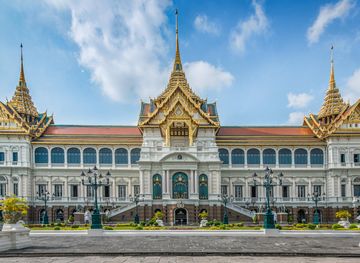
Looking beyond Tenasserim Hills? Discover Thailand for broader travel guides, local hot-spots, and regional highlights.
Explore ThailandTenasserim Hills in Photos
Browse through our photo collection highlighting the charm and character of the destination.


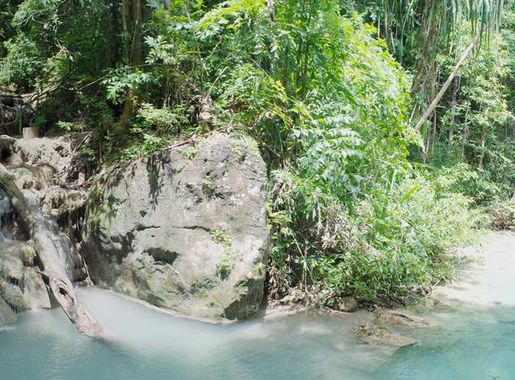
The Enchanting Tenasserim Hills: Thailand's Hidden Gem
The Tenasserim Hills, nestled in the heart of Thailand, offer a breathtaking escape into nature's embrace. Stretching from the Isthmus of Kra up to the border with Myanmar, these hills are a treasure trove of lush forests, diverse wildlife, and serene landscapes. The hills provide a perfect backdrop for trekking enthusiasts, nature lovers, and those seeking a tranquil retreat away from bustling city life. The region is renowned for its rich biodiversity. As you explore the hills, you might encounter exotic birds, rare mammals, and vibrant flora. The Khao Sok National Park, located within the Tenasserim range, is a must-visit spot, boasting some of the oldest evergreen rainforests in the world. Here, the towering limestone cliffs, hidden waterfalls, and the tranquil Cheow Lan Lake make for a picturesque experience. Cultural enthusiasts will find the Tenasserim Hills equally captivating. The area is steeped in history and local traditions. You can visit small villages where time seems to stand still, engage with the local communities, and learn about their age-old customs. The hills are also dotted with ancient temples and historical sites that tell tales from a bygone era. Whether you're seeking adventure or solace, the Tenasserim Hills in Thailand promise an unforgettable journey into the heart of nature and culture.