

Abaco Islands, The Bahamas Travel Guide
Discover the serene beauty of the Abaco Islands in The Bahamas, where pristine beaches, vibrant marine life, and charming villages await your adventure.
The Abaco Islands, located in the northern Bahamas, are a paradise for those seeking a serene escape. Known for their pristine beaches, crystal-clear waters, and vibrant marine life, the Abacos offer a tranquil retreat for travelers. The islands are dotted with charming villages and towns, each with its unique character and history. From the colonial architecture of Hope Town to the boat-building heritage of Man-O-War Cay, visitors will find a rich tapestry of culture and tradition. For nature enthusiasts, the Abacos are a dream come true. The islands boast some of the best sailing and boating waters in the world, with the calm, protected Sea of Abaco providing ideal conditions. Snorkelers and divers can explore the stunning coral reefs and underwater caves, teeming with colorful fish and other marine creatures. On land, the Abaco National Park is home to the endangered Abaco Parrot and offers numerous trails for hiking and bird-watching. The Abacos also cater to those looking for relaxation and luxury. With a range of accommodations from quaint guesthouses to luxurious resorts, there is something for every traveler. Dining in the Abacos is a treat, with fresh seafood and Bahamian specialties served in waterside restaurants and local eateries. Whether you're lounging on the beach, exploring the islands by boat, or indulging in the local cuisine, the Abaco Islands provide an unforgettable experience.

Know before you go
Hi, I'm Eve. Here are a few practical things to know before exploring Abaco Islands.
- Visit during the winter months for the best weather and fewer crowds.
- Rent a boat or take a ferry to explore the smaller cays and hidden beaches.
- Pack reef-safe sunscreen to protect the coral reefs while snorkeling.
- Try the local delicacy, conch salad, at a roadside stand for an authentic taste of the islands.
- Bring cash, as some smaller establishments may not accept credit cards.
Explore Abaco Islands: Things to Do, Places to Eat, Hotels & More
Handpicked recommendations for top attractions, local dining, accommodations, and more

Top Attractions & Sightseeing in Abaco Islands
Top-rated picks
Best Attractions

Castaway Ray's Stingray Adventure
Discover the magic of the ocean at Castaway Ray's Stingray Adventure, where you can snorkel and interact with friendly stingrays in paradise.

Pelican Plunge
Discover the excitement of Pelican Plunge, an exhilarating water park on Castaway Cay, perfect for families and thrill-seekers alike.

No Name Cay
Discover the enchanting No Name Cay in the Bahamas, where swimming pigs and stunning beaches create an unforgettable tropical paradise.

Great Guana Cay
Explore the enchanting Great Guana Cay, where pristine beaches meet vibrant marine life in a tropical paradise perfect for relaxation and adventure.

Best landmarks in Abaco Islands
Top-rated picks
Best Landmarks

Blue Lagoon Island Bahamas
Experience the breathtaking beauty and unforgettable adventures at Blue Lagoon Island, a tropical paradise in the Bahamas.

Grand Bahama
Explore Grand Bahama Island, a Bahamian paradise with stunning beaches, vibrant culture, and unforgettable experiences for every traveler.

Castaway Cay
Explore the enchanting Castaway Cay, Disney's private Bahamian paradise, offering pristine beaches, thrilling activities, and unforgettable family memories.

Colors
Experience the vibrant flavors of the Bahamas at Colors, a must-visit restaurant and bar & grill in Marsh Harbour.

Best restaurants in Abaco Islands
Top-rated picks
Best Restaurants

Colors
Experience the vibrant flavors of Bahamian cuisine at Colors in Marsh Harbour - a perfect spot for food lovers seeking authenticity.

Pete's Pub And Gallery
Experience authentic Bahamian cuisine and vibrant local art at Pete's Pub And Gallery in Little Harbour.

Jib Room Restaurant & Marsh Harbour Marina
Experience exquisite Caribbean dining at Jib Room Restaurant & Marsh Harbour Marina, where every meal comes with stunning waterfront views.

Nancy Seaside Inn Restaurant
Experience authentic Bahamian cuisine with stunning ocean views at Nancy Seaside Inn Restaurant in Sandy Point.

Best bars in Abaco Islands
Top-rated picks
Best Bars

Nippers Beach Bar & Grill
Experience tropical dining at Nippers Beach Bar & Grill, where exquisite flavors meet stunning ocean views on Great Guana Cay.

Colors
Explore the flavors of the Bahamas at Colors, a vibrant restaurant and bar & grill in Marsh Harbour offering fresh seafood and tropical drinks.

Grabbers Bed Bar and Grill
Experience exquisite dining with ocean views at Grabbers Bed Bar and Grill on Great Guana Cay, a must-visit culinary destination in the Bahamas.

Pete's Pub And Gallery
Experience the vibrant fusion of art and cuisine at Pete's Pub and Gallery in Little Harbour, a must-visit for all travelers.

Best nightclubs in Abaco Islands
Top-rated picks
Best Nightclubs

Pete's Pub And Gallery
Discover the vibrant ambiance of Pete's Pub And Gallery in Little Harbour, where delicious food meets local art in a picturesque Bahamian setting.

Sundowners Bar & Restaurant
Experience the vibrant nightlife of the Bahamas at Sundowners Bar & Restaurant, where great drinks, delicious food, and a lively atmosphere await you.

Da Pit Stop Bar
Discover Bahamian culture at Da Pit Stop Bar, a vibrant hotspot in Marsh Harbour, perfect for drinks, food, and fun.

Hideaway Sports Bar
Experience the vibrant nightlife at Hideaway Sports Bar in Marsh Harbour, where delicious food, refreshing drinks, and great company await you.

Best shops in Abaco Islands
Top-rated picks
Best Shops

Maxwell's Supermarket
Discover the vibrant shopping scene at Maxwell's Supermarket in Marsh Harbour, where local flavors and international products meet.

Crystal Court Shops
Discover luxury and local treasures at the Crystal Court Shops, Paradise Island's premier shopping destination in the Bahamas.

Abaco Groceries
Experience the vibrant flavors of Abaco at Abaco Groceries, your one-stop shop for local produce, seafood, and snacks in Marsh Harbour.

Jib Room Restaurant & Marsh Harbour Marina
Discover the vibrant atmosphere of Jib Room Restaurant & Marsh Harbour Marina, where delicious food meets stunning waterfront views.

Explore Abaco Islands on the Map
A handpicked selection of must-see spots in Abaco Islands, mapped for you.
Abaco Islands Essentials
-
The Abaco Islands in The Bahamas are most commonly accessed via Marsh Harbour Airport (MHH) and Treasure Cay Airport (TCB). These airports receive flights from major hubs like Miami, Fort Lauderdale, and Nassau. From the U.S., airlines such as American Airlines, Silver Airways, and Bahamasair offer regular flights. Once you arrive, you can take a taxi, rent a car, or arrange for a shuttle to your accommodation.
-
Transportation options on the Abaco Islands include rental cars, taxis, and bikes. Renting a car is a convenient way to explore the islands at your own pace. Taxis are available but can be expensive for long distances. Biking is popular in smaller areas. Ferries also operate between the main islands and cays, providing a scenic way to travel.
-
The official currency in The Bahamas is the Bahamian Dollar (BSD), which is pegged to the US Dollar (USD) at a 1:1 ratio. Both currencies are accepted interchangeably. Credit cards are widely accepted in hotels, restaurants, and shops, but it's advisable to carry some cash for smaller establishments and tips. ATMs are available in Marsh Harbour and Treasure Cay.
-
The Abaco Islands are generally safe for tourists, but it's always wise to take standard precautions. Avoid isolated areas, especially at night, and keep an eye on your belongings in crowded places. Marsh Harbour and Treasure Cay are relatively safe, but smaller cays can be more secluded. Always be aware of your surroundings and use common sense.
-
In case of emergency, dial 911 for immediate assistance. Marsh Harbour has a hospital, the Marsh Harbour Medical Clinic, and there are smaller medical facilities on other islands. Pharmacies are available for minor health issues. It's recommended to have travel insurance that covers medical emergencies. Familiarize yourself with the location of the nearest medical facility upon arrival.
-
Fashion: Do dress casually and comfortably; lightweight clothing is ideal. Avoid overly revealing attire in public places. Religion: Do respect local customs and traditions, especially when visiting churches. Public Transport: Do be patient; schedules can be flexible. Don't expect strict adherence to timetables. Greetings: Do greet people with a friendly 'Good morning' or 'Good afternoon.' Eating & Drinking: Do try local dishes like conch salad and Bahamian rock lobster. Don't refuse hospitality, as it is considered impolite.
-
To experience the Abaco Islands like a local, visit the local fish fry events, especially on weekends. Take part in community festivals and Junkanoo parades if your visit coincides with these events. Explore the smaller cays like Man-O-War Cay and Elbow Cay for a more intimate experience of Bahamian culture. Engage with locals who are often friendly and willing to share stories about their way of life.
When is the best time to visit Abaco Islands?
Useful Local Phrases for Abaco Islands
You don't need to speak the language perfectly. Even learning a few simple words can make conversations warmer—and locals usually appreciate the effort.
— Eve

Here are the phrases I use most often in Abaco Islands. Try a few—you'll be surprised how far they go! 😊
❤️
-
- HelloWah Gwaan
[Wah Gwaan] - GoodbyeLata
[Lata] - YesYea
[Yea] - NoNo
[No] - Please/You're welcomeNo problem
[No problem] - Thank youTank yuh
[Tank yuh] - Excuse me/SorrySowwy
[Sowwy] - How are you?How yuh doin'?
[How yuh doin'?] - Fine. And you?I good. An yuh?
[I good. An yuh?] - Do you speak English?Yuh speak English?
[Yuh speak English?] - I don't understandI noh undastand
[I noh undastand]
- HelloWah Gwaan
-
- I'd like to see the menu, pleaseMi wan see di menu, please
[Mi wan see di menu, please] - I don't eat meatI noh eat meat
[I noh eat meat] - Cheers!Cheers!
[Cheers!] - I would like to pay, pleaseMi wan pay, please
[Mi wan pay, please]
- I'd like to see the menu, pleaseMi wan see di menu, please
-
- Help!Help!
[Help!] - Go away!Go way!
[Go way!] - Call the Police!Call di Police!
[Call di Police!] - Call a doctor!Call a docta!
[Call a docta!] - I'm lostI lost
[I lost] - I'm illI sick
[I sick]
- Help!Help!
-
- I'd like to buy...Mi wan buy...
[Mi wan buy...] - I'm just lookingMi jus a look
[Mi jus a look] - How much is it?How much dat cost?
[How much dat cost?] - That's too expensiveDat too pricey
[Dat too pricey] - Can you lower the price?Can yuh drop di price?
[Can yuh drop di price?]
- I'd like to buy...Mi wan buy...
-
- What time is it?Wah time it?
[Wah time it?] - It's one o'clockIt one o'clock
[It one o'clock] - Half past (10)Half past ten
[Half past ten] - MorningMornin'
[Mornin'] - AfternoonAfternoon
[Afternoon] - EveningEvenin'
[Evenin'] - YesterdayYestahday
[Yestahday] - TodayToday
[Today] - TomorrowTomorra
[Tomorra] - 1One
[One] - 2Two
[Two] - 3Three
[Three] - 4Four
[Four] - 5Five
[Five] - 6Six
[Six] - 7Seven
[Seven] - 8Eight
[Eight] - 9Nine
[Nine] - 10Ten
[Ten]
- What time is it?Wah time it?
-
- Where's a/the...?Wheh di...?
[Wheh di...?] - What's the address?Wah di address?
[Wah di address?] - Can you show me (on the map)?Can yuh show me (pon di map)?
[Can yuh show me (pon di map)?] - When's the next (bus)?When di next (bus)?
[When di next (bus)?] - A ticket (to ....)A ticket (to....)
[A ticket (to....)]
- Where's a/the...?Wheh di...?
History of Abaco Islands
-
Long before European explorers set foot on the Abaco Islands, the Lucayan people, a branch of the Taíno, inhabited these lands. Their lives were deeply connected to the sea, subsisting mainly on fishing, farming, and trading with neighboring islands. The Lucayans left behind a rich legacy, including artifacts and cave drawings that offer a glimpse into their complex society and spiritual beliefs.
-
In 1492, Christopher Columbus's voyage brought the first Europeans to the Bahamas. However, it wasn't until the late 17th century that the Abaco Islands saw European settlement. British Loyalists fleeing the American Revolutionary War arrived in the 1780s. They established several settlements, including Marsh Harbour and Hope Town, and brought enslaved Africans with them, significantly impacting the islands' demographic and cultural landscape.
-
The Abaco Islands also have a storied history of piracy. During the late 17th and early 18th centuries, the islands' remote cays and hidden coves provided perfect hideouts for infamous pirates such as Blackbeard and Anne Bonny. These outlaws preyed on merchant ships passing through the region, leaving behind tales of buried treasure and daring escapades that still capture the imagination of visitors today.
-
In the late 19th and early 20th centuries, the economy of the Abaco Islands saw significant changes with the rise of the pine industry. Abaco pine, known for its strength and resilience, became a highly sought-after resource. Logging camps sprang up across the islands, and the timber industry became a major economic driver until the depletion of pine reserves in the mid-20th century.
-
The 20th century brought further transformation to the Abaco Islands. Tourism began to flourish, driven by the appeal of the islands' pristine beaches, clear waters, and rich marine life. The construction of modern infrastructure, including airports and resorts, facilitated easier access and attracted visitors from around the world. The Abaco Islands have since become a premier destination for yachting, fishing, and eco-tourism.
-
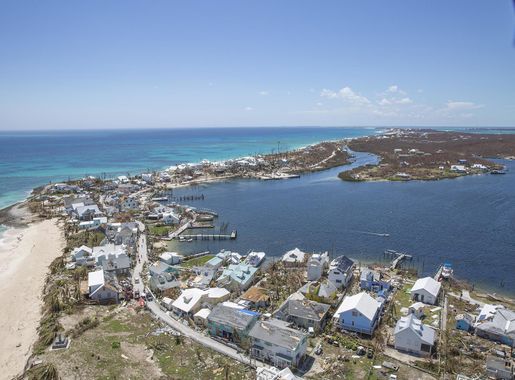
In September 2019, Hurricane Dorian, one of the most powerful Atlantic hurricanes on record, struck the Abaco Islands with devastating force. The hurricane caused widespread destruction, particularly in Marsh Harbour and other northern settlements. The aftermath of Dorian has been marked by a resilient recovery effort, with communities coming together to rebuild and restore the islands' natural beauty and infrastructure.
Neighbouring Regions of Abaco Islands
The closest regions to Abaco Islands, if you have time for more than one.




Your all‑in‑one travel companion app
Explore expert travel guides, compare and book tours, experiences, hotels, and more—all from the palm of your hand. Download now for seamless trip planning wherever your wanderlust takes you.


Explore More of The Bahamas

Looking beyond Abaco Islands? Discover The Bahamas for broader travel guides, local hot-spots, and regional highlights.
Explore The BahamasAbaco Islands in Photos
Browse through our photo collection highlighting the charm and character of the destination.


Abaco Islands: The Jewel of The Bahamas
The Abaco Islands, located in the northern Bahamas, are a paradise for those seeking a serene escape. Known for their pristine beaches, crystal-clear waters, and vibrant marine life, the Abacos offer a tranquil retreat for travelers. The islands are dotted with charming villages and towns, each with its unique character and history. From the colonial architecture of Hope Town to the boat-building heritage of Man-O-War Cay, visitors will find a rich tapestry of culture and tradition. For nature enthusiasts, the Abacos are a dream come true. The islands boast some of the best sailing and boating waters in the world, with the calm, protected Sea of Abaco providing ideal conditions. Snorkelers and divers can explore the stunning coral reefs and underwater caves, teeming with colorful fish and other marine creatures. On land, the Abaco National Park is home to the endangered Abaco Parrot and offers numerous trails for hiking and bird-watching. The Abacos also cater to those looking for relaxation and luxury. With a range of accommodations from quaint guesthouses to luxurious resorts, there is something for every traveler. Dining in the Abacos is a treat, with fresh seafood and Bahamian specialties served in waterside restaurants and local eateries. Whether you're lounging on the beach, exploring the islands by boat, or indulging in the local cuisine, the Abaco Islands provide an unforgettable experience.