
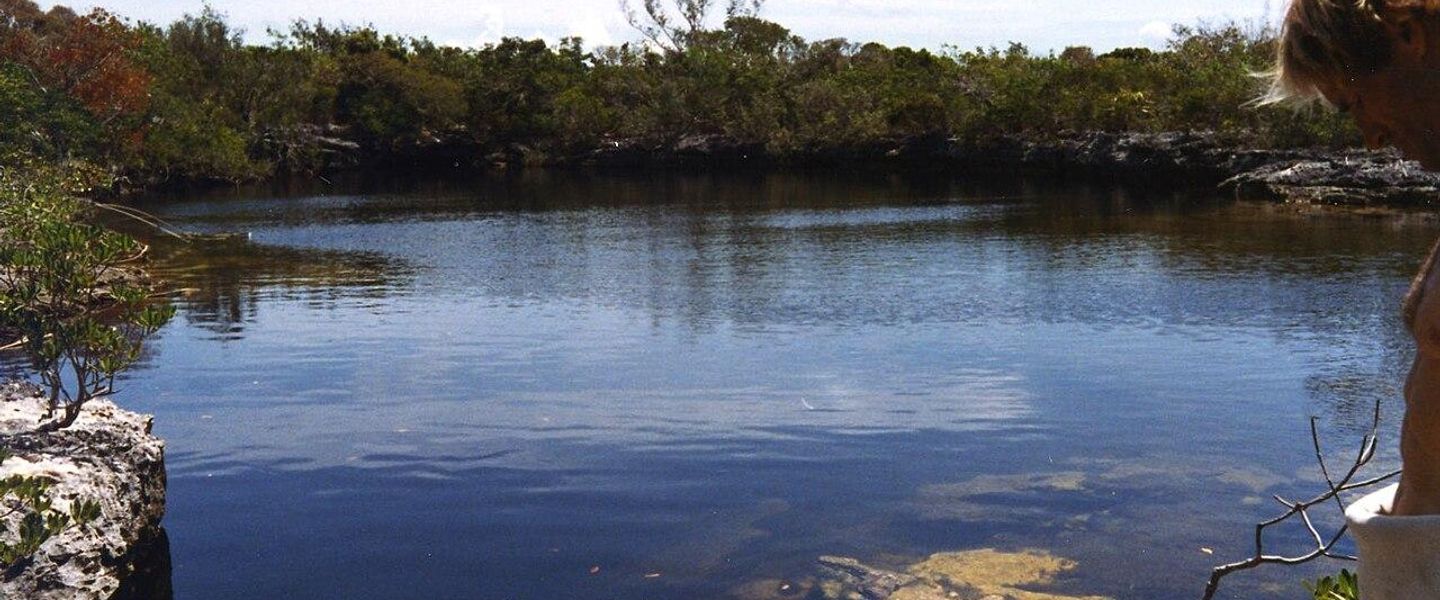
Andros, The Bahamas Travel Guide
Discover the untamed beauty of Andros, Bahamas, where blue holes, coral reefs, and lush forests create a paradise for nature lovers and adventure seekers.
Andros is the largest island in The Bahamas, yet it remains one of the least explored, offering a unique sense of isolation and untouched beauty. The island is divided into three main parts: North Andros, Central Andros, and South Andros, each offering its own distinct charm. Visitors can expect to find a mesmerizing mix of blue holes, coral reefs, and lush forests, making it a paradise for nature lovers and adventure seekers alike. One of the most captivating features of Andros is its stunning blue holes, which are underwater sinkholes formed by the collapse of limestone bedrock. These natural wonders are perfect for diving and snorkeling, allowing you to explore a hidden world beneath the surface. Andros is also home to the third-largest barrier reef in the world, providing an incredible opportunity to witness vibrant marine life up close. For those who prefer to stay on land, Andros offers an abundance of hiking trails that wind through its wild and diverse landscapes. The island's national parks are teeming with exotic flora and fauna, including rare bird species and colorful orchids. Fishing enthusiasts will find Andros to be a dream destination, as it is renowned for its bonefishing flats, where you can cast your line in crystal-clear waters. The local culture on Andros is rich and vibrant, with a history deeply rooted in the traditions of the Lucayan Indians and African slaves. Visitors can immerse themselves in the island's heritage by visiting local settlements, experiencing Junkanoo festivals, and savoring authentic Bahamian cuisine. Andros is a place where you can disconnect from the hustle and bustle of modern life and reconnect with nature and yourself.

Know before you go
Hi, I'm Eve. Here are a few practical things to know before exploring Andros.
- Bring sturdy hiking shoes for exploring the island's trails and national parks.
- Don't miss the chance to dive or snorkel in one of Andros's many blue holes.
- Visit the local settlements to experience the rich cultural heritage of the island.
- Pack insect repellent, especially if you plan to hike or explore the forests.
- Try the local Bahamian dishes, such as conch salad and fried fish, for an authentic culinary experience.
Top City Travel Guides in Andros
The cities of Andros, and the easiest places to base yourself.

Destinations in Andros
Resorts, valleys and scenic spots worth a trip of their own.

Explore Andros: Things to Do, Places to Eat, Hotels & More
Handpicked recommendations for top attractions, local dining, accommodations, and more

Top Attractions & Sightseeing in Andros
Top-rated picks
Best Attractions

Stuart Cove's
Explore the vibrant underwater world of the Bahamas at Stuart Cove's, your ultimate dive shop in Nassau offering unforgettable diving and snorkeling adventures.

Jaw's Beach
Discover the serene beauty and vibrant adventures at Jaw's Beach in Nassau, a perfect getaway for relaxation and water sports enthusiasts.

Clifton Heritage National Park
Explore Clifton Heritage National Park, where nature meets history in the heart of Nassau, Bahamas, offering stunning landscapes and rich cultural experiences.

West Side National Park
Explore the unspoiled wilderness of West Side National Park, a natural sanctuary in the Bahamas, offering adventure, tranquility, and breathtaking landscapes.

Best landmarks in Andros
Top-rated picks
Best Landmarks
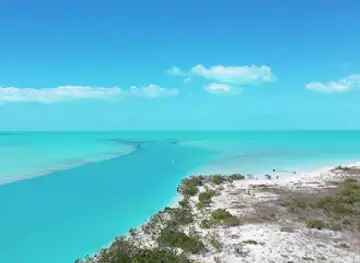
West Side National Park
Explore the untouched beauty of West Side National Park in Andros, Bahamas - a paradise for nature lovers and adventure seekers alike.

Small Hope Bay Lodge
Experience the ultimate Bahamian escape at Small Hope Bay Lodge, where stunning beaches, vibrant marine life, and adventure await.

Andros Island Beach Resort
Experience the beauty of Andros Island at Andros Island Beach Resort, a perfect blend of relaxation, adventure, and Bahamian culture.
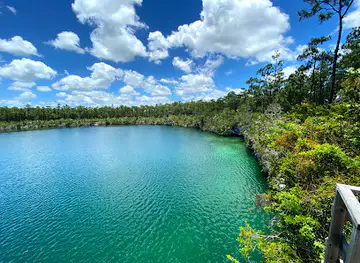
Captain Bill's Blue Hole
Discover the enchanting Captain Bill's Blue Hole—an adventure-filled national park in the Bahamas with stunning natural landscapes and vibrant marine life.

Best restaurants in Andros
Top-rated picks
Best Restaurants

Oh Andros
Discover authentic Bahamian flavors at Oh Andros in Nassau - where every dish tells a story of island heritage and culinary excellence.

La Caverna
Experience authentic Italian cuisine at La Caverna in Nassau's lively Caves Village Plaza – where every meal is a celebration of flavor.

Island Brothers Cie
Discover authentic Bahamian cuisine at Island Brothers Cie in Nassau - where every meal tells a story.

Brigadier's Restaurant
Experience authentic Bahamian cuisine at Brigadier's Restaurant in Hard Bargain – where every meal is a celebration of local flavors.

Best bars in Andros
Top-rated picks
Best Bars

Oh Andros
Discover the vibrant tastes of the Bahamas at Oh Andros, where fresh seafood meets authentic Bahamian hospitality.

Da Daiquiri Shack
Experience the ultimate tropical escape at Da Daiquiri Shack, where fresh flavors and island vibes come together in Nassau, Bahamas.

The Swimming Pig Gastropub
Discover the culinary delights of The Swimming Pig Gastropub, where local flavors meet international cuisine in a vibrant Bahamian setting.

Bon Vivants
Experience the perfect blend of upscale ambiance and relaxed island vibes at Bon Vivants in Nassau, Bahamas.

Best nightclubs in Andros
Top-rated picks
Best Nightclubs

Xscape Lounge & Nightclub
Unleash your nightlife spirit at Xscape Lounge & Nightclub in Nassau, where fun, music, and vibrant energy collide for an unforgettable experience.

Aura
Discover the electrifying atmosphere of Aura Nightclub on Paradise Island, where unforgettable nights and vibrant music await party enthusiasts.

Andros Beach Club
Discover the beauty and adventure of Andros Beach Club, the ultimate resort destination offering relaxation, diving, and fishing in the Bahamas.

The Red Door
Experience the vibrant flavors of the Bahamas at The Red Door, where local cuisine meets a warm, welcoming atmosphere on Queen's Hwy.

Best shops in Andros
Top-rated picks
Best Shops

Nassau Straw Market
Discover the essence of Bahamian culture at Nassau Straw Market, a lively hub for unique crafts and souvenirs in the heart of Nassau.

Marathon Mall
Discover the vibrant shopping experience at Marathon Mall in Nassau, featuring diverse stores, dining options, and entertainment for all ages.

Crystal Court Shops
Explore luxury and local craftsmanship at the Crystal Court Shops, your premier shopping destination in Paradise Island, Bahamas.

Home Fabrics Ltd - Carmichael
Explore the creative world of Home Fabrics Ltd in Nassau, your one-stop destination for vibrant fabrics, crafting supplies, and party essentials.

Explore Andros on the Map
A handpicked selection of must-see spots in Andros, mapped for you.
Andros Essentials
-
Andros, the largest island in The Bahamas, can be accessed via several means. The primary way to get there is by air. There are daily flights from Nassau, the capital of The Bahamas, to Andros Town Airport (ASD), Congo Town Airport (TZN), and San Andros Airport (SAQ). You can also take a ferry from Nassau to Fresh Creek or Mangrove Cay. Private boats are another option, as Andros has several marinas.
-
Transportation on Andros is somewhat limited, given its large size and relatively sparse population. Renting a car is the most convenient way to explore the island. Taxi services are available, but they can be expensive for longer distances. Bicycles can be rented in some areas for a more eco-friendly option. There are no public buses on Andros. Boat rentals or guided boat tours are popular for exploring the island's extensive waterways and blue holes.
-
The official currency of The Bahamas is the Bahamian Dollar (BSD), which is pegged to the US Dollar (USD) at a 1:1 ratio. Both currencies are widely accepted. Credit cards are accepted in larger establishments, but smaller businesses and remote areas may only accept cash. ATMs are available in larger settlements like Andros Town, but it is advisable to carry sufficient cash when traveling to more remote areas.
-
Andros is generally a safe destination, but standard travel precautions should always be taken. Avoid walking alone at night in unfamiliar areas and always secure your belongings. Though crime rates targeting tourists are relatively low, it is wise to stay vigilant. There are no specific high-crime areas on Andros, but it is always best to stay in well-populated and well-lit areas.
-
In case of emergency, dial 911 for immediate assistance. Andros has several medical facilities, including the Andros Town Clinic and the Mangrove Cay Health Center, which provide basic medical services. For more severe emergencies, evacuation to Nassau might be necessary. It is highly recommended to have travel insurance that covers medical emergencies. Pharmacies are available in major settlements for over-the-counter medications.
-
Fashion: Do wear light, breathable clothing suitable for tropical climates. When visiting churches or local communities, opt for modest attire. Avoid overly revealing clothing. Religion: Do respect the local customs and traditions. It is polite to attend Sunday church services if invited. Public Transport: There is no public transport system on Andros, so plan accordingly. If using taxis, agree on the fare in advance. Greetings: Do greet people with a friendly 'Good Morning' or 'Good Afternoon'. A handshake is also common. Eating & Drinking: Do try local dishes like conch salad and fresh seafood. Always accept food and drink offerings graciously.
-
To experience Andros like a local, visit the local fish fry events where you can enjoy fresh seafood and Bahamian music. Engage with locals; they are often very friendly and willing to share stories about the island's rich history and folklore. Don’t miss exploring the blue holes and national parks, which are unique to Andros. For a unique experience, consider staying in a local guesthouse or eco-lodge to truly immerse yourself in the local culture.
When is the best time to visit Andros?
Useful Local Phrases for Andros
You don't need to speak the language perfectly. Even learning a few simple words can make conversations warmer—and locals usually appreciate the effort.
— Eve

Here are the phrases I use most often in Andros. Try a few—you'll be surprised how far they go! 😊
❤️
-
- HelloWah Gwan
[Wah Gwan] - GoodbyeLater
[Lay-tah] - YesYea
[Yea] - NoNah
[Nah] - Please/You're welcomeNo problem
[No prob-lem] - Thank youTank you
[Tank yuh] - Excuse me/SorrySorry
[Sah-ree] - How are you?How yuh doin’?
[How yuh doin’?] - Fine. And you?I’m good. An yuh?
[I’m good. An yuh?] - Do you speak English?Yuh speak English?
[Yuh speak English?] - I don't understandI no understand
[I no un-der-stand]
- HelloWah Gwan
-
- I'd like to see the menu, pleaseCan I see the menu, please?
[Can I see de men-yu, please?] - I don't eat meatI don' eat meat
[I don' eat meat] - Cheers!Cheers!
[Cheers!] - I would like to pay, pleaseI wanna pay, please
[I wanna pay, please]
- I'd like to see the menu, pleaseCan I see the menu, please?
-
- Help!Help!
[Help!] - Go away!Get outta here!
[Get outta here!] - Call the Police!Call di Police!
[Call di Po-lice!] - Call a doctor!Call a doctor!
[Call a doc-tah!] - I'm lostI lost
[I lost] - I'm illI sick
[I sick]
- Help!Help!
-
- I'd like to buy...I wanna buy...
[I wanna buy...] - I'm just lookingI just looking
[I just looking] - How much is it?How much dat?
[How much dat?] - That's too expensiveDat too expensive
[Dat too ex-pen-sive] - Can you lower the price?Can yuh lower di price?
[Can yuh lower di price?]
- I'd like to buy...I wanna buy...
-
- What time is it?Wah time it is?
[Wah time it is?] - It's one o'clockIt one o’clock
[It one o’clock] - Half past (10)Half past ten
[Half past ten] - MorningMornin’
[Mornin’] - AfternoonAfternoon
[Afternoon] - EveningEvenin’
[Evenin’] - YesterdayYesterday
[Yesterday] - TodayToday
[Today] - TomorrowTomorrow
[Tomorrow] - 1One
[One] - 2Two
[Two] - 3Three
[Three] - 4Four
[Four] - 5Five
[Five] - 6Six
[Six] - 7Seven
[Seven] - 8Eight
[Eight] - 9Nine
[Nine] - 10Ten
[Ten]
- What time is it?Wah time it is?
-
- Where's a/the...?Where di...?
[Where di...?] - What's the address?Wah di address?
[Wah di ad-dress?] - Can you show me (on the map)?Can yuh show me (pon di map)?
[Can yuh show me (pon di map)?] - When's the next (bus)?When di next (bus)?
[When di next (bus)?] - A ticket (to ....)A ticket (to....)
[A ticket (to....)]
- Where's a/the...?Where di...?
History of Andros
-
Before European contact, Andros was inhabited by the Lucayans, a peaceful Arawakan-speaking people. They lived off fishing, farming, and gathering, and their society was organized in small villages. The Lucayans were known for their elaborate ceremonial practices and extensive trade networks across the Caribbean.
-
Christopher Columbus is believed to have sighted Andros on his first voyage to the New World in 1492. However, it was the Spanish explorers who followed Columbus that had a more significant impact, leading to the eventual depopulation of the Lucayan people through enslavement and disease.
-
In the late 1600s and early 1700s, Andros became a haven for pirates and privateers. By the 18th century, the British established control over the Bahamas, including Andros. Loyalists fleeing the American Revolution settled on Andros, bringing enslaved Africans with them, which significantly influenced the island’s demographics and culture.
-
During the American Civil War, Andros played a part in the blockade-running operations. Nassau, the capital of the Bahamas, became a central hub for blockade runners, and Andros provided resources and safe havens for these ships. This period brought a temporary economic boom to the region.
-
In the late 19th and early 20th centuries, Andros became a center for the sponging industry. Sponging was a significant economic activity, with many local families involved. The industry thrived until the early 1930s when a marine disease devastated the sponge beds, leading to economic hardship.
-
During World War II, the United States established a naval base on Andros as part of the Lend-Lease Agreement with the United Kingdom. This base played a crucial role in anti-submarine operations in the Atlantic and brought infrastructural development to the island.
-
Post-World War II, Andros saw various development projects aimed at improving the island's infrastructure and economy. The AUTEC (Atlantic Undersea Test and Evaluation Center), established by the U.S. Navy in the 1960s, is one of the most significant modern developments, providing jobs and technological advancements.
-
Andros is renowned for its rich cultural heritage, which includes traditional crafts like basket weaving and wood carving, influenced by both African and Lucayan traditions. The island is also famous for its 'Junkanoo' festival, a vibrant display of Bahamian music, dance, and costumes that takes place annually.
-
Andros boasts one of the largest barrier reef systems in the world and a vast network of blue holes and underwater caves. These natural features have made the island a focal point for ecological and marine research. The island’s unique ecosystems continue to attract scientists and eco-tourists alike.
Neighbouring Regions of Andros
The closest regions to Andros, if you have time for more than one.



Your all‑in‑one travel companion app
Explore expert travel guides, compare and book tours, experiences, hotels, and more—all from the palm of your hand. Download now for seamless trip planning wherever your wanderlust takes you.


Explore More of The Bahamas

Looking beyond Andros? Discover The Bahamas for broader travel guides, local hot-spots, and regional highlights.
Explore The BahamasAndros in Photos
Browse through our photo collection highlighting the charm and character of the destination.




Andros: The Untamed Beauty of The Bahamas
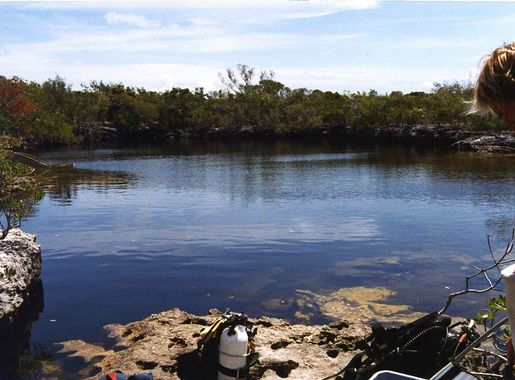
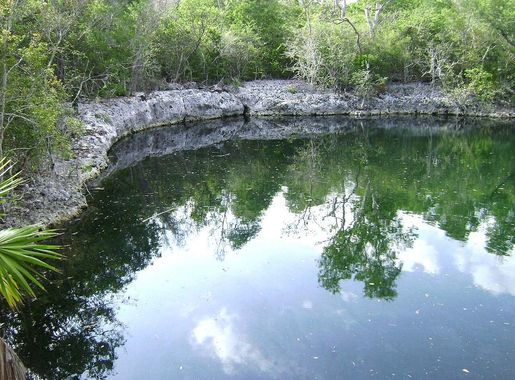
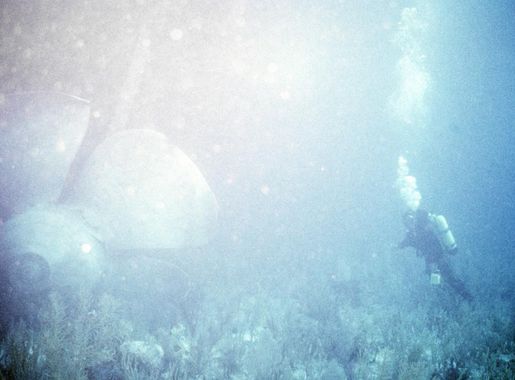
Andros is the largest island in The Bahamas, yet it remains one of the least explored, offering a unique sense of isolation and untouched beauty. The island is divided into three main parts: North Andros, Central Andros, and South Andros, each offering its own distinct charm. Visitors can expect to find a mesmerizing mix of blue holes, coral reefs, and lush forests, making it a paradise for nature lovers and adventure seekers alike. One of the most captivating features of Andros is its stunning blue holes, which are underwater sinkholes formed by the collapse of limestone bedrock. These natural wonders are perfect for diving and snorkeling, allowing you to explore a hidden world beneath the surface. Andros is also home to the third-largest barrier reef in the world, providing an incredible opportunity to witness vibrant marine life up close. For those who prefer to stay on land, Andros offers an abundance of hiking trails that wind through its wild and diverse landscapes. The island's national parks are teeming with exotic flora and fauna, including rare bird species and colorful orchids. Fishing enthusiasts will find Andros to be a dream destination, as it is renowned for its bonefishing flats, where you can cast your line in crystal-clear waters. The local culture on Andros is rich and vibrant, with a history deeply rooted in the traditions of the Lucayan Indians and African slaves. Visitors can immerse themselves in the island's heritage by visiting local settlements, experiencing Junkanoo festivals, and savoring authentic Bahamian cuisine. Andros is a place where you can disconnect from the hustle and bustle of modern life and reconnect with nature and yourself.