

Free Grand Bahama Travel Guide & Mobile App
Explore Grand Bahama with free travel guides. Discover regional history, expert tips, proposed trips, and audio guides on web or mobile app.


Explore Grand Bahama for reef trips, pine forests, Lucayan heritage, long beaches and the contrasting energy of Freeport and Lucaya.
Read more about Grand Bahama
When is the best time to visit Grand Bahama?
Best: December–February · 26°C| Month | High (°C) | Rainfall (mm) |
|---|---|---|
| January (best) | 26 | 57 |
| February (best) | 26 | 54 |
| March | 27 | 54 |
| April | 28 | 57 |
| May | 30 | 108 |
| June | 31 | 180 |
| July | 32 | 162 |
| August | 32 | 198 |
| September | 32 | 198 |
| October | 30 | 162 |
| November | 28 | 108 |
| December (best) | 26 | 57 |
Getting to and around Grand Bahama
How to get there
Transportation
Top city travel guides in Grand Bahama
The cities of Grand Bahama, and the easiest places to base yourself.
-

-


Swipe for more cities
Destinations in Grand Bahama
Resorts, valleys and scenic spots worth a trip of their own.

Swipe for more destinations
Best attractions in Grand Bahama
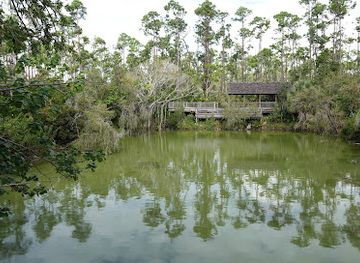
Grand Bahama’s attractions combine marine recreation, protected landscapes and the planned leisure districts around Freeport and Lucaya. Lucayan National Park is the island’s principal nature attraction, bringing together pine forest, mangroves, coastal scenery, archaeological traces and an extensive underwater cave system; Gold Rock Beach lies within the park and is especially dependent on tide and weather for its appearance. Peterson Cay National Park, reached by boat from the south coast, offers shallow reefs and opportunities for snorkelling and kayaking. Around Freeport and Lucaya, visitors can arrange diving, fishing, dolphin encounters, sailing and other water-based excursions, while Garden of the Groves provides cultivated gardens, birdwatching and shaded paths. The Rand Nature Centre introduces native plants and local birdlife in an accessible setting. Further afield, the island’s settlements, pine roads, beaches and fishing communities offer a less resort-focused experience, while West End and the eastern districts appeal to travellers interested in quieter coastal landscapes and the island’s working communities.
-
Amusement park
Pirate's Cove Zipline and Water Park
Experience the thrill of adventure and relaxation at Pirate's Cove Zipline and Water Park in Freeport, Bahamas, where fun awaits for all ages.
-
Botanical garden
Garden of the Groves
Experience the serene beauty of the Garden of the Groves in Freeport, a botanical garden filled with exotic plants and tranquil landscapes.
-
Nature preserve
Rand Nature Center
Explore the natural wonders of Rand Nature Center, a serene nature preserve in Freeport, Grand Bahama, perfect for nature lovers and families seeking tranquility.
-
National park
Lucayan National Park
Explore the natural wonders of Lucayan National Park, where pristine beaches, stunning caves, and rich biodiversity await your discovery.

Best landmarks in Grand Bahama
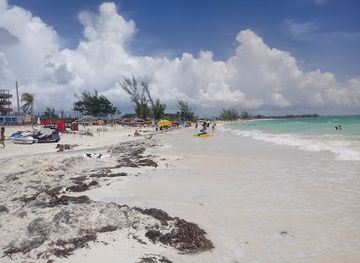
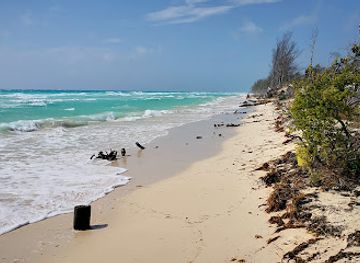
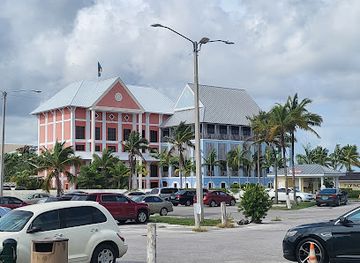
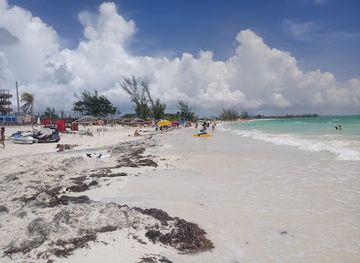
The most recognisable natural landmark on Grand Bahama is the long, pale shoreline of Gold Rock Beach, part of Lucayan National Park and backed by woodland and mangrove habitats. The park’s cave system is also significant, linking the visible landscape with a submerged geological world that has preserved evidence of past Lucayan occupation. Peterson Cay, a small protected island off the south coast, is a distinctive marine landmark and an important reference point for boat excursions. In Freeport, the deep-water harbour and planned urban layout represent the island’s twentieth-century transformation into a centre of shipping, industry and tourism, while the Port Lucaya waterfront symbolises its leisure economy. The Rand Nature Centre and Garden of the Groves are notable for presenting Grand Bahama’s vegetation and birdlife in accessible settings. Beyond these better-known sites, the island’s pine forests, limestone terrain and low coastal horizons form a landscape landmark in their own right, contrasting with the denser urban development of the west.
-
Shopping mall
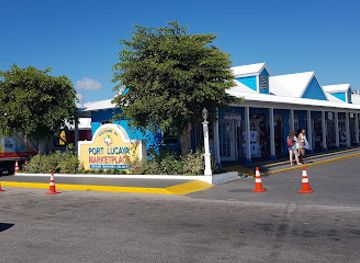
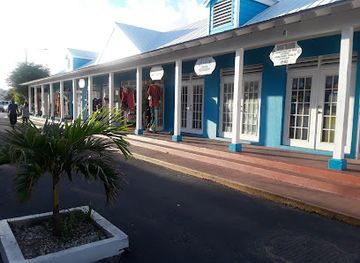
Port Lucaya Marketplace
Discover the vibrant Port Lucaya Marketplace in Freeport, a shopping and dining paradise offering local crafts, seafood, and live entertainment against a tropical backdrop.
-
 Resort hotel
Lighthouse Pointe at Grand Lucayan Resort - All Inclusive
Experience the ultimate all-inclusive getaway at Lighthouse Pointe at Grand Lucayan Resort, where luxury meets the stunning scenery of the Bahamas.
-
Amusement park
Pirate's Cove Zipline and Water Park
Experience thrilling zip lines and refreshing water slides at Pirate's Cove, the ultimate amusement park in Freeport for family fun and adventure.
-
Supermarket
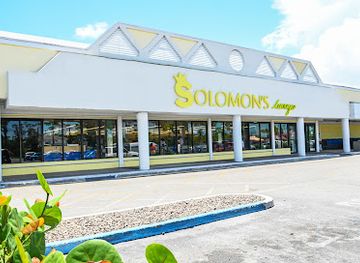
Solomon's Lucaya
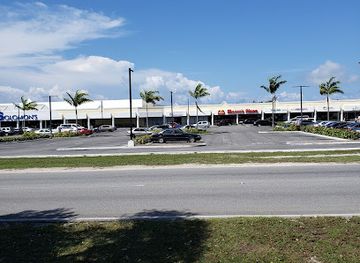
Discover the essence of Bahamian culture at Solomon's Lucaya, your ultimate supermarket destination in Freeport for local and international delights.
Explore Grand Bahama on the map
Plan your trip on one map. See where the top cities, national parks and sights are, and book hotels and experiences in a few clicks.
Best hotels in Grand Bahama
Best restaurants in Grand Bahama
Dining on Grand Bahama ranges from hotel restaurants and contemporary venues in Freeport and Lucaya to informal cafés, beachside cooking and family-run establishments in the wider settlements. Seafood is central to the island’s food culture, with conch, grouper, snapper and spiny lobster appearing when locally available; conch salad and cracked conch are familiar Bahamian preparations, while grilled fish suits the coastal setting. Bahamian staples such as peas and rice, macaroni and cheese, fried plantain and johnnycake commonly accompany meals, and guava duff is a well-known dessert across the country. Port Lucaya and the surrounding resort area provide the broadest selection for visitors, including international cuisines, while smaller communities offer a more limited but often distinctly local choice. Markets and shops are useful for fruit, baked goods, drinks and provisions for self-catering, though availability can vary with season, weather and supply deliveries.
-
Restaurant
Banana Bay
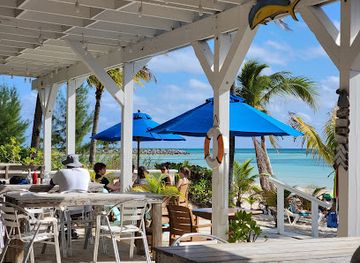
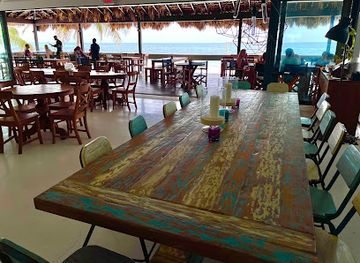
Experience the flavors of Bahamian cuisine at Banana Bay – where every meal is paired with breathtaking ocean views.
-
Greek
Zorba's Greek Restaurant
Experience authentic Greek cuisine at Zorba's Greek Restaurant in Port Lucaya Marketplace - where every bite transports you to Greece.
-
Restaurant
The Stoned Crab Restaurant
Experience authentic Bahamian cuisine at The Stoned Crab Restaurant on Taino Beach—where fresh seafood meets stunning ocean views.
-
Restaurant
Flying Fish GastroBar
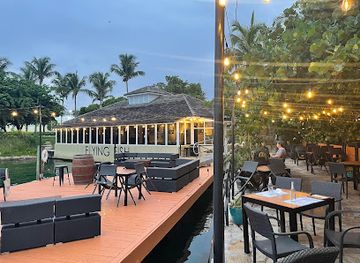
Discover exquisite Bahamian cuisine at Flying Fish GastroBar in Freeport - where every dish tells a story.
Best bars in Grand Bahama
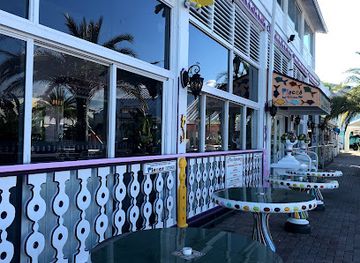
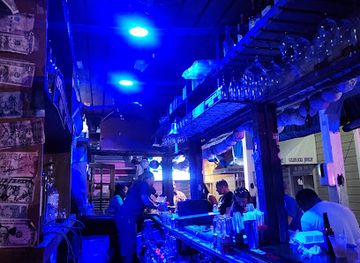
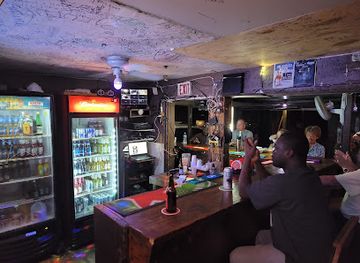
Grand Bahama’s evening life is concentrated in Freeport, Lucaya and the Port Lucaya area rather than spread evenly across the island. Visitors will find resort bars, waterfront restaurants, casual pubs, live music and places serving Bahamian drinks, with activity often shaped by hotel occupancy and the season. The atmosphere is generally more relaxed than that of a major Caribbean capital, and many evenings centre on dining, conversation, music and views across the marina rather than late-night clubbing. Local bars may offer a more informal setting away from the main resort areas, while larger hotels sometimes schedule entertainment for guests. Opening arrangements and venues can change, particularly after storms or during quieter periods, so check locally rather than relying on old listings. Alcohol is not essential to experiencing the island’s evenings: sunset walks, seafood dinners and community events can be equally characteristic.
-
Restaurant
Flying Fish GastroBar
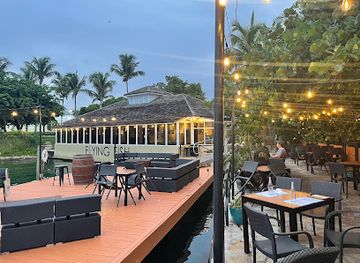
Discover culinary excellence at Flying Fish GastroBar, where Bahamian flavors meet innovative cuisine in a stunning waterfront setting.
-
Grill
Rum Runners Bar & Grill
Experience the vibrant flavors of Bahamian cuisine at Rum Runners Bar & Grill in Freeport, where great food meets a stunning waterfront view.
-
Pub
Rum Runners
Enjoy a vibrant atmosphere and delicious local cuisine at Rum Runners, the quintessential pub experience in Freeport, Bahamas.
-
Restaurant
Agave Lucaya
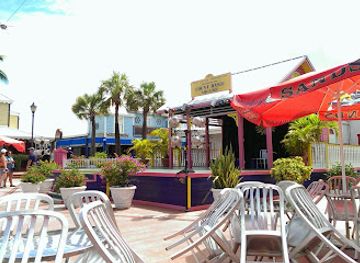
Experience the vibrant flavors of the Bahamas at Agave Lucaya, a culinary oasis in the heart of Port Lucaya Marketplace, perfect for tourists.


Best nightclubs in Grand Bahama
Grand Bahama’s evening life is concentrated in Freeport, Lucaya and the Port Lucaya area rather than spread evenly across the island. Visitors will find resort bars, waterfront restaurants, casual pubs, live music and places serving Bahamian drinks, with activity often shaped by hotel occupancy and the season. The atmosphere is generally more relaxed than that of a major Caribbean capital, and many evenings centre on dining, conversation, music and views across the marina rather than late-night clubbing. Local bars may offer a more informal setting away from the main resort areas, while larger hotels sometimes schedule entertainment for guests. Opening arrangements and venues can change, particularly after storms or during quieter periods, so check locally rather than relying on old listings. Alcohol is not essential to experiencing the island’s evenings: sunset walks, seafood dinners and community events can be equally characteristic.
-
Pub
Rum Runners
Experience the vibrant atmosphere and delicious cuisine of Rum Runners, a must-visit pub in Freeport's beautiful Bell Channel Bay.
-
Bar
Two Dollar Bar
Experience the lively atmosphere and affordable drinks at Two Dollar Bar in Freeport, a local gem for tourists exploring the Bahamas.
-
Bar
Bones Bar
Experience the vibrant nightlife at Bones Bar, where tropical cocktails and stunning bay views create the perfect atmosphere for relaxation and fun in Freeport.
-
Bar
Playaz Lounge
Experience the vibrant nightlife at Playaz Lounge in Freeport, Bahamas, where cocktails, music, and good vibes await.
Best shops in Grand Bahama
Shopping on Grand Bahama is centred on Freeport and Lucaya, with the Port Lucaya area traditionally providing a convenient concentration of boutiques, craft stalls, restaurants and visitor-oriented retail. Stock and individual businesses can change, so travellers should treat it as a district rather than depend on a particular shop. The island’s marketable local products include Bahamian art, straw work, wood carving, jewellery, paintings, shell-inspired crafts, spices and packaged food products. Independent shops and small galleries offer more character than standard resort retail, while supermarkets and larger commercial areas are practical for provisions, beach essentials and gifts. Markets and roadside stalls may sell fruit or handmade goods, especially in the more populated western communities, but opening patterns can be informal. When buying crafts, ask about materials and origin, avoid collecting protected shells or coral, and consider purchasing directly from local makers where possible.
-
Shopping mall
Port Lucaya Marketplace
Experience the vibrant Port Lucaya Marketplace, a shopping and dining oasis in Freeport, Bahamas, showcasing local culture, cuisine, and unique crafts.
-
Supermarket
Solomon's Lucaya
Experience the vibrant flavors of the Bahamas at Solomon's Lucaya, your go-to supermarket for local and international delights.
-
Grocery store
Sawyer's Fresh Market
Discover local flavors and fresh produce at Sawyer's Fresh Market in Freeport, a must-visit grocery store for every traveler.
-
Shopping mall
The Lucaya Shopping Centr
Experience shopping like never before at The Lucaya Shopping Centre, Freeport's vibrant hub for fashion, food, and fun.

Get your free copy of our complete guide to Grand Bahama, delivered straight to you.
Everything on this page, from attractions and restaurants to essentials and local phrases, in one PDF you can read offline, print or share.
Already have an account? Sign in
Your Grand Bahama guide is ready.
We'll send it to · Not you? Sign out

Getting your guide ready…
We are putting together a fresh copy of the Grand Bahama guide. This can take up to a minute.
This can take a few moments. If your browser asks, choose Allow so the download can start. You'll find the guide in your Downloads folder.
Nothing happened? Download it again
Sorry, the guide is taking longer than usual. Please try again in a minute, or get it by email instead.
Grand Bahama essentials
Currency and Payment
Safety
Emergency Situations
Do's and Don'ts
Local Tips
From Eve
Local phrases worth knowing
You don't need to get them perfect. A few words go a long way, and locals appreciate the effort.
Basics
| English | Local | Say it |
|---|---|---|
| Hello | Hello | [Heh-loh] |
| Goodbye | Goodbye | [Goo-dbye] |
| Yes | Yeah | [Yeh] |
| No | No | [No] |
| Please/You're welcome | Please | [Pleez] |
| Thank you | Thank you | [Tank yuh] |
| Excuse me/Sorry | Excuse me | [Ex-kyoos me] |
| How are you? | How you doin'? | [How yuh doin'?] |
| Fine. And you? | I good. And you? | [I gud. An yuh?] |
| Do you speak English? | Yuh speak English? | [Yuh speek Ing-lish?] |
| I don't understand | I no understand | [I noh undahstand] |
Eating & Drinking
| English | Local | Say it |
|---|---|---|
| I'd like to see the menu, please | Can I see the menu, please? | [Can I see the men-yoo, pleez?] |
| I don't eat meat | I no eat meat | [I noh eet meet] |
| Cheers! | Cheers! | [Cheers!] |
| I would like to pay, please | I wanna pay, please | [I wanna pay, pleez] |
Emergencies
| English | Local | Say it |
|---|---|---|
| Help! | Help! | [Help!] |
| Go away! | Go away! | [Go away!] |
| Call the Police! | Call di Police! | [Call di Po-lees!] |
| Call a doctor! | Call a doctor! | [Call a doctah!] |
| I'm lost | I lost | [I lost] |
| I'm ill | I sick | [I sik] |
Shopping
| English | Local | Say it |
|---|---|---|
| I'd like to buy... | I wanna buy... | [I wanna buy...] |
| I'm just looking | I just looking | [I just lookin'] |
| How much is it? | How much dat? | [How much dat?] |
| That's too expensive | Dat too expensive | [Dat too expensiv] |
| Can you lower the price? | Yuh can lower the price? | [Yuh can lowah di price?] |
Time & Numbers
| English | Local | Say it |
|---|---|---|
| What time is it? | Wha time it is? | [Wha time it is?] |
| It's one o'clock | It one o'clock | [It one o'clock] |
| Half past (10) | Half past ten | [Half past ten] |
| Morning | Mornin' | [Mornin'] |
| Afternoon | Afternoon | [Afternoon] |
| Evening | Evening | [Evening] |
| Yesterday | Yesterday | [Yesterday] |
| Today | Today | [Today] |
| Tomorrow | Tomorrow | [Tomorrow] |
| 1 | One | [One] |
| 2 | Two | [Two] |
| 3 | Three | [Three] |
| 4 | Four | [Four] |
| 5 | Five | [Five] |
| 6 | Six | [Six] |
| 7 | Seven | [Seven] |
| 8 | Eight | [Eight] |
| 9 | Nine | [Nine] |
| 10 | Ten | [Ten] |
Transport & Directions
| English | Local | Say it |
|---|---|---|
| Where's a/the...? | Wha de...? | [Wha de...?] |
| What's the address? | Wha di address? | [Wha di ad-dress?] |
| Can you show me (on the map)? | Can yuh show me (pon di map)? | [Can yuh show me (pon di map)?] |
| When's the next (bus)? | When di next (bus)? | [When di next (bus)?] |
| A ticket (to ....) | A ticket (to ....) | [A ticket (to ....)] |
History of Grand Bahama
The Lucayan People Before European Colonisation
Before European arrival, Grand Bahama was inhabited by the Lucayans, an Arawakan-speaking people who lived in settlements around the island’s coasts and relied on fishing, shellfish, cultivation and inter-island exchange. Their presence is reflected in archaeological sites, artefacts and the wider cave and landscape systems preserved in Lucayan National Park. The Lucayan population was devastated during the early Spanish period through enslavement, disease and forced removal, bringing an end to an established indigenous society across the Bahamian islands.
Spanish Incursions and Early British Control
Grand Bahama entered European maps and imperial rivalries following Christopher Columbus’s arrival in the Bahamian archipelago in 1492. Spanish activity brought profound disruption to the Lucayan population, while the islands later became associated with English settlement, privateering and maritime traffic. Britain consolidated control over the Bahamas during the eighteenth century. Grand Bahama remained lightly populated compared with some other islands, with communities developing around fishing, small-scale agriculture, wrecking and the opportunities offered by the surrounding waters.
Timber, Agriculture and the Pine Landscape
For much of the nineteenth and early twentieth centuries, Grand Bahama’s economy was shaped by natural resources rather than mass tourism. Pine forests supported logging, while settlements also depended on farming, fishing and boat-related work. The island’s flat limestone terrain, freshwater features and extensive woodland influenced where communities formed and how people travelled. Although later development altered parts of the landscape, the pine forests and traces of older settlements remain important reminders of an economy that preceded Freeport’s planned expansion.
The Creation of Freeport in the 1950s
The modern history of Grand Bahama changed dramatically when American entrepreneur Wallace Groves secured the Hawksbill Creek Agreement in 1955. The agreement established a tax- and duty-incentivised development area around Freeport and supported the construction of roads, housing, industrial facilities and a major harbour. Freeport became a planned city rather than an organically evolved colonial settlement, attracting investment, workers and hotels. Its creation gave Grand Bahama an economic profile distinct from the more government- and capital-centred development of New Providence.
Tourism, Shipping and Economic Change
From the later twentieth century, tourism became a major pillar of Grand Bahama’s economy alongside shipping, manufacturing and related services. Hotels, marinas, golf facilities, excursion businesses and the Port Lucaya area expanded the island’s visitor infrastructure, while the deep-water harbour strengthened Freeport’s role in maritime commerce. Economic fortunes have fluctuated with global tourism, industrial changes and storms, but the coexistence of resort districts, working port facilities and dispersed settlements remains a defining feature of the island.
Hurricane Dorian and Recovery
Hurricane Dorian struck Grand Bahama in September 2019 as an exceptionally powerful storm and caused catastrophic flooding and destruction, especially in eastern communities. The disaster affected homes, infrastructure, businesses, beaches and natural habitats, with long-term consequences for residents and the visitor economy. Recovery has been uneven and continues to influence local planning and tourism. Dorian is now an essential part of Grand Bahama’s recent history, illustrating both the island’s exposure to Atlantic hurricanes and the resilience of its communities.
Grand Bahama in Photos
Browse through our photo collection highlighting the charm and character of the destination.
Neighbouring regions of Grand Bahama
The closest regions to Grand Bahama, if you have time for more than one.
-

-

-

-

-


Swipe for more regions
Explore more

Explore more of The Bahamas
Discover The Bahamas: A Caribbean getaway with stunning beaches, vibrant culture, and endless adventures. Perfect for relaxation, exploration, and unforgettable memories.
Explore The Bahamas