

Free Rum Cay Travel Guide & Mobile App
Explore Rum Cay with free travel guides. Discover regional history, expert tips, proposed trips, and audio guides on web or mobile app.


Rum Cay in The Bahamas offers quiet beaches, salt-pond landscapes, historic Port Nelson, clear waters and rewarding diving away from resort crowds.
Read more about Rum Cay
When is the best time to visit Rum Cay?
Best: January–March · 24–25°C| Month | High (°C) | Rainfall (mm) |
|---|---|---|
| January (best) | 24 | 50 |
| February (best) | 25 | 40 |
| March (best) | 25 | 40 |
| April | 27 | 50 |
| May | 28 | 70 |
| June | 29 | 80 |
| July | 30 | 90 |
| August | 30 | 100 |
| September | 29 | 100 |
| October | 28 | 90 |
| November | 26 | 70 |
| December | 24 | 60 |
Getting to and around Rum Cay
How to get there
Transportation
Best attractions in Rum Cay
Rum Cay’s attractions are primarily natural, maritime and historical rather than purpose-built. The island’s quiet beaches and clear coastal waters support swimming, snorkelling, fishing, boating and scuba diving, with local conditions determining where and when activities are suitable. Experienced divers are drawn by reefs, underwater walls and shipwreck sites, but these require advance arrangements and competent local guidance. Inland, the salt ponds reveal the environmental basis of one of Rum Cay’s former industries, while low limestone terrain and open scrub invite slow exploration rather than demanding sightseeing. Port Nelson provides the island’s main cultural focus, with its harbour, small community scale and remnants of earlier settlement. Visitors interested in history can look for older stonework and plantation-era traces, always respecting private property and unstable ruins. Birdwatching, beachcombing and quiet observation are rewarding because traffic and development are limited. Rum Cay does not offer the concentration of organised excursions found on Nassau, Grand Bahama or the larger resort islands, so its appeal depends on preparation, weather flexibility and an appreciation of landscapes that remain closely tied to fishing, salt, navigation and small-island life.
-
Park
Rum Cay Seaside Park
Experience the soothing charm of Rum Cay Seaside Park, where crystal-clear waters and serene landscapes create an unforgettable escape in the Bahamas.

Best landmarks in Rum Cay
Port Nelson is Rum Cay’s principal human landmark: a small harbour settlement whose waterfront reflects the island’s dependence on boats, supplies and coastal communication. Its historic buildings and older stonework provide a visible connection with earlier periods of settlement, agriculture and maritime trade, although visitors should distinguish public areas from private property and avoid unstable ruins. The salt ponds are equally important geographical and industrial landmarks. Their shallow, open surfaces demonstrate how Rum Cay’s climate and coastal topography supported salt production, an industry that shaped the island’s economy for generations. Older churches and community buildings around the settlement contribute to the island’s modest architectural heritage, while the limestone shoreline and surrounding reefs form natural landmarks of practical as well as visual importance. Rum Cay’s underwater wrecks are significant to divers but should be treated as maritime heritage and visited only with suitable training and local guidance. Together, these places create a landmark landscape based on harbour life, salt, stone and sea rather than monumental architecture.
-
Shopping mall
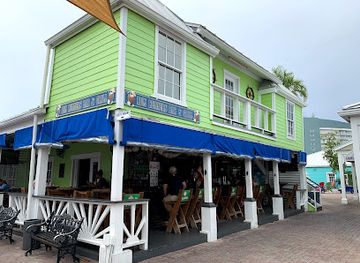
Port Lucaya Marketplace
Discover the charm of Port Lucaya Marketplace, a vibrant shopping and dining destination in Freeport, Bahamas, where culture meets commerce.
-
Historical landmark
Fort Montague
Discover the historical charm of Fort Montague in Nassau, a scenic landmark offering breathtaking ocean views and a glimpse into the Bahamas' past.
-
Grill
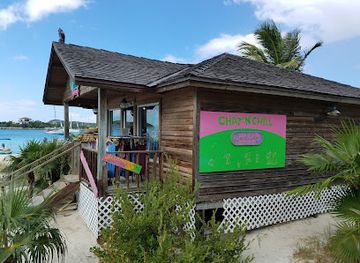
Chat 'N' Chill Beach Bar & Grill
Experience the best of Bahamian beach culture at Chat 'N' Chill Beach Bar & Grill, where delicious food meets stunning ocean views.
-
Resort hotel
Club Med Columbus - Bahamas
Experience the ultimate tropical getaway at Club Med Columbus in the Bahamas, where sun, sea, and luxury blend seamlessly for an unforgettable vacation.



Explore Rum Cay on the map
Plan your trip on one map. See where the top cities, national parks and sights are, and book hotels and experiences in a few clicks.
Best hotels in Rum Cay
Best restaurants in Rum Cay
Dining on Rum Cay is low-key and limited, with meals generally centred on accommodation kitchens, small local establishments and food arranged through community contacts rather than a large restaurant scene. Bahamian cooking may include fresh fish, conch, peas and rice, macaroni and cheese, fried or grilled seafood, and simple dishes built around available provisions. Conch is an important part of Bahamian food culture, although seasonality, supply and local practice determine what is actually available on the island. Visitors should arrange meal plans in advance, especially outside Port Nelson, and bring preferred snacks or specialist dietary supplies. Fresh catch, casual home-style cooking and conversation can be more characteristic of eating here than formal service. Bahamian beer and soft drinks are commonly encountered nationally, but selection on a small island may be narrow. Do not expect dependable late-night dining or a choice of competing venues; advance communication is the practical key to eating well.
-
Grill
Jimmy Buffett's Margaritaville Bahamas
Experience island life at Jimmy Buffett's Margaritaville Bahamas with delicious American cuisine and stunning waterfront views.
-
Seafood
Poop Deck
Experience fresh seafood delights at Poop Deck in Nassau - where exquisite flavors meet breathtaking ocean views.
-
Restaurant
Mckenzie's Fresh Fish & Conch
Experience fresh seafood delights at McKenzie's Fresh Fish & Conch on Paradise Island - A true taste of Bahamian culinary heritage.
-
Italian
Carmine's
Experience authentic Italian cuisine at Carmine's on Paradise Island - where every meal feels like a celebration.


Best bars in Rum Cay
Rum Cay does not have a major nightclub district or a large organised evening-entertainment industry. Nightlife is more likely to centre on a local bar, an accommodation setting, an occasional community gathering or an informal evening around the harbour. Port Nelson is the most likely place to find social activity, but opening arrangements and available venues can change, so visitors should ask locally rather than rely on assumptions. Evenings are well suited to relaxed meals, conversation, stargazing and listening to the sea, with the island’s low development offering darker skies than urban Bahamian centres. Alcohol is available through appropriate local businesses and should be consumed responsibly, particularly when roads, boats or limited emergency services are involved. Visitors seeking clubs, live-music programming or a broad cocktail selection will need to plan time in Nassau or another larger Bahamian destination rather than expect those facilities on Rum Cay.
-
Bar
Da Daiquiri Shack
Experience the best daiquiris in Nassau at Da Daiquiri Shack, where tropical flavors and a fun atmosphere await you.
-
Grill
Nippers Beach Bar & Grill
Discover Nippers Beach Bar & Grill on Great Guana Cay - the ultimate beachside escape with delicious food, refreshing drinks, and breathtaking views.
-
Grill
Rum Runners Bar & Grill
Savor delicious Caribbean cuisine and refreshing drinks at Rum Runners Bar & Grill, a vibrant escape in Freeport's Bell Channel Bay.
-
Bar
Bon Vivants
Discover the vibrant atmosphere and exquisite cocktails at Bon Vivants, the ultimate bar experience in Nassau, Bahamas.



Best nightclubs in Rum Cay
Rum Cay does not have a major nightclub district or a large organised evening-entertainment industry. Nightlife is more likely to centre on a local bar, an accommodation setting, an occasional community gathering or an informal evening around the harbour. Port Nelson is the most likely place to find social activity, but opening arrangements and available venues can change, so visitors should ask locally rather than rely on assumptions. Evenings are well suited to relaxed meals, conversation, stargazing and listening to the sea, with the island’s low development offering darker skies than urban Bahamian centres. Alcohol is available through appropriate local businesses and should be consumed responsibly, particularly when roads, boats or limited emergency services are involved. Visitors seeking clubs, live-music programming or a broad cocktail selection will need to plan time in Nassau or another larger Bahamian destination rather than expect those facilities on Rum Cay.
-
Bar
Señor Frog's | Nassau
Experience the vibrant nightlife of Nassau at Señor Frog's, where tropical cocktails and lively entertainment await every visitor.
-
Bar
Nirvana Beach Bar
Experience the vibrant atmosphere of Nirvana Beach Bar in Nassau, a perfect blend of relaxation, local flavors, and breathtaking ocean views.
-
Night club
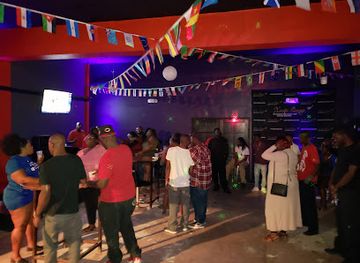
Xscape Lounge & Nightclub
Discover the ultimate nightlife experience at Xscape Lounge & Nightclub in Nassau, where great food meets electrifying entertainment.
-
Bar
The Dilly Club
Discover the vibrant atmosphere of The Dilly Club in Paradise Island, where Bahamian culture and refreshing drinks come together.



Best shops in Rum Cay
Shopping on Rum Cay is limited and useful rather than retail-focused. Port Nelson may provide small everyday purchases through local businesses or accommodation arrangements, but visitors should not expect a shopping centre, extensive high street or dependable selection of specialist goods. Food, medicines, toiletries, cash and equipment should be obtained before travelling or brought from a larger Bahamian island. The most appropriate purchases are locally sourced provisions when available, modest craft items and Bahamian-made products obtained directly from residents or established sellers. Visitors interested in souvenirs should choose durable, lawful items and avoid taking shells, coral, archaeological material or stones from beaches, salt ponds and historic sites. Rum Cay is better suited to buying a small memento of island life than to dedicated retail excursions; Nassau and larger population centres offer far broader choices for art, jewellery, fashion, books and nationally branded goods.
-
Flea market
Nassau Straw Market
Discover the essence of Bahamian culture at Nassau Straw Market, a vibrant hub for unique crafts, souvenirs, and local artistry.
-
Shopping mall
Port Lucaya Marketplace
Experience the vibrant culture of the Bahamas at Port Lucaya Marketplace, a premier destination for shopping, dining, and entertainment.
-
Supermarket
Solomon's Old Trail
Explore Solomon's Old Trail in Nassau for a variety of shopping options, from groceries to clothing, all in one convenient location.
-
Grocery store
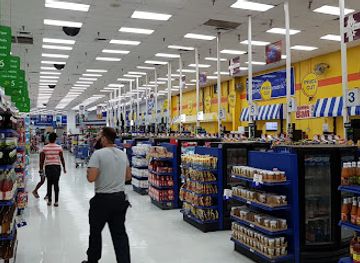
Super Value
Explore the vibrant grocery store experience at Super Value, your gateway to local flavors and international products in Nassau.



Get your free copy of our complete guide to Rum Cay, delivered straight to you.
Everything on this page, from attractions and restaurants to essentials and local phrases, in one PDF you can read offline, print or share.
Already have an account? Sign in
Your Rum Cay guide is ready.
We'll send it to · Not you? Sign out

Getting your guide ready…
We are putting together a fresh copy of the Rum Cay guide. This can take up to a minute.
This can take a few moments. If your browser asks, choose Allow so the download can start. You'll find the guide in your Downloads folder.
Nothing happened? Download it again
Sorry, the guide is taking longer than usual. Please try again in a minute, or get it by email instead.
Rum Cay essentials
Currency and Payment
Safety
Emergency Situations
Do's and Don'ts
Local Tips
From Eve
Local phrases worth knowing
You don't need to get them perfect. A few words go a long way, and locals appreciate the effort.
Basics
| English | Local | Say it |
|---|---|---|
| Hello | Wah Gwaan | [Wah Gwaan] |
| Goodbye | Lata | [Lata] |
| Yes | Yea | [Yea] |
| No | Nah | [Nah] |
| Please/You're welcome | No problem | [No problem] |
| Thank you | Tank yuh | [Tank yuh] |
| Excuse me/Sorry | Scuse me | [Scuse me] |
| How are you? | How yuh doin’? | [How yuh doin’?] |
| Fine. And you? | I’m good. An yuh? | [I’m good. An yuh?] |
| Do you speak English? | Yuh speak English? | [Yuh speak English?] |
| I don't understand | I no really get it | [I no really get it] |
Eating & Drinking
| English | Local | Say it |
|---|---|---|
| I'd like to see the menu, please | Can I see di menu, please? | [Can I see di menu, please?] |
| I don't eat meat | I nah eat meat | [I nah eat meat] |
| Cheers! | Cheers! | [Cheers!] |
| I would like to pay, please | I wan pay, please | [I wan pay, please] |
Emergencies
| English | Local | Say it |
|---|---|---|
| Help! | Help! | [Help!] |
| Go away! | Go way! | [Go way!] |
| Call the Police! | Call di Police! | [Call di Police!] |
| Call a doctor! | Call a doctor! | [Call a doctor!] |
| I'm lost | I lost | [I lost] |
| I'm ill | I sick | [I sick] |
Shopping
| English | Local | Say it |
|---|---|---|
| I'd like to buy... | I wan buy... | [I wan buy...] |
| I'm just looking | I just a lookin’ | [I just a lookin’] |
| How much is it? | How much dis cost? | [How much dis cost?] |
| That's too expensive | Dat too high | [Dat too high] |
| Can you lower the price? | Can yuh drop di price? | [Can yuh drop di price?] |
Time & Numbers
| English | Local | Say it |
|---|---|---|
| What time is it? | Wah time it be? | [Wah time it be?] |
| It's one o'clock | It one o'clock | [It one o'clock] |
| Half past (10) | Half past ten | [Half past ten] |
| Morning | Mornin’ | [Mornin’] |
| Afternoon | Afternoon | [Afternoon] |
| Evening | Evenin’ | [Evenin’] |
| Yesterday | Yesterday | [Yesterday] |
| Today | Today | [Today] |
| Tomorrow | Tomorrow | [Tomorrow] |
| 1 | One | [One] |
| 2 | Two | [Two] |
| 3 | Three | [Three] |
| 4 | Four | [Four] |
| 5 | Five | [Five] |
| 6 | Six | [Six] |
| 7 | Seven | [Seven] |
| 8 | Eight | [Eight] |
| 9 | Nine | [Nine] |
| 10 | Ten | [Ten] |
Transport & Directions
| English | Local | Say it |
|---|---|---|
| Where's a/the...? | Wheh di...? | [Wheh di...?] |
| What's the address? | Wah di address? | [Wah di address?] |
| Can you show me (on the map)? | Can yuh show me pon di map? | [Can yuh show me pon di map?] |
| When's the next (bus)? | Wen di next bus? | [Wen di next bus?] |
| A ticket (to ....) | A ticket fi... | [A ticket fi...] |
History of Rum Cay
Lucayan Settlement Before European Colonisation
Before European arrival, Rum Cay was inhabited by Lucayan communities, part of the wider Taíno-speaking culture that occupied many Bahamian islands. These islanders travelled by canoe, fished the surrounding waters, gathered shellfish and cultivated crops in suitable soils. Their settlements were connected through inter-island movement and exchange. Archaeological traces across the Bahamas provide evidence of this earlier society, although Rum Cay’s surviving visible landscape has been substantially altered by later settlement. Recognising the Lucayan past is essential to understanding the island as more than an empty or untouched outpost.
The Columbus Voyages and Early Spanish Claims
Rum Cay is linked in local tradition and historical discussion with Christopher Columbus’s first voyage in 1492. Columbus recorded an island called Santa Maria de la Concepción, and Rum Cay has sometimes been identified with that place, although scholars have proposed different interpretations of the route and the islands named in the journals. European contact brought devastating consequences for Lucayan populations throughout the Bahamas through enslavement, disease and forced removal. The Spanish interest in the archipelago was consequently tied to a rapid and destructive transformation rather than permanent early settlement on every island.
Salt Production and Maritime Livelihoods
Rum Cay’s natural salt ponds became an important local resource after European settlement. Salt could be collected by allowing seawater to evaporate in shallow ponds, then gathered and traded for use in preserving fish and meat. The industry depended on hot, dry weather, labour and access to coastal transport. Fishing, small-scale farming and seafaring supplemented salt working, giving the island an economy closely tied to its marine environment. The ponds and associated traces of working life remain among the clearest reminders of Rum Cay’s historic relationship with landscape and trade.
Loyalist Settlement and Plantation Agriculture
Following the American Revolution, Loyalists and other settlers moved into parts of The Bahamas, bringing new patterns of landholding, farming and political administration. Rum Cay participated in this broader colonial development, although its small size and limited resources prevented it from becoming a major plantation centre. Cotton, food crops, livestock and maritime trade formed part of the island’s changing economy. Stone ruins and older buildings around Port Nelson reflect periods when the population and agricultural activity were more substantial than they are today.
Port Nelson and the Era of Coastal Trade
Port Nelson developed as Rum Cay’s principal settlement and harbour, linking island residents with neighbouring Bahamian communities and wider trading networks. Small vessels carried salt, farm produce, fish and essential supplies, while the harbour provided a focus for communication and community life. As steamship routes, larger commercial centres and modern transport changed the islands, small settlements such as Port Nelson became more dependent on irregular connections. The village’s scale and waterfront setting still express the practical seafaring culture that shaped everyday life on Rum Cay.
Modern Out-Island Change
During the twentieth century, improved transport and changing employment patterns encouraged migration from many small Bahamian islands towards Nassau, Freeport and overseas destinations. Rum Cay’s population consequently remained small, and some former economic activities declined or disappeared. Tourism has developed only modestly compared with the major resort islands, leaving the island’s historic landscape and quiet coastline relatively lightly commercialised. Contemporary Rum Cay combines a small resident community with seasonal visitors, fishing, boating and diving, while continuing to face the practical challenges of distance, limited services and dependence on weather.
Rum Cay in Photos
Browse through our photo collection highlighting the charm and character of the destination.
Neighbouring regions of Rum Cay
The closest regions to Rum Cay, if you have time for more than one.
-

-

-

-

-


Swipe for more regions
Explore more

Explore more of The Bahamas
Discover The Bahamas: A Caribbean getaway with stunning beaches, vibrant culture, and endless adventures. Perfect for relaxation, exploration, and unforgettable memories.
Explore The Bahamas