

New Providence, The Bahamas Travel Guide
Discover New Providence in The Bahamas: a perfect blend of historic charm, beautiful beaches, vibrant nightlife, and rich marine life for an unforgettable vacation.
New Providence, the most populous island in The Bahamas, is a vibrant blend of culture, history, and natural beauty. As the home of the capital city, Nassau, this island offers an array of experiences from bustling markets to serene beaches. Nassau, with its colorful colonial buildings and historic forts, provides a glimpse into the rich past of The Bahamas. The Straw Market is a must-visit for unique souvenirs and local crafts. Nearby, the Queen's Staircase, carved out of limestone in the 18th century, offers stunning views and a fascinating history lesson. For those seeking relaxation, Cable Beach and Paradise Island boast some of the most beautiful sands and crystal-clear waters in the Caribbean. These spots are perfect for sunbathing, swimming, and snorkeling. Adventure seekers can explore the coral reefs and marine life through various water sports activities. New Providence's vibrant nightlife is another highlight, with numerous bars, clubs, and casinos offering entertainment for every taste. The local cuisine, featuring fresh seafood and traditional Bahamian dishes, is a treat for the taste buds. Don't miss out on trying conch fritters, a local delicacy. Whether you're interested in history, nature, or simply soaking up the sun, New Providence in The Bahamas has something for everyone. Its unique blend of attractions ensures an unforgettable experience for every visitor.

Know before you go
Hi, I'm Eve. Here are a few practical things to know before exploring New Providence.
- Visit the Straw Market early in the day to avoid the crowds and get the best deals.
- Wear comfortable shoes when exploring Nassau, especially if you plan to visit the Queen's Staircase.
- Sunscreen is essential. The Bahamian sun can be intense, so protect your skin while enjoying the beaches.
- Try the local cuisine at Arawak Cay, also known as Fish Fry, for an authentic Bahamian dining experience.
- Consider renting a bike or scooter to explore the island at your own pace and discover hidden gems.
Top City Travel Guides in New Providence
The cities of New Providence, and the easiest places to base yourself.

Destinations in New Providence
Resorts, valleys and scenic spots worth a trip of their own.

Explore New Providence: Things to Do, Places to Eat, Hotels & More
Handpicked recommendations for top attractions, local dining, accommodations, and more

Top Attractions & Sightseeing in New Providence
Top-rated picks
Best Attractions

Blue Lagoon Island Bahamas
Experience the breathtaking beauty and thrilling adventures at Blue Lagoon Island, a tropical paradise in the Bahamas perfect for every traveler.

Pirates of Nassau
Explore the thrilling world of piracy at Pirates of Nassau, a must-visit museum showcasing the history and adventure of the Caribbean's infamous buccaneers.

Junkanoo Beach
Discover the vibrant culture and stunning beauty of Junkanoo Beach, a premier tourist attraction in Nassau, Bahamas, perfect for relaxation and adventure.

Fort Montague
Explore the historical significance of Fort Montague in Nassau, a captivating landmark offering breathtaking views and a glimpse into the Bahamas' military past.

Best landmarks in New Providence
Top-rated picks
Best Landmarks

Nassau Straw Market
Discover the vibrant Nassau Straw Market, where authentic Bahamian crafts and souvenirs await in a lively cultural atmosphere.
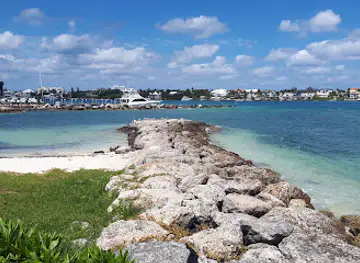
Queen's Staircase
Experience the historical significance and natural beauty of the Queen's Staircase, a must-visit landmark in Nassau, Bahamas.

British Colonial Hilton Nassau
Experience the perfect blend of luxury and Bahamian charm at the British Colonial Hilton Nassau, your gateway to paradise.

Pirates of Nassau
Experience the thrilling adventure of piracy at the Pirates of Nassau Museum, where history and legend intertwine in a vibrant setting.

Best restaurants in New Providence
Top-rated picks
Best Restaurants
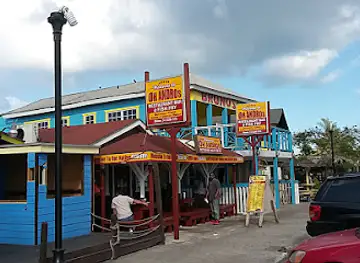
Oh Andros
Discover Oh Andros in Nassau – an iconic restaurant serving authentic Bahamian cuisine with vibrant flavors in a warm atmosphere.

Curly's Restaurant and Bar
Experience authentic Caribbean cuisine at Curly's Restaurant and Bar in Nassau – where flavors meet island vibes.

Viola's bar and grill
Experience the vibrant flavors of Bahamian cuisine at Viola's Bar and Grill in Paradise Island – where every meal is a celebration.

Seafire Steakhouse
Discover Seafire Steakhouse on Paradise Island - where exquisite steaks meet Bahamian charm in an unforgettable dining experience.

Best bars in New Providence
Top-rated picks
Best Bars

Señor Frog's | Nassau
Discover the lively atmosphere of Señor Frog's in Nassau, where Caribbean vibes and unforgettable nights come alive.
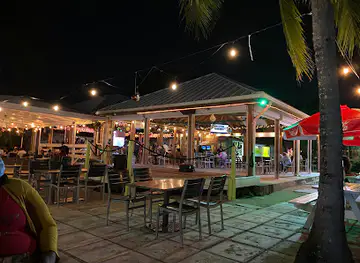
The Green Parrot - Harbour Front
Discover The Green Parrot in Nassau for an unforgettable dining experience with fresh Caribbean flavors and stunning harbor views.

The Bearded Clam Sports Bar & Restaurant
Discover The Bearded Clam Sports Bar & Restaurant in Nassau - your go-to spot for delicious food, refreshing drinks, and a lively atmosphere.

Da Daiquiri Shack
Savor the essence of the Bahamas with refreshing daiquiris at the lively Da Daiquiri Shack in Nassau.

Best nightclubs in New Providence
Top-rated picks
Best Nightclubs

Prime Time
Discover vibrant nightlife at Prime Time, Nassau's premier bar for tropical cocktails, live music, and unforgettable memories.

Xscape Lounge & Nightclub
Discover the ultimate nightlife experience at Xscape Lounge & Nightclub in Nassau, where unforgettable music, cocktails, and dancing await you.

The Dilly Club
Experience the vibrant nightlife and tropical cocktails at The Dilly Club in Paradise Island, a must-visit bar for every traveler.

Aura
Discover the electrifying atmosphere of Aura Nightclub on Paradise Island, where world-class DJs and unforgettable parties await.

Best shops in New Providence
Top-rated picks
Best Shops

Nassau Straw Market
Discover authentic Bahamian crafts and vibrant culture at Nassau's iconic Straw Market, a must-visit for every tourist.

Marathon Mall
Experience the vibrant shopping scene at Marathon Mall, Nassau's top destination for retail and dining delights in the Bahamas.

Solomon's Old Trail
Explore the diverse offerings at Solomon's Old Trail, your one-stop shopping destination in Nassau for groceries, clothing, and electronics.

SouthWest Plaza
Explore SouthWest Plaza, Nassau's vibrant shopping mall featuring diverse stores, delicious dining, and a lively atmosphere for tourists and locals alike.

Explore New Providence on the Map
A handpicked selection of must-see spots in New Providence, mapped for you.
New Providence Essentials
-
New Providence is home to Nassau, the capital of The Bahamas, which is easily accessible by air and sea. Lynden Pindling International Airport (NAS) is the primary gateway, with direct flights from major cities in the United States, Canada, and Europe. Additionally, cruise ships frequently dock at Nassau's Prince George Wharf, making it a popular stop on Caribbean itineraries.
-
Getting around New Providence is convenient with various transportation options. Taxis are readily available and can be hailed on the street or booked in advance. Public buses, known as 'jitneys', are an affordable option for navigating the island, though schedules can be inconsistent. Car rentals are available, but visitors should note that driving is on the left side of the road. Bicycles and scooters can also be rented for short distances and leisurely rides.
-
The official currency is the Bahamian Dollar (BSD), which is pegged to the US Dollar (USD) at a 1:1 ratio. US dollars are widely accepted throughout the island. Credit and debit cards are commonly used in hotels, restaurants, and larger shops, but it is advisable to carry some cash for smaller establishments, markets, and tips. ATMs are available in Nassau and major tourist areas.
-
While New Providence is generally safe for tourists, it is essential to stay vigilant, particularly in crowded areas and after dark. Areas like Over-the-Hill and parts of downtown Nassau have higher crime rates, including incidents targeting tourists. Stick to well-lit, busy areas, avoid displaying valuables, and use reputable transportation services. Hotel safes should be used to store passports and other important documents.
-
In case of emergency, dial 911 for police, fire, or medical assistance. The Princess Margaret Hospital in Nassau is the main medical facility on the island. Pharmacies are also available for minor health concerns. Travelers should ensure they have comprehensive travel insurance that covers medical emergencies. Consular services for most countries are located in Nassau, and it is wise to have their contact information handy.
-
Fashion: Do dress casually but respectably; beachwear is for the beach, not for walking around town. Religion: Do respect local religious customs, especially when visiting churches. Public Transport: Do be patient with jitney schedules and be prepared for crowded conditions. Greetings: Do greet people with a friendly 'Good morning' or 'Good afternoon.' Eating & Drinking: Do try local dishes like conch salad and Bahama Mama cocktails. Don't forget to tip, as service charges are not always included.
-
To experience New Providence like a local, visit the Fish Fry at Arawak Cay for authentic Bahamian cuisine and a lively atmosphere. Engage with local vendors at the Straw Market for unique souvenirs. Exploring the less touristy areas, such as Adelaide Village, can provide insight into the island's history and local life. For a unique experience, take a day trip to the nearby Blue Lagoon Island for swimming with dolphins and sea lions.
When is the best time to visit New Providence?
Useful Local Phrases for New Providence
You don't need to speak the language perfectly. Even learning a few simple words can make conversations warmer—and locals usually appreciate the effort.
— Eve

Here are the phrases I use most often in New Providence. Try a few—you'll be surprised how far they go! 😊
❤️
-
- HelloHow ya doin’
[Hao yah doin’] - GoodbyeSee ya later
[Si yah leita] - YesYea
[Yea] - NoNah
[Nah] - Please/You’re welcomeNo problem
[No prob-lum] - Thank youThanks
[Tanks] - Excuse me/SorrySorry
[Sori] - How are you?How ya doin’?
[Hao yah doin’?] - Fine. And you?Good. And you?
[Gud. An yuh?] - Do you speak English?You speak English?
[Yuh speak English?] - I don't understandI no understand
[I no undastand]
- HelloHow ya doin’
-
- I’d like to see the menu, pleaseCan I see the menu?
[Kan I si di menu?] - I don’t eat meatI no eat meat
[I no it meat] - Cheers!Cheers!
[Cheers!] - I would like to pay, pleaseCan I pay now?
[Kan I pei nao?]
- I’d like to see the menu, pleaseCan I see the menu?
-
- Help!Help!
[Help!] - Go away!Leave me alone!
[Liv me alon!] - Call the Police!Call di Police!
[Kol di Police!] - Call a doctor!Call a doctor!
[Kol a docta!] - I’m lostI lost
[I lost] - I’m illI sick
[I sik]
- Help!Help!
-
- I’d like to buy...I want to buy...
[I want to bai...] - I’m just lookingJust lookin’
[Just lukin’] - How much is it?How much dat?
[Hao much dat?] - That’s too expensiveDat too high
[Dat tu hai] - Can you lower the price?Can you drop di price?
[Kan yuh drop di prais?]
- I’d like to buy...I want to buy...
-
- What time is it?Wha time it is?
[Wha taim it is?] - It’s one o’clockIt one o'clock
[It wan o'klok] - Half past (10)Half past ten
[Half past ten] - MorningMornin’
[Mornin’] - AfternoonAfternoon
[Aftanoon] - EveningEvenin’
[Evenin’] - YesterdayYestaday
[Yestaday] - TodayToday
[Today] - TomorrowTomorrah
[Tomorrah] - 1One
[Wan] - 2Two
[Tu] - 3Three
[Tree] - 4Four
[Fo] - 5Five
[Fai] - 6Six
[Siks] - 7Seven
[Sev-en] - 8Eight
[Eit] - 9Nine
[Nain] - 10Ten
[Ten]
- What time is it?Wha time it is?
-
- Where's a/the...?Wha’ de...?
[Wha’ de...?] - What’s the address?Wha’ de address?
[Wha’ de ad-dres?] - Can you show me (on the map)?Can yuh show me da map?
[Kan yuh sho me da map?] - When’s the next (bus)?When di next bus?
[Wen di nek bus?] - A ticket (to ....)A ticket to...
[A tiket to...]
- Where's a/the...?Wha’ de...?
History of New Providence
-
Long before European explorers arrived, the island of New Providence was inhabited by the Lucayan people, an indigenous Taíno group. They lived in harmony with nature, practicing fishing, agriculture, and craftsmanship. The Lucayans were known for their sophisticated social structures and advanced navigation skills, which allowed them to thrive in the Caribbean archipelago.
-
In 1492, Christopher Columbus made his first landfall in the Bahamas, although not directly on New Providence. His arrival marked the beginning of European interest in the region, leading to the eventual colonization and significant cultural shifts for the indigenous populations. The Spanish, and later the British, left indelible marks on the island's development.
-
During the early 18th century, New Providence became a notorious haven for pirates. The island's strategic location and natural harbors made it an ideal base for infamous pirates like Blackbeard and Calico Jack. Nassau, the capital of New Providence, was declared a 'Pirate Republic' under the leadership of pirate Henry Jennings. This period was marked by lawlessness and high-seas adventures, which have become an integral part of the island's lore.
-
The British regained control of New Providence in 1718, appointing Woodes Rogers as the first Royal Governor. Rogers implemented strict regulations to eradicate piracy and restore order. Under British rule, the island developed its infrastructure, including the construction of Fort Nassau and Fort Charlotte to defend against foreign invasions. The British influence is still evident in the island's architecture and cultural practices.
-
Following the American Revolution, many Loyalists who supported the British Crown fled to the Bahamas. These settlers brought with them enslaved Africans and established plantations on New Providence. This migration significantly impacted the island's demographic and economic landscape, introducing new agricultural practices and expanding the island's population.
-
Throughout the 20th century, the people of New Providence played a crucial role in the Bahamas' journey towards self-governance. The island became a focal point for political activism and social change. In 1964, the Bahamas achieved internal self-government, and in 1973, the nation gained full independence from British rule. New Providence, as the most populous island, remains central to the country's political and cultural identity.
-
Today, Nassau, the capital city located on New Providence, is a vibrant hub of culture, tourism, and commerce. Modern Nassau is a blend of colonial history and contemporary Caribbean culture. Visitors can explore historic sites like the Queen's Staircase, the Government House, and the Pirates of Nassau Museum, while also enjoying the island's beautiful beaches, lively markets, and Bahamian cuisine.
Neighbouring Regions of New Providence
The closest regions to New Providence, if you have time for more than one.

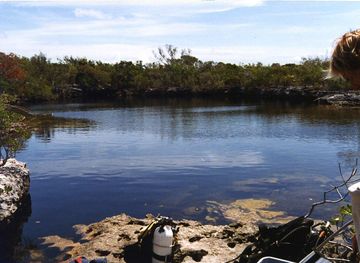


Your all‑in‑one travel companion app
Explore expert travel guides, compare and book tours, experiences, hotels, and more—all from the palm of your hand. Download now for seamless trip planning wherever your wanderlust takes you.


Explore More of The Bahamas

Looking beyond New Providence? Discover The Bahamas for broader travel guides, local hot-spots, and regional highlights.
Explore The BahamasNew Providence in Photos
Browse through our photo collection highlighting the charm and character of the destination.


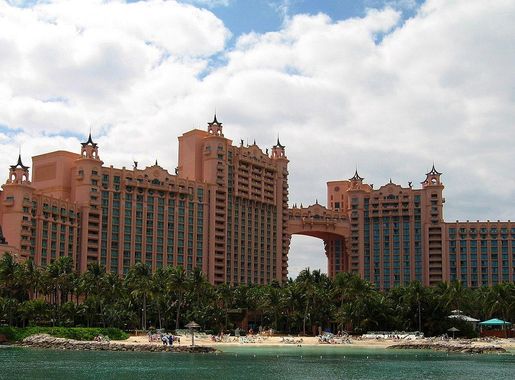

New Providence: The Heartbeat of The Bahamas
New Providence, the most populous island in The Bahamas, is a vibrant blend of culture, history, and natural beauty. As the home of the capital city, Nassau, this island offers an array of experiences from bustling markets to serene beaches. Nassau, with its colorful colonial buildings and historic forts, provides a glimpse into the rich past of The Bahamas. The Straw Market is a must-visit for unique souvenirs and local crafts. Nearby, the Queen's Staircase, carved out of limestone in the 18th century, offers stunning views and a fascinating history lesson. For those seeking relaxation, Cable Beach and Paradise Island boast some of the most beautiful sands and crystal-clear waters in the Caribbean. These spots are perfect for sunbathing, swimming, and snorkeling. Adventure seekers can explore the coral reefs and marine life through various water sports activities. New Providence's vibrant nightlife is another highlight, with numerous bars, clubs, and casinos offering entertainment for every taste. The local cuisine, featuring fresh seafood and traditional Bahamian dishes, is a treat for the taste buds. Don't miss out on trying conch fritters, a local delicacy. Whether you're interested in history, nature, or simply soaking up the sun, New Providence in The Bahamas has something for everyone. Its unique blend of attractions ensures an unforgettable experience for every visitor.