
Jarra East, The Gambia Travel Guide
Discover the tranquil charm of Jarra East, The Gambia's hidden gem, where nature, culture, and tradition blend seamlessly along the River Gambia.
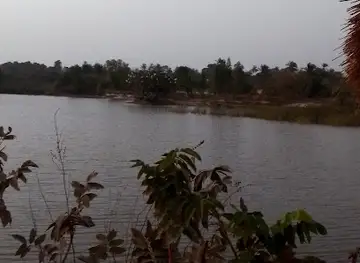
Jarra East, a hidden gem in The Gambia, offers a tranquil escape into nature and culture. Located along the banks of the River Gambia, this region is known for its lush landscapes, traditional villages, and welcoming locals. The peaceful environment makes it an ideal spot for those looking to unwind and immerse themselves in the local way of life. Visitors to Jarra East can explore the vibrant local markets, where artisans sell handcrafted goods and fresh produce. The village's traditional architecture, with its thatched-roof houses, provides a glimpse into the Gambian heritage. Nature enthusiasts will enjoy bird-watching and river tours, which showcase a diverse array of wildlife and plant species. For a deeper cultural experience, travelers can participate in community events and festivals that highlight the rich traditions and customs of the region. The friendly and hospitable nature of the locals ensures that every visitor feels at home. Jarra East is not just a destination; it's an opportunity to connect with the heart and soul of The Gambia.

Know before you go
Hi, I'm Eve. Here are a few practical things to know before exploring Jarra East.
- Visit early in the morning to enjoy the cooler temperatures and vibrant wildlife activity.
- Hire a local guide to gain insights into the history and culture of the villages.
- Try the local cuisine, especially dishes made with freshly caught fish from the River Gambia.
- Bring cash, as credit card facilities may be limited in this rural area.
- Respect local customs and dress modestly, particularly when visiting villages and religious sites.
Explore Jarra East: Things to Do, Places to Eat, Hotels & More
Handpicked recommendations for top attractions, local dining, accommodations, and more

Top Attractions & Sightseeing in Jarra East
Top-rated picks
Best Attractions

Boussou mbalo 1
Explore the serene beauty and rich culture at Boussou Mbalo 1, a must-visit tourist attraction in Bureng, Gambia.
Fort James Island
Explore the historical beauty of Fort James Island, a serene getaway with rich colonial heritage and stunning coastal views.
Oasis and Trails
Explore the serene beauty of Oasis and Trails, a nature preserve in Sanyang, The Gambia, perfect for relaxation and natural exploration.
Bansan
Discover the natural beauty and cultural richness of Bansan, a hidden treasure in Bureng, Gambia, perfect for all travelers seeking adventure and serenity.

Best landmarks in Jarra East
Top-rated picks
Best Landmarks

Oasis and Trails
Experience tranquility and natural beauty at Oasis and Trails, a premier nature preserve in Sanyang, The Gambia, perfect for relaxation and exploration.
The Gambia west africa/ Brikama Town
Explore the peaceful Jain Temple in Brikama Town, The Gambia, a serene escape showcasing the rich cultural tapestry of West Africa.

Best restaurants in Jarra East
Top-rated picks
Best Restaurants

Chicken rek
Discover delicious local cuisine at Chicken Rek in Bureng, where traditional flavors meet vibrant ambiance for an unforgettable dining experience.

Poco Loco Beach Bar & Restaurant
Experience coastal dining at Poco Loco Beach Bar & Restaurant in Bureng, where local flavors meet breathtaking ocean views.
Abdoulie
Discover delicious American cuisine at Abdoulie in Bureng, where traditional flavors meet local hospitality for an unforgettable dining experience.
Noyon
Savor authentic Gambian cuisine at Noyon, where rich flavors meet warm hospitality in the heart of Bureng.

Best bars in Jarra East
Top-rated picks
Best Bars

Poco Loco Beachbar Gambia
Experience the vibrant flavors and stunning views at Poco Loco Beachbar Gambia, where relaxation meets culinary delight.

John Raymond'S Beach Bar And Restaurant
Experience the perfect blend of delicious cuisine and stunning ocean views at John Raymond's Beach Bar and Restaurant in Serrekunda.

Mo2 Jamaican Bar & Restaurant Gambia (Mosiah's)
Discover the vibrant taste of the Caribbean at Mo2 Jamaican Bar & Restaurant, Gambia's premier spot for authentic Jamaican cuisine and lively atmosphere.

Solomon’s Beach Bar & Restaurant
Discover the vibrant flavors and stunning views at Solomon's Beach Bar & Restaurant in Serrekunda, the perfect spot for relaxation and local cuisine.


Best shops in Jarra East
Top-rated picks
Best Shops

Halabaid Trading Enterprises paradise supermarket
Explore the vibrant Halabaid Trading Enterprises supermarket in Farafenni, where local culture meets an extensive range of grocery products.

Costa road
Discover the essence of Gambian culture at Costa Road, a local grocery store in Bureng offering fresh produce and unique local products.
Abubacrr tamba
Discover the authentic flavors of Gambia at Abubacrr Tamba, a must-visit bakery in Bureng for delicious baked goods and local treats.
Benteh shop
Explore local culture and unique souvenirs at Benteh Shop in Dankunku, a gem for travelers seeking authentic Gambian experiences.

Explore Jarra East on the Map
A handpicked selection of must-see spots in Jarra East, mapped for you.
Jarra East Essentials
-
Jarra East is located in the Lower River Division of The Gambia. The nearest international airport is Banjul International Airport (BJL), situated approximately 120 kilometers away. From Banjul, you can take a taxi or a bus to Soma, and then a local taxi or minibus (gelly-gelly) to Jarra East. The journey typically takes around 3 to 4 hours by road.
-
Jarra East is a rural area, and local transportation options are limited but functional. Taxis and minibuses (gelly-gellys) are the most common forms of transport. For exploring the area, renting a bicycle or motorbike can be a practical choice. Walking is also feasible for shorter distances. Be sure to negotiate taxi fares in advance as they are often not metered.
-
The official currency in The Gambia is the Gambian Dalasi (GMD). Cash is the most commonly accepted form of payment in Jarra East. ATMs are scarce, so it is advisable to withdraw sufficient cash in Banjul or Soma before traveling to Jarra East. Credit cards are rarely accepted, even in larger establishments.
-
Jarra East is generally a safe destination for tourists. However, like any travel destination, it is advisable to take standard precautions. Avoid walking alone at night in unfamiliar areas and keep an eye on your belongings in crowded places. While there are no specific high-crime areas targeting tourists in Jarra East, it is always best to stay vigilant and aware of your surroundings.
-
In case of emergency, dial 117 for police assistance or 116 for medical emergencies. The nearest medical facilities are in Soma, which has a health center. For serious medical issues, you may need to travel to Banjul for more comprehensive medical care. It is highly recommended to have travel insurance that covers medical emergencies.
-
Fashion: Do dress modestly, especially in villages and when visiting religious sites. Avoid wearing revealing clothing. Religion: Do respect local customs and traditions. Always ask for permission before taking photos of people or religious sites. Public Transport: Do be respectful and give up your seat to elderly passengers. Don't eat or drink on public transport. Greetings: Do greet people with a handshake or a friendly nod. Using the local greeting, 'Salaam aleikum,' is also appreciated. Eating & Drinking: Do try local dishes such as domoda and benachin. Don't refuse food offerings, as hospitality is highly valued.
-
To experience Jarra East like a local, visit the weekly market where you can buy fresh produce and traditional Gambian goods. Engage with locals, as they are often friendly and willing to share stories about the area’s history and culture. Don’t miss visiting the local rice fields and learning about traditional farming techniques. For a unique experience, attend a local wrestling match, which is a popular sport in the region.
When is the best time to visit Jarra East?
Useful Local Phrases for Jarra East
You don't need to speak the language perfectly. Even learning a few simple words can make conversations warmer—and locals usually appreciate the effort.
— Eve

Here are the phrases I use most often in Jarra East. Try a few—you'll be surprised how far they go! 😊
❤️
-
- HelloNaka
[Nah-kah] - GoodbyeNaka saama
[Nah-kah sah-mah] - YesAye
[Eye] - NoNaa
[Nah] - Please/You're welcomeFof
[Fof] - Thank youJerejef
[Je-reh-jef] - Excuse me/SorryBoolu
[Boo-loo] - How are you?Naw feh?
[Nah feh?] - Fine. And you?Naw tuma. Kairo?
[Nah too-mah. Kai-roh?] - Do you speak English?Doo jey English?
[Doo jey In-glish?] - I don't understandNaa jeyndee
[Nah jeyn-dee]
- HelloNaka
-
- I'd like to see the menu, pleaseNaw jey menu, fof
[Nah jey men-oo, fof] - I don't eat meatNaa jey darra
[Nah jey dah-rah] - Cheers!Loo
[Loo] - I would like to pay, pleaseNaw jey pay, fof
[Nah jey pay, fof]
- I'd like to see the menu, pleaseNaw jey menu, fof
-
- Help!Bok!
[Bok!] - Go away!Doo jey boroo!
[Doo jey bo-roo!] - Call the Police!Bok Police!
[Bok Po-lees!] - Call a doctor!Bok doktor!
[Bok dok-tor!] - I'm lostNaw jey cuto
[Nah jey koo-toh] - I'm illNaw jey bawa
[Nah jey bah-wah]
- Help!Bok!
-
- I'd like to buy...Naw jey buy...
[Nah jey buy...] - I'm just lookingNaw jey ngala
[Nah jey ngah-lah] - How much is it?Naw jey koto?
[Nah jey koh-toh?] - That's too expensiveDoo jey koto fow
[Doo jey koh-toh foh] - Can you lower the price?Doo jey ngala koto?
[Doo jey ngah-lah koh-toh?]
- I'd like to buy...Naw jey buy...
-
- What time is it?Naw jey time?
[Nah jey tahym?] - It's one o'clockNaw jey koto
[Nah jey koh-toh] - Half past (10)Naw jey fow koto
[Nah jey foh koh-toh] - MorningDawda
[Dah-w-dah] - AfternoonNawta
[Nah-tah] - EveningJama
[Jah-mah] - YesterdayKotoo
[Koh-toh] - TodayNawta
[Nah-tah] - TomorrowKoto la
[Koh-toh lah] - 1Koto
[Koh-toh] - 2Fow
[Foh] - 3Tee
[Tee] - 4Nai
[Nai] - 5Sanng
[Sahng] - 6Sey
[Say] - 7Jow
[Jow] - 8Jang
[Jahng] - 9Nai jow
[Nai jow] - 10Sey jow
[Say jow]
- What time is it?Naw jey time?
-
- Where's a/the...?Fay jey ...?
[Fay jey ...?] - What's the address?Naw jey address?
[Nah jey ad-dress?] - Can you show me (on the map)?Doo jey show naw (on the map)?
[Doo jey show nah (on the map)?] - When's the next (bus)?Naw jey next (bus)?
[Nah jey next (bus)?] - A ticket (to ....)Naw jey ticket (to ...)
[Nah jey ti-ket (to ...)]
- Where's a/the...?Fay jey ...?
History of Jarra East
-
Jarra East, nestled in the Lower River Region of The Gambia, has a rich tapestry of history that dates back to ancient times. The area was originally inhabited by early settlers who were part of the Mali Empire, one of the largest and most powerful empires in West Africa. Archaeological evidence suggests that these early communities were engaged in farming, fishing, and trade.
-
During the 13th and 14th centuries, the Mandinka people established several kingdoms in the region, including the Kingdom of Jarra. The Mandinka brought with them a deep-rooted culture, language, and traditions that continue to influence the area today. The Kingdom of Jarra was known for its strategic location along trade routes, which facilitated the exchange of goods such as gold, salt, and kola nuts.
-
The arrival of European explorers in the 15th century marked a significant turning point in the history of Jarra East. Portuguese, British, and French explorers navigated the River Gambia, establishing trading posts and seeking control over the lucrative trade in the region. By the mid-19th century, The Gambia became a British colony, and Jarra East was integrated into the colonial administration. This period saw the introduction of new crops, infrastructure, and educational systems, which left a lasting impact on the region.
-
Throughout the colonial period, the people of Jarra East, like many other Gambians, resisted foreign domination. Local leaders and communities organized various forms of resistance, from passive non-cooperation to active uprisings. The struggle for independence gained momentum in the mid-20th century, culminating in The Gambia's independence from British rule on February 18, 1965. Jarra East played a significant role in the national movement, with many local leaders and activists contributing to the cause.
-
Jarra East boasts a vibrant cultural heritage that is deeply rooted in the traditions of the Mandinka people. Music and dance play a central role in the community, with traditional instruments like the kora and djembe often accompanying ceremonies and festivals. The area is also known for its artisanal crafts, including weaving and pottery. Traditional rites of passage, such as naming ceremonies and weddings, are celebrated with great enthusiasm, reflecting the community's rich cultural tapestry.
-
Today, Jarra East is a blend of the old and the new, where traditional practices coexist with modern advancements. The area has seen significant development in recent years, with improvements in infrastructure, education, and healthcare. However, the community remains deeply connected to its historical roots, preserving its cultural heritage while embracing the opportunities of the modern world. Visitors to Jarra East can experience this unique blend through its local markets, historical sites, and cultural festivals.
Neighbouring Regions of Jarra East
The closest regions to Jarra East, if you have time for more than one.


Your all‑in‑one travel companion app
Explore expert travel guides, compare and book tours, experiences, hotels, and more—all from the palm of your hand. Download now for seamless trip planning wherever your wanderlust takes you.


Explore More of The Gambia

Looking beyond Jarra East? Discover The Gambia for broader travel guides, local hot-spots, and regional highlights.
Explore The Gambia