

Sabach Sanjal, The Gambia Travel Guide
Discover Sabach Sanjal, a serene town in The Gambia, where rich culture, warm hospitality, and scenic landscapes await you.
Sabach Sanjal is a hidden gem nestled in the North Bank Region of The Gambia. This small town is a perfect destination for those looking to experience the authentic culture and traditions of The Gambia. As you stroll through the town, you will be greeted by the warm smiles and friendly waves of the locals, who are always eager to share their rich heritage with visitors. The town is surrounded by lush landscapes, with fertile farmlands and scenic views that are a treat for nature lovers. The serene ambiance of the countryside offers a great escape from the hustle and bustle of city life. You can take a leisurely walk along the rural pathways, discovering the local flora and fauna, or visit one of the many small farms to see traditional farming techniques in action. Sabach Sanjal is also home to several historical sites that provide a glimpse into the region's past. The local markets are a vibrant hub of activity, where you can find handmade crafts, fresh produce, and traditional Gambian delicacies. The town's cultural events and festivals are a must-see, offering a unique opportunity to witness traditional music, dance, and ceremonies firsthand.

Know before you go
Hi, I'm Eve. Here are a few practical things to know before exploring Sabach Sanjal.
- Visit during the dry season (November to May) for the best weather conditions.
- Bring cash, as credit card facilities are limited in the region.
- Respect local customs and dress modestly, especially when visiting religious sites.
- Learn a few basic phrases in the local language, Mandinka, to connect better with the locals.
- Try the local cuisine, including dishes like domoda (peanut stew) and benachin (Jollof rice).
Top City Travel Guides in Sabach Sanjal
The cities of Sabach Sanjal, and the easiest places to base yourself.


Best landmarks in Sabach Sanjal
Top-rated picks
Best Landmarks

Bijilo National Park
Explore the captivating wildlife and stunning landscapes of Bijilo National Park, a serene escape in Serrekunda, Gambia.

Banjul International Airport
Discover the warmth of Gambian hospitality at Banjul International Airport, your gateway to vibrant cultures and stunning landscapes in The Gambia.

Arch 22
Explore Arch 22 in Banjul, a historic landmark that symbolizes Gambia's rich heritage and offers stunning views of the capital and the Atlantic Ocean.

Stone Circles of Gambia
Discover the ancient Stone Circles of Gambia, a UNESCO World Heritage site that unveils the mysteries of West Africa's cultural heritage.

Best restaurants in Sabach Sanjal
Top-rated picks
Best Restaurants

Poco Loco Beachbar Gambia
Discover Poco Loco Beachbar in Serrekunda: where vibrant atmosphere meets delicious cuisine by the ocean.

John Raymond'S Beach Bar And Restaurant
Experience authentic Gambian flavors at John Raymond's Beach Bar and Restaurant with stunning ocean views.

Mo2 Jamaican Bar & Restaurant Gambia (Mosiah's)
Experience authentic Jamaican cuisine with a vibrant atmosphere at Mo2 Jamaican Bar & Restaurant in Gambia.

3 Chicks & A Grill
Experience Gambian culinary traditions at 3 Chicks & A Grill - where vibrant flavors meet lively nightlife on the Senegambia Strip.

Best bars in Sabach Sanjal
Top-rated picks
Best Bars

John Raymond'S Beach Bar And Restaurant
Experience the vibrant flavors and lively atmosphere at John Raymond's Beach Bar and Restaurant in Serrekunda, Gambia.

Solomon’s Beach Bar & Restaurant
Experience the vibrant atmosphere and delicious cuisine at Solomon’s Beach Bar & Restaurant in Serrekunda, where the ocean meets local culture.

Calypso bar & restaurant
Discover the vibrant flavors of Gambian cuisine at Calypso Bar & Restaurant in Bakau, where stunning ocean views meet a lively atmosphere.

Reo's Bar and Restaurant
Experience the vibrant nightlife of Senegambia at Reo's Bar and Restaurant, where delicious food and lively entertainment come together.

Best nightclubs in Sabach Sanjal
Top-rated picks
Best Nightclubs

Envy Night Club
Experience the vibrant nightlife at Envy Night Club in Serrekunda, where music, dance, and good vibes come together to create unforgettable memories.

Aquarius Nightclub
Experience the electric nightlife of Aquarius Nightclub in Serrekunda, where vibrant music and an inviting atmosphere promise unforgettable nights.

ONYX
ONYX: The ultimate nightlife destination in Serrekunda, where vibrant music and culture come alive for an unforgettable experience.

Ningki Nangka Bar & Night Club
Discover the vibrant nightlife at Ningki Nangka Bar & Night Club, a premier destination in Serrekunda for unforgettable experiences and lively entertainment.

Best shops in Sabach Sanjal
Top-rated picks
Best Shops

Halabaid Trading Enterprises paradise supermarket
Explore local flavors and daily essentials at Halabaid Trading Enterprises, Farafenni's vibrant grocery store offering a taste of Gambian culture.

Costa road
Explore Costa Road Grocery: A local treasure in Bureng offering fresh produce and local delicacies for every traveler.

Soma Saremawdou Market
Explore the heart of Soma at Soma Saremawdou Market, a vibrant destination for local goods and cultural experiences in Gambia.

JSF- Horticulture Garden Kaiaf Ward LRR
Explore the enchanting JSF Horticulture Garden in Kaiaf Ward, a haven for plant lovers and nature enthusiasts in Gambia.

Explore Sabach Sanjal on the Map
A handpicked selection of must-see spots in Sabach Sanjal, mapped for you.
Sabach Sanjal Essentials
-
Sabach Sanjal is located in the North Bank Division of The Gambia. The nearest major airport is Banjul International Airport, approximately 75 kilometers away. From Banjul, you can take a taxi or a pre-arranged shuttle service to Sabach Sanjal. The journey typically takes about 2 hours. Alternatively, you can use local public transport options such as bush taxis or minibuses, which are more economical but may take longer.
-
Once in Sabach Sanjal, getting around is relatively straightforward. The town itself is small, so most attractions are within walking distance. For longer distances, local taxis are available and can be hired for a reasonable fee. Additionally, minibuses and bush taxis operate within the town and to nearby villages. Renting a bicycle is another viable option for those who prefer an active mode of transportation.
-
The official currency in The Gambia is the Gambian Dalasi (GMD). Credit cards are rarely accepted in Sabach Sanjal, so it is advisable to carry sufficient cash. There are no ATMs in Sabach Sanjal itself, so make sure to withdraw enough money in Banjul or another major town before heading to Sabach Sanjal. It's also a good idea to carry small denominations, as change can be hard to come by in local shops and markets.
-
Sabach Sanjal is generally a safe destination for tourists. However, it is always wise to take standard precautions. Avoid walking alone late at night, and be cautious of your belongings in crowded areas such as markets. While Sabach Sanjal does not have specific high-crime areas targeting tourists, it's best to stay alert and aware of your surroundings.
-
In case of an emergency, dial 117 for police assistance or 116 for medical emergencies. The nearest medical facility is in Farafenni, about 20 kilometers away. It's advisable to have travel insurance that covers medical emergencies. For minor health issues, there are small local pharmacies where you can purchase over-the-counter medications. Always carry a basic first aid kit and any personal medications you might need.
-
Fashion: Do dress modestly. Lightweight, breathable clothing that covers the shoulders and knees is recommended. Avoid wearing revealing clothing. Religion: Do respect local customs and traditions. Always remove your shoes before entering a mosque. Public Transport: Do be patient and respectful when using public transport. Don't engage in loud conversations or play loud music. Greetings: Do greet people with a handshake and a smile. It’s polite to ask about someone's well-being before jumping into a conversation. Eating & Drinking: Do try local dishes and accept food offerings graciously. Don't eat with your left hand, as it is considered impolite.
-
To experience Sabach Sanjal like a local, visit the weekly markets where you can buy fresh produce and traditional Gambian goods. Engage with locals, who are often friendly and willing to share stories about the town’s history and culture. Don’t miss the opportunity to attend a local festival or cultural event to immerse yourself in the vibrant local traditions. Additionally, consider taking a guided tour of the surrounding natural landscapes to appreciate the region's flora and fauna.
When is the best time to visit Sabach Sanjal?
Useful Local Phrases for Sabach Sanjal
You don't need to speak the language perfectly. Even learning a few simple words can make conversations warmer—and locals usually appreciate the effort.
— Eve

Here are the phrases I use most often in Sabach Sanjal. Try a few—you'll be surprised how far they go! 😊
❤️
-
- HelloNaka
[Nah-kah] - GoodbyeNaka saama
[Nah-kah sah-mah] - YesAye
[Eye] - NoNaa
[Nah] - Please/You're welcomeJaara le
[Jah-rah leh] - Thank youJerejef
[Jah-reh-jef] - Excuse me/SorryBokku
[Boh-koo] - How are you?Naka jamm?
[Nah-kah jahm?] - Fine. And you?Jamm re. Iye?
[Jahm reh. Ee-yeh?] - Do you speak English?Naka jangoingal?
[Nah-kah jahng-oh-ing-al?] - I don't understandNaa jango
[Nah jahng-oh]
- HelloNaka
-
- I'd like to see the menu, pleaseNaka jango menu, jaara le
[Nah-kah jahng-oh meh-noo, jah-rah leh] - I don't eat meatNaa nyaa njaay
[Nah nah-yah n-jah-ee] - Cheers!Bissap!
[Bee-sahp!] - I would like to pay, pleaseNaka jango pay, jaara le
[Nah-kah jahng-oh pay, jah-rah leh]
- I'd like to see the menu, pleaseNaka jango menu, jaara le
-
- Help!Taw!
[Tah-w!] - Go away!Saa njang!
[Sah n-jang!] - Call the Police!Bokku Police!
[Boh-koo Poh-lees!] - Call a doctor!Bokku dooktor!
[Boh-koo dook-tor!] - I'm lostNaa jango ndok
[Nah jahng-oh n-dok] - I'm illNaa jango ndok
[Nah jahng-oh n-dok]
- Help!Taw!
-
- I'd like to buy...Naka jango buy...
[Nah-kah jahng-oh buy...] - I'm just lookingNaka jango laa
[Nah-kah jahng-oh lah] - How much is it?Naka joo?
[Nah-kah joo?] - That's too expensiveO joo boro
[Oh joo boh-roh] - Can you lower the price?Naka jango joo njaay?
[Nah-kah jahng-oh joo n-jah-ee?]
- I'd like to buy...Naka jango buy...
-
- What time is it?Naka joo time?
[Nah-kah joo tahym?] - It's one o'clockO joo one o'clock
[Oh joo one o'clock] - Half past (10)Naka half past (10)
[Nah-kah half past (10)] - MorningGinna
[Ghee-nah] - AfternoonBanjul
[Ban-jool] - EveningJang
[Jahng] - YesterdayBii joo
[Bee joo] - TodayJoo
[Joo] - TomorrowBii joo
[Bee joo] - 1Kuno
[Koo-noh] - 2Duo
[Doo-oh] - 3Tati
[Tah-tee] - 4Nya
[N-yah] - 5Jok
[Jok] - 6Jungo
[Joon-goh] - 7Juut
[Joo-t] - 8Jungo
[Joon-goh] - 9Jung
[Joon-g] - 10Jok
[Jok]
- What time is it?Naka joo time?
-
- Where's a/the...?Naka a/the...?
[Nah-kah ah/the...?] - What's the address?Naka address?
[Nah-kah ad-dress?] - Can you show me (on the map)?Naka jango me (on the map)?
[Nah-kah jahng-oh meh (on the map)?] - When's the next (bus)?Naka joo next (bus)?
[Nah-kah joo next (bus)?] - A ticket (to ....)A ticket (to ....)
[A ticket (to ....)]
- Where's a/the...?Naka a/the...?
History of Sabach Sanjal
-
Sabach Sanjal's history begins with its early settlers, the Mandinka people, who have inhabited the region for centuries. Known for their rich oral traditions, the Mandinka played a crucial role in establishing the cultural foundations of the area. Traditional ceremonies, music, and storytelling were central to their way of life, with the kora, a 21-string lute-bridge-harp, being a significant musical instrument in their culture.
-
During the late 19th and early 20th centuries, Sabach Sanjal, like much of The Gambia, came under British colonial rule. The region was part of the British Gambia Colony and Protectorate, established in 1888. The British introduced new administrative structures and economic policies, which significantly affected the local way of life. The cultivation of groundnuts (peanuts) became a major economic activity, altering traditional agricultural practices.
-
The mid-20th century saw a rise in resistance against colonial rule in Sabach Sanjal. Local leaders and activists began to organize and demand greater autonomy and self-governance. The region contributed to the broader independence movement that swept across The Gambia, leading to the country's independence from British rule on February 18, 1965. This period was marked by significant political mobilization and a resurgence of national pride.
-
Following independence, Sabach Sanjal underwent various developmental changes. Efforts were made to improve infrastructure, education, and healthcare in the region. The government focused on rural development projects to enhance the quality of life for its residents. Traditional practices continued to thrive alongside modern advancements, creating a unique blend of old and new in Sabach Sanjal's cultural landscape.
-
Cultural festivals in Sabach Sanjal are a vibrant display of the region's rich heritage. Events such as the annual 'Kankurang Festival' showcase traditional masquerades, dances, and music, attracting visitors from across The Gambia and beyond. These festivals provide a glimpse into the deeply rooted customs and social practices that have been preserved over generations. The 'Kankurang,' a traditional Mandinka masquerade, is particularly significant, symbolizing protection and ancestral spirits.
-
Today, Sabach Sanjal is a thriving community that balances its historical roots with modernity. The region is known for its warm hospitality, scenic landscapes, and cultural richness. Local markets bustle with activity, offering a range of traditional crafts, textiles, and foods. Visitors to Sabach Sanjal can experience the unique blend of history and contemporary life, making it a compelling destination for those interested in exploring The Gambia's cultural and historical heritage.
Neighbouring Regions of Sabach Sanjal
The closest regions to Sabach Sanjal, if you have time for more than one.


Your all‑in‑one travel companion app
Explore expert travel guides, compare and book tours, experiences, hotels, and more—all from the palm of your hand. Download now for seamless trip planning wherever your wanderlust takes you.


Explore More of The Gambia

Looking beyond Sabach Sanjal? Discover The Gambia for broader travel guides, local hot-spots, and regional highlights.
Explore The GambiaSabach Sanjal in Photos
Browse through our photo collection highlighting the charm and character of the destination.


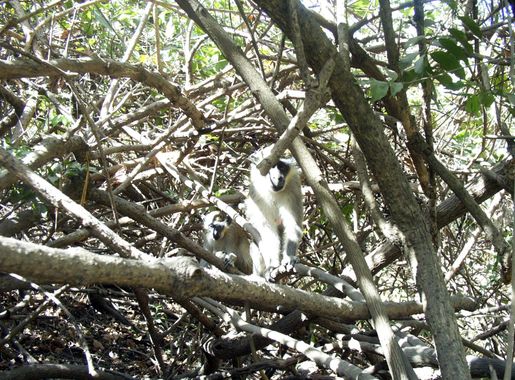
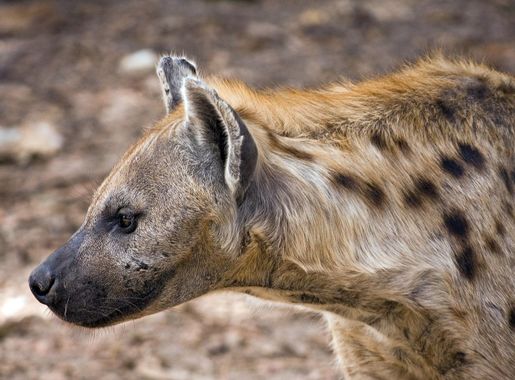
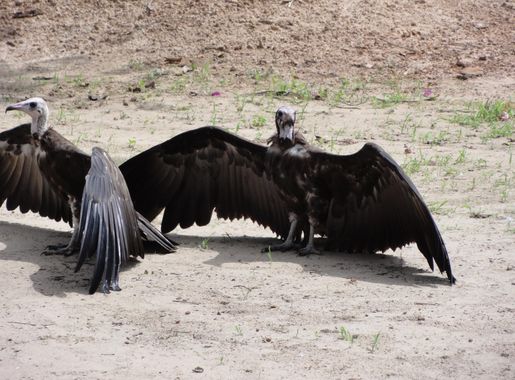
Exploring Sabach Sanjal: The Heart of Authentic Gambian Culture
Sabach Sanjal is a hidden gem nestled in the North Bank Region of The Gambia. This small town is a perfect destination for those looking to experience the authentic culture and traditions of The Gambia. As you stroll through the town, you will be greeted by the warm smiles and friendly waves of the locals, who are always eager to share their rich heritage with visitors. The town is surrounded by lush landscapes, with fertile farmlands and scenic views that are a treat for nature lovers. The serene ambiance of the countryside offers a great escape from the hustle and bustle of city life. You can take a leisurely walk along the rural pathways, discovering the local flora and fauna, or visit one of the many small farms to see traditional farming techniques in action. Sabach Sanjal is also home to several historical sites that provide a glimpse into the region's past. The local markets are a vibrant hub of activity, where you can find handmade crafts, fresh produce, and traditional Gambian delicacies. The town's cultural events and festivals are a must-see, offering a unique opportunity to witness traditional music, dance, and ceremonies firsthand.