

Free Jarra Central Travel Guide & Mobile App
Explore Jarra Central with free travel guides. Discover regional history, expert tips, proposed trips, and audio guides on web or mobile app.


Explore Jarra Central in The Gambia for rural landscapes, riverine culture, ancient stone circles and a slower south-bank journey.
Read more about Jarra Central
When is the best time to visit Jarra Central?
Best: December–February · 29–31°C| Month | High (°C) | Rainfall (mm) |
|---|---|---|
| January (best) | 29 | 0 |
| February (best) | 31 | 0 |
| March | 33 | 3 |
| April | 34 | 6 |
| May | 35 | 15 |
| June | 35 | 50 |
| July | 33 | 200 |
| August | 33 | 250 |
| September | 33 | 150 |
| October | 32 | 50 |
| November | 30 | 10 |
| December (best) | 29 | 1 |
Getting to and around Jarra Central
How to get there
Transportation
Top city travel guides in Jarra Central
The cities of Jarra Central, and the easiest places to base yourself.

Swipe for more cities
Best attractions in Jarra Central
-
Tourist attraction
Fort Bullen
Discover the rich history and stunning views at Fort Bullen, a historical landmark in Barra, Gambia, perfect for history lovers and nature enthusiasts.
-
Nature preserve
Oasis and Trails
Explore the lush landscapes and vibrant wildlife of Oasis and Trails, a serene nature preserve in Sanyang, The Gambia, perfect for nature lovers.
-
Garden
Ousainou and Brother's Farm
Explore the serene beauty of Ousainou and Brother's Farm in Masembe, a lush garden retreat showcasing Gambia's vibrant flora and agriculture.
-
 Tourist attraction
Yello, tenda Community Primates project
Experience wildlife conservation at the Yello, Tenda Community Primates Project in Yelitenda, where adventure and education meet.


Best landmarks in Jarra Central
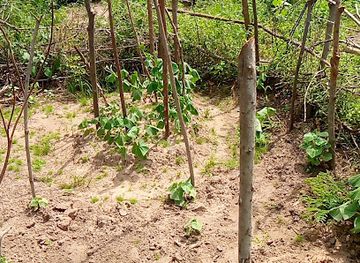
The most distinctive landmarks associated with Jarra Central are its ancient stone monuments and the broad natural presence of the River Gambia. The Kaur area is linked with megalithic stone circles that form part of the wider Senegambian funerary landscape, an archaeological tradition important enough to place the region in a transnational historical context. Their significance lies not in monumental height but in the organisation, repetition and survival of the stone settings across a large area. Rural mosques, village meeting spaces, old trees and compounds are also important visual markers of local settlement, although they are living places rather than formal monuments and should be approached respectfully. The river, creeks and seasonally flooded lowlands provide the district’s strongest geographical landmarks, changing in colour and vegetation through the year. Jarra Central lacks the dense monumental architecture of The Gambia’s coastal towns; its landmark character instead emerges from the relationship between archaeological traces, agricultural settlements, open woodland and waterways. The better-known Wassu stone circles, although relevant to understanding the national heritage of The Gambia, are outside Jarra Central and should not be presented as district landmarks.
-
National park
Bijilo National Park
Explore the enchanting Bijilo National Park in The Gambia, a tropical sanctuary with diverse wildlife, beautiful trails, and vibrant flora for nature lovers.
-
Market
Albert Market
Immerse yourself in the vibrant culture of Banjul at Albert Market, where local flavors, crafts, and community come together in a colorful marketplace.
-
Historical landmark
Arch 22
Explore Arch 22, Banjul's iconic historical landmark, symbolizing Gambia's vibrant past and offering stunning views of the city.
-
Museum
National Museum of the Gambia
Discover the cultural heartbeat of The Gambia at the National Museum, where history and heritage intertwine in vibrant exhibits.


Explore Jarra Central on the map
Plan your trip on one map. See where the top cities, national parks and sights are, and book hotels and experiences in a few clicks.
Best hotels in Jarra Central
Best restaurants in Jarra Central
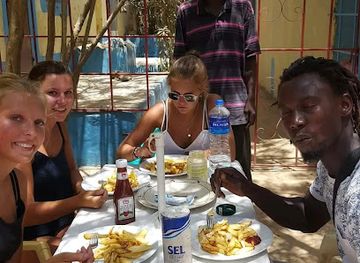
Dining in Jarra Central is predominantly local, informal and linked to household or small-scale hospitality rather than a large restaurant industry. Rice is central to many meals, often served with fish, meat, vegetables or a rich sauce, while dishes associated with Gambian cooking include ceebu jën, domoda and yassa; recipes and preparation vary between families and communities. Groundnuts, millet, maize, cassava and seasonal vegetables reflect the farming economy, and fresh or dried fish is particularly relevant in river communities. Roadside stalls and small eateries may provide breakfast, tea, rice dishes or snacks, but availability can be limited outside the larger settlements and meal times may be flexible. Travellers should arrange food with their guesthouse or guide when visiting remote areas, carry water and explain allergies clearly. Markets offer an opportunity to see local produce and everyday trade, while a village meal should be accepted courteously but not assumed without invitation. International-style dining is unlikely, making Jarra Central more suitable for visitors who want to understand regional food traditions than for those seeking a broad choice of cuisines.
-
Restaurant
Poco Loco Beachbar Gambia
Experience relaxation and delicious cuisine at Poco Loco Beachbar in Serrekunda - your ultimate beachfront getaway in Gambia.
-
Restaurant
John Raymond'S Beach Bar And Restaurant
Experience stunning ocean views and delicious local cuisine at John Raymond's Beach Bar & Restaurant in Serrekunda.
-
Restaurant
Mo2 Jamaican Bar & Restaurant Gambia (Mosiah's)
Experience authentic Caribbean cuisine at Mo2 Jamaican Bar & Restaurant in Gambia – where every meal is a taste of Jamaica.
-
Italian
Gusto Italian Resto &bar
Discover authentic Italian flavors at Gusto Italian Resto & Bar - your go-to dining destination in Senegambia.


Best bars in Jarra Central
Jarra Central does not have a major nightclub scene. Evening life is more likely to centre on family compounds, tea gatherings, small eateries, community events and modest local drinking places in larger settlements. Some guesthouses or transport centres may offer soft drinks, beer or simple refreshments, but opening arrangements and stock vary and should not be assumed. In predominantly Muslim communities, alcohol consumption is not the defining feature of social life, and visitors should behave discreetly and respect local preferences. Night-time entertainment is generally limited, with darkness, rural distances and road safety making late travel impractical. The most rewarding evenings may involve conversation, music at an organised community occasion or quiet observation of the countryside, provided permission and local guidance are obtained. Travellers wanting a wider choice of bars, live music and late venues will need to look towards larger centres outside Jarra Central, particularly the coastal urban area, rather than expecting an established nightlife district within the district.
-
Restaurant
Mo2 Jamaican Bar & Restaurant Gambia (Mosiah's)
Savor the vibrant and authentic flavors of Jamaica at Mo2 Jamaican Bar & Restaurant in Serrekunda, a must-visit dining destination for tourists.
-
Bar
Reo's Bar and Restaurant
Experience the vibrant atmosphere and delectable flavors at Reo's Bar and Restaurant, a must-visit destination for food and fun in Serrekunda.
-
Bar
Muna's Bar And Restaurant
Experience the vibrant flavors of Serrekunda at Muna's Bar and Restaurant, where local cuisine meets a lively atmosphere.
-
Restaurant
Bendula Bar
Savor authentic Gambian cuisine in a vibrant setting at Bendula Bar, the culinary heart of Janjanbureh.


Best nightclubs in Jarra Central
Jarra Central does not have a major nightclub scene. Evening life is more likely to centre on family compounds, tea gatherings, small eateries, community events and modest local drinking places in larger settlements. Some guesthouses or transport centres may offer soft drinks, beer or simple refreshments, but opening arrangements and stock vary and should not be assumed. In predominantly Muslim communities, alcohol consumption is not the defining feature of social life, and visitors should behave discreetly and respect local preferences. Night-time entertainment is generally limited, with darkness, rural distances and road safety making late travel impractical. The most rewarding evenings may involve conversation, music at an organised community occasion or quiet observation of the countryside, provided permission and local guidance are obtained. Travellers wanting a wider choice of bars, live music and late venues will need to look towards larger centres outside Jarra Central, particularly the coastal urban area, rather than expecting an established nightlife district within the district.
-
Night club
Aquarius Nightclub
Dive into Gambia's dynamic nightlife at Aquarius Nightclub, where vibrant music, great drinks, and an unforgettable atmosphere await every visitor.
-
Bar
Road Side Pubcamp
Experience local Gambian hospitality at Road Side Pubcamp, a vibrant bar in Janjanbureh offering refreshing drinks and a relaxed atmosphere.
-
Night club
Club Lava Gambia
Discover the vibrant nightlife at Club Lava Gambia, where music, dancing, and unforgettable memories await in the heart of Senegambia.
-
Night club
Wow
Discover the vibrant nightlife at Wow Night Club in Serrekunda, where music, dancing, and fun come alive in Gambia's party capital.


Best shops in Jarra Central
Shopping in Jarra Central is mainly practical and local, centred on village stalls, small markets and roadside sellers rather than dedicated tourist retail. Visitors may find seasonal vegetables, fruit, rice, groundnuts, smoked or dried fish, woven items and everyday household goods, depending on the settlement and market day. The most appropriate purchases are locally produced foods or small crafts bought directly and respectfully, with permission where a maker or household is involved. Bargaining can occur in informal markets, but prices should be discussed courteously and without turning a small transaction into a performance. Travellers seeking a wider range of textiles, jewellery, art, books or packaged souvenirs will find more choice in larger Gambian towns outside the district. Carry cash in small denominations, as card payments are generally unavailable in rural shops. Agricultural products may be difficult to transport internationally because of customs and food restrictions, so check destination-country rules before buying anything intended for the journey home.
-
Grocery store
Halabaid Trading Enterprises paradise supermarket
Explore the heart of Gambia at Halabaid Trading Enterprises, your go-to grocery store for local flavors and essentials in Farafenni.
-
Grocery store
Costa road
Explore the heart of Bureng at Costa Road, a local grocery store offering fresh produce, spices, and unique handicrafts that celebrate Gambian culture.
-
General store
Soma Saremawdou Market
Immerse yourself in the local culture at Soma Saremawdou Market, a vibrant hub of commerce and community in Gambia.
-
Garden center
JSF- Horticulture Garden Kaiaf Ward LRR
Discover the serene beauty of JSF - Horticulture Garden in Kaiaf, a lush paradise filled with vibrant flora and tranquil pathways.


Get your free copy of our complete guide to Jarra Central, delivered straight to you.
Everything on this page, from attractions and restaurants to essentials and local phrases, in one PDF you can read offline, print or share.
Already have an account? Sign in
Your Jarra Central guide is ready.
We'll send it to · Not you? Sign out

Getting your guide ready…
We are putting together a fresh copy of the Jarra Central guide. This can take up to a minute.
This can take a few moments. If your browser asks, choose Allow so the download can start. You'll find the guide in your Downloads folder.
Nothing happened? Download it again
Sorry, the guide is taking longer than usual. Please try again in a minute, or get it by email instead.
Jarra Central essentials
Currency and Payment
Safety
Emergency Situations
Do's and Don'ts
Local Tips
From Eve
Local phrases worth knowing
You don't need to get them perfect. A few words go a long way, and locals appreciate the effort.
Basics
| English | Local | Say it |
|---|---|---|
| Hello | Naka | [Nah-kah] |
| Goodbye | Tawdu | [Taw-doo] |
| Yes | Aye | [Eye] |
| No | Baatu | [Bah-too] |
| Please/You're welcome | Jërëjëf | [Jair-jair-ef] |
| Thank you | Jërëjëf | [Jair-jair-ef] |
| Excuse me/Sorry | Njaay | [Njah-ee] |
| How are you? | Naka wone? | [Nah-kah woh-neh] |
| Fine. And you? | Njaay, na wone? | [Njah-ee, nah woh-neh] |
| Do you speak English? | Deng naa joome English? | [Deng nah joom-eh Eng-lish] |
| I don't understand | Naa duma jaang | [Nah doo-mah jahng] |
Eating & Drinking
| English | Local | Say it |
|---|---|---|
| I'd like to see the menu, please | Naa fota ngir menu, jërëjëf | [Nah fo-tah ngeer men-oo, jair-jair-ef] |
| I don't eat meat | Naa duma njaay | [Nah doo-mah n-jah-ee] |
| Cheers! | Jërëjëf! | [Jair-jair-ef] |
| I would like to pay, please | Naa fota pay, jërëjëf | [Nah fo-tah pay, jair-jair-ef] |
Emergencies
| English | Local | Say it |
|---|---|---|
| Help! | Jok! | [Jok] |
| Go away! | Jang! | [Jang] |
| Call the Police! | Fota police! | [Fo-tah po-lees] |
| Call a doctor! | Fota doctor! | [Fo-tah doc-tor] |
| I'm lost | Naa njang | [Nah njang] |
| I'm ill | Naa njang jeng | [Nah njang jeng] |
Shopping
| English | Local | Say it |
|---|---|---|
| I'd like to buy... | Naa fota jeng... | [Nah fo-tah jeng] |
| I'm just looking | Naa jeng du | [Nah jeng doo] |
| How much is it? | Naka laaw? | [Nah-kah law] |
| That's too expensive | Mboolo ko njaay | [Mbo-loh koh n-jah-ee] |
| Can you lower the price? | Deng naa binti laaw? | [Deng nah bin-tih law] |
Time & Numbers
| English | Local | Say it |
|---|---|---|
| What time is it? | Naka time la? | [Nah-kah time lah] |
| It's one o'clock | Naa laa baad | [Nah lah bahd] |
| Half past (10) | Half past (10) | [Half past (10)] |
| Morning | Bamboo | [Bam-boo] |
| Afternoon | Fana | [Fah-nah] |
| Evening | Takaar | [Tah-kar] |
| Yesterday | Bii | [Bee] |
| Today | Naa | [Nah] |
| Tomorrow | Mbo | [Mbo] |
| 1 | Keen | [Keen] |
| 2 | Nya | [Nya] |
| 3 | Taal | [Taal] |
| 4 | Jang | [Jang] |
| 5 | Sank | [Sank] |
| 6 | Nye | [Nye] |
| 7 | Sappo | [Sap-po] |
| 8 | Sey | [Say] |
| 9 | Jow | [Jow] |
| 10 | Fula | [Foo-lah] |
Transport & Directions
| English | Local | Say it |
|---|---|---|
| Where's a/the...? | Naka... la? | [Nah-kah... lah] |
| What's the address? | Naka address la? | [Nah-kah ad-dress lah] |
| Can you show me (on the map)? | Deng naa jango (la map)? | [Deng nah jahn-go (lah map)] |
| When's the next (bus)? | Naka next (bus) la? | [Nah-kah next (bus) lah] |
| A ticket (to ....) | A ticket (ngir ...) | [A ticket (ngeer ...)] |
History of Jarra Central
Senegambian Stone-Circle Traditions
The wider Jarra landscape belongs to the Senegambian zone of megalithic stone circles and related burial monuments, created many centuries before the modern boundaries of The Gambia and Senegal. Their builders and the precise meanings of individual monuments remain subjects of archaeological study, but the sites demonstrate organised communities, skilled stone working and enduring funerary traditions. The Kaur area in Lower River Region is associated with this archaeological heritage. These monuments place Jarra Central within a much larger cultural landscape rather than treating its history as beginning with European contact.
River Communities and Regional Trade
For centuries, communities along the River Gambia and its tributaries participated in farming, fishing and exchange across the Senegambian interior. The river connected settlements to one another and to trading centres farther downstream, while seasonal cultivation shaped patterns of movement and settlement. Mandinka-speaking states and communities were especially influential across much of the region, alongside other peoples whose languages and traditions remain part of contemporary Lower River Region. Trade involved agricultural produce, livestock and manufactured goods, with local economies changing as political authority and commercial routes shifted.
Islamisation and Local Political Society
Islam spread gradually through Senegambia via scholars, merchants, clerics and ruling families rather than through a single event. In the Jarra area, Islamic practice became interwoven with established community structures, family authority and local customs. The resulting religious landscape is visible in village mosques, Quranic learning and Islamic festivals, while older social and cultural forms have not simply disappeared. Visitors should understand religious buildings and ceremonies as living institutions, not merely historical sights.
European River Commerce and Colonial Rule
European traders and powers became increasingly active along the River Gambia from the early modern period, seeking access to inland commerce and regional commodities. British colonial control developed around the river and its trading network, eventually making The Gambia a narrow British colony surrounded by French West Africa. Colonial rule altered taxation, administration, transport and agricultural production, although its direct presence was uneven in rural districts such as Jarra Central. Many present-day roads, administrative boundaries and commercial patterns reflect later colonial development.
Groundnuts and the Colonial Agricultural Economy
Groundnuts became one of The Gambia’s most important export commodities during the nineteenth and twentieth centuries. Their cultivation affected land use, labour and trading relationships throughout the south-bank countryside, including the Jarra area. The crop connected rural producers to river transport, merchant networks and overseas markets, but dependence on a cash crop also exposed communities to price changes, harvest variation and environmental pressure. Groundnuts remain an important part of the agricultural identity of inland Gambia, alongside food crops such as millet, rice and maize.
Independence and Contemporary Rural Change
The Gambia became independent from Britain in 1965, and the country later became a republic in 1970. Since independence, rural districts such as Jarra Central have experienced changing agricultural conditions, expanded road connections, migration, improved access to schools and health services, and stronger links with urban and international economies. Development remains uneven, particularly where roads, electricity, mobile coverage and accommodation are concerned. Contemporary Jarra Central is therefore best understood as a living rural district balancing inherited farming systems with gradual social and economic change.
Jarra Central in Photos
Browse through our photo collection highlighting the charm and character of the destination.
Neighbouring regions of Jarra Central
The closest regions to Jarra Central, if you have time for more than one.
-

-

-

-

-


Swipe for more regions
Explore more

Explore more of The Gambia
Discover The Gambia: a treasure trove of cultural richness, stunning beaches, and diverse wildlife. An unforgettable journey awaits you in Africa's Smiling Coast.
Explore The Gambia