

Lower Saloum, The Gambia Travel Guide
Discover Lower Saloum in The Gambia, a serene haven of natural beauty, rich wildlife, and vibrant culture, perfect for a peaceful and enriching getaway.
Lower Saloum, nestled in the heart of The Gambia, offers a unique blend of natural beauty and cultural richness. This serene destination is perfect for tourists seeking an escape from the bustling cities. With its lush landscapes and tranquil riverbanks, Lower Saloum provides a peaceful retreat where you can immerse yourself in nature's wonders. Explore the diverse wildlife that calls this region home. The birdwatching opportunities are unparalleled, with numerous species gracing the skies and treetops. Take a guided tour through the forests and wetlands, and you might even catch a glimpse of some rare and exotic birds. The nearby River Gambia National Park also offers boat tours where you can see hippos and crocodiles in their natural habitat. Lower Saloum is steeped in history and culture. Visit the local villages to experience the warm hospitality of the Gambian people. Discover traditional crafts and practices that have been passed down through generations. The vibrant markets are filled with handmade goods, from colorful textiles to intricate beadwork, providing a perfect opportunity to take home a piece of this enchanting place. Don't miss out on the historical sites, such as the ancient stone circles of Wassu, which are a UNESCO World Heritage Site. These mysterious megaliths offer a glimpse into the region's ancient past and are a must-visit for history enthusiasts. Whether you're an adventurer, a nature lover, or a history buff, Lower Saloum has something to offer everyone.

Know before you go
Hi, I'm Eve. Here are a few practical things to know before exploring Lower Saloum.
- Visit during the dry season (November to May) for the best weather and wildlife viewing opportunities.
- Hire a local guide for birdwatching tours to make the most of your wildlife experience.
- Bring insect repellent, especially if you plan to explore the wetlands and forests.
- Respect local customs and ask for permission before taking photos of people.
- Try the local cuisine at village eateries for an authentic culinary experience.
Explore Lower Saloum: Things to Do, Places to Eat, Hotels & More
Handpicked recommendations for top attractions, local dining, accommodations, and more

Top Attractions & Sightseeing in Lower Saloum
Top-rated picks
Best Attractions

Camp Paradise Island
Experience the perfect blend of adventure and tranquility at Camp Paradise Island, your gateway to nature in Niji, Gambia.
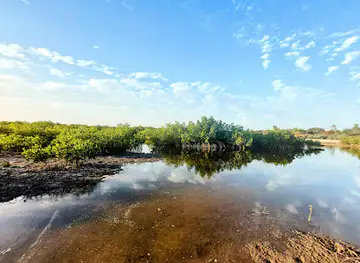
Kanuma River View and Swimming
Discover serenity at Kanuma River View and Swimming, where breathtaking landscapes meet tranquil waters in Essau, Gambia.

Kumadi Forest Park
Explore the lush landscapes and diverse wildlife at Kumadi Forest Park, a serene retreat in Memmeh perfect for relaxation and adventure.
Pakala Forest Park
Immerse in nature's serenity at Pakala Forest Park, a tranquil preserve in Macca Farafenni, perfect for hiking, picnicking, and wildlife watching.

Best landmarks in Lower Saloum
Top-rated picks
Best Landmarks

Kachikally Crocodile Pool
Discover the mystical Kachikally Crocodile Pool in Bakau, Gambia, where nature meets culture in a breathtaking setting.

Bijilo National Park
Discover the wildlife and natural beauty of Bijilo National Park, a serene escape in The Gambia, perfect for nature lovers and adventure seekers alike.

Albert Market
Experience the vibrancy and culture of Banjul at Albert Market, where local goods and artisan crafts abound.
Ngala Lodge
Experience luxury and tranquility at Ngala Lodge, a coastal gem in The Gambia, offering exquisite dining, spa treatments, and breathtaking ocean views.

Best restaurants in Lower Saloum
Top-rated picks
Best Restaurants

Poco Loco Beachbar Gambia
Experience beachside dining at Poco Loco Beachbar in Gambia - where delicious food meets stunning ocean views.

John Raymond'S Beach Bar And Restaurant
Experience authentic Gambian flavors at John Raymond's Beach Bar and Restaurant with stunning beach views in Serrekunda.

Mo2 Jamaican Bar & Restaurant Gambia (Mosiah's)
Discover the vibrant flavors of Jamaica at Mo2 Jamaican Bar & Restaurant in Serrekunda - an unforgettable culinary adventure awaits!

Darboe's Bar and Restaurant
Experience authentic Gambian flavors at Darboe's Bar and Restaurant in Serrekunda, where culture meets culinary delight.

Best bars in Lower Saloum
Top-rated picks
Best Bars

Poco Loco Beachbar Gambia
Experience the vibrant ambiance and delicious local flavors at Poco Loco Beachbar, the ultimate beachside retreat in Serrekunda, Gambia.

Mo2 Jamaican Bar & Restaurant Gambia (Mosiah's)
Experience authentic Jamaican cuisine at Mo2 Jamaican Bar & Restaurant in Gambia, where vibrant flavors meet a lively atmosphere.

Solomon’s Beach Bar & Restaurant
Experience the vibrant culture and delicious flavors at Solomon’s Beach Bar & Restaurant in Serrekunda, your perfect beachside retreat.

Calypso bar & restaurant
Experience the vibrant flavors and lively atmosphere of Calypso Bar & Restaurant in Bakau, a must-visit for every traveler.

Best nightclubs in Lower Saloum
Top-rated picks
Best Nightclubs

Envy Night Club
Discover the vibrant nightlife of Envy Night Club in Serrekunda, where electrifying music and unforgettable experiences await.

Aquarius Nightclub
Discover the vibrant nightlife at Aquarius Nightclub in Serrekunda, Gambia, where great music and an energetic atmosphere await every visitor.

ONYX
Discover the vibrant nightlife of Serrekunda at ONYX, Gambia's premier night club offering exhilarating music, dance, and unforgettable experiences.

Club Infinity
Discover the lively nightlife at Club Infinity, Serrekunda's premier night club, where unforgettable experiences and vibrant energy await.

Best shops in Lower Saloum
Top-rated picks
Best Shops

Tropic Shopping Centre
Explore the vibrant Tropic Shopping Centre in Serrekunda, a perfect blend of shopping, dining, and entertainment that showcases Gambian culture.

MEDIB RESOURCING
Explore Medib Resourcing in Keur Ayip, Senegal – Your gateway to quality hardware and local craftsmanship.

TOP-SHOP
Explore TOP-SHOP in Gambia for unique souvenirs, local handicrafts, and stunning art pieces that capture the essence of Gambian culture.

Halabaid Trading Enterprises paradise supermarket
Discover local flavors and essentials at Halabaid Trading Enterprises, your grocery stop in Farafenni along the Trans-Gambia Highway.

Explore Lower Saloum on the Map
A handpicked selection of must-see spots in Lower Saloum, mapped for you.
Lower Saloum Essentials
-
Lower Saloum is located in the northern region of The Gambia. The nearest international airport is Banjul International Airport, approximately 150 kilometers away. From Banjul, you can take a taxi or a private car hire to Lower Saloum. The journey typically takes around 3 to 4 hours by road. Public minibuses (locally known as 'gele-gele') also operate from Banjul to Lower Saloum, offering a more affordable but less comfortable option.
-
Within Lower Saloum, transportation options include taxis, bicycles, and motorbikes. Taxis are relatively inexpensive and can be hired for short trips or for the entire day. Bicycles and motorbikes are available for rent and offer a convenient way to explore the area at your own pace. Public minibuses are also an option for traveling between villages, although they can be crowded and schedules are not always reliable.
-
The official currency in The Gambia is the Gambian Dalasi (GMD). Credit cards are not widely accepted in Lower Saloum, so it is advisable to carry cash. ATMs are scarce, so ensure you withdraw enough cash in Banjul before traveling to Lower Saloum. Most transactions, including those in markets and small shops, are conducted in cash.
-
Lower Saloum is generally a safe destination for tourists. However, it is wise to take standard precautions such as avoiding walking alone at night and keeping an eye on your belongings in crowded places. While Lower Saloum does not have specific high-crime areas targeting tourists, it is always best to stay vigilant and be aware of your surroundings. Consult local advice for the latest safety information.
-
In case of emergency, dial 117 for police assistance and 116 for medical emergencies. Lower Saloum has local police stations and basic medical facilities. It is highly recommended to have travel insurance that covers medical emergencies. For minor health issues, there are local pharmacies where you can purchase over-the-counter medications.
-
Fashion: Do dress modestly, especially in rural areas and when visiting religious sites. Avoid wearing revealing clothing. Religion: Do respect local customs and traditions. Always ask for permission before taking photos of people or religious sites. Public Transport: Do be respectful and patient when using public transport. Don't expect strict adherence to schedules. Greetings: Do greet people with a handshake and a smile. Learning a few phrases in the local language, Wolof or Mandinka, is appreciated. Eating & Drinking: Do try local dishes and accept food offerings graciously. Don't refuse hospitality, as it is considered impolite.
-
To experience Lower Saloum like a local, visit the weekly markets where you can buy fresh produce and traditional Gambian goods. Engage with locals, as they are often friendly and willing to share stories about the area's history and culture. Don't miss visiting the ancient stone circles, which are UNESCO World Heritage Sites. For a unique experience, take a boat trip on the River Gambia to observe the diverse wildlife and scenic landscapes.
When is the best time to visit Lower Saloum?
Useful Local Phrases for Lower Saloum
You don't need to speak the language perfectly. Even learning a few simple words can make conversations warmer—and locals usually appreciate the effort.
— Eve

Here are the phrases I use most often in Lower Saloum. Try a few—you'll be surprised how far they go! 😊
❤️
-
- HelloNaka
[Nah-kah] - GoodbyeNjaang
[Jang] - YesAye
[Ah-ye] - NoNaa
[Nah] - Please/You’re welcomeTeng
[Teng] - Thank youJerejef
[Jeh-reh-jehf] - Excuse me/SorryMbidu
[Mbee-doo] - How are you?Naka njang?
[Nah-kah nyang?] - Fine. And you?Faal. Naka njang?
[Fahl. Nah-kah nyang?] - Do you speak English?Ala faal English?
[Ah-lah fahl English?] - I don't understandNyaam faal
[Nyaam fahl]
- HelloNaka
-
- I’d like to see the menu, pleaseNje see menu, teng
[Njeh see meh-noo, teng] - I don't eat meatNyaam faal nyok
[Nyaam fahl nyok] - Cheers!Suka!
[Soo-kah!] - I would like to pay, pleaseNje faal pay, teng
[Njeh fahl pay, teng]
- I’d like to see the menu, pleaseNje see menu, teng
-
- Help!Njaam!
[Njahm!] - Go away!Nja joo!
[Njah joo!] - Call the Police!Nje faal Police!
[Njeh fahl Police!] - Call a doctor!Nje faal doctor!
[Njeh fahl doctor!] - I’m lostNje joo lost
[Njeh joo lost] - I’m illNje joo ill
[Njeh joo ill]
- Help!Njaam!
-
- I’d like to buy...Nje faal buy...
[Njeh fahl buy...] - I’m just lookingNje joo looking
[Njeh joo looking] - How much is it?Naka fula?
[Nah-kah foo-lah?] - That’s too expensiveDat fula ndok
[Daht foo-lah n-dok] - Can you lower the price?Ala faal joo fula?
[Ah-lah fahl joo foo-lah?]
- I’d like to buy...Nje faal buy...
-
- What time is it?Naka time fula?
[Nah-kah tahy-m foo-lah?] - It’s one o'clockNaka one o'clock
[Nah-kah one o'clock] - Half past (10)Half past (10)
[Half past (10)] - MorningBoori
[Boo-ree] - AfternoonWulu
[Woo-loo] - EveningNjaam
[Njahm] - YesterdayTaa
[Tah] - TodayNja
[Njah] - TomorrowNjeen
[Njeen] - 1Kang
[Kang] - 2Bii
[Bee] - 3Taat
[Taht] - 4Nyay
[Nyah-ye] - 5Jang
[Jang] - 6Joo
[Joo] - 7Sata
[Sah-tah] - 8Njaat
[Njah-t] - 9Kaw
[Kah-w] - 10Kalon
[Kah-lohn]
- What time is it?Naka time fula?
-
- Where's a/the...?Naka a/the...?
[Nah-kah a/the...?] - What's the address?Naka address fula?
[Nah-kah address foo-lah?] - Can you show me (on the map)?Ala faal joo (on the map)?
[Ah-lah fahl joo (on the map)?] - When's the next (bus)?Naka next (bus)?
[Nah-kah next (bus)?] - A ticket (to ....)A ticket (to ....)
[A ticket (to ....)]
- Where's a/the...?Naka a/the...?
History of Lower Saloum
-
Lower Saloum has been home to various ancient kingdoms and early settlements. The region's fertile land and strategic location along the river attracted early inhabitants who established complex societies. Archaeological findings suggest that Lower Saloum was part of the ancient Kingdom of Ghana, which flourished between the 6th and 13th centuries. The Mandinka people, who migrated from the Mali Empire, also settled in this region, contributing to its rich cultural tapestry.
-
The arrival of European explorers in the 15th century marked the beginning of significant changes in Lower Saloum. The Portuguese were the first Europeans to explore the region, followed by the British and French. These colonial powers established trading posts and forts along the river, seeking to capitalize on the lucrative trade in gold, ivory, and slaves. The British eventually gained control over the area, incorporating it into the colony of The Gambia in the 19th century. The colonial period left a lasting impact on the region's architecture, language, and social structures.
-
Lower Saloum played a central role in the transatlantic slave trade, with its river serving as a major artery for the transportation of enslaved people. Local rulers and traders were involved in capturing and selling slaves to European merchants. The human toll of this dark period in history is still felt today, with many communities in Lower Saloum tracing their ancestry back to those who were forcibly taken from their homeland. Sites such as the ruins of slave forts and trading posts serve as poignant reminders of this tragic past.
-
The mid-20th century was a time of significant change for Lower Saloum, as The Gambia fought for and eventually gained independence from British colonial rule in 1965. The region played a crucial role in the national independence movement, with local leaders and activists advocating for self-governance and human rights. The post-colonial era brought about social and economic reforms, as well as efforts to preserve and celebrate the region's rich cultural heritage.
-
Lower Saloum is a vibrant tapestry of cultural heritage and traditions. The Mandinka, Wolof, and Fula ethnic groups, among others, contribute to the region's diverse cultural landscape. Traditional music, dance, and storytelling are integral parts of daily life, with festivals and ceremonies held throughout the year. The region is also known for its skilled artisans, who create beautiful handcrafted items such as woven textiles, pottery, and jewelry. Visitors to Lower Saloum can immerse themselves in the local culture by participating in traditional dances, attending village festivals, and exploring local markets.
-
Lower Saloum is renowned for its stunning natural beauty and biodiversity. The region's riverine landscapes, mangrove forests, and savannahs provide habitats for a wide variety of wildlife, including birds, monkeys, and hippos. Ecotourism initiatives have been developed to promote sustainable travel and conservation efforts. Visitors can enjoy activities such as birdwatching, river cruises, and guided nature walks, all while supporting local communities and protecting the environment. The Saloum Delta National Park, a UNESCO World Heritage site, is a must-visit destination for nature enthusiasts.
Neighbouring Regions of Lower Saloum
The closest regions to Lower Saloum, if you have time for more than one.


Your all‑in‑one travel companion app
Explore expert travel guides, compare and book tours, experiences, hotels, and more—all from the palm of your hand. Download now for seamless trip planning wherever your wanderlust takes you.


Explore More of The Gambia

Looking beyond Lower Saloum? Discover The Gambia for broader travel guides, local hot-spots, and regional highlights.
Explore The GambiaLower Saloum in Photos
Browse through our photo collection highlighting the charm and character of the destination.

Lower Saloum: The Hidden Gem of The Gambia
Lower Saloum, nestled in the heart of The Gambia, offers a unique blend of natural beauty and cultural richness. This serene destination is perfect for tourists seeking an escape from the bustling cities. With its lush landscapes and tranquil riverbanks, Lower Saloum provides a peaceful retreat where you can immerse yourself in nature's wonders. Explore the diverse wildlife that calls this region home. The birdwatching opportunities are unparalleled, with numerous species gracing the skies and treetops. Take a guided tour through the forests and wetlands, and you might even catch a glimpse of some rare and exotic birds. The nearby River Gambia National Park also offers boat tours where you can see hippos and crocodiles in their natural habitat. Lower Saloum is steeped in history and culture. Visit the local villages to experience the warm hospitality of the Gambian people. Discover traditional crafts and practices that have been passed down through generations. The vibrant markets are filled with handmade goods, from colorful textiles to intricate beadwork, providing a perfect opportunity to take home a piece of this enchanting place. Don't miss out on the historical sites, such as the ancient stone circles of Wassu, which are a UNESCO World Heritage Site. These mysterious megaliths offer a glimpse into the region's ancient past and are a must-visit for history enthusiasts. Whether you're an adventurer, a nature lover, or a history buff, Lower Saloum has something to offer everyone.