

Free Upper Saloum Travel Guide & Mobile App
Explore Upper Saloum with free travel guides. Discover regional history, expert tips, proposed trips, and audio guides on web or mobile app.


Upper Saloum reveals inland Gambia through river landscapes, village life, seasonal wetlands, birdwatching and the history of the Central River Region.
Read more about Upper Saloum
When is the best time to visit Upper Saloum?
Best: December–February · 29–31°C| Month | High (°C) | Rainfall (mm) |
|---|---|---|
| January (best) | 30 | 0 |
| February (best) | 31 | 0 |
| March | 33 | 0 |
| April | 35 | 1 |
| May | 36 | 5 |
| June | 37 | 20 |
| July | 36 | 70 |
| August | 35 | 150 |
| September | 35 | 80 |
| October | 34 | 20 |
| November | 31 | 2 |
| December (best) | 29 | 0 |
Getting to and around Upper Saloum
How to get there
Transportation
Best attractions in Upper Saloum
Upper Saloum’s attractions are primarily environmental and cultural rather than purpose-built. The Gambia River system and its tributary wetlands provide opportunities for guided walks, birdwatching, landscape photography and quiet observation of fishing and farming life. Seasonal pools, woodland edges and cultivated areas can support varied birdlife, especially after the rains, although sightings depend on water levels and local conditions. Village visits are most rewarding when arranged through community contacts and approached as conversations about everyday life rather than staged performances. Visitors can learn about farming, food preparation, local building traditions and the role of the river in transport and livelihoods. The surrounding Central River Region also offers access to important heritage destinations, including megalithic stone-circle landscapes and historic river settlements, but these should be planned as separate excursions because they are not automatically within Upper Saloum. There are few conventional museums, amusement facilities or large visitor complexes in the district, and accommodation may be modest. Its appeal lies in spacious scenery, seasonal change, locally guided experiences and the chance to understand an inland part of The Gambia beyond the coastal resort belt.
-
Nature preserve
Oasis and Trails
Experience the beauty and tranquility of nature at Oasis and Trails, a stunning preserve in Sanyang, The Gambia, perfect for eco-adventures and relaxation.
-
Garden
Njiekunda Agrifarming
Discover the serene beauty of Njiekunda Agrifarming, a sustainable haven showcasing vibrant plants and innovative farming techniques in the heart of Njau.
-
Park
Carrol’s Wharf
Explore the serene beauty of Carrol’s Wharf in Charmen, a tranquil park perfect for relaxation, picnics, and stunning nature views.
-
 Tourist attraction
Nianijai swampy area, a potential for rice cultivation
Explore the serene Nianijai Swampy Area, where agriculture meets nature in a beautiful landscape perfect for eco-tourism and cultural experiences.


Best landmarks in Upper Saloum
Upper Saloum’s most significant landmarks are often geographical or communal rather than monumental. The Gambia River and its connected waterways form the region’s principal natural reference point, shaping settlement, transport, fishing and agriculture. Rural mosques, village meeting spaces, wells and compounds express the social organisation of communities, although they should be approached respectfully and not treated as public attractions without permission. The district also belongs to the wider Saloum historical landscape, whose name recalls the former kingdom and the cross-border cultural connections of Senegambia. Nearby parts of the Central River Region contain better-known archaeological and historic landmarks, including megalithic stone circles and river ports, but these are separate destinations and should not be presented as being in Upper Saloum without checking the exact location. For visitors within the district, the strongest sense of place comes from roads across open savannah, seasonal wetlands, cultivated fields and river margins, where environmental change and long-established livelihoods remain visible. A local guide is essential for interpreting these places and for ensuring that visits do not intrude on private or sacred spaces.
-
National park
Bijilo National Park
Discover the natural wonders of Bijilo National Park, where lush landscapes, vibrant wildlife, and breathtaking coastal views await every traveler.
-
Market
Albert Market
Discover the vibrant colors and flavors of Gambia at Albert Market, a must-visit destination for tourists exploring Banjul's local culture.
-
Historical landmark
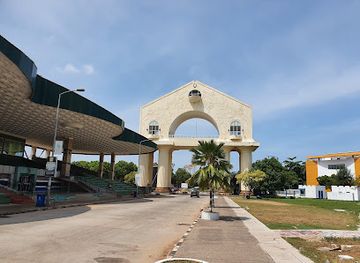
Arch 22
Explore Arch 22 in Banjul, a striking historical landmark that embodies the spirit and resilience of The Gambia's rich cultural heritage.
-
History museum
Stone Circles of Gambia
Unravel the mysteries of the ancient Stone Circles of Gambia in Wassu, a UNESCO World Heritage Site steeped in history and culture.


Explore Upper Saloum on the map
Plan your trip on one map. See where the top cities, national parks and sights are, and book hotels and experiences in a few clicks.
Best hotels in Upper Saloum
Best restaurants in Upper Saloum
Dining in Upper Saloum is closely connected to household cooking, farming and the availability of local produce rather than a formal restaurant scene. Visitors are likely to encounter rice, millet, maize, vegetables, beans, chicken, goat and freshwater fish, often served with sauces or stews and eaten communally. Benachin, a one-pot rice dish widely associated with Gambian cooking, and other nationally familiar meals may appear, but recipes vary from household to household and should not be treated as exclusive to Upper Saloum. Roadside cafés and small eateries in larger settlements provide simple meals, while village hosts may offer food by prior arrangement. Seasonal produce and groundnut-based ingredients are important in the wider Central River economy. Clean drinking water should be purchased or treated, and travellers should be tactful about declining food while explaining allergies or dietary restrictions. Fine dining and extensive menus are not features of the district; the more meaningful culinary experience is a respectful, locally organised meal using ingredients familiar to the region.
-
Restaurant
Poco Loco Beachbar Gambia
Discover the vibrant atmosphere at Poco Loco Beachbar in Gambia—where delicious cuisine meets stunning ocean views!
-
Restaurant
John Raymond'S Beach Bar And Restaurant
Discover exquisite Gambian flavors at John Raymond's Beach Bar and Restaurant in Serrekunda – where culinary delight meets stunning ocean views.
-
Restaurant
Mo2 Jamaican Bar & Restaurant Gambia (Mosiah's)
Indulge in authentic Jamaican cuisine at Mo2 Jamaican Bar & Restaurant in Gambia – where vibrant flavors meet warm hospitality.
-
Italian
Gusto Italian Resto &bar
Experience authentic Italian flavors at Gusto Italian Resto & Bar in Senegambia, where exquisite cuisine meets vibrant ambiance.


Best bars in Upper Saloum
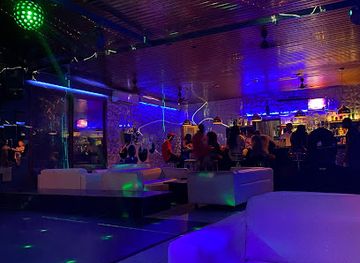
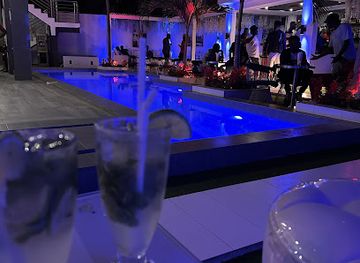
Upper Saloum does not have a substantial nightclub or late-night entertainment scene. Evening life is more likely to centre on family compounds, small cafés, modest local bars, community conversations and occasional music than on dedicated clubs. Alcohol is available in some parts of The Gambia, but practices vary between communities, and visitors should not assume that drinking is central to local social life. In rural settlements, venues may close early and lighting can be limited, making it sensible to arrange a return journey before dark. Larger nightlife choices are found outside the district in the country’s coastal tourism area and, to a lesser extent, in bigger Central River towns. A village stay, evening walk with a guide or conversation near a guesthouse can provide a better introduction to Upper Saloum after sunset than searching for a formal entertainment district.
-
Restaurant
Poco Loco Beachbar Gambia
Experience the vibrant atmosphere, delicious cuisine, and stunning views at Poco Loco Beachbar in Serrekunda, Gambia.
-
Restaurant
John Raymond'S Beach Bar And Restaurant
Experience the vibrant atmosphere and delectable flavors at John Raymond's Beach Bar and Restaurant in Serrekunda, a true Gambian gem by the sea.
-
Restaurant
Mo2 Jamaican Bar & Restaurant Gambia (Mosiah's)
Discover authentic Jamaican cuisine at Mo2 Jamaican Bar & Restaurant in Gambia, where vibrant flavors and a lively atmosphere meet.
-
Bar
Solomon’s Beach Bar & Restaurant
Discover the perfect blend of local flavors and stunning ocean views at Solomon's Beach Bar & Restaurant in Serrekunda, Gambia.



Best nightclubs in Upper Saloum
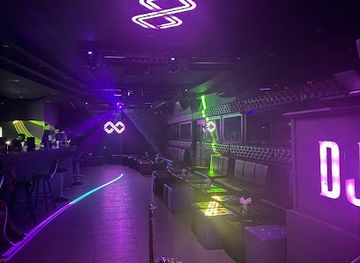
Upper Saloum does not have a substantial nightclub or late-night entertainment scene. Evening life is more likely to centre on family compounds, small cafés, modest local bars, community conversations and occasional music than on dedicated clubs. Alcohol is available in some parts of The Gambia, but practices vary between communities, and visitors should not assume that drinking is central to local social life. In rural settlements, venues may close early and lighting can be limited, making it sensible to arrange a return journey before dark. Larger nightlife choices are found outside the district in the country’s coastal tourism area and, to a lesser extent, in bigger Central River towns. A village stay, evening walk with a guide or conversation near a guesthouse can provide a better introduction to Upper Saloum after sunset than searching for a formal entertainment district.
-
Night club
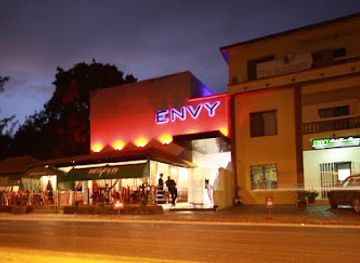
Envy Night Club
Experience the vibrant nightlife of Serrekunda at Envy Night Club, where music, dancing, and socializing create unforgettable memories.
-
Night club
Aquarius Nightclub
Dive into the vibrant nightlife of Gambia at Aquarius Nightclub, where music and fun collide for an unforgettable experience.
-
Night club
ONYX
Discover the electrifying nightlife at ONYX Night Club in Serrekunda, featuring great drinks, dancing, and a vibrant atmosphere for all party enthusiasts.
-
Night club
Club Infinity
Discover the heart of nightlife in Serrekunda at Club Infinity, a modern club bustling with energy and unforgettable entertainment.
Best shops in Upper Saloum
Shopping in Upper Saloum is practical and locally focused, with small village shops, roadside stalls and market activity in larger settlements providing everyday food, household goods and seasonal produce. Visitors may find groundnuts, grains, fruit, vegetables, woven items, simple clothing and locally prepared foods, depending on the time and place. The district is not a major centre for designer retail, antiques or organised souvenir shopping. Artisans and traders may sell crafts or textiles, but availability varies, so purchases should be made directly and respectfully rather than treating village compounds as shops. Carry dalasi in small denominations and expect cash transactions. For a broader selection of Gambian crafts, fabrics, artwork and packaged food products, plan shopping in larger towns or the coastal area before entering the interior. Buying useful locally made goods and paying fair prices can support household enterprises, while visitors should avoid purchasing archaeological objects, wildlife products or anything presented as an unverified historical artefact.
-
Shopping mall
Tropic Shopping Centre
Discover a vibrant shopping experience at Tropic Shopping Centre in Serrekunda, where culture meets modern retail in a lively atmosphere.
-
Souvenir store
TOP-SHOP
Experience the vibrant culture of Gambia at TOP-SHOP, your go-to destination for unique souvenirs, art, and handicrafts in Serrekunda.
-
Grocery store
Halabaid Trading Enterprises paradise supermarket
Discover the local flavors and essential goods at Halabaid Trading Enterprises supermarket in Farafenni, your grocery haven along the Trans-Gambia Highway.
-
Clothing store
Numero Uno Banjul, Gambia
Experience Gambian fashion at Numero Uno Banjul, a vibrant clothing store with unique styles and great quality at reasonable prices.


Get your free copy of our complete guide to Upper Saloum, delivered straight to you.
Everything on this page, from attractions and restaurants to essentials and local phrases, in one PDF you can read offline, print or share.
Already have an account? Sign in
Your Upper Saloum guide is ready.
We'll send it to · Not you? Sign out

Getting your guide ready…
We are putting together a fresh copy of the Upper Saloum guide. This can take up to a minute.
This can take a few moments. If your browser asks, choose Allow so the download can start. You'll find the guide in your Downloads folder.
Nothing happened? Download it again
Sorry, the guide is taking longer than usual. Please try again in a minute, or get it by email instead.
Upper Saloum essentials
Currency and Payment
Safety
Emergency Situations
Do's and Don'ts
Local Tips
History of Upper Saloum
Early settlement and Senegambian stone-building traditions
The wider Central River and Saloum area contains evidence of long human occupation, including the remarkable megalithic monuments found across the Senegambian region. These stone circles and associated burial landscapes point to organised communities, ritual practices and skilled working of stone many centuries before European colonial rule. Not every major monument lies within Upper Saloum’s present administrative boundary, but the district forms part of the same broad historical environment in which communities farmed, traded and moved along the river corridors.
The Saloum kingdom and regional networks
Upper Saloum belongs to a cultural zone influenced by the Saloum kingdom, a Serer state centred mainly in what is now Senegal but connected to neighbouring areas through trade, migration and political relationships. The kingdom developed within a wider Senegambian world of farming settlements, cattle keeping, river transport and exchange. These historical links help explain why the word Saloum refers to a region whose cultural geography does not stop at the modern international boundary.
Islamic scholarship and changing communities
From the later medieval period onwards, Islam spread through Senegambia through merchants, scholars, teachers and local rulers, gradually becoming an important influence in communities across the Central River area. In Upper Saloum, Islamic practice exists alongside older social customs and oral traditions. Mosques, family lineages, religious teachers and annual observances remain part of the cultural landscape, while local languages and inherited forms of community organisation preserve links with earlier generations.
River commerce and the colonial period
The Gambia River was central to the development of commercial and political power in the region. European trading interests used the river to move goods and establish influence inland, while local producers and authorities negotiated, resisted or adapted to these changing relationships. Under British colonial rule, river transport and administrative boundaries reshaped older networks without eliminating them. Groundnuts became especially important to the colonial economy, linking rural cultivation in the interior with commercial outlets downstream.
Agriculture, groundnuts and rural transformation
During the nineteenth and twentieth centuries, agriculture remained the foundation of life in the Upper Saloum area. Groundnuts, millet, rice, maize and livestock supported households and participated in wider regional trade, although harvests were affected by rainfall and soil conditions. Roads, schools, health services and administrative centres gradually altered patterns of settlement and mobility. Many present-day villages retain a strong agricultural identity, even as younger residents pursue education, public-sector work, commerce or migration.
The independent Gambia and contemporary Upper Saloum
Since The Gambia gained independence in 1965, Upper Saloum has remained part of the country’s inland Central River Region, a landscape where agricultural livelihoods coexist with road-based commerce and expanding communications. Tourism is comparatively limited compared with the coastal belt, but interest in river journeys, birdwatching, cultural visits and heritage routes has brought new possibilities. The contemporary challenge is to develop visitor activity without placing pressure on water resources, community privacy, wildlife or established local priorities.
Upper Saloum in Photos
Browse through our photo collection highlighting the charm and character of the destination.
Neighbouring regions of Upper Saloum
The closest regions to Upper Saloum, if you have time for more than one.
-

-

-

-

-


Swipe for more regions
Explore more

Explore more of The Gambia
Discover The Gambia: a treasure trove of cultural richness, stunning beaches, and diverse wildlife. An unforgettable journey awaits you in Africa's Smiling Coast.
Explore The Gambia