

Free Nianija Travel Guide & Mobile App
Explore Nianija with free travel guides. Discover regional history, expert tips, proposed trips, and audio guides on web or mobile app.


Explore Nianija in central The Gambia for UNESCO-listed stone circles, river landscapes, birdlife and a thoughtful rural cultural journey.
Read more about Nianija
When is the best time to visit Nianija?
Best: December–February · 28–30°C| Month | High (°C) | Rainfall (mm) |
|---|---|---|
| January (best) | 28 | 0 |
| February (best) | 30 | 0 |
| March | 32 | 0 |
| April | 34 | 1 |
| May | 36 | 1 |
| June | 37 | 6 |
| July | 33 | 30 |
| August | 32 | 40 |
| September | 32 | 20 |
| October | 32 | 5 |
| November | 31 | 0 |
| December (best) | 29 | 0 |
Getting to and around Nianija
How to get there
Transportation
Best attractions in Nianija
The Wassu Stone Circles are Nianija’s defining attraction and the clearest reason to include the district in a Gambian itinerary. Their regularly arranged laterite pillars and associated burial mounds belong to the UNESCO-listed Senegambian stone-circle tradition, while the nearby interpretation facilities provide essential archaeological context. Beyond Wassu, the district offers a cultural landscape rather than a large collection of purpose-built attractions. Rural tracks pass through cultivated fields, woodland and villages where visitors can learn about seasonal farming, local building traditions and everyday life when visits are arranged respectfully. The River Gambia and its associated wetlands create opportunities for quiet landscape observation, fishing activity and birdwatching, although these are better approached through local knowledge than through expectations of a formal wildlife park. The dry season brings clearer access and open views; the rainy season changes the colour and texture of the countryside but can make minor roads difficult. Nianija is well suited to heritage-focused excursions, village-based encounters and patient exploration rather than a tightly scheduled programme of entertainment.
-
National forest
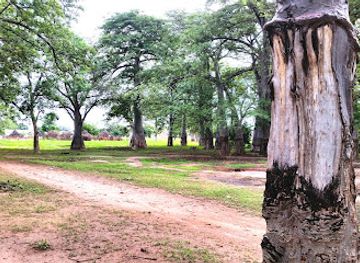
Daru Mbayen Baobab Trees Forest
Explore the breathtaking Daru Mbayen Baobab Trees Forest in Tento for a unique experience of nature's splendor and tranquility.
Best landmarks in Nianija
The Wassu Stone Circles are Nianija’s principal landmark and one of The Gambia’s most important archaeological places. Their tall, carefully positioned laterite pillars create a strong visual presence in an otherwise open rural setting, while the associated burial landscape connects them to the wider Senegambian monumental tradition. Their significance lies not only in their age but in the organisation, technical ability and social beliefs required to create and maintain them over many centuries. The River Gambia is the district’s other defining geographical landmark: its broad channel, floodplain and seasonal wetlands have influenced settlement, transport, farming and trade across central Gambia. Villages, cultivated fields and traditional compounds provide a more understated architectural character, reflecting adaptation to climate, materials and local ways of life rather than monumental construction. Nianija’s landmarks are therefore best read together as an archaeological and living landscape, in which the stone circles, river and settled countryside illuminate different layers of the region’s history.
-
National park
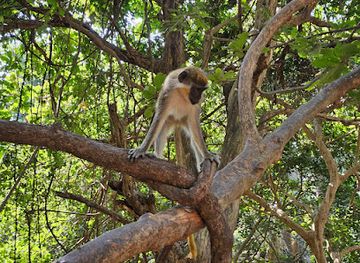
Bijilo National Park
Discover the diverse wildlife and lush landscapes of Bijilo National Park, a serene escape into nature's beauty in Gambia.
-
Market
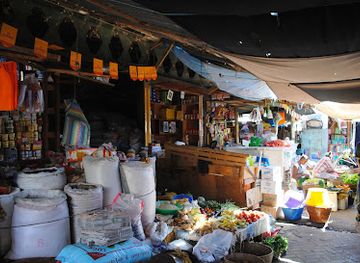
Albert Market
Explore the vibrant Albert Market in Banjul, where local culture, colorful stalls, and authentic Gambian flavors come together for an unforgettable shopping experience.
-
Historical landmark
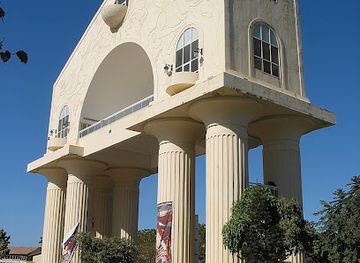
Arch 22
Explore Arch 22, a monumental historical landmark in Banjul, offering stunning views and a glimpse into the rich heritage of The Gambia.
-
Museum
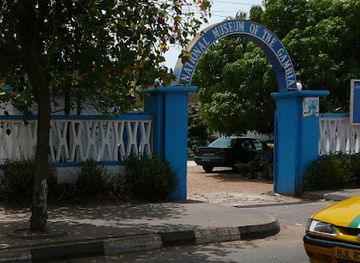
National Museum of the Gambia
Explore the vibrant history and cultural richness of The Gambia at the National Museum, a treasure trove of heritage and art.
Explore Nianija on the map
Plan your trip on one map. See where the top cities, national parks and sights are, and book hotels and experiences in a few clicks.
Best hotels in Nianija
Best restaurants in Nianija
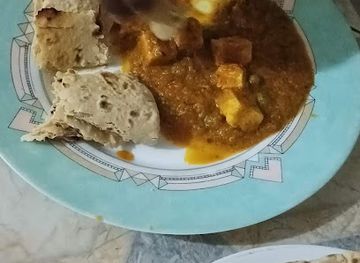
Dining in Nianija is primarily local, informal and dependent on advance arrangements rather than a developed restaurant scene. Rice is central to many meals, accompanied by sauces containing vegetables, groundnuts, fish or meat; millet, beans and seasonal produce are also important in rural households. Fish from the river may appear on local menus, while freshly cooked dishes are more likely to be found through guesthouses, guides, village contacts or roadside eateries than through extensive à la carte restaurants. Visitors should expect simple portions, communal hospitality and limited choice outside larger settlements. Bottled or treated drinking water is advisable, and food should be eaten freshly prepared where possible. The wider Gambian culinary tradition also includes dishes such as benachin, a one-pot rice preparation, and chicken or fish served with rice and sauce, though recipes vary between households. Carrying snacks is sensible on long journeys, as shops and eating places can be widely spaced.
-
Restaurant
Poco Loco Beachbar Gambia
Discover Poco Loco Beachbar in Serrekunda: A vibrant seaside escape serving delicious food and refreshing drinks amidst stunning ocean views.
-
Restaurant
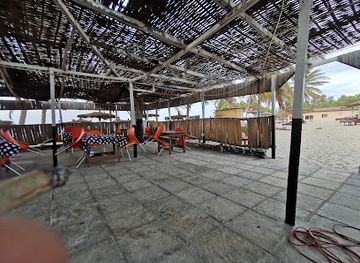
John Raymond'S Beach Bar And Restaurant
Discover culinary delights at John Raymond's Beach Bar & Restaurant in Serrekunda, where fresh seafood meets breathtaking beach views.
-
Restaurant
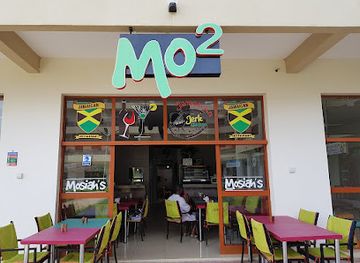
Mo2 Jamaican Bar & Restaurant Gambia (Mosiah's)
Savor authentic Jamaican cuisine at Mo2 Jamaican Bar & Restaurant in Serrekunda - A vibrant culinary escape with rich flavors.
-
Restaurant
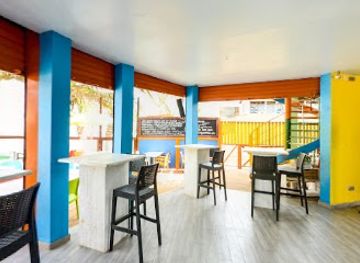
Darboe's Bar and Restaurant
Experience authentic Gambian cuisine at Darboe's Bar and Restaurant on the Trans-Gambia Highway – a delightful stop for every traveler.
Best bars in Nianija
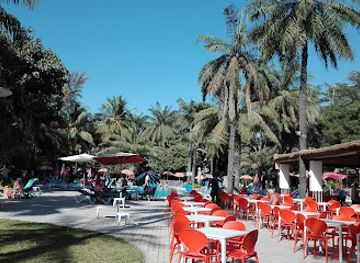
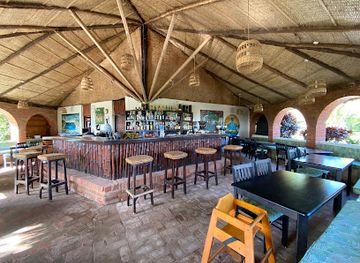
Nianija does not have a significant nightclub district or resort-style evening economy. Social life is more likely to centre on family compounds, village gatherings, small local refreshment spots and conversations after the day’s work, while visitors staying in basic accommodation may spend evenings quietly under the open sky. Alcohol is not a defining part of the district’s public culture, and availability is more limited than in The Gambia’s coastal tourism areas. Any evening entertainment is likely to be arranged locally and should never be assumed to be a public performance for visitors. The most rewarding night-time experiences are generally peaceful ones: listening to rural sounds, observing a clear dry-season sky and learning about local life through a trusted host. Plan transport before dark, since roads, vehicles and mobile coverage are less dependable at night.
-
Restaurant
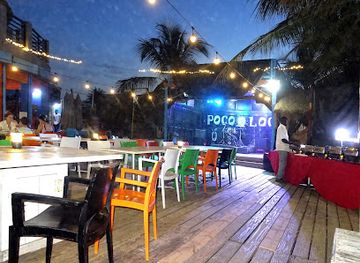
Poco Loco Beachbar Gambia
Experience the vibrant atmosphere of Poco Loco Beachbar in Serrekunda, Gambia, where beachside dining meets tropical relaxation.
-
Restaurant
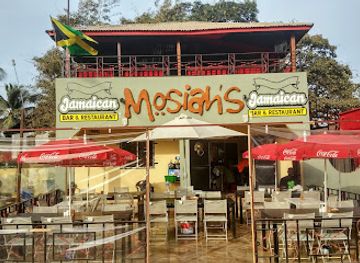
Mo2 Jamaican Bar & Restaurant Gambia (Mosiah's)
Experience authentic Jamaican cuisine in the heart of Gambia at Mo2 Jamaican Bar & Restaurant, a vibrant culinary escape.
-
Bar
Solomon’s Beach Bar & Restaurant
Experience the perfect blend of relaxation and vibrant dining at Solomon’s Beach Bar & Restaurant in Serrekunda.
-
Bar
Calypso bar & restaurant
Discover the essence of Gambian culture at Calypso Bar & Restaurant, where delicious food and refreshing drinks meet stunning coastal views.
Best nightclubs in Nianija
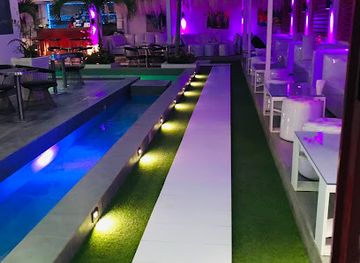
Nianija does not have a significant nightclub district or resort-style evening economy. Social life is more likely to centre on family compounds, village gatherings, small local refreshment spots and conversations after the day’s work, while visitors staying in basic accommodation may spend evenings quietly under the open sky. Alcohol is not a defining part of the district’s public culture, and availability is more limited than in The Gambia’s coastal tourism areas. Any evening entertainment is likely to be arranged locally and should never be assumed to be a public performance for visitors. The most rewarding night-time experiences are generally peaceful ones: listening to rural sounds, observing a clear dry-season sky and learning about local life through a trusted host. Plan transport before dark, since roads, vehicles and mobile coverage are less dependable at night.
-
Night club
Envy Night Club
Experience the vibrant nightlife at Envy Night Club in Serrekunda, offering electrifying music, delicious cocktails, and an unforgettable atmosphere.
-
Night club
Aquarius Nightclub
Dive into the vibrant nightlife of Gambia at Aquarius Nightclub, the ultimate destination for music, dancing, and unforgettable memories.
-
Night club
Ningki Nangka Bar & Night Club
Experience the vibrant nightlife at Ningki Nangka Bar & Night Club in Serrekunda, where music, dance, and delicious drinks create unforgettable memories.
-
Night club
ONYX
Discover the heart of Serrekunda's nightlife at ONYX, where great drinks and vibrant music create an unforgettable experience.


Best shops in Nianija
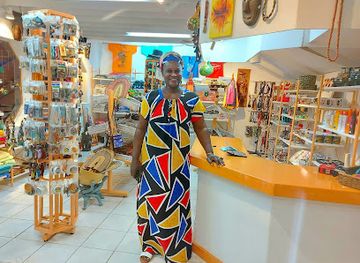
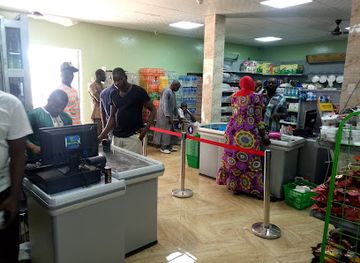
Shopping in Nianija is limited and functional rather than centred on specialist retail. Small village shops provide everyday necessities, while larger roadside settlements may offer basic clothing, household goods, snacks and locally produced food. The most appropriate purchases are often practical regional products such as groundnuts, seasonal produce, woven items or small craft pieces bought directly through trusted local contacts. Visitors should ask before photographing or bargaining with artisans and should avoid buying archaeological objects, old stones or items presented as excavated material, since removing cultural heritage is illegal and damaging. More extensive shopping, including specialist crafts, textiles, souvenirs and larger food markets, is available in bigger Gambian towns and the coastal tourism zone rather than within rural Nianija itself. Carry cash in small dalasi notes, check the quality and provenance of products, and favour purchases that provide a fair benefit to the maker or community.
-
Souvenir store
TOP-SHOP
Explore the essence of Gambian culture at TOP-SHOP, your go-to destination for unique souvenirs, handicrafts, and authentic local art.
-
Grocery store
Halabaid Trading Enterprises paradise supermarket
Experience the flavors of Gambia at Halabaid Trading Enterprises, your ultimate grocery shopping destination in Farafenni.
-
Grocery store
Costa road
Discover the rich flavors of Bureng at Costa Road, where local produce meets international delights in a vibrant grocery experience.
-
General store
Soma Saremawdou Market
Discover the authentic vibe of Gambian culture at Soma Saremawdou Market, a vibrant hub for local goods and community spirit.
Get your free copy of our complete guide to Nianija, delivered straight to you.
Everything on this page, from attractions and restaurants to essentials and local phrases, in one PDF you can read offline, print or share.
Already have an account? Sign in
Your Nianija guide is ready.
We'll send it to · Not you? Sign out

Getting your guide ready…
We are putting together a fresh copy of the Nianija guide. This can take up to a minute.
This can take a few moments. If your browser asks, choose Allow so the download can start. You'll find the guide in your Downloads folder.
Nothing happened? Download it again
Sorry, the guide is taking longer than usual. Please try again in a minute, or get it by email instead.
Nianija essentials
Currency and Payment
Safety
Emergency Situations
Do's and Don'ts
Local Tips
From Eve
Local phrases worth knowing
You don't need to get them perfect. A few words go a long way, and locals appreciate the effort.
Basics
| English | Local | Say it |
|---|---|---|
| Hello | A salaam aleikum | [ah sah-lahm ah-lay-kum] |
| Goodbye | Naka | [nah-kah] |
| Yes | Aye | [eye] |
| No | Naa | [nah] |
| Please/You're welcome | Jërëjëf | [jeh-reh-jehf] |
| Thank you | Jërëjëf | [jeh-reh-jehf] |
| Excuse me/Sorry | Sama | [sah-mah] |
| How are you? | Naka sa? | [nah-kah sah] |
| Fine. And you? | Naka. A naa? | [nah-kah. ah nah] |
| Do you speak English? | Naa jangi English? | [nah jahn-gee English] |
| I don't understand | Naa jom naa | [nah johm nah] |
Eating & Drinking
| English | Local | Say it |
|---|---|---|
| I'd like to see the menu, please | Naa la jëf menu, jërëjëf | [nah lah jehf meh-noo, jeh-reh-jehf] |
| I don't eat meat | Naa jom jëf nyu | [nah johm jehf nyoo] |
| Cheers! | Nanga def! | [nahng-ah dehf] |
| I would like to pay, please | Naa la jëf pay, jërëjëf | [nah lah jehf pay, jeh-reh-jehf] |
Emergencies
| English | Local | Say it |
|---|---|---|
| Help! | Sama! | [sah-mah] |
| Go away! | Naka jëf! | [nah-kah jehf] |
| Call the Police! | Naa jangi Police! | [nah jahn-gee Police] |
| Call a doctor! | Naa jangi doctor! | [nah jahn-gee doctor] |
| I'm lost | Naa jom jëf | [nah johm jehf] |
| I'm ill | Naa jom | [nah johm] |
Shopping
| English | Local | Say it |
|---|---|---|
| I'd like to buy... | Naa la jëf buy... | [nah lah jehf buy] |
| I'm just looking | Naa jangi | [nah jahn-gee] |
| How much is it? | Naka la? | [nah-kah lah] |
| That's too expensive | Naa jëf too expensive | [nah jehf too eks-pens-iv] |
| Can you lower the price? | Naa jangi jëf price? | [nah jahn-gee jehf price] |
Time & Numbers
| English | Local | Say it |
|---|---|---|
| What time is it? | Naka waqt? | [nah-kah wahkt] |
| It's one o'clock | Lii saati one | [lee sah-tee one] |
| Half past (10) | Dëkk (10) | [dehk (10)] |
| Morning | Gëj | [gehj] |
| Afternoon | Gëj jëf | [gehj jehf] |
| Evening | Gëj gëj | [gehj gehj] |
| Yesterday | Dëkk | [dehk] |
| Today | Bëj | [behj] |
| Tomorrow | Faat | [faht] |
| 1 | Benn | [ben] |
| 2 | Ñaari | [nyah-ree] |
| 3 | Taal | [tahl] |
| 4 | Nett | [net] |
| 5 | Juul | [jool] |
| 6 | Jókk | [johk] |
| 7 | Fuk | [fook] |
| 8 | Jott | [jot] |
| 9 | Ney | [nay] |
| 10 | Fuk | [fook] |
Transport & Directions
| English | Local | Say it |
|---|---|---|
| Where's a/the...? | Naka a/the...? | [nah-kah ah/the] |
| What's the address? | Naka address? | [nah-kah ad-dress] |
| Can you show me (on the map)? | Naa jangi show me (on the map)? | [nah jahn-gee show me (on the map)] |
| When's the next (bus)? | Naka next (bus)? | [nah-kah next (bus)] |
| A ticket (to ....) | A ticket (to ....) | [ah ticket (to ....)] |
History of Nianija
Senegambian Stone-Circle Tradition, c. 3rd century BC–16th century AD
The stone circles around Wassu belong to a broad funerary and ceremonial tradition found across parts of modern The Gambia and Senegal. At Wassu, carefully positioned laterite pillars mark burial places and demonstrate considerable skill in quarrying, transporting and arranging stone. The builders and communities who created the monuments left no written explanation, so archaeology, material evidence and comparison with related sites help reconstruct their significance. The circles are important because they show that organised, socially complex communities occupied and shaped the central Senegambian landscape long before European involvement.
The Inland River Communities and Manding Influence
For centuries, settlements along the Gambia River were connected through farming, fishing, trade and political relationships extending deep into the Senegambian interior. Manding-speaking communities and related societies played an important role in the history of the river corridor, while other peoples, including Fulani and Wolof communities, also contributed to the region’s changing social landscape. Nianija’s villages and agricultural patterns reflect this long history of movement and interaction rather than a single, unchanging ethnic or political identity.
European River Trade from the Fifteenth Century
Portuguese navigators reached the Gambia River in the fifteenth century, opening a period in which European merchants and African authorities negotiated, competed and traded along the river. Later British influence became dominant, and the river served as a route for commodities, information and people moving between the coast and the interior. European trade brought new commercial pressures and intensified the trafficking of enslaved people, although African political communities remained central to how inland trade operated.
Colonial Administration and River Transport
During the British colonial period, the Gambia River and its landing places remained essential to administration and commerce. Goods and passengers moved between river settlements by boat, while roads and administrative centres gradually altered patterns of connection. Rural districts such as Nianija were governed within a wider colonial system centred on the river and the coastal colony, but local farming, authority structures and community life continued to shape everyday experience. The transport geography of ferries, tracks and river crossings still influences travel in the region.
Agriculture and Rural Change in the Twentieth Century
Groundnuts became one of The Gambia’s most important commercial crops during the colonial and post-colonial periods, linking rural producers to national and international markets. In central Gambia, farming has also remained dependent on cereals, vegetables, livestock and seasonal rainfall. Population growth, changing market conditions, migration and improved roads have gradually transformed village economies, yet agriculture continues to determine the rhythm of much of Nianija’s countryside. The landscape of cultivated fields, compounds and woodland is therefore both an environmental and historical record.
Independence and Heritage Recognition
The Gambia became independent from Britain in 1965, and its inland districts subsequently developed within a sovereign national framework rather than a colonial river colony. Recognition of the Senegambian stone circles as a shared UNESCO World Heritage property in 2006 strengthened attention to sites such as Wassu and encouraged a more connected understanding of the archaeological landscape across the modern Gambian-Senegalese border. Heritage tourism remains modest, but the designation places Nianija within one of West Africa’s most significant prehistoric monumental traditions.
Neighbouring regions of Nianija
The closest regions to Nianija, if you have time for more than one.
-

-

-

-

-


Swipe for more regions
Explore more

Explore more of The Gambia
Discover The Gambia: a treasure trove of cultural richness, stunning beaches, and diverse wildlife. An unforgettable journey awaits you in Africa's Smiling Coast.
Explore The Gambia