

Kara Region, Togo Travel Guide
Explore the Kara Region: Where Togo's natural beauty, rich culture, and historical treasures converge for an unforgettable travel experience.
Nestled in the northern part of Togo, the Kara Region is a captivating destination offering a blend of natural beauty, rich culture, and historical significance. This region, characterized by its rolling hills, verdant landscapes, and picturesque villages, provides a serene escape from the hustle and bustle of city life. The Kara Region is home to Mount Kabyé, a striking peak that beckons hikers and nature enthusiasts alike. The surrounding countryside is dotted with traditional Kabyé villages where visitors can immerse themselves in the local way of life and witness age-old customs and crafts. The region's cultural heritage is equally compelling. Kara is known for its vibrant festivals, such as the Evala wrestling festival, which is a rite of passage for young men and a spectacle of strength and tradition. The local markets are a riot of colors and scents, offering an array of crafts, textiles, and fresh produce. A visit to the Kara Region would be incomplete without exploring the Tamberma Valley, a UNESCO World Heritage site featuring fascinating mud-brick castles known as 'Tata Somba,' which are unique to the area. In addition to its cultural and natural attractions, the Kara Region offers opportunities for adventure and relaxation. The Alédjo Wildlife Reserve is a must-visit for wildlife enthusiasts, providing a chance to see diverse flora and fauna in their natural habitat. Meanwhile, the region's rivers and waterfalls, such as the Koutammakou Waterfall, offer tranquil spots for picnicking and unwinding. Whether you're an adventurer, culture seeker, or simply looking to relax in a beautiful setting, the Kara Region has something to offer every traveler.

Know before you go
Hi, I'm Eve. Here are a few practical things to know before exploring Kara Region.
- Visit during the Evala festival in July to experience local wrestling traditions.
- Hire a local guide for a deeper understanding of the cultural and historical sites.
- Bring sturdy hiking boots for exploring Mount Kabyé and the surrounding trails.
- Don't miss the local markets for unique crafts and fresh produce.
- Stay hydrated and use sun protection when exploring outdoor attractions.
Destinations in Kara Region
Resorts, valleys and scenic spots worth a trip of their own.


Explore Kara Region: Things to Do, Places to Eat, Hotels & More
Handpicked recommendations for top attractions, local dining, accommodations, and more

Top Attractions & Sightseeing in Kara Region
Top-rated picks
Best Attractions

Djamdè Elephant Reserve
Discover the Djamdè Elephant Reserve, a sanctuary for Togo's last elephants, where wildlife conservation meets breathtaking natural beauty.

Kara
Discover the vibrant culture and stunning landscapes of Kara, Togo's hidden gem for authentic adventures and unforgettable experiences.

Binadjoubé
Explore Binadjoubé, a tranquil tourist attraction in Sitiboubou, Togo, where nature meets rich culture for an unforgettable escape.

Liyalbou
Explore Liyalbou in Guerin-Kouka: a serene tourist attraction showcasing Togo's lush landscapes and vibrant local culture.

Best landmarks in Kara Region
Top-rated picks
Best Landmarks

Faille d'Aledjo
Discover the breathtaking beauty of Faille d'Aledjo, a scenic gem in Togo offering stunning views and serene landscapes for nature enthusiasts and adventurers alike.
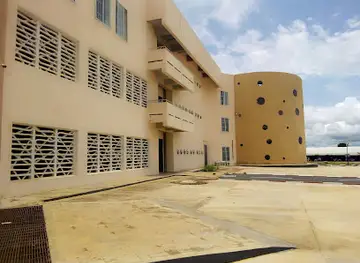
Kara
Explore the hidden beauty of Kara, Togo: a vibrant town filled with rich culture, stunning landscapes, and authentic local experiences.

Best restaurants in Kara Region
Top-rated picks
Best Restaurants

LE CHATEAU
Discover delicious dining at Le Chateau in Kara, where local flavors meet international cuisine in an inviting atmosphere.

Chez Navi
Experience authentic Togolese cuisine at Chez Navi in Kara - where every meal tells a story.

Kara Pizza
Discover delicious pizzas at Kara Pizza in Togo's vibrant city of Kara – perfect for families and friends seeking authentic flavors.

Bijoulie
Experience the authentic taste of Togolese cuisine at Bijoulie in Kara, where every meal is a celebration of local flavors and warm hospitality.

Best bars in Kara Region
Top-rated picks
Best Bars

Bijoulie
Discover the flavors of Togo at Bijoulie, a vibrant restaurant in Kara offering a delightful mix of traditional and contemporary dishes.

KARA BEAUTY
Discover Kara Beauty, a lively bar in Kara, Togo, offering a warm atmosphere and a diverse drink selection for an unforgettable nightlife experience.
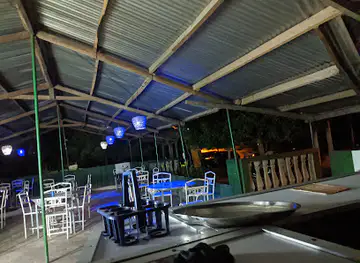
Bar Tout Flamme
Experience the vibrant nightlife of Kara at Bar Tout Flamme, a local favorite for drinks and socializing.

Bar Merveille
Discover the charm of Bar Merveille in Kara – a delightful bar where locals and tourists meet for drinks and good times.

Best nightclubs in Kara Region
Top-rated picks
Best Nightclubs

KARA BEAUTY
Discover the vibrant nightlife at Kara Beauty, a charming bar in Kara offering an array of drinks and a lively atmosphere for tourists.

Bar Volcan
Experience vibrant nightlife at Bar Volcan in Kara, Togo, where local culture, live music, and a diverse beverage selection create unforgettable memories.

bar mon pays
Experience the heart of Kara at Bar Mon Pays, where locals and tourists unite over drinks in a vibrant, budget-friendly atmosphere.

Bar Baracla
Experience the vibrant atmosphere and authentic Togolese flavors at Bar Baracla, the heart of Kara's nightlife.

Best shops in Kara Region
Top-rated picks
Best Shops

GLORIA FRIGO
Discover the vibrant shopping scene at GLORIA FRIGO, where local culture meets international brands in a delightful mall experience.

AFRIK PRO KARA
Explore AFRIK PRO KARA in Kara, Togo - Your one-stop shop for computers and tech accessories in a vibrant city.

Boutique Togocom Kara
Explore Boutique Togocom Kara, your essential communication hub for seamless connectivity in the heart of Togo’s vibrant city, Kara.

Fridaos Supermarche
Discover the flavors of Togo at Fridaos Supermarche in Kara, a vibrant grocery store rich in local culture and hospitality.

Explore Kara Region on the Map
A handpicked selection of must-see spots in Kara Region, mapped for you.
Kara Region Essentials
-
The Kara Region in Togo can be accessed through the nearest international airport, Gnassingbé Eyadéma International Airport in Lomé, approximately 400 kilometers away. From Lomé, you can travel to Kara by bus, taxi, or rented car. The journey typically takes 6 to 8 hours by road. Alternatively, you can take a domestic flight from Lomé to Niamtougou International Airport, which is closer to Kara.
-
Within Kara Region, you can use taxis, motorcycle taxis (zemidjans), and minibusses for local transportation. Car rentals are also available for those who prefer to explore at their own pace. While public transport options are relatively affordable, they may not always be on schedule, so plan accordingly.
-
The official currency in Togo is the West African CFA franc (XOF). Credit cards are accepted in some hotels and larger businesses, but it is advisable to carry cash, especially in smaller towns and rural areas. ATMs are available in Kara, but it is wise to withdraw sufficient cash before traveling to more remote areas.
-
Kara Region is generally safe for tourists, but standard precautions should be taken. Avoid walking alone at night and keep an eye on your belongings in crowded places. Certain areas, particularly in larger towns, may have higher crime rates, so stay vigilant. It is always a good idea to ask locals or your accommodation for advice on which areas to avoid.
-
In case of emergency, dial 117 for police assistance or 118 for medical emergencies. There are local police stations and medical facilities in Kara. It is recommended to have travel insurance that covers medical emergencies. Pharmacies are available in Kara for minor health issues and over-the-counter medications.
-
Fashion: Do dress modestly, especially when visiting religious sites or rural areas. Avoid wearing overly revealing clothing. Religion: Do show respect for local customs and traditions. Always be respectful when visiting places of worship. Public Transport: Do be courteous and give up your seat to elderly passengers. Don't eat or drink on public transport. Greetings: Do greet people with a handshake and a smile. A polite greeting in French, such as 'Bonjour,' is appreciated. Eating & Drinking: Do try local dishes and accept food offerings graciously. Don't refuse hospitality, as it is considered impolite.
-
To experience Kara Region like a local, visit the bustling markets where you can purchase fresh produce and traditional Togolese crafts. Engage with locals, who are often friendly and eager to share stories about their culture and history. Don't miss visiting the traditional Koutammakou landscape, a UNESCO World Heritage Site, known for its unique mud tower houses. For a memorable experience, participate in local festivals and ceremonies to gain deeper insights into the region's rich cultural heritage.
When is the best time to visit Kara Region?
Useful Local Phrases for Kara Region
You don't need to speak the language perfectly. Even learning a few simple words can make conversations warmer—and locals usually appreciate the effort.
— Eve

Here are the phrases I use most often in Kara Region. Try a few—you'll be surprised how far they go! 😊
❤️
-
- HelloBɔbɔ
[boh-boh] - GoodbyeBɔbɔ da
[boh-boh dah] - YesAye
[ah-yeh] - NoMaa
[mah] - Please/You're welcomeMɛna
[meh-nah] - Thank youMɛna wula
[meh-nah woo-lah] - Excuse me/SorryKɔkɔ
[koh-koh] - How are you?Nɔ fɔ?
[noh fo?] - Fine. And you?Nɔ fɔ. Nɔ fɔ kɔ?
[noh fo? noh fo koh?] - Do you speak English?Wɔ nɔtɛ ɛnglɛs?
[wo noh-teh eng-les?] - I don't understandMɛ nɔ tɛlɛ
[meh noh teh-leh]
- HelloBɔbɔ
-
- I'd like to see the menu, pleaseMɛna mɛ nɔ mɛnu, bɔbɔ
[meh-nah meh noh meh-noo, boh-boh] - I don't eat meatMɛ nɔ kɔndɔ
[meh noh kon-doh] - Cheers!Kɔwɔ yɔ!
[koh-woh yo!] - I would like to pay, pleaseMɛna mɛ nɔ fɛ, bɔbɔ
[meh-nah meh noh feh, boh-boh]
- I'd like to see the menu, pleaseMɛna mɛ nɔ mɛnu, bɔbɔ
-
- Help!Wɔhɔ!
[woh-ho!] - Go away!Gɔɔ nɔ!
[goh-oh noh!] - Call the Police!Kɔlɔ polis!
[koh-loh poh-lees!] - Call a doctor!Kɔlɔ dɔktɔ!
[koh-loh dok-toh!] - I'm lostMɛ nɔ lɔst
[meh noh lost] - I'm illMɛ nɔ mɔlɛ
[meh noh mo-leh]
- Help!Wɔhɔ!
-
- I'd like to buy...Mɛna mɛ nɔ bɔ...
[meh-nah meh noh boh...] - I'm just lookingMɛ nɔ kɔmɛ
[meh noh koh-meh] - How much is it?Nɔ fɔ jɔ?
[noh fo? joh?] - That's too expensiveNɔ fɔ nɔ tɔ ɔmɔ
[noh fo noh toh om-oh] - Can you lower the price?Wɔ nɔ dɛ fɛ?
[wo noh deh feh?]
- I'd like to buy...Mɛna mɛ nɔ bɔ...
-
- What time is it?Nɔ fɔ jɔ tɛm?
[noh fo? joh tem?] - It's one o'clockNɔ fɔ ɔkɔ jɔ
[noh fo? oh-koh joh] - Half past (10)Nɔ fɔ hɑf pɔs (10)
[noh fo? haf pos (ten)] - MorningMɔrnin
[mor-ning] - AfternoonAftɛrnɔn
[af-ter-non] - EveningIvɛnɛn
[ee-ven-ing] - YesterdayYɛstɛrde
[yes-ter-day] - TodayTudɛ
[too-day] - TomorrowTɔmɔrɔ
[toh-mor-oh] - 1Yɛkɔ
[yeh-koh] - 2Yɛlɛ
[yeh-leh] - 3Yɛtɛ
[yeh-teh] - 4Yɛna
[yeh-nah] - 5Yɛnkɔ
[yeh-n-koh] - 6Yɛsɛ
[yeh-seh] - 7Yɛdɛ
[yeh-deh] - 8Yɛtɛ
[yeh-teh] - 9Yɛnɛ
[yeh-neh] - 10Yɛkɔ
[yeh-koh]
- What time is it?Nɔ fɔ jɔ tɛm?
-
- Where's a/the...?Wɛr nɔ...?
[where noh...?] - What's the address?Nɔ fɔ ɛdrɛs?
[noh fo? eh-dress?] - Can you show me (on the map)?Wɔ nɔ shɔ mɛ (ɔn nɔ mɛp)?
[wo noh show meh (on noh map)?] - When's the next (bus)?Wɛn nɔ nɛkst (bɔs)?
[when noh next (boss)?] - A ticket (to ....)A tɪkɛt (tɔ ...)
[a ti-ket (to ...)]
- Where's a/the...?Wɛr nɔ...?
History of Kara Region
-
The Kabye people, one of the primary ethnic groups in the Kara Region, have a rich history that dates back centuries. They are known for their ironworking skills, which were developed independently and are crucial to their cultural identity. The Kabye traditionally lived in small, fortified villages on the rocky hills of the region, which provided protection against invasions. This unique settlement pattern is a testament to their resilience and adaptability.
-
During the late 19th and early 20th centuries, the Kara Region fell under German colonial rule as part of Togoland. The Germans built infrastructure such as roads and administrative buildings, some of which still stand today. This period also saw the introduction of cash crops like cotton and coffee, which altered the region's economic landscape. The German influence is still evident in some of the architectural styles and place names in the area.
-
After World War I, Togoland was divided between the French and British, with the Kara Region falling under French control. The French continued to exploit the region's agricultural potential and further developed its infrastructure. They also introduced Western education systems, which have had a lasting impact on the local culture. Many of the region's current administrative practices and legal frameworks have their roots in this period.
-
Togo gained independence from French colonial rule in 1960, and the Kara Region has since played a significant role in the country's political landscape. It is the birthplace of Gnassingbé Eyadéma, who ruled Togo for 38 years, from 1967 until his death in 2005. His long tenure has left a lasting imprint on the region, both in terms of development initiatives and political influence. The Eyadéma family's continued political dominance is a crucial aspect of the region's contemporary history.
-
The Kara Region is renowned for its vibrant cultural festivals, which celebrate the rich heritage of its people. One of the most significant events is the Evala Festival, an initiation ceremony for young Kabye men that involves traditional wrestling matches. This festival not only serves as a rite of passage but also as a celebration of community and cultural identity. Other important cultural practices include the worship of ancestral spirits and the use of traditional music and dance in various ceremonies.
-
The Kara Region is blessed with stunning natural landscapes, including the Kéran National Park and Mount Kabyé. These natural wonders attract ecotourists and adventurers alike. The Kéran National Park is home to diverse wildlife such as elephants, antelopes, and various bird species, making it a vital part of the region's ecological and economic fabric. The emphasis on preserving these natural habitats highlights the region's commitment to sustainable tourism and environmental conservation.
Neighbouring Regions of Kara Region
The closest regions to Kara Region, if you have time for more than one.


Your all‑in‑one travel companion app
Explore expert travel guides, compare and book tours, experiences, hotels, and more—all from the palm of your hand. Download now for seamless trip planning wherever your wanderlust takes you.


Explore More of Togo

Looking beyond Kara Region? Discover Togo for broader travel guides, local hot-spots, and regional highlights.
Explore TogoKara Region in Photos
Browse through our photo collection highlighting the charm and character of the destination.


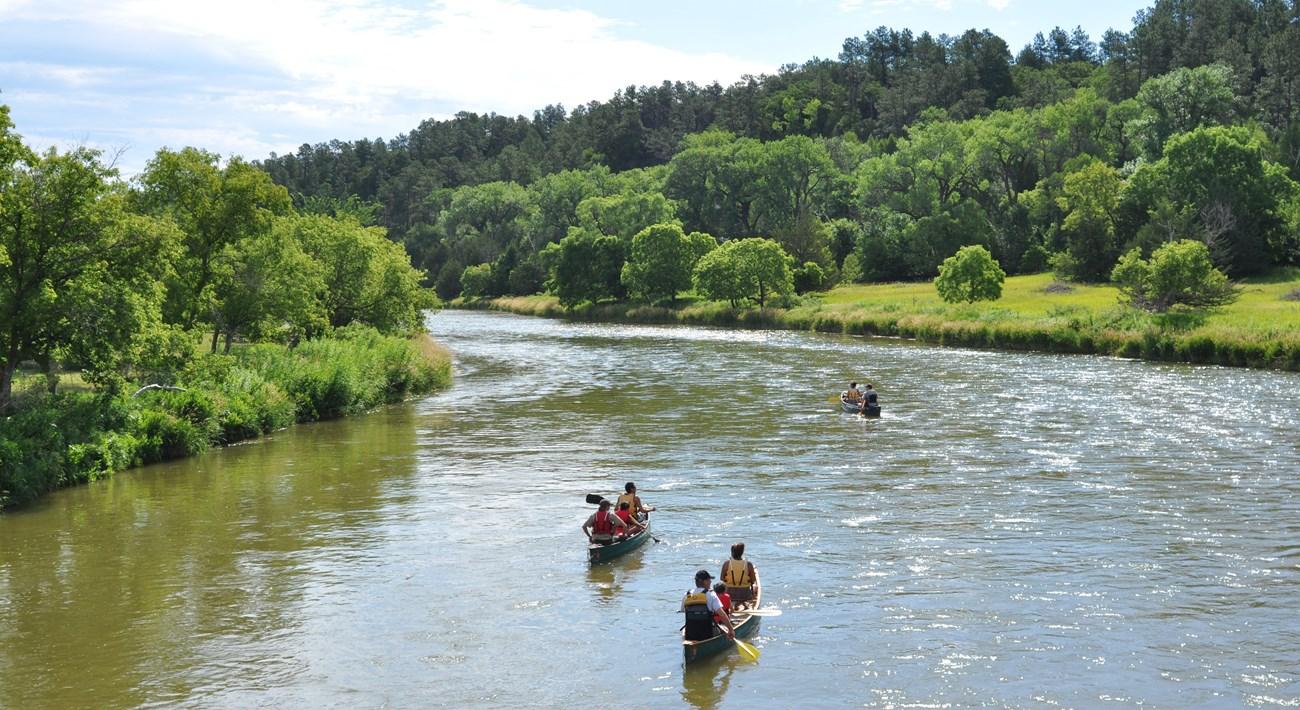


The Hidden Gem of Togo: Kara Region
Nestled in the northern part of Togo, the Kara Region is a captivating destination offering a blend of natural beauty, rich culture, and historical significance. This region, characterized by its rolling hills, verdant landscapes, and picturesque villages, provides a serene escape from the hustle and bustle of city life. The Kara Region is home to Mount Kabyé, a striking peak that beckons hikers and nature enthusiasts alike. The surrounding countryside is dotted with traditional Kabyé villages where visitors can immerse themselves in the local way of life and witness age-old customs and crafts. The region's cultural heritage is equally compelling. Kara is known for its vibrant festivals, such as the Evala wrestling festival, which is a rite of passage for young men and a spectacle of strength and tradition. The local markets are a riot of colors and scents, offering an array of crafts, textiles, and fresh produce. A visit to the Kara Region would be incomplete without exploring the Tamberma Valley, a UNESCO World Heritage site featuring fascinating mud-brick castles known as 'Tata Somba,' which are unique to the area. In addition to its cultural and natural attractions, the Kara Region offers opportunities for adventure and relaxation. The Alédjo Wildlife Reserve is a must-visit for wildlife enthusiasts, providing a chance to see diverse flora and fauna in their natural habitat. Meanwhile, the region's rivers and waterfalls, such as the Koutammakou Waterfall, offer tranquil spots for picnicking and unwinding. Whether you're an adventurer, culture seeker, or simply looking to relax in a beautiful setting, the Kara Region has something to offer every traveler.