

Savanes Region, Togo Travel Guide
Explore the Savanes Region in Togo: A land of diverse landscapes, rich culture, and untouched natural beauty, perfect for nature lovers and cultural enthusiasts.
The Savanes Region in Togo is a hidden gem waiting to be explored. This untouched part of West Africa offers a mix of natural beauty, rich culture, and fascinating history. The landscape is diverse, ranging from rolling savannas to dense forests, making it a paradise for nature lovers and adventure seekers alike. Kara, the main city in the region, serves as a gateway to many attractions. Nearby, you will find the Koutammakou, a UNESCO World Heritage site known for its traditional mud houses called Takienta. The Batammariba people, who live here, have preserved their unique way of life for centuries, offering tourists a rare glimpse into their culture and traditions. For wildlife enthusiasts, the Fazao-Malfakassa National Park is a must-visit. The park is home to elephants, antelopes, and various bird species. Hiking trails and guided tours provide an intimate look at the region's flora and fauna. The Alédjo Wildlife Reserve is another fantastic spot for those interested in local wildlife and stunning landscapes. The Savanes Region is also rich in folklore and traditional music. Local markets, like the one in Dapaong, offer a chance to experience the vibrant culture and buy handmade crafts. Don’t miss the opportunity to try local dishes such as fufu and grilled meat, which are both delicious and unique to the region.

Know before you go
Hi, I'm Eve. Here are a few practical things to know before exploring Savanes Region.
- Visit between November and February for the best weather conditions.
- Hire a local guide to fully understand the cultural significance of sites like Koutammakou.
- Bring insect repellent and sun protection, especially if planning to hike or visit national parks.
- Learn a few basic phrases in French, as it is the most widely spoken language in the region.
Destinations in Savanes Region
Resorts, valleys and scenic spots worth a trip of their own.


Explore Savanes Region: Things to Do, Places to Eat, Hotels & More
Handpicked recommendations for top attractions, local dining, accommodations, and more

Top Attractions & Sightseeing in Savanes Region
Top-rated picks
Best Attractions
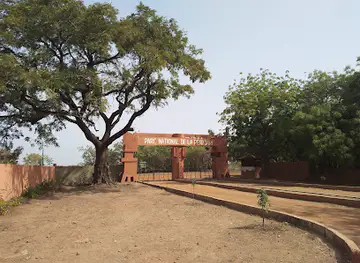
Pendjari National Park
Explore Pendjari National Park, a UNESCO Biosphere Reserve in Benin, home to Africa's majestic wildlife and breathtaking landscapes.

Grottes de Nok
Discover the Grottes de Nok: Togo's stunning limestone caves and rich archaeological heritage await you in Tandjouare.
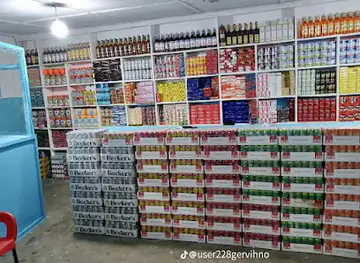
Marché de Dapaong
Explore the vibrant Marché de Dapaong in Togo, where local culture, fresh produce, and unique crafts come together in a colorful marketplace.

Gambaga Escarpment
Explore the breathtaking Gambaga Escarpment in Northeast Ghana, where stunning views meet rich cultural experiences in a natural paradise.

Best landmarks in Savanes Region
Top-rated picks
Best Landmarks

Colombe De La Paix
Discover the Colombe De La Paix, a historic landmark in Lomé symbolizing peace and unity, surrounded by lush gardens and rich Togolese culture.

Monument de l'independance
Explore the Monument de l'Indépendance in Lomé, a striking symbol of Togo's history and resilience, surrounded by beautiful gardens and vibrant local culture.

Palais de Lomé
Explore the rich history and cultural heritage at Palais de Lomé, Togo's majestic historical landmark and museum.

Fauna Cultura
Explore Fauna Cultura in Lomé, a delightful zoo showcasing diverse wildlife and promoting conservation education for all ages.

Best restaurants in Savanes Region
Top-rated picks
Best Restaurants

Le Phenicien
Discover Le Phenicien: Where Fast Food Meets Exquisite Pastries and Pizza in Lomé's Culinary Scene.

Blue Turtle Bay
Discover Blue Turtle Bay: A culinary haven in Lomé offering delicious local dishes and stunning waterfront views.

Le Beluga
Discover exquisite dining at Le Beluga in Lomé - where delicious cuisine meets enchanting ambiance.

Seven Days Restaurant
Experience the rich flavors of Togolese cuisine at Seven Days Restaurant in Lomé, where delightful dishes meet vibrant ambiance.

Best bars in Savanes Region
Top-rated picks
Best Bars

ONE WAY
Discover the vibrant nightlife and local culture at ONE WAY, Dapaong's favorite bar for a relaxed and enjoyable atmosphere.

BAR ESCALE
Discover the lively spirit of Dapaong at Bar Escale, where the drinks are affordable and the atmosphere is unforgettable.

Bar Vendôme City
Discover the vibrant nightlife at Bar Vendôme City in Dapaong, Togo, where locals and travelers meet over drinks and lively conversations.

Bar Galaxie
Experience the vibrant nightlife at Bar Galaxie in Dapaong, where friendly vibes and refreshing drinks await every visitor.

Best nightclubs in Savanes Region
Top-rated picks
Best Nightclubs

Before and after nightclub
Discover Lomé's nightlife at Before and After Nightclub – where music, dance, and vibrant energy meet in a unique bar experience.

ONE WAY
Experience the lively atmosphere of ONE WAY in Dapaong, where great drinks meet vibrant local culture and unforgettable nightlife.

Rooftop Opium
Discover the vibrant Rooftop Opium in Lomé, where stunning views and lively ambiance create unforgettable nightlife experiences.

MAD Complexe
Experience the vibrant nightlife of Lomé at MAD Complexe, a premier disco club where music and fun come alive until dawn.

Best shops in Savanes Region
Top-rated picks
Best Shops

CIB-WORGOU
Explore CIB-WORGOU: Dapaong's vibrant shopping mall offering local crafts, delicious cuisine, and a taste of Togolese culture.

ETS LIEGO SOUM ET FRÈRE
Unleash your riding potential at ETS LIEGO SOUM ET FRÈRE, the ultimate destination for motorcycle parts and accessories in Senkase, Togo.

ETS: BADAMA DAPAONG
Explore the vibrant culture and shopping experience at ETS: Badama Dapaong, the heart of Dapaong's retail landscape.

Ampia Kado Shop
Explore local culture and flavors at Ampia Kado Shop in Dapaong - your gateway to Togo's vibrant market scene.

Explore Savanes Region on the Map
A handpicked selection of must-see spots in Savanes Region, mapped for you.
Savanes Region Essentials
-
The Savanes Region in Togo is accessible primarily via air and road. The nearest international airport is Gnassingbé Eyadéma International Airport in Lomé, the capital of Togo. From Lomé, you can take a domestic flight to Niamtougou International Airport, located in the Savanes Region. Alternatively, you can travel by road; several bus companies operate routes from Lomé to Dapaong, the regional capital of Savanes. The journey by road typically takes around 8 to 10 hours, depending on road conditions.
-
Within the Savanes Region, public transportation is available but limited. Taxis and motorcycle taxis (zemidjans) are the most common modes of transport for short distances. For longer distances, you can use buses or minibuses (bush taxis). Renting a car is also an option, but it is advisable to rent a 4x4 vehicle due to the variable road conditions, especially during the rainy season.
-
The official currency in Togo is the West African CFA franc (XOF). Credit and debit cards are not widely accepted, especially in rural areas like the Savanes Region. It is recommended to carry sufficient cash, which can be withdrawn from ATMs in larger towns like Dapaong. Ensure you have smaller denominations, as change can often be an issue in markets and smaller shops.
-
The Savanes Region is generally safe for tourists, but standard travel precautions should be taken. Avoid walking alone at night, particularly in poorly lit or unfamiliar areas. Petty crime, such as pickpocketing, can occur in crowded places like markets. Stay vigilant and keep your belongings secure. Certain border areas near Burkina Faso may have increased security risks; always check travel advisories before visiting these areas.
-
In case of emergency, dial 117 for police assistance and 118 for medical emergencies. The main hospital in the Savanes Region is located in Dapaong. It is advisable to have travel insurance that covers medical emergencies and evacuation. Pharmacies are available in larger towns for minor health issues, but it is recommended to carry a basic medical kit for travel in rural areas.
-
Fashion: Do dress modestly, especially in rural and religious areas. Avoid wearing overly revealing clothing. Religion: Do respect local customs and religious practices. Always ask for permission before taking photos of people or religious sites. Public Transport: Do be respectful to drivers and fellow passengers. Don't haggle aggressively over fares. Greetings: Do greet people with a handshake or a nod. Learn a few basic phrases in French or local languages for better interaction. Eating & Drinking: Do try local dishes and accept food offerings graciously. Don't refuse hospitality, as it is considered impolite.
-
To experience the Savanes Region like a local, visit the bustling markets where you can buy fresh produce and traditional crafts. Engage with the locals, who are often friendly and eager to share their culture and history. Don't miss visiting the Tamberma Valley, known for its unique Tata houses, a UNESCO World Heritage Site. For a truly local experience, participate in traditional festivals and ceremonies if you have the opportunity.
When is the best time to visit Savanes Region?
Useful Local Phrases for Savanes Region
You don't need to speak the language perfectly. Even learning a few simple words can make conversations warmer—and locals usually appreciate the effort.
— Eve

Here are the phrases I use most often in Savanes Region. Try a few—you'll be surprised how far they go! 😊
❤️
-
- HelloBonjour
[bɔ̃ʒuʁ] - GoodbyeAu revoir
[o ʁəvwaʁ] - YesOui
[wi] - NoNon
[nɔ̃] - Please/You're welcomeS'il vous plaît
[sil vu ple] - Thank youMerci
[mɛʁsi] - Excuse me/SorryExcusez-moi
[ɛkskyze mwa] - How are you?Comment ça va?
[kɔmɑ̃ sa va] - Fine. And you?Bien. Et vous?
[bjɛ̃. e vu] - Do you speak English?Parlez-vous anglais?
[paʁle vu ɑ̃ɡlɛ] - I don't understandJe ne comprends pas
[ʒə nə kɔ̃pʁɑ̃ pa]
- HelloBonjour
-
- I'd like to see the menu, pleaseJe voudrais voir le menu, s'il vous plaît
[ʒə vudʁɛ vwaʁ lə məny, sil vu ple] - I don't eat meatJe ne mange pas de viande
[ʒə nə mɑ̃ʒ pa də vjɑ̃d] - Cheers!Santé!
[sɑ̃te] - I would like to pay, pleaseJe voudrais payer, s'il vous plaît
[ʒə vudʁɛ peje, sil vu ple]
- I'd like to see the menu, pleaseJe voudrais voir le menu, s'il vous plaît
-
- Help!Au secours!
[o səkuʁ] - Go away!Allez-vous-en!
[ale vu zɑ̃] - Call the Police!Appelez la police!
[apəle la pɔlis] - Call a doctor!Appelez un médecin!
[apəle ɛ̃ mɛdəsɛ̃] - I'm lostJe suis perdu
[ʒə sɥi pɛʁdy] - I'm illJe suis malade
[ʒə sɥi malad]
- Help!Au secours!
-
- I'd like to buy...Je voudrais acheter...
[ʒə vudʁɛ aʃəte] - I'm just lookingJe regarde juste
[ʒə ʁəɡaʁd ʒyst] - How much is it?C'est combien?
[sɛ kɔ̃bjen] - That's too expensiveC'est trop cher
[sɛ tʁo ʃɛʁ] - Can you lower the price?Pouvez-vous baisser le prix?
[puve vu bɛse lə pʁi]
- I'd like to buy...Je voudrais acheter...
-
- What time is it?Quelle heure est-il?
[kɛl œʁ ɛ til] - It's one o'clockIl est une heure
[il ɛ yn œʁ] - Half past (10)Dix heures et demie
[di zœʁ e dəmi] - MorningMatin
[matɛ̃] - AfternoonAprès-midi
[apʁɛ midi] - EveningSoir
[swaʁ] - YesterdayHier
[jɛʁ] - TodayAujourd'hui
[oʊʒuʁdɥi] - TomorrowDemain
[dəmɛ̃] - 1Un
[ɛ̃] - 2Deux
[dø] - 3Trois
[tʁwa] - 4Quatre
[katʁ] - 5Cinq
[sɛ̃k] - 6Six
[sis] - 7Sept
[sɛt] - 8Huit
[ɥit] - 9Neuf
[nœf] - 10Dix
[di]
- What time is it?Quelle heure est-il?
-
- Where's a/the...?Où est le/la...?
[u ɛ lə/la] - What's the address?Quelle est l'adresse?
[kɛl ɛ l'adʁɛs] - Can you show me (on the map)?Pouvez-vous me montrer (sur la carte)?
[puve vu mə mɔ̃tʁe (syʁ la kaʁt)] - When's the next (bus)?Quand est le prochain (bus)?
[kɑ̃ ɛ lə pʁɔʃɛ̃ (bys)] - A ticket (to ....)Un billet (pour....)
[ɛ̃ bijɛ (puʁ....)]
- Where's a/the...?Où est le/la...?
History of Savanes Region
-
The Savanes Region has been inhabited for centuries by diverse ethnic groups, including the Moba, Gourma, and Tchokossi people. These communities developed intricate social structures and cultural practices, including farming, hunting, and traditional crafts. Spiritual beliefs and rituals played a significant role in their daily life, with numerous festivals and ceremonies marking important events in the community.
-
In the late 19th century, the Savanes Region, like much of West Africa, came under the influence of European colonial powers. Initially part of German Togoland, the area was later divided between the British and French after World War I. The Savanes Region fell under French control, becoming part of French Togoland. Colonial rule brought significant changes, including the introduction of new administrative systems, infrastructure projects, and the spread of Christianity and Western education.
-
The mid-20th century was marked by growing nationalist movements across Africa, and the Savanes Region was no exception. Togolese leaders, including Sylvanus Olympio, played crucial roles in advocating for independence from French colonial rule. In 1960, Togo achieved independence, with the Savanes Region becoming an integral part of the newly established nation. This period saw a resurgence of cultural pride and efforts to preserve traditional practices amidst modernization.
-
The Savanes Region is renowned for its rich cultural heritage. Traditional music and dance, such as the war dance of the Moba people, are integral to the region's identity. Craftsmanship, including pottery, weaving, and beadwork, continues to thrive, preserving age-old techniques passed down through generations. Annual festivals, such as the Dipo festival of the Tchokossi, celebrate the region's cultural diversity and historical legacy.
-
Post-independence, the Savanes Region has experienced both economic growth and challenges. Agriculture remains the backbone of the local economy, with crops like millet, sorghum, and yams being staples. However, issues such as climate change, soil degradation, and economic disparities pose significant challenges. Efforts are ongoing to improve infrastructure, education, and healthcare to enhance the quality of life for residents and promote sustainable development.
-
The Savanes Region boasts natural attractions such as the Keran National Park, home to diverse wildlife including elephants, antelopes, and various bird species. Conservation efforts aim to protect these habitats while promoting eco-tourism. Visitors can explore the region's scenic landscapes, traditional villages, and historical sites, gaining a deeper appreciation for the area's rich cultural and natural heritage.
Neighbouring Regions of Savanes Region
The closest regions to Savanes Region, if you have time for more than one.


Your all‑in‑one travel companion app
Explore expert travel guides, compare and book tours, experiences, hotels, and more—all from the palm of your hand. Download now for seamless trip planning wherever your wanderlust takes you.


Explore More of Togo

Looking beyond Savanes Region? Discover Togo for broader travel guides, local hot-spots, and regional highlights.
Explore TogoSavanes Region in Photos
Browse through our photo collection highlighting the charm and character of the destination.


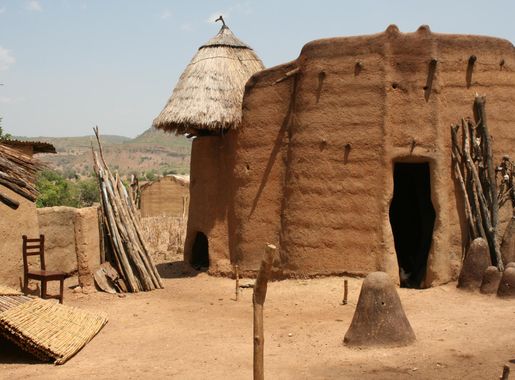



The Untamed Beauty of Savanes Region, Togo
The Savanes Region in Togo is a hidden gem waiting to be explored. This untouched part of West Africa offers a mix of natural beauty, rich culture, and fascinating history. The landscape is diverse, ranging from rolling savannas to dense forests, making it a paradise for nature lovers and adventure seekers alike. Kara, the main city in the region, serves as a gateway to many attractions. Nearby, you will find the Koutammakou, a UNESCO World Heritage site known for its traditional mud houses called Takienta. The Batammariba people, who live here, have preserved their unique way of life for centuries, offering tourists a rare glimpse into their culture and traditions. For wildlife enthusiasts, the Fazao-Malfakassa National Park is a must-visit. The park is home to elephants, antelopes, and various bird species. Hiking trails and guided tours provide an intimate look at the region's flora and fauna. The Alédjo Wildlife Reserve is another fantastic spot for those interested in local wildlife and stunning landscapes. The Savanes Region is also rich in folklore and traditional music. Local markets, like the one in Dapaong, offer a chance to experience the vibrant culture and buy handmade crafts. Don’t miss the opportunity to try local dishes such as fufu and grilled meat, which are both delicious and unique to the region.