

Free Oti River Valley Travel Guide & Mobile App
Explore Oti River Valley with free travel guides. Discover regional history, expert tips, proposed trips, and audio guides on web or mobile app.


Explore Togo’s Oti River Valley around Mango, where seasonal floodplains, savannah landscapes and northern cultures shape a quiet overland journey.
Read more about Oti River Valley
When is the best time to visit Oti River Valley?
Best: November–January · 30–32°C| Month | High (°C) | Rainfall (mm) |
|---|---|---|
| January (best) | 32 | 5 |
| February | 33 | 8 |
| March | 34 | 15 |
| April | 34 | 25 |
| May | 32 | 35 |
| June | 30 | 55 |
| July | 29 | 65 |
| August | 30 | 55 |
| September | 30 | 45 |
| October | 32 | 25 |
| November (best) | 31 | 15 |
| December (best) | 30 | 8 |
Getting to and around Oti River Valley
How to get there
Transportation
Destinations in Oti River Valley
Resorts, valleys and scenic spots worth a trip of their own.

Swipe for more destinations
Best attractions in Oti River Valley
The Oti River is the valley’s central attraction, offering a changing landscape of floodplain, savannah, riverbank vegetation and cultivated land. Around Mango, visitors can observe the relationship between the river, the town’s market economy and nearby rural settlements, preferably with locally arranged guidance. The wider countryside is suited to landscape photography, bird observation, seasonal walks and overland exploration rather than a conventional circuit of ticketed sights. Small markets, roadside food stalls and village life provide cultural interest, but visitors should request permission before entering compounds or photographing people. Wildlife viewing is possible in northern Togo’s broader savannah and protected-area network, although specific reserves may lie outside the Oti Valley’s central travel corridor and require separate planning. The most rewarding excursions allow time for changing light, seasonal agriculture and river crossings rather than rushing between points. During the rains, vegetation becomes greener and access can be difficult; in the dry months, visibility improves but heat and dust are considerable. The valley is therefore best approached as a geographical and cultural landscape, with expectations adjusted to limited visitor infrastructure.
-
Park
Plantation Odef Essence Teck
Experience the tranquility of Plantation Odef Essence Teck, a serene park in Mango, Togo, perfect for nature lovers and relaxation seekers.
-
Tourist attraction
Fleuve Oti
Experience the serene beauty of Fleuve Oti, a picturesque river in Mango, Togo, perfect for nature lovers and photographers.
-
Tourist attraction
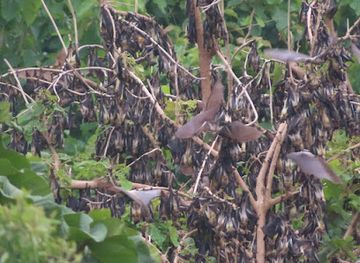
Valley of Bats
Explore the Valley of Bats, a mesmerizing natural attraction offering stunning landscapes and fascinating wildlife encounters in a serene setting.


Best landmarks in Oti River Valley
The Oti River itself is the defining natural landmark, particularly at accessible stretches near Mango where the waterway, floodplain and road corridor reveal the geography of the valley. Its importance is not only visual: the river supports agriculture, fishing, livestock activity and movement, while seasonal changes influence the appearance and accessibility of the surrounding land. Mango is the valley’s principal urban landmark, serving as the administrative centre of Oti Prefecture and a point where regional commerce, transport and riverine landscapes meet. Traditional compounds and rural settlement layouts in the wider valley may also convey local architectural and social history, but they are lived places rather than open-air museums and should be approached respectfully. The broad savannah horizon, seasonal wetlands and lines of vegetation along drainage channels are further geographical markers that distinguish the Oti basin from Togo’s southern lowlands. Nearby protected areas in northern Togo may be relevant to a wider itinerary, but they should not be presented as landmarks of the central Oti Valley without checking their precise location.
-
Tourist attraction
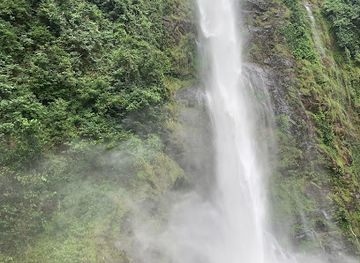
cascade de Yikpa
Experience the serene beauty of Cascade de Yikpa, a hidden gem in Ghana's Likpe Bakwa, perfect for nature lovers and adventure seekers.
-
Tourist attraction
Fleuve Oti
Experience the breathtaking beauty and tranquility of Fleuve Oti, a hidden gem in Togo's stunning landscape, perfect for nature lovers and adventurers.

Explore Oti River Valley on the map
Plan your trip on one map. See where the top cities, national parks and sights are, and book hotels and experiences in a few clicks.
Best hotels in Oti River Valley
Best restaurants in Oti River Valley
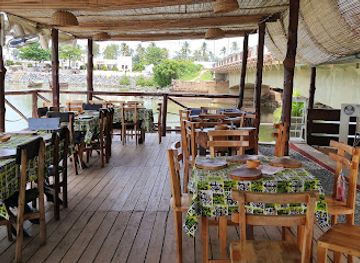
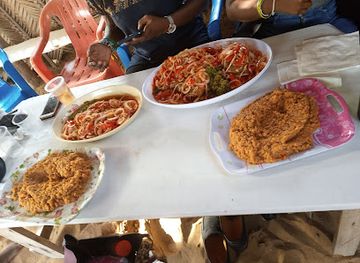
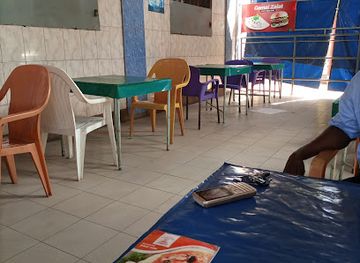
Dining in the Oti River Valley is informal and closely tied to local markets, household cooking and roadside trade. In Mango, visitors can usually find simple meals based on maize, millet, rice, beans, sauces and seasonal vegetables, while grilled meat and other quick foods appear around busy transport and market areas. Northern Togolese cooking reflects the savannah environment and cross-border culinary connections, with cereals, legumes, poultry, goat and locally available fish featuring more often than the coastal seafood traditions of southern Togo. Local drinks and prepared foods vary by season and community, so asking a trusted resident or accommodation host is the best way to identify what is fresh and appropriate. Cafés and more formal restaurants are limited compared with Lomé, and menus may be small or change according to supplies. Carry water and a few snacks for rural journeys, where food stops are less predictable, and choose busy, clean-looking vendors with good turnover.
-
Restaurant
Miadjoe
Experience authentic Togolese flavors at Miadjoe, a premier restaurant in Aneho offering delicious cuisine in a welcoming atmosphere.
-
Restaurant
Bar-restaurant Mon Village (chez Léo) nouvelle gérance
Discover authentic Togolese cuisine at Bar-restaurant Mon Village in Togoville - where every dish tells a story.
-
Restaurant
Restaurant Gamal zalt
Experience authentic Togolese flavors at Restaurant Gamal Zalt, known for its fish and chips and cozy atmosphere in Agouenyive.
-
Restaurant
Right Eats
Experience the vibrant flavors of Togo at Right Eats - where local cuisine meets international flair in Lomé.

Best bars in Oti River Valley
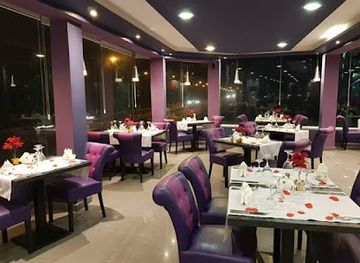
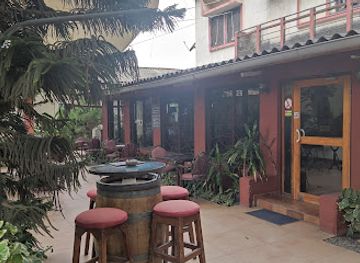
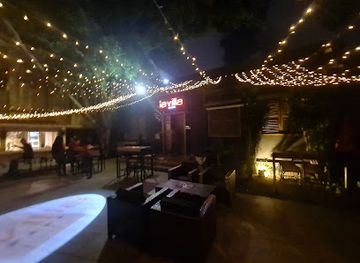
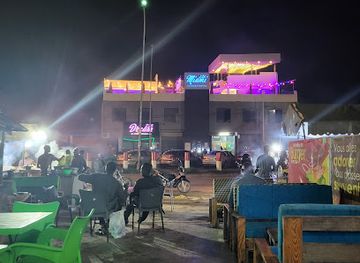
Evening life in the Oti River Valley is modest and concentrated in Mango rather than organised around a large club scene. Local bars and beer gardens provide places to sit, talk and listen to music, while small eateries and roadside stalls may remain active around transport areas. In villages, social life often centres on family compounds, community gatherings and informal conversation rather than commercial nightlife. Entertainment, music and opening patterns can change with the day of the week, season and local events, so ask locally rather than relying on an assumed timetable. Visitors should drink responsibly, keep valuables secure and arrange their return transport before going out, particularly where roads are poorly lit. The valley’s evening appeal lies more in observing everyday social life and the cooler air after sunset than in a developed nightclub circuit.
-
Restaurant
Le Phenicien
Experience the delightful culinary offerings at Le Phenicien in Lomé, serving delicious pastries, pizzas, and fast food in a warm atmosphere.
-
Restaurant
La route des vins
Discover the exquisite blend of local and international flavors at La Route des Vins in Lomé, Togo, where every meal is a celebration.
-
Bar
LA VILLA
Experience the vibrant nightlife of Lomé at LA VILLA, where local flavors meet a lively atmosphere for an unforgettable bar experience.
-
Night club
Miami 228
Discover the vibrant nightlife and dining experience at Miami 228, Lomé's top night club, perfect for dancing and socializing until dawn.
Best nightclubs in Oti River Valley
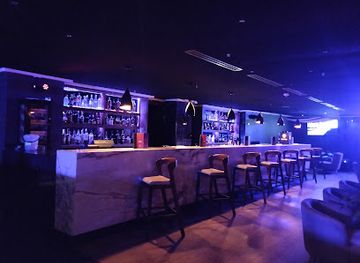
Evening life in the Oti River Valley is modest and concentrated in Mango rather than organised around a large club scene. Local bars and beer gardens provide places to sit, talk and listen to music, while small eateries and roadside stalls may remain active around transport areas. In villages, social life often centres on family compounds, community gatherings and informal conversation rather than commercial nightlife. Entertainment, music and opening patterns can change with the day of the week, season and local events, so ask locally rather than relying on an assumed timetable. Visitors should drink responsibly, keep valuables secure and arrange their return transport before going out, particularly where roads are poorly lit. The valley’s evening appeal lies more in observing everyday social life and the cooler air after sunset than in a developed nightclub circuit.
-
Bar
Before and after nightclub
Dive into the vibrant nightlife of Lomé at Before and After Nightclub, a premier bar for unforgettable nights filled with music and dance.
-
Night club
Aské night club
Dive into Lomé's nightlife at Aské Night Club, a vibrant venue known for its electrifying music and unforgettable dance experiences.
-
Night club
V8 Night Club
Discover the vibrant nightlife of Lomé at V8 Night Club, where music, dance, and culture come together for an unforgettable experience.


Best shops in Oti River Valley
Shopping in the Oti River Valley is centred on Mango’s market activity and the smaller periodic markets serving surrounding settlements. Visitors will find practical goods, household supplies, clothing, grains, vegetables and seasonal produce rather than a large concentration of tourist boutiques. Local food products and everyday market items offer a more authentic reminder of the valley than imported souvenirs, although transport and border restrictions should be considered before buying agricultural products or animal-related items. Small traders may sell woven goods, leatherwork or locally made household objects, but availability varies and quality is not uniform. Bargaining can be part of informal market transactions, yet it should remain courteous and proportionate. Carry cash in small CFA-franc denominations, as card payments are rarely available. Mango is the sensible place to purchase essentials before travelling into rural areas, where retail options become increasingly limited.
-
Gift shop
Aklala Batik Du Togo à Lomé
Discover the vibrant artistry of Togolese batik at Aklala Batik Du Togo in Lomé, where culture and craftsmanship come together.
-
Shopping mall
Boutique Togocel
Explore Boutique Togocel in Gando-Namoni for unique shopping, delicious dining, and cultural experiences in one vibrant location.

Get your free copy of our complete guide to Oti River Valley, delivered straight to you.
Everything on this page, from attractions and restaurants to essentials and local phrases, in one PDF you can read offline, print or share.
Already have an account? Sign in
Your Oti River Valley guide is ready.
We'll send it to · Not you? Sign out

Getting your guide ready…
We are putting together a fresh copy of the Oti River Valley guide. This can take up to a minute.
This can take a few moments. If your browser asks, choose Allow so the download can start. You'll find the guide in your Downloads folder.
Nothing happened? Download it again
Sorry, the guide is taking longer than usual. Please try again in a minute, or get it by email instead.
Oti River Valley essentials
Currency and Payment
Safety
Emergency Situations
Do's and Don'ts
Local Tips
From Eve
Local phrases worth knowing
You don't need to get them perfect. A few words go a long way, and locals appreciate the effort.
Basics
| English | Local | Say it |
|---|---|---|
| Hello | Nɔɔ | [noh] |
| Goodbye | Nɔɔ kɛ | [noh keh] |
| Yes | Yɛ | [yeh] |
| No | Maa | [mah] |
| Please/You’re welcome | Mɛ kɔ | [meh koh] |
| Thank you | Mɛ da | [meh dah] |
| Excuse me/Sorry | Mɛn wɛ | [men weh] |
| How are you? | Nɛ nyɛ? | [neh nyay] |
| Fine. And you? | Nɛ nyɛ pɛ. Nɛ yɛ? | [neh nyay peh. neh yeh] |
| Do you speak English? | Nɛ wɛ English? | [neh weh English] |
| I don't understand | Mɛ nɛ mɛn. | [meh neh men] |
Eating & Drinking
| English | Local | Say it |
|---|---|---|
| I’d like to see the menu, please | Mɛ pɛ dɔ lɛ, mɛ kɔ | [meh peh doh leh, meh koh] |
| I don’t eat meat | Mɛ nɛ dɔ nɔ | [meh neh doh noh] |
| Cheers! | Bɔɔ | [boh] |
| I would like to pay, please | Mɛ pɛ kɔ bɔn, mɛ kɔ | [meh peh koh bon, meh koh] |
Emergencies
| English | Local | Say it |
|---|---|---|
| Help! | Bɔ nɔ! | [boh noh!] |
| Go away! | Kɔ nɛ! | [koh neh!] |
| Call the Police! | Mɛ pɛ bɔ Police! | [meh peh boh Police!] |
| Call a doctor! | Mɛ pɛ bɔ dɔktɛ! | [meh peh boh docte!] |
| I’m lost | Mɛ nɛ nɔ pɛ | [meh neh noh peh] |
| I’m ill | Mɛ nɛ bɔ nɔ | [meh neh boh noh] |
Shopping
| English | Local | Say it |
|---|---|---|
| I’d like to buy... | Mɛ pɛ bɔ... | [meh peh boh] |
| I’m just looking | Mɛ nɛ dɔ | [meh neh doh] |
| How much is it? | Nɛ bɔ kɛ? | [neh boh keh] |
| That’s too expensive | Nɔ bɔ kɛ nɛ nɛ | [noh boh keh neh neh] |
| Can you lower the price? | Nɛ pɛ mɛn bɔ kɛ | [neh peh men boh keh] |
Time & Numbers
| English | Local | Say it |
|---|---|---|
| What time is it? | Nɛ nɔ kɛ? | [neh noh keh?] |
| It’s one o’clock | Nɔ kɛ lɛ | [noh keh leh] |
| Half past (10) | Nɔ kɛ lɛ pɛ (10) | [noh keh leh peh (10)] |
| Morning | Kɔsɛ | [koh-seh] |
| Afternoon | Dɔdɔ | [doh-doh] |
| Evening | Nɔdɔ | [noh-doh] |
| Yesterday | A nɛ | [ah neh] |
| Today | Nɛ nɔ | [neh noh] |
| Tomorrow | Nɛ nɛ | [neh neh] |
| 1 | Yɛtɛ | [yeh-teh] |
| 2 | Dɔ | [doh] |
| 3 | Dɔtɛ | [doh-teh] |
| 4 | Nɔtɛ | [noh-teh] |
| 5 | Nɔkɔ | [noh-koh] |
| 6 | Dɔkɔ | [doh-koh] |
| 7 | Dɔtɔ | [doh-toh] |
| 8 | Nɔtɔ | [noh-toh] |
| 9 | Yɛtɔ | [yeh-toh] |
| 10 | Nɔtɛ | [noh-teh] |
Transport & Directions
| English | Local | Say it |
|---|---|---|
| Where's a/the...? | Nɛ kɛ a...? | [neh keh ah...?] |
| What’s the address? | Nɛ bɔ kɛ adɛsɛ? | [neh boh keh ah-deh-seh?] |
| Can you show me (on the map)? | Nɛ pɛ mɛn (kɛ mɛ)? | [neh peh men (keh meh)?] |
| When’s the next (bus)? | Nɛ kɛ lɛ (bɔ)? | [neh keh leh (boh)?] |
| A ticket (to ....) | Bɔ kɛ (to ....) | [boh keh (to ....)] |
History of Oti River Valley
Ancient Riverine Settlement and Trade
The Oti basin has long supported farming, fishing, livestock movement and exchange between communities in the northern savannah zone. Rivers and seasonal wetlands provided water and fertile ground, while the valley also formed part of wider routes linking present-day northern Togo with Burkina Faso, Ghana and northern Benin. Archaeological evidence and oral traditions across the broader region point to long histories of settlement, migration and interaction rather than a single, uniform population. The river’s value has therefore been economic and social as well as environmental.
Northern Kingdoms and Regional Networks
Before European colonial rule, northern Togo was connected to several political and commercial systems, including the influential Gurma and Mossi-linked worlds to the north and west. Authority often operated through chiefly and local institutions rather than through one state covering the entire Oti Valley. Trade, marriage, seasonal movement and conflict shaped relationships between settlements. These historical networks help explain the valley’s cultural variety and the presence of related languages and customs on both sides of modern national borders.
German Togoland and Colonial Frontier Rule
Germany established control over Togoland from the late nineteenth century, gradually extending colonial administration into the north. The Oti basin was part of a frontier where mapping, taxation, military expeditions and the creation of administrative routes altered existing patterns of authority and movement. Colonial rule remained uneven, particularly away from main roads and centres, but it introduced new officials, commercial systems and transport priorities. Mango and other northern settlements subsequently developed greater importance as administrative and market points.
The French Mandate and the Northern Economy
After the First World War, the former German colony was divided between British and French administrations under League of Nations mandates. The area that became Togo was governed by France, whose administration reorganised territory, taxation, labour and transport. French-era roads and market systems strengthened links between northern settlements and the south, while agriculture and livestock remained central to local livelihoods. The legacy is visible in the use of French in official life and in the road-based structure of regional commerce, even though local languages remain essential in everyday communication.
Independence and Administrative Change
Togo became independent in 1960, and the Oti Valley thereafter formed part of the country’s northern administrative and economic framework. Mango became the capital of Oti Prefecture and an important service centre for surrounding communities. National borders, however, did not erase older regional connections: the river basin continues into Ghana, while social and commercial relationships often extend towards Burkina Faso and Benin. Contemporary travel through the valley reflects this combination of national administration and older cross-border geography.
River Management, Conservation and Seasonal Change
In recent decades, attention across the Oti basin has increasingly focused on water, agriculture, flooding, biodiversity and the pressures created by changing land use. Seasonal rainfall determines river levels, pasture conditions and access to rural roads, making environmental rhythms central to life in the valley. Conservation initiatives in the wider Oti and northern Togo landscapes seek to protect wildlife habitats while recognising the needs of farming and pastoral communities. These competing requirements remain part of the region’s contemporary story.
Oti River Valley in Photos
Browse through our photo collection highlighting the charm and character of the destination.
Neighbouring regions of Oti River Valley
The closest regions to Oti River Valley, if you have time for more than one.
-

-

-

-

-


Swipe for more regions
Explore more

Explore more of Togo
Discover Togo, a hidden gem in West Africa, offering vibrant culture, stunning landscapes, rich history, and diverse wildlife for an unforgettable travel experience.
Explore Togo